Courtesy of 180 Degrees Design Studio | The Fabric
As the landscape of architecture and urban development adapts to the modern climate, the traditional notion of construction has been significantly modified and adjusted. Specifically, principles of reuse, recycling, adaptive reuse, and the power of transforming existing structures into something more meaningful and sustainable have gained much traction. Looking at these curated collections of unbuilt projects, one can begin exploring a different way of looking at buildings and heritage, which is significantly more sensitive to the built environment.
From the austere office buildings of the United Kingdom to the proposal to re-activate a skyscraper in Ostrava, these diverse contexts tell stories of resilience, innovation, and a profound commitment to the existing built environment. Offering a new way of looking at things, the projects champion adaptive reuse and activation concepts.
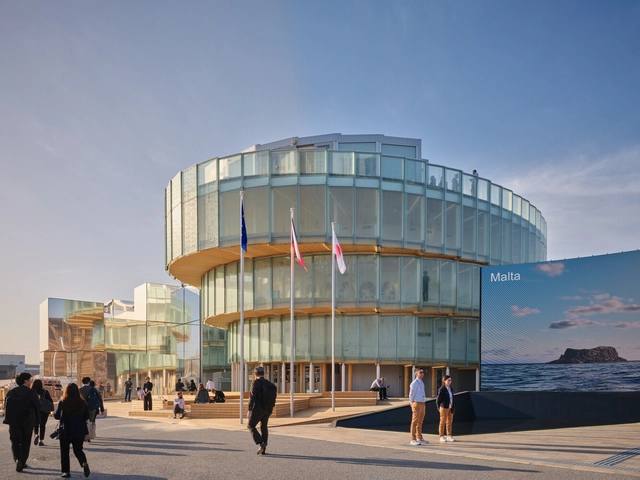
The city of Osaka, Japan, has won the bid to organize the 2025 World Expo, an international event expected to draw in millions of visitors. Set to commence on April 13, 2025, and conclude on October 13, 2025, this marks Japan's second occasion as host, the prior instance being in 1970. Throughout their history, World Expos have been the place where new technologies and products are showcased and popularized, leading to technological advancements and innovative designs. For this event, Osaka has chosen the overarching theme of "Designing Future Society for Our Lives," with three subthemes further developing the concept: Saving Lives, Empowering Lives, and Connecting Lives. Architect Sou Fujimoto was selected as the Expo Site Design Producer, taking on the responsibility of creating the master plan and providing guidance to designers from participating countries.
It is well known that exposure to more green spaces and cleaner air has profound impacts on human health and psychology. This kind of exposure has been linked to reduced stress, improved cognitive function, and enhanced creativity. These sanctuaries offer relief, allowing the human to reconnect with the natural world. These residential homes are often a refuge from busy city life, ranging from vacation homes to retirement homes. Moreover, as the global call for sustainable practices becomes more pressing, the role of natural elements in architecture becomes imperative.
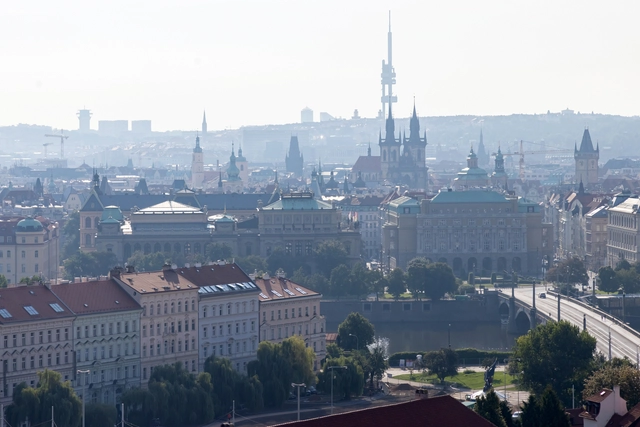
In the summer of 2022, Iwan Baan completed an urban pilgrimage through the unique streets of Prague. For 7 days, the photographer photographed the city on foot, on a bike, and from a helicopter, capturing the essence of the urban fabric, from the center to the periphery and the landscape along the Vltava River. Presenting the city as a raw and often neglected entity, Iwan Baan showcased his exhibition “Iwan Baan: Prague Diary” this year at CAMP.
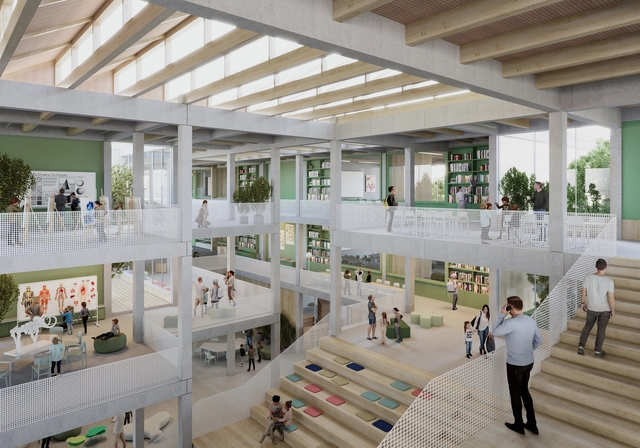
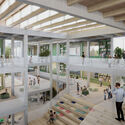
CHYBIK + KRISTOF has just won an architectural competition to design the new primary school in Stara Boleslav in the Czech Republic. The school will allow up to 900 children from sixteen neighboring towns to attend. Furthermore, the design is based on a flexible methodology that will enable the school to change in the future to meet new demands. The building's green atrium opens views of the city's primary local and historical structures. Moreover, the school is designed to become an educational and cultural hub for the town and the neighboring public.
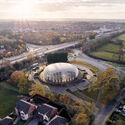
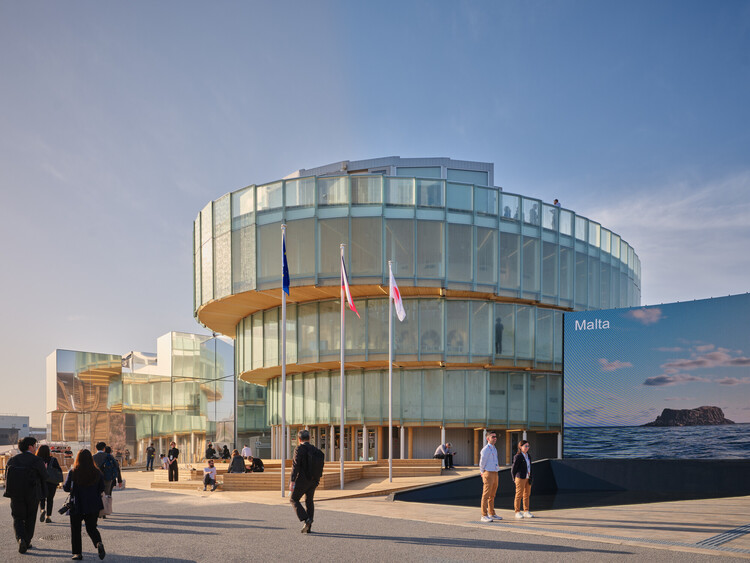
TheCzech Republic Pavilion at EXPO 2025Osaka embodies the concept of life energy and continuous growth through its thoughtful architectural design. Created by Apropos Architects, the pavilion is centered around the motif of a spiral. Visitors experience a 260-meter-long pathway that wraps around the building, ascending gradually across four floors before culminating on the observation roof. This dynamic journey reflects the passage of time, individual development, and broader themes of personal and social progress.
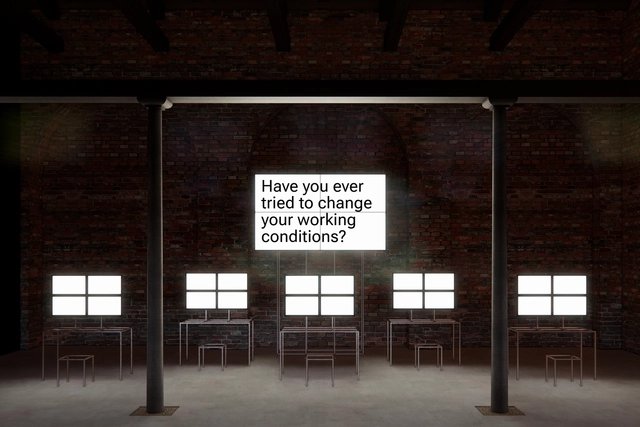
The National Pavilion of the Czech Republic presents the exhibition “The Office for a Non-Precarious Future” at the 18th International Architecture Exhibition of La Biennale di Venezia. The exhibition investigates current pressing issues faced by the architectural profession and especially by young practitioners by asking the initial question: ”How can architects design a better world if they themselves work in a toxic working system?.” The pavilion is commissioned by Helena Huber-Doudová and will present the works of exhibitors Eliška Havla Pomyjová, David Neuhäusl, and Jan Netušil. As the Czech ad Slovak Pavilion at the Giardini della Biennale is under reconstruction, the Czech Republic will exceptionally use the Arsenale in the Artiglierie section as its exhibition space. The Czech and Slovak Pavilion in Giardini will serve only as a digital hub to complement the main presentation.
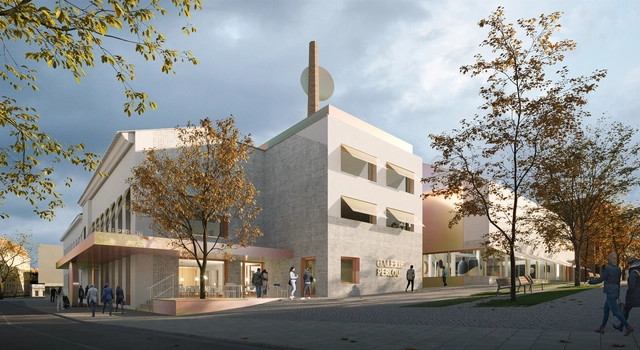
Pearl Gallery Renders. Image Courtesy of CHYBIK + KRISTOF
CHYBIK + KRISTOF architecture studio has been announced as the competition winners for a new cultural landmark that will transform and re-activate public space in Ústí nad Orlicí, Czech Republic. This former textile factory will be converted into a multifunctional cultural hub available to the public. The newly revitalized building will contribute to the existing cultural infrastructure, located near the main square of the city.
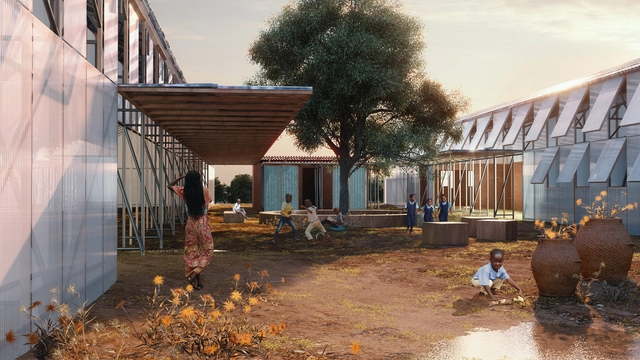
The year 2022 was marked by several socio-cultural and economic crises across the globe, from the Russian invasion of Ukraine to the increasing cost of living worldwide, combined with a number of natural disasters such as the devastating floods in Pakistan and hurricane Ian in the US. In these difficult times, architects are stepping up and embracing their role in developing design-based solutions to humanitarian crises, ranging from temporary shelters and affordable housing schemes to centers for protecting at-risk groups such as homeless underage girls, children from low-income environments, or families in need of medical care.
This week's curated selection of Best Unbuilt Architecture highlights projects submitted by the ArchDaily community that engage with their local communities, offering safe spaces for disadvantaged and at-risk groups. From a sanctuary for homeless girls in Iraq to an affordable housing project in Prague’s first skyscraper, this selection features projects centered around people, their needs, and desires. Many of the projects employ local materials such as clay bricks to lower the construction costs. They also reuse existing buildings and hope to engage the local community in building and appropriating the proposed spaces.
As the new year begins, we look forward to the most exciting projects planned to open in 2023. The world's second-tallest tower is currently under construction in Malaysia; Egypt is almost ready to open its largest archeological museum, while MVRDV is currently renovating a large-scale brutalist landmark in Albania. Featuring internationally renown architectural offices such as Snøhetta, OMA, Studio Gang, Zaha Hadid Architects, BIG, along with the latest winner of the Pritzker Prize, Francis Kéré, the following selection presents projects from all around the world. They also range in scale and program, from international airports to sculptural arts galleries or museum expansions.
Several projects presented here have also featured in the previous year's compilation. Resource availability and labor issues generated by the pandemic have also continued to influence opening schedules, but with a diminishing impact. Following the predicted trends for 2023, more and more projects involve the adaptive reuse of existing structures. An underlying theme is visible in the increased interest in expanding artistic and cultural venues and integrating historical heritage into the expression of contemporary architecture.
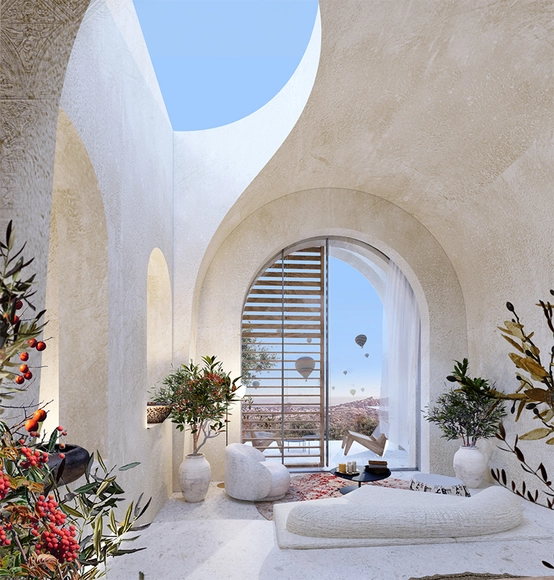
Cappadocia Spa Hotel by GAD ARCHITECTURE. Image Courtesy of GAD ARCHITECTURE
Offering short-term accommodation to travelers, hotels represent one of the main elements supporting the hospitality sector. They often aim to create a serene environment, isolated from the bustle of city life, yet representative of the local identity. Boutique hotels represent a rising sub-sector of hospitality design. These are small hotels typically between 10 and 100 rooms with carefully chosen interior design, providing a memorable experience to their guests. From historic renovations to contemporary ground-up hotels, hotel projects represent a great opportunity for architects to create unique environments centered around leisure and relaxation.
This week’s curated selection of Best Unbuilt Architecture highlights projects submitted by the ArchDaily community. Located in the forests of Portugal, on the shore of the Greek island of Crete, or in the deserts of Egypt, this round-up of unbuilt projects showcases how architects respond to local conditions in order to create designs that cater to the needs of tourists and travelers.
Steven Holl Architects, in collaboration with Marcela Steinbachová and SKUPINA Studio, have won first place in the international competition of the Terezín Ghetto Museum in Czech Republic. Founded in 1780 as a military fortress, Terezín served as a Jewish Ghetto during World War II where an estimated 33,000 people died. The existing Terezín Ghetto Museum honors individuals who have lost their lives with a new design that is set to serve as a memorial of hope and light.
BIG (1st place) - Exterior view. Image Courtesy of Mozses
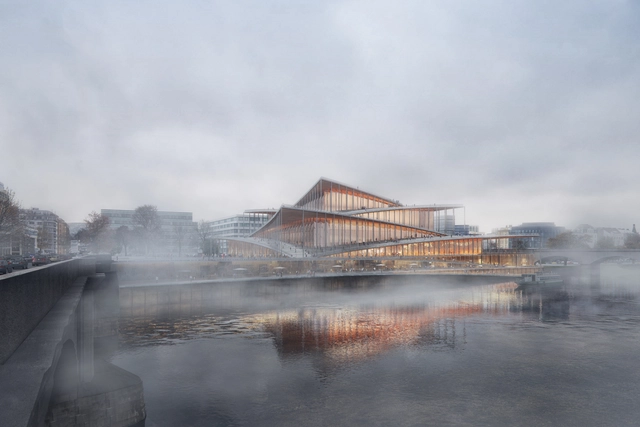
The City of Prague announced the international competition results for the design of the Vltava Philharmonic Hall. The winning project is designed by Danish studio Bjarke Ingels Group – BIG. The new concert hall aims to become a focal point for the city and reinforce Prague's reputation as a European cultural capital. The proposed volume of the new Philharmonic Hall presents a recognizable image while also being well integrated into the complex topography of the Vltava riverbank. Visitors are invited to follow the meandering series of plazas connected by sloping roofs that take them from the riverbank to the rooftop, promising views of the historic city center of Prague. Spanish architecture practice Barozzi Veiga collaborated with local office Atelier M1 and won second place. Bevk Perović Arhitekti and Petr Hájek Architekti won third and fourth place, respectively, while Snøhetta's proposal was declared the fifth winner.
This week's curated selection of Best Unbuilt Architecture highlights different competition-winning designs and honorable mentions submitted by the ArchDaily Community. From large scale urban developments to small interventions and installations, this article highlights a selection of projects that have taken part of international and/or national competitions, and have received recognition from their juries.
From a metro station refurbishment that highlights the colors of Belgrade, to a memorial park on the coast of Miami, the award-winning entries are designed by young architects who have reimagined cultural, commercial, and urban projects, and provided innovative solutions that cater to the city and community. This round up also includes projects in Pakistan, Czech Republic, Germany, Vietnam, and Turkey.
This week’s curated selection of Best Unbuilt Architecture highlights competition-winning projects submitted by the ArchDaily Community. From large scale urban developments to interventions in the landscape, from housing projects to educational spaces and commercial buildings, this article showcases a variety of design approaches, programs and scales. The proposals featured are the results of local and international competitions, either creative concepts or projects currently in progress.
The competition-winning entries include a range of different projects, designed by both new practices and established firms. are a few of this week's highlights. A "city within a city" urban development in Ukraine, an EV station design in Canada that reinterprets the traditional typology of highway rest areas, a sustainable housing block in Finland and a clubhouse in the landscape of New Zealand are some of this week's highlights.
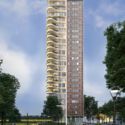
CHYBIK + KRISTOF revealed the design of a skyscraper in the Czech Republic city of Ostrava. The project reframes the typology of the skyscraper as a dynamic social hub and activates public space in support of the post-industrial city’s reactivation and socio-economical transformation. Upon completion, the 235-metre Ostrava Towerwill be the tallest building in the country.
This week's curated selection of Best Unbuilt Architecture highlights conceptual works, competition entries and projects in different stages of development submitted by the ArchDaily community. From a village made of 3D-printed cacao waste for a chocolate manufacturer in Ecuador, the transformation of a shopping centre in Ontario into a sustainable and walkable neighbourhood, to the refurbishment and redevelopment of Brutalist estates in London, the following projects illustrate a wide array of design approaches shaping the built environment.
This week's selection of unbuilt projects highlights worldwide interventions addressing a range of highly-relevant topics, such as circular construction, the adoption of sustainable materials, biodiversity, urban redevelopment of obsolete infrastructure or adaptive reuse and the reconsideration of the existing building stock.


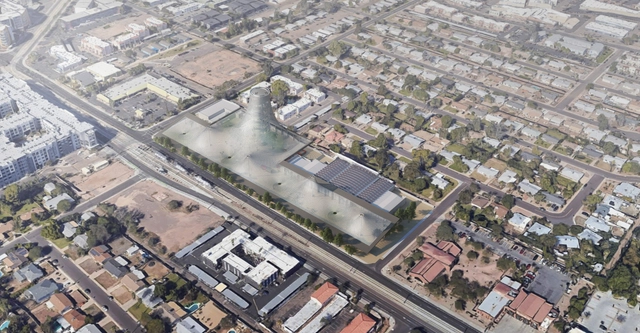



























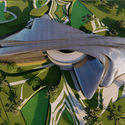
.jpg?1652355731 "Memorial Park by Tatiana Ivanova, Mikhail Skisov. Image Courtesy of Tatiana Ivanova, Mikhail Skisov")