1. ArchDaily
  2. concrete

concrete: The Latest Architecture and News

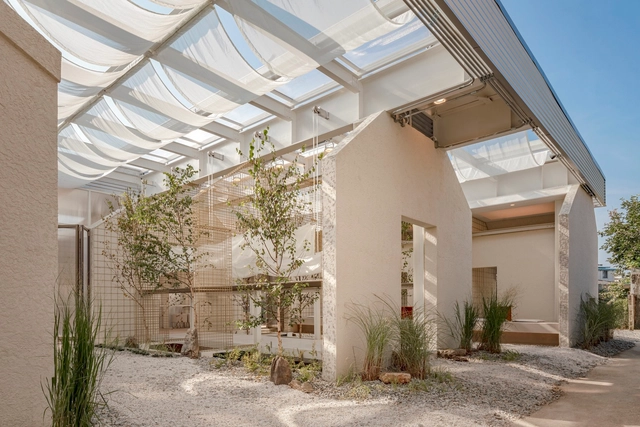
Design Ethos of Subtraction and Addition: 10 Adaptive Reuse Projects for Commercial and Social Spaces in Asia

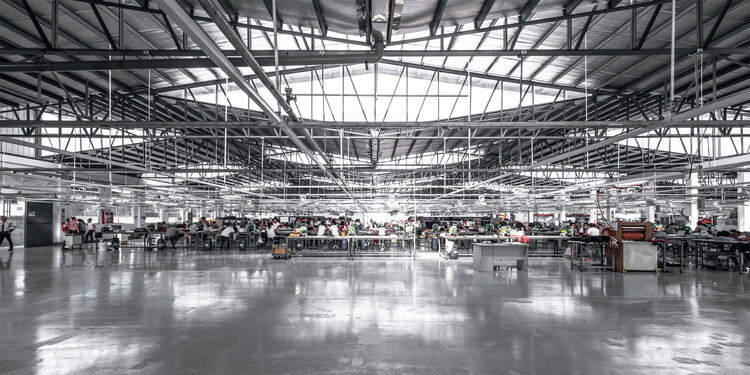
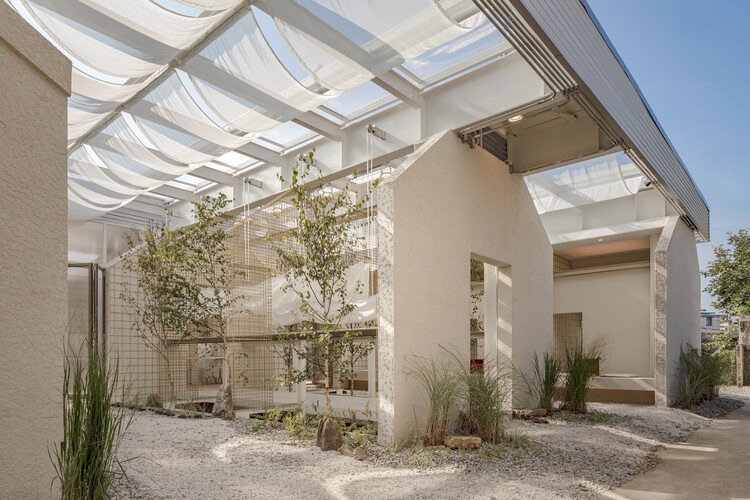
While adaptive reuse has been increasingly acknowledged as a vital architectural strategy worldwide, its discourse and implementation in Asia are still expanding—driven by growing ecological awareness and a shifting understanding of architectural knowledge. Rather than accelerating a developmentalist model centered on demolition and new construction, architects today are confronted with a different approach to the built environment: treating the existing structure as a resource—an archive of materials, spatial organizations, and informal histories.
Adaptive reuse is often associated with the preservation of historic buildings and culturally significant heritage. Yet the vast field of seemingly 'less-valued' structures—abandoned houses, standard yet old dwellings, non-conforming office buildings, and overlooked urban voids—has become ground for experimentation. These sites challenge architects and designers to reconsider prevailing standards of efficiency and market-driven development, and to imagine spatial and ecological practices that avoid the continual loss of embodied material and cultural knowledge inherent in constant rebuilding.

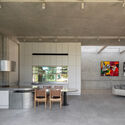
Design Ethos of Subtraction and Addition: 10 Adaptive Reuse Projects for Commercial and Social Spaces in Asia - SustainabilityDesign Ethos of Subtraction and Addition: 10 Adaptive Reuse Projects for Commercial and Social Spaces in Asia - SustainabilityDesign Ethos of Subtraction and Addition: 10 Adaptive Reuse Projects for Commercial and Social Spaces in Asia - SustainabilityDesign Ethos of Subtraction and Addition: 10 Adaptive Reuse Projects for Commercial and Social Spaces in Asia - SustainabilityDesign Ethos of Subtraction and Addition: 10 Adaptive Reuse Projects for Commercial and Social Spaces in Asia - More Images+ 29

Turning Surfboard Waste into Climate-Resilient Homes in Hawaii

Subscriber Access | 

Surfing is, without a doubt, one of the most visually striking and fascinating sports. A fluid choreography that combines strength and delicacy, like a dance on the waves, gathers enthusiasts across the world's oceans. Yet, behind this image of freedom and connection with nature, the sport also carries contradictions. It is a symbol of outdoor life and respect for the ocean, but on the other hand, it is marked by territorial disputes over waves and by an environmental footprint that rarely receives the same attention given to its aesthetics. In times of climate crisis, this paradox becomes even more evident. Surfing depends directly on the health of marine ecosystems, the very ones most affected by pollution and global warming. This tension has been pushing a new generation of shapers, architects, and material designers to seek alternatives, from plant-based and recycled foams to the reuse of industrial waste, in order to reconnect the sport with its ecological dimension.

Context-Responsive Architecture in Spain: 7 Projects Highlighting Material Strategies

 | Sponsored Content

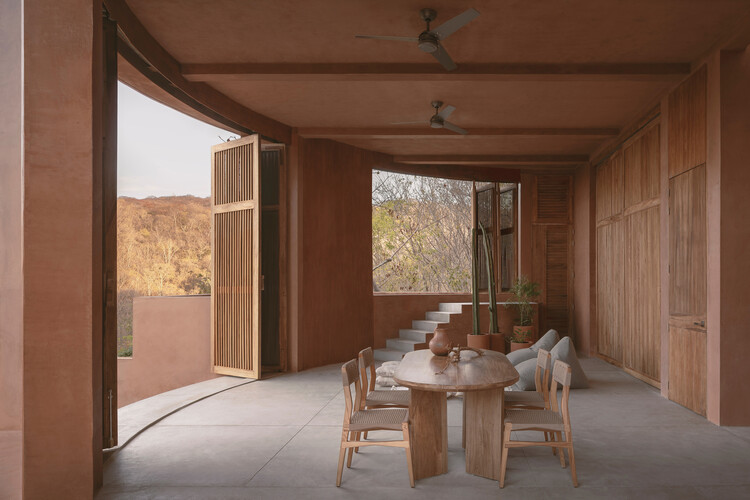
Andanzas y visiones españolas is the book in which Miguel de Unamuno collects his experiences during excursions through Spain's cities and countryside, accompanied by friends and colleagues. More than a precise geographical description, the text consists of narratives in which each region and every feature of the territory leaves a deep imprint on his thought. The literary discourse actively weaves the diversity of setting, climate, and contextualism as foundational threads, presenting the territory not only as a physical place but also as a space for reflection and contemplation. This attentive engagement with the landscape—so diverse within Spanish architecture—also resonates in the built environment, fostering in contemporary practice a sensitive adaptation to the country's varied climatic conditions, both through design strategies and material choices.

Understanding Eco Brutalism: The Paradox of Structure, Sustainability, and Style

Subscriber Access | 

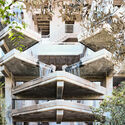
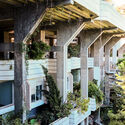
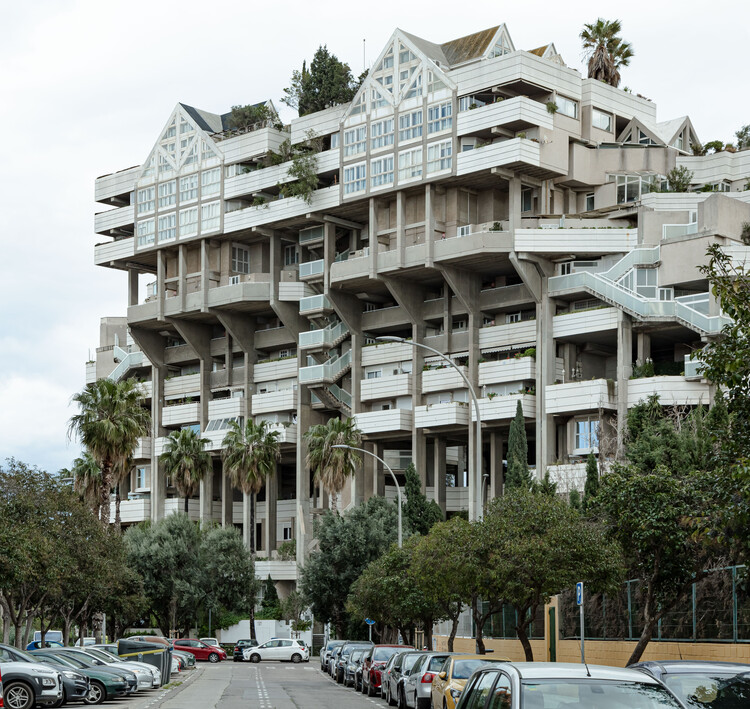
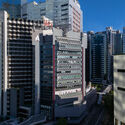
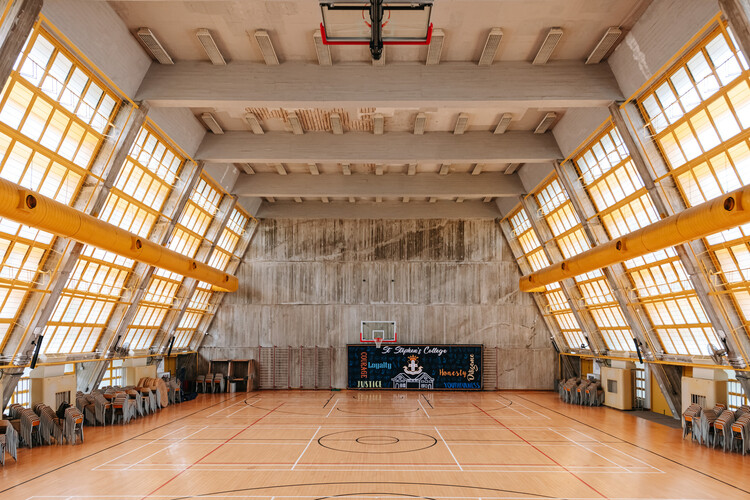
The built environment is expected to reduce carbon emissions, support biodiversity, and respond to changing ecological conditions, all while providing housing for communities and reflecting their cultural values. In this shifting landscape, a once-maligned architectural style emerges in a surprising new form. Brutalism, long associated with institutional gravitas and material austerity, is now being reframed through an ecological lens. This hybrid movement, known as eco-brutalism, combines the power of concrete with greenery and climate-sensitive design strategies. The result is a set of spaces that are visually arresting, conceptually complex, and increasingly popular among designers, urban planners, and the general public. This movement includes not only the direct lineage of 1960s Brutalism but also contemporary projects that, while not strictly Brutalist, share its material honesty, monumental scale, and use of expressive concrete forms.

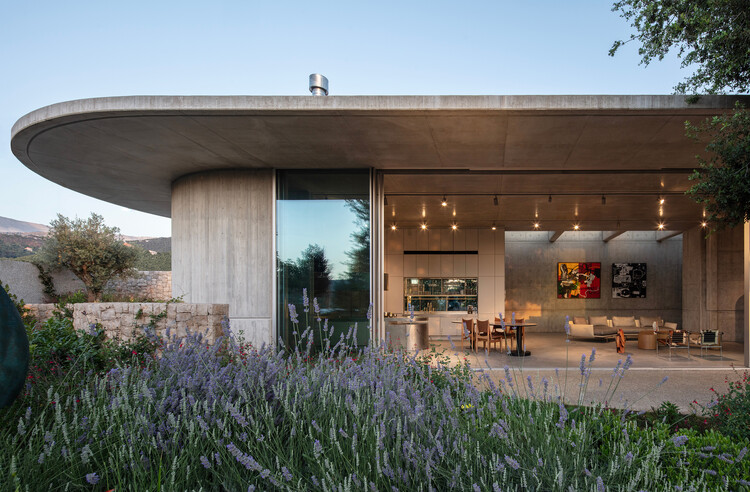
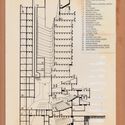
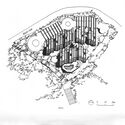
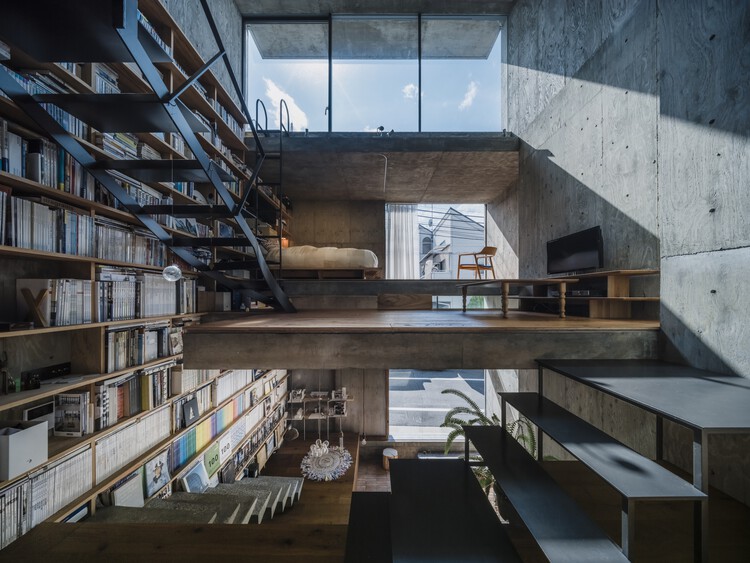
Understanding Eco Brutalism:  The Paradox of Structure, Sustainability, and Style - Image 1 of 4Understanding Eco Brutalism:  The Paradox of Structure, Sustainability, and Style - Image 2 of 4Understanding Eco Brutalism:  The Paradox of Structure, Sustainability, and Style - Image 3 of 4Understanding Eco Brutalism:  The Paradox of Structure, Sustainability, and Style - Image 4 of 4Understanding Eco Brutalism:  The Paradox of Structure, Sustainability, and Style - More Images+ 39

Built to Last—or Change? The Case for Dry Construction in Humid Cities

Subscriber Access | 

In certain parts of the world, construction is still dominated by wet systems—concrete, masonry, and cementitious materials that are poured, cured, and fixed in place. While this has long been considered the norm in some south-east Asia countries, such as Singapore, Thailand, Malaysia, and China, in most of these regions, they typically share a common trend where labor is relatively inexpensive. This serves as one of the reasons to make concrete more easily available, as one of the typical downside of concrete is its intensive labour cost - this further differentiates concrete as a cheaper and more efficient material system to be building out of.

However, not enough considerations in the region are given to the sustainability aspect when using these wet construction materials,often overlooking the significant drawbacks of its material lifecycle and the difficulty to recycle it without downcycling - making it one of the more unsustainable materials available to be built out of.

Built to Last—or Change? The Case for Dry Construction in Humid Cities - Image 1 of 4Built to Last—or Change? The Case for Dry Construction in Humid Cities - Image 2 of 4Built to Last—or Change? The Case for Dry Construction in Humid Cities - Image 3 of 4Built to Last—or Change? The Case for Dry Construction in Humid Cities - Image 4 of 4Built to Last—or Change? The Case for Dry Construction in Humid Cities - More Images+ 10