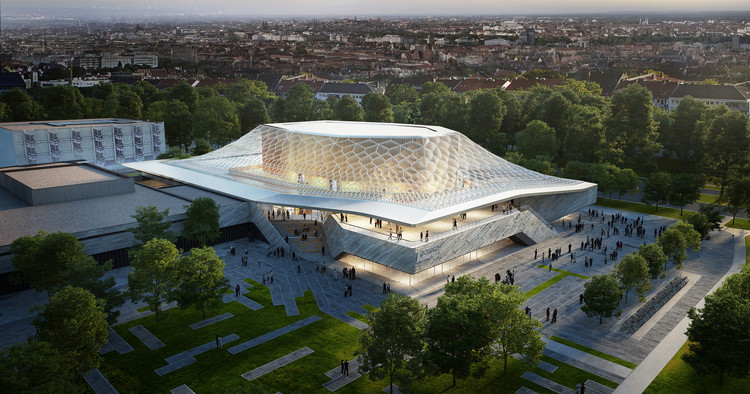
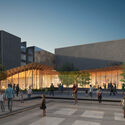
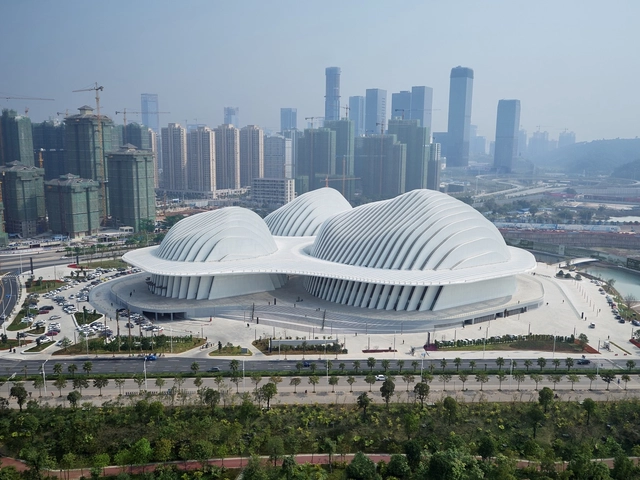
Conceptual Plan of Wuhan Nanhu Art Center. Image Courtesy of Jing Studio
This week’s curated selection of Best Unbuilt Architecture highlights commercial projects submitted by established firms. From art museums to offices, this article explores cultural functions and commercial spaces, and presents projects submitted to us from all over the world.
Featuring a reception center that merges the cultures of China and Italy by aoe architects, and a post-pandemic office building by NBBJ, this roundup explores how established architecture firms have designed buildings that optimize the functions of projects and ensure the comfort of their users. This round up also includes a collection of proposals from KPF Architects, Nordic Office of Architecture, AFF Architekten, along with many other firms, each responding to different spatial needs, facilities, and environments.
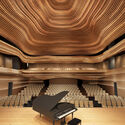
Kengo Kuma and Associates, together with Bekim Ramku and OUD+ Architects, has recently been awarded first prize in the competition to redesign the Gërmia building into a concert hall and will lead the conversion of Prishtina’s architectural icon into a cultural landmark for Kosovo. The proposal preserves the existing structures and articulates the program within and around the modernist buildings. The design envisions a canopy weaving together the different volumes and creating a new layer of public space.
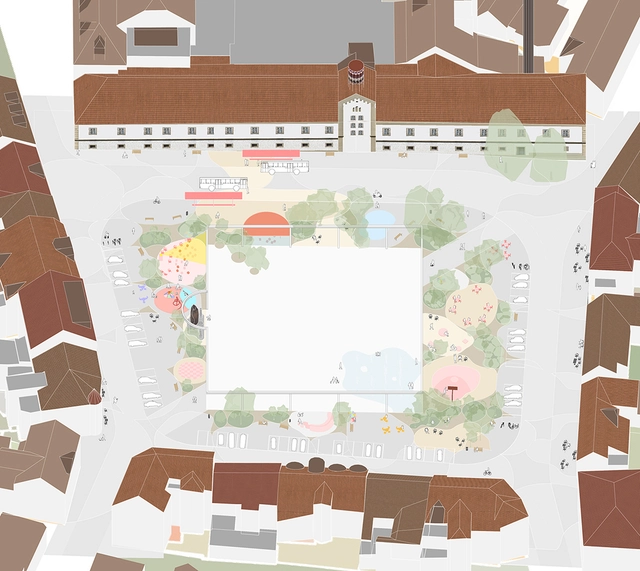
Zbraslav Square . Image Courtesy of Architects for Urbanity
Recognizing the importance of international contests in pushing forward inventive concepts and design, ArchDaily has put together a curated selection of Best Unbuilt Architecture featuring competition entries from around the globe. Submitted by our readers, these projects include winning proposals, honorable mentions, and recognized admissions.
In this week’s article, urban interventions take the lead with multiple square designs and infrastructural elements. On the cultural level, projects underlined include Museums in Iran and Norway, a National Concert hall in Lithuania, and a Mosque in Turkey. For the civic category, the functions highlighted comprise a new city hall for a South Korean district and an Indian community development center for at-risk women. Finally, other programs involve a rural school in Haiti, a tourist center in China, and a housing complex in Prague.
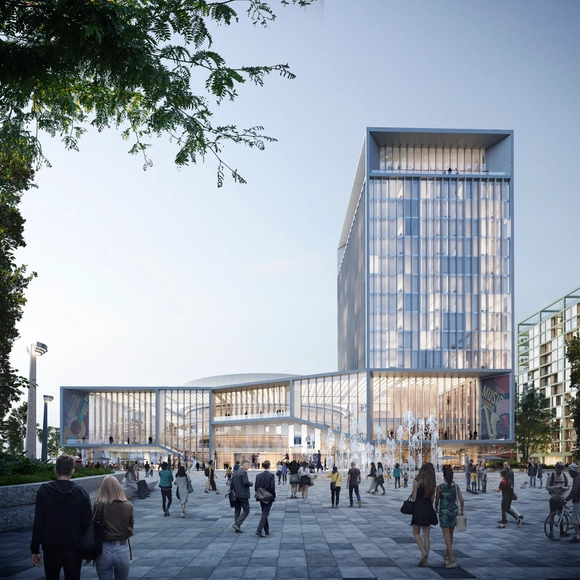
Bratislava’s existing Istropolis culture and congress center will be replaced by a new cultural destination designed by KCAP and Cityförster. Creating a multifunctional cultural and social center, with a state-of-the-art concert and congress venue, the intervention will also transform the surrounding area into a modern open neighborhood comprising green and public areas.
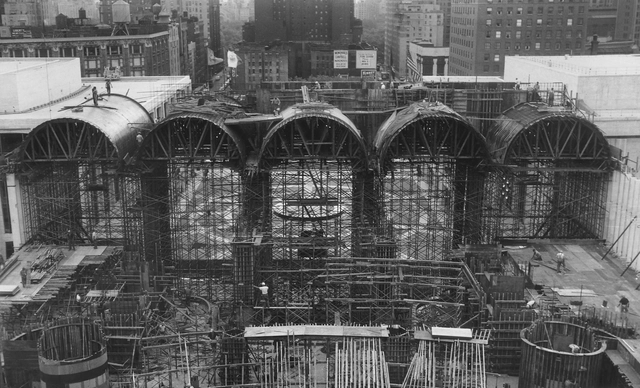
The new Met under construction in May 1964 (Photo: Metropolitan Opera Archives)
The Metropolitan Opera offers a free stream each night on the Met website for a period of 23 hours, from 7:30 p.m. EDT until 6:30 p.m. EDT the following day.
Advancing into the 21st century as architects enables us to explore and deliver an increasing number of sustainable approaches to architecture and the building industry. Whilst previously, concrete and steel have been predominately used throughout the construction industry, architects are now beginning to realise the importance of new technologies, such as timber, and use them for efficient construction, sustainability and cost effective purposes.
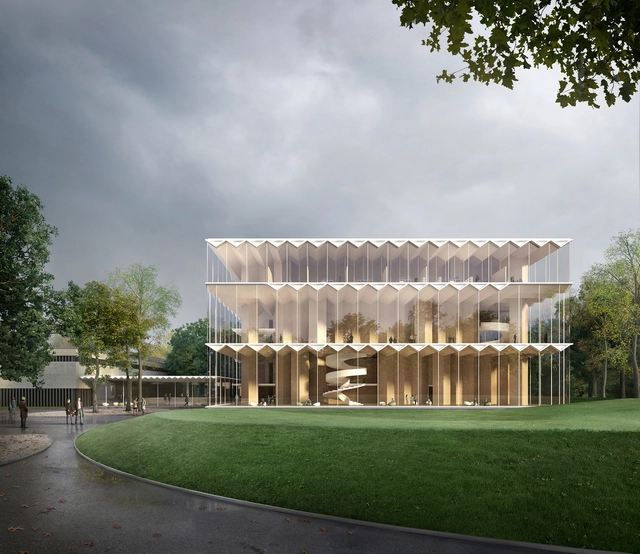
In a recent international competition, architects Gilles Retsin and Stephan Markus Albrecht, were selected among 20 finalists for the extension of the Meistersingerhalle, located in Nuremberg, Germany. The architects collaborated with Bollinger-Grohmann engineers, Transsolar climate engineers and acoustic specialists such as Theatre Projects, to design what is to be the world’s first concert hall building constructed using cross laminated timber (CLT).
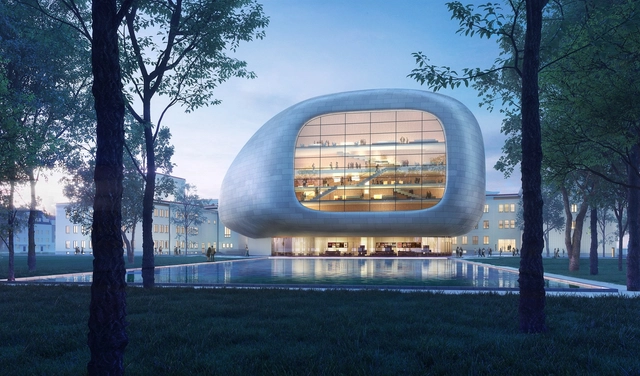
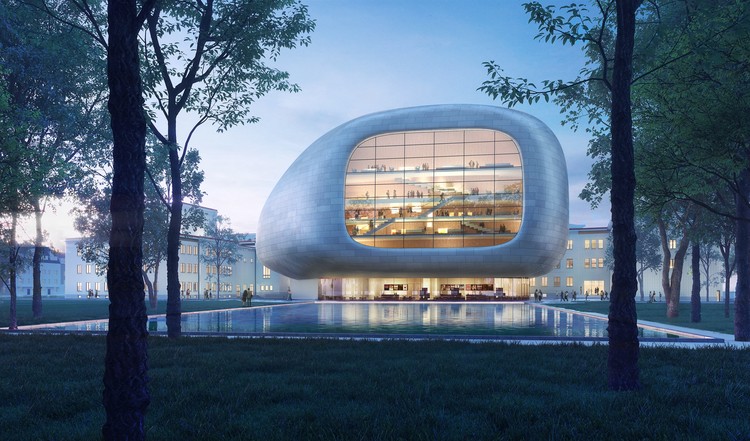
Steven Holl Architects and Architecture Acts has won an international competition for the design of a concert hall in Ostrava, Czech Republic. Chosen by six of the seven-person jury, the new 1,300-seat concert hall is situated next to the existing House of Culture, and is designed as “a perfect acoustic instrument in its case.”
When we think about a perfect match between acoustics and good design it may not be as easy as it seems. A number of technical decisions in order to make an interior space acoustically efficient -and to achieve its programmatic purpose correctly- can make some of the architect's design intentions fade and be replaced by standard and prefabricated panels.
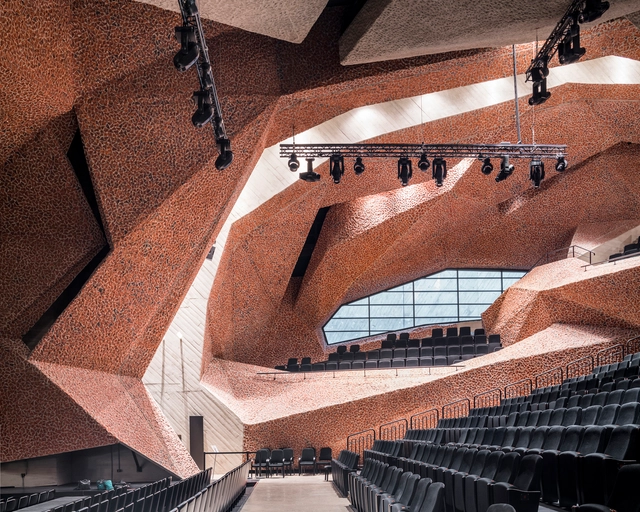
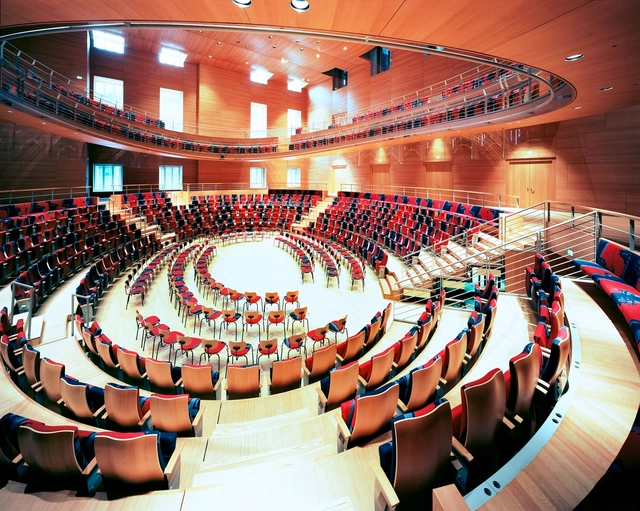
In this article, we present a selection of architecture projects that are able to create a memorable visual impact as well as an impeccable interior solution for acoustics. These are our favorite 14 music venues that fascinate inside and out.
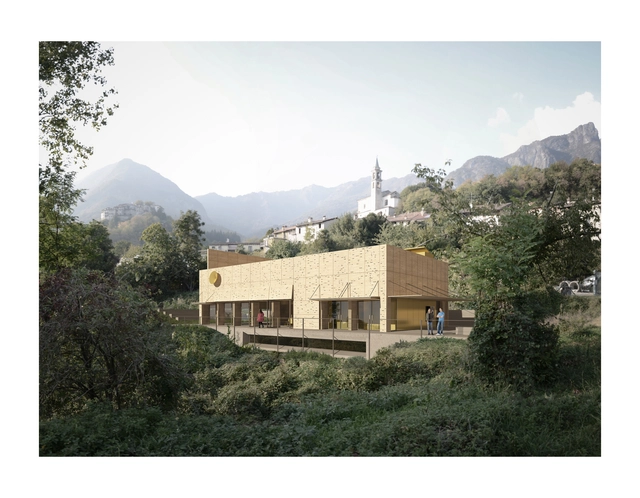
Milan-based Studio PARE has won a competition for the design of a small concert hall in Valsolda, Lake Lugano, Italy. The competition called for a new space to house the 40-person Valsolda Philharmonic Orchestra, with Studio PARE responding with a scheme inspired by the music box: a mechanical device prevalent in the 19th century which could generate melodies without the need for live musician.
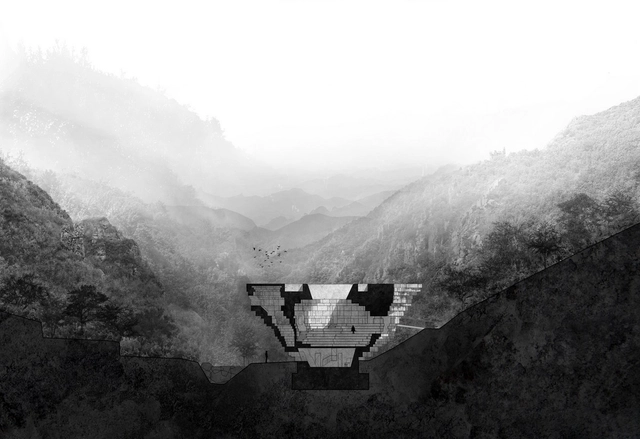
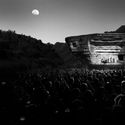
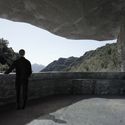
Nestled in a valley north of Beijing, a building will soon be completed that may appear to have always been there, or to have emerged from and grown out of the surrounding stony landscape. OPEN Architecture’s Chapel of Sound in Chengde, China was recently recognized in the 66th annual Progressive Architecture (P/A) Awards, chosen as one of ten projects to receive the commendation. The P/A Awards focus on innovative, ongoing work that promotes new ways of thinking about architecture. The Chapel of Sound was noted for its creation of a new, progressive type of environment and its reimagining of an established typology.
It would seem that in London when it rains, it pours. Mere weeks after designs for the London Centre for Music were announced, efforts to bestow the city with another world-class concert venue have come to the fore. The WimbledonConcert Hall, which currently has American architect Frank Gehry attached to the project, would add a 1,250-seat space for music and performance to the London suburb best known for tennis.
https://www.archdaily.com/911133/efforts-for-gehry-led-wimbledon-concert-venue-in-wimbledon-gain-ground-weeks-after-london-centre-for-music-announcementKatherine Allen
Zaha Hadid Architects has won an international competition for the design of the new Sverdlovsk Philharmonic Concert Hall in Yekaterinburg, Russia. A melting pot of Eastern and Western cultures, talents, and industries, the strategic Ural city hosts a Philharmonic Orchestra which has performed in more than 20 countries, while based in the existing 1936 Sverdlovsk Philharmonic building.
For the design of the Ural Philharmonic Orchestra’s new home, Zaha Hadid Architects “echoed the physical aspects of sound waves” to create an inspirational venue meeting the orchestra’s growing program, and to create a new public plaza for all citizens.
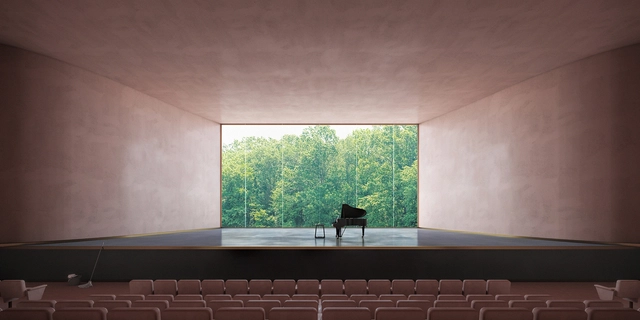
Located in a small village in Poland, this proposed music center honors the birthplace of famous Polish composer and pianist, Frédéric Chopin. Designed by ELEMENT as a part of an international competition, the Chopin Music Center captures the picturesque landscape of endless forests through "leisure and relaxation."
The Center integrates with the park through window views of Frédéric Chopin's birth house and the surrounding landscape. The proposed international music center utilizes a combination of natural materials and glazing to create a seamless connection with its site. The existing park can be reached by pathways and bridges near the building, prompting visitors to experience the outdoor area.
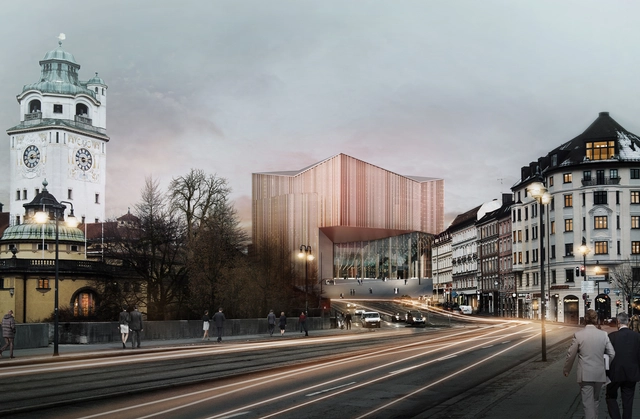
After conducting a concert at Munich’s Gasteig concert hall, Leonard Bernstein offered a scathing edict for the building: “burn it down.”
The Gasteig’s behemoth structure of brick and mirrored glass never met Bernstein’s decree. Instead, it has stood for decades, garnering vitriol from those who resent its postmodern aesthetic. In a design competition hosted by the Gasteig, seventeen architecture firms have attempted to change the concert hall and cultural center’s public perception with varied renovation schemes.
German architecture firms Johannes Kappler Architektur und Städtebau, Super Future Collective, and Topotek 1 Architektur have released images of a competition-winning design for a new Concert Hall in Nuremberg. Designed as an addition to the ensemble of the Meistersingerhalle, the hall engages the existing infrastructure and context to create a connection between the present landscape and public space.
The combination of the existing building and the new translucent exterior envelope provide "a house with four fronts" that engages the surrounding landscape on all sides.
BART//BRATKE & Matthijs la Roi Architects have released images of their proposed new concert hall in Nuremberg, Germany. The “Nuremberg Konzerthaus” seeks to extend the historically rich heritage of the Meistersingerhalle municipal center, contributing a unique musical experience to the cultural city. The proposed concert hall establishes a dialogue with the Meistersingerhalle, connected in a symbolic “band” podium made of natural stone, recalling the rock formations of nearby quarries.
RESONATE A Conference on Architecture, Art and Sound by MAAT and reSITE in collaboration with Meyer Sound
MAAT Museum and reSITE partner on a Conference on Architecture, Art and Sound and will bring world’s best creators of sound spaces and acoustic experiences to Lisbon. During a one-day international event in collaboration with Berkeley, California’s Meyer Sound, we will be thinking about sound and space with architects of the most fascinating contemporary music and culture venues and designers of intriguing sound environments. Artist-led tours, innovative technologies, demonstrations and performances will be part of the event, on top of keynote lectures and discussions with editors from leading global media. Early Bird registrations are open until January 15 for this one-of-a-kind event for architects, artists, engineers and anyone interested in how sound interacts with architecture.













.jpg?1557252548 "© Ema Peter")












.jpg?1525046162&format=webp&width=640&height=580)