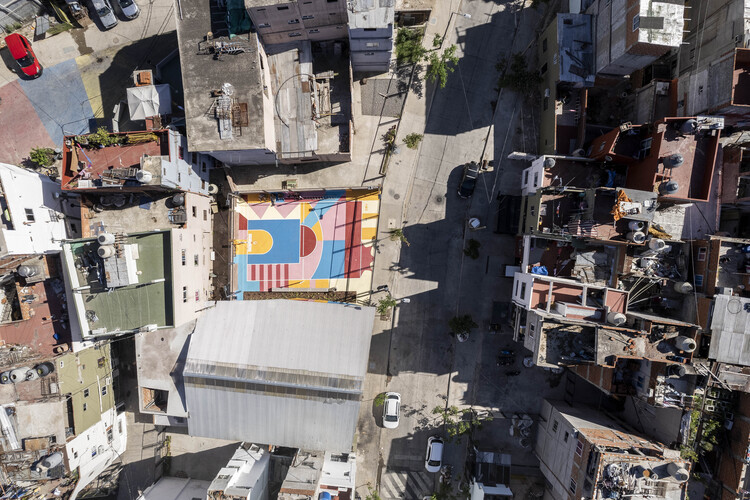
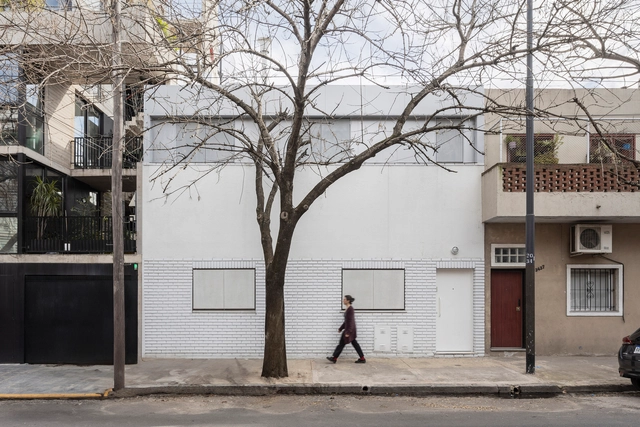
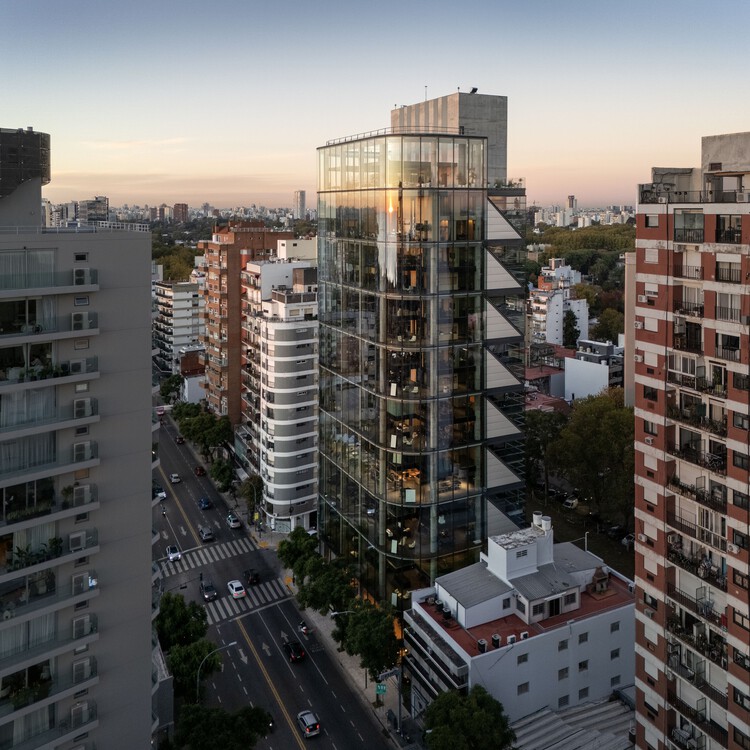
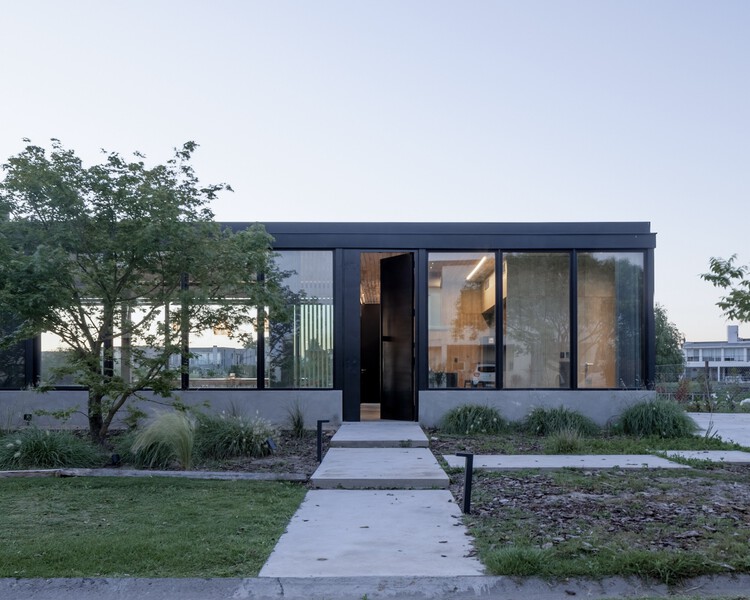
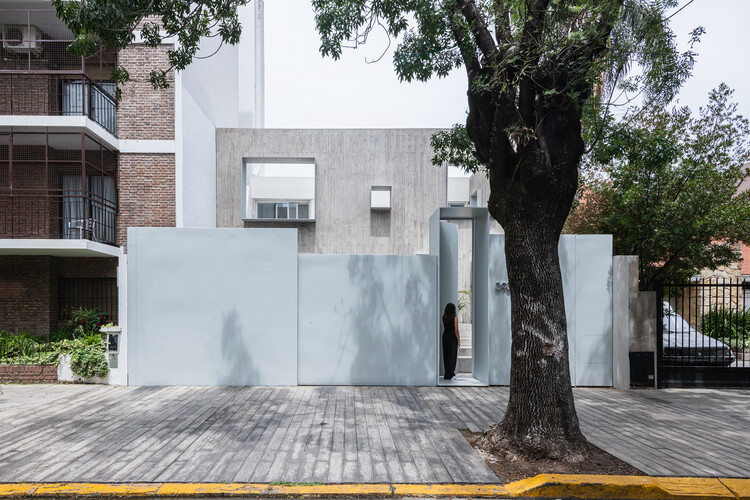
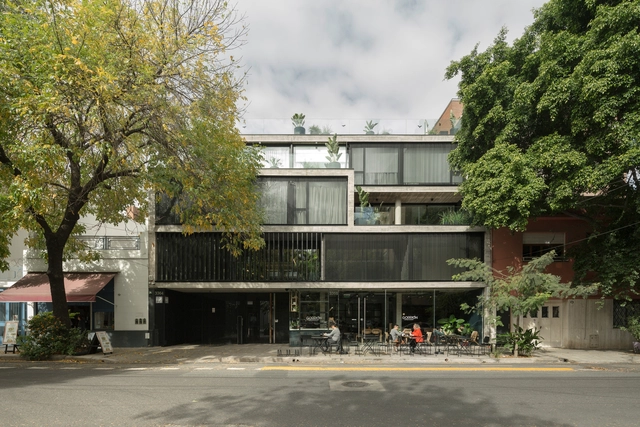
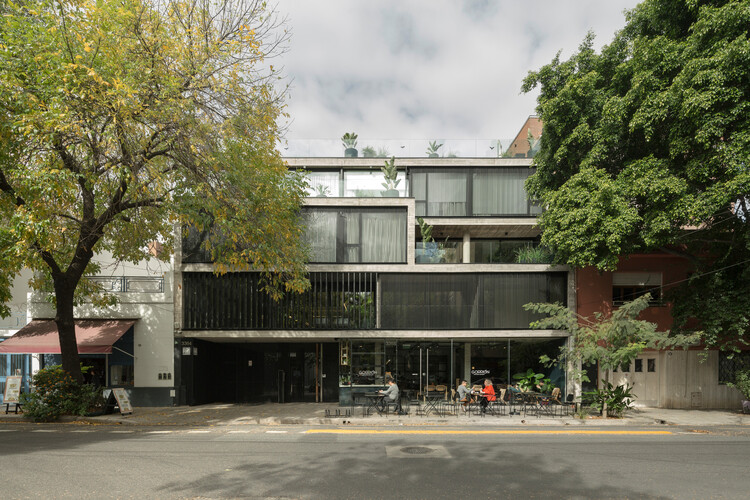
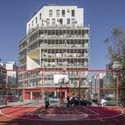
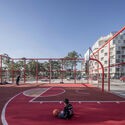
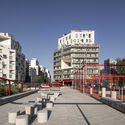
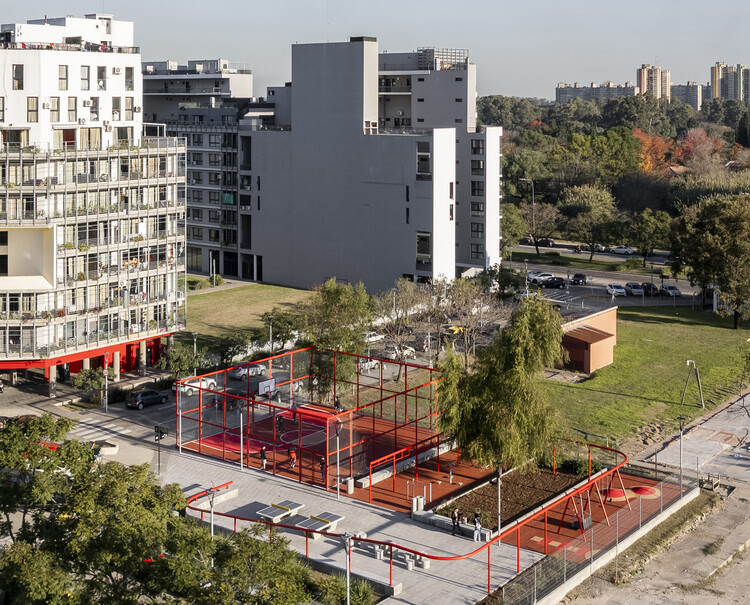
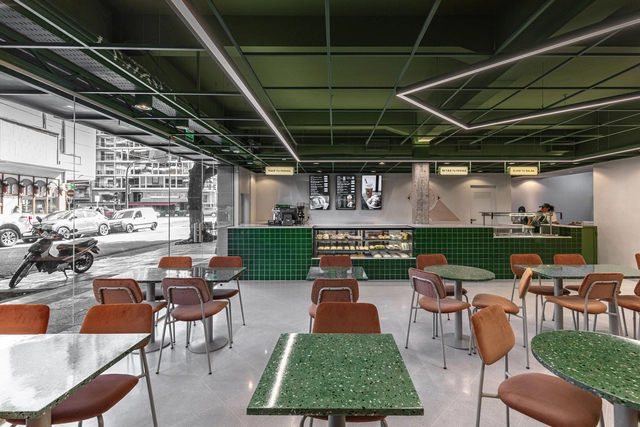
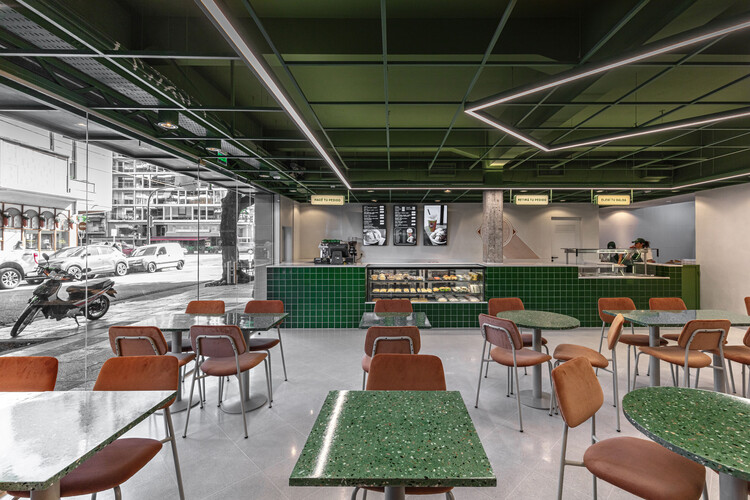
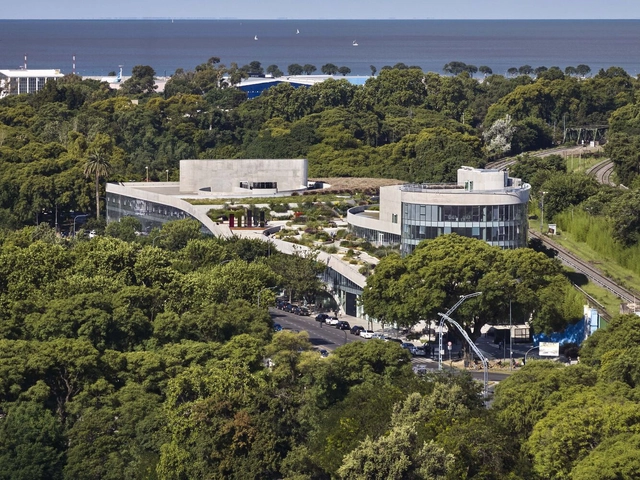
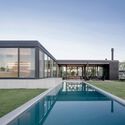
IR Arquitectura is not just a studio; it defines itself as a platform for exploration that integrates architectural practice with tangential topics such as the city, landscape, technology, and sustainability. Founded by Luciano Intile and Enrico Cavaglià, and based in Buenos Aires, Argentina, IR Arquitectura is an interdisciplinary collective comprising architects, designers, and professionals from various fields. Together, they tackle projects of varying scales and natures, seizing each opportunity to explore new solutions and strategies for contemporary living, particularly in urban contexts and in close connection with the environment.

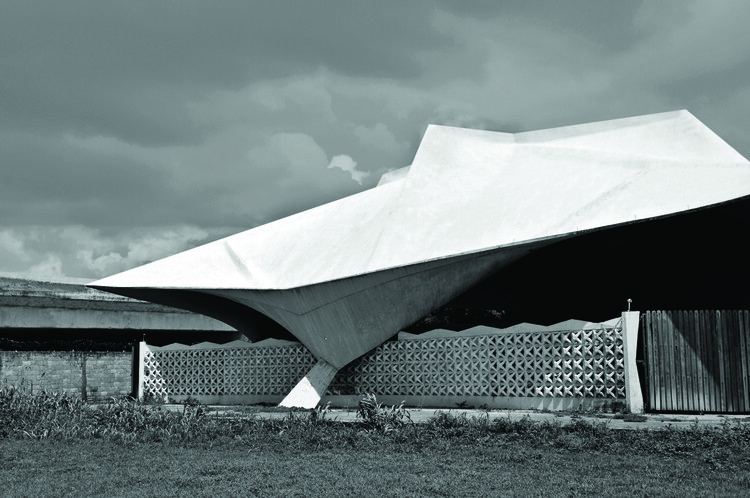
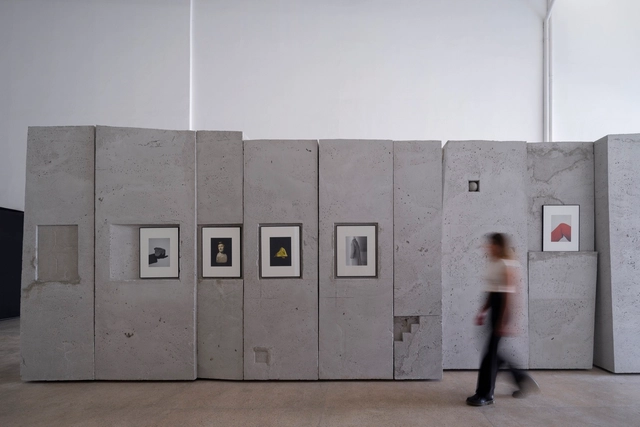
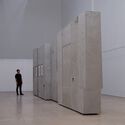
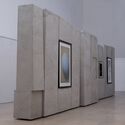
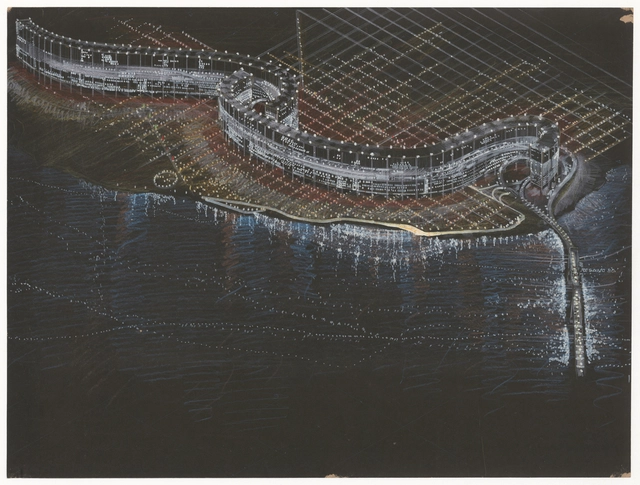
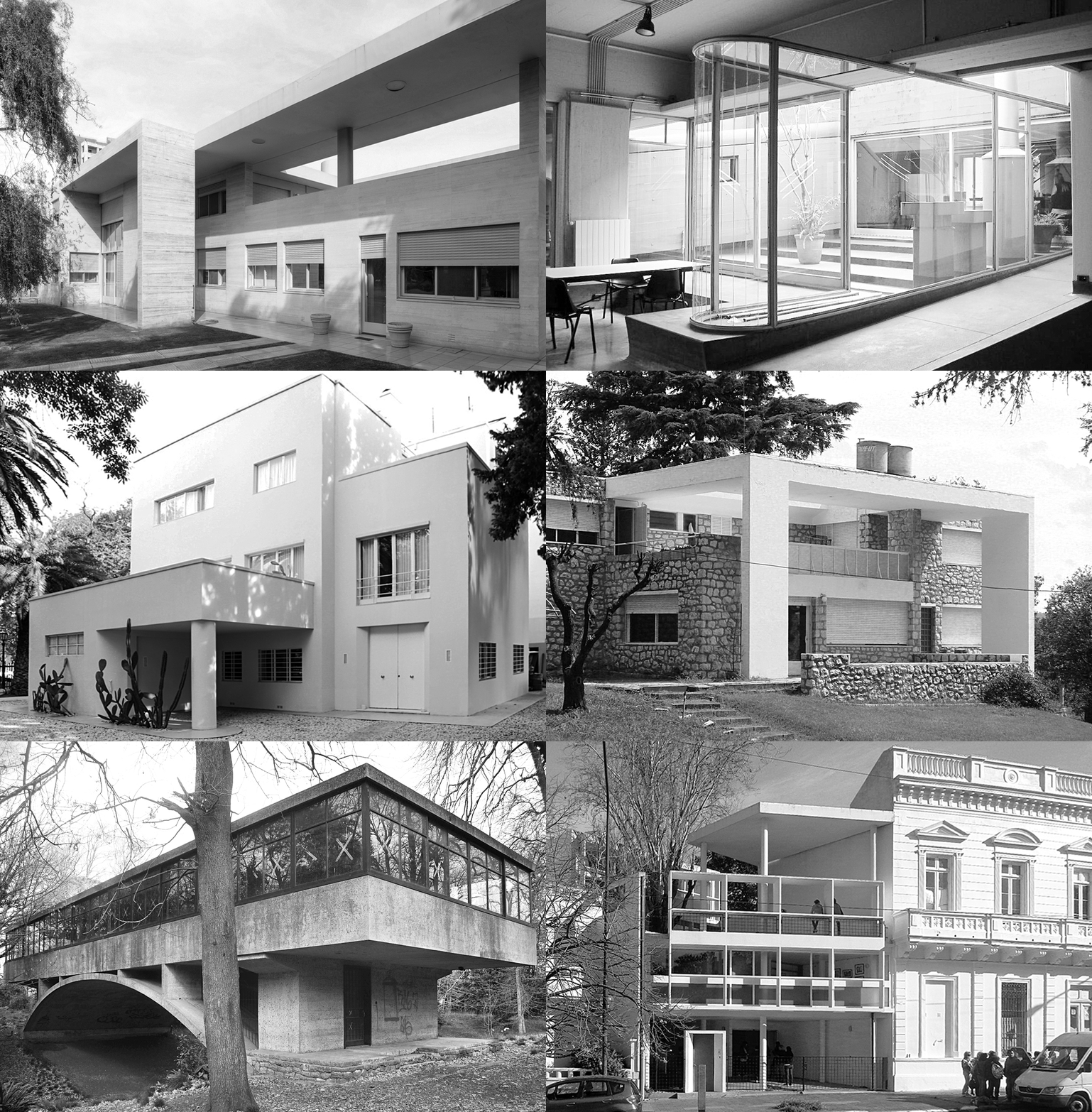
Around 1949, the city of Buenos Aires led the construction of the Sixth Pantheon in the Chacarita neighborhood. Monumental in character and brutalist in style, this underground necropolis turned out to be the first and largest experiment in modern architecture in the funerary field. Designed by Ítala Fulvia Villa, one of the first Argentine women architects and urban planners, and a pioneer of South American modernism, along with her team comprised of Leila Cornell, Raquel S. de Días, Gunter Ernest, Carlos A. Gabutti, Ludovico Koppman, and Clorindo Testa, this work was discovered by Léa Namer, who conducted an in-depth investigation reflecting on the legacy of a modern utopia and a feminist rereading of history.
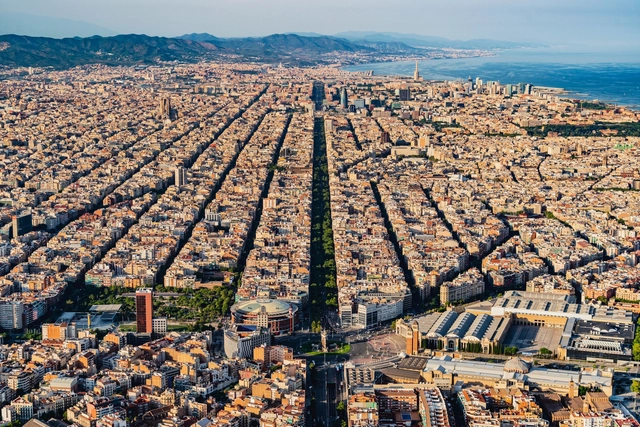
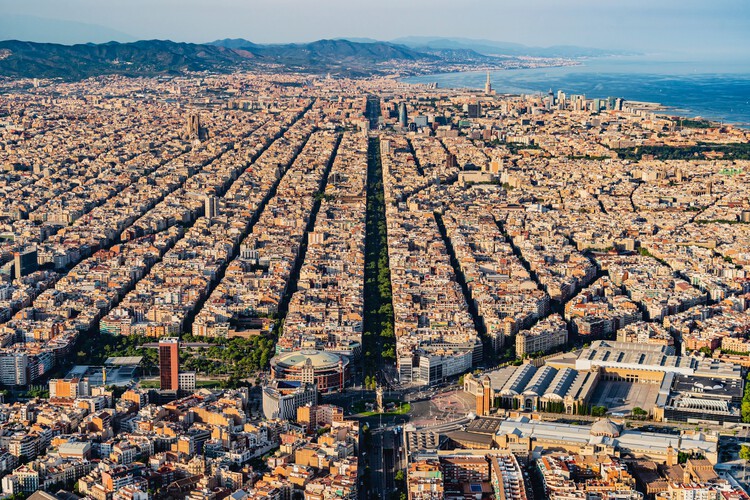
More than half of the world's population resides in urban areas, with over 4 billion people depending on cities as their main environment. According to the United Nations’ latest report on populations in cities, this number is expected to continue to increase over the next 50 years, prompting cities worldwide to strive to find better ways to accommodate their growing population while transitioning to more sustainable urban practices. To highlight this responsibility, the United Nations has declared July 11th the World Population Day.
Under this year’s theme, “To Leave No One Behind, Count Everyone,” the UN aims to also draw attention to the importance of data collection for reflecting societal diversity. The growth of world cities is part of this equation as an important measure for understanding global population trends. The following list presents the top 20 cities worldwide in 2024, ranked by the population size of their metropolitan areas. Comparing the results to the previous editions, the only cities to reduce their size are the two cities from Japan, Tokyo and Osaka. The highest growth rates can be observed in African mega-cities, Kinshasa and Lagos, while China continues to be the most present country in the list, with 5 metropolises present in the top 20: Shanghai, Beijing, Chongqing, Tianjin, and Guangzhou.
In response to the diverse topographies and natural conditions throughout the Argentine territory, the works of Luciano Kruk propose an architecture that works in harmony with the environment, the landscape, and the nature in which they are situated. Whether immersed in a forest, on sloping terrain, or on a rural plain, among other geographies, his intention is to enhance the relationship between the interior and exterior of the architecture, using concrete as the main material in most of his projects.