Image by Wilfredo Rafael Rodriguez Hernandez, CC0, via Wikimedia Commons.
A radiant Rio de Janeiro, bathed in sunlight and carried by the ocean breeze. The beach is full of life—children run across the sand, families enjoy their time together, and laughter drifts through the air. This vibrant postcard from the 1970s, depicting a Cidade Maravilhosa exuding freedom and vitality, sets the stage for "I'm Still Here," a Brazilian film that film which recently won the Oscar for Best International Feature, marking a first for Brazilian cinematography. Further recognizing its merits, the film also received Oscar nominations for Best Actress and Best Picture. The film's setting provides a rich backdrop for exploring the urban landscape of Rio during a pivotal period in its history. As the story unfolds, this bright and open setting gives way to the architectural and urban impacts of the fear and uncertainty of the military dictatorship that ruled Brazil for over two decades.
Latin American architecture is rich and diverse. This is reflected in the various stones used across different regions over the centuries. These materials highlight the varied geology of Latin America and illustrate how local cultures have adapted their construction methods to natural conditions, resulting in unique and meaningful architecture. In contemporary architecture, stone aligns with sustainability principles due to its durability, low carbon footprint, and local availability. Additionally, stone's aesthetic appeal enhances the creation of timeless spaces that strengthen the connection with nature and the surrounding landscape.
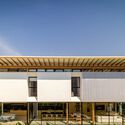
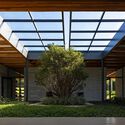
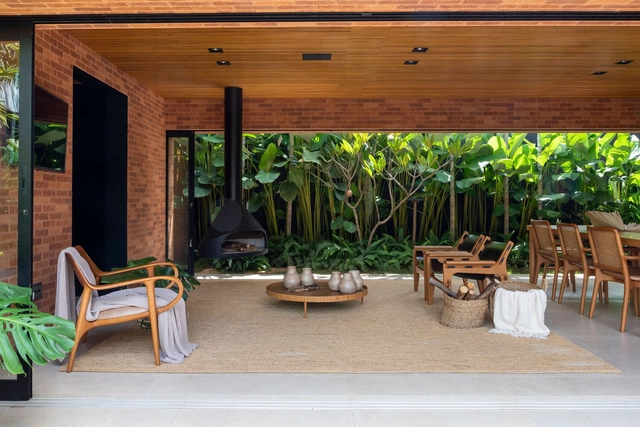
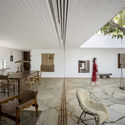
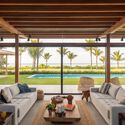
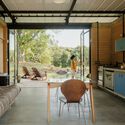
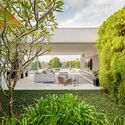
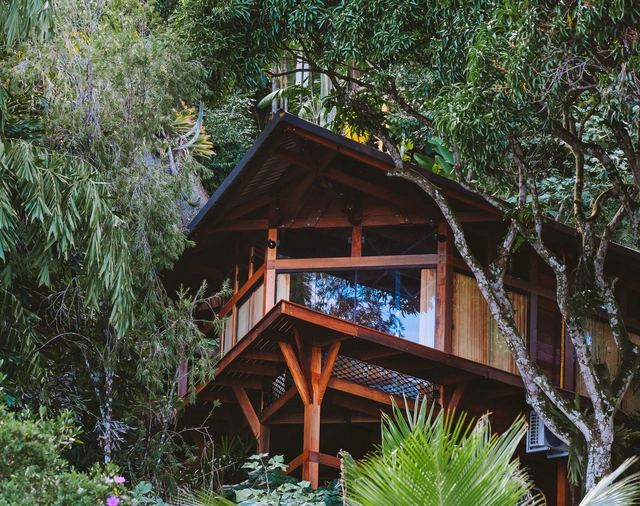
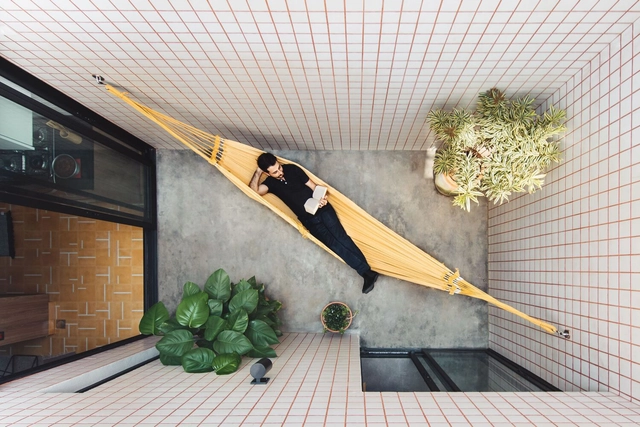
The early 20th century marked a pivotal era in Brazilian architecture with the advent of the modernist movement. Architects like Oscar Niemeyer or Lúcio Costa introduced avant-garde designs characterized by sleek lines, reinforced concrete, and a focus on functionality. What's more: residential projects of the era, in particular, blurred the lines between indoor and outdoor, flawlessly merging interior and exterior spaces to reflect a lifestyle that harmonizes with nature. Fast forward to the present day, and contemporary architects and designers in Brazil continue to embrace the challenge of creating indoor-outdoor homes that nod to the country's tropical climate. These residences often feature open floor plans, expansive glass walls, and strategic positioning of courtyards, gardens, or terraces with a design philosophy that emphasizes natural light, ventilation, and the incorporation of greenery for increased well-being. We take a detailed look at four recently completed residential projects in Brazil that fuse contemporary architecture, sustainable living, and a deep appreciation for their natural surroundings.
The concept of "eyes on the street" is perhaps the most famous within architectural and urban literature when it comes to urban security. Jane Jacobs uses this expression to refer to people who - consciously or unconsciously - use public spaces or observe them from their homes, generating natural surveillance. A movement that, within our discipline, is encouraged both through quality public spaces and through the powerful relationship between the public and private created through building facades. Advocating for this daily control, Jacobs believes in a way of making architecture and cities that condemns excessive verticalization, reinforced by isolated buildings and single-use ones that deny contact with the street
More and more, the field of architecture is shifting its focus towards revitalizing existing spaces. This shift is motivated by various factors, including concerns about sustainability, cost constraints, and the scarcity of available land in rapidly expanding urban areas. It presents an opportunity not only to renovate buildings but also to engage with the layers of time. This intricate task involves fostering a dialogue between contemporary and historical materials, acknowledging traditional construction techniques, and even uncovering hidden aspects of history and geography within the built environment to create truly unique architectural experiences.
https://www.archdaily.com/1007028/architecture-with-history-7-brazilian-houses-that-respect-the-layers-of-timeArchDaily Team
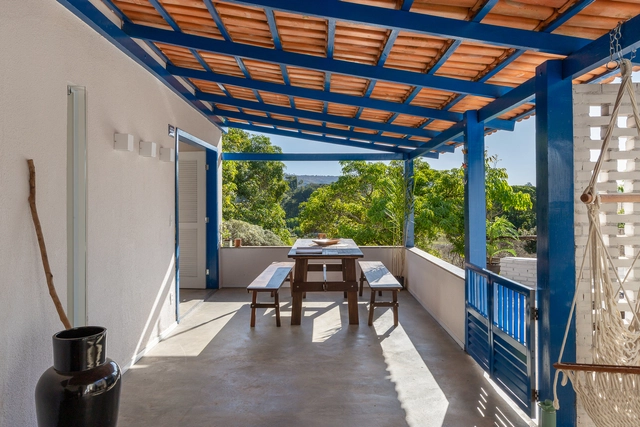
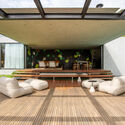
Living in a tropical country means cherishing outdoor experiences, whether feeling the gentle breeze, connecting with nature, or basking in the sunlight. We have grown up with a cultural tradition of playing in our yards, gathering with family and friends on balconies, enjoying barbecues, or simply admiring the beautiful landscape. Numerous Brazilian residences integrate wooden decks for these purposes. They are versatile spaces that fulfill various functions.
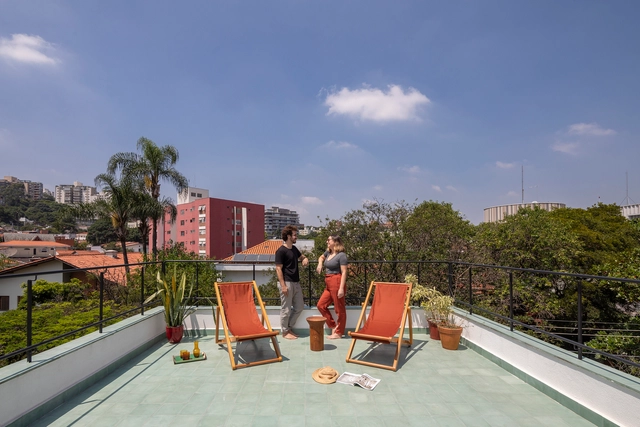
The tradition of modern architecture confirms that building roofs are usable spaces as significant as indoor areas. After all, the garden terrace is one of the five points of new architecture, according to Le Corbusier. Although he popularized the concept, the use of rooftops dates back even earlier, encompassing various roles across time, from lookouts for ancestral astronomical studies to more contemporary cultivation areas, passing through the bureaucratic accommodation of electrical and sanitary installations. By offering open space and direct sky access, building roofs have evolved. In dense urban landscapes, converting this space into a leisure area is a logical choice.
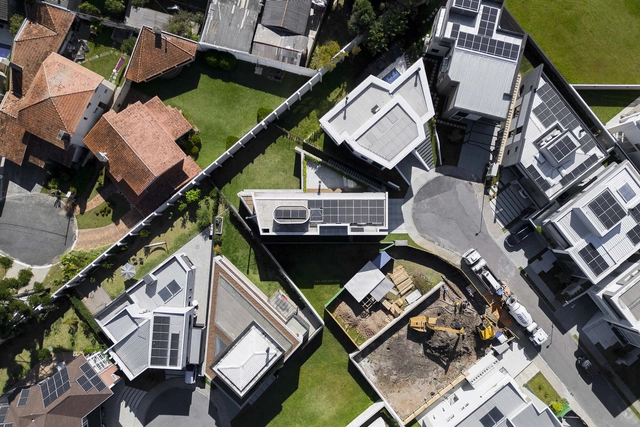
In the face of the environmental crisis and the need to mitigate climate change, adopting clean and renewable energy sources, such as solar energy, in architectural projects is becoming increasingly imperative. As a country with abundant sunlight incidence throughout the year, Brazil has enormous potential to take advantage of this energy source, which has become an increasingly attractive and viable option in the Brazilian scenario. There are numerous benefits solar energy can provide to both residents and the environment that make it a popular choice for residential use.
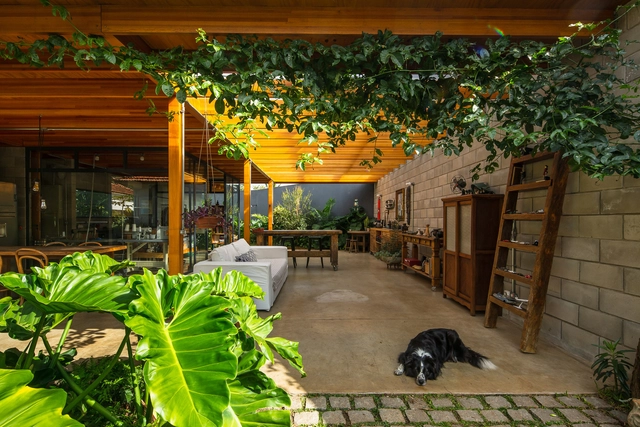
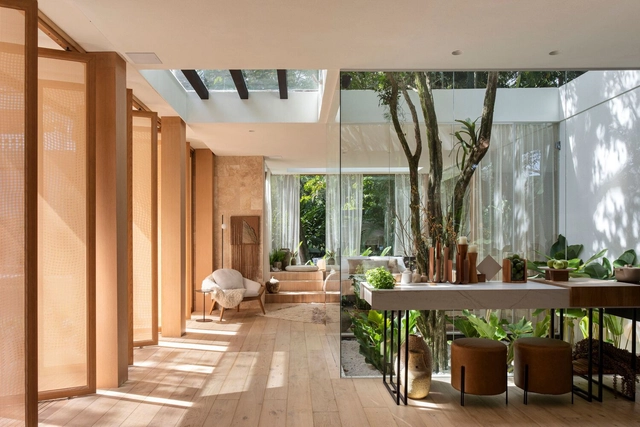
A residential architectural project almost always seeks to integrate interior and exterior to get closer to nature and improve comfort or aesthetics. Considering living spaces, this dialogue between open and closed environments becomes even more relevant. After all, it makes the room more flexible and suggests various ways of occupying it, regardless of the number of people or the time of year.
“The first man wanted to build a shelter that would cover him without burying him.” With some logs found in the forest, he built a square covered with straw so that neither the sun nor the rain could enter, and thus, he felt safe. The description above refers, in a simplified way, to the theory of the primitive hut developed by the abbot Marc-Antoine Laugier in the mid-1700s. The small rustic hut described by Laugier is a model upon which he imagined the magnificence of architecture. It provides an important reference point for all speculation about construction foundations and represents the first architectural idea."
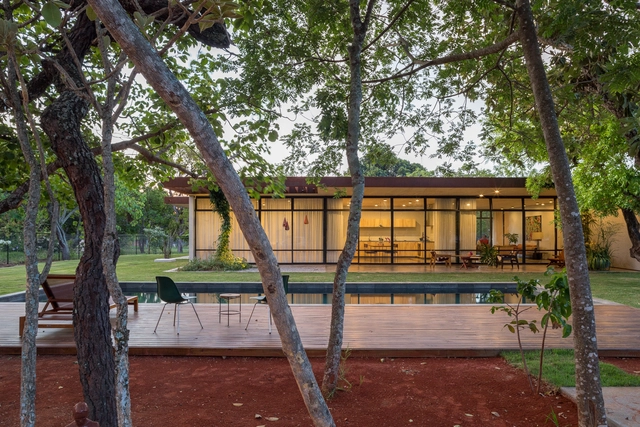
In tropical countries like Brazil, external areas are highly valued in residential projects. The backyards are used differently and configured according to the architectural project. Whether large or small, landscaped, with a pool, or equipped with other features, Brazilian families seek to make the most of their outdoor areas when possible.
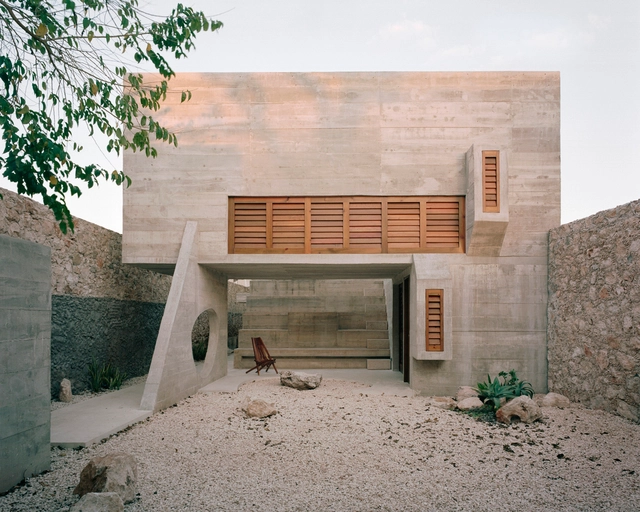
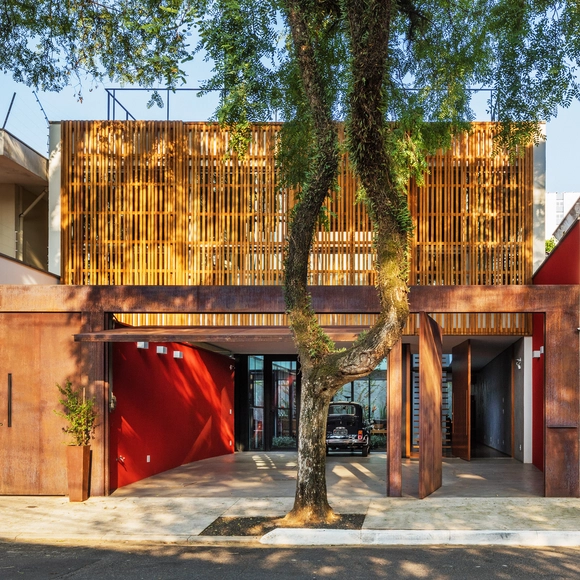
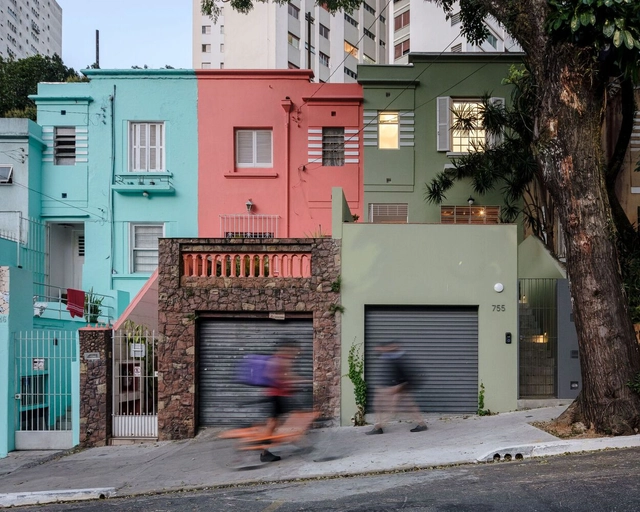
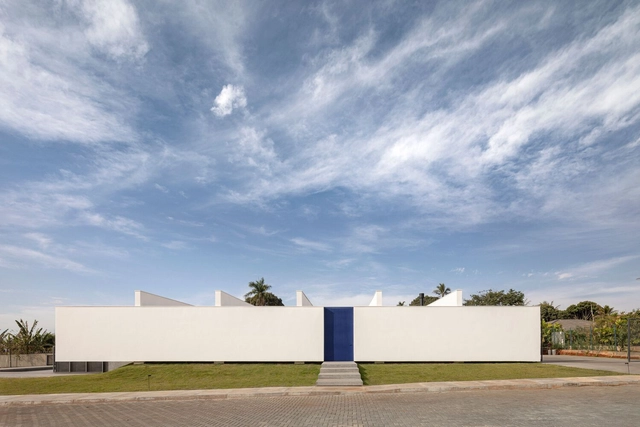
Not all projects seek a constant connection with the outside, at least not in their front façade. Despite not being a usual appearance, there are several reasons for creating an opaque façade: privacy, security, reduced energy consumption, and protection against inclement weather. More common in government, cultural or religious buildings, this solution is also found in some residential cases.
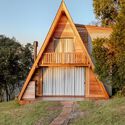
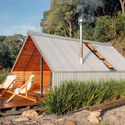
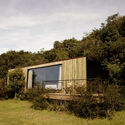
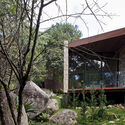
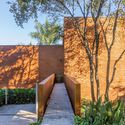
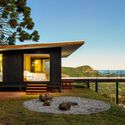
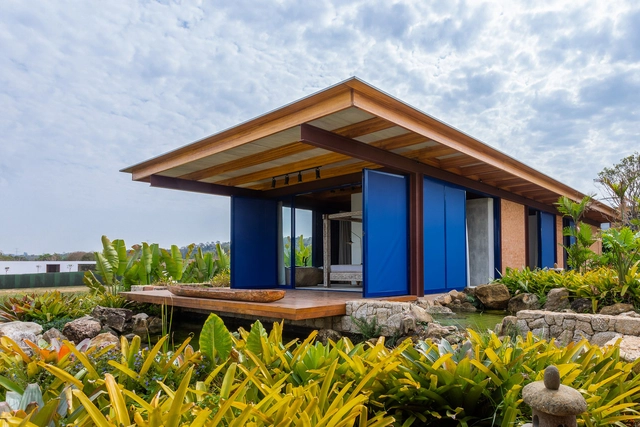
Country houses usually are found in remote areas, therefore, they often demand placement strategies that respect the context and dialogue with the landscape while bringing more thermal comfort and natural lighting. Most of the time, these solutions bring passive strategies that, along with the choice of materials and construction techniques, can provide an even more sustainable project. Get to know seven Brazilian residences that are examples of this theme.
There are several constructive technologies to configure the structural system of a building. From the 1960s onwards, the adoption of techniques that enabled the interaction between different materials became increasingly common, diversifying the design language and seeking the main advantages each element has to face certain situations. Over the years, some mix concrete, wood, stones or steel.
According to a survey by the Brazilian Association for Recycling of Construction and Demolition Waste (ABRECON), there has been an increase in the recycling of construction and demolition waste (C&D) in Brazil in recent years. According to the 2015 report, 21% of the total C&D was recycled in the country that year, while in 2013 the rate was 19%.
The outlook is promising but not yet ideal, and the growth of recycled C&D materials is still considered small. In Brazil, construction waste can represent between 50% and 70% of the total municipal solid waste. This means, we still need to advocate for a more common practice of material recycling and reuse in architecture, especially in Brazil.
Brazil is one of the largest countries in the world, covering an area that goes from the Equator to beyond the Tropic of Capricorn, presenting a wide variety of climates and vegetation, which implies in the diverse natural landscape, flora and fauna for which the country is known. Residential architecture, when considered from its location, must adapt to the conditions of the surroundings, transforming its design according to the climate and morphology. We have gathered below a selection of Brazilian houses that respond to the natural environment in which they are located.
If we previously brought in before and after plans of apartment refurbishments, we now focus on residential projects that have received needed improvements. In addition to the plans, the information contained in the memorial of each project helps to better understand the attitude taken in each architectural design. After all, each work brings with it different demands: deadlines, budgets, legislation and pre-existing conditions.
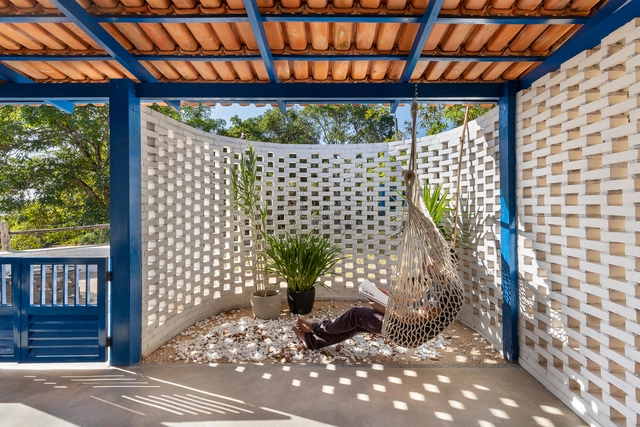
Being square sucks! At least, that's what the trends of 2022 tell us. The report carried out by Pinterest points out the curved design as the future of decoration, whether in objects or even from architecture. For that reason, we looked for Brazilian residential projects that trace curved walls in their designs. The reasons are the most varied and the results offer a unique composition: as an architectural party, to contrast with the orthogonality of other walls or to create unique spaces.

























.jpg?1600352094 "Flamboyant Residence / Perkins+Will. Image: © Nelson Kon")