


-
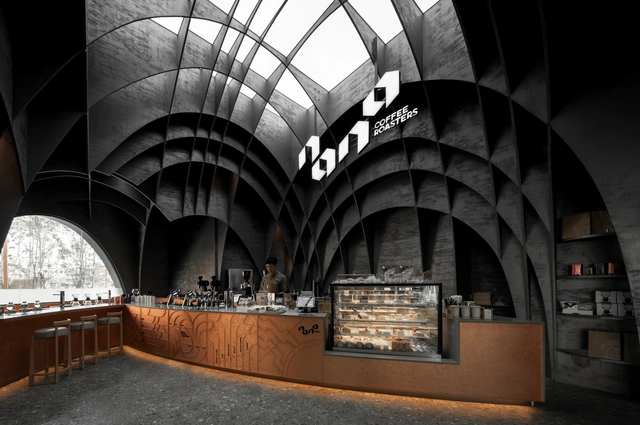
Architects: Architectkidd
- Area: 140 m²
- Year: 2025
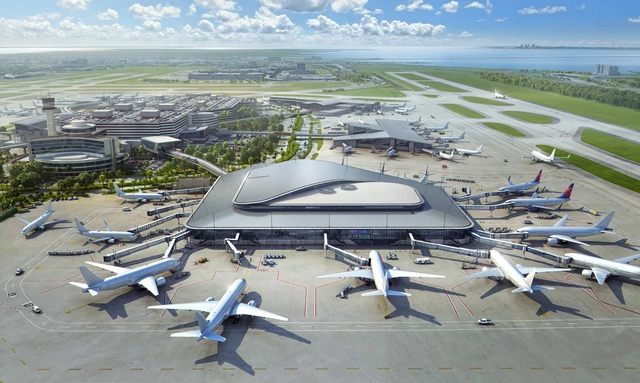
From Bangkok to Billund, a new wave of architectural project announcements is reshaping how spaces for work, culture, mobility, and public life are conceived. Across Norway, Thailand, the United States, Denmark, Australia, and Thailand, these projects reflect an increasing emphasis on technological integration, sustainable construction, and flexible, future-ready environments. Whether designing production hubs for digital creators, adaptable media campuses, or civic landscapes layered with history and ecological intent, each scheme offers insight into how architecture is evolving to support emerging industries, cultural programming, and new forms of public engagement. This edition of Architecture Now brings together a selection of recently announced projects that highlight the intersection of design, technology, and innovation in a global context.
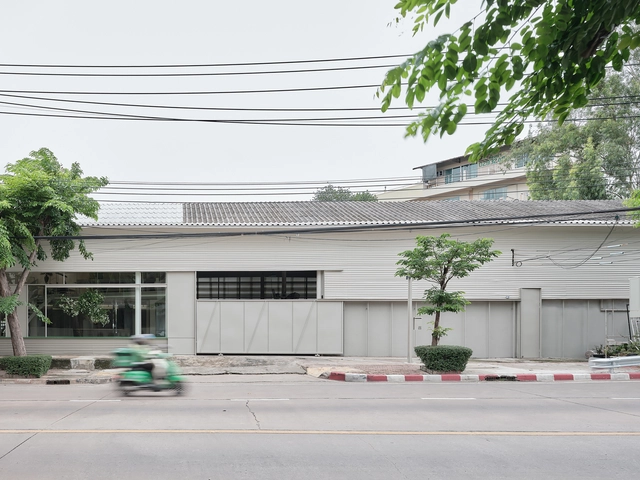
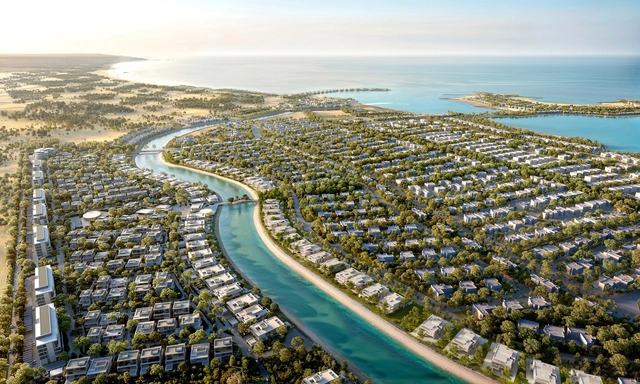
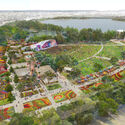
A series of recently announced projects across Europe, Asia, the Middle East, and North America reflects an ongoing shift in architectural thinking toward approaches that integrate buildings with their landscapes, programs with public life, and design with long-term environmental goals. In Nantes, France, a healthcare campus redefines medical education through climate-conscious planning, while in San Antonio, Texas, a new arboretum transforms a former golf course into a research-driven public landscape. Residential towers are rising beside Bangkok's Lumphini Park, a new coastal community is underway in the UAE, and an expansion to the Nelson-Atkins Museum in Kansas City reconsiders how cultural institutions connect with their surroundings. Together, these announcements point to a growing interest in projects that embed architecture within broader ecological and civic systems, proposing new models of spatial integration, accessibility, and resilience.
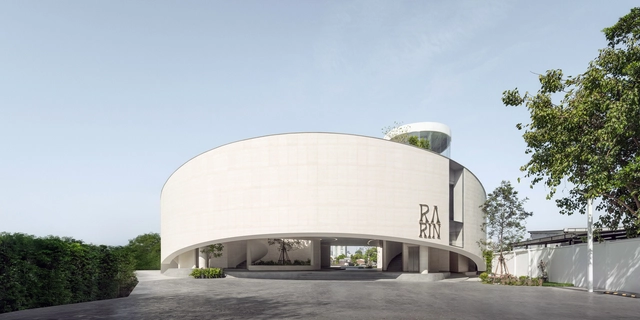
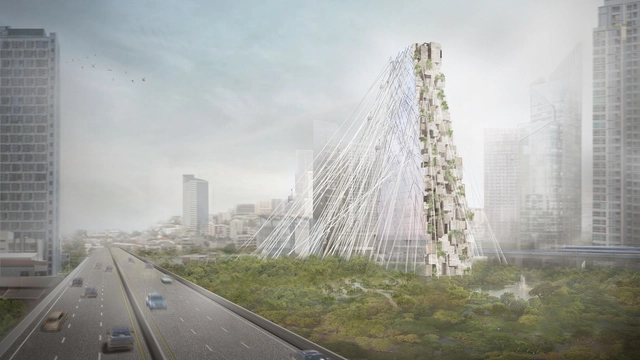
As cities grow and available land becomes more limited, high-rise architecture plays an important role in addressing urban density while shaping new ways of living and working. Tall buildings are evolving beyond their traditional functions to integrate environmental strategies, enhance public engagement, and contribute to the urban fabric. Architects are exploring new materials, energy-efficient technologies, and spatial configurations that make towers more adaptable to their surroundings. Some projects incorporate green spaces and shared amenities to create a stronger connection between the built environment and its users, while others introduce innovative construction techniques to improve sustainability and efficiency.
Among this selection of projects submitted by the ArchDaily community, The Residences at 1428 Brickell by Arquitectonica in Miami, United States introduces a solar-powered facade that contributes to the building's energy needs. In Dubai, UAE, AVA by SOMA creates a transition from the city into a more enclosed, water-defined environment with a focus on luxury living. In Bangkok, Thailand, HAS Design and Research proposes the Bangkok Civic Center Tower as a new type of public space, combining green landscapes with mirrored surfaces to connect the city with nature. These projects reflect different approaches to vertical architecture and highlight how designers are responding to the challenges and opportunities of dense urban environments.
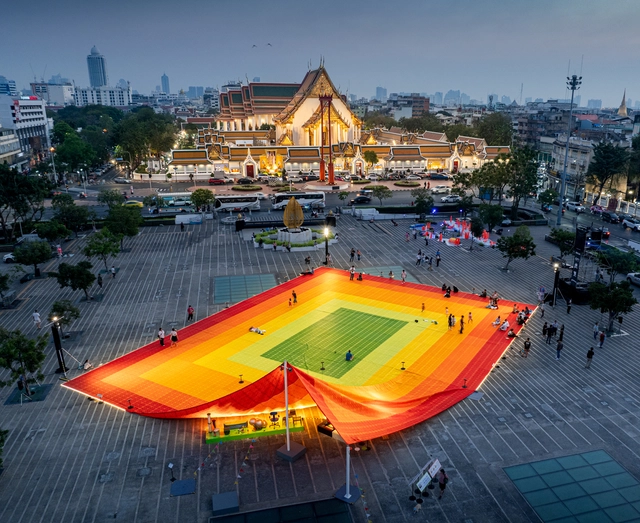
MVRDV has recently completed Mega Mat, a temporary installation for public gatherings and performances made from recycled plastic mats. Created for Bangkok Design Week, the joint goal of the architects and the Thai Creative Economic Agency was to design a space that also raises awareness about plastic waste and recycling in Thailand. The result is an infographic public space that, in addition to featuring bright, eye-catching colors, follows a color-coded system to organize information about the country's plastic waste processing. Mega Mat takes recycled plastic to reinterpret an everyday household item: the Sua, or mat, on which Thai families have been sitting for generations. This fresh take on a familiar object showcases the potential of using recycled plastic in daily life, embodied in a versatile public space now installed in the heart of Bangkok.
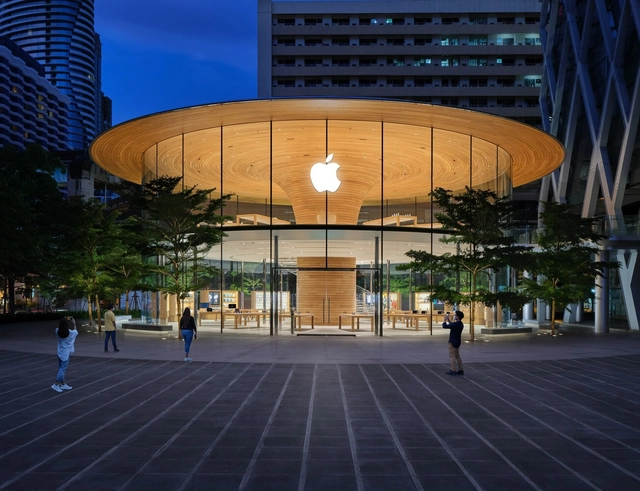
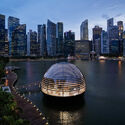
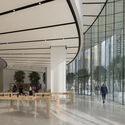
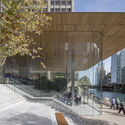
In 2001, Apple issued its Retail Store Manifesto, proclaiming its ambition to use retail to convince people that “Macintosh offers a much simpler, richer, and more human-centered computing experience” despite retail stores being unpopular among technology companies at the time. This vision has shaped Apple’s unique approach to retail, transforming its stores into environments beyond shopping. Since the inception of its first store, Apple has redefined the retail experience, emphasizing customer engagement and education and creating a community around its products. The stores “have become the embodiment of the Apple lifestyle.” This is done through products displayed on tables for easy access and mid-height furniture clusters in an open plan to foster interaction and visual orientation within the more prominent “Apple community.”