The United States is a country with an extensive history, its buildings holding onto legacies from later times. For their cultural significance, these structures are greatly celebrated and protected, however, they are also exempt from certain energy efficiency mandates. As cities push toward reaching climate goals, these mandates are under scrutiny. Preservationists argue that historic buildings deserve protection from potentially damaging retrofits. On the other hand, sustainability advocates bring up the need for energy efficiency improvements across all sectors of the built environment. The challenge lies in achieving a balance between the competing priorities - ensuring the maintenance of heritage and environmental responsibility.
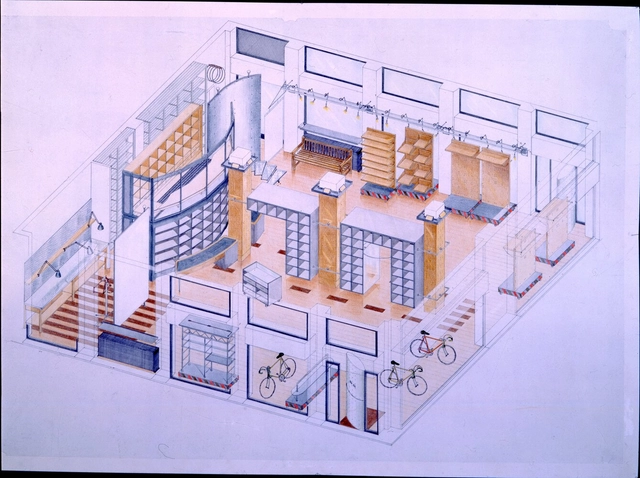
Axonometric drawing of the Granciclismo showroom (with Daniela Puppa), 1988. Image Courtesy of Archivio Franco Raggi
"Franco Raggi. Unstable Thoughts" (Franco Raggi. Pensieri Instabili) offers an in-depth exploration of the work of Italian architect, designer, and intellectual Franco Raggi. Curated by Marco Sammicheli and Francesca Pellicciari, the exhibition provides visitors with an experimental and immersive experience that traces Raggi's creative journey. Designed by the architecture studio Piovenefabi, the installation is hosted in the Design Platform space at the Museo del Design Italiano in Milan, a museum dedicated to key themes and figures in contemporary design. Held from February to April, the event is part of the prelude to the 24th edition of the Milan Triennale International Exhibition, titled Inequalities, which will run from May to November 2025.
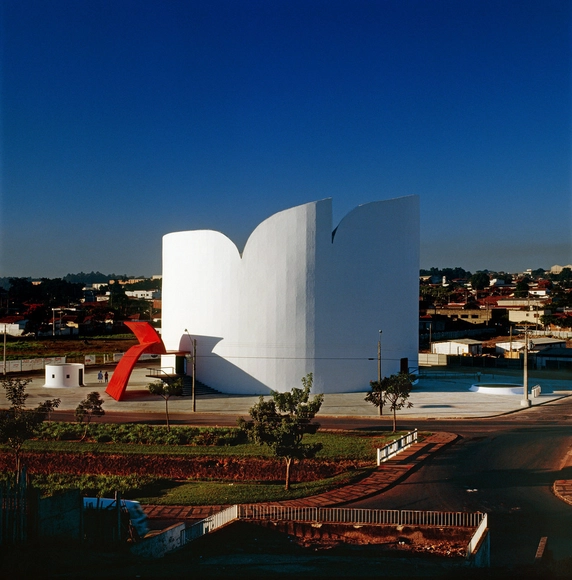
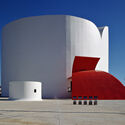
Inaugurated in 1991, the Maestro Francisco Paulo Russo State Theater in Araras is considered one of the city's and the region's main cultural venues. Designed by architect Oscar Niemeyer, one of the leading figures of the Modern Movement, the theater was equipped with all the necessary infrastructure to host local, national, and international cultural events between 1995 and 2005. Niemeyer left behind a legacy in which his signature free-form architectural style integrates influences from various sources while also engaging in a dialogue with the identity of a tropical country.
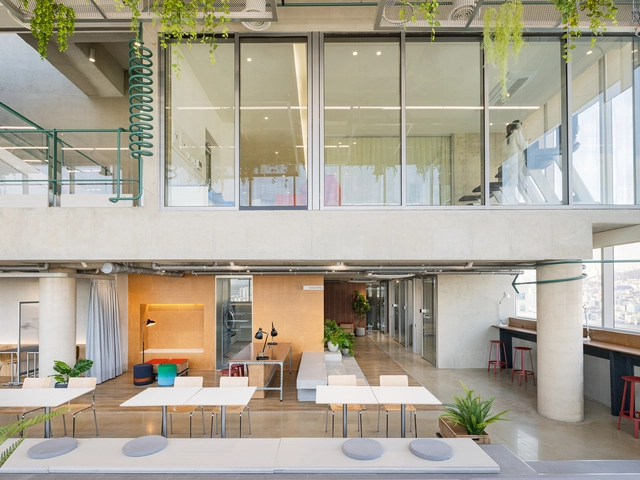
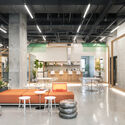
Co-living in East Asia has been rising since 2020, rapidly expanding while remaining in its early stages. At the same time, it continues to fulfill a significant demand from young professionals working in major cities. A 2020 study by real estate services firm JLL highlighted the growing demand for co-living in China and Singapore, citing key advantages such as affordability compared to private studio apartments and a contemporary urban lifestyle that fosters openness and shared experiences. Much like other industries where ownership is becoming less relevant—such as streaming services for music, films, and television, or mobility solutions like car- and bike-sharing—co-living appeals to a similar demographic that values flexibility and access over long-term commitments.
Unlike co-living initiatives in Spain, which often focus on multigenerational shared spaces, East Asian co-living primarily targets young professionals with dynamic career paths. Often required to relocate every few years, these individuals prioritize convenience and adaptability over investing in a permanent home. For them, committing to a long-term residence may not be practical, making fully furnished, professionally managed co-living spaces with built-in amenities and hygiene services an attractive option. These environments cater to fast-paced urban lifestyles, where networking at professional events often precedes solitary downtime at home.
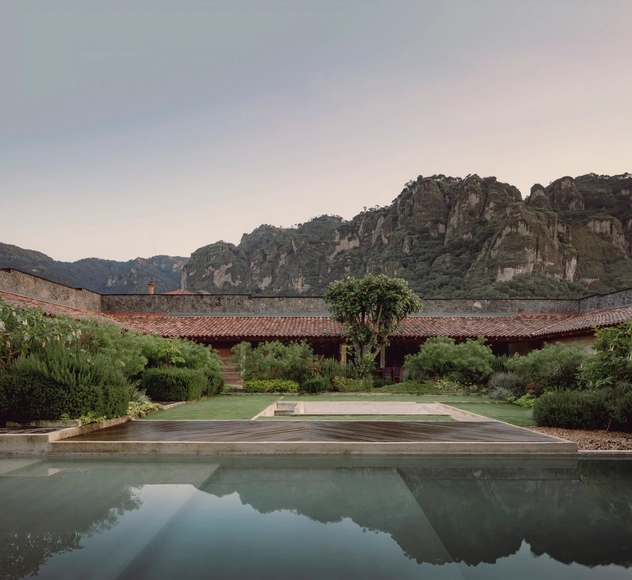
Recently selected to participate in the upcoming 2025 edition of the Latin American Architecture Biennial in Pamplona, Práctica Arquitectura has established itself as a young and promising firm in the region, specifically in Mexico. Their architectural work focuses on materializing projects that achieve a high level of sensitivity, both for those who inhabit them and for their immediate surroundings, whatever they may be. In close connection with landscapes and terrains, their projects come to life through a design that carefully considers materials, structures, and details, while ensuring a sensory and emotional experience in the spaces they create.
Nature Within Vacation Home - Section. Image Courtesy of Unformed Design
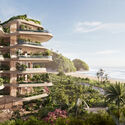
The change of the calendar year marked the culmination of several processes in the world of renowned architecture firms. Between December 2024 and February 2025, Gensler unveiled a rendering of a Manhattan redevelopment project, Foster + Partners released renderings of a new hotel and luxury residences in Brazil, and Herzog & de Meuron announced the completion date for the new Memphis Art Museum. International competitions revealed their results, highlighting the winning project of the young firm Unformed Design, as well as the collaboration between the Portuguese Fala Atelier and the Swiss Continentale on an educational architecture project. These projects showcase the broad scope of architectural design, from the detailing of a high-end project's relationship with nature to the urban renewal potential of a programmatic conversion project.
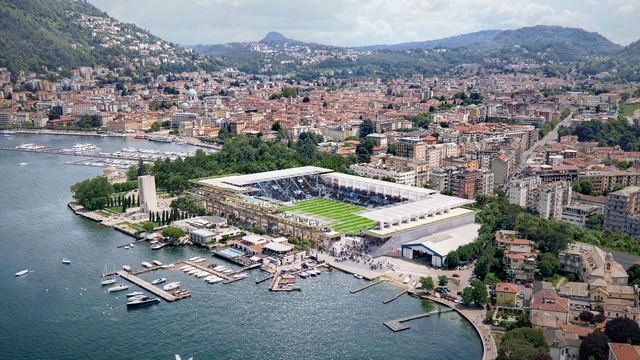
International architectural firm Populous has announced the initial phase of the redevelopment of Stadio Giuseppe Sinigaglia, in collaboration with Como 1907 and the Municipality of Como in Italy. The project aims to modernize the historic stadium while maintaining its role as a central hub for the community. The process begins with the submission of the Document of Feasibility of Project Alternatives (DOCFAP), a key step in evaluating potential design approaches. The approval process is expected to conclude by May 2026, marking the completion of the project's first stage.
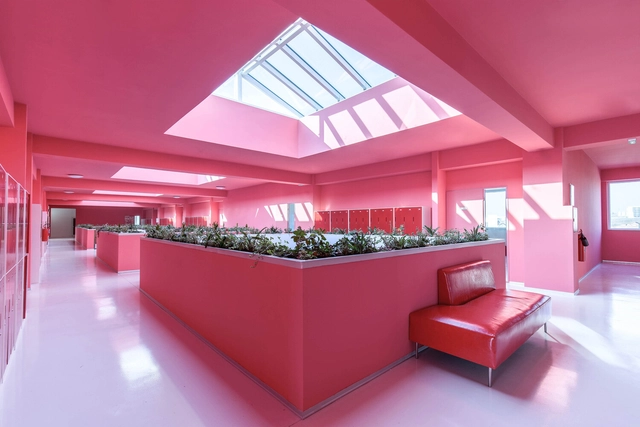
In recent years, pink has evolved beyond its traditional associations to become a sophisticated and versatile element in architecture and interior design. Defined by a broad spectrum of shades, pink encompasses both warm and cool tones, ranging from pure red tints (R) to blends with yellow (Y80R, Y90R) or blue (R10B, R20B, R30B), as classified by the Natural Color System (NCS). While difficult to define by a single shade, this color balances vibrancy and softness, making it adaptable across different materials and contexts. As pink continues to gain prominence in contemporary interiors, its role extends beyond being a mere color choice—it is a design strategy. The recent transition from the bold, playful pinks of the "Barbiecore" trend to softer, powdery hues seen in fashion and design in 2025 fashion collections, highlights the color's adaptability. Its presence in Pantone's 2025 color palettes, also reinforces its appeal across disciplines. When applied thoughtfully, pink can transform spaces, making them feel inviting, expansive, or timeless.
Modernism, a movement that sought to break away from traditional forms and embrace the future, laid the groundwork for many technological and digital advancements in contemporary architecture. As the Industrial Revolution brought about mass production, new materials, and technological innovation, architects like Le Corbusier, Walter Gropius, and Mies van der Rohe championed the ethos of "form follows function" and a rational approach to design. Their principles resonate in the digital age, where computational design and high-tech materials redefine form and construction.
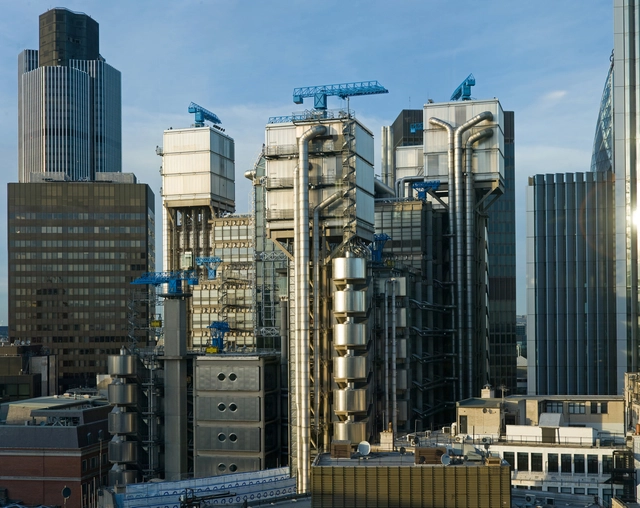
The 20th century's modernist ideals — efficiency, simplicity, and functionality — created a foundation for architects to experiment with structural clarity and material honesty. High-tech architecture, which emerged in the late 20th century, evolved from these principles, merging modernism's clean lines with advanced engineering and technology. This paved the way for parametricism and algorithm-driven design processes, revolutionizing architecture and enabling complex forms previously thought impossible.
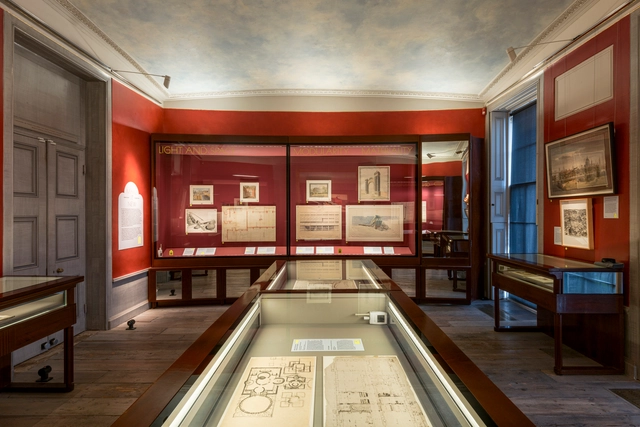
"Soane and Modernism: Make it New" brings together architectural drawings from Sir John Soane's extensive collection in dialogue with works by renowned modernist figures, including Le Corbusier, Frank Lloyd Wright, Adolf Loos, and Ernő Goldfinger. Curated by Dr. Erin McKellar, Assistant Curator of Exhibitions at Sir John Soane's Museum, the exhibition highlights the presence of 20th-century modern architectural design ideals in the work of 19th-century architect Sir John Soane. The selection of works is based on the idea that Soane's designs can be considered a precursor to many architectural principles adopted in the twentieth century.
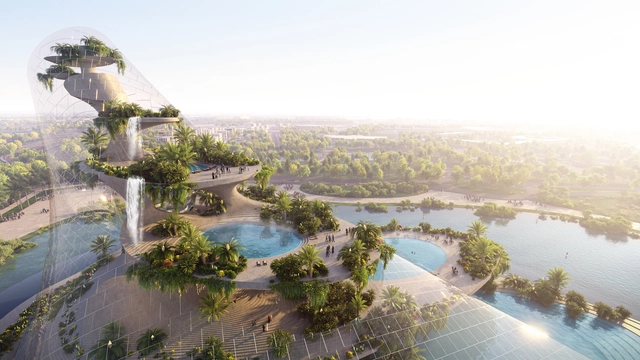
Diller Scofidio + Renfro has unveiled the design for Therme Dubai – Islands in the Sky, a new urban wellbeing destination set to be developed in Zabeel Park, United Arab Emirates. The project, created in collaboration with Therme Group and Dubai Municipality, has been approved as part of Dubai's Quality of Life Strategy 2033, which aims to enhance the city's landscape through innovative and sustainable infrastructure.
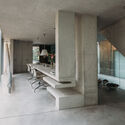
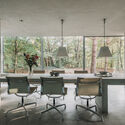
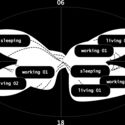
In 1993 a young professional couple with two toddlers and a large suburban lot in Naarden, a town less than half an hour's drive southeast of Amsterdam, approached Ben van Berkel to design an unusual house. They envisioned it as progressive and innovative in every way possible. More than that, they wanted a kind of building that "would be recognized as a reference in terms of renewal of the architectural language." Before settling on the architect, they spoke to several candidates, including Rem Koolhaas. They chose van Berkel who five years earlier, together with his then-wife Caroline Bos co-founded their eponymous practice, because as he told me, "I went to the site and studied it carefully and already had ideas about what I called the four quadrants of the landscape. I knew what kind of house it would be. I could see clearly where different rooms would go, how they would be shaped, and how they would relate to each other." The couple couldn't resist. Yet, there would be no rush on the project which took five years to complete, most time was invested in its design, going through many iterations and refinements, all based on the Möbius loop.
After two weeks of open voting in the16th edition of the Building of the Year Awards, our readers have meticulously narrowed down a pool of almost 4,000 projects to a select group of 75 finalists spanning 15 categories. This year's awards honor the pinnacle of design, innovation, and sustainability on a global scale, showcasing an exceptional range of projects within the shortlist. As a crowdsourced award, we take pride in affirming that your selections authentically mirror the current state of architecture, and the caliber of this year's finalists further underscores the excellence and diversity prevalent in the field.
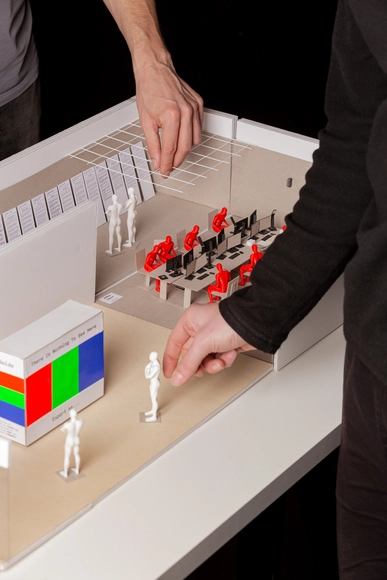
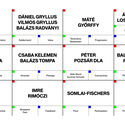
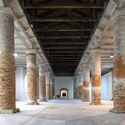
"There Is Nothing to See Here" is the title of the exhibition hosted in the Hungarian Pavilion at the Venice Architecture Biennale 2025. Since 2015, the Ludwig Museum of Contemporary Art has managed and organized both the temporary exhibition and the building. This year, it presents an alternative vision for the future of the profession. Curated by creative director and assistant professor Márton Pintér, in collaboration with Ingrid Manhertz, András Graf, and Júlia Böröndy, founder of the platform Women in Architecture (WIA), the exhibition will showcase the work of 12 architecture professionals who apply their expertise in fields beyond the profession.
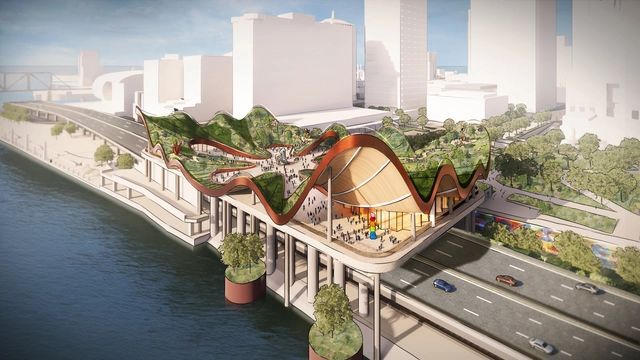
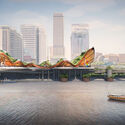
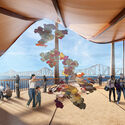
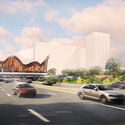
Heatherwick Studio has unveiled an ambitious vision to transform the Belvedere, a historic elevated riverfront space in downtown Louisville, Kentucky, into a reimagined public park in the United States. The project aims to breathe new life into the site, enhancing its connection to the Ohio River and creating a welcoming environment for both residents and visitors.
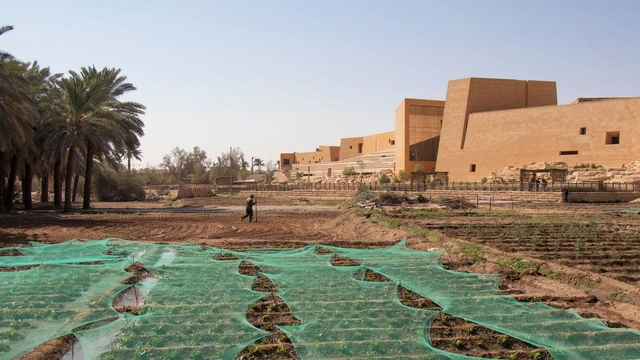
In recent years, the Gulf region has emerged as a global center for cultural and architectural development, commissioning internationally acclaimed architects to design its most high-profile museums and institutions. These projects, ranging from Louvre Abu Dhabi by Jean Nouvel to Museum of Islamic Art in Doha by I. M. Pei, are often designed by foreign architects, yet they aim to embed themselves within their context through strategies that reference the region's landscape, climate, and architectural traditions. This raises a fundamental question: What defines local architecture in the 21st century?
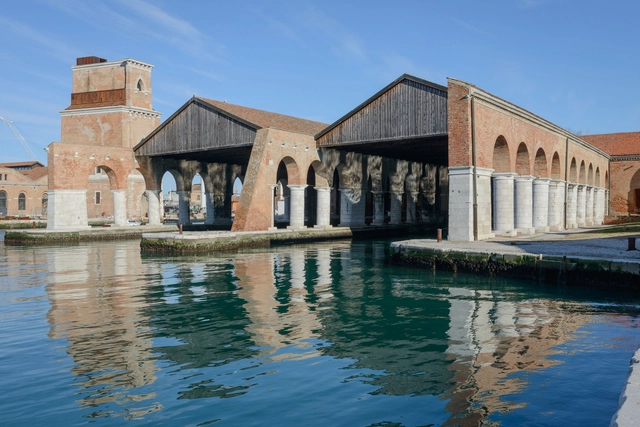
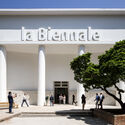
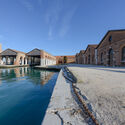
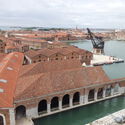
During a live presentation for the 19th International Architecture Exhibition, curator Carlo Ratti offered a glimpse into the programming of this year's edition. The 2025 Venice Architecture Biennale will include 66 National Pavilions, with 4 countries represented for the first time: the Republic of Azerbaijan, Sultanate of Oman, Qatar, and Togo. The exhibition, divided between the Giardini (26), at the Arsenale (22) and in the city center of Venice (15), explores the theme of "Intelligens. Natural. Artificial. Collective", gathering over 750 participants, including individuals and organizations forming interdisciplinary and multigenerational teams. According to the numbers released, this year's edition is shaping up to become the largest Architecture Biennale held in Venice.
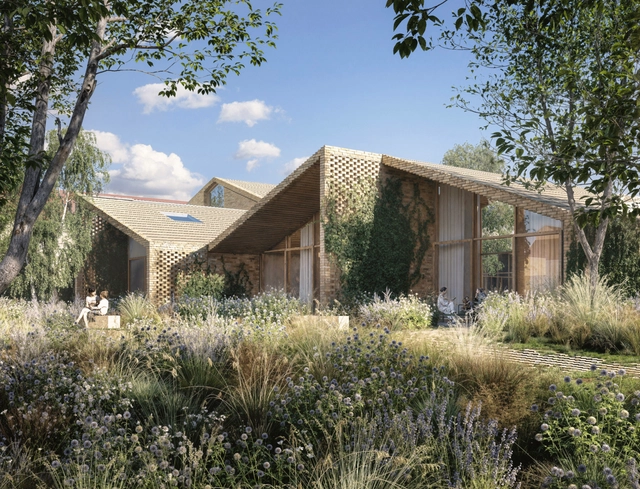
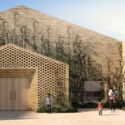
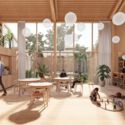
Sankt Lukas Hospice & Lukashuset. Image Courtesy of BIG
Bjarke Ingels Group has just won the competition to design the new Sankt Lukas Hospice and Lukashuset, an 8,500 m² palliative care center envisioned as a village surrounded by nature. Rooted in the history of the Sankt Lukas Foundation, which dates back to the 1930s, the project will expand Denmark's palliative care facilities, tripling current capacity to accommodate around 2,100 patients annually.