Increasingly, the concept of social sustainability has become a central theme in contemporary architecture discussions as users' subjective and non-static needs become paramount in the design process. Social sustainability in architecture aims to design and construct buildings and urban spaces that promote well-being, inclusion, and community cohesion. It focuses on creating environments that enable positive human interactions, support diverse needs, and improve the overall quality of life for people who inhabit and use these spaces. Socially sustainable architecture considers the social, cultural, economic, and health aspects of a community to address societal challenges and provide long-term benefits to residents.
With the rise of small houses and dense cities, we were forced to sacrifice a good amount of storage space. Ironically, we did not compromise our purchasing habits, so with a few square meters to work with, architects and designers had to come up with efficient storage solutions and make the best of the limited space they have. However, if you were lucky enough to be occupying a large, unobscured space with a generous budget, your storage design possibilities are endless. In this article, we look at how architects and designers found creative ways to store their belongings in spaces with different functions, scales, and spatial constraints, ranging from completely invisible units to sculptural centerpieces.
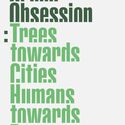
The “Green Obsession” campaign launched by Stefano Boeri Architetti has been declared the winner of the SDG Action Awards, the most important recognition of projects that support the United Nation’s 17 Sustainable Development Goals. As part of the SDG Action Campaign, the United Nations set out to reward initiatives that “mobilize, inspire and connect communities in order to promote positive change.” The winning initiative aims to help improve the relationship between nature and design by implementing the principles of urban forestation. Green Obsession represents a series of conferences, public programs and a book, “Green Obsession: Trees Towards Cities, Humans Towards Forests”, published in 2021 and supported by the Graham Foundation.
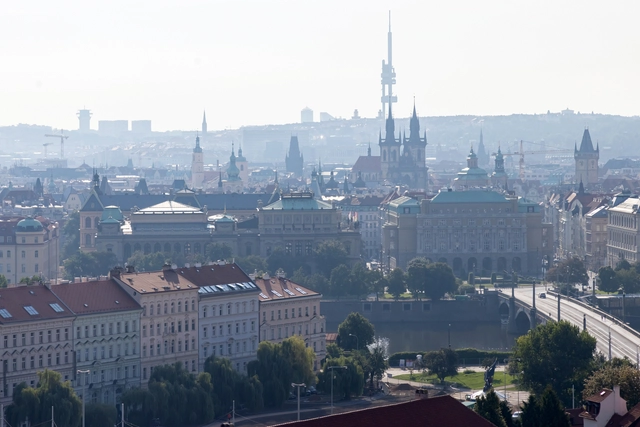
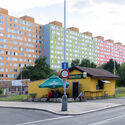
In the summer of 2022, Iwan Baan completed an urban pilgrimage through the unique streets of Prague. For 7 days, the photographer photographed the city on foot, on a bike, and from a helicopter, capturing the essence of the urban fabric, from the center to the periphery and the landscape along the Vltava River. Presenting the city as a raw and often neglected entity, Iwan Baan showcased his exhibition “Iwan Baan: Prague Diary” this year at CAMP.
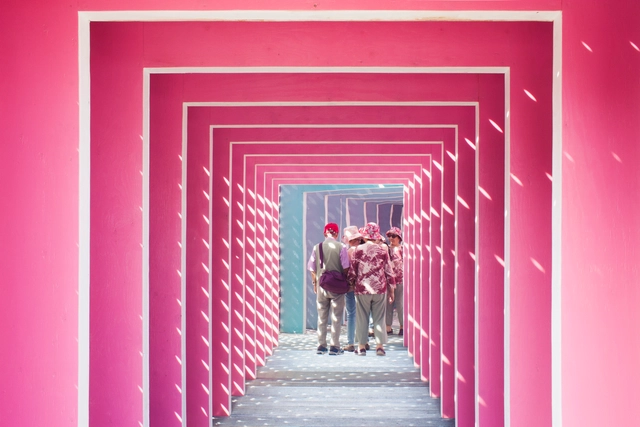
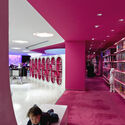
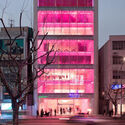
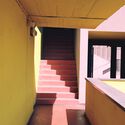
Pantone 219C, or Barbie Pink, is a vibrant and bright magenta pink shade synonymous with the Barbie brand. Since the inception of the Barbie doll in 1959 by a company named Mattel, the doll has slowly trademarked this specific shade of pink. As Barbie’s popularity grew, the global association with the color pink did, too. From pink accessories, pink houses, pink haircuts, and pink packaging, there is no Barbie without pink. Moreover, as the doll became a popular cultural icon, her iconic shade of pink started to influence various industries beyond just toy manufacturing, including fashion, beauty, and interior design.
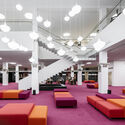
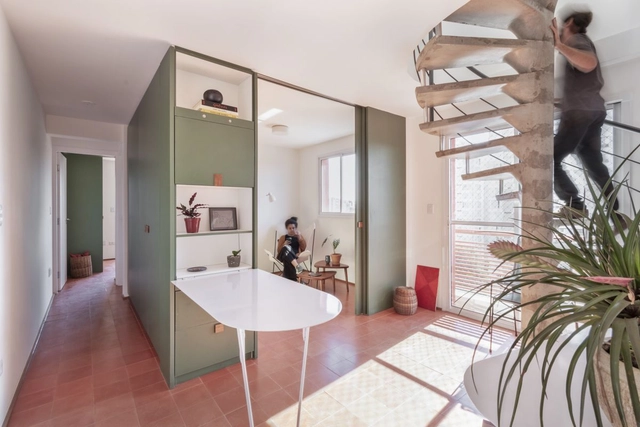
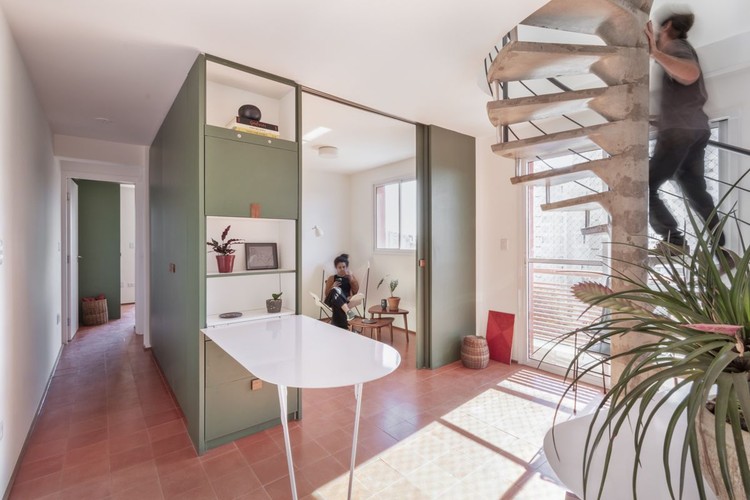
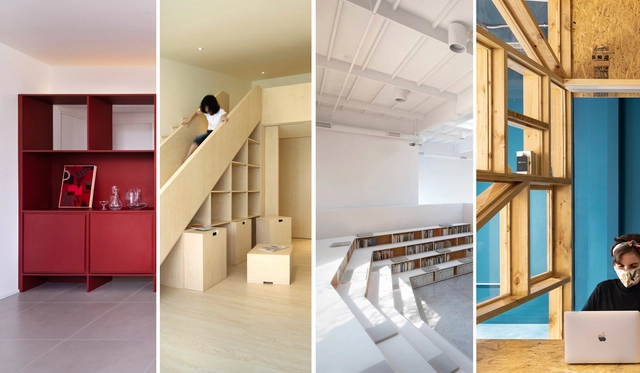
Many architectural projects have been giving special attention to cabinetry and built-in furniture. These custom-made wood pieces are designed for specific purposes and can be used to organize the space, which can be living rooms, bedrooms, studies, kitchens, and bathrooms. Besides functionality, these elements also introduce different materials, textures, and colors into the environments. This article will explore some examples of how colorful cabinets and furniture can make architectural projects more vibrant.
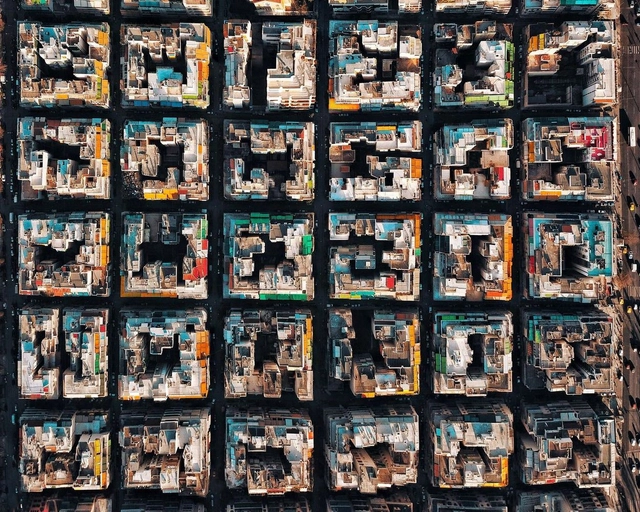
Urban blocks can be defined as the space within the street pattern of a city that is subdivided into land lots for the construction of buildings. This morphological element has been shaped according to the current views on urban design and its expectations over the centuries. It may consist of a single building structure or an area with several buildings that vary in size, detached structures surrounded by nature, or intricate labyrinths. Regardless of the composition, an urban block is the basic unit of a city's urban fabric and plays an important role in mediating between the public and private spheres.
Willow Technologies is a material research and building technology practice that has been selected as part of ArchDaily's 2023 Best New Practices. Founded by Ghanaian-Filipino designer and architectural scientist Mae-Ling Lokko, it operates in the gap between research, development, and diffusion of bio-based building materials. Working with agro-waste and bio-based materials usually incurs technical questions regarding scalability, industrial production, standardization, fireproofing, and mechanical strength. Exploring this data is where Willow Technologies situates itself, but peculiarly through the lens of developing regions in West Africa. Through comprehensive works with coconuts, moringa, rice, and other indigenous crops, Lokko’s practice has been able to investigate and catalog the material character of various crops, their possible by-products, local transformation techniques, and the prospect and challenges of scalability as building materials.
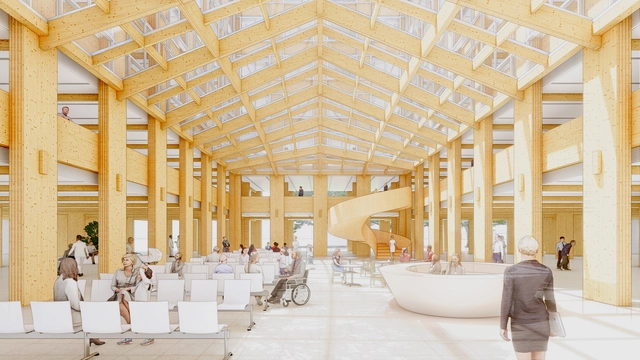
Lviv Hospital Proposal. Image Courtesy of Shigeru Ban
Shigeru Ban has announced the intention to collaborate with the municipality of Lviv to design an expansion of the Lviv hospital. As the largest hospital in Ukraine, this unit has witnessed an increase in the number of patients since the beginning of the war, leading to the need to increase the capacity of the institution. Shigeru Ban’s proposal uses cross-laminated wood and joints inspired by traditional wooden construction techniques to create a safe and welcoming environment for healing and recuperating.
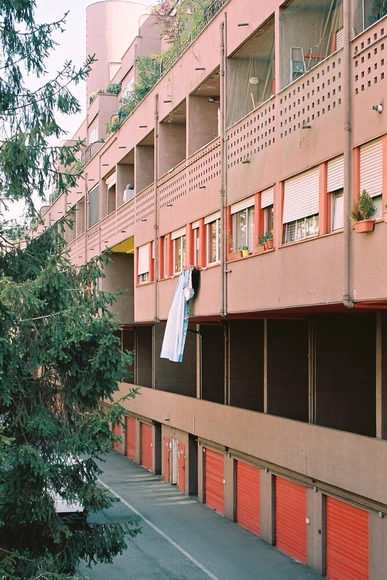
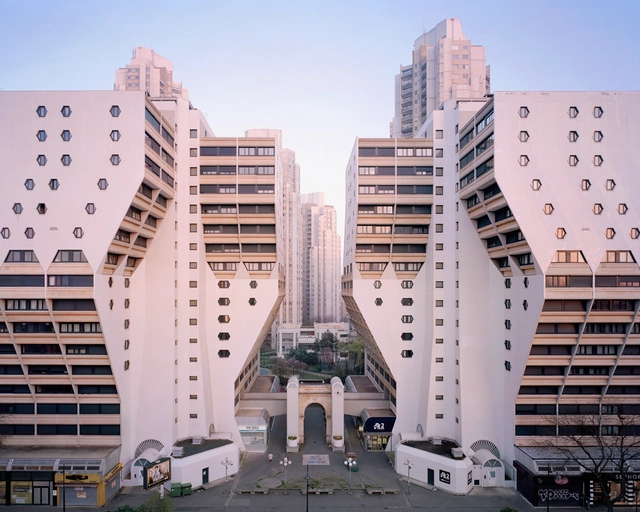
In the aftermath of the Second World War, a drastic housing shortage spread across Europe, and Milan was no exception. Various plans and solutions were conceived to address this crisis, outlining satellite communities for the city to accommodate between 50,000 and 130,000 residents each. The first of these communities began construction in 1946, just one year after the war's end: the Gallaratese project.
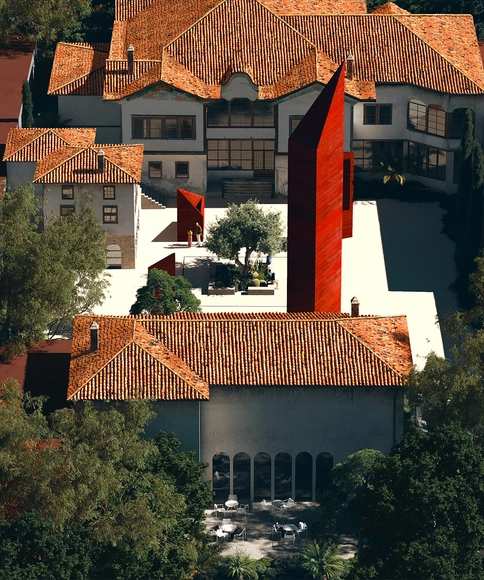
Switzerland-based office Oppenheim Architecture has been announced as the winner of a two-phase competition for the redesign and restoration of the Besa Museum in Tirana, Albania. The institution is dedicated to showcasing the Albanian code of honor represented through the name “Besa,” a concept that dictates welcoming any guests as one’s own. The museum is conceived as a continuation of the Jewish Museum on Vlora, diving deeper into the principle of Besa and its role in the help given to the Jews in Albania during the Holocaust.
OPEN Architecture’s Sun Tower, designed as a landmark for the Chinese coastal city of Yantai, topped out last month. On the summer solstice day, the 50-meter-tall structure reached its peak height. The landmark is expected to be open to the public in 2024. Acting as a cultural placeholder, the building reframes the typical understanding of "design with nature."
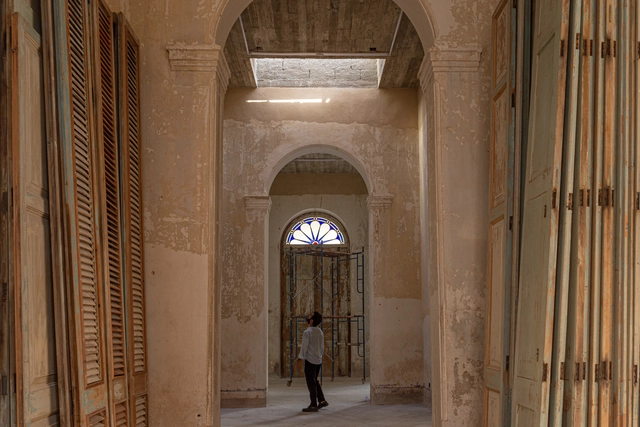
Infraestudio is an architecture and art practice based in Havana that has been obsessed with fiction since its foundation in 2016. Fernando Martirena, Anadis González, and other members and collaborators work from a narrative and discursive approach to experiment with various resources such as buildings, research, exhibitions, writings, and activism. This has allowed them to operate discreetly in a city frozen in time, recounting how contemporary architecture is done in Cuba today.
For these reasons, Infraestudio was selected by ArchDaily as one of the best new architectural practices of 2023. They are concerned with creating architecture that blends into the landscape, showcasing emptiness as a representation of an idea, focusing not on forms but on strategies, and building with the bare essentials.
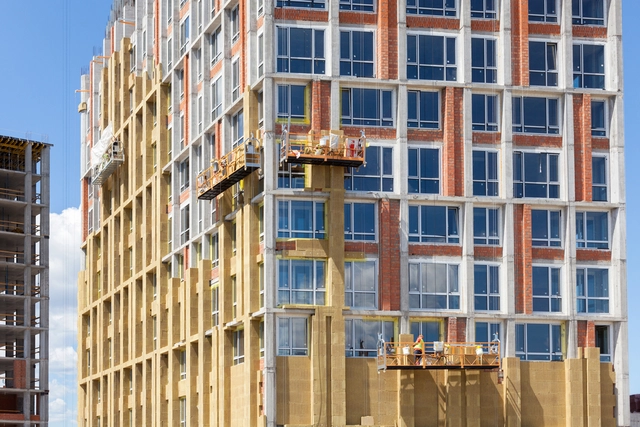
Energy efficiency wall renovation for energy saving. Exterior house wall heat insulation with mineral wool, building under construction. Image via Shutterstock / brizmaker
The buildings and construction sectors are key players in the fight against climate change –Combined, they are responsible for 30% of global final energy consumption and 27% of total energy sector CO2 emissions. Further, energy demand from buildings and construction continues to rise, driven by improved access to energy in developing countries, growing need for air conditioning, greater ownership and use of energy-consuming appliances, and a rapid growth in global floor area. Without targeted policy actions, the energy used in buildings could increase up to around 70% in 2050.
There are many building materials that have experienced minimal changes since their initial inception in the field of architecture. However, this does not imply that they are outdated, but rather that their qualities and simplicity make them highly versatile materials also demonstrate the resilience and durability of materials that withstand the test of time. An example of this is brick, a timeless material that has been able to adapt over the years, serving functions such as walls, cladding, and flooring, among others. Under this premise, Louis Khan referred to the expressive possibilities of brick, stating, "Even a brick wants to be something. It aspires."
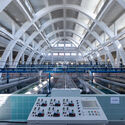
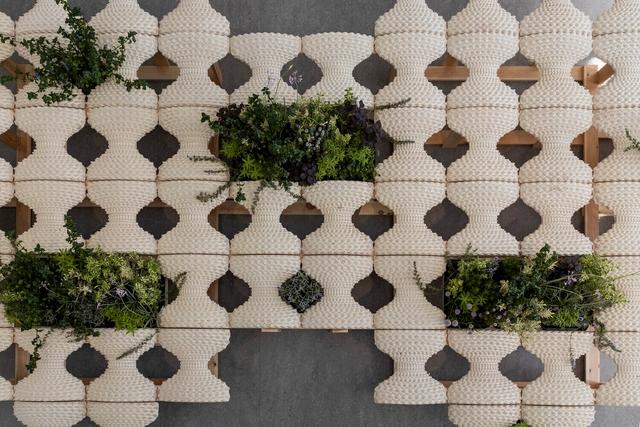
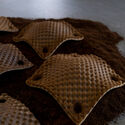
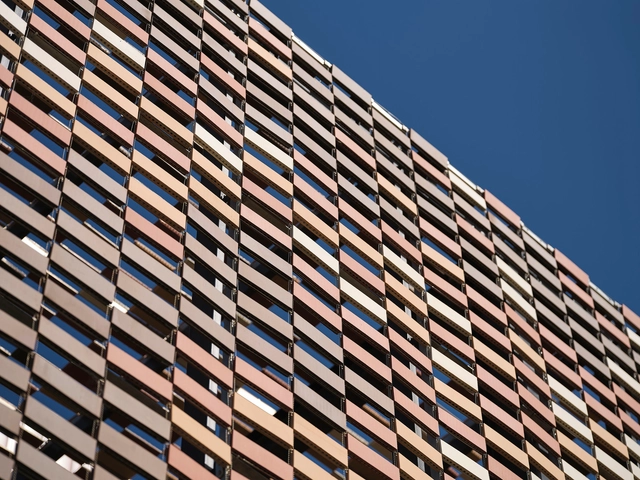
Thanks to the progress of new technologies applied to materials, disruptive proposals have arisen that converge in new construction systems. On many occasions, these new technologies are combined with materials considered "traditional," generating new concepts in which materials such as brick find new applications and possibilities. One of these new concepts is Flexbrick, a ceramic textile with an industrialized system that combines flexible sheets to wrap architectural spaces. This opens up new possibilities for applications at the forefront of the parametric architecture revolution, using a flexible, adaptable, and sustainable material.
https://www.archdaily.com/1003807/algorithm-based-architecture-flexible-bricks-to-wrap-architectural-spacesEnrique Tovar
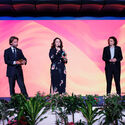
During the opening keynote at the UIA 2023 World Congress of Architects, Bjarke Ingels, the lead and founder of BIG, shared insights into pressing global challenges along with the office’s distinctive approach to addressing them. After the conference, ArchDaily had the chance to sit down with Bjarke Ingels to further expand on these topics. The discussion touched on a number of subjects, including BIG’s approach to design, based on their principle of “Hedonistic Sustainability,” the meaning and opportunities behind this change in mentality, the inter-applicability of technological innovations across different fields and even across planets, and the need to develop a New European Bauhaus as a response to the emerging environmental necessities.
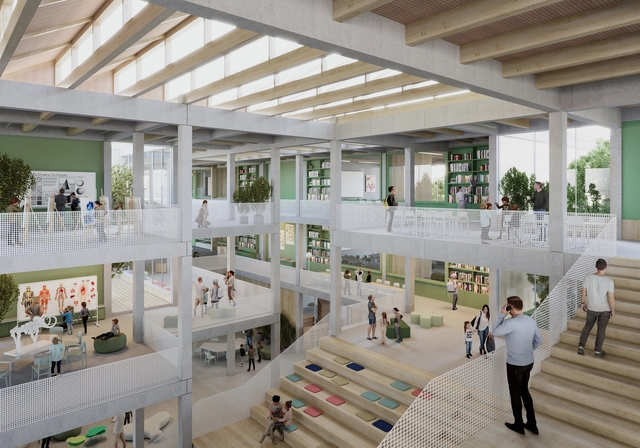
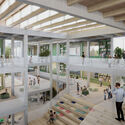
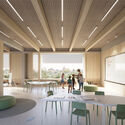
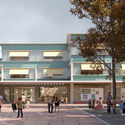
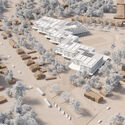
CHYBIK + KRISTOF has just won an architectural competition to design the new primary school in Stara Boleslav in the Czech Republic. The school will allow up to 900 children from sixteen neighboring towns to attend. Furthermore, the design is based on a flexible methodology that will enable the school to change in the future to meet new demands. The building's green atrium opens views of the city's primary local and historical structures. Moreover, the school is designed to become an educational and cultural hub for the town and the neighboring public.




.jpg?1627408898 "© Anna Positano")