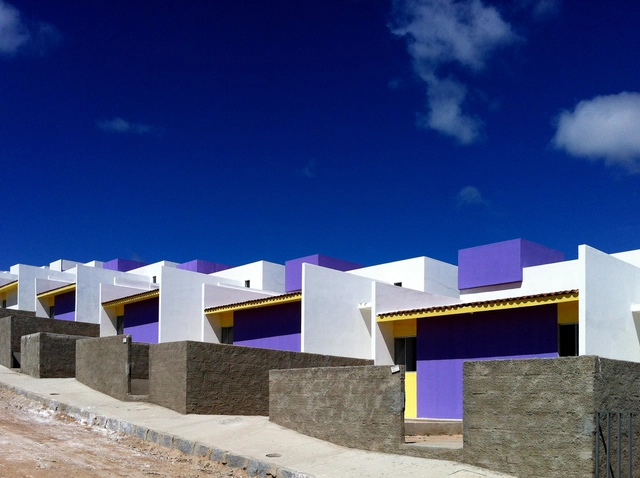
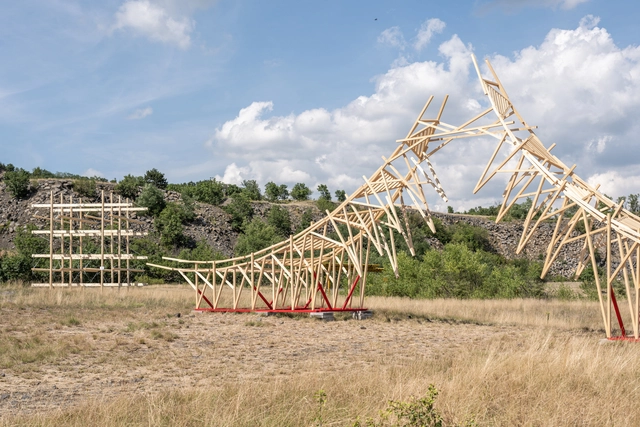
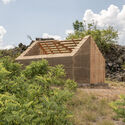
When it comes to architecture, scale is inevitably mentioned for graphic and two-dimensional representation of the built area, land size, and city extension. Architecture is a grand discipline with robust constructions and large areas, but the field of action is vast, encompassing "smaller" scales: essential housing, restricted land, and small cities.
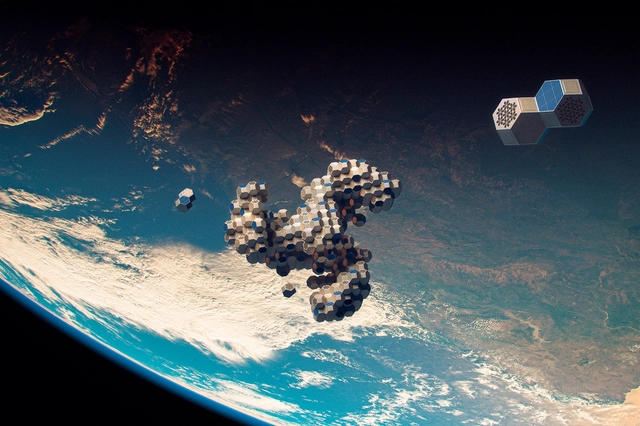
Architecture is likely to exist in any place or physical space inhabited by human beings. Moreover, our inherent curiosity and exploratory spirit constitute an integral aspect of our humanity. Fueled by our inventive capacity, drives us to venture into future scenarios that we can explore as individuals and as a society. Consequently, the possibility of a future in space has sparked the imagination of scientists and designers, resulting in conceptual and science fiction designs where human beings inhabit space.
The inventive and imaginative human capacity can be traced through the work of artists such as Jean-Marc Côté, who, in the early 20th century, envisioned a series of retro-futuristic illustrations depicting what life would be like in the year 2000. There are also notable literary references, such as the works of Ursula K. Le Guin, renowned for her speculative fiction exploring humanity's journey as a spacefaring species. Undoubtedly, the future and space are two captivating topics that have inspired the development of a long-term vision for society in space.
https://www.archdaily.com/1001762/architecture-for-inhabiting-space-tessellated-reconfigurable-structures-for-adaptive-environmentsEnrique Tovar
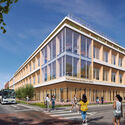
Ennead Architects has been enlisted to redefine the campus of The American School in Japan (ASIJ) to align the international school’s academic mission with its environment. Currently defined by its aging and fragmented infrastructure, the campus is set to become a dynamic and innovative space, encouraging integrated learning, cohesion, and collaboration across age groups. Sustainability principles, along with the experience of Japanese heritage, also play an important role in the design of the master plan, which proposes a toolkit of solutions intended to help create a unified, sustainable and resilient campus.
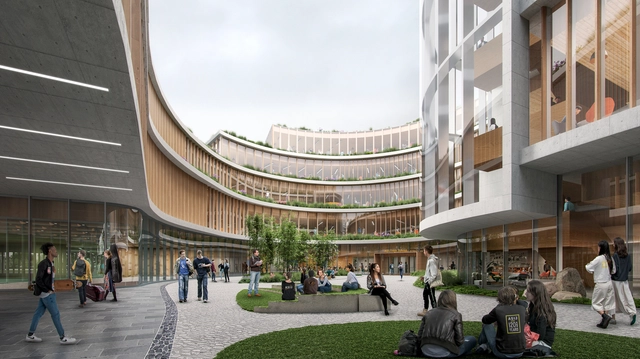
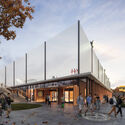
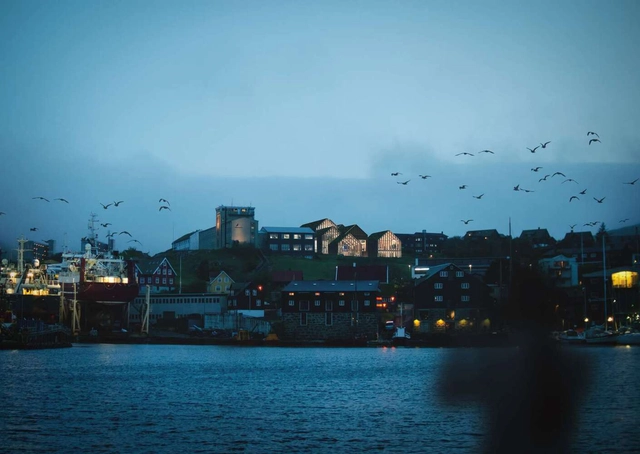
Henning Larsen Architects has just won the competition to design a new university campus building in Torshvan, Faroe Islands. The 8000m2 campus is primarily inspired by the Faroese settlements and indigenous lands, drawing on various ancient methodologies of building for extreme weather conditions. The new design “extends the comfortable outdoor season by 150 days each year,” transforming the campus into an ideal space for learning.
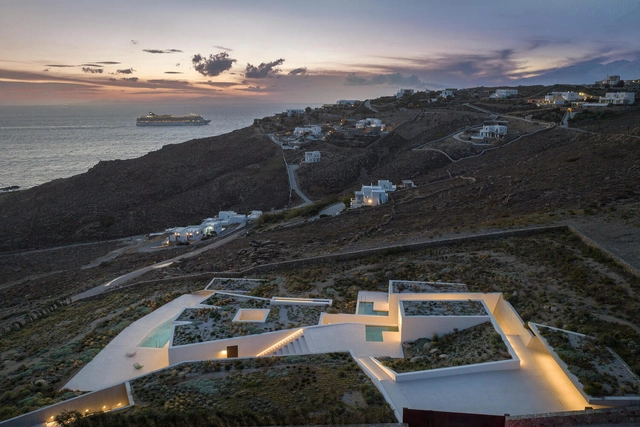
By building houses like the Latypi residence on hillsides, we can reduce the impact construction has on the landscape, while keeping the views for ourselves. Image
Ever since humans started building (about 10,000 years ago), settlers looking for sites to build new villages or homesteads have kept a simple list of criteria: access to water, proximity to arable land, and, ideally, as flat as possible. Modern development sites instead look for industry and transport links rather than water and farmland, but a level site is still the preferred option.
Whether you cut and fill into the landscape by digging in a retaining wall, or balance the structure above the hillside on stilt supports, building on sloping ground always adds time, cost, and difficulty to the project. With immense views and extra space both inside and out, however, the results can be worth the extra effort.
After a three-year break, Hello Wood’s builder festival returns to welcome students, architects, and young professionals from all across the world to join the 10-day builder camp to test their wooden construction abilities, learn to collaborate, and participate actively in on-site design and construction. For the first time in Hello Wood’s 13-year history, this year’s workshop takes place at a new location, in the crater of an abandoned basalt quarry on Haláp Mountain in Hungary. The workshop also aligns with and supports Veszprém’s title of 2023 European Capital of Culture, which also includes over a hundred other villages and towns across the Bakony-Balaton region. The event took place between July 6 and 15, ending in a two-day music festival open to all.
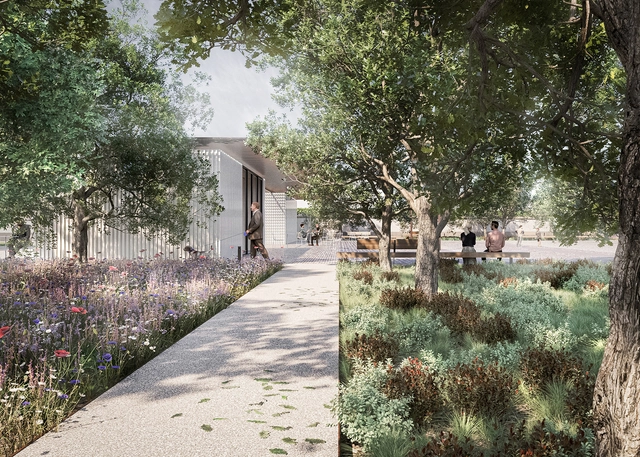
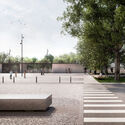
Ghisellini Architects, in collaboration with Lucrezia Alemanno and Paolo Beniamino De Vizzi has unveiled the redevelopment and complete redesign project for the new Piazza Francesca Cabrini in Livraga, Italy. Located about 45 kilometers southeast of Milan, the municipality of Livraga set out to transform the currently degraded public space and transform it into an attractive gathering place with site-specific environmental and landscaping features. Construction is expected to begin in August 2023 and is scheduled for competition in 2024.
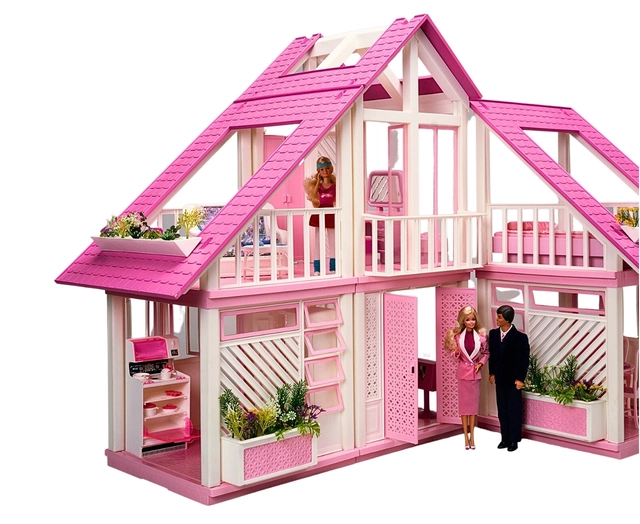
In her 1959 debut by Mattel, Barbie became a doll that transformed the toy industry and has been a popular culture icon ever since. 3 years later, the first accompanying Barbie Dollhouse was created, a home for Barbie representing her domestic, habitual, and day-to-day life. Over the past 60 years, Barbie Dreamhouses have changed and evolved, each iteration adopting the architectural and design fads of the eras in which they were produced. In fact, each dollhouse is an artifact of the unique blend of history, politics, popular culture, trends, and design styles that define architecture as we know it.
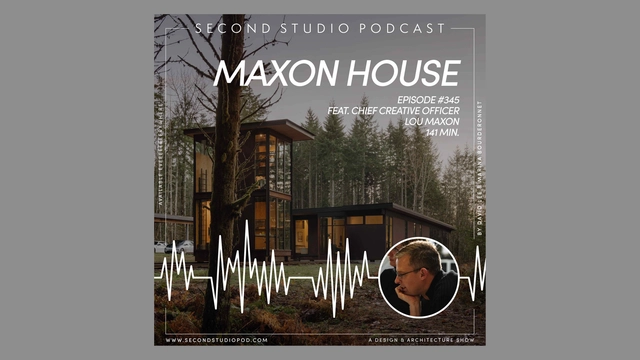
The Second Studio (formerly The Midnight Charette) is an explicit podcast about design, architecture, and the everyday. Hosted by Architects David Lee and Marina Bourderonnet, it features different creative professionals in unscripted conversations that allow for thoughtful takes and personal discussions.
A variety of subjects are covered with honesty and humor: some episodes are interviews, while others are tips for fellow designers, reviews of buildings and other projects, or casual explorations of everyday life and design. The Second Studio is also available on iTunes, Spotify, and YouTube.
This week David and Marina of FAME Architecture & Design are joined by Lou Maxon, Founder of Maxon House, to discuss his story as a client; the process of building a house; hiring Olson Kundig as their architect; working with contractors; building a studio on railroad tracks; tips for being a client; and more!
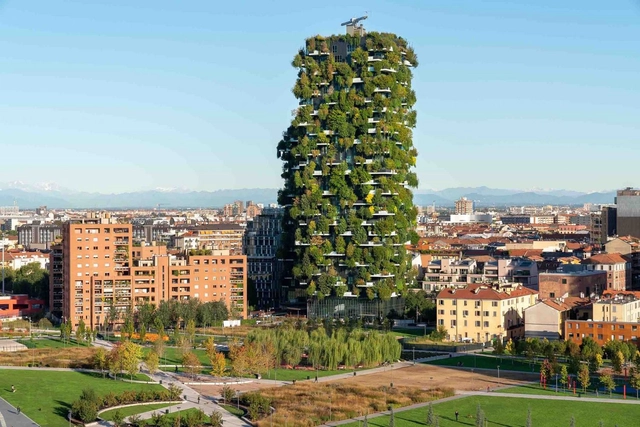
Milan’s urban fabric has long been defined by change. In a city known for its historic monuments, from the Piazza Duomo and Milan Cathedral to works like Velasca Tower, contemporary architecture must balance many existing contexts. Emerging as a global center for design and culture, Milan has become home to new buildings and structures addressing this condition as iconic landmarks and expressive forms. Actively building upon its legacy, Milan has turned its attention to the sky.
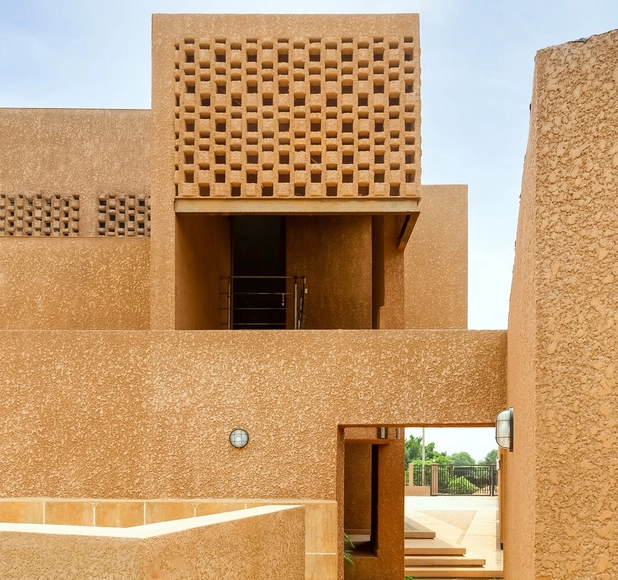
In Lagos, a city with a complex urban fabric that includes historical buildings and vast interpretations of contemporary architecture, lies PatrickWaheed Design Consulting (PWDC). This design practice, Co-led by Adeyemo Shokunbi, aims to contribute to a Nigerian architectural language through the renaissance of local materials. Through explorations anchored in local laterite, they have developed the material as a modern finishing technique, investigated its potential as a natural dye, discovered new ways to employ its thermal properties, and now build the research prospect of other local materials. I had the opportunity to speak with Architect Shokunbi, who discussed the initial inspirations and investigations during the construction of two building projects (Mad House & Abijo Mosque) in Lagos. These projects brought the Laterite finishing technique to life and now help build the case for a Nigerian architectural language.
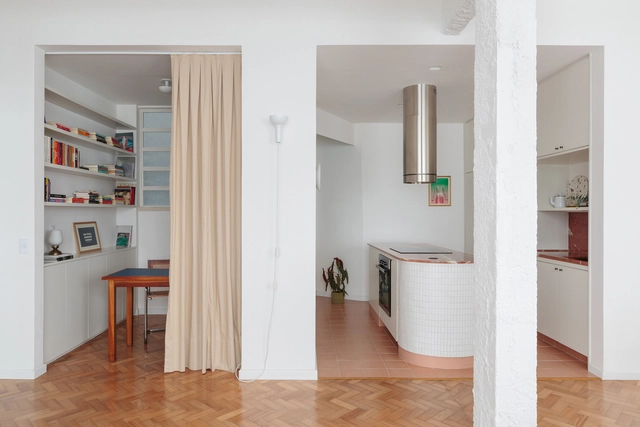
Nowadays, homes are built in increasingly smaller spaces in densely populated cities. The kitchens, which today serve not only to prepare meals but also as meeting spaces where we receive guests, are the places that have undergone the most transformations in recent decades. Whether by integrating with other living areas or by the super functional design of a single counter, there is an increasing search for innovation in this fundamental part of a home.
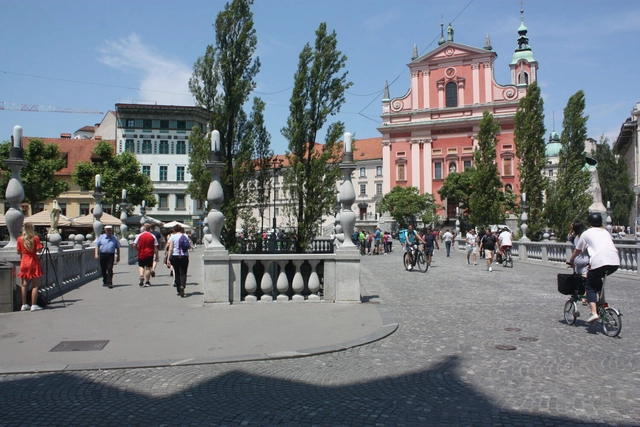
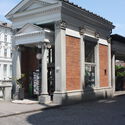
Recently I traveled to Ljubljana, Slovenia, in search of the religious architecture of the celebrated (but largely unknown in the U.S.) Slovenian architect Jože Plečnik (1872–1957). I write a lot about the architecture of spirituality, and I was curious about Plečnik’s churches and chapels—what the architect’s idiosyncratic form of classicism said about faith in a Modern age. What I didn’t expect to find was the universal nature of Plečnik’s work as an urbanist: a re-maker of the Slovenian capital that holds lessons for us today.
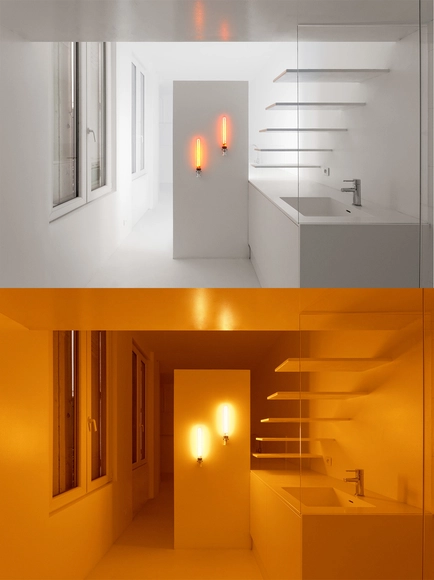
Light is a key feature in architecture. Centuries ago, the sun and fire were the only sources of illumination, but in today's technology-driven world, artificial lighting and cutting-edge optical technologies have found ways to mimic the qualities of natural light, making it possible to have a naturally-lit-looking space within four walls. LED technologies have even made it possible to embed lighting in furniture, interior surfaces, and facades, altering their intensities and hues to make light a main feature in the architecture's storytelling.
If used effectively, lighting can become a lot more than just an illuminator; it becomes a mood setter, a symbol of a specific emotion the architect is trying to convey. For instance, indirect lighting becomes a floater, levitating the walls from the ground and making the space seem lighter in weight, whereas orange light manipulates the space's temperature, creating the illusion that the users are walking into an intense, overheated room.
The climate crisis has made heatwaves more likely and more intense around the world. Record-breaking high temperatures are being reported across the world. According to international data, the first week of July 2023 was the hottest week on record, putting millions of people in danger. All throughout this summer, recurring heatwaves have been affecting large portions of Asia, Europe, and the United States, priming the land for fires in places like Greece, Spain, and Canada, triggering unhealthy air warnings, evacuations, and heat-related deaths. The increasingly threatening effects of the climate crisis are also felt in cities worldwide, as extreme heat proves to be a rapidly growing health risk to millions of urban dwellers.
Cities are on the front lines of this public health emergency. People living in urban areas are among the hardest hit when heatwaves happen, partly because of urban heat islands. This is a phenomenon that occurs when cities replace the natural land cover with dense concentrations of surfaces that absorb and retain heat, like pavements and buildings. Heat risk levels also vary by neighborhood, with less affluent and historically marginalized sectors being the most affected due to the density of the population, limited access to cooling systems, and the limited availability of green urban spaces.
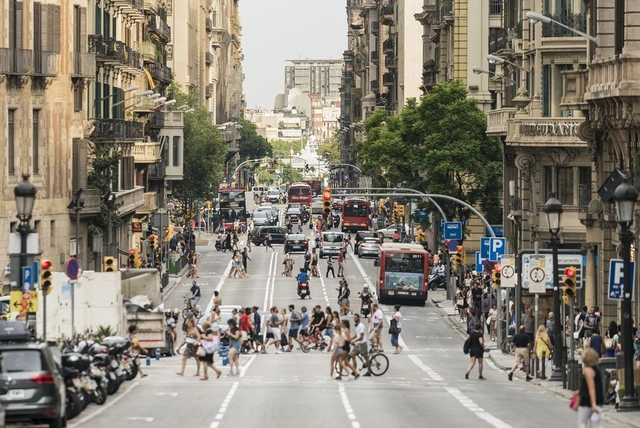
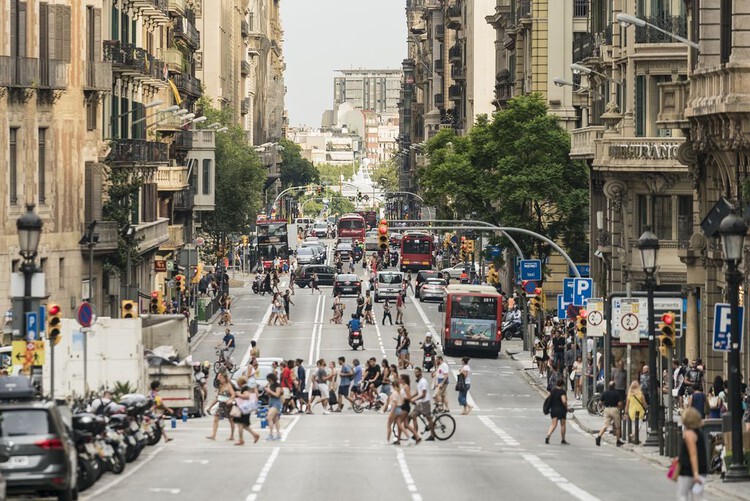
The UIA World Congress of Architecture 2023 is an international invitation for architects worldwide to explore the future of the built environment. The event this year that brought together 6,000 participants worldwide, focusing on “Sustainable Futures – Leave No One Behind”, was set on discovering how architecture influences the 17 UN Sustainable Development Goals (SDGs), ranging from Climate Adaptation, Rethinking Resources, Health, Inclusivity, and more. While visiting this year’s edition in Copenhagen, the ArchDaily team had the chance to sit down with Jan Gehl, the father of people-centered design. The discussion revolved around 50 years after the launch of his world-renowned book, Cities for People, the first publication to reflect on how to properly develop cities on the human scale. Moreover, the interview followed his keynote speech at the UIA 2023, “Cities for People – 50 Years Later."
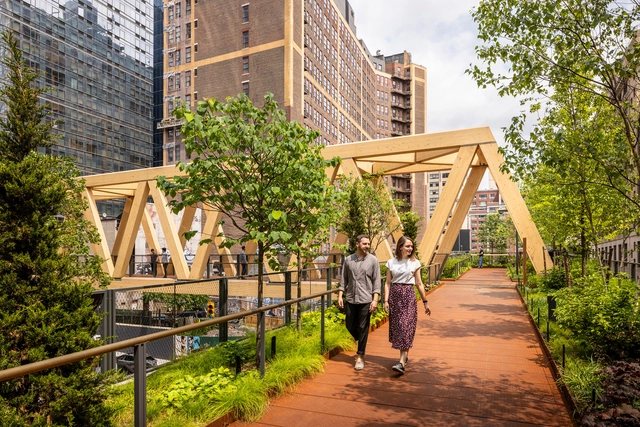
In midtown Manhattan, the street crossings surrounding the entrance to the Lincoln Tunnel were once some of the most challenging in the city. A mess of highway ramps, missing sidewalks, and concrete barriers made the corner of Dyer Avenue and 30th Street an area to avoid.
Now with a new $50 million elevated connector, pedestrians can safely move 30 feet above the intersections using a 600-foot-long L-shaped bridge from the High Line to Moynihan Train Hall.