

While it is undeniable that the surrounding environment is changing due to human activity, the effects can be difficult to perceive directly, as they are often illustrated with unrelatable pictures of far-away places or overused graphics and statistics. Danish office Tideland Studio aims to change this. Through their work, they aim to bring forth a new type of sensible understanding of the changes happening around us. They work across disciplines, melding research, art, and architecture while employing the newest survey and fabrication technologies to give presence to the abstract phenomena that shape our planet. Because of their practical approach to research and the new perspectives that they open toward extreme environments affected by climate change, ArchDaily has selected Tideland Studio as one of the 2023 New Practices. The annual survey highlights emerging offices that use innovation and forward-looking processes to rethink the ways in which we practice architecture.
Architecture: The Latest Architecture and News


Foster + Partners Reveals First Project in Qingdao, China
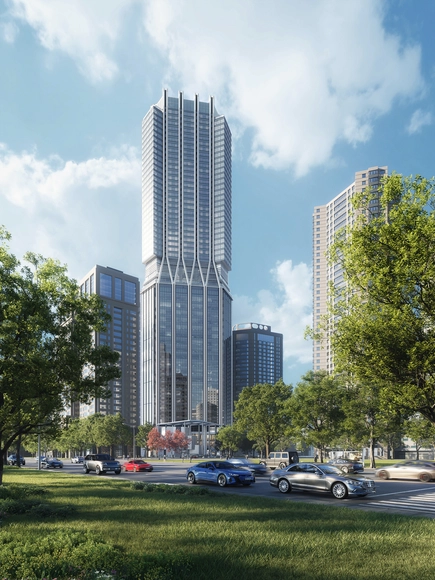
Foster + Partners has just revealed their first project in Qingdao, a major seaport and financial hub in the Shandong Province of China. 1 Nanjing Road is a mixed-use development in the city’s southern district. From office space to luxury apartments, the studio’s mixed-use design integrates into the existing urban fabric.



What Is Hedonistic Sustainability in Architecture?
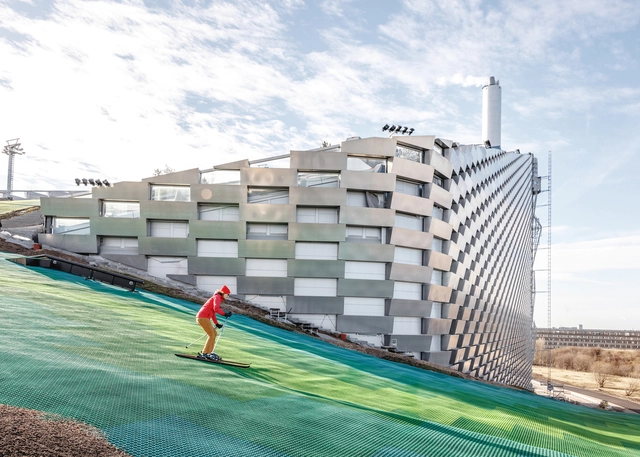
If you follow BIG, you have probably already seen Bjarke Ingels talk about hedonistic sustainability and how this concept permeates the most daring projects of the Danish office.



The Revival of Art Deco: Exploring New Designs and Preserving Existing Ones

Almost a century after the iconic aesthetic emerged, Art Deco is finally having its comeback. As seen in new projects, interior spaces, and furniture around the globe, the glitz and glam that makes us long for the Roaring 20s of the early 20th century is now giving us a small taste of the Roaring 20s revival in the 21st century. As the distinct identity of Art Deco architecture and design has continued to inspire the world, what can we expect from new designs, and the preservation of existing ones?


Diébédo Francis Kéré Selected as 2023 Praemium Imperiale Laureate for Architecture
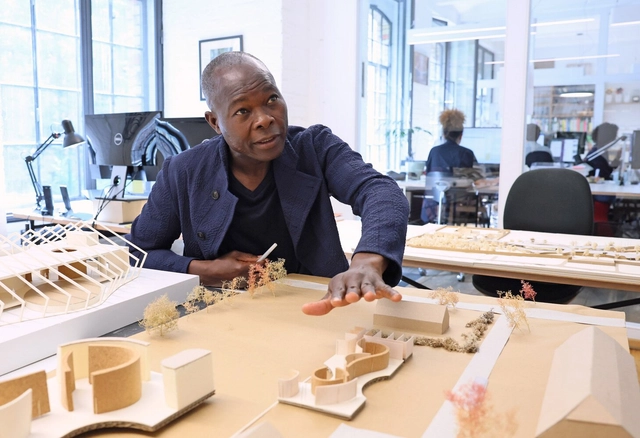
Pritzker Prize winner Diébédo Francis Kéré has been named the 2023 Praemium Imperiale laureate for architecture. The annual award, presented by the Japan Art Association, recognizes and awards 6 artists from different creative fields: architecture, music, painting, sculpture, and theatre or film. Francis Kéré, who leads the Berlin-based office Kéré Architecture, has received the prestigious award for his influence on African and global architecture, engaging local communities and site-specific materials to create innovative design and engineering solutions.

BAM Ranking 2023: Top International Master's Programs in Architecture Revealed
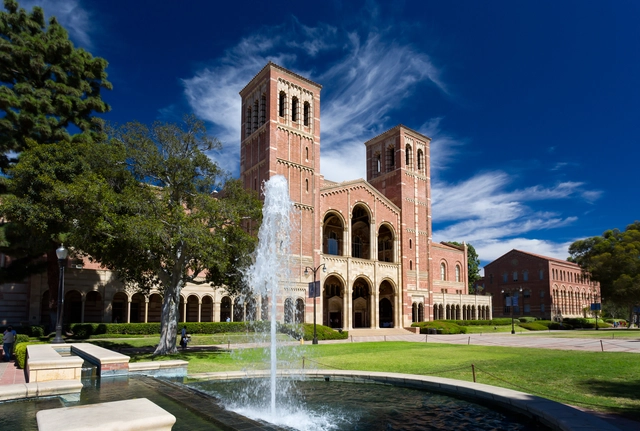
The annual BAM ranking of International Master’s Programs in Architecture aims to assist architects and students in identifying the top international Master’s programs globally. Assessing programs from various leading architecture schools, it evaluates degrees through a comparative approach developed by a panel of 15 professors and international experts. For this edition, different Architecture and Built Environment programs have been selected to be part of the BAM Ranking 2023, and 18 Universities worldwide were featured in the 2023 edition of the BAM Ranking.
Similar to the past few years, Harvard University, Columbia University, and Universidad Politécnica de Madrid maintained their position at the top of the ranking. MIT has made the list with two programs, one focused on urbanism and the other on design. Moreover, Tsinghua University in Beijing, China, made the list with their English Program for Master in Architecture. The ranking also features TUDelft (Netherlands), TUM (Munich), and TUBerlin (Berlin) in Europe.
Against the Grain: the Aesthetic Appeal of Wood in 30 Interiors Projects
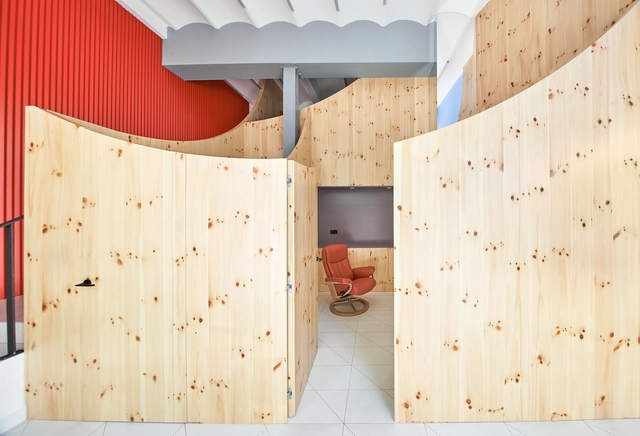
Throughout the annals of architectural history, timber has been a fundamental element in the evolution of building design and construction. From the ancient timber-framed structures of Japan to the medieval European cathedrals, timber's structural prowess and aesthetic appeal have left an indelible mark on human civilization. It wasn't until the Industrial Revolution's advent that a significant shift towards alternative building materials such as steel and concrete occurred, relegating the material to a secondary role in construction. As contemporary architects grapple with the consequences of climate change, however, timber has staged a remarkable comeback, offering an eco-friendly and structurally robust alternative. Internationally renowned firms are centering their designs around timber's potential, embracing its rich history while simultaneously harnessing advanced technologies to create awe-inspiring, sustainable structures that represent a harmonious blend of historical wisdom and modern innovation.




Data-Driven Architecture: Delving into 4 Building Information Tools
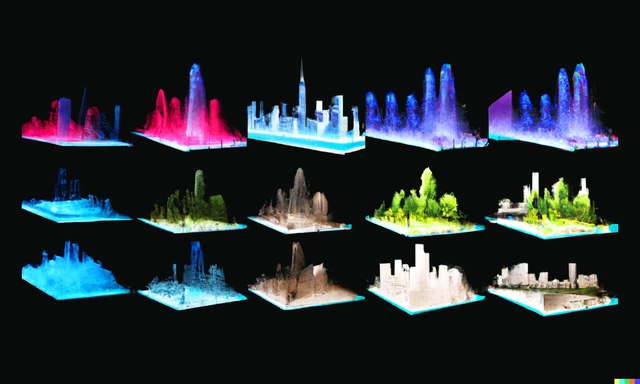
Architecture is a multifaceted discipline influenced by diverse sources of data and information, which play a fundamental role in shaping architectural production. In the past, horological instruments like the sundial were used to obtain data, such as time, and gain knowledge of solar incidence at different times of the year and geographical locations. This made it possible to determine the optimal orientation of buildings, resulting in benefits such as better use of sunlight and greater thermal comfort.
Although cultural, social, and even religious factors can influence architectural design, quantitative factors are especially relevant when making decisions in the early stages of the creative process, during construction, and throughout the life cycle of a building. Therefore, it is important to collect and process relevant information, such as location, solar incidence, occupancy capacity, occupant interactions, energy performance, and carbon emissions, among other aspects.
New York City Legislation Effectively Bans Airbnbs and Short-Term Apartment Rentals
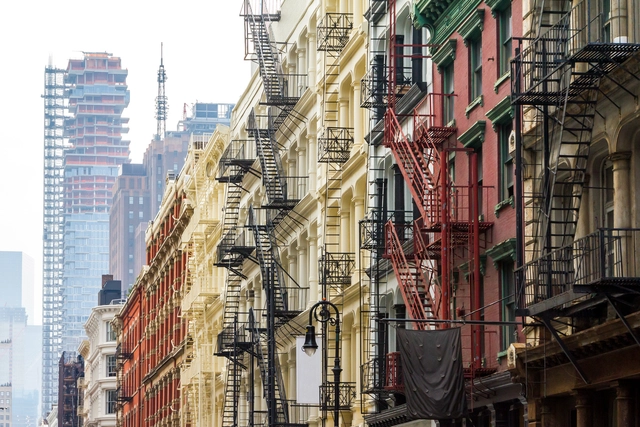
New York City’s Local Law 18, also known as the Short-Term Rental Registration Law, came into effect on September 5, changing the way in which short-term apartment rentals operate in the city. The new local legislation dictated that from now on, short-term rental hosts in the city must register with the Office of Special Enforcement (OSE) to obtain a license, and rentals are only allowed if the host lives in the place and is present for the duration of the guest’s stay. The number of guests is also limited to just two, and the duration is limited to 30 days. The legislation is not an explicit ban on platforms such as Airbnb, but the strict regulations make it almost impossible for the service to continue its activity.





Ahmedabad's Iconic Sardar Vallabhbhai Patel Stadium, Designed by Charles Correa, Set to be Demolished
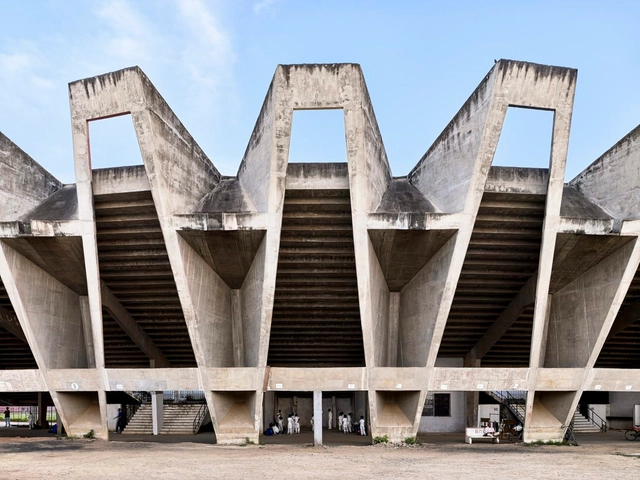
The Ahmedabad Municipal Corporation (AMC) has just announced its plan to demolish India's Sardar Vallabhbhai Patel (SVP) Stadium. The structure was initially designed by Charles Correa and engineer Mahenda Raj in the 1960s. A testament to “the progressive ideals and experimental spirit that characterized India’s post-independence period,” this iconic modernist structure has hosted ample cultural events for the city.
The structure was originally built to host international and domestic cricket matches. In the 1950s, the Cricket Club of Ahmedabad was granted 67,000 sqm of land to construct a Cricket Stadium. It was the country’s first “turf ground,” hosting the first cricket match in India. For the cricket community in the country, the SVP represents a venue that has nurtured and honed young cricketers from all over the state, and it has been graced by several of India's legendary players in both test and one-day cricket matches.


Reinventing History: 20 Remarkable Renovations of Stone Houses in Spain
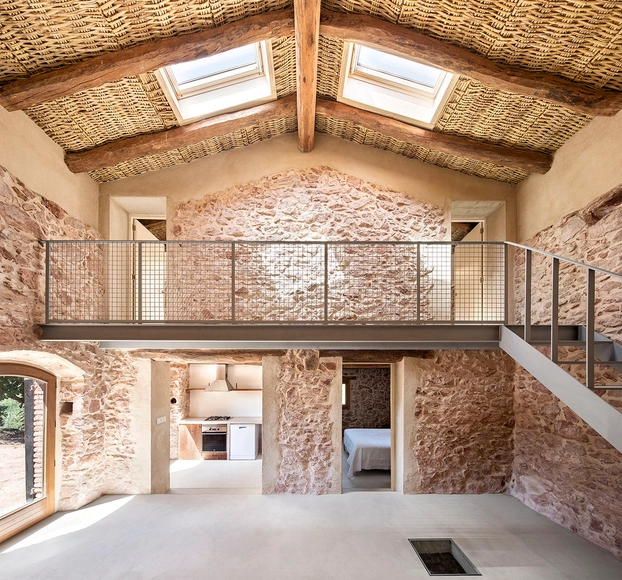
What does architectural restoration, transformation, or renovation entail? What factors are involved in their processes? When delving into the interiors of Spanish homes, we set out to discover the various methodologies, tools, and technical and construction strategies that are often employed, with stone as the main protagonist.
Energy Solutions and Appliances in the Modern Electric Home
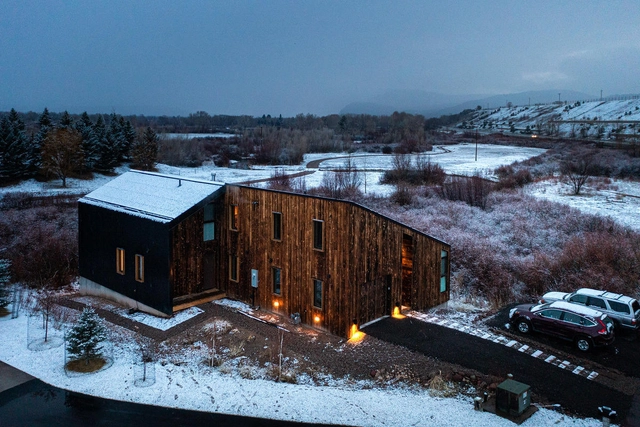
Whether it’s a guilt-driven effort to reduce one’s own carbon footprint, an economy-inspired reduction in energy bills or simply taking advantage of a government incentive scheme, sustainable construction, and design choices are not only being made by the most eco-aware amongst us, but now by anyone with an eye on both the current cost of energy and the future cost of its obsolescence.
Whatever the motivation, as we desperately attempt to reduce our self-destructive reliance on fossil fuels, our homes and buildings are gradually turning their backs on gas – one of the final hurdles standing between us and a carbon-neutral home. These alternative systems and appliances run on renewable electricity instead, breaking our reliance on emission-causing gas-dependant products and using innovative electrical technology to improve them too.

“Our Mission Is to Preserve and Explore the Neutra Legacy”: In Conversation with Raymond Neutra, the Youngest Son of Richard Neutra
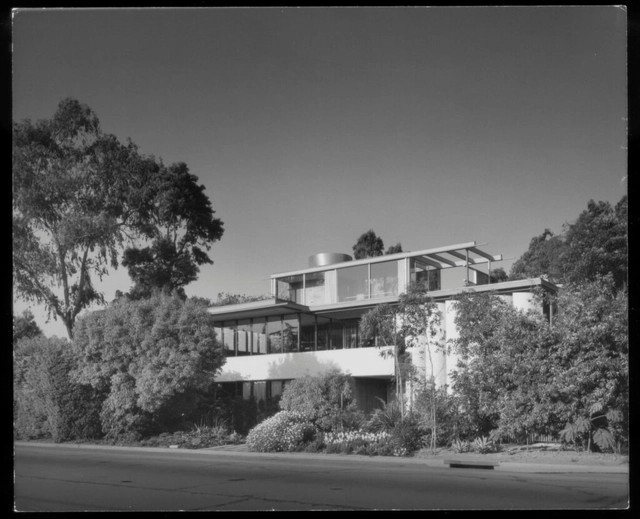
It was, of course, Frank Lloyd Wright who set up the ground for modern architecture to happen in Los Angeles. Then came the Viennese, Rudolph Schindler in 1920 and Richard Neutra in 1925 at the invitation of Schindler. Both worked for Wright choosing to learn from him what they saw as essential—by focusing on spatial and formal clarity, transformability, restrained materiality, and the living environment to achieve a desirable quality of life within. Neutra and Schindler collaborated at first, and then each built a rich portfolio, mainly comprising houses and apartment blocks. Universal in principle, these abstract robust structures defined and led the development of a local building vernacular. These buildings, of which there are several hundred, are now strongly associated with the two architects’ adopted city.





How to Apply the Monochrome Technique in Architecture? Examples in Mexico
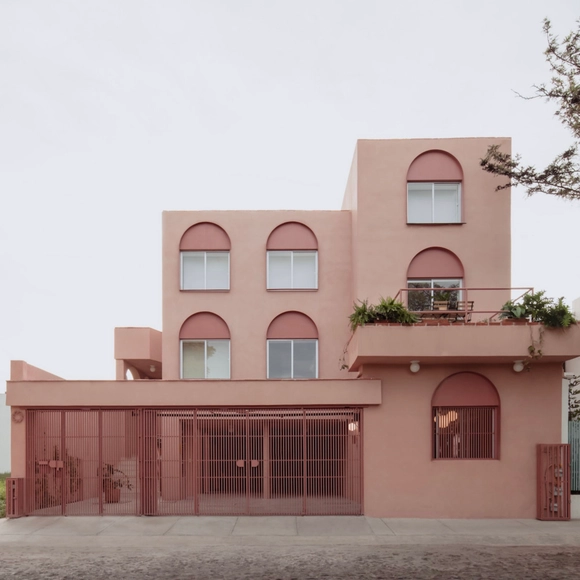
One way to employ color is through monochrome, a design technique that involves using a single tone or color in a space. In architecture, monochrome is a powerful tool where different shades can be created through the play of lights and shadows, generating spaces that offer unique experiences to their inhabitants.
Cities, Villages, and UNESCO Historical Landmarks in Morocco Are Severely Damaged by a Major Earthquake
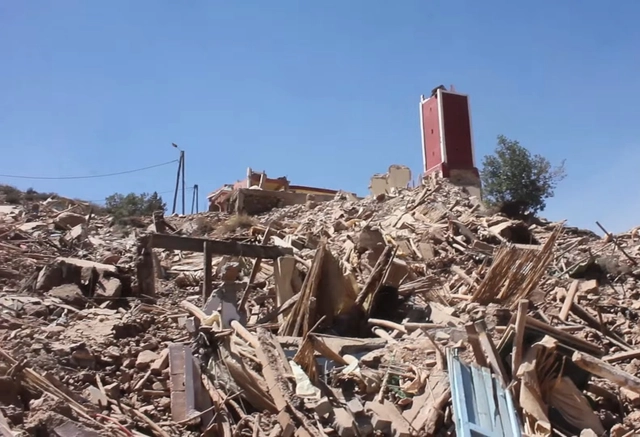
Friday, September 8th, a 6.8-magnitude earthquake hit Morocco’s High Atlas Mountain range. The epicenter was located just 72 kilometers southwest of Marrakech, the country’s fourth-largest city and a popular tourist destination. The quake is the strongest to hit the nation’s center in more than a century. Estimates put the number of victims at over 2,000 and more injured, but as several towns and villages remain inaccessible high in the mountains, the number is expected to increase. In addition to the human toll, several historical landmarks, including UNESCO World Heritage sites, have been affected, while eyewitnesses in the foothills of the mountains report that several remote towns have been completely destroyed, according to CNN.
Unveiling the Objectification: Gender and the Female Body in Architecture
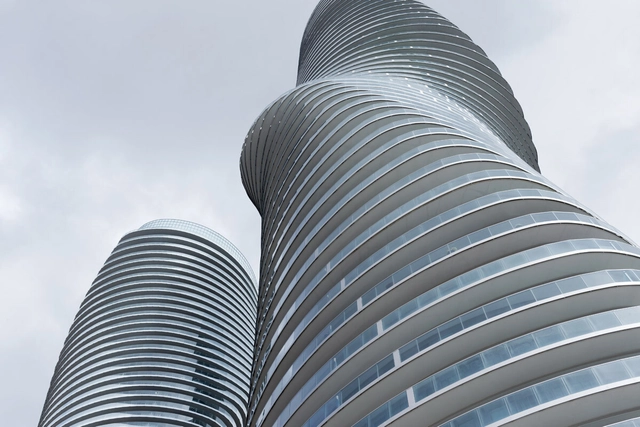
The issue of gender discrimination in architecture is receiving growing attention and discussion. Many instances, including salary discrepancies, disrespect by male employees in construction sites and team management, and the historical oversight leading to women's lack of recognition are detailed and illustrated. These demotivations mean that, despite being the majority in architecture courses worldwide, only a few women manage to consolidate and gain prominence in the profession.
However, sexism doesn't end there. In addition to the discrimination experienced in professional contexts, one can observe the objectification of women in architectural images and concepts.


Sustainable Elegance: The Use of Bamboo in Interior Design
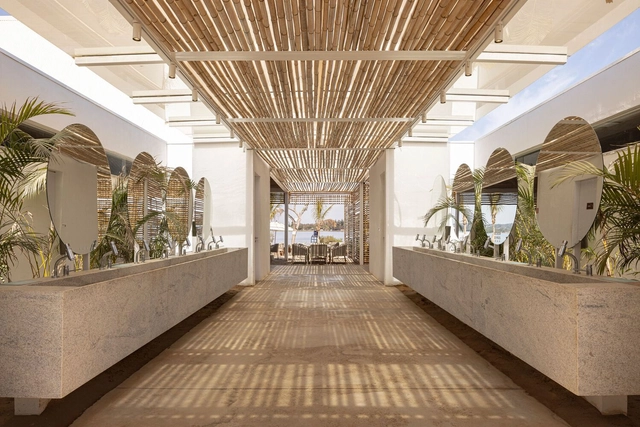
In recent years, there has been a noticeable surge in the pursuit of sustainability and eco-conscious practices across diverse domains, including interior architecture projects. Bamboo has garnered significant attention among various elements thanks to its remarkable versatility. It presents a wide array of creative opportunities for crafting environmentally conscious and elegant spaces.


Polished, Private, and Passive: Traditional Courtyard Houses and their Timeless Architectural Features
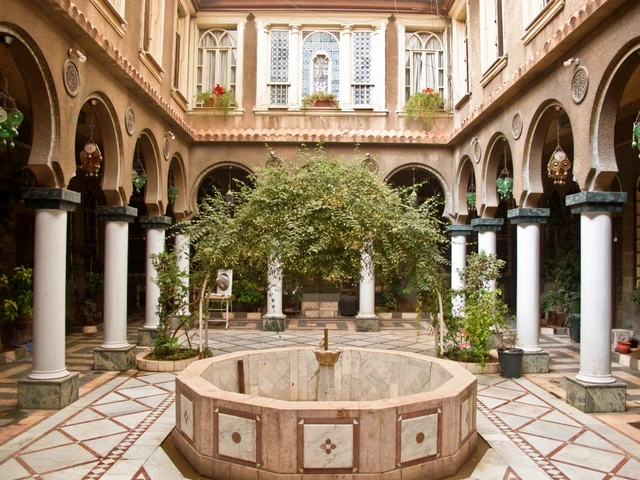
We have seen in recent residential projects the need for bringing the outdoors inside, whether it's through green walls, biophilic designs, or interior courtyards, especially in countries with dry and hot climates. When it comes to countries of the Arab world, creating these outdoor-inspired inner spaces is a lot more than just bringing in some sunlight and fresh air, it is an architectural expression of a rich culture that transcended generations and inspired nations beyond their borders. In this article, we will explore how cultural and social norms influenced the creation of traditional courtyard houses in Arabian countries and how their unique architectural features were reimagined in modern contexts.


_(14783070935).jpg?1628520318 "Courtesy of Wikimedia Commons (CC BY-SA 4.0)")
.jpg?1628520094 "Iwan . Image Courtesy of Wikimedia Commons (CC BY-SA 4.0)")
