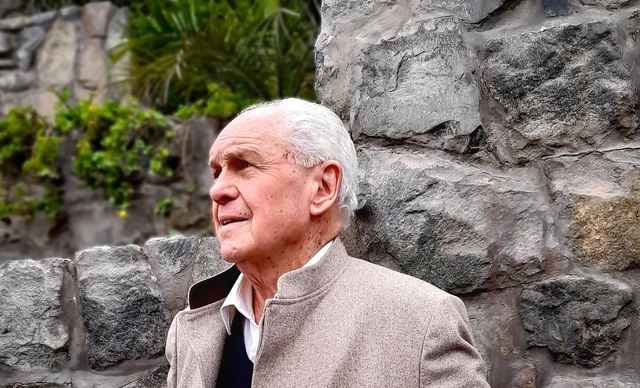
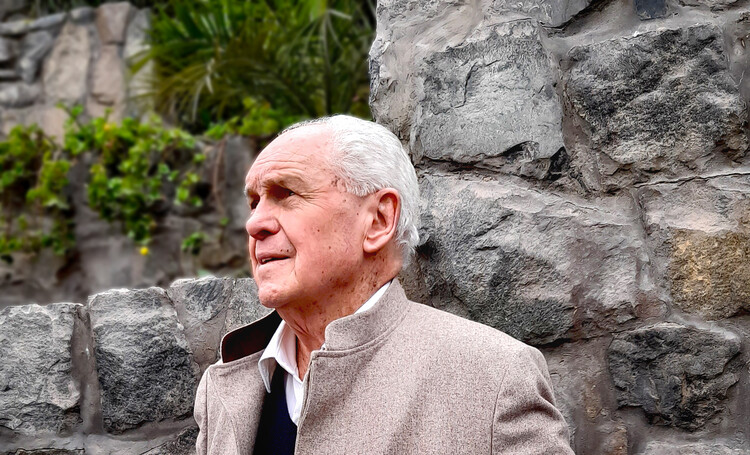
With an air of simplicity and wisdom, engineer Julio Vargas Neumann welcomes us. His two dogs accompany us as we descend after the necessary ascent to enter, and we are also accompanied by the stone walls defining the lot. We sit down and begin - or continue - the interview and conversation regarding the value of 'shicras', local materials, and earth construction. We also discuss criticisms of cement, aluminum, and steel, as well as perspectives on the future of materials in Peru and the world. Likewise, we delve into the long-neglected and recurrent rural problem in South America, discussing the inexorable need to change paradigms and priorities.
Although considered common practice today, the concept of hand hygiene was not initially deeply ingrained in society. It wasn't until 1847 when the Hungarian physician Ignaz Semmelweis, supported by scientific evidence, proposed that hand washing was a hygienic measure with a direct impact on people's health. From this point on, the rest is history. Hand hygiene has become a widespread practice, ranging from washing to drying, accompanied by various accessories that play specific roles in the process.
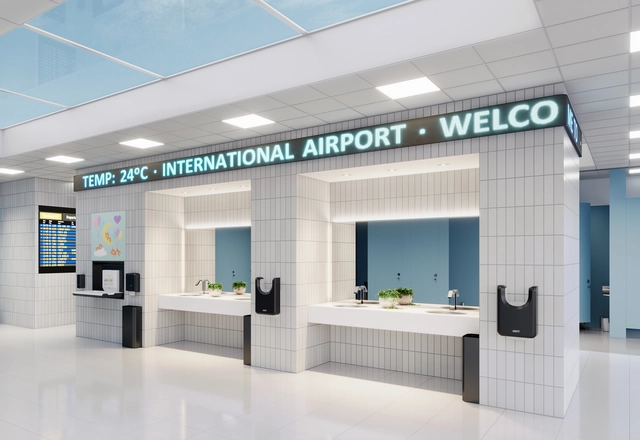
In contemporary environments, especially in the context of collective well-being, public restrooms have become a focal point. This shift in focus is, in part, a response to the post-pandemic emphasis on hygiene and the role of restroom accessories in these settings. Among the accessories available, hand dryers have garnered significant importance, even transcending their primary function. In light of this, Mediclinics has innovated by introducing a new hand dryer concept that places a strong emphasis on enhancing the user experience while offering innovative restroom equipment with a distinctive U-shaped design.
https://www.archdaily.com/1009500/hands-in-to-hands-through-a-new-generation-of-hygienic-and-aesthetic-hand-dryersEnrique Tovar
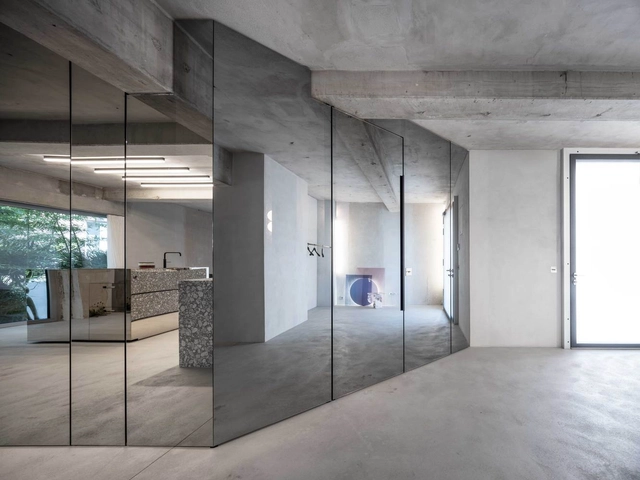
Humans have always been fascinated by reflections. Although they are no more than light bouncing back after striking a surface, there will always be something mystical and fascinating about them –whether it be a lake mirroring a beautiful landscape or a small hand mirror reflecting our face. This explains why some ancient cultures considered mirrors to be sacred objects with magical powers, while others associated them with portals leading to an unknown world. Since then, mirrors have evolved to adopt many valuable functions that are indispensable in everyday life, being found in cars, medical equipment and, of course, in countless architectural applications, especially in interiors. Experimenting with the reflection and perception of space has become an easy way for architects, designers and homeowners to transform any room. And when looking to maximize this impact, the power of exceptionally large mirrors is unparalleled. After all, the bigger the mirror, the bigger the impact.
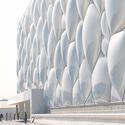
Chris Bosse started LAVA, Laboratory for Visionary Architecture, with his partners Tobias Wallisser and Alexander Rieck the year Watercube, the Aquatics Centre for the 2008 Beijing Summer Olympics was completed. Bosse was one of the leading designers of Watercube when he worked at PTW Architects in Sydney. Now LAVA employs about 100 people in four offices in Ho Chi Minh City,Sydney, Stuttgart, and Berlin. There are also two satellite offices in Honduras and Parma, Italy, led by former associates. Projects range from furniture to houses and hotels to master plans, urban centers, and airports in the Middle East, Central America, Europe, Australia, and Vietnam.
Moving away from top-down approaches, contemporary practices embrace more inclusive and participatory models and design processes. Participatory planning, a notion that prioritizes involving the entire community in the decision-making process, has earned widespread recognition and popularity globally. Cities across the world have interpreted participatory planning to fit their unique needs, using technology and government resources to expedite and enhance the process.
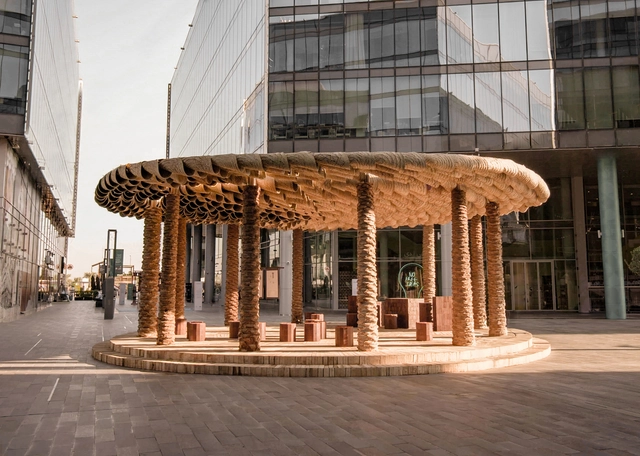
Of Palm / Abdalla Almula. Image Courtesy of Abdalla Almula
Happening between November 7 and 12, Dubai Design Week 2023 brought together over 500 designers, architects, and creative practitioners to explore the relationship between traditional practices and emerging technologies in an effort to create more environmental sustainability and design-led social impact solutions. As one of the most important cultural events in the Middle East, the festival brings forward a wide offering of installations, artworks, and immersive experiences, all exploring important topics of eco-friendly design.
This year’s interventions and installations drew inspiration from the region’s natural ecosystems as well as local traditions and craftsmanship while merging these practices with innovative technologies, biomaterial explorations, and reimagined ways of practicing. Across the interventions, a recurring motif emerges, that of celebrating Middle Eastern heritage and engaging productively with vernacular practices.
A home is a sacred realm, a place that embraces and honors a variety of emotions and sensations. As Gaston Bachelard asserts, it serves as our refuge in the world, our initial universe, a true cosmos in every sense of the term. Its intricate symbolism transcends mere functional aspects like room count or bathroom size. Entire universes find their place within its walls.
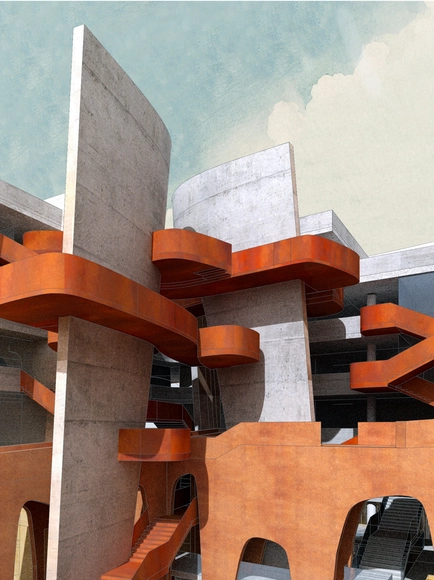
Sir Peter Cook and Gavin Robotham’s CRAB Studio has unveiled the design for a new cultural center to be constructed in New Delhi, India. Located on the site of a former quartzite quarry, the BRIJ offers facilities for the visual, performing, literary, and culinary arts as well as a new arts academy. The scheme, aiming to promote interactions between artists and audiences via an immersive environment, is designed by CRAB Studio, now led by Gavin Robotham, and CP Kukreja Architects (CPKA) as Executive Architect.
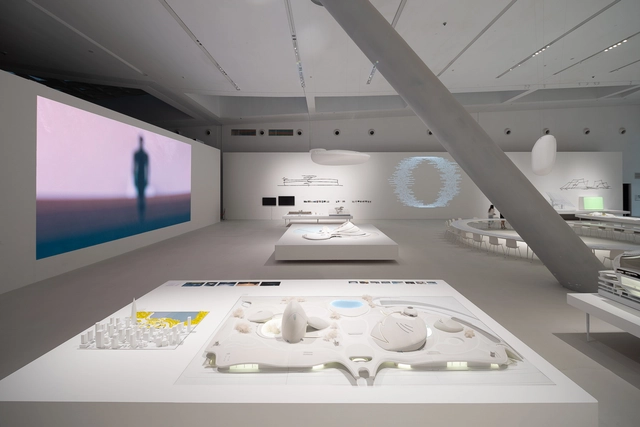
The Shenzhen Museum of Contemporary Art and Urban Planning in China (MoCAUP) has recently opened an exhibition titled “Ma Yansong: Landscapes in Motion.” This retrospective showcases the work of MAD Architects, led by Ma Yansong, Dang Qun, and Yosuke Hayano, spanning nearly two decades and 52 projects. Running until December 17, the display is envisioned as a platform for imaginative exploration of future urban life.
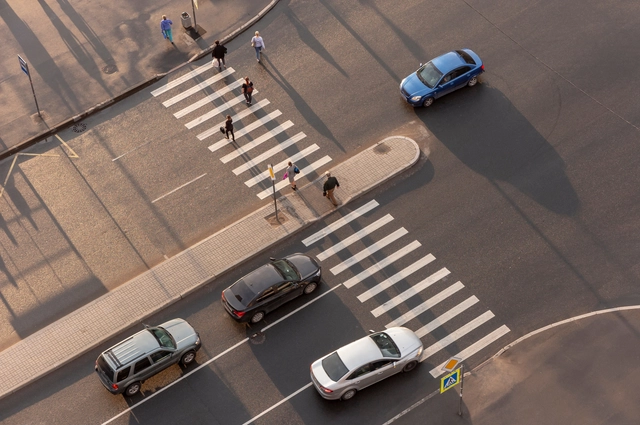
The fabric of our cities is shaped by millions of small decisions and adaptations, many of which have become integral to our experience. Nowadays taken for granted, some of these elements were revolutionary at the time of their implementation. One such element is the curb cut, the small ramp grading down the sidewalk to connect it to the adjoining street, allowing wheelchair users and people with motor disabilities to easily move onto and off the sidewalk. This seemingly small adaptation has proven to be unexpectedly useful for a wider range of people, including parents with strollers, cyclists, delivery workers, etc. Consequently, it lends its name to a wider phenomenon, the “curb cut effect”, where accommodations and improvements made for a minority end up benefiting a much larger population in expected and unexpected ways.
Since the advent of Modernism, architects have become schizophrenic in dealing with the reality of time. This is a problem, because time and gravity are two universal forces. Architects are exquisitely good at dealing with gravity—it is present in everything we design. We study it and engineer its unrelenting requirements. Gravity does a symbiotic dance with structure. No matter how a design feigns weightlessness, its mass cannot be denied. Architects must deal with gravity, whether it’s Frank Lloyd Wright’s sagging balconies at Fallingwater or today’s steroidally enhanced parametric buildings.
Architecture is a unique field that combines equally constant aesthetic and functional needs, while immersed in dynamic technological environments. At this juncture, design processes and buildings are becoming increasingly intricate, requiring architects to manage projects efficiently while fostering multidisciplinary and multi-level collaboration throughout workflows. Additionally, the new technologies and tools we employ in the process must evolve at the same pace —sometimes even faster— by embracing aspects such as sustainability and efficiency, all while keeping an eye on the future.
The tools available in the multidisciplinary architectural environment have evolved significantly quickly. Both students and experienced architects have now nearly completely transitioned from manual methods to computer-aided drafting software. Today, we find ourselves immersed in the era of architecture driven by technologies such as Building Information Modeling (BIM), artificial intelligence, and digital processes. At the same time, the fundamentals of BIM and its historical background trace back to the early days of computing, research, and new technologies, which sparked a rapid evolution within the AEC industry and among its professionals.
https://www.archdaily.com/1008860/bim-and-the-future-of-architecture-accelerating-design-processes-with-archicad-27Enrique Tovar
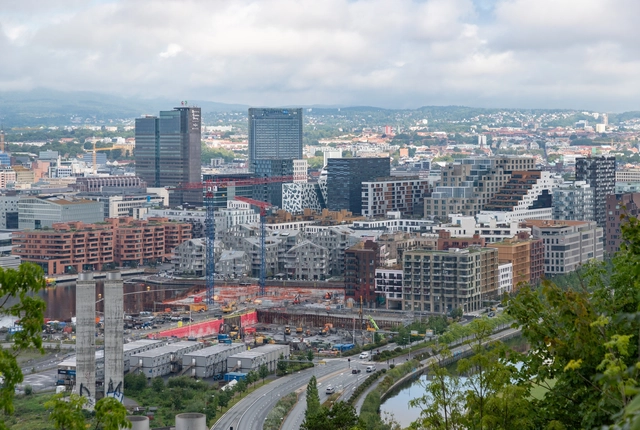
The Norwegian studio of Powerhouse, in collaboration with KIMA arkitektur, has won a design competition for the transformation and extension of one of the historical buildings located in the center of Landbrukskvartalet. Known as the Agricultural Quarter, a former farming and industrial site in central Oslo, the area is now scheduled to go through an urban revitalization process to be transformed into an active neighborhood based on the design philosophy of ‘new meets old’.
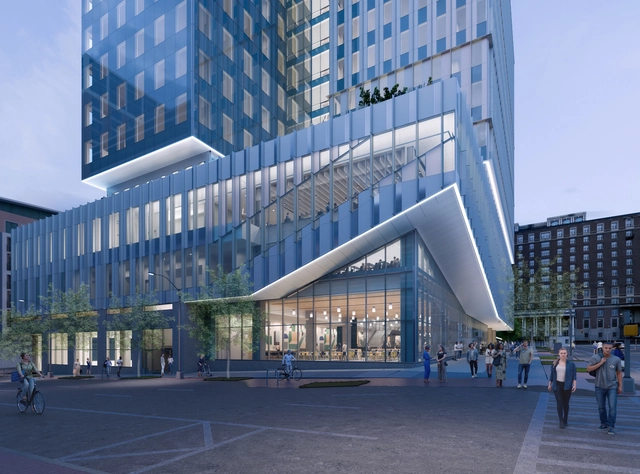
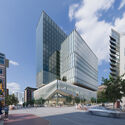
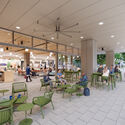
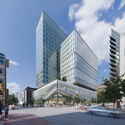
EskewDumezRipple has just revealed the designs for a new academic building for the Georgia Institute of Technology in Atlanta. Embedded into the new “Technology Square,” this expansive project marks phase 3 of Georgia Tech’s growth initiative. Designed to facilitate the development of technology leaders and enhance the human condition of Georgia Tech students and faculty, the scheme creates a vibrant intellectual environment filled with inspiration.
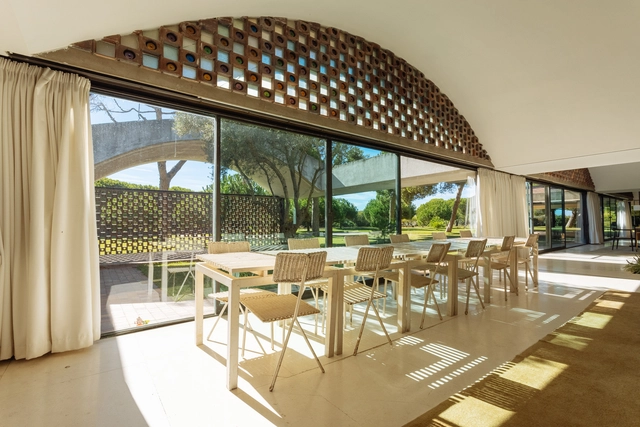
In 2021, the Government of Catalonia recognized Casa Gomis, designed by the architect Antoni Bonet Castellana for the Gomis-Bertrand family between 1949 and 1956, as a Cultural Heritage of National Interest in the category of Historical Monument.
Designed from a distance in Argentina, 'La Ricarda,' as the residence is also known due to its proximity to the eponymous pond, which recently became the center of debate over the expansion of Barcelona Airport, stands out for its vaulted roof and glazed enclosures that engage with the surroundings of Prat de Llobregat.