The practice of upcycling –present in a variety of industries from fashion to construction– not only revitalizes discarded items, adding new values and functions, but also contributes to turning them into valuable resources. Adopting the spirit of the circular economy by harnessing agricultural waste such as corn cobs, rice straw, and sugar cane bagasse for building materials marks a fundamental shift towards sustainable practices, promoting a closed-loop system that minimizes waste and optimizes resource efficiency.
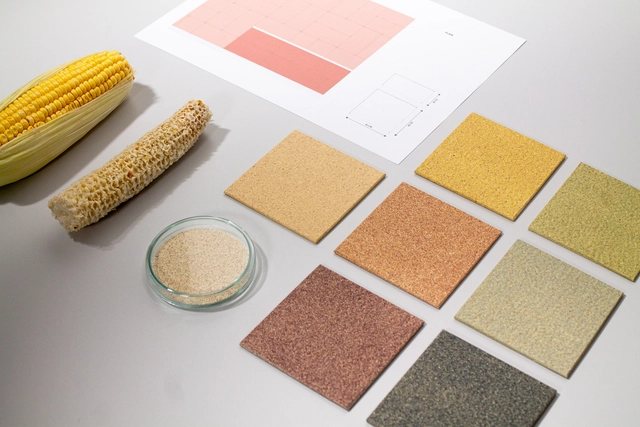
CornWall®, developed by StoneCycling, is a pioneering innovation in this regard. Inspired by the need to shift to a bio-based economy, it incorporates a transformative solution that addresses the pressing concerns of the construction industry's environmental impact. It is a wall-finishing material made from plant biomass, obtained mainly from the cores of regionally sourced corn cobs. This organic waste is widely available and is usually destined for fermentation, burning as biomass, or becoming simple organic waste. We spoke to Ward Massa from StoneCycling to better understand this material.
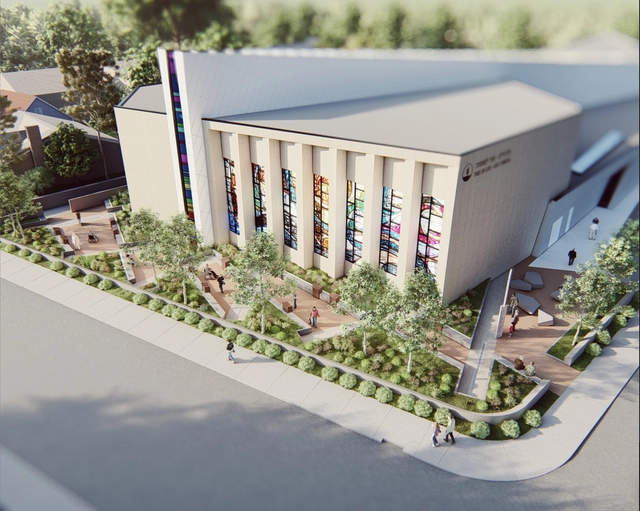
Studio Libeskind, working in close partnership with the Memorialization Working Group, has unveiled the preliminary design for the memorial for the 11 killed on 27 October 2018 at the Tree of Life Synagogue in Pittsburgh, United States. The design was developed in a process led by the victims’ families, communal leaders, and concretional representatives. The building’s official groundbreaking is expected in 2024.
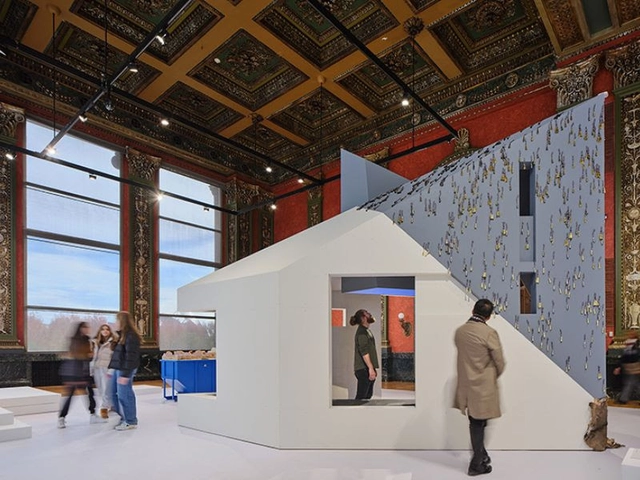
Inaugurated on September 21st, 2023, The Chicago Architecture Biennial is a city-wide festival that will continue until the end of the year. Titled “This is a Rehearsal,” the event is set up as a love letter to Chicago, activating ongoing dialogue around and in the city. One month after the biennial started, events are still ongoing, with open houses, theater performances, and virtual conferences happening throughout this week.
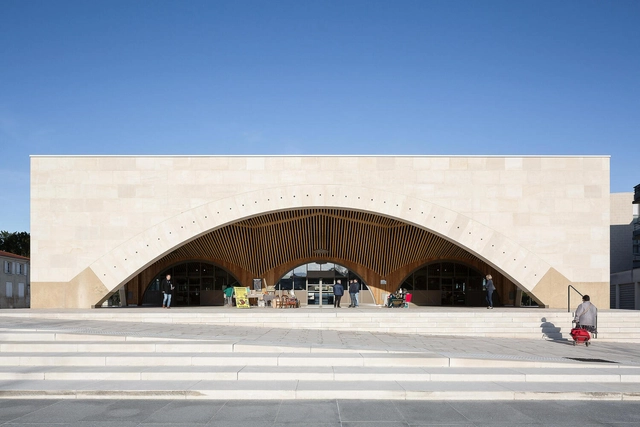
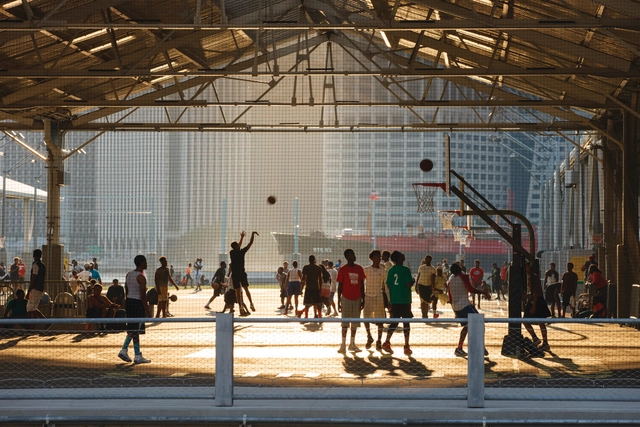
Market halls have long held a prominent position in the rich tapestry of architectural history, serving as vibrant hubs for commerce, community, and culture. Characterized by their imposing structures and bustling interiors, they have played an integral role in shaping urban landscapes and facilitating the exchange of goods and ideas throughout the centuries.
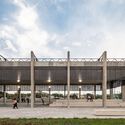
From ancient agoras and bazaars to the grand marketplaces of the Renaissance and the modern-day food halls that have undergone a renaissance of their own, market halls stand as a testament to the enduring synergy between architecture, economic activity, and the social fabric of society. These four newly completed projects from around the globe are proof that the highly specialized structures have lost none of their appeal– and exemplify how they can revitalize communities by bridging commercial and cultural functions as well as the past, present, and future.
In the rapidly evolving landscape of the 21st century, cities have emerged as models of innovation in terms of sustainable development goals. Cities creatively address pressing urban challenges, including density, transportation, housing, and resilience. They hold the potential to pioneer a comprehensive climate agenda, serving as laboratories for sustainable initiatives, cross-sectoral innovations and community-oriented strategies. Cities act as catalysts for revolutions, implementing impactful solutions that can be applied worldwide.
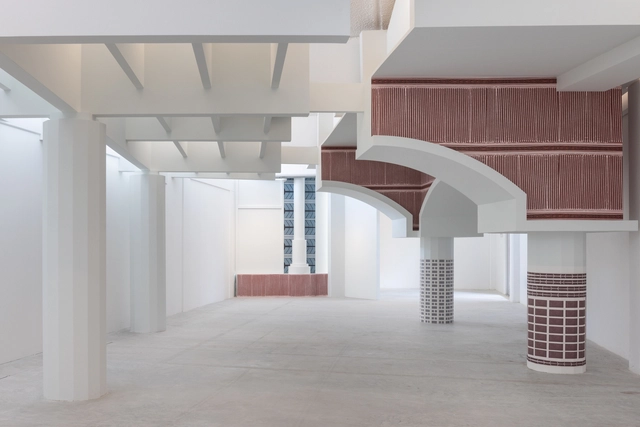
Tashkent: Appropriating Modernism, installation view showing a reproduction of the columns and canopy of the Zarafshan restaurant at 1:2 scale, original and contemporary forms. Photo: Ivan Erofeev.. Image Courtesy of Uzbekistan Art and Culture Development Foundation
The Uzbekistan Art and Culture Development Foundation and Wael Al Awar have jointly unveiled “Tashkent: Appropriating Modernism” at the Sharjah Architecture Triennial. The showcase spotlights three essential instances of modern architecture in Tashkent, Uzbekistan. Crafted by Wael Al Awar, founder and principal architect of waiwai, the initiative presents the three case studies and their significant evolution.
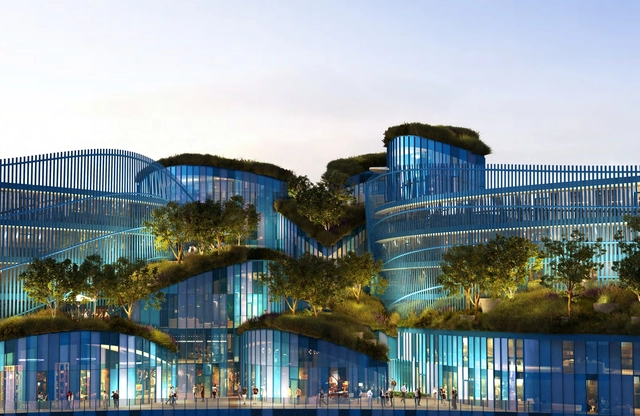
As 2023 comes to an end, the future of our landscape is filled with visionary imaginations as a result of a year of forward-thinking design competitions. From revitalizing historical gems to designing new buildings, these global contests have pushed innovation further in the architecture industry. In fact, with each new competition, the boundaries of our living were challenged, reimagining what the future may accommodate or encourage.
This past year has been a showcase of architectural innovation, with award competitions surpassing the boundaries of traditional industry. Winning designs feature a deep embodiment of cultural heritage, communal aspirations, and environmental stewardship. In fact, the three categories of competitions that established firms participated in were cultural landmarks, mixed-use towers, and master plans. In each category, the winning design reimagines what these concepts stand for in 2023 and beyond, designing not just new buildings but new ways of living.
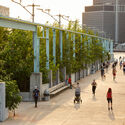
Beautiful sites with stunning views along the waterfront of major cities often go unused due to the industrial remains of a past economy based on shipping and manufacturing. The move away from these economic sectors and the potential of these sites has contributed to a move to adapt these spaces into public amenities. While some cities' approach has been to demolish and start from scratch completely, the thirteen-year transformation of the Brooklyn Bridge Park in New York City's waterfront included keeping some of its industrial character. In their upcoming book "Brooklyn Bridge Park," Michael Van Valkenburgh Associates discuss their design process, including using the existing materiality and structures along the piers to embed the site's history in the park.
In a moment in history when some seek alternatives on other planets and others find refuge in virtual worlds, paradoxically, the future seems to be Earth. This may be one of the significant lessons that 2023 has taught architecture. Understanding this also implies becoming aware that our planet is depleting before our eyes—and a generous portion of this responsibility belongs to the production chains involved in architecture and construction.
If there is still something that can be done to mitigate the climate and environmental crisis in which we find ourselves, it will necessarily involve a revision of all the paradigms that define the industry. It is necessary to change focus and seek other narratives on which to sustain the ways of making architecture on a planetary scale. These ideas resonated in many voices this year, and, at the same time as the possibility of a future for the planet was debated, equal attention was given to the scale, values, and local cultures. The selected interviews here tell stories about the community, environment, cities, practices, and new narratives for architecture in 2023 and beyond.
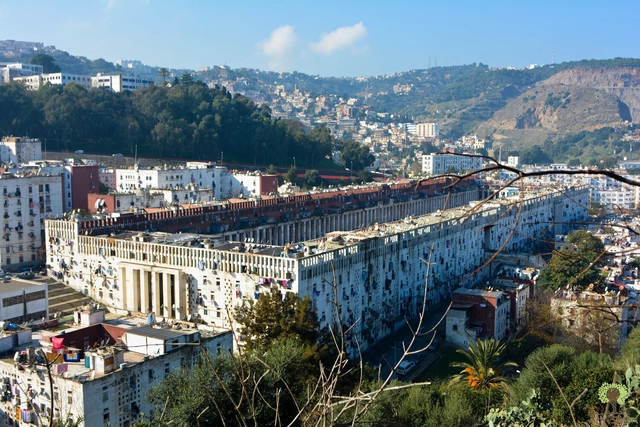
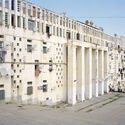
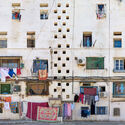
The Climat de France is a French colonial social housing project in Algeria designed by Fernand Pouillon and currently renamed Oued Koriche. Located approximately 8km west of the country’s capital, Algiers, it was built from 1954 to 1957, right in the middle of the Algerian War of Independence. The project has several buildings with different scales. Its most prominent structure is a large rectangular building that houses 3000 dwellings, along with a spacious interior square similar to a Roman forum and exterior windows inspired by the mosaics found in Islamic architecture.
This social housing scheme has a complex history, involving the integration of Algerians into the French lifestyle, the use of modern architecture to challenge traditional Muslim ways of living, and the transformation of its collective square into a site of protest and rebellion.
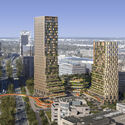
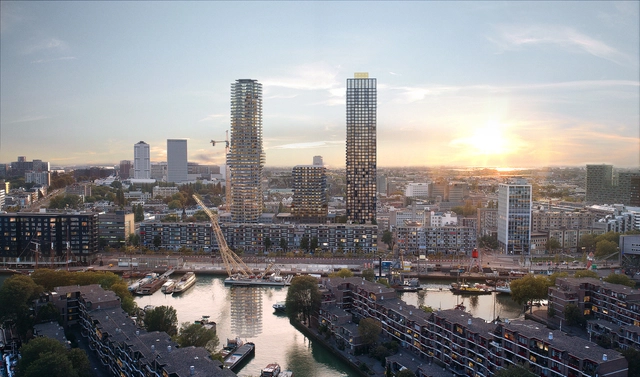
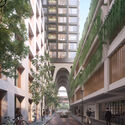
Designed by Powerhouse Company, the BaanTower has started construction in the remodeled Baan Quarter neighborhood of Rotterdam. The residential tower strives to promote a sustainable architecture based on the well-being of its residents. Upon completion, the high-rise will house 427 apartments available for rent. Seven years after the original draft, the project has recently received its building permit, and is expected to be completed by 2026.
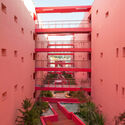
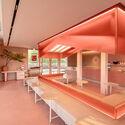
Pantone has just just announced “Peach Fuzz” or PANTONE 13-1023,” the 2024 Color of the Year. Known for its color standards and digital solutions in the design community, Pantone announced the color aiming to move towards empathy and understanding. A hue between pink and orange, the color is soft and inviting and offers “tenderness and communicating a message of caring, community, and collaboration.”
In several cities in Brazil, the amount of rainfall has already surpassed the total accumulated for the rest of the year. Flooding, inundations, and landslides are commonplace news in regional newspapers. In this chaotic scenario, a study presented by the National Confederation of Municipalities states that, amidst the rains in the south and drought in the north, 5.8 million Brazilians have been directly affected by disasters in 2023, whether by loss of lives, displacements, or significant economic damages.
Unfortunately, the outlook is not promising either. The national version of the renowned IPCC climate change report, compiled by the Brazilian Panel on Climate Change (PBMC), has already warned that Brazil, along with other countries in Latin America, will not only experience rising temperatures due to climate change but will also witness a drastic shift in its rainfall patterns. In other words, here in the south, we better get used to the sound of rain on our windows, while the north should brace for historic droughts.
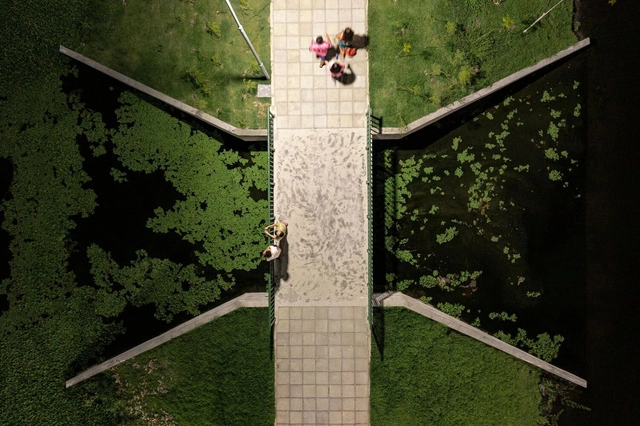
Lake Tonle Sap is a part of Cambodia’s inland water system that’s connected to the flooded forests that purify water and buffer communities from storms—an important benefit as climate change makes extreme weather more frequent. Every year from June to November, the Mekong Delta backs up into Lake Tonle Sap, creating water-depth fluctuations of up to 10 meters. The result is that land-based buildings are inundated during the rainy season, then refurbished and reoccupied again after the water recedes.
Renovation of Marcel Breuer's Robert C. Weaver Federal Building / Brooks + Scarpa. Image Courtesy of Brooks + Scarpa
Exploring architectural projects, competition entries and unbuilt works by renowned architects is an important step in fostering innovation and encouraging cross-cultural exchange and the development of diverse design approaches. Analyzing these unrealized concepts can offer insights into the evolution of architectural thinking, exploring a wider spectrum of approaches and design perspectives. This week’s curated selection of Best Unbuilt Architecture highlights designs submitted by established architecture practices.
Featuring internationally recognized offices like Brooks + Scarpa, Penoyre & Prasad, Aedas, Pininfarina, and Opposite Office, this selection exemplifies the wide range of projects and interventions designed by architects at various scales and programs. From creative reimaginings of well-known architectural icons to art museums, urban insertions, and conceptual activist proposals, these projects demonstrate the variety of approaches architects take when designing within a specific context and in response to local constraints, challenges and opportunities.
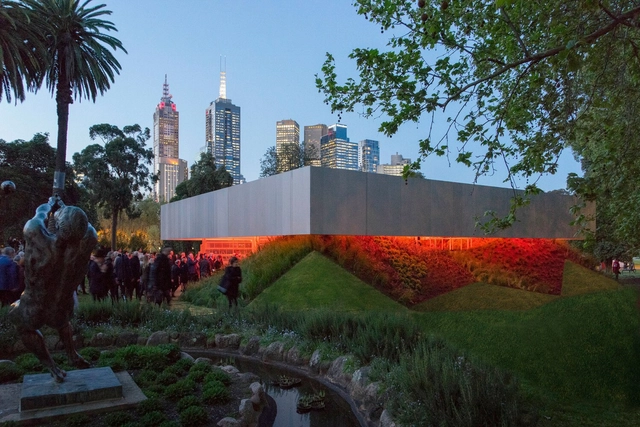
The MPavilion represents one of the most important architectural events happening annually in Melbourne, Australia. Initiated and founded by the Naomi Milgrom Foundation, the event was first launched in 2014 and has since brought internationally recognized architects to design a temporary structure in Melbourne's Queen Victoria Gardens in a system similar to London’s Serpentine Gallery Pavilion. From Sean Godsell's solar-actioned panels to Studio Mumbai‘s experimental bamboo structure, each pavilion explores craftsmanship and contemporary design while fostering a rich cultural program for several months before being disassembled and donated to one of the city’s parks. As the latest pavilion was recently inaugurated by Tadao Ando, we look back at the previous editions of Australia’s most famous annual structure.
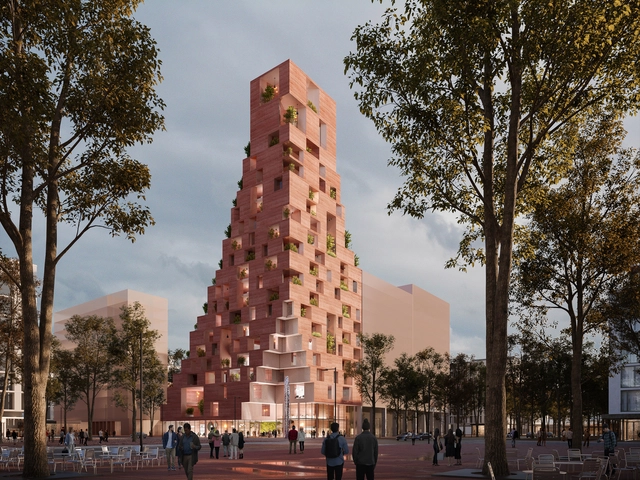
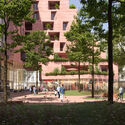
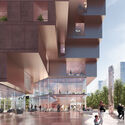
CHYBIK+KRISTOF has won an international competition to design a multifunctional tower as a significant part of Tirana’s evolving landscape. The structure is situated in the heart of the capital city’s culture hub within the New Boulevard, reflecting a shift in Tirana’s urban development. With its distinctive red concrete silhouette, it aims to create a new landmark, signaling the commencement of various other projects outlined in the masterplan.
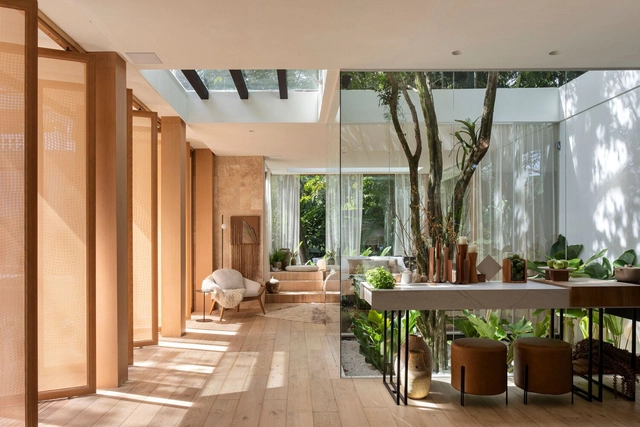
Amid the ongoing environmental crisis, bioeconomy has gained significance across different domains, particularly in the construction sector, where efforts there is a push to enhance sustainability. This shift in mindset has also influenced the realm of interior architecture. With a growing awareness of climate change and the imperative to protect our planet, architects and designers are increasingly embracing biomaterials. The result is the creation of spaces that not only captivate visually but also demonstrate a proactive commitment to the environment.