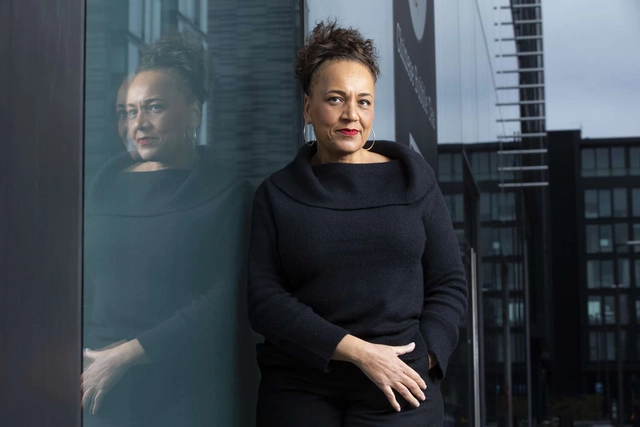
Ghanaian-Scottish architect, academic, and curator Lesley Lokko has been announced as the recipient of the 2024 Royal Gold Medal by the Royal Institute of British Architects (RIBA), becoming the first African woman to receive the award. Lokko is not a practicing architect, but as a teacher, writer, and curator she has fought to widen access to the profession and to bring forward voices that have been disregarded for far too long. As the curator of the 2023 Venice Architecture Biennale, she has shifted the focus to Africa and its diaspora, exploring the complex themes of decolonization and decarbonization. For all her contributions to the profession, Lesley Lokko will be formally presented with the medal in May 2024 by Muyiwa Oki, RIBA’s first black president.
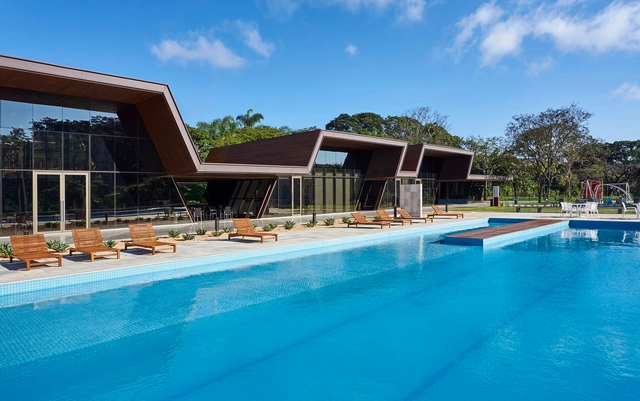
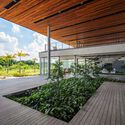
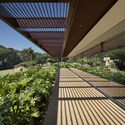
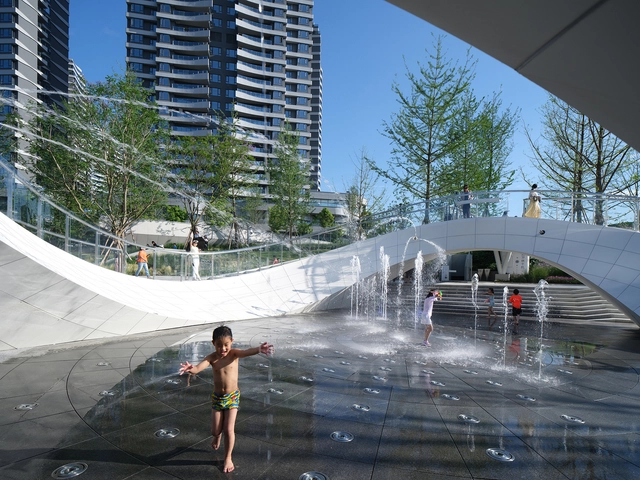
With the approach of summer in the southern hemisphere — promising to be one of the most intense on record amidst a year already considered one of the hottest in history — the search for places that offer moments of relaxation, freshness, and fun intensifies. As the high temperatures of summer draw near, the relevance and demand for facilities like clubs, with their outdoor leisure areas, pools, and green spaces, stand out significantly. These places become true havens, providing the opportunity to escape the heat and a range of other activities and benefits for their users.
Water is indispensable for all forms of life on Earth, as it plays a vital role in maintaining biological processes, supporting ecosystems, and contributing to human well-being. Additionally, water holds cultural significance in many societies, being associated with rituals and ceremonies and carrying diverse symbolic meanings.
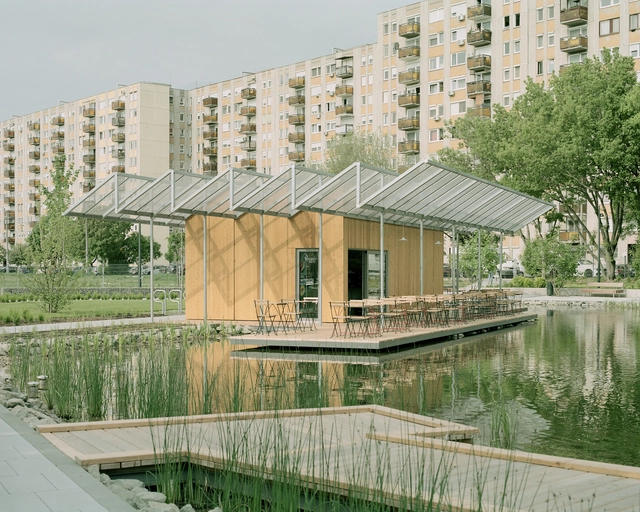
A historic symbol of the industrial age, the sawtooth roof is a lasting legacy of architectural history. Although a functional invention born from necessity nearly 200 years ago, the iconic shape is enjoying a renaissance in many contemporary projects.
Made up of many long, thin roofs with irregular pitches laid alongside each other, a sawtooth roof positions its steeper edges – filled with glass panels – away from the equator. This allows large buildings to control their solar gain by omitting direct sunlight, while still allowing uniform indirect natural light to fill an entire interior area.
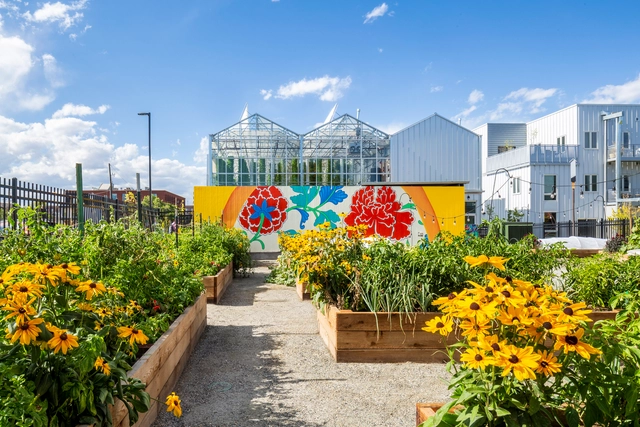
The UN Food and Agriculture Organization (UNFAO) accounts for over one-tenth of the global population, approximately 800 million people, practicing urban agriculture worldwide. In the United States, millions of citizens lack access to supermarkets. Urban farmers play a crucial role in addressing food security issues in American cities.
Historically, the distance between rural and urban areas has never been greater, making traditionally rural food sources widely inaccessible. Cities initially would develop around centralized markets that brought produce from farmlands to urban centers. Today, urban agriculture is revitalizing this connection between city dwellers and agricultural products.
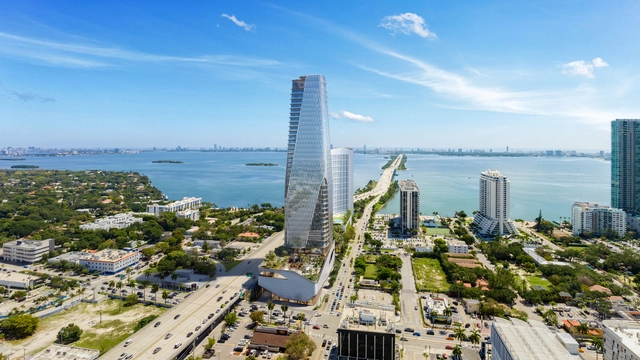
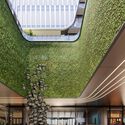
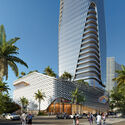
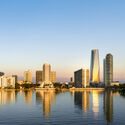
KPF’s “Tower 36,” has received unanimous approval in Miami, Florida. The building features an office space, set to become the tallest in the region at 193 meters. Emphasizing occupant well-being, the tower is designed by integrating the surrounding landscape and increasing access to outdoor areas.
The tower serves as the northern entryway to Miami’s high-rise zone, at the intersection of Biscayne Boulevard and 36th Street. Acting as a gateway to the neighborhood, the scheme connects Miami Beach with the mainland of Miami. To complement the office floors, the building’s podium boasts ground-floor retail, bicycle, car parking, and a restaurant on the landscaped roof.
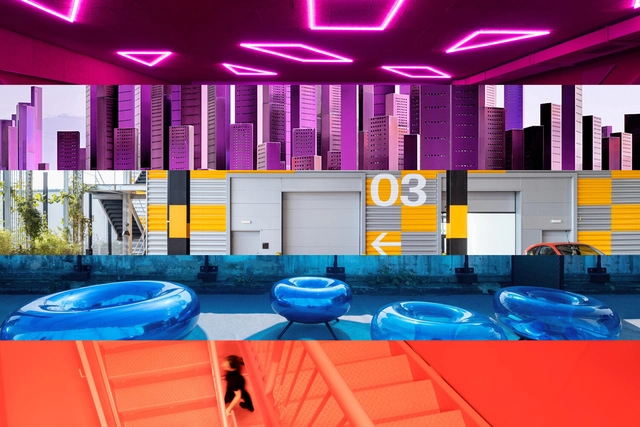
Known internationally as the world’s foremost voice on all things color, Pantone’s Color of the Year program has been predicting and even directing color trends for 25 years – reflecting the cultural environment across multiple creative sectors that use the language of color and color psychology such as branding, marketing, fashion, and product design to name a few, as well as architecture and design.
But color trends aren’t just about what’s hot and what’s not. Color plays an important role in stimulating the senses, evoking memories or feelings based on past experiences and collective influences around the world. In the color psychology of retail design, for example, specific hues have been found to alter consumers’ comfort and energy levels, ultimately dictating shoppers’ preferences and behavior. In medical environments, combining a neutral base with calming accent colors has been shown to reduce stress and anxiety.
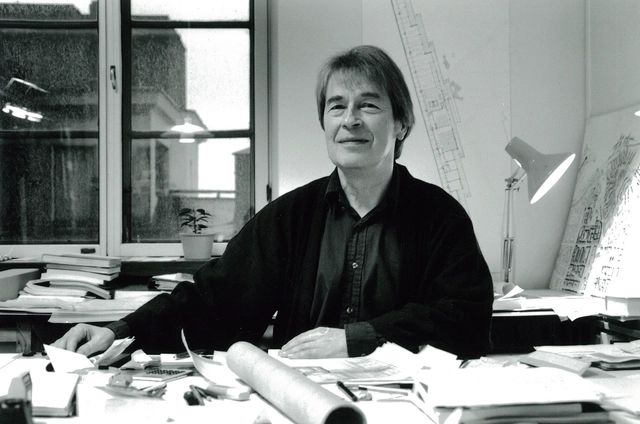
Portrait from 1999 (from the long-time office of Vilhelm Helander, Juha Leiviskä Architects). Image Courtesy of Juha Leiviskä Archive
Juha Ilmari Leiviskä, one of Finland´s foremost architects recognized for his design of light-filled poetic spaces, passed away on November 9, 2023, at the age of 87. Born in Helsinki and educated at Helsinki University of Technology, Leiviskä developed a personal style throughout his six decades-long career, working with his own family of forms to design buildings with unique identities, yet unified by their treatment of light and geometry. His architecture has been praised for its serene, hones, and timeless qualities, earning him numerous awards and international recognition.
Courtesy of ATCHAIN | Chengdu Tianfu Software Park
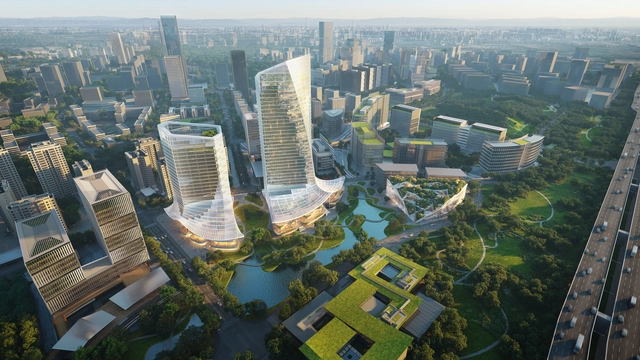
MVRDV has won the competition to design two structures within the Tianfu SoftwarePark in Chengdu, China. One of the structures is a 150-meter-tall tower that acts as a centerpiece to the entire campus. The other is a four-story cultural center featuring an art museum, conference hall, library, and exhibition space. Boasting a faceted sloping design, the scheme invites visitors to explore its interior.
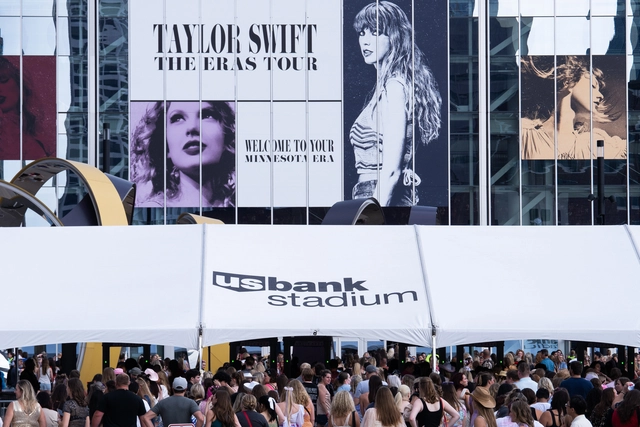
When internationally acclaimed music icons like Beyoncé, Taylor Swift, and Paul McCartney announce their global tours, the anticipation sparked by revealing the countries and respective host cities is met with thorough preparations. These preparations aim to adapt to the array of changes that will unfold in the urban spaces of these cities due to the impact of these events. These mega-concerts extend beyond the musical realm; they transcend the stage to mobilize significant financial figures and result in various transformations in the everyday urban life of these cities. Even though these events do not last long, they instigate alterations in diverse spheres and urban sectors, including tourism, hospitality, food, and transportation.
The Second Studio (formerly The Midnight Charette) is an explicit podcast about design, architecture, and the everyday. Hosted by Architects David Lee and Marina Bourderonnet, it features different creative professionals in unscripted conversations that allow for thoughtful takes and personal discussions.
A variety of subjects are covered with honesty and humor: some episodes are interviews, while others are tips for fellow designers, reviews of buildings and other projects, or casual explorations of everyday life and design. The Second Studio is also available on iTunes, Spotify, and YouTube.
This week David and Marina of FAME Architecture & Design are joined by Architect Jai Kumaran, founding partner of West of West to discuss his background; the influence his father’s work had on his career; attending architecture school; why he pursued a master’s degree; starting and growing an office; exploring project types; branding in architecture; and more!
Architecture has always centered on permanence and ephemerality. Defined by material conditions, how we build is closely tied to what we preserve and how we conceptualize the future. Furthering international cooperation in education, the arts, the sciences, and culture, UNESCO is an organization that continues to examine the relationship between history and growth, preservation, and change. As architecture, landscapes, and cities become threatened by the climate crisis and unrest, cultural context becomes paramount.
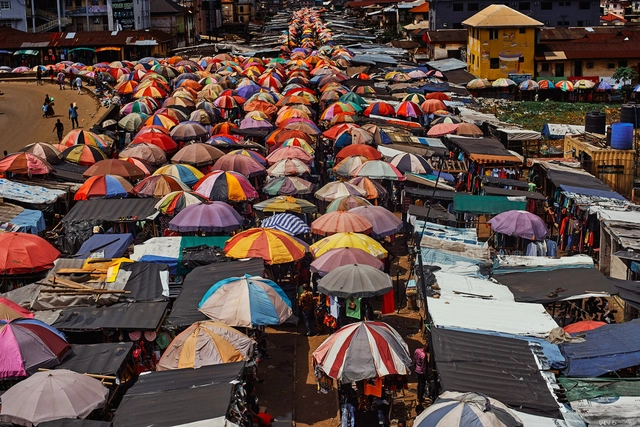
Informal architecture is the dominant mode of urbanization in rapidly growing and industrializing cities worldwide. In Delhi, the city with the largest population in India has half of its residents living in informal settlements. Lagos, with a population of over 22 million, also has 60% of its residents living in informal settlements. This pattern is also observed in Cairo, Johannesburg, Kinshasa, and other cities in the global south that face similar challenges of inequality and housing shortages. As their population grows and urbanization progresses, the exploration of informal architecture schemes to address the demand for affordable housing and basic services will only increase. While the primary purpose of design is to provide structure, lessons from informal architecture offer insights into how architects can respond to such schemes.
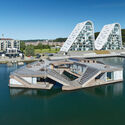
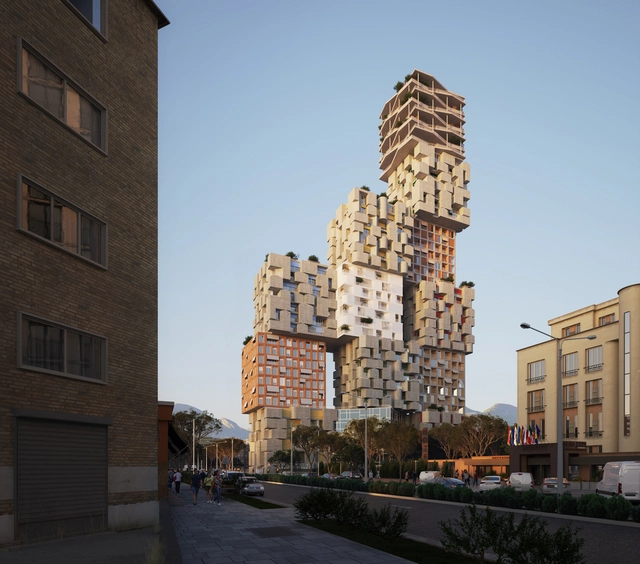
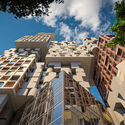
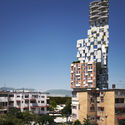
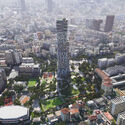
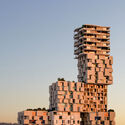
OODA has released images of Hora Vertikale, a new project planned for the Albanian capital city incorporating residential units arranged vertically surrounded by a new park and featuring a diverse range of amenities. The design stacks seven types of cubes, each measuring seven stories in height and defined by a distinct visual identity inspired by both urban and rural elements. The project, developed in collaboration with local architects Artech, has received planning permission, and construction is expected to begin in early spring.
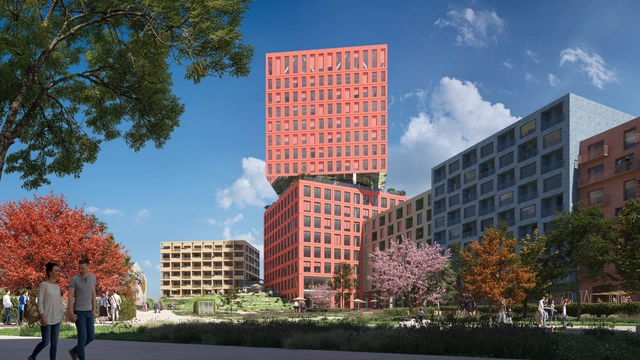
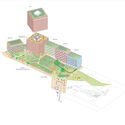
MVRDV and LOLA Landscape Architects have just revealed the new development of “Grüne Mitte” in Düsseldorf, Germany. Centered around open communication, negotiation, and compromise, the project aims to introduce 500 new apartments and community spaces to enhance the neighborhood. Approximately 50% of the scheme is designated as social or affordable housing, which was designed in participatory processes with the residents.
Christopher Payne’s fascination with factories goes back decades. As an architecture student at the University of Pennsylvania in the 1990s, Payne had the good fortune to find a summer job with an agency inside the National Park Service called the Historic American Buildings Survey. “They sent teams of architecture students, historians, and photographers to document all kinds of projects,” he says. “We documented grain elevators in Buffalo, cast iron bridges in Ohio, a power plant in Alabama, and national parks in Utah. That experience instilled a deep appreciation for industrial architecture.” After graduation, he worked for several years as an architect in New York City before transitioning full-time to photography. His previous books include New York’s Forgotten Substations: The Power Behind the Subway; Asylum: Inside the Closed World of State Mental Hospitals; North Brother Island: The Last Unknown Place in New York City; and Making Steinway: An American Workplace. Last month, Payne gave the School of Visual Art’s Ralph Caplan Memorial Lecture, and shortly afterward I reached out to him to talk about his most recent book, Made in America (Abrams), his long love affair with factories, and the photographic process.
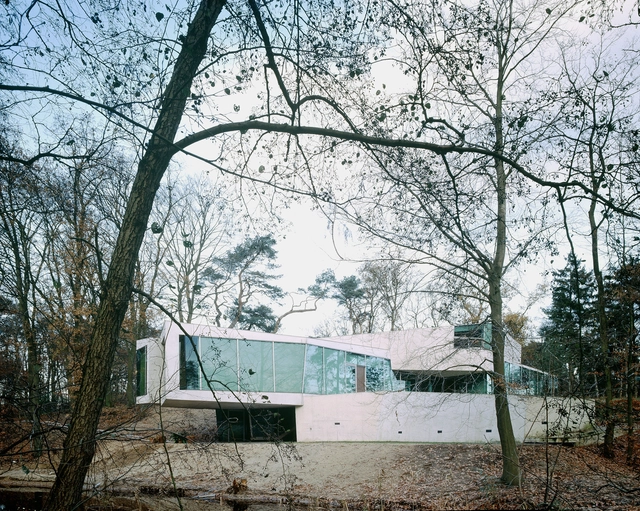
In 1993 a young professional couple from Amsterdam set out to build a private house unlike any other. They wanted to create something that “would be recognized as a reference in terms of renewal of the architectural language.” They reached out to several architects, including Rem Koolhaas, but finally decided to entrust the commission to Dutch architect Ben van Berkel after he studied the site and came up with a vision for the project, relating it to the couple’s lifestyle.
Located in Het Gooi, its design took over 5 years, going through several iterations, but always coming back to its core inspiration: the Möbius loop. The shape, defined as a single-sided surface with no boundaries, was the key to a new architectural language that aimed to weave together all the individual activities of each family member, allowing the functional program to be integrated within the dynamic structure. By 1998, when the house was completed, it became widely published and internationally recognized. It also became a sort of manifesto for its architect, as it uses an organizational principle to inform the final image.
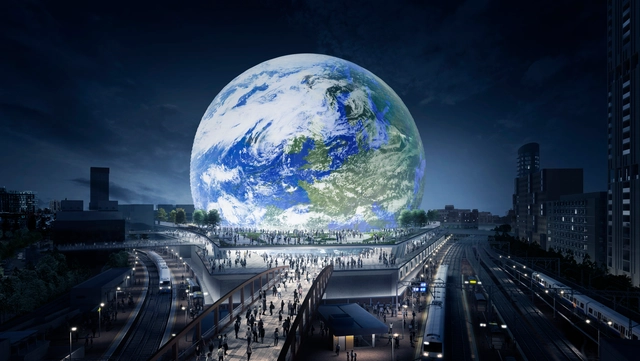
MSG Sphere London. Image Courtesy of The Madison Square Garden Company
Madison Square Garden Entertainment (MSG), the developer behind the recently opened The Sphere at the Venetian Resort in Las Vegas, has announced that plans for a similar project in London have been withdrawn for lack of support from London’s planning officials, as reported by The Guardian. The plans were initially announced in 2018, with planning permission filed in March 2019. The 300ft-tall structure, having a capacity of 21,000 seats, was to be located in Stratford, east London. In November 2023, following a combination of unfavorable comments in planning officer reports and opposition from residents, London’s mayor Sadiq Khan withdrew his initial support.