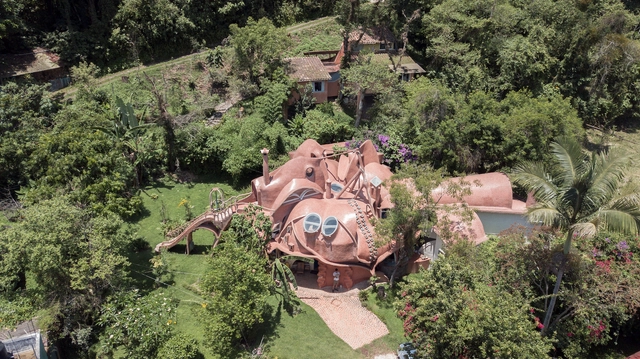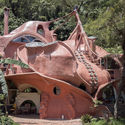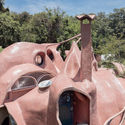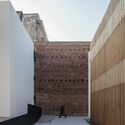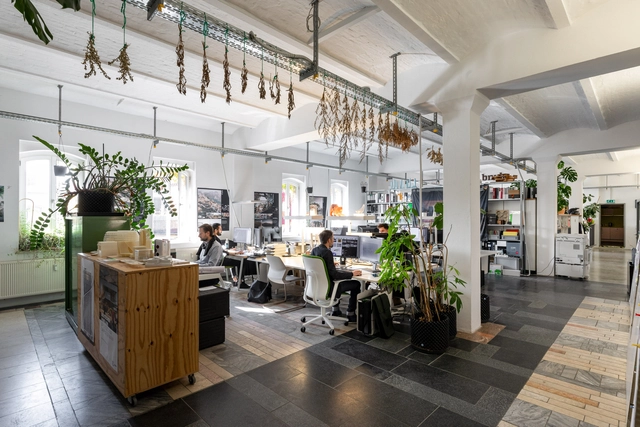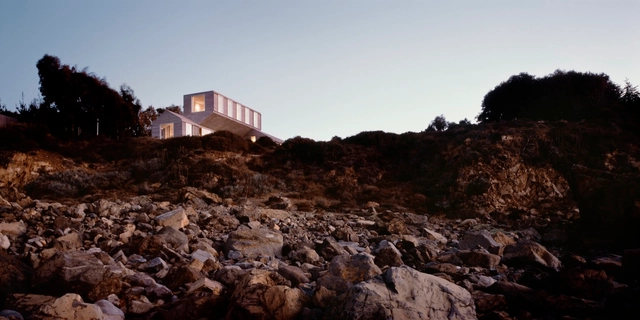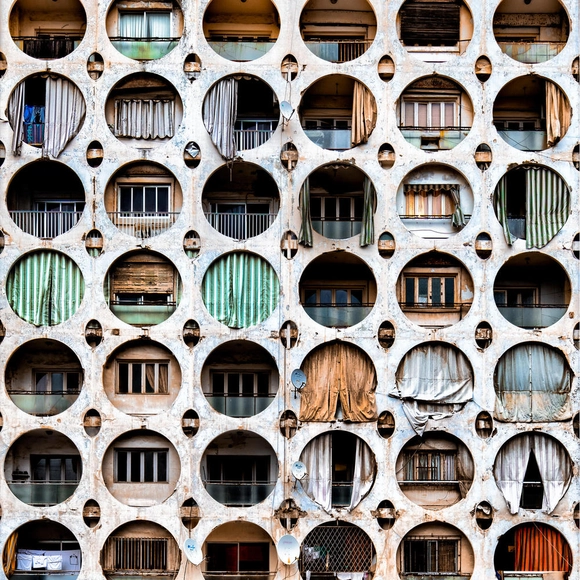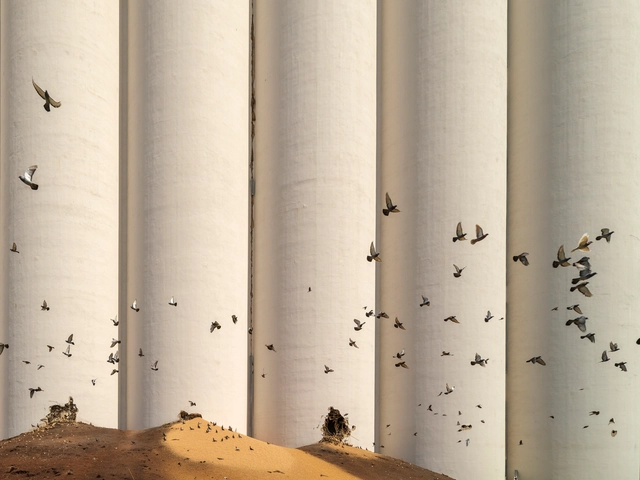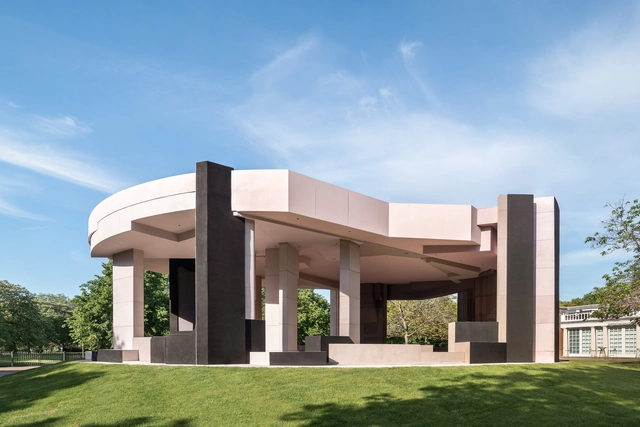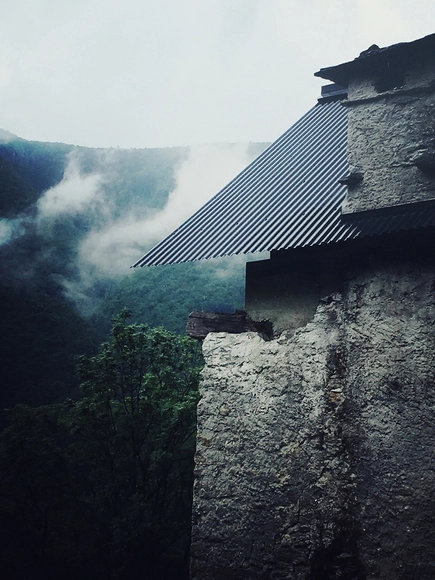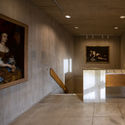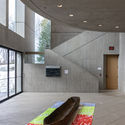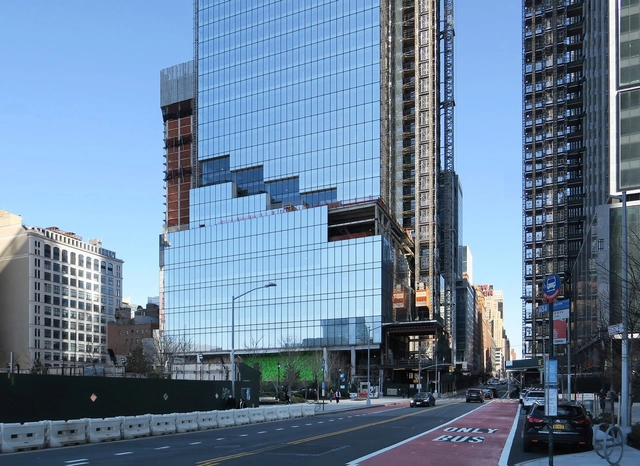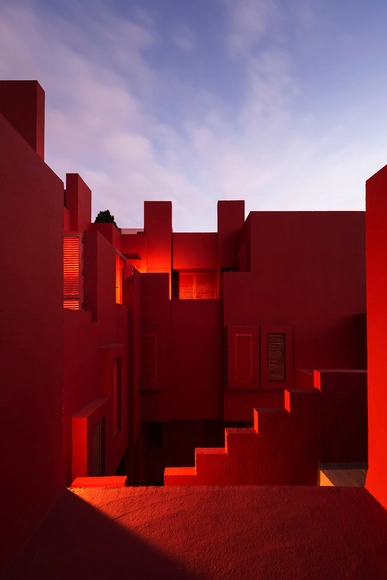
The Architectural Photography Awards 2021 has announced its shortlist for its ninth edition. Supported by Aluprof UK and the World Architecture Festival (WAF), the shortlist was selected from around 2000 entries and 42 countries, "highlighting the expertise of architectural photography and focusing on the skill and creativity of the photographer". The photographs are divided into 6 categories: Exterior, Interior, Sense of Place, Buildings in Use, Mobile, which this year’s theme is Greening the City, and Portfolio with the theme of Building with History.
Every year on August 19th, we celebrate World Photography Day. This year, to encourage our readers who are passionate about this art, we published an open call inviting people – both amateur and professional photographers – to submit their images of architecture and the city.
We received over 400 photographs of buildings, interiors, and public spaces in various locations and contexts, captured by more than 130 participants from all over the world, including India, Brazil, Pakistan, Mozambique, Italy, and the United States. Our editorial team pre-selected 50 photographs and then voted on the 25 most compelling images. Here is the selection, listed in alphabetical order by the names of the authors.
https://www.archdaily.com/968717/the-best-architectural-photographs-submitted-by-our-readers-in-2021Equipe ArchDaily Brasil
Architectural photography has developed into its own art form, and it might be as important as the built work itself. We consume architecture not only physically and spatially in a building but also through photographs. A good image reportage work can give the viewer a feeling of the atmosphere, senses, and design intentions the project may spark, without actually being in the place. Photography is also a way of documenting the project's process, the use of materials, lighting, and architectural elements, and as a result, tell a complete story behind a building.
To celebrate World Photography Day, we've gathered a list of 25 architectural photographers from around the world who are worth knowing - and following on Instagram. These emerging photographers have been selected for their ability to capture architecture each in their own unique ways. Get to know them!
A form of artistic expression mediated by a technical apparatus, photography has conquered its place among the arts, being, together with cinema, the one that can most faithfully register reality and, therefore, architecture. From large wooden boxes carrying silver emulsion plates to digital cameras and finally our smartphones, there is no doubt that photography has become more accessible to people, who step by step went from spectators to authors of images.
To celebrate World Photography Day, we invite our readers to share with us their photographs of works of architecture and cities. Without distinguishing between enthusiasts, amateurs, or professional photographers, you are invited to send photos that showcase the built space in the most varied scales. Images selected by our Content Team will be featured in an upcoming article.
https://www.archdaily.com/967073/world-photography-day-send-us-your-photosEquipe ArchDaily Brasil
Exactly a year ago, on August 4, 2020, the third-largest non-nuclear explosion ever-recorded destroyed almost half the city of Beirut, ripping through the port and the eastern part of the capital. One of the biggest urban tragedies of modern times, killed more than 200 people, wounded thousands, and left an estimated 300,000 people homeless, damaging over 80,000 commercial, residential and public spaces. Felt across neighboring countries, the blast stripped the city’s constructions of their cladding, framing, and glass elements, while completely tearing down other buildings, leaving around US$15 billion in property damage, in times of Covid, political and social unrest, and economic collapse.
One year later, so little has changed. One year later, it only became harder for the people of Beirut. One year later, everything in the city still reminds them of that day. Major questions remained unanswered, no rescue or action plans have been taken by governmental institutions, instead, civil society rose to take into their own hands, reconstruction efforts, in the total absence of the state.
Herzog & de Meuron's rehabilitation of Porta Volta took up themes of Milanese urbanism and architecture, which has defined the city's urban fabric throughout the years. The project's design was developed after an intensive historical analysis of the site - a site which dates back to the 16th century and holds remains of when the Romans defined the city's boundaries. Architectural photographer Bahaa Ghoussainy captured Herzog & de Meuron's Lombardian-inspired structure, highlighting its modernized nod to historic architecture.
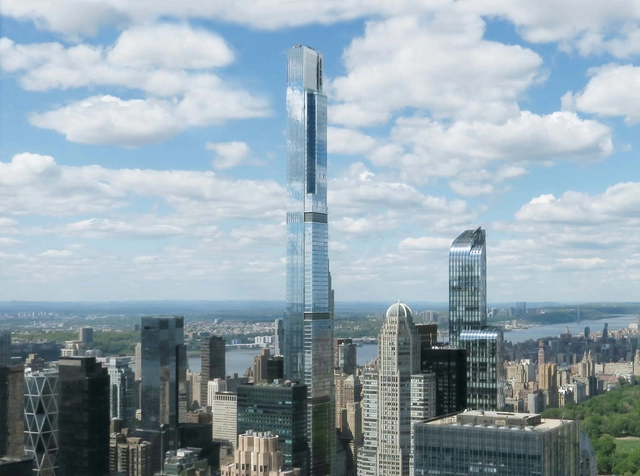
Paul Clemence has released a new series of images, showcasing the on-going construction works on Manhattan's Central Park Tower. The project is designed by Adrian Smith + Gordon Gill architecture and is set to be the tallest residential building in the world once completed. The building, as seen in the photographs, has neared completion and is set to open later this year.
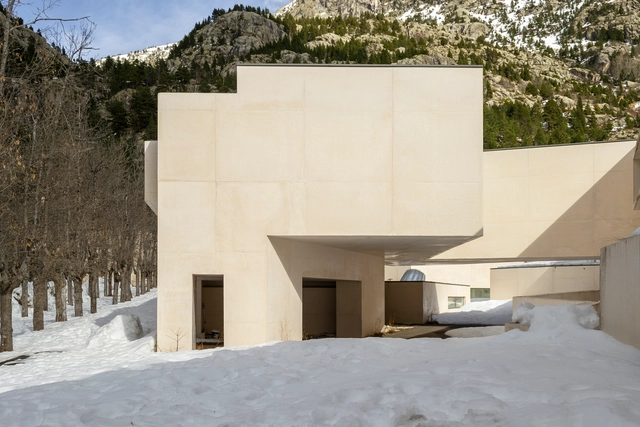
It's hard to forget the impact of economic crises on architecture; however, artist Jorge Isla reminds us with his series of photographs capturing the iconic High Performance Sports Center in the Balneario de Panticosa in Spain designed by architect Álvaro Siza. Construction on the site began at the start of the 21st century, but, due to heavy snows and Spain's financial upheaval, was abandoned shortly after.
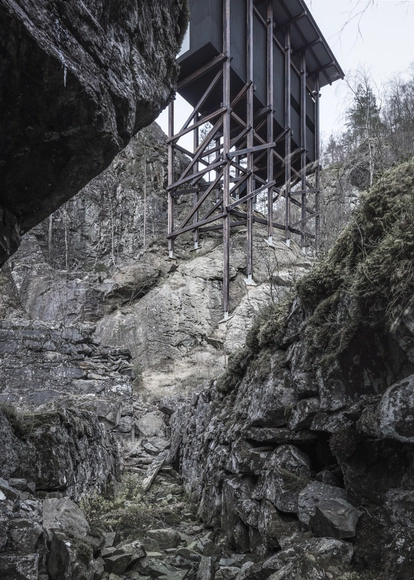
The Italian photgrapher, Aldo Amoretti created the initiative to invite people to share their favorite places around the world, with the objective of going beyond his vision and giving the chance to an audience to offer a different perspective of buildings and places.
https://www.archdaily.com/962396/from-your-eyes-to-my-eyes-selected-places-by-aldo-amorettiArchDaily Team
Mine Zinc Museum Norway - Architect Peter Zumthor - Photo Aldo Amoretti
Would you like to participate in the latest project by renowned photographer, Aldo Amoretti?
Places tell a lot about us, about our experiences. Share it with Aldo Amoretti, so you can tell a story together. If there is a piece of architecture that has particularly moved you, a place with a particular history or a landscape that deserves to be told, don't doubt to submit it to @aldoamoretti.
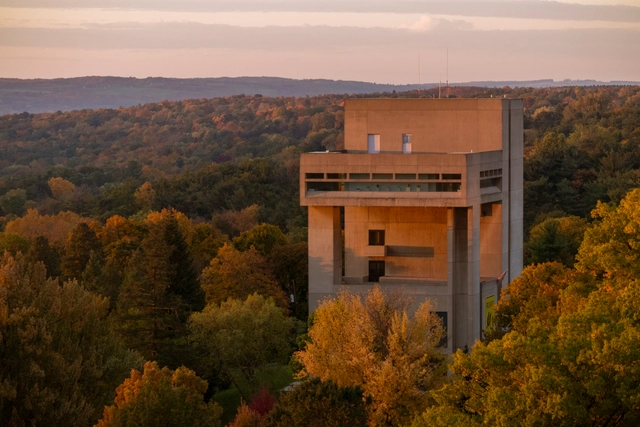
On the week commemorating American-Chinese architect I.M Pei’s birthday, Delhi-based photographer and photojournalist, Nipun Prabhakar, has shared with us a series of images of I.M Pei & Partners’ building, the Herbert F. Johnson Museum of Art. The firm was commissioned in 1968 by Cornell University to build the university’s museum that would also serve as a teaching facility and cultural center for the educational community. The building was completed in 1973 and was awarded the American Institute of Architects Honor Award in 1975.
Designed by award-winning architect Rudy Ricciotti, the designer of the MuCEM in Marseille, the Jean-Boutin Stadium in Paris, and the Islamic Arts Exhibition in the Louvre Museum, the Manufacture de la Mode reintroduces Chanel's intricate craftsmanship in an architectural and urban context. Architectural photographer Simon Garcia uncovers the newly-inaugurated fashion community in a series of photographs.
At ArchDaily, we always aspire to provide our community with all the tools and knowledge to help imagine, design, and build better cities. In order to bring inspiration and present more about what goes on beyond a complete project, we are launching a new series titled “Behind the Scenes”, where we showcase the work of visionary photographers, artists, and curators, and ask some questions that allow them to share more of what they do with the world. In every episode, we will be sharing with you the answers, along with images and videos of their work.
Kicking off the series is London-based architectural photographer Edmund Sumner.
Paul Clemence has released a new series of images, showcasing the on-going construction works on 111 West 57th, designed by SHoP. Located in New York, the residential tower is set to become the second-tallest building in the city by roof height, and the most slender tall building in the world, once completed.
Liminal spaces are everywhere, both literally, and as a popular topic of intrigue on Reddit and other image-sharing platforms. Posting photographs of empty dilapidated spaces followed by collective reminiscing of childhood experiences is proving to be a popular activity these days. At one time or another, the spaces depicted in these eerie photos seemed like a good idea, a useful solution to the problem of providing shelter for crowds in the act of movement or commerce. Architecture had specific terms for these spaces too and defined them through theories that explained their role in our culture. In this video, architectural professor Stewart Hicks presents how architects think about liminal spaces, what goes into them, why they exist, and why some architects and artists still work to produce their effect.
Chicago, United States. Created by @overview. Source imagery: @nearmap
Because of the decrease in the availability of land area and the ever-increasing price per square meter, cities often tend to grow vertically. When we picture large metropolitan areas, we almost always imagine high-rise buildings, and the recognizable skyline becomes an icon that immediately evokes the places in which they are located.