

-
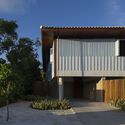
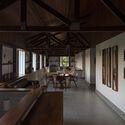
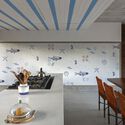
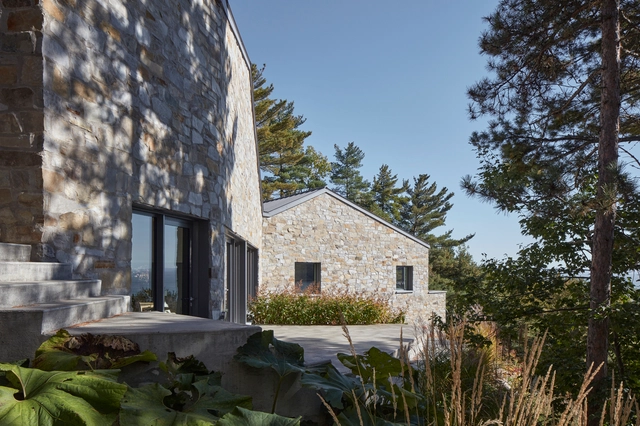
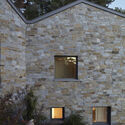
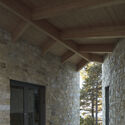
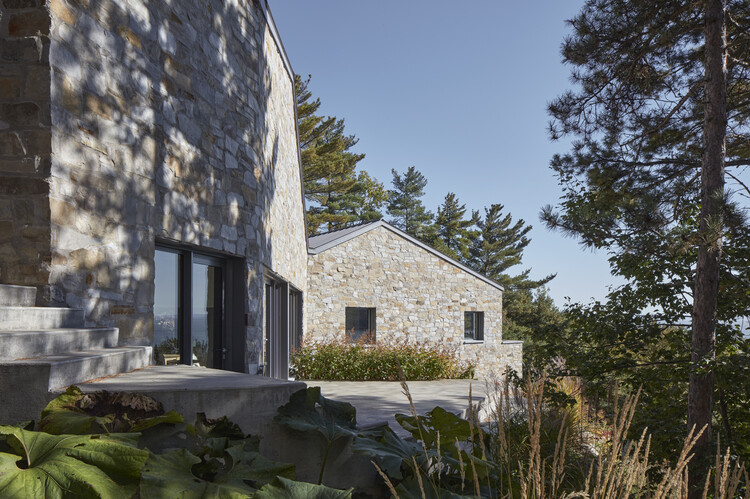
Architects: Atelier Carle
- Area: 290 m²
- Year: 2022
-
Professionals: Art Massif, Maçonnerie Charlevoix, David Gilbert, Brium


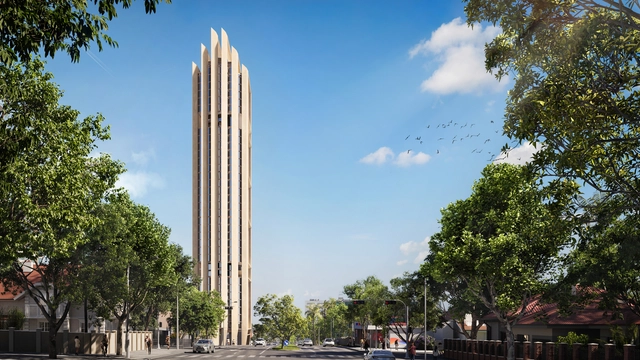
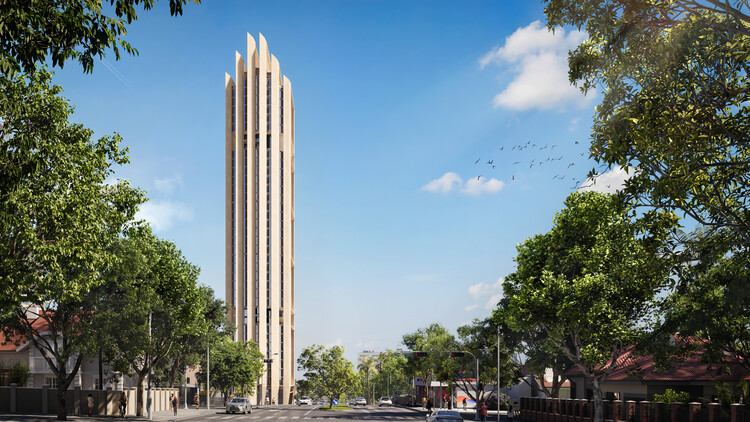
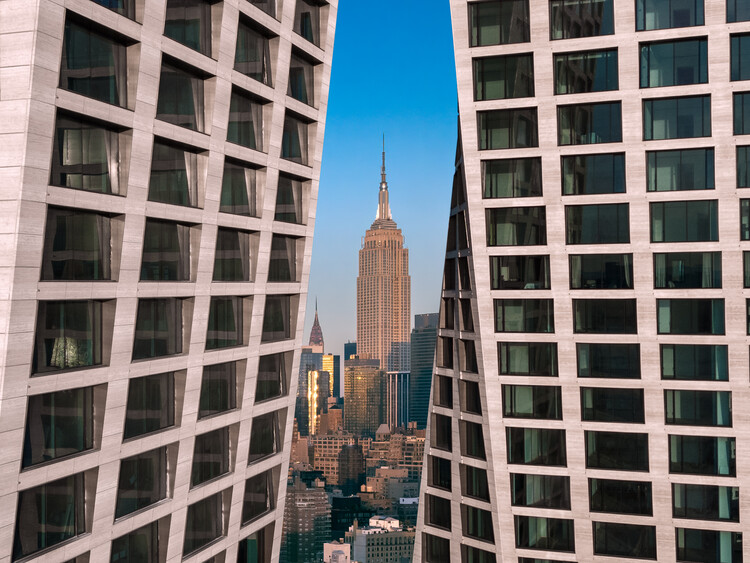
Foster + Partners has won an international competition to design the headquarters of Sudameris Bank in Asunción, Paraguay. The project, named Sudameris Plaza, is a 39-storey office tower featuring an exposed concrete frame and an angular form. It includes a landscaped plaza, art gallery, auditorium, and a large public garden at the tower's base. The studio aims to integrate greenery throughout the shared spaces of the building, fostering a strong connection with nature from within the tower.
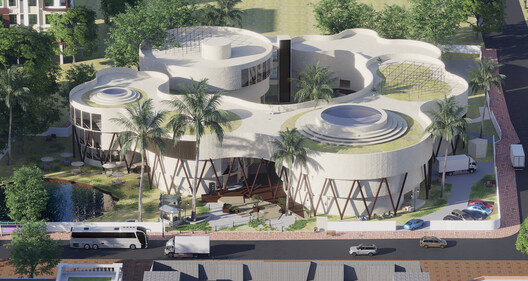
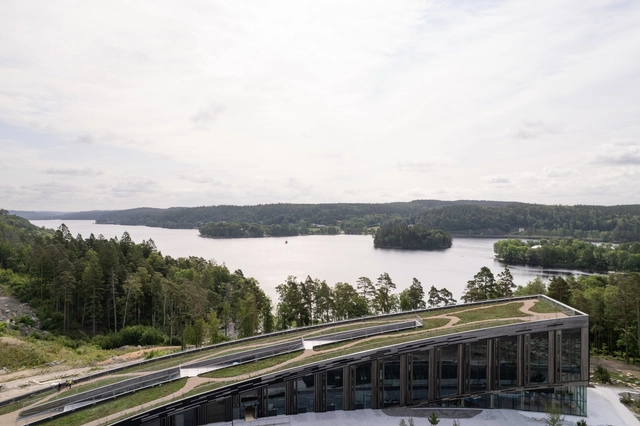
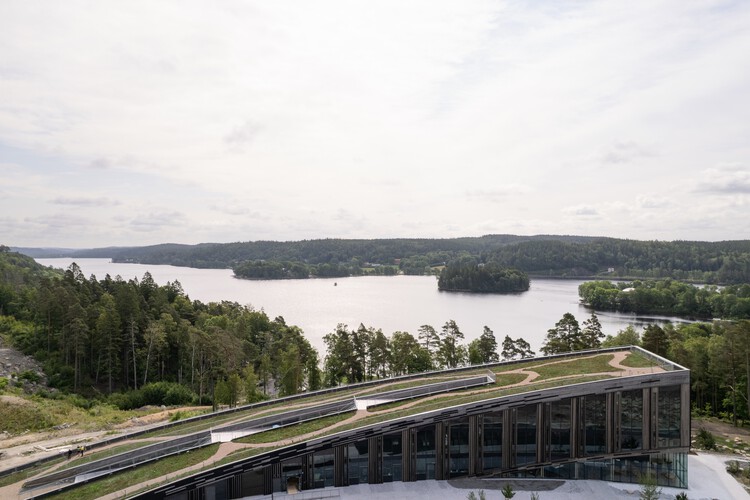
From forest-inspired offices in Sweden to jungle-nest clubhouses in Tulum, mixed-use architecture continues to evolve as a tool for integrated living. As cities grow and our expectations of public, private, and commercial space shift, designers are increasingly rethinking how different functions including work, play, rest, learning, can coexist in a single architectural language. These projects suggest that buildings and projects no longer need to silo activities, but rather choreograph them to reflect the rhythms of everyday life.
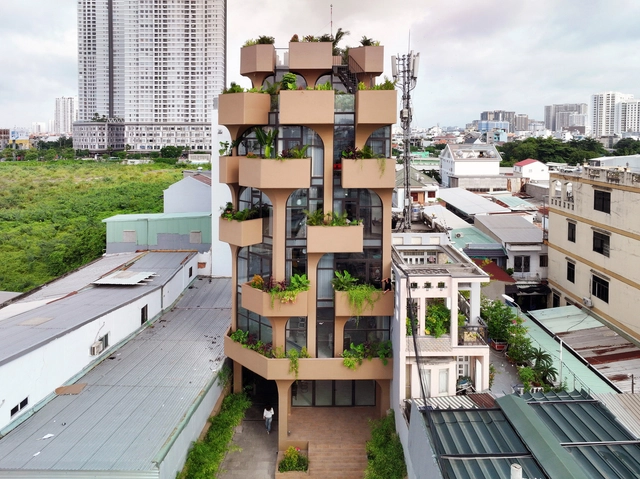
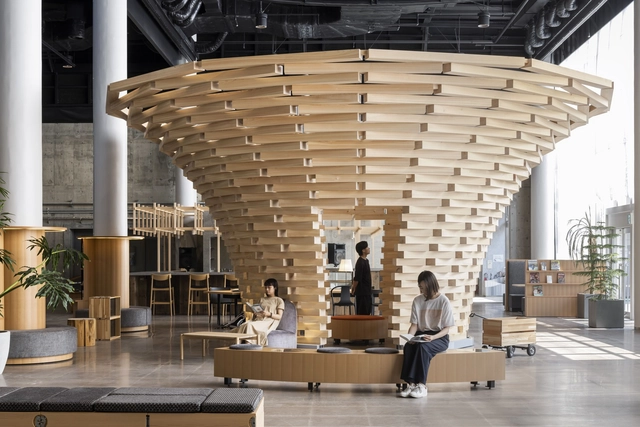
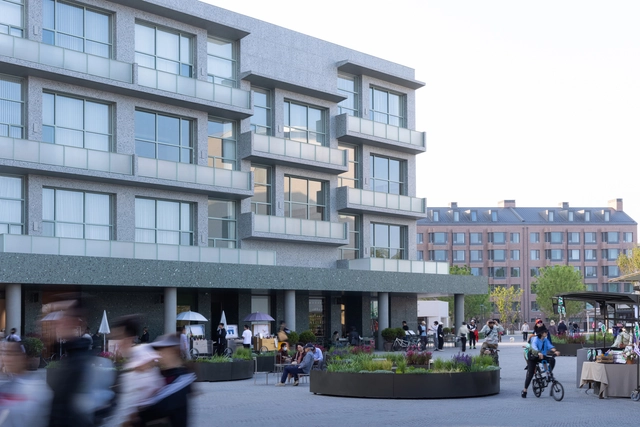
This collection, submitted by the ArchDaily community, presents a global spectrum of approaches to mixed-use design, from large-scale masterplans to conceptual theses. What ties them together is a commitment to spatial overlap, ecological sensitivity, and reimagined programs that prioritize user experience. Whether it's a student dormitory in Tehran, a public plaza in Cairo, or a community hub in Texas, each project embraces complexity to create spaces that are alive with interaction, transformation, and meaning.

Dear Readers,
Architecture is going through transformative times, and so are the platforms that shape how we understand it.
Earlier this year, I addressed you directly to share our vision for 2025: a commitment to reaffirm ArchDaily's mission, elevate our editorial voice, and strengthen our role as a trusted, critical resource for architects worldwide. That message marked the beginning of a new chapter, one grounded in relevance, clarity, and purposeful action.
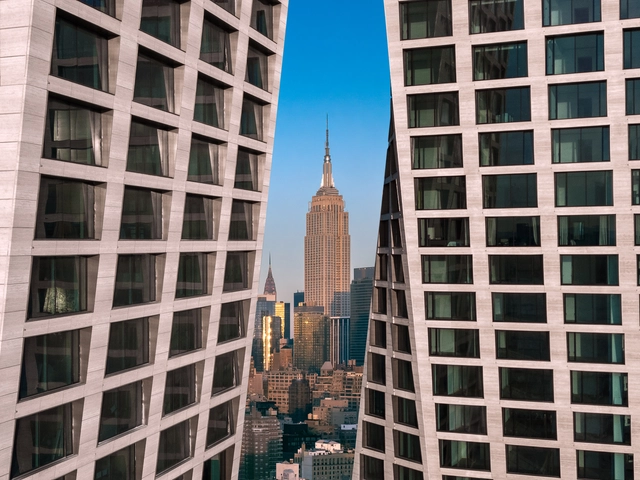
In the complex ecosystem of architectural development, where innovative concepts meet market realities, a distinct role exists to bridge diverse professional interests and realize impactful spaces. Elisa Orlanski Ours exemplifies this function. This is the domain of Elisa Orlanski Ours, a designer, educator, and industry leader. As Chief Planning & Design Officer at Corcoran Sunshine Marketing Group, Elisa founded her department two decades ago. Now, her extensive portfolio spans condominium skyscraper master plans and individual branded villas across continents, including significant New York City developments like Hudson Yards and 220 Central Park South, as well as international developments in collaboration with prominent architectural firms like SHoP Architects, BIG, Herzog & de Meuron, Adjaye Associates, and SO-IL. Her strategic perspective on bringing projects from schematic phase to final sale provides valuable insights into the industry's intricate workings. ArchDaily's Managing Editor, Maria-Cristina Florian, had the opportunity to discuss these critical topics with Elisa in the following interview.
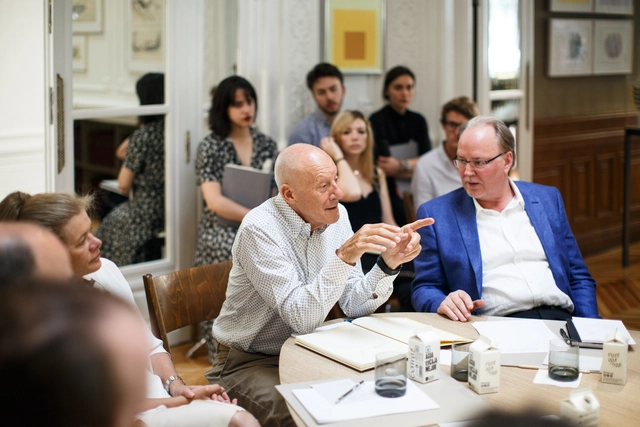
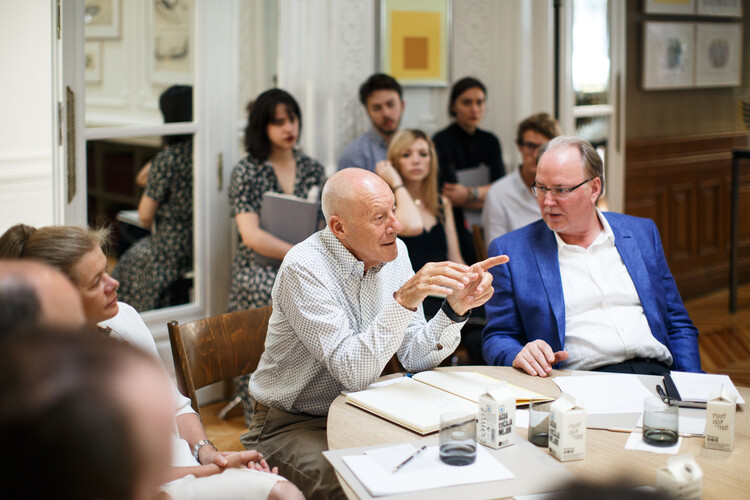
Foundations established by architects have increasingly become involved in architectural education through scholarships, fellowships, and interdisciplinary academic programs. These initiatives often aim to support students, promote research, and facilitate broader engagement with architecture and the built environment. Some architect-initiated foundations, such as the Zaha Hadid Foundation, which recently launched the Zaha Hadid Scholars Program at the American University of Beirut, along with the Norman Foster Foundation and the SOM Foundation, have introduced educational programs connected to their missions. While these programs differ in structure and focus, they commonly seek to extend the legacies of their founders by addressing contemporary challenges in design education. Their activities range from localized scholarship offerings to global research collaborations, reflecting a diverse approach to nurturing emerging talent and advancing architectural discourse.
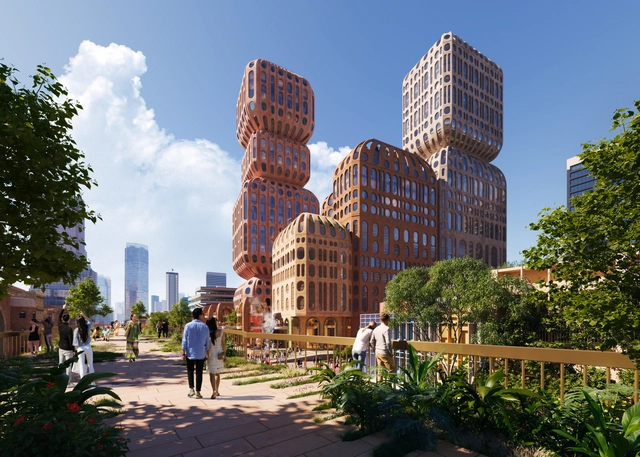
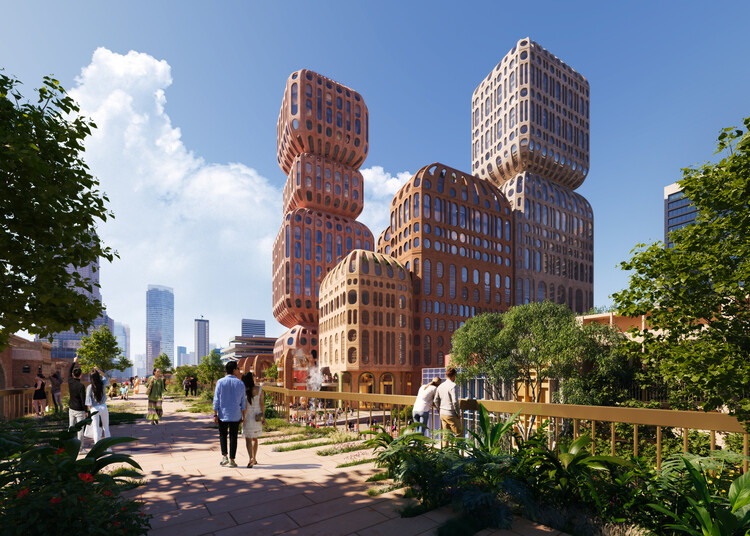
Heatherwick Studio has unveiled the first design images of Hatai, a new public space and two hotels in the heart of Bangkok's Silom district. The complex marks the studio's first project in Thailand and is located on the historic site of the original Narai Hotel, within a bustling business area. The project envisions 5,200 square metres of new public space, including elevated walkways and a publicly accessible ground level with retail and services. The building design draws inspiration from the craftsmanship of traditional Thai lanterns, featuring a series of stacked, rounded forms.


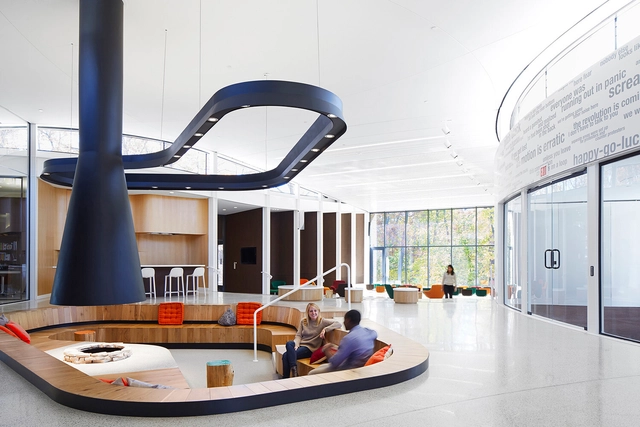
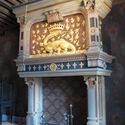
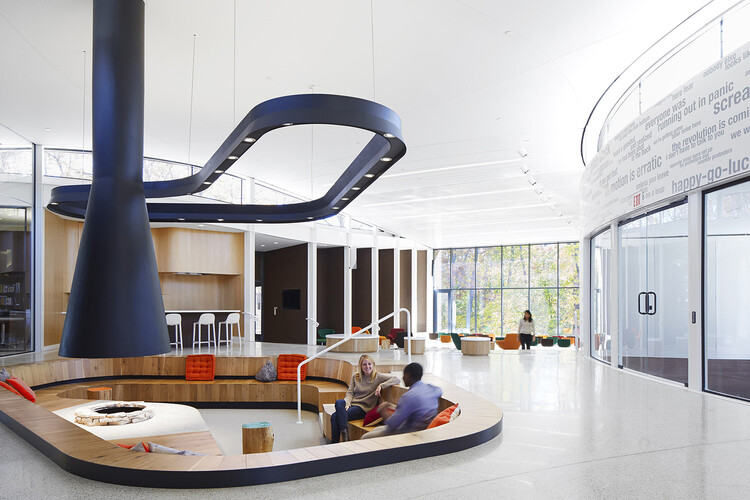
Fireplaces have profoundly shaped architectural design, influencing how spaces are organized, experienced, and perceived. More than merely functional elements, they represent symbols of power, community, comfort, and culture, tracing humanity's evolving relationship with the built environment. From the primitive hearths that characterized early human settlements to the sophisticated ecological designs of contemporary architecture, fireplaces have reflected broader cultural, social, and technological changes, serving as enduring focal points in the spatial narrative of architecture. Scholars have frequently explored the intimate relationship between architecture and fire. Luis Fernández-Galiano, in his seminal work "Fire and Memory: On Architecture and Energy" argues that architecture fundamentally mediates the relationship between humanity and energy. By understanding how these structures have shaped spaces, symbolized cultural values, and driven technological innovation, we gain deeper insight into architecture's complex interplay between form, function, and meaning.