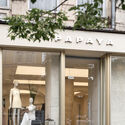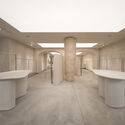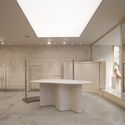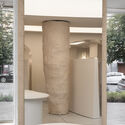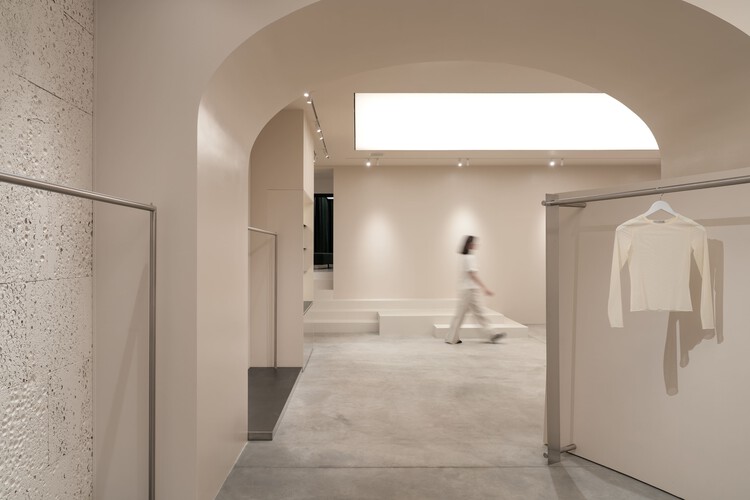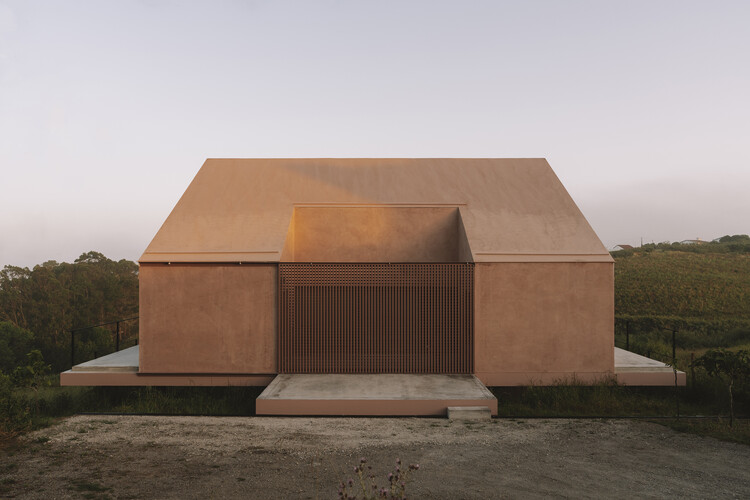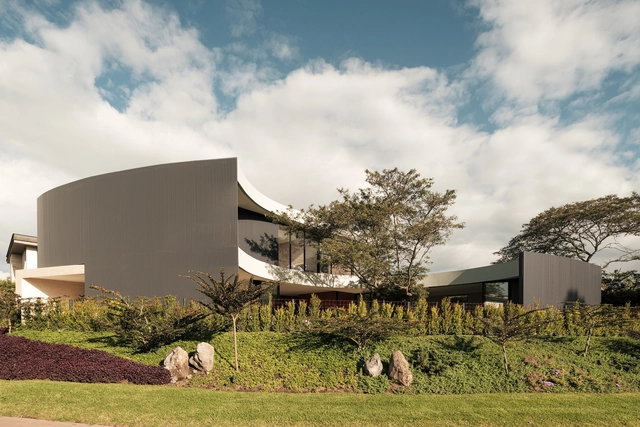

-
Architects: TEC - Taller EC
- Area: 520 m²
- Year: 2025


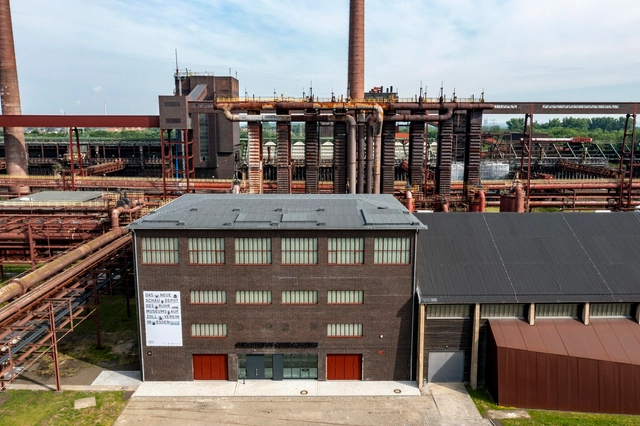
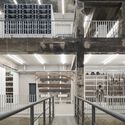
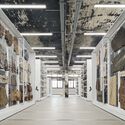
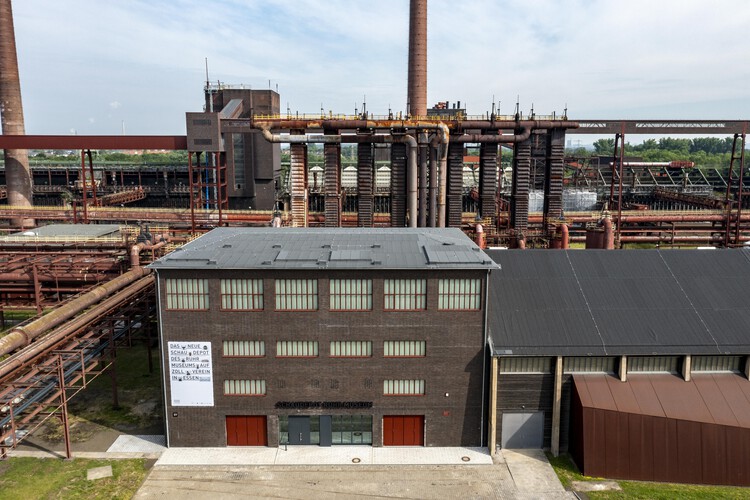
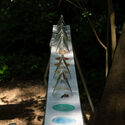
Once the largest coal mine in Europe, the Zollverein complex in Essen, Germany, has undergone a remarkable transformation over the past twenty-five years. What was once a landscape of abandoned industrial facilities is now a laboratory of contemporary architecture, featuring works by Rem Koolhaas, Norman Foster, and SANAA. Their interventions bridge the site’s industrial past with its imagined future. Spanning 100 hectares, the UNESCO World Heritage site has become a global model of adaptive reuse, redefining what it means to preserve industrial heritage. Within this context stands the Ruhr Museum and its enigmatic art repository, the Schaudepot. Located in the complex’s former salt factory, the museum impresses not only with its collection but also with its architecture, which transforms a 1960s industrial building into a vibrant cultural venue.
Because of its historical and architectural relevance, the project is featured in the 2025 edition of Open House Essen, under the theme “Future Heritage.” The initiative explores which spaces might shape our future architectural legacy and asks pressing questions: What should we preserve? What should we adapt? And how can we design a future that is both livable and fair?
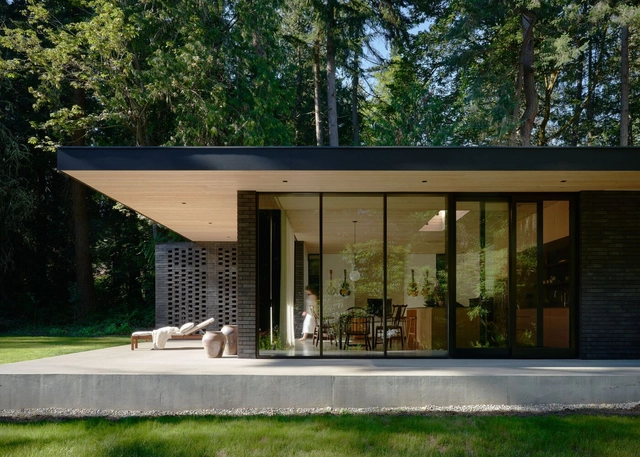
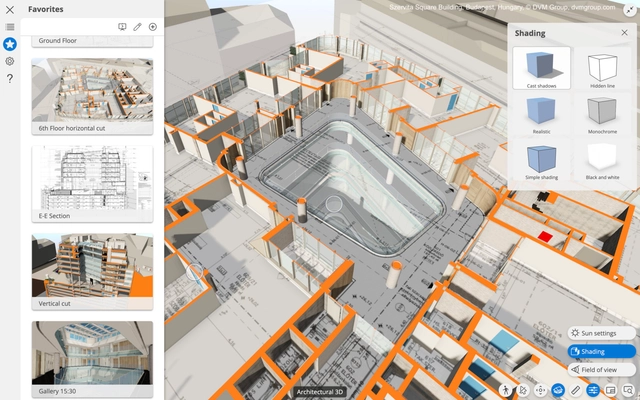
The Design-Build model is an increasingly attractive project delivery method, offering benefits such as enhanced control, reduced risks, cost efficiencies, and quicker completion times. Central to this approach is teamwork and collaboration, contrasting sharply with the traditional method of separate design and fixed-price bidding by contractors. Design-Build naturally motivates all participants to seek ways to boost productivity and quality, ensuring fairness and transparency in costs.
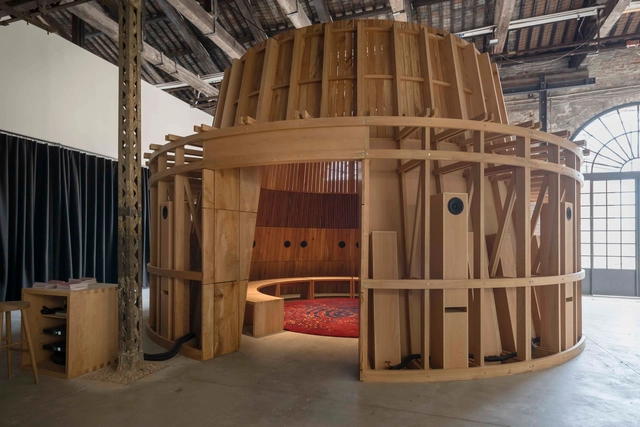
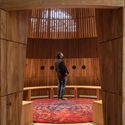
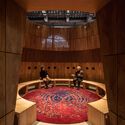
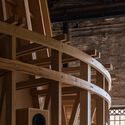
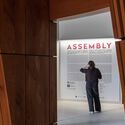
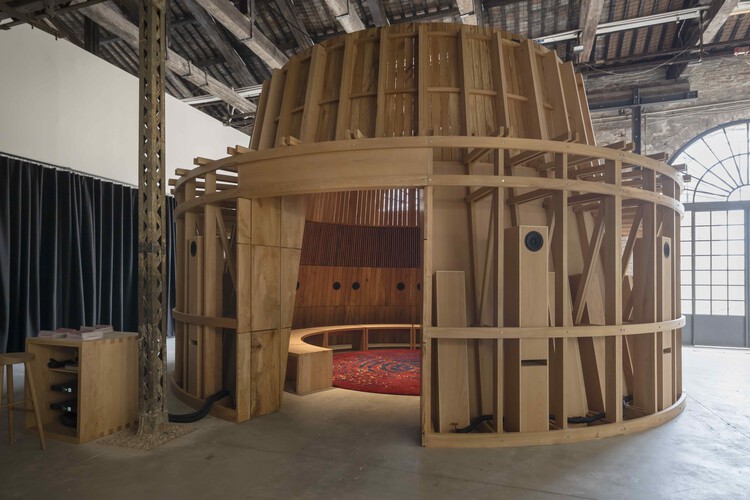
Curated by Cotter & Naessens Architects, the Ireland pavilion at the 19th International Architecture Exhibition - La Biennale di Venezia in 2025 presents Assembly, exploring architecture's role in shaping spaces for gathering, discussion, and democratic exchange. Commissioned by Culture Ireland in partnership with the Arts Council of Ireland the pavilion is officially inaugurated by Yvonne Farrell of Grafton Architects with Sharon Barry, Director of Culture Ireland, and Fionnuala Sweeney, Head of Architecture at the Arts Council.
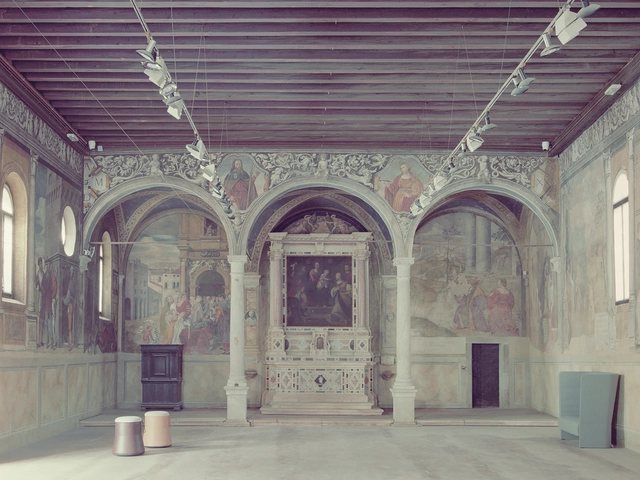
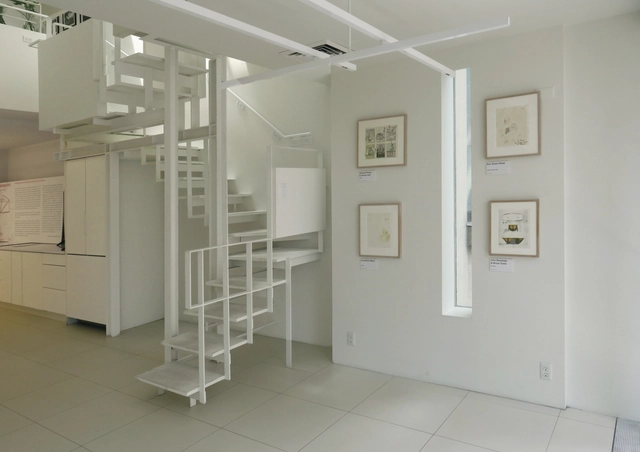
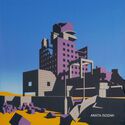
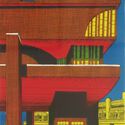
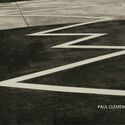
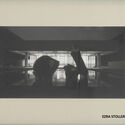
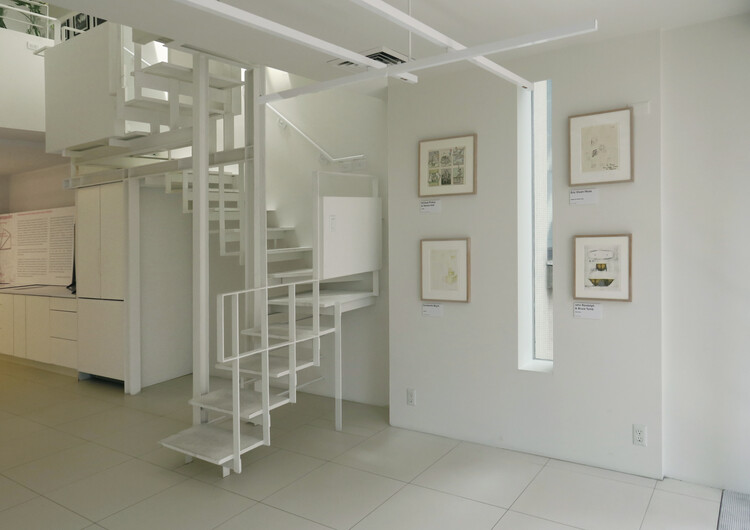
An exhibition of architectural drawings and photographs, titled "Architecture = Art: The Susan Grant Lewin Collection," is now on view at Paul Rudolph's Modulightor Building in Manhattan, New York. Hosted by the Paul Rudolph Institute for Modern Architecture (PRIMA), the collection brings together works by prominent architects, including Eileen Gray, Daniel Arsham, Frank Gehry, Jesse Reiser, Hani Rashid, Steven Holl, Aldo Rossi, Michael Graves, James Wines, Stanley Tigerman, John Hejduk, among others. The drawings are accompanied by a selection of photographs by architectural photographers such as Ezra Stoller, Robin Hill, Norman McGrath, Paul Clemence, and others. The exhibition opened on July 2 and will remain on view until September 20, 2025.
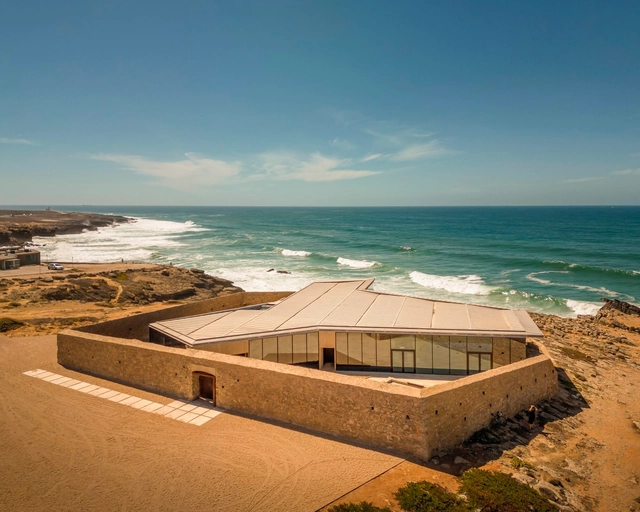
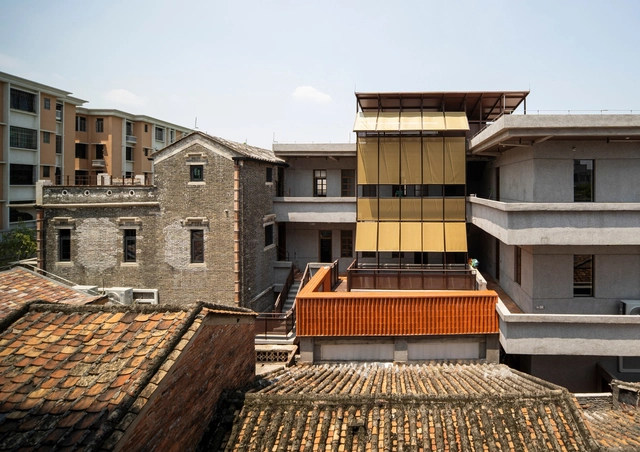
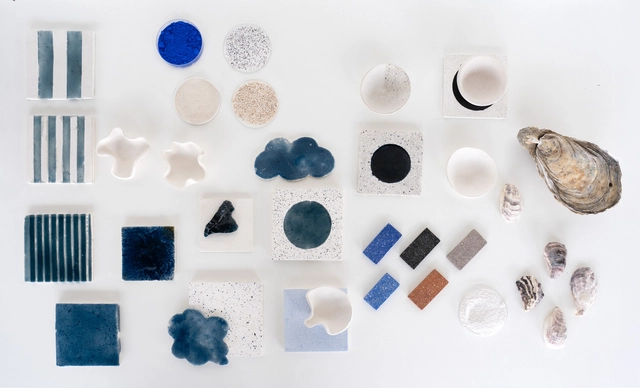
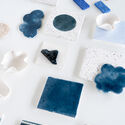
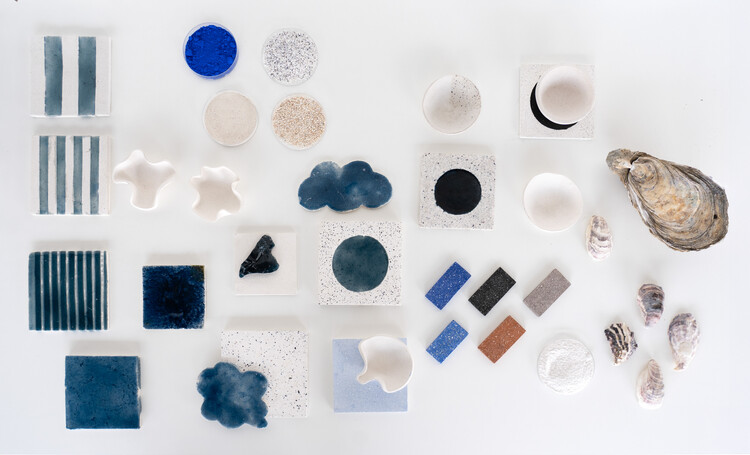
All materials come from somewhere, embedded in a chain of extraction, supply, production, and disposal that, depending on its scale, leaves more or less significant marks on the environment. In architecture, we usually approach this trajectory through the lens of materials' circularity, considering how they can re-enter production cycles rather than become waste. Yet, broadening our view to unexpected places reveals parallel systems where by-products from one industry become resources for another. This approach has found fertile ground in organic waste transformed into biomaterials, with one of the most recent examples being the work of Fahrenheit 180º. Through their installation, "From the Tagus to the Tile", they repurpose oyster shells initially discarded by food systems to create a reinterpretation of Lisbon's iconic tiles.