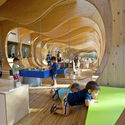
The Architectural League of New York has announced the winners of its 44th cycle of the Architectural League Prize for Young Architects + Designers. Each year, the competition centers around a theme developed by a committee of past winners. This year's theme, Plot, invited participants to explore the role of plot in architecture, whether understood as land, drawing, or scheme, and consider how these frameworks shape design narratives and processes. Established in 1981, the annual competition recognizes early-career architects and designers in North America.
This year's programming follows a hybrid model. A virtual lecture series will launch on June 11 and feature presentations by the winners alongside moderated discussions. Installations by the winners will be presented either onsite or in digital formats and showcased in an online exhibition.
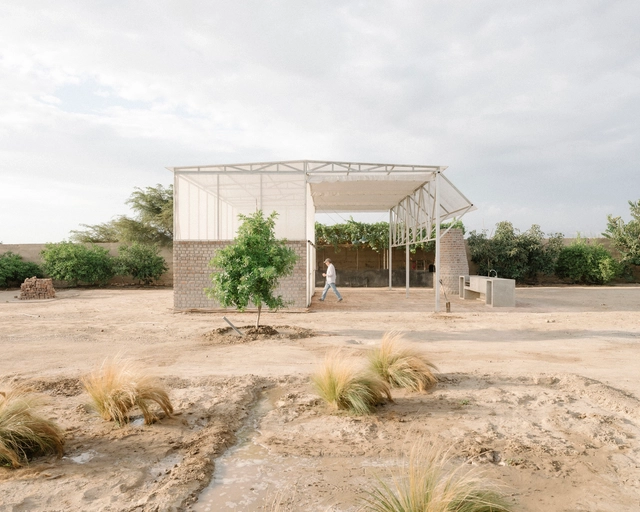
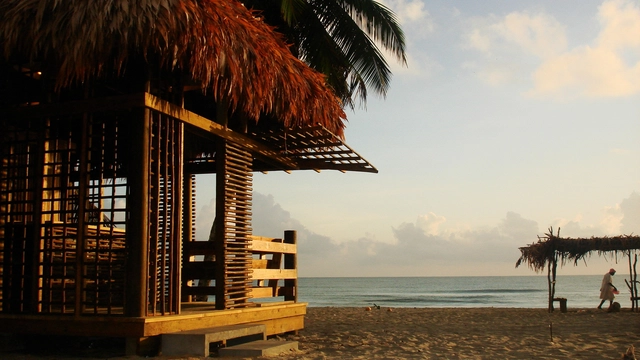
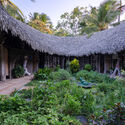
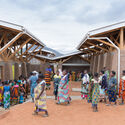
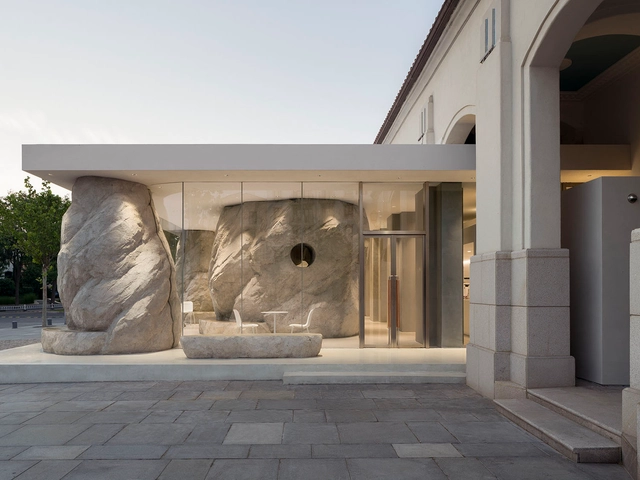
Detail of the Garifuna Kiosk Network. Image Courtesy of 24 Grados Arquitectura
How can architecture restore relevance to forgotten places? What dialogues can emerge when buildings and landscapes are treated not as blank slates, but as layers of memory, identity, and potential? For the Honduran architecture firm 24 Grados, these questions shape an approach rooted in adaptation, reuse, and contextual design. Their projects range from the restoration of old Spanish plazas and cultural centers to interventions in natural parks and coastal villages in Honduras. Each one is grounded in the belief that design can reweave relationships between people, place, and heritage.
Work always evolved, adapting to the tools, technologies, and social structures of its time. In the earliest human societies, basic survival was the driving force behind labor, with hunter-gatherers dividing essential tasks to meet elementar needs. The Agricultural Revolution marked a turning point, introducing permanent settlements and specialization, which led to the emergence of labor division in ancient civilizations. As time progressed, the Middle Ages saw the rise of the feudal system, while trade and guilds laid the groundwork for a monumental shift: the Industrial Revolution. This era transformed work from artisanal, home-based production to centralized, large-scale factory systems.
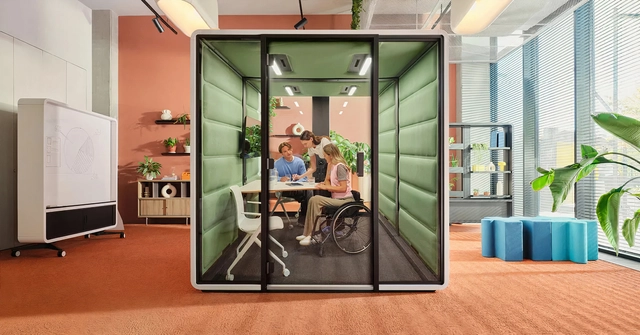
Before industrialization, many service providers worked from home. But as factories grew, the workforce became centralized, transforming the relationship between worker and workplace. The rise of the service sector and modern corporations gave rise to office spaces that were often rigid and compartmentalized, like the iconic cubicles of the 20th century. Now, as work becomes increasingly digital and decentralized, offices are transforming again. Open layouts, specialized zones, and modular pods are replacing static configurations, promoting flexibility, focus, collaboration, and well-being. But how do innovations in modern workspaces respond to the demands of today's professionals?
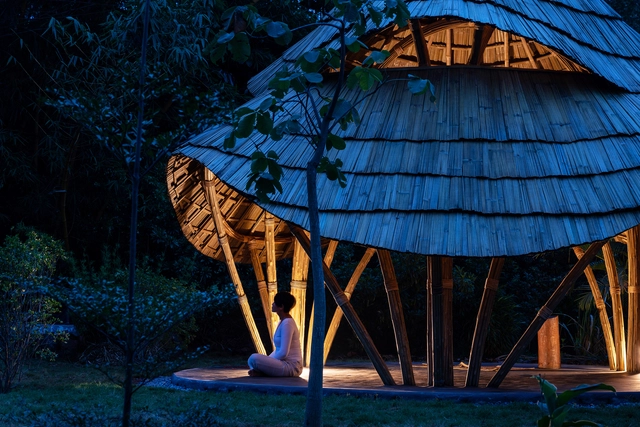
Around the world, different cultures have developed unique ways of understanding and experiencing healing. Far from being merely a physical process, healing encompasses emotional, spiritual, social, and architectural dimensions. Healing spaces—whether physical, symbolic, or natural—reflect each culture's values, beliefs, and ways of life. Exploring these cultural approaches not only broadens our perspective on health but also encourages us to reconsider how we design environments that nurture care and well-being.
On the occasion of Design Week 2025, Gessi transforms Casa Gessi Milano into an experience of Haute Culture, placing personal well-being at the center. A longstanding presence in the international design scene, Gessi continues to embody a vision of innovation, wellness, and refined aesthetic sensibility. Since its inauguration in 2012, this iconic space on Via Manzoni has become a distinctive meeting point where creativity, elegance, and experimentation exist in dialogue.
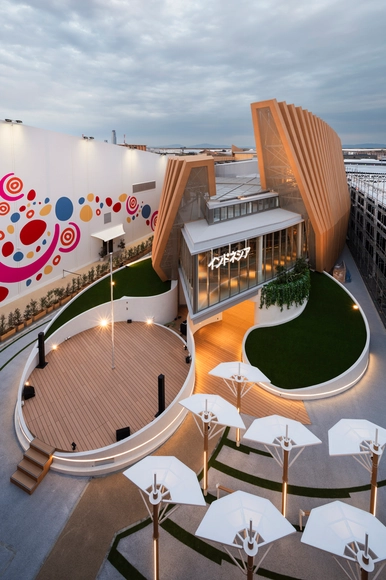
The Indonesia Pavilion at Expo 2025 Osaka, open to visitors from April 13 to October 13, 2025, showcases a combination of tradition and forward-looking vision in alignment with the Expo's theme, "Designing Future Society for Our Lives." Symbolizing the philosophy of "Diversity in Unity," the pavilion draws inspiration from Indonesia's rich maritime history. Its structure takes the form of a stylized boat hull, representing progress and resilience. The rising shape of the design reflects Indonesia's optimistic outlook, moving forward, facing challenges with determination, and striving to achieve ambitious goals.
Courtesy of The Singapore Pavilion, Expo 2025 Osaka
DP Architects group, in collaboration with Kingsmen Exhibits, designed the Singapore Pavilion for the Expo Osaka 2025. With the grand opening on 13th April, the pavilion is now welcoming visitors. The concept of the pavilion centers around the tagline "Where dreams take shape," aiming to offer an insight into the country's culture and impactful innovations. The pavilion, taking the shape of a 17-meter-high sphere clad in recycled disks, creates a multi-sensorial exhibition showcasing actions and innovations that encourage a more sustainable future.
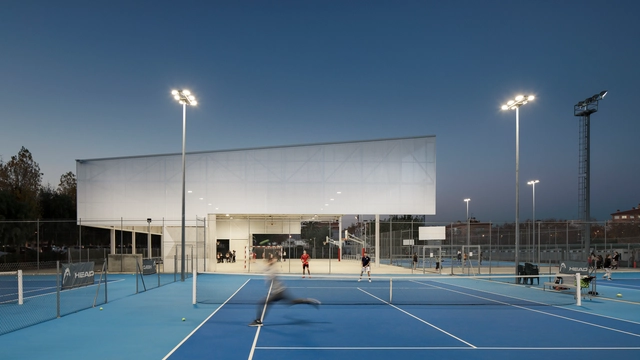
Community benefit is among the first terms mentioned when announcing a new public project. This is especially true in the case of sports halls, promising improvements in well-being and social cohesion. At a closer look, two typologies of sports halls emerge, with varying degrees of involvement with community life: on the one hand, there are large-scale venues dedicated to hosting international competitions, often boosting the capacities of thousands of people, taking on the role of modern landmarks alongside stadiums. On the other hand, there are small-scale multi-purpose sports halls, commonly annexed to schools, dispersed throughout neighborhoods, or present in rural areas with limited access to other public amenities. Despite the often-understated presence, these venues embrace and expand their multi-purpose role by offering opportunities to play, connect, organize events, and support diverse community activities.
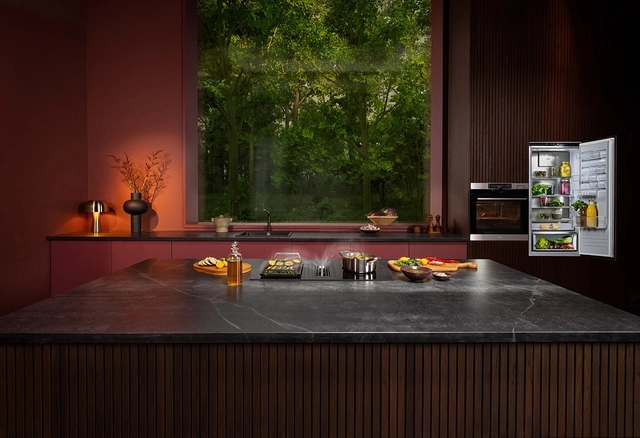
The role of the kitchen has undergone a remarkable transformation—evolving from a purely functional space into the central hub of the home, where creativity thrives and meaningful connections are made. This shift is closely linked to the growing popularity of cooking as a hobby, spurred by a surge in culinary-focused TV shows and dedicated channels. It reflects a broader cultural movement towards authenticity in an increasingly digital world—a counterpoint to the fast-paced nature of modern life that emphasizes a slower, more mindful lifestyle, often referred to as "slow living".
This trend also aligns with a growing focus on health and wellness, as well as a renewed appreciation for nature and cultural heritage. Today, the kitchen is more than just a place to prepare meals—it's where families gather, friends connect, and culinary skills are honed and celebrated. Yet, even an activity as elemental and hands-on as cooking can be transformed by technology. Beyond traditional electronic utensils and appliances that simplify many processes, Artificial Intelligence is emerging as a powerful ally in the modern kitchen.
A good conversation can make time feel like it's passing more quickly. But is this effect solely due to the verbal exchange, or could our perception of time be shaped by the spatial conditions surrounding us? There are environments that, due to their scale, distribution, and atmosphere, are conducive to meeting, listening, or pausing, thereby influencing the human experience. Perhaps it's not the words we share, but the space in which we speak that truly shapes our understanding of time. Some sociological theories about our society and the built environment go beyond considering it as a mere physical container and suggest that architecture, in its very duality, can act as both an inhibitor and a catalyst for our temporal experiences, impacting our wellbeing.
https://www.archdaily.com/1029304/wellbeing-and-slow-spaces-can-architecture-distort-the-way-we-experience-timeEnrique Tovar
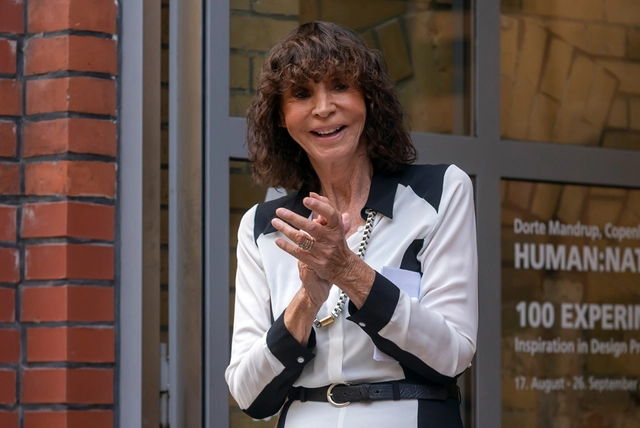
Kristin Feireiss, the German architecture curator, writer, and editor, passed away on April 20, 2025. With a career spanning over four decades, Feireiss played a significant role in promoting international public discourse on architecture, urban development, and social change.
Born in 1942, Feireiss studied art history and philosophy at Johann Wolfgang Goethe University in Frankfurt. In 1980, she co-founded the "Aedes Architecture Forum" in Berlin with Helga Retzer, establishing Europe's first private architecture gallery. After Retzer's passing in 1984, Feireiss continued to develop Aedes into an internationally recognized platform. Since 1994, in collaboration with Hans-Jürgen Commerell, she curated over 350 exhibitions and catalogues, expanding the forum's reach and impact. In 2009, the duo also founded "ANCB The Aedes Metropolitan Laboratory," which received the German Innovation Prize in 2010.
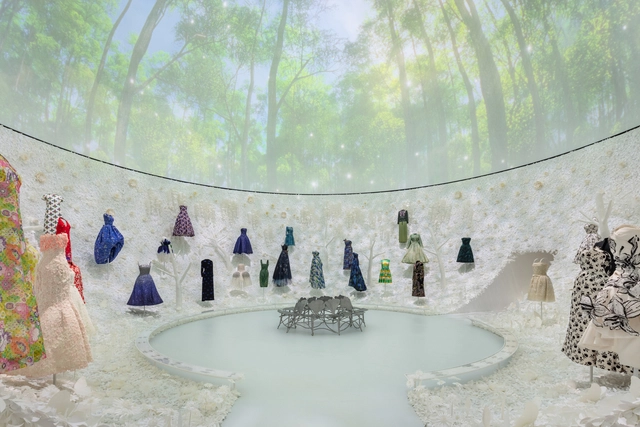
OMA has unveiled its latest exhibition design for "Christian Dior: Designer of Dreams" in Seoul, South Korea. Held at Dongdaemun Design Plaza (DDP), the exhibition marks the fifth collaboration between OMA and Dior. Previous designs include Dior: From Paris to the World at the Denver Art Museum (2018) and Dallas Museum of Art (2019), as well as Christian Dior: Designer of Dreams at the Museum of Contemporary Art Tokyo (2022). The Seoul exhibition presents over 80 years of Dior's creative history and the cultural heritage of Korea.
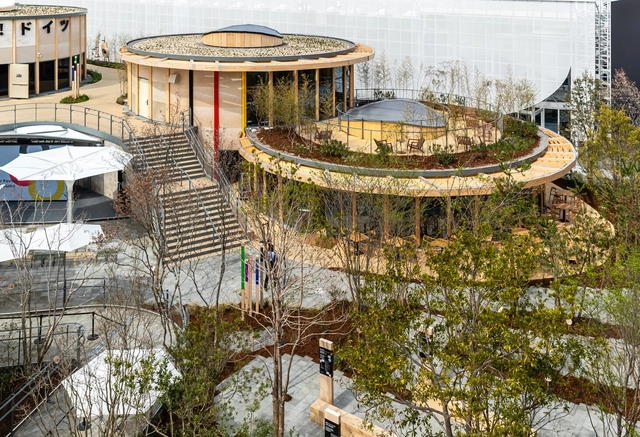
Officially open since April 13 as part of Expo 2025 Osaka, the German Pavilion, designed by LAVA Architects. brings to life the theme of the circular economy. Previously unveiled under the title "Wa! Doitsu" (translated as "Wow! Germany"), the Pavilion explores concepts around circularity, showcasing the "terminological culmination of the sustainability discussion." Focusing on returning all consumable goods to the cycle of the economy, achieving zero waste, and minimizing resource consumption, the theme is visible throughout the entire design.
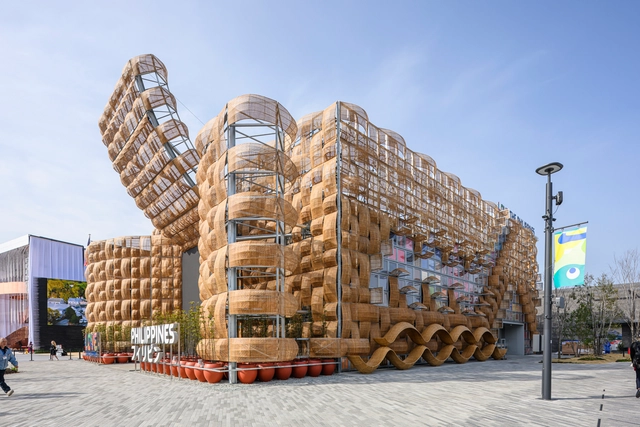
Expo Osaka 2025 officially opened its doors on April 13 in Osaka, Japan. The Philippines' exhibition for this edition opened with a pavilion designed by the Filipino-led architectural firm Carlo Calma Consultancy Inc., in partnership with Japanese executive architect Cat Inc., who also handled project management. Titled "Woven," the pavilion reflects the country's connections to nature, its cultural heritage, and its community values. With the theme "Nature, Culture & Community: Woven Together for a Better Future," the pavilion aims to highlight the Philippines' creativity, diversity, and aspirations for sustainable development while inviting visitors to engage with its cultural and environmental priorities.
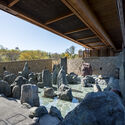
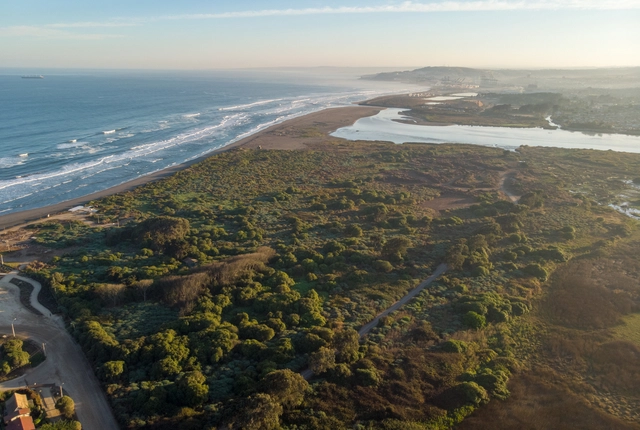
Santuario de la Naturaleza Humedal Río Maipo.. Image Courtesy of Fundación Cosmos
On Earth Day 2025, observed annually on April 22, we are once again reminded of the urgent environmental and sustainability challenges that face our planet—challenges that continue to evolve alongside global economic, political, and cultural shifts. The building and construction industry remains one of the most critical sectors in the effort to manage and reduce global carbon emissions. This year, these issues are being addressed through increasingly diverse lenses, calling for more holistic and integrated approaches. It's vital that we view sustainability not as a one-size-fits-all solution, but as a multi-scalar effort—one that spans from large-scale urban development and strategic planning, to the advancement of sustainable materials, and even to temporary, thought-provoking interventions like exhibitions and installations. In doing so, we reaffirm our commitment to reducing our collective carbon footprint, while shaping a built environment that promotes human well-being and planetary health.
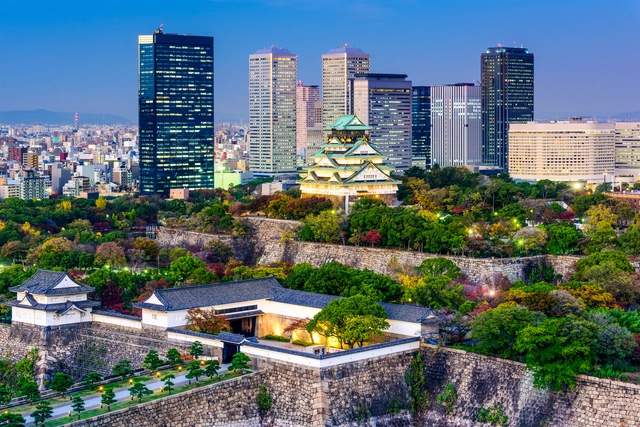
"If buildings could speak," as a filmmaker once mused, then Osaka's cityscape might sound loud, vibrant, and slightly rough around the edges—yet somehow neatly composed. Much like the city itself, the architectural landscape reflects Osaka's distinctive character: layered, dynamic, and full of messy vibrancy. With a population of 2.7 million and growing, this dense urban center continues to evolve in its idiosyncratic way.
The term "biophilia" understandably conjures images of buildings engulfed by vegetation and integrated into natural landscapes. In modern architectural discourse, the concept has come to be associated with the incorporation of greenery into built environments, yet such applications represent only a sliver of biophilic design's true scope. Inarguably, nature plays a central role in biophilic design. However, its influence stretches to often-overlooked strategies that involve spatial configuration and environmental patterning. "Invisible" biophilia frequently leads to positive health outcomes for occupants, working impactfully beneath the surface.
The winners of the reSITE's Young Designers Open Call have been announced. The open call has invited emerging designers to envision a playful yet functional summer installation for Manifesto Market, a popular outdoor venue in Prague known for its blend of food, culture, and community. Out of 275 registered teams worldwide, 57 submitted their proposals in line with the competition guidelines. On April 11, 2025, ten shortlisted designs were presented to an international jury during a hybrid event in Prague, with participants joining both on-site and remotely from countries including Ethiopia, Ecuador, the United States, Mexico, Turkey, France, Belarus, Georgia, and New Zealand.
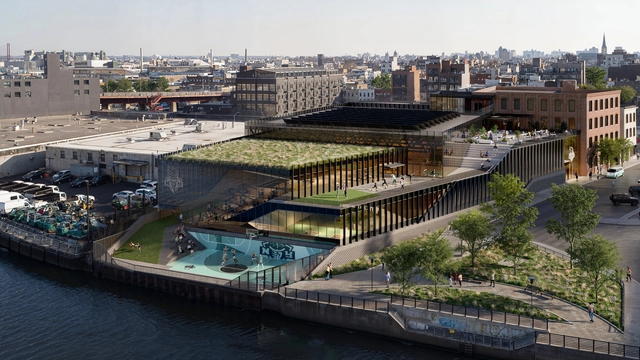
Populous, the global architecture firm, recently released images of the design for a new New York Liberty practice facility in Greenpoint, Brooklyn. The $80 million project is a player-led endeavor, developed for and in collaboration with the women's professional basketball team. The new building will span 75,000 square feet and offer views of Manhattan's skyline. In addition to serving as a basketball training center, the facility is also designed to support community engagement and expand the team's impact throughout New York City.
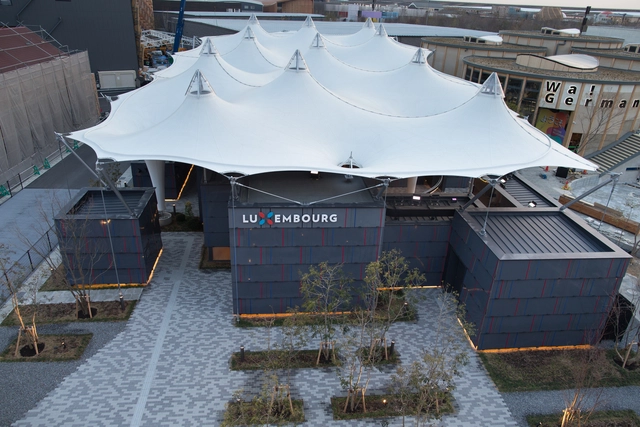
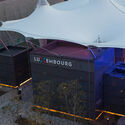
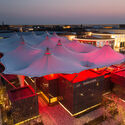
The Luxembourg national pavilion, designed by Luxembourg-based office STDM architectes urbanistes in collaboration with Japanese office MIKAN, with the concept of "Doki-Doki –The Luxembourg Heartbeat," has just opened its doors at the Osaka 2025 World Expo. The pavilion takes its name from the Japanese term for heartbeat, aiming to express joy and enthusiasm while strengthening the connection between the two countries. It also strives to offer visitors a chance to discover the cultural richness of Luxembourg and its multifaceted identity.
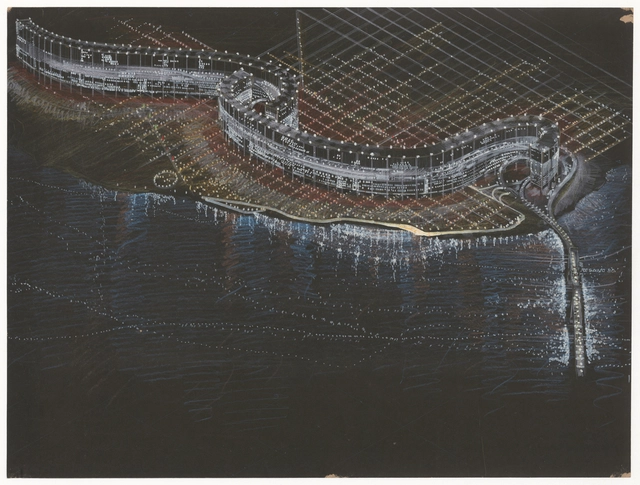
Through his unbuilt projects, built works, and research, Amancio Williams's ideas emerge as the result of a deep understanding of the most advanced trends of his time reflecting on architectural design, urbanism and city planning. By exploring various themes, concepts, and even materials, he aims to create a personal universe that interprets the present as something future-oriented, both international and distinctly Argentine. His proposal "La ciudad que necesita la humanidad" presents linear and layered buildings raised 30 meters above ground, incorporating everything from office spaces to roads and magnetic trains on different levels of a single structure. The Amancio Williams archive at the Canadian Centre for Architecture in Montreal documents Williams' career as an architect and designer from the 1940s to the late 1980s. The fonds documents his work for over 80 architectural, urban planning and design projects, as well as the administration of his architecture practice and his professional activities. Including drawings and sketches, presentation models, photographic materials, such as photographs of models, finished project (when realized), reference images, photographic reproduction of plans, and site photographs, the archive is available to consult offering more details.
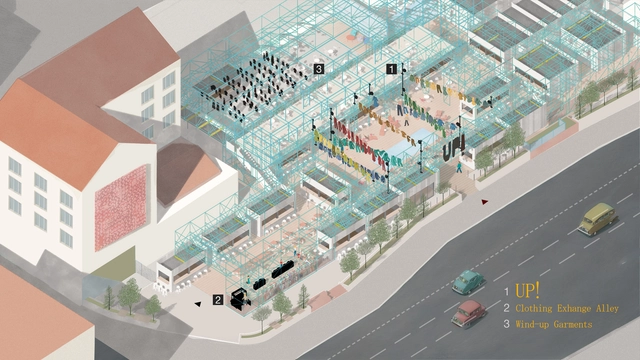
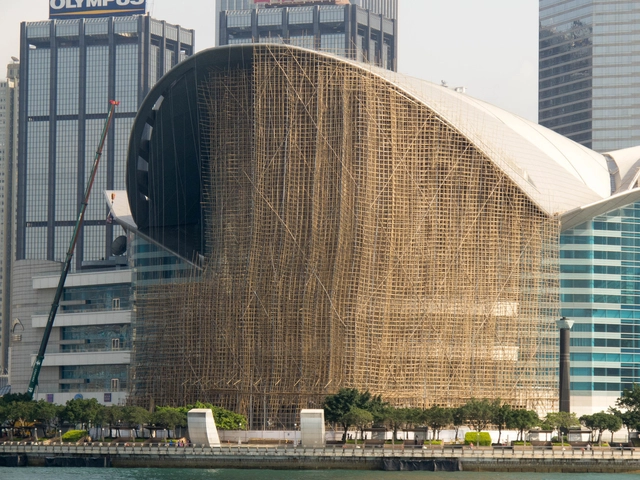
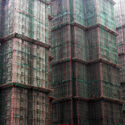
The bamboo scaffolding building typology—temporary, agile, and deeply rooted in tradition—particularly, the bamboo shed theatre building technique, is recognized as an item of Intangible Cultural Heritage in Hong Kong. As one walks through the city, especially in busy urban districts, it's nearly impossible not to encounter a bamboo scaffold within a five-minute radius. Bamboo scaffolding is arguably the most iconic construction material in Hong Kong, valued for its abundance, sustainability, flexibility, adaptability, and—most importantly—scalability. These qualities have contributed to its widespread use in temporary construction, from building maintenance and renovations to festival stages and sporting events.
However, this once-ubiquitous feature of the urban landscape may be slowly fading from view. A dwindling pool of skilled, younger workers—combined with evolving construction regulations—has contributed to its decline. On March 17, the Development Bureau announced plans to "drive a wider adoption of metal scaffolds in public building works." In practice, this means the Architectural Services Department (ArchSD) will soon require at least 50% of its capital works projects to utilize metal scaffolding. While not a formal ban, the policy signals what many see as the beginning of a gradual phase-out of bamboo scaffolding in public-sector construction.
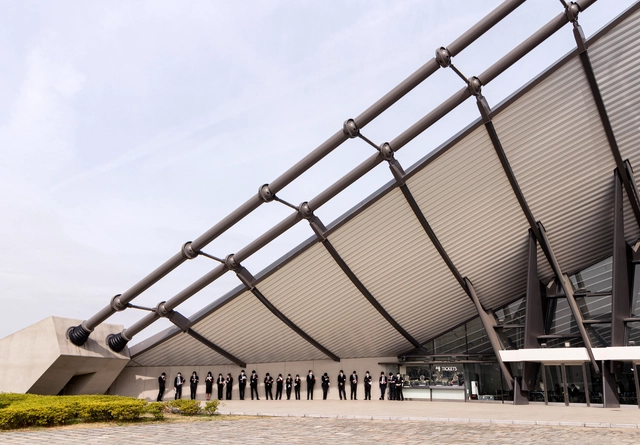
Tokyo is never-ending. It is a city made up of many cities, where everything is superlative and encounters with overwhelming scale are constant. For those visiting for the first time, the cultural shock is striking. Everything is extremely clean despite the absence of public trash bins, there's a strong impression of zero violence, and society seems to follow strict disciplinary codes to the letter. There’s a sense that human relationships and individual feelings are set aside in favor of the collective, with all the benefits and drawbacks that this way of life may bring.
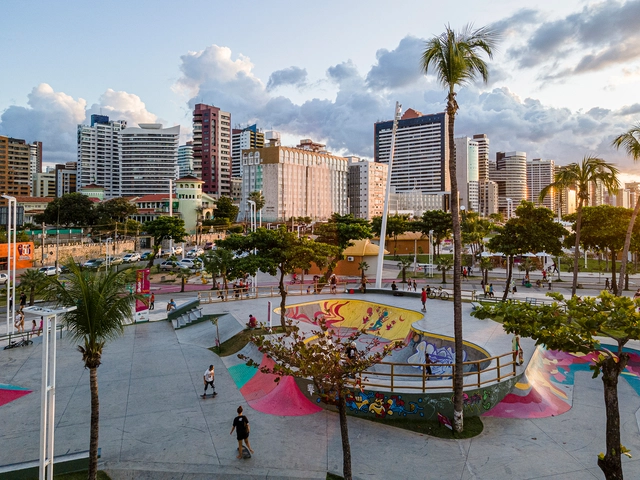
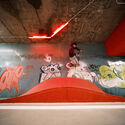
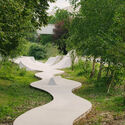
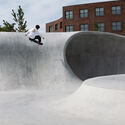
How is it possible to achieve emotional well-being in public spaces? What role do public spaces play in promoting urban well-being? Considering that sports practices can be a vital component in creating healthy public spaces, skateboarding, one of the most globally recognized urban activities, offers an alternative for building opportunities for the physical, recreational, social, cultural, and even professional development of multiple generations.