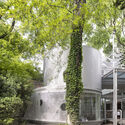
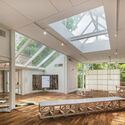
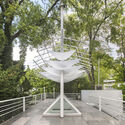
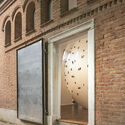
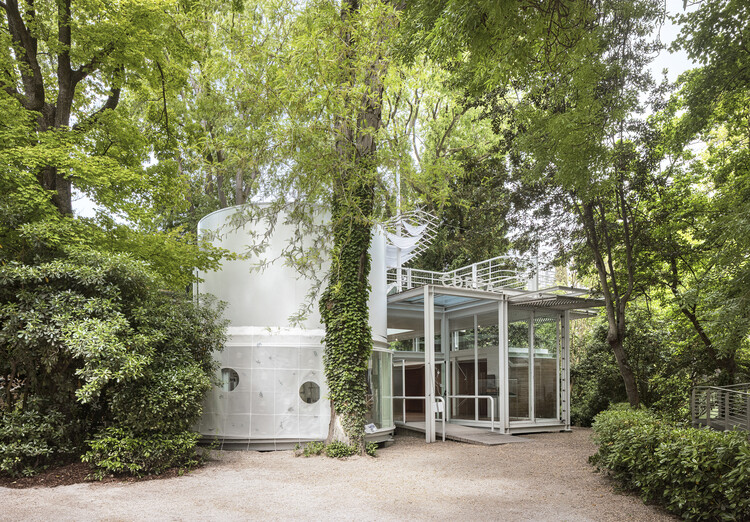
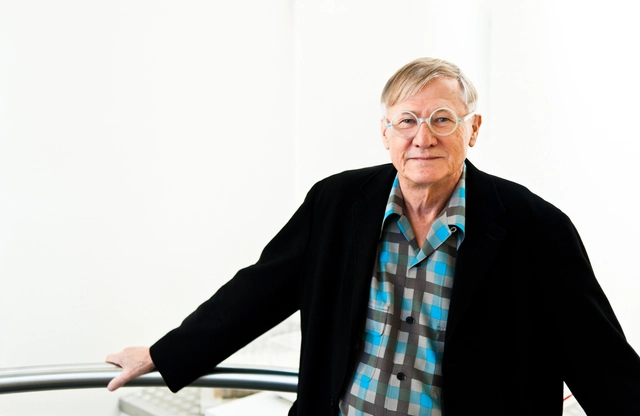
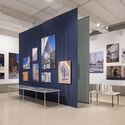
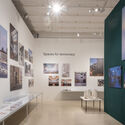
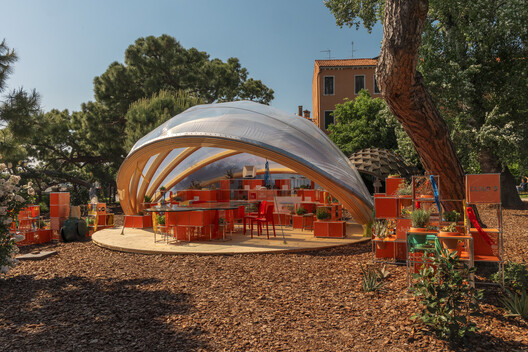
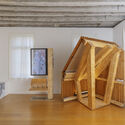
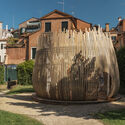
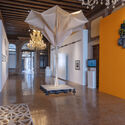
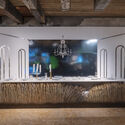
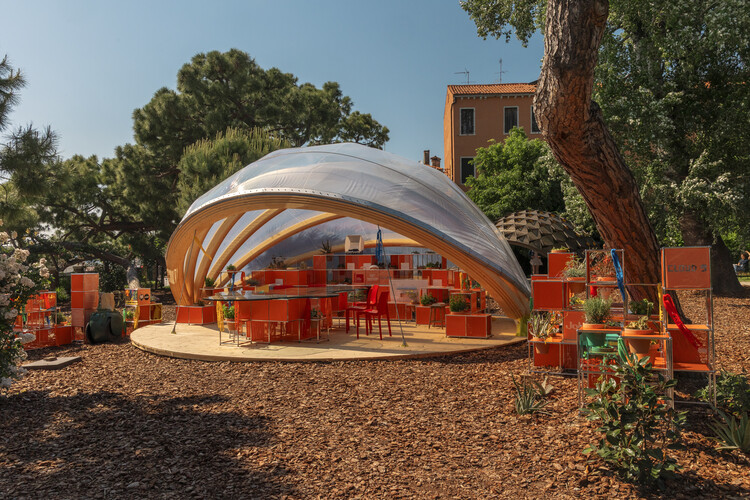
The KoreanPavilion at the 19th International Architecture Exhibition - La Biennale di Venezia marks its 30th anniversary with "Little Toad, Little Toad: Unbuilding Pavilion," an exhibition commissioned by Arts Council Korea (ARKO) and curated by Curating Architecture Collective (CAC), composed of Chung Dahyoung, Kim Heejung, and Jung Sungkyu. Bringing together architects and artists Kim Hyunjong, Heechan Park, Young Yena, and Lee Dammy, the exhibition critically revisits the pavilion as both a physical structure and a symbolic space, tracing its trajectory since its completion in 1995 while speculating on its possible futures.
In Plato's allegory of the cave, light symbolizes knowledge: it is what guides the human being out of the shadows of ignorance and toward truth. In many religions, light is also associated with divinity, as a manifestation of the sacred. Over time, light ceased to be merely a symbol of reason and became an instrument of sensitivity, a living material capable of shaping atmospheres, influencing perception, and revealing meaning.
Light is masterfully used in the quiet spaces of Tadao Ando, for example, where it seeps in like a sacred substance between concrete walls. In Alvar Aalto's buildings, it is delicately modulated to converse with the Nordic sky. In James Turrell's immersive installations, it becomes body, color, and experience. But light also manifests in the most ordinary gestures: in every precisely oriented window, or every shadow carefully drawn to reveal what is not immediately visible. Like a conductor before the score and the orchestra, the architect can compose with light accentuating volumes, softening boundaries, and giving rhythm and intensity to the spaces we inhabit.
The earliest stages of ideation can be both the most exciting and the most challenging part of the design process. Ideas flow quickly, but they can be abstract and difficult to communicate. This can lead to frustration and waste precious time.
Now, architects, designers, and artists can shorten the distance between the first sketch and a meaningful design decision by pairing traditional ideation techniques with AI-powered visualization tools designed to enhance — not replace — human creativity. Chaos tools keep creators firmly in the center of the process, empowering them with speed and clarity without sacrificing ownership or control.
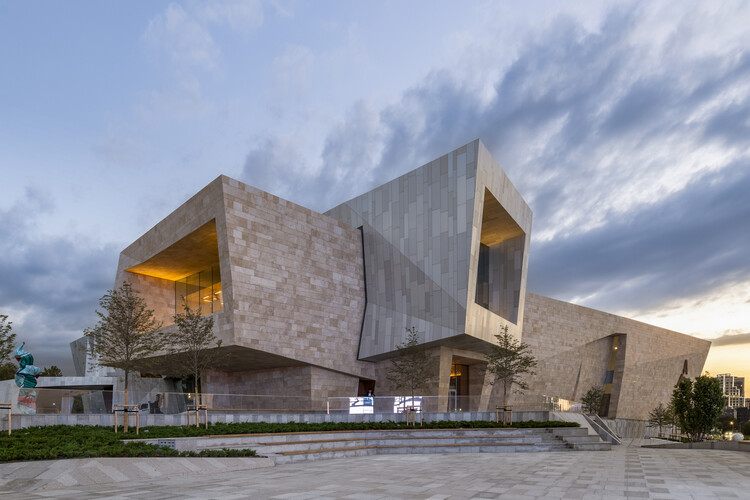
The AlmatyMuseum of Arts has opened in Kazakhstan, establishing a new cultural institution dedicated to contemporary art in Central Asia and internationally. Designed by Chapman Taylor, the museum is located at the foothills of the Tian Shan mountains and encompasses 10,060 square meters. The design draws inspiration from the contrast between the city of Almaty and its mountainous surroundings, a relationship expressed through two interconnecting limestone and aluminium-clad volumes. These are organized around a central, light-filled atrium referred to as the "Art Street," which serves as the primary circulation and gathering space.
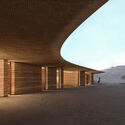
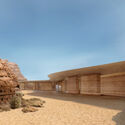
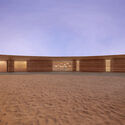
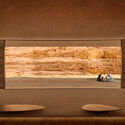
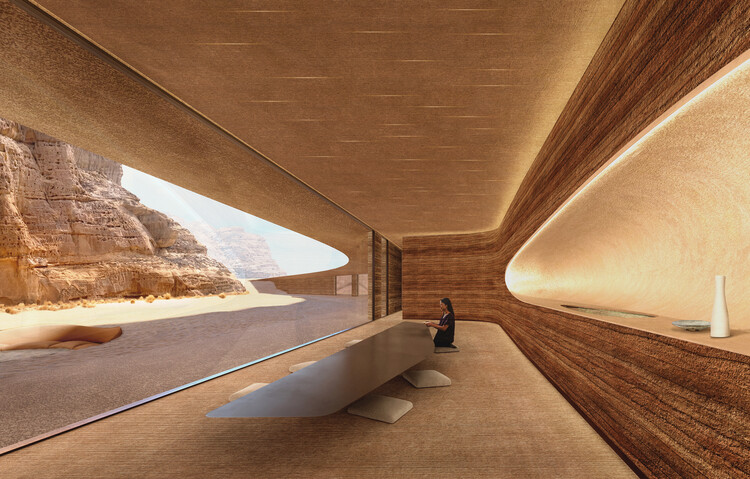
Lina Ghotmeh — Architecture recently revealed images of the AlUla Immersive Living project, a proposed dwelling envisioned to emerge from the desert landscape of Saudi Arabia. Its form is shaped by the site's light and wind, rooted in climate, and positioned between rock and dune. The design follows the concept of a shelter belonging as much to the desert as to its inhabitants, and behaving as a "living landscape." The structure is conceived with thick rammed-earth walls, contrasted by open platforms that frame the sky. It is presented as a statement of architecture intended "not to dominate but to host," providing refuge without severing connections, reflecting Lina Ghotmeh's position at the intersection of context, craft, and care.
The architect's role has traditionally been relatively well-defined: design a building, direct the project, coordinate logistics, and guide construction through to completion. As specialised fields have proliferated, together with a rapidly changing social economy, the practice of architecture has diversified, opening multiple paths for how architects can contribute to society.
Since the 1980s, one of the most consistent shifts may have been the separation between the "design architect" and the "architect of record." Where a single office once carried a project from concept to completion, internationalisation—alongside cross-border work, licensure regimes, procurement models, and liability structures—has encouraged a split. Design teams increasingly set the conceptual and schematic direction, then hand over the design development to local record architects for technical detailing, approvals, and site execution. The model has clear advantages—sharper expertise, efficiency, and often profitability (or services offered at reduced fees)—but it also segments the profession and can distance authorship from delivery.
What, then, might the next shift be, and what new synergies could redefine the architect's role? How should architects adapt to the changing professional climate? One promising trajectory is a turn from singular, permanent objects toward ongoing placemaking—iterative, context-specific programmes that prototype, test, and refine spatial ideas in public. Rather than producing one large, iconic work that fixes a site for decades, this model privileges cycles of making, use, evaluation, and adjustment at the community scale.
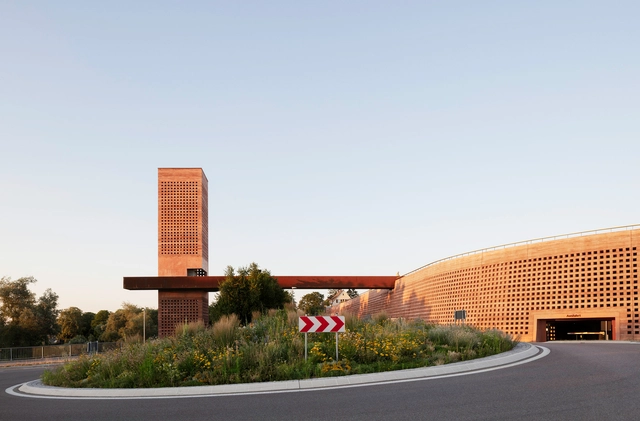
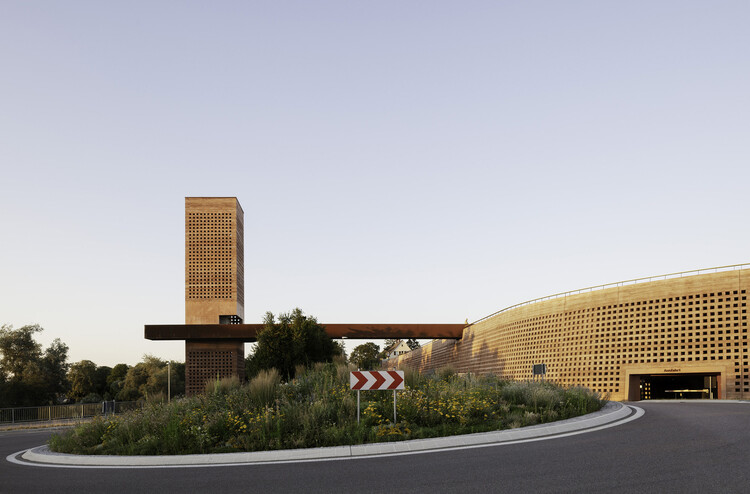
Areal am Kronenrain / MONO Architekten. Image Courtesy of Gregor Schmidt
Marginalized in architectural discourse and often dismissed as purely functional, parking garages remain among the most ubiquitous structures in the urban landscape. Designed to accommodate the needs of private vehicles, they occupy central locations, shape skylines, and consume considerable resources, yet rarely receive the same attention — or architectural care — as cultural institutions, schools, or housing. Despite their prevalence, these buildings tend to fade into the background of daily life, treated as infrastructural necessities rather than as design opportunities.
This is beginning to change. As urban mobility undergoes profound transformations — from the decline of car ownership to the rise of electric vehicles and shared transport systems — the role of parking infrastructure is being redefined. Architects and planners are reimagining garages as adaptable frameworks that integrate public space, ecological functions, and mixed-use programs. These new approaches challenge the perception of parking as a residual typology and instead position it as a civic structure with the potential to support more inclusive, flexible, and sustainable urban models.
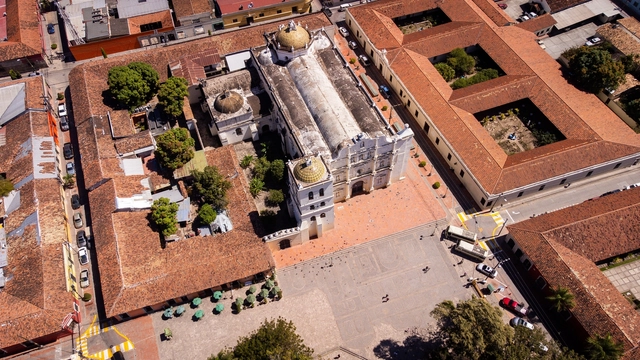
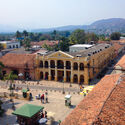
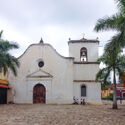
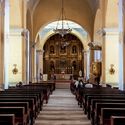
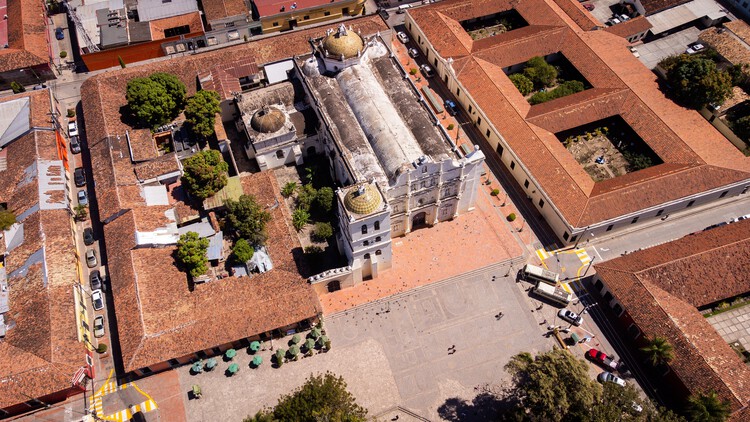
Comayagua is a city in central Honduras nestled in a valley with the same name. It holds a pivotal place in the nation's history, having served as its colonial and early republican capital for over 300 years. However, when the capital was relocated to Tegucigalpa in 1880, Comayagua's urban expansion halted, inadvertently preserving an ample and rich heritage. By the early 1990s, much of the city's architectural legacy was in a state of disrepair. Recognizing the urgent need to protect it, the governments of Honduras and Spain initiated a collaborative effort, with the objective of initiating a long-term restoration program to create a policy framework that would ensure the preservation of the city's historic center for years to come.
Jonathan Yeung's architectural journey began through his deep appreciation for the physical and bodily experience of moving through carefully crafted spaces. Having grown up and studied across diverse places—Hong Kong, Kyoto, Cambridge, and Berkeley—he developed a sensitivity to how architecture resonates culturally, often in ways that transcend straightforward explanation. For Jonathan, architecture evolved from an embodied experience to a powerful form of expression, encompassing design, construction, and writing. Editorial work has naturally become an extension of this exploration, offering him a platform to reflect on architectural ideas from multiple perspectives.
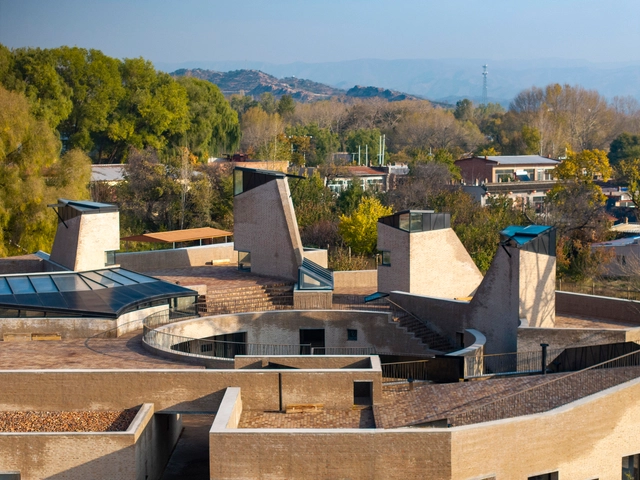
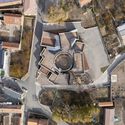
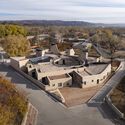
In recognizing this project, the award jury praised its ability to intervene in a sensitive yet rational manner, using design to foster inclusivity, resilience, sustainability, and overall well-being. The design achieves these goals by rejecting rigid functional zoning. Instead, a permeable circular courtyard integrates diverse community activities, organizing circulation and connecting multiple open rooms into a cohesive whole.
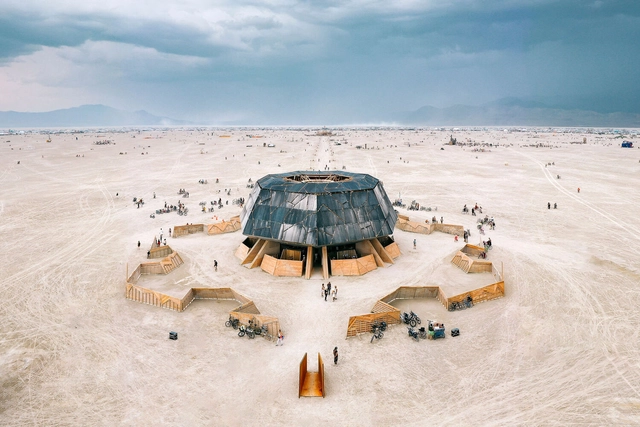
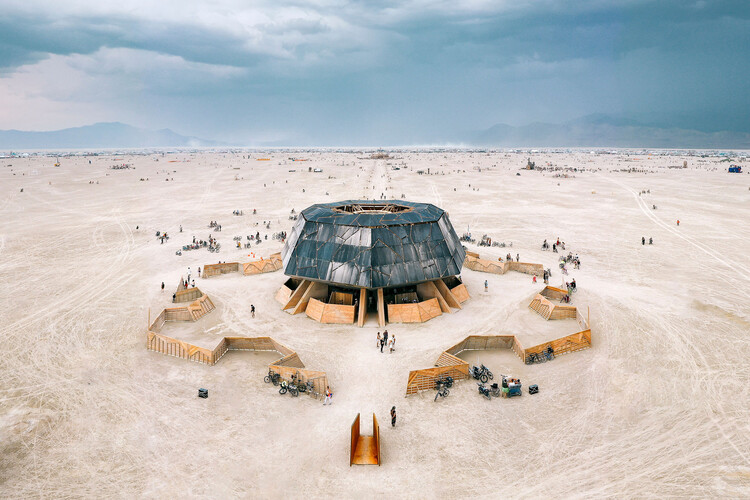
The 2025 edition introduced projects that examined themes of ecology, memory, and connectivity while responding to the challenges of building in the desert. Ranging from intimate interactive pieces to monumental landmarks, the installations encouraged reflection, participation, and community engagement before disappearing at the close of the event.
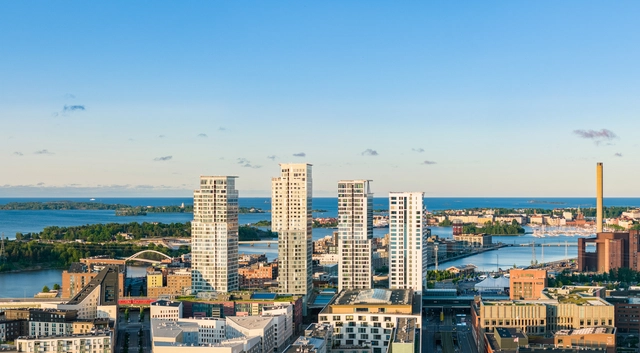
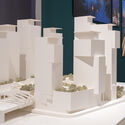
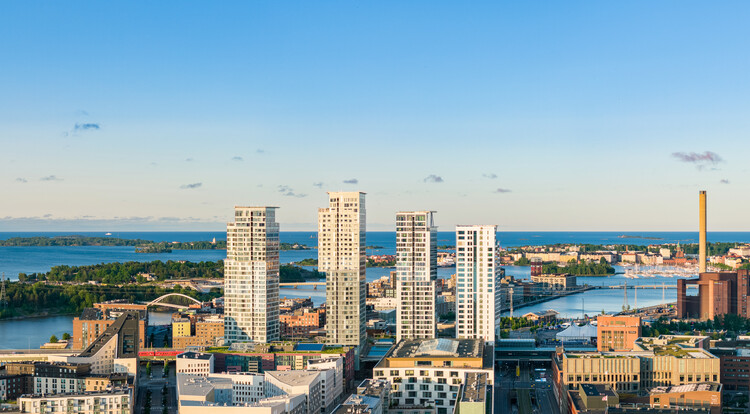
From September 6 to October 15, 2025, the Aedes Architecture Forum in Berlin will host an exhibition on the Finnish architectural firm Helin & Co. The show aims to examine the firm's role in shaping Helsinki over the past two decades. Titled Heart and Horizon, it reflects the practice's approach of combining the human scale ("Heart") with an engagement with urban space along the waterfront ("Horizon"). A central focus is placed on three projects that have been fundamental to Helsinki's transformation: the Kamppi Centre, a networked urban quarter with mobility hubs, cultural and residential areas; the Kalasatama Centre, a new district on the former harbour that combines urban density with views of the sea; and the Sello District Centre in Espoo, a multifunctional complex with a library, music school and concert hall.
In today's world, learning is no longer confined to classrooms or defined by formal education alone, it happens everywhere, in many forms. From music halls and sensory libraries to neurodiversity training centers and public schools reimagined, the spaces that support learning are becoming just as varied as the ways we learn. This selection of unbuilt educational projects submitted by the ArchDaily community reflects that shift, exploring how architecture can embrace difference, nurture curiosity, and create environments that support a broad spectrum of cognitive, emotional, and social needs.
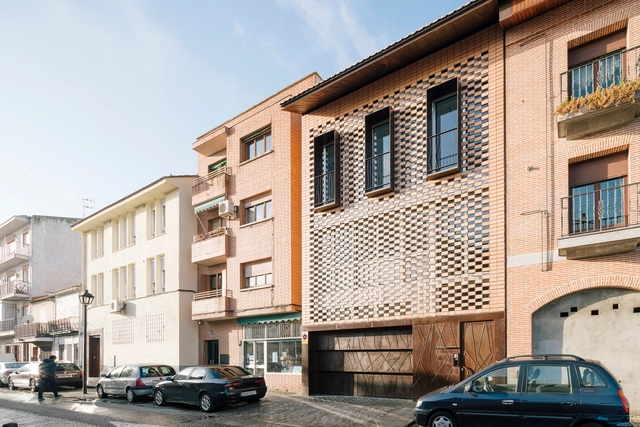
Spain combines cultural diversity and a long constructive tradition that is directly reflected in its architecture. The country is home to influential schools, a consistent body of theoretical production, an active generation of architects, and a well-established construction industry with strong capabilities in innovation, standardization, and export. Contemporary Spanish architecture is marked by a plurality of approaches and by the articulation between material tradition, technology, and performance.
In this context, materials play a central role in the conception, expression, and functionality of buildings. Steel, glass, brick, stone, and wood remain essential inputs in architectural practice, but their role goes far beyond raw matter. Once industrially processed, these materials unfold into a wide range of products and systems such as technical panels, ventilated façades, structural components, extruded cladding, and brise-soleil systems.
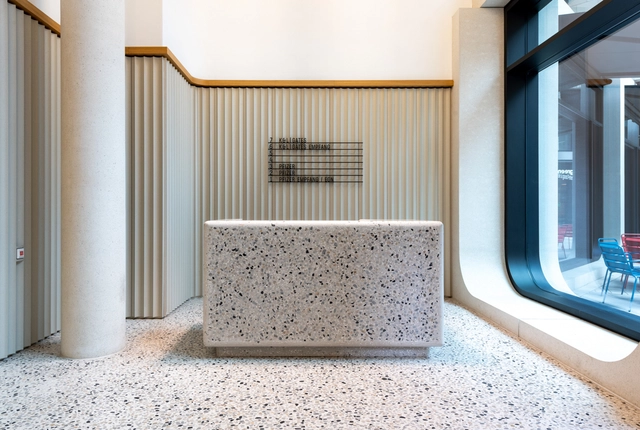
Stones hold time. Some are formed by the sudden solidification of magma, like basalt, whose dense structure and dark color result from rapid cooling at the surface. Others, such as granite, are born slowly in deep magmatic chambers, where gradual cooling allows the growth of visible crystals, creating unique patterns and colors. There are also sedimentary rocks, formed by the compaction of mineral and organic debris over millions of years, with tones that reflect their chemical composition and the environment in which they were deposited. Transforming this geological diversity into a single continuous surface, terrazzo is a cementitious or mineral composite in which fragments of marble, granite, quartz, basalt, and other lithologies are embedded in a binding matrix, then polished to reveal the structure and luster of each particle. Unlike a homogeneous surface, terrazzo acts as a mineralogical showcase, where each aggregate retains its identity while contributing to a coherent whole, which can become a floor, wall cladding, or even furnitures.
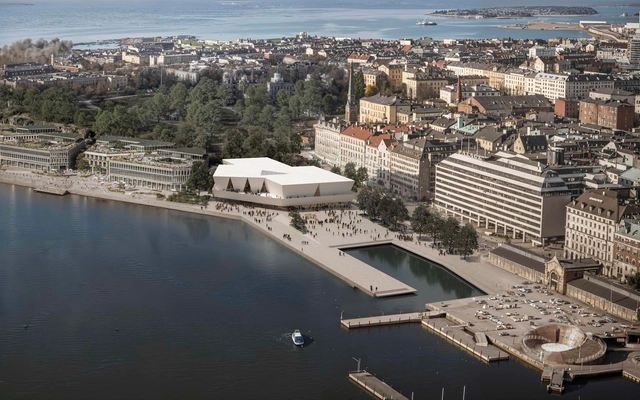
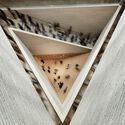
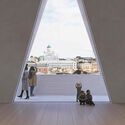
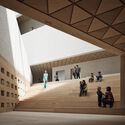
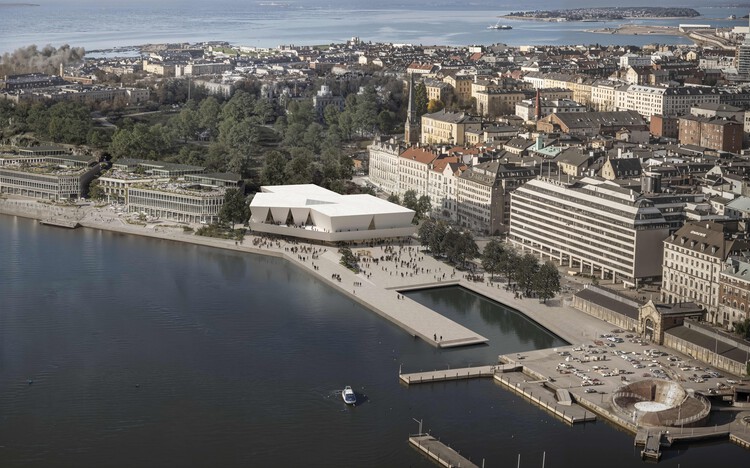
The international design competition to select the architect for Finland's new Museum of Architecture and Design in Helsinki has concluded with the announcement that JKMM Architects has been awarded first prize. The Helsinki-based practice's proposal, known during the competition as Kumma, was chosen from 624 entries submitted from around the world. The open and anonymous competition, launched in April 2024, sought conceptual designs for a new 10,050-square-meter cultural institution to be built on the city's South Harbor waterfront. Construction is scheduled to begin in 2027, with completion and public opening planned for 2030.
The European Cultural Centre Italy has organized the ECC Awards since 2010 to recognize artists, architects, designers, and academics in their respective fields. The Awards highlight projects featured in the Time Space Existence exhibition, which runs in parallel with the Venice Architecture Biennale and showcases tangible approaches to building more sustainably, aiming to position architecture as a force for environmental and social repair. The seventh edition of Time Space Existence is a group exhibition spanning three Venetian venues: Palazzo Bembo, Palazzo Mora, and the Marinaressa Gardens. This year, the exhibition focuses on the themes of Repair, Regenerate, and Reuse, emphasizing the essential role of architects and designers as agents of positive change in shaping sustainable, inclusive, and regenerative ways of living.
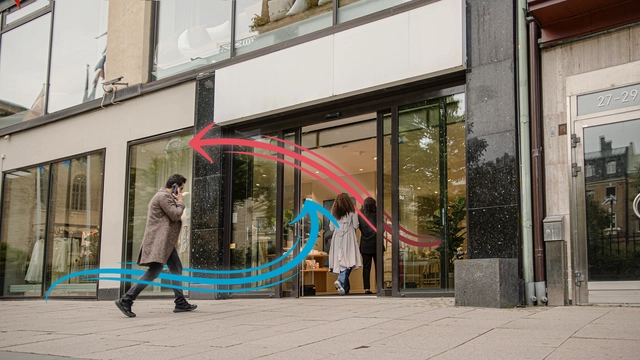
In Jacques Tati's Mon Oncle (1958), architecture itself becomes a character: sliding doors, an automatic fountain, gates that emit mechanical sounds, devices that both enchant and frustrate the inhabitants. The comedy arises precisely from the fact that these seemingly trivial systems silently shape everyday life. More than six decades later, the observation seems prophetic. In contemporary buildings, countless systems work autonomously and discreetly, going unnoticed when they function well. Among them, automatic doors, traditionally seen as secondary elements, are emerging as part of a new "invisible infrastructure": connected, efficient, and intelligent systems that support comfort, sustainability, and operational resilience.
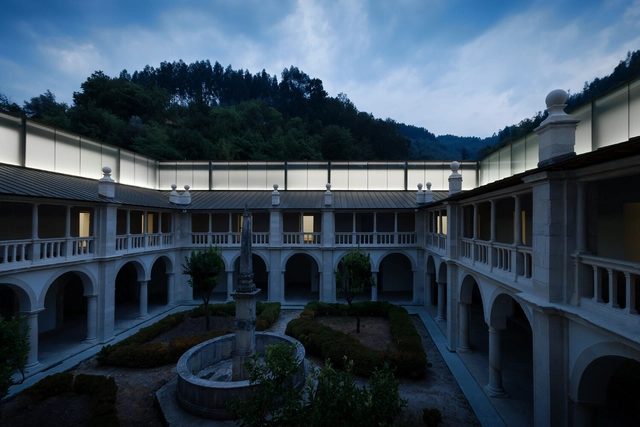
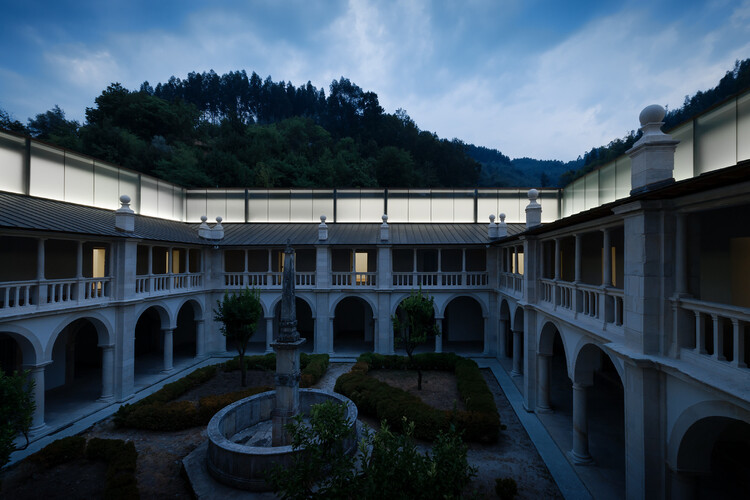
Monasticism emerged from a deep impulse to withdraw—a radical pursuit of spirituality and transcendence. The word itself comes from the Greek μόνος (mónos), meaning “alone,” reflecting the ideal of the holy hermit who retreats from the world to dedicate life entirely to the divine. By the late 3rd century, in Egypt and Palestine, the first Christian monks began to follow this path, creating ways of life that would later give rise to a distinct architecture centered on seclusion.
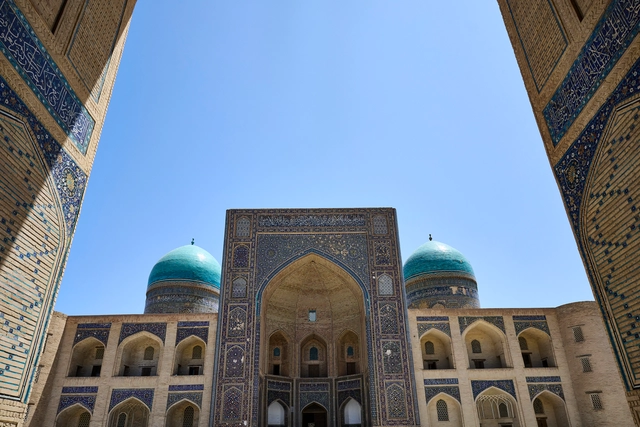
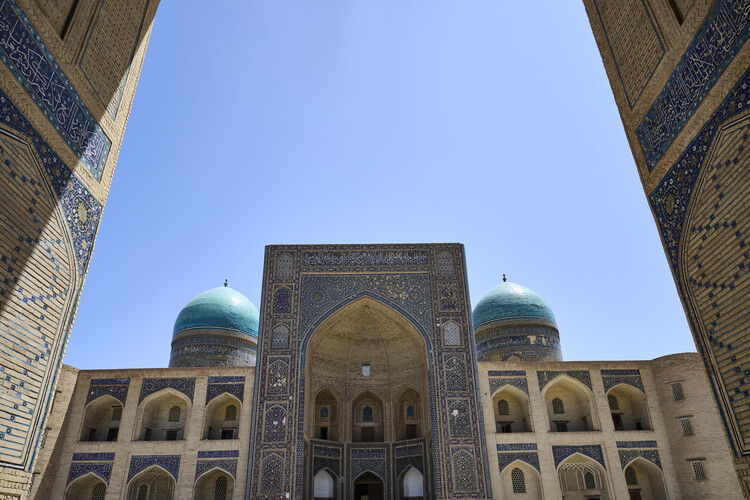
The Mir-i-Arab Madrasa. Image Courtesy of Uzbekistan Art and Culture Development Foundation
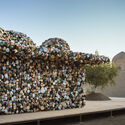
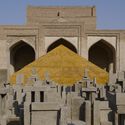
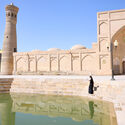
The inaugural edition of the Bukhara Biennial opened on September 5, 2025, bringing over 70 site-specific commissions by more than 200 participants from 39 countries to the historic core of the Uzbek city. Commissioned by the UzbekistanArt and Culture Development Foundation (ACDF) and Commissioner Gayane Umerova, the Biennial is described as the largest and most diverse cultural event in Central Asia to date. Curated by Diana Campbell under the theme Recipes for Broken Hearts, the ten-week event is staged across a constellation of newly restored sites, including madrassas, caravanserais, and mosques, all part of Bukhara's UNESCOWorld Heritage listing. Beyond an exhibition platform, the biennial is framed as part of a broader master plan, positioning culture as a catalyst for urban transformation and heritage renewal.
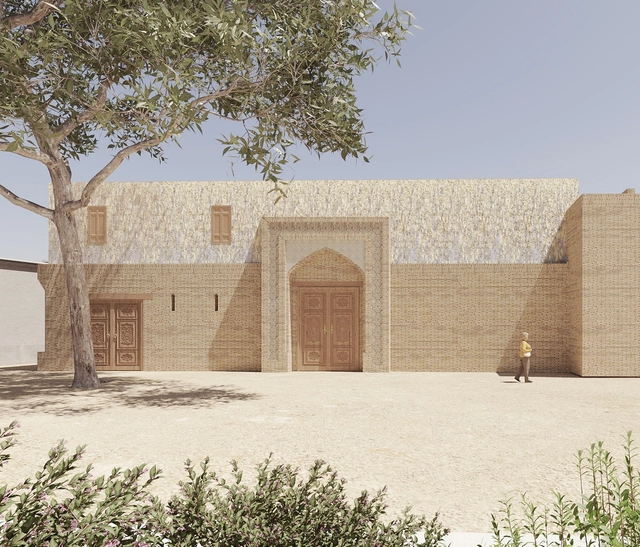
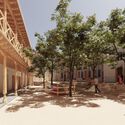
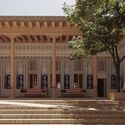
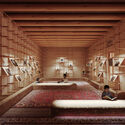
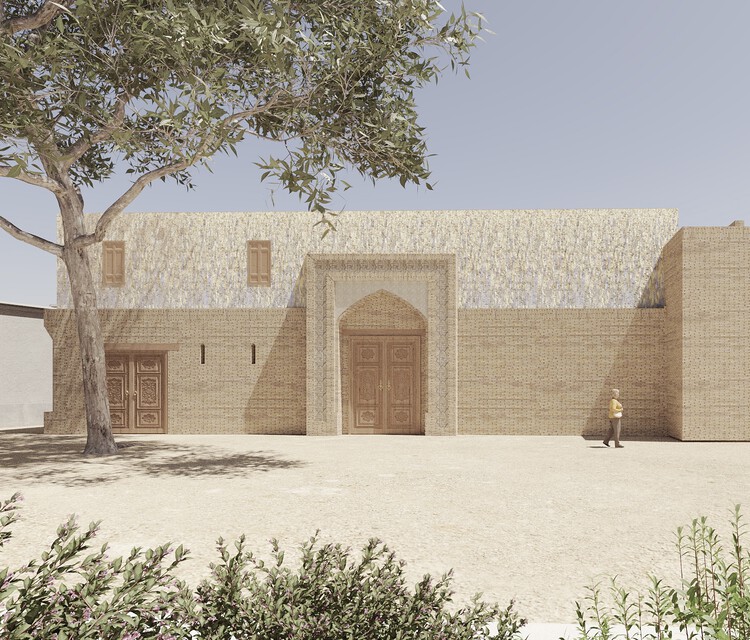
Lina Ghotmeh — Architecture has recently unveiled images of a project to transform a historic residence in Bukhara, Uzbekistan, into a "21st-century cultural destination." The proposal envisions a museum dedicated to the ideas and influence of Jadidism, a Muslim reform movement that advocated for the modernization of education across Central Asia during the late 19th and early 20th centuries.
The project was commissioned by the Uzbekistan Art and Culture Development Foundation (ACDF), established in 2017 to preserve, promote, and nurture the country's heritage, arts, and culture, while integrating them into the global art world and cultural landscape. Scheduled to open to the public in 2027, the museum is part of the ACDF's broader efforts to create landmark cultural institutions that engage audiences worldwide.
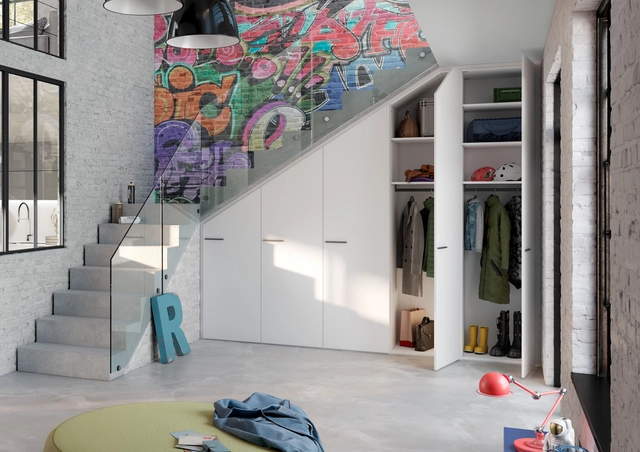
The capsule wardrobe concept, popularized in the 1970s by Susie Faux, proposes an exercise in synthesis: a compact set of versatile pieces, capable of combining in countless ways to suit different occasions. In visual culture, there are a few metaphors for this: in cartoons like Doug Funnie or Dexter's Laboratory, opening the closet revealed rows of identical clothes, ready to simplify life (and, in the case of animators, the work). In the real world, figures like Steve Jobs turned this logic into a method, adopting a daily uniform to eliminate the small but recurring decision of "what to wear?", freeing up time and energy for more important matters.
For others, however, this would be far from a burden. Choosing what to wear is a pleasurable moment, capable of setting the tone for the day and influencing one's mood. In this sense, the wardrobe is also an extension of identity, a space where practical and symbolic choices meet. Unsurprisingly, expressions like "coming out of the closet" or "skeleton in the closet" are deeply rooted in language, revealing the cultural dimension of this element of the home. In contemporary interior design, this notion has gained new layers: the wardrobe can define the character of a space, guide circulation, influence perception, and even shape the atmosphere of an environment.