1. ArchDaily
  2. Latin America

Latin America: The Latest Architecture and News

Subscriber Access

Architecture and Spirituality: 12 Churches and Chapels in Latin America

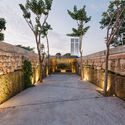
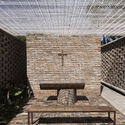
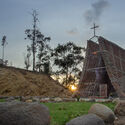
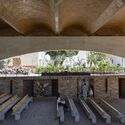
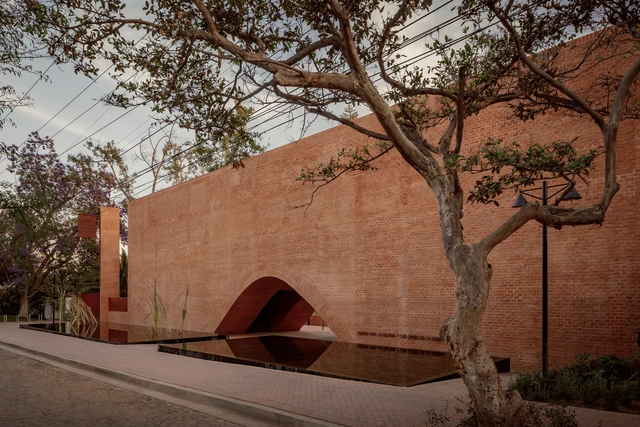
Latin America is home to the largest Catholic population in the world—more than 25% of all Catholics globally live on this continent. Here, faith has shaped not only spiritual life but also cities' cultural, social, and urban fabric. Since the first temples, built during European colonization, the architecture of Catholic churches in the region has undergone profound transformations. The once-imposing features of colonial Baroque and richly ornamented façades have gradually given way to bolder, more contemporary expressions that reflect local realities, a search for identity, and a spirit of architectural experimentation.
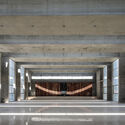
Architecture and Spirituality: 12 Churches and Chapels in Latin America - 1 的图像 4Architecture and Spirituality: 12 Churches and Chapels in Latin America - 2 的图像 4Architecture and Spirituality: 12 Churches and Chapels in Latin America - 3 的图像 4Architecture and Spirituality: 12 Churches and Chapels in Latin America - 4 的图像 4Architecture and Spirituality: 12 Churches and Chapels in Latin America - More Images+ 11

Subscriber Access

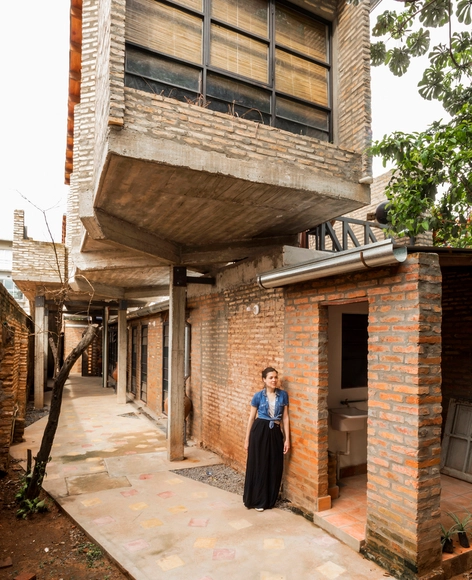
Unpolished Narratives: Exposed Materials in Latin American Affordable Housing

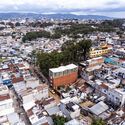
What makes a building architecture? The eternal debate over what distinguishes architecture from mere utilitarian construction has often included affordable and social housing as an influential topic, sparking different points of view. This question is particularly significant in the Latin American context, where unique conditions go beyond cost concerns, whether imposed or unavoidable. Limited access to financing, the prevalence of self-construction, and the spread of informal settlements are interconnected factors shaping the built environment. These dynamics foster an aesthetic that, for some, challenges notions of good architecture, manifesting in urban landscapes where exposed materials become a defining feature.

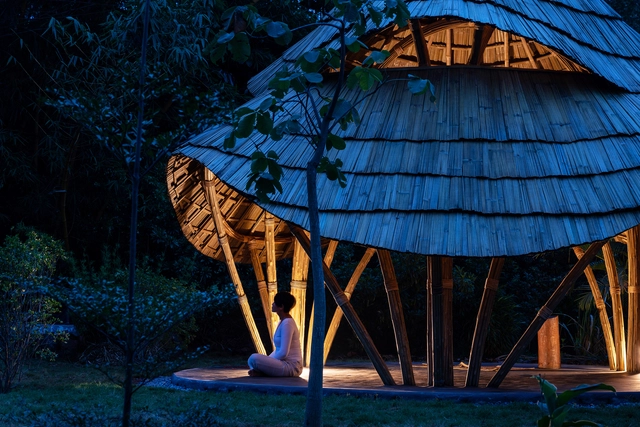
Architectures of Care: Healing Spaces Across Cultures

Around the world, different cultures have developed unique ways of understanding and experiencing healing. Far from being merely a physical process, healing encompasses emotional, spiritual, social, and architectural dimensions. Healing spaces—whether physical, symbolic, or natural—reflect each culture's values, beliefs, and ways of life. Exploring these cultural approaches not only broadens our perspective on health but also encourages us to reconsider how we design environments that nurture care and well-being.

Architectures of Care: Healing Spaces Across Cultures - Imagem 1 de 4Architectures of Care: Healing Spaces Across Cultures - Imagem 2 de 4Architectures of Care: Healing Spaces Across Cultures - Imagem 3 de 4Architectures of Care: Healing Spaces Across Cultures - Imagem 4 de 4Architectures of Care: Healing Spaces Across Cultures - More Images+ 12

Subscriber Access

Architecture for Contemplating the Landscape: 4 Scenic Viewpoints in Latin America

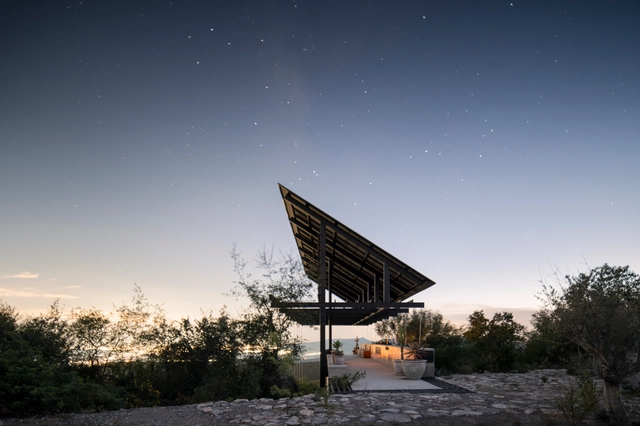
When designing spaces for viewing, architecture enters into a dialogue with the territory in an effort to understand the landscape and the enjoyment of reality, whether natural or built. Through an invitation to contemplate our surroundings, several architecture professionals in Latin America embark on the challenge of constructing structures that interact with nature, reinterpret certain building typologies, or become part of the learning and teaching of architecture for future generations. The wide variety of landscapes and cultures present in the Latin American context reflects the endless opportunities where architecture holds the potential to foster dialogue between the observer and the observed while drawing from the region’s deep connection with local flora, fauna, and other species.

Architecture for Contemplating the Landscape: 4 Scenic Viewpoints in Latin America - Imagen 1 de 4Architecture for Contemplating the Landscape: 4 Scenic Viewpoints in Latin America - Imagen 2 de 4Architecture for Contemplating the Landscape: 4 Scenic Viewpoints in Latin America - Imagen 3 de 4Architecture for Contemplating the Landscape: 4 Scenic Viewpoints in Latin America - Imagen 4 de 4Architecture for Contemplating the Landscape: 4 Scenic Viewpoints in Latin America - More Images+ 6

Subscriber Access

Living and Creating: 12 Homes with Art Studios in Latin America

The spaces where artists create their work reveal a great deal about their creative journey—their techniques, themes, and inspirations. These places hold memories, intimacy, and emotional connections. For some artists, the studio is a secluded space, free from distractions. For others, it is a place for openness and freedom. Often, the studio becomes the home—or the home becomes the studio—blending function, desire, and necessity. Positioned at the crossroads of living and creating, leisure and work, these spaces fascinate art lovers. Many are later recreated in galleries or transformed into museums. Regardless of the artist’s fame, these spaces offer a unique look into the creative process, the artwork, and the artist's identity.

Living and Creating: 12 Homes with Art Studios in Latin America - Imagem 1 de 4Living and Creating: 12 Homes with Art Studios in Latin America - Imagem 2 de 4Living and Creating: 12 Homes with Art Studios in Latin America - Imagem 3 de 4Living and Creating: 12 Homes with Art Studios in Latin America - Imagem 4 de 4Living and Creating: 12 Homes with Art Studios in Latin America - More Images+ 12

Open-Air Chapels: Integrating Nature and Landscape into Religious Architecture in Latin America

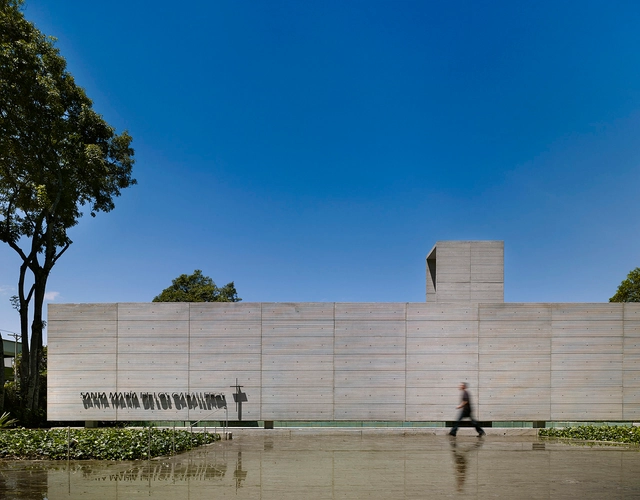
At a global level, contemporary architecture continues to explore tools and design methodologies to integrate nature into habitable spaces, given its proven benefits and contributions to improving people's quality of life. While there are diverse religious beliefs around the world, religious architecture generally expands beyond its uses and functions to connect with the sacred. Senses, memories, and emotions are transmitted in these spaces through the use of certain materials, spatial organizations, and even sounds and aromas that enhance experiences in atmospheres of spirituality, divinity, and reflection. In Mexico, Chile, Ecuador, Brazil, and Uruguay, projects for places of worship open to the outdoors reflect an architecture that adapts to different natural environments while maintaining the premise that each religion is tied to a social identity and requires a particular connection with its community and surrounding landscape.

Open-Air Chapels: Integrating Nature and Landscape into Religious Architecture in Latin America - Image 1 of 4Open-Air Chapels: Integrating Nature and Landscape into Religious Architecture in Latin America - Image 2 of 4Open-Air Chapels: Integrating Nature and Landscape into Religious Architecture in Latin America - Image 3 of 4Open-Air Chapels: Integrating Nature and Landscape into Religious Architecture in Latin America - Image 4 of 4Open-Air Chapels: Integrating Nature and Landscape into Religious Architecture in Latin America - More Images+ 20

Subscriber Access

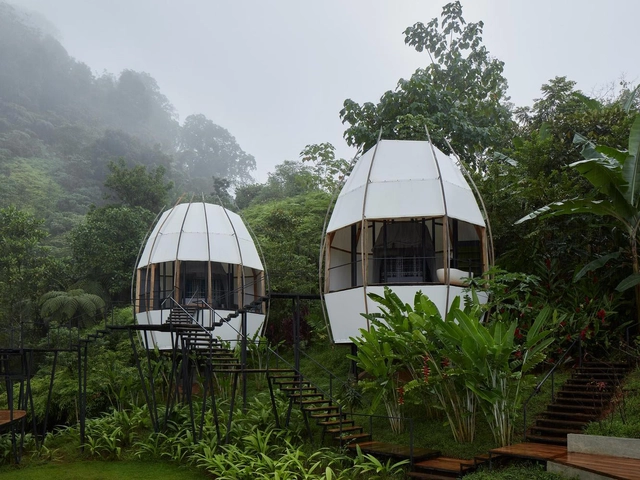
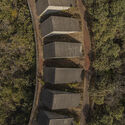
Refuges in the Latin American Jungle: 7 Lodges to Connect With Nature

Many people living in large urban centers have, at some point, wished to trade the chaos of city life for the calm and tranquility of nature. As the desire for such experiences grows, Latin American countries' tourism and hospitality sectors have been investing in resorts nestled within forests. Inspired by eco-tourism, these retreats are designed to blend seamlessly into their surroundings, using local materials and traditional techniques that respect the ecosystem and promote sustainability.

Refuges in the Latin American Jungle: 7 Lodges to Connect With Nature - 1 的图像 4Refuges in the Latin American Jungle: 7 Lodges to Connect With Nature - 2 的图像 4Refuges in the Latin American Jungle: 7 Lodges to Connect With Nature - 3 的图像 4Refuges in the Latin American Jungle: 7 Lodges to Connect With Nature - 4 的图像 4Refuges in the Latin American Jungle: 7 Lodges to Connect With Nature - More Images+ 6

Subscriber Access

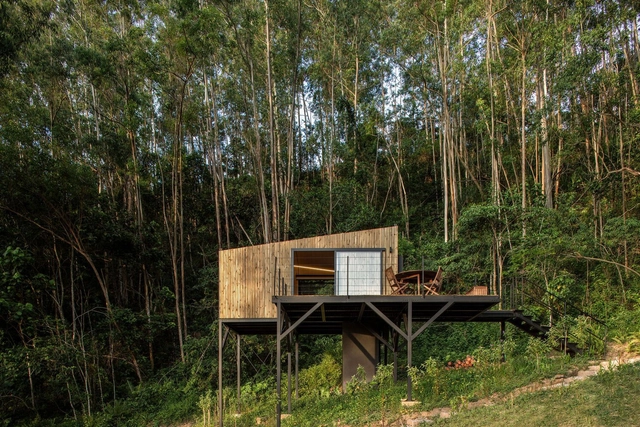
Cabins in Latin America: 12 Floor Plan Projects Under 50 m2

The Latin American territory encompasses a vast diversity of climates, atmospheres, and temperatures across its entire expanse. Amid forested landscapes, jungles, or coastal settings, many architects choose to design cabins immersed in natural surroundings, seeking to foster a deeper connection with nature by distancing themselves from the city. While experimenting with different materials and local techniques enhances a stronger bond with the site's traditions and creates a distinct architectural identity for each region, the integration of technological innovations and new construction materials can offer greater resilience to climate change, improve short- and long-term maintenance, optimize construction timelines, and address other key considerations.

Cabins in Latin America: 12 Floor Plan Projects Under 50 m2 - Image 1 of 4Cabins in Latin America: 12 Floor Plan Projects Under 50 m2 - Image 2 of 4Cabins in Latin America: 12 Floor Plan Projects Under 50 m2 - Image 3 of 4Cabins in Latin America: 12 Floor Plan Projects Under 50 m2 - Image 4 of 4Cabins in Latin America: 12 Floor Plan Projects Under 50 m2 - More Images+ 20

Subscriber Access

Small Bars and Restaurants: 14 Projects Less than 50 m2 in Latin America

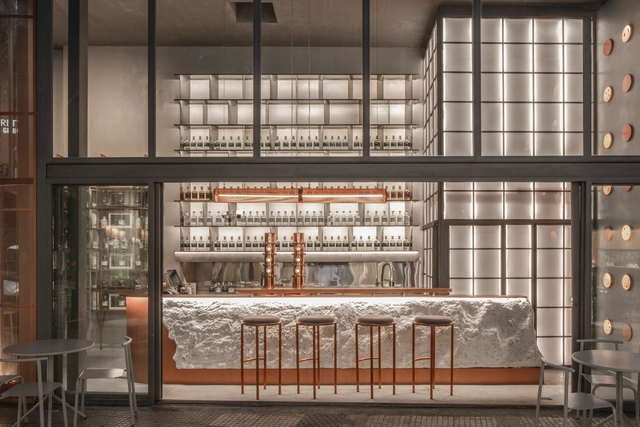
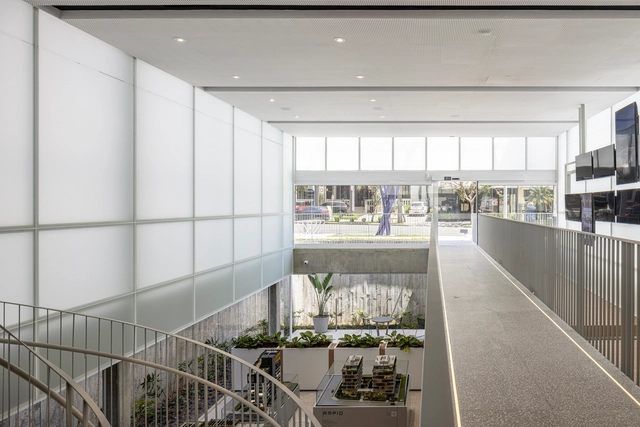
When designing spaces with reduced dimensions, adopting an efficient configuration and distribution is crucial for the user experience and the smooth development of activities and tasks to be carried out. In the case of bars and restaurants, numerous architecture and interior design professionals strive daily to meet the needs of clients, employees, and employers, considering everything from necessary installations and technologies to services, atmospheres, and furniture suitable for the type of gastronomy to be consumed.

Small Bars and Restaurants: 14 Projects Less than 50 m2 in Latin America - Image 1 of 4Small Bars and Restaurants: 14 Projects Less than 50 m2 in Latin America - Image 2 of 4Small Bars and Restaurants: 14 Projects Less than 50 m2 in Latin America - Image 3 of 4Small Bars and Restaurants: 14 Projects Less than 50 m2 in Latin America - Image 4 of 4Small Bars and Restaurants: 14 Projects Less than 50 m2 in Latin America - More Images+ 24

The Standardized Planning of Latin American Cities: Tracing the Blueprint of the Laws of the Indies

Audio available

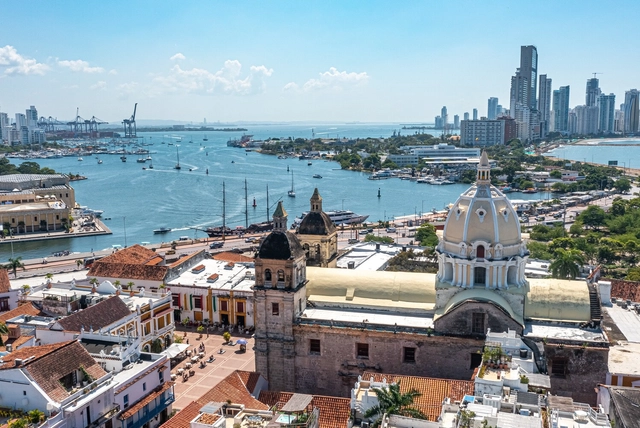
A look at most of the cities within Latin America reveals striking commonalities across countries, from Mexico down to Argentina: most cities have a well-defined area known as "El Centro" (The Center), anchored by a main plaza (Plaza Mayor), flanked by a church on one side and key buildings like the city hall on another. This is no coincidence, as it can be traced back to an urban planning system established during the Spanish colonization of the Americas in the 17th and 18th centuries. It gave standardized guidelines for city design across its viceroyalties. Unlike French and English colonies, Spanish settlements adhered to regulations that contributed to the emergence of a shared urban identity, with cities displaying similar spatial logic and architectural cohesion despite differing scales and contexts.

The Standardized Planning of Latin American Cities: Tracing the Blueprint of the Laws of the Indies - Image 1 of 4The Standardized Planning of Latin American Cities: Tracing the Blueprint of the Laws of the Indies - Image 2 of 4The Standardized Planning of Latin American Cities: Tracing the Blueprint of the Laws of the Indies - Image 3 of 4The Standardized Planning of Latin American Cities: Tracing the Blueprint of the Laws of the Indies - Image 4 of 4The Standardized Planning of Latin American Cities: Tracing the Blueprint of the Laws of the Indies - More Images+ 9

Subscriber Access

Socialization and Resilience: 10 Community Centers in the Outskirts of Latin American Cities

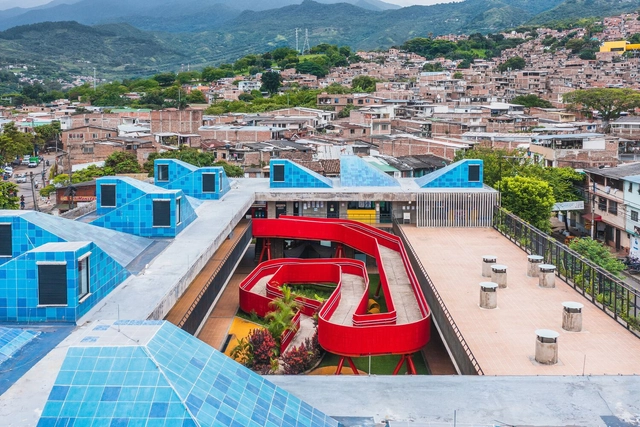
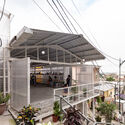
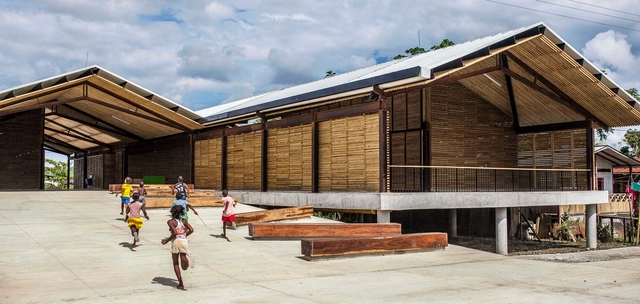
From November 20 to 23, São Paulo hosted the IV International Seminar on Favela Urbanization, bringing together discussions that bridged theory and practice to address interventions in these territories. Centered on Brazil’s realities, the seminar shed light on the political challenges and the struggle to recognize the potential of peripheral spaces. It also highlighted a shared issue across Latin America: the need for adequate funding to support transformative actions and the legitimization of these territories. Within this framework, the article underscores the critical role of high-quality public facilities in favelas and peripheral neighborhoods. These spaces not only provide access to opportunities but also foster community bonds, serving as essential hubs for social organization and collective efforts toward building a more inclusive future.

Socialization and Resilience: 10 Community Centers in the Outskirts of Latin American Cities - Imagen 1 de 4Socialization and Resilience: 10 Community Centers in the Outskirts of Latin American Cities - Imagen 2 de 4Socialization and Resilience: 10 Community Centers in the Outskirts of Latin American Cities - Imagen 3 de 4Socialization and Resilience: 10 Community Centers in the Outskirts of Latin American Cities - Imagen 4 de 4Socialization and Resilience: 10 Community Centers in the Outskirts of Latin American Cities - More Images+ 10

How Latin American Female Architects Are Tackling Their Countries' Challenges: 4 Inspiring Interviews Highlighting Creativity and Resilience

Architecture and urban planning in Latin America face deeply rooted social, environmental, and economic challenges shaped by historical inequalities, rapid population growth, and unplanned urbanization. Addressing these issues requires innovative solutions that balance housing needs, ecological preservation, and respect for local identities. Amid this complex landscape, several visionary female architects are making a difference with creative and impactful approaches.
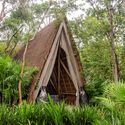
How Latin American Female Architects Are Tackling Their Countries' Challenges: 4 Inspiring Interviews Highlighting Creativity and Resilience - Image 1 of 4How Latin American Female Architects Are Tackling Their Countries' Challenges: 4 Inspiring Interviews Highlighting Creativity and Resilience - Image 2 of 4How Latin American Female Architects Are Tackling Their Countries' Challenges: 4 Inspiring Interviews Highlighting Creativity and Resilience - Image 3 of 4How Latin American Female Architects Are Tackling Their Countries' Challenges: 4 Inspiring Interviews Highlighting Creativity and Resilience - Image 4 of 4How Latin American Female Architects Are Tackling Their Countries' Challenges: 4 Inspiring Interviews Highlighting Creativity and Resilience - More Images

Subscriber Access

The XIII Ibero-American Biennial of Architecture and Urbanism: Discover the 10 Awarded Projects

From December 2 to 6, the XIII Ibero-American Biennial of Architecture and Urbanism (BIAU) will be held in Lima, Peru, under the theme CLIMATE: Actions for Good Living. Since 1998, the BIAU, promoted by the government of Spain through the Ministry of Housing and Urban Agenda (MIVAU), in collaboration with the Higher Council of the Colleges of Architects of Spain and with the support of the ARQUIA Foundation, aims to disseminate good practices in architecture and urbanism in Ibero-America, fostering a space for discussion around contemporary challenges shared between Spain and Latin America. Weaving bridges of knowledge between both continents, the BIAU opens its doors once again, now in Lima.

The XIII Ibero-American Biennial of Architecture and Urbanism: Discover the 10 Awarded Projects - Image 1 of 4The XIII Ibero-American Biennial of Architecture and Urbanism: Discover the 10 Awarded Projects - Image 2 of 4The XIII Ibero-American Biennial of Architecture and Urbanism: Discover the 10 Awarded Projects - Image 3 of 4The XIII Ibero-American Biennial of Architecture and Urbanism: Discover the 10 Awarded Projects - Image 4 of 4The XIII Ibero-American Biennial of Architecture and Urbanism: Discover the 10 Awarded Projects - More Images+ 8

Subscriber Access

UNAM Sculpture Space: Integrating Art and Culture into Mexico's Natural Landscape

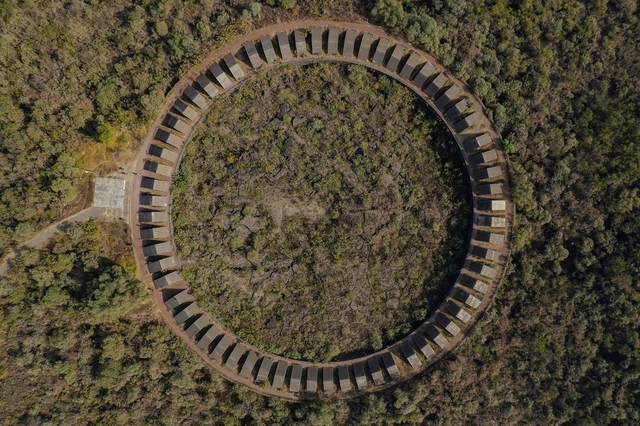
Integrating contemporary art with the landscape in a dialogue between human creation and the natural environment, the Sculpture Space of the National Autonomous University of Mexico (UNAM) represents one of the most important public artworks in Latin America. Both the Sculpture Space and the Pedregal de San Ángel Ecological Reserve at UNAM in Mexico City have recently been awarded the Carlo Scarpa International Prize for Gardens 2023-2024, granted by the Benetton Foundation for Studies and Research based in Treviso, Italy. They were recognized for their high natural, historical, and cultural value as works of preservation and collective art that emerged from a lava surface where new neighborhoods and UNAM’s University City were developed.

UNAM Sculpture Space: Integrating Art and Culture into Mexico's Natural Landscape - Image 1 of 4UNAM Sculpture Space: Integrating Art and Culture into Mexico's Natural Landscape - Image 2 of 4UNAM Sculpture Space: Integrating Art and Culture into Mexico's Natural Landscape - Image 3 of 4UNAM Sculpture Space: Integrating Art and Culture into Mexico's Natural Landscape - Image 4 of 4UNAM Sculpture Space: Integrating Art and Culture into Mexico's Natural Landscape - More Images+ 19

Subscriber Access

Art Galleries that Draw You In: 5 Artistic Spaces in Brazil Connecting Indoors and Outdoors

Art and architecture go through a series of interpretive processes before their creation that involve recognizing a capacity for wonder, experimentation, communication, and imagination. Sharing sensitivities and creative quests, they can transform the experience of the world by responding to a collective set of ideas that, at times, design, paint, and write about themes related to the connection with nature, the role of society in the built environment, the sensations conveyed by spaces, and more.
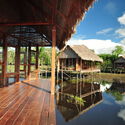
Art Galleries that Draw You In: 5 Artistic Spaces in Brazil Connecting Indoors and Outdoors - Image 1 of 4Art Galleries that Draw You In: 5 Artistic Spaces in Brazil Connecting Indoors and Outdoors - Image 2 of 4Art Galleries that Draw You In: 5 Artistic Spaces in Brazil Connecting Indoors and Outdoors - Image 3 of 4Art Galleries that Draw You In: 5 Artistic Spaces in Brazil Connecting Indoors and Outdoors - Image 4 of 4Art Galleries that Draw You In: 5 Artistic Spaces in Brazil Connecting Indoors and Outdoors - More Images+ 7

Winning Projects of the 2024 Rogelio Salmona Latin American Architecture Award Announced

On October 24, 2024, the Rogelio Salmona Latin American Architecture Prize award ceremony took place, honoring works that have significantly created meaningful, open, and collective spaces for the public in the region. During the event, held at the Virgilio Barco Public Library auditorium in Bogotá, Colombia, the winners of this prestigious award were announced. This year marked the fourth cycle, titled "Open Spaces/Collective Spaces," with participation from 47 projects.

The jury, composed of international figures such as Sol Camacho (Brazil-Mexico), Nicolás Campodonico (Argentina), Carlos Campuzano (Colombia), and Mauricio Rocha (Mexico), first shortlisted 26 selected works, from which two were awarded the first prize in the Latin America and Colombia categories.

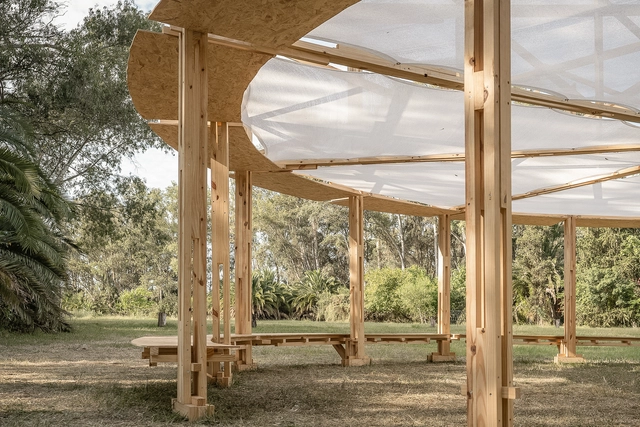
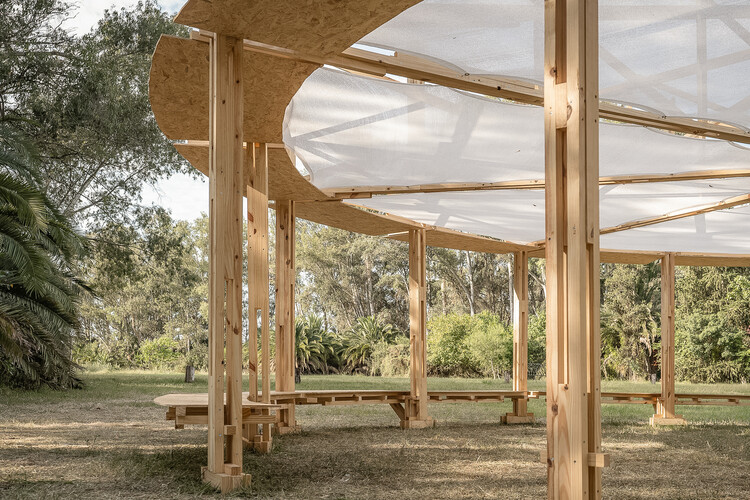
How to Use Wood in Outdoor Installations: Case Studies in Natural Environments of Latin America

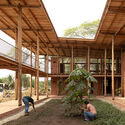
Spanning over 20 million square kilometers and featuring nearly all the climates of the world, the Latin American region is home to endemic biological wealth and geographical diversity that ranges from some of the most significant rivers in the world to the mountain range of the Andes, the Amazon rainforests, the plains of Patagonia, the coasts of the Caribbean Sea, and more. In light of a collective effort involving local communities and new generations, the construction of installations and structures in these natural environments is aimed not only at meeting functional needs but also at educational, research, and environmental conservation purposes.

How to Use Wood in Outdoor Installations: Case Studies in Natural Environments of Latin America - Image 1 of 4How to Use Wood in Outdoor Installations: Case Studies in Natural Environments of Latin America - Image 2 of 4How to Use Wood in Outdoor Installations: Case Studies in Natural Environments of Latin America - Image 3 of 4How to Use Wood in Outdoor Installations: Case Studies in Natural Environments of Latin America - Image 4 of 4How to Use Wood in Outdoor Installations: Case Studies in Natural Environments of Latin America - More Images+ 26

Subscriber Access

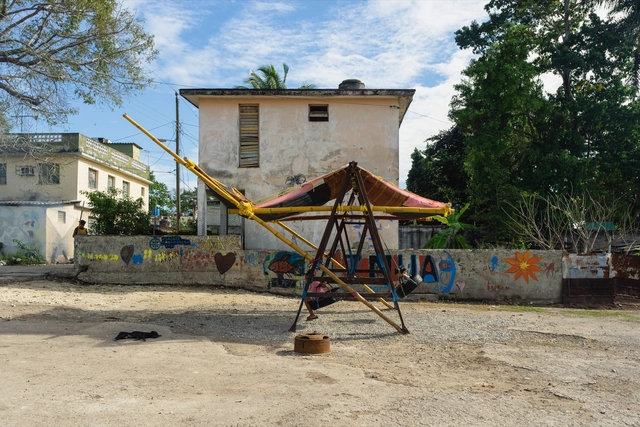
Grupo Finca in Cuba: "We Found in the Informality of Our City a Legal Void Where We Can Operate"

Resisting an adverse context and navigating its restrictions, Grupo Finca emerges, a collective that explores the practice of architecture from an artistic and pedagogical dimension in Havana, Cuba. Given the complexity of the country's political and social situation, informal architecture is common: low resources, difficulty in obtaining materials, high costs, and a lack of skilled labor, among other challenges, are some of the obstacles faced by independent architecture professionals. Coupled with the absence of a regulatory legal framework that would allow them to work formally in the labor market or acquire materials and supplies, the construction of contemporary architecture in Cuba is relegated to independent processes that can somehow overcome these barriers.

Grupo Finca in Cuba: "We Found in the Informality of Our City a Legal Void Where We Can Operate" - Imagen 1 de 4Grupo Finca in Cuba: "We Found in the Informality of Our City a Legal Void Where We Can Operate" - Imagen 2 de 4Grupo Finca in Cuba: "We Found in the Informality of Our City a Legal Void Where We Can Operate" - Imagen 3 de 4Grupo Finca in Cuba: "We Found in the Informality of Our City a Legal Void Where We Can Operate" - Imagen 4 de 4Grupo Finca in Cuba: We Found in the Informality of Our City a Legal Void Where We Can Operate - More Images+ 12