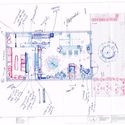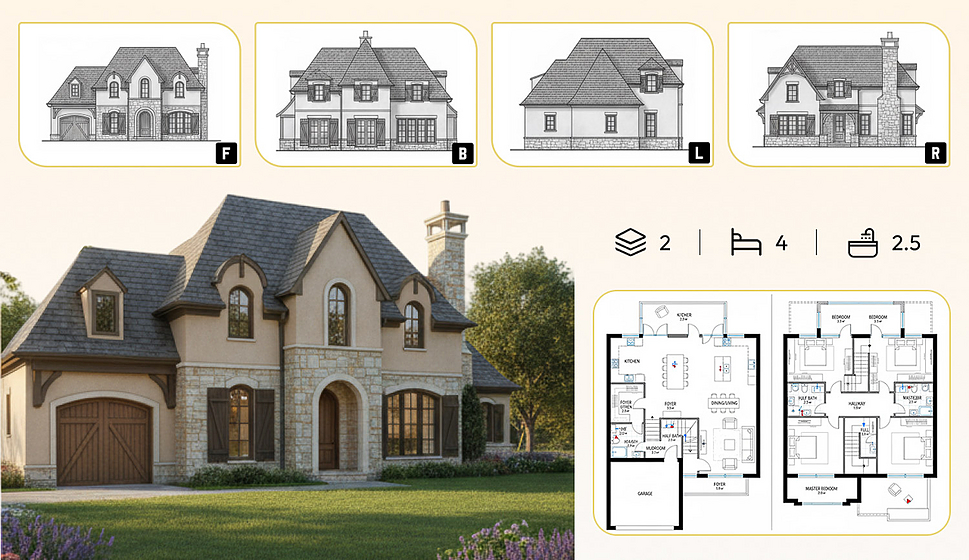
This guide covers a workflow that moves from project parameters to generated floor plans, 3D perspective views, exterior design exploration, and site context visualization, using AI tools in place of preliminary CAD and rendering work.
This guide covers a workflow that moves from project parameters to generated floor plans, 3D perspective views, exterior design exploration, and site context visualization, using AI tools in place of preliminary CAD and rendering work.

Sesc São Carlos, in upstate São Paulo, has launched a short video series on how permaculture works in practice. Produced by Associação Veracidade, the entire series will be available online for free.
Over six episodes, various social technologies will be presented, such as composting toilets, composting, solar ovens, and rainwater harvesting, among others. Viewers can explore the various ecological possibilities that can be integrated into a sustainable home—even in urban spaces.
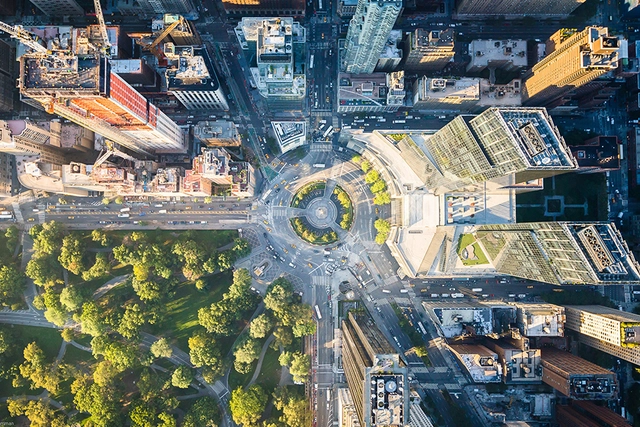
Paul Romer, a Nobel laureate in economics, believes that a key factor in the success of urban agglomerations is a clear definition of public and private space before the construction of a neighborhood or city begins.
The author illustrates the success of this strategy with a classic case: the New York street grid. Long before Manhattan Island was physically developed with streets or buildings, the Commissioners' Plan was established in 1807, outlining the gridiron of public and private spaces that would define the city's future.
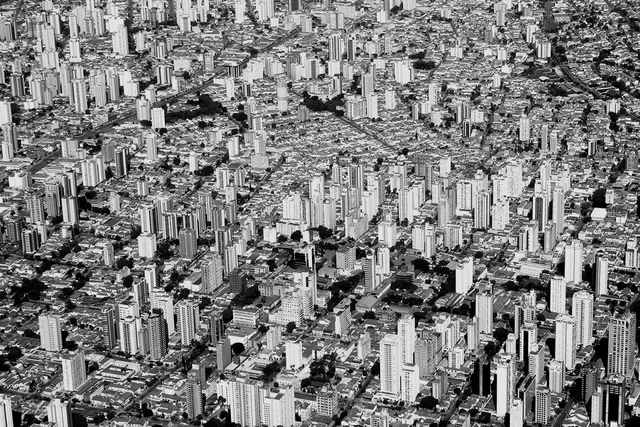
On October 29, the 2020 Inequality Map was launched virtually. Produced by Rede Nossa São Paulo and the Cidades Sustentáveis program, the study maps indicators such as mobility, human rights, education, and health across the city's 96 districts.
Although the mapping was conducted using pre-pandemic data, the goal is for the information to guide the development of public policies to mitigate inequality indicators, which have been exacerbated by the COVID-19 pandemic.
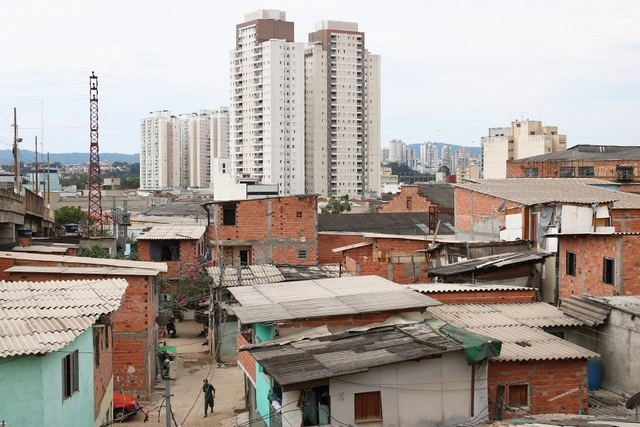
In the book “Quarto de Despejo – Diário de Uma Favelada” (published in English as Child of the Dark), Carolina Maria de Jesus recounts, in poetic and dramatic everyday language, the harsh reality of life as a waste picker living in the former Canindé favela in São Paulo, which at the time had about 50,000 residents.
Published in 1960, her text is considered a milestone in Black women's writing in Brazil and has been translated into more than thirteen languages. Carolina's entries offer a unique perspective on the extremely precarious living conditions of a favela resident in late-1950s Brazil—a narrative previously ignored or simply unknown to the general public, let alone to policymakers.


Solar energy is officially the cheapest way to generate electricity today, according to the International Energy Agency (IEA) in its newly released annual World Energy Outlook 2020 report. “With sharp cost reductions over the past decade, solar PV is consistently cheaper than new coal- or gas-fired power plants in most countries, and solar projects now offer some of the lowest electricity costs ever seen,” the document states.
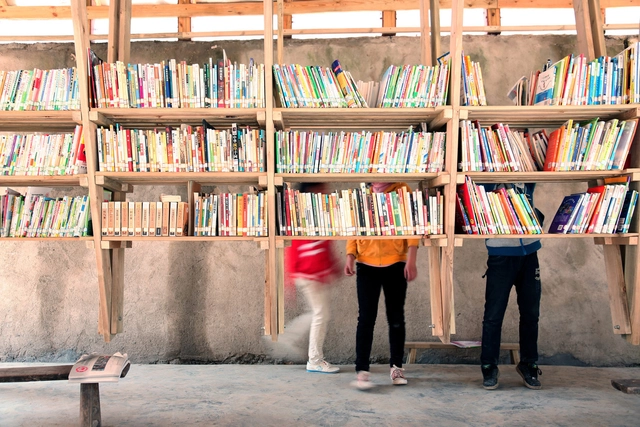

Following the digital panel “How to be anti-racist in professional practice,” the collective Arquitetas inVisíveis released a short guide outlining fundamental points for building an equitable and anti-racist profession. The guide includes a selection of texts that help navigate the social landscape and offer ways to address racism, not only within architecture and urbanism but in life as a whole.

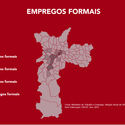
São Paulo is immense and full of challenges. With twelve million inhabitants, Latin America's largest city struggles to provide a good quality of life for its residents. Traffic congestion is relentless. Public transit is still far from ideal. The Expanded Center concentrates a volume of jobs disproportionate to its population. Unsurprisingly, the daily commute is one of the main complaints of paulistanos.
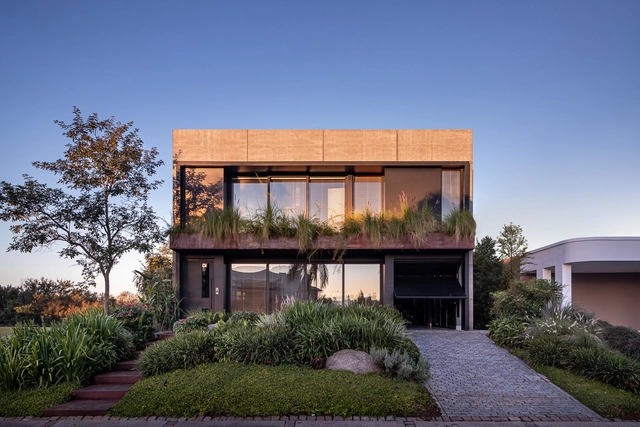
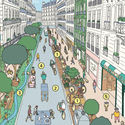
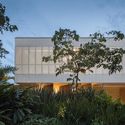
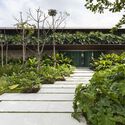
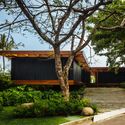
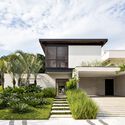
There are countless possibilities when designing the transition between public and private spaces. In residential architecture, the landscaping of the main facade plays a key role in this regard. By integrating different elements such as vegetation, paving, steps, and even artwork, it is possible to create a composition that not only highlights the architecture but is also generous to the public space.
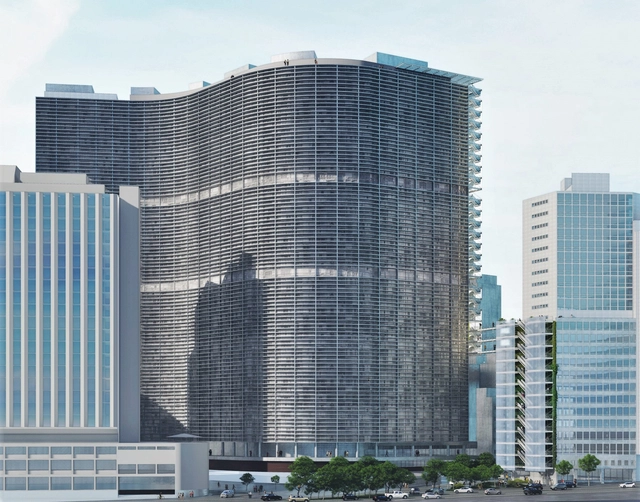
Geared toward Latin American architecture students, the Acero Prize aims to promote and encourage initiatives that complement pedagogical models, fostering innovative architectural ideas that use steel as a raw material. This year's edition, themed "Sustainable Cities and Communities," awarded first place to a team of two Brazilian students from FAUUSP.
“Architecture that does not touch the ground” is the name of the proposal developed by Augusto Longarine and Luiz Sakata, advised by Professor Luciano Margotto. With the same project, they won the 13th CBCA Competition (Brazilian Center for Steel Construction), the national stage preceding the Alacero competition. See the project below, accompanied by the project description written by the students.
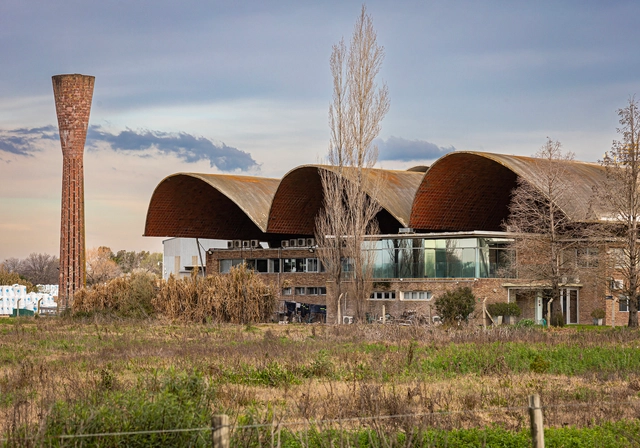
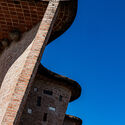
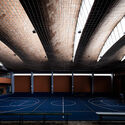
Far beyond the technical knowledge of his engineering background, Eladio Dieste (1917-2000) developed a rare architectural sensibility. He was a pioneer and master of reinforced masonry—essentially a relatively thin "shell" system in which ceramic blocks are compressed, steel bars are tensioned, and concrete binds the assembly together. Structural strength is enhanced through the design of complex spatial geometries that respond precisely to applied loads, thereby minimizing material use. This allows large spans and cantilevers to be achieved, while elegantly transferring loads to the ground.
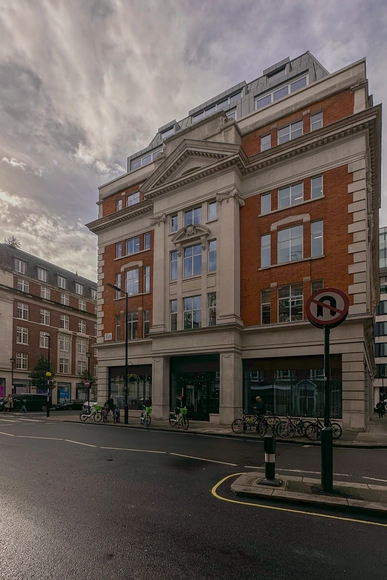
Mexican firm Sordo Madaleno Arquitectos has announced the opening of its new office in the heart of London. This strategic move for its global practice will establish an international presence in a global capital, bringing the firm closer to its clients worldwide.
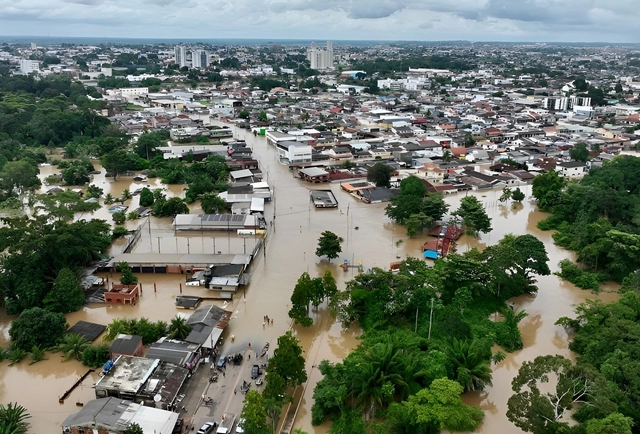
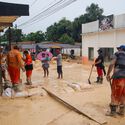
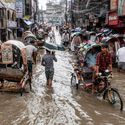
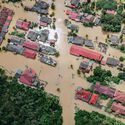
When heavy rains are forecast for their areas, 64% of Brazilians feel afraid. For 76% of those surveyed, cities are unprepared to face heavy rains, storms, or flooding. The data comes from a first-of-its-kind survey conducted by the Boticário Group Foundation for Nature Protection, in cooperation with UNESCO in Brazil, and with support from the National Association of Municipalities and the Environment (ANAMMA) and the Urban Bioconnection Alliance. The full results of the study will be presented on December 2 during the 28th UN Climate Change Conference, COP28, taking place in Dubai, United Arab Emirates.
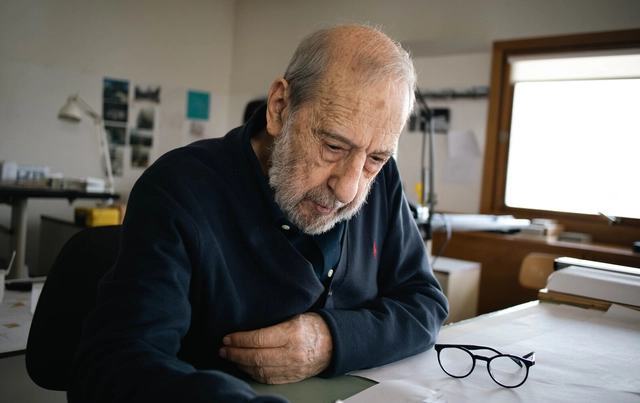
Álvaro Siza, Portugal's first Pritzker Laureate, is undeniably a figure of major importance in the history of contemporary architecture, with projects that have reshaped the urban landscapes of numerous cities around the world. While his name and work are widely known, Siza is a highly private and introspective person who prefers to keep his personal life out of the spotlight.
Directed by producer and director Augusto Custódio, the documentary SIZA offers a more intimate and personal look at the renowned Portuguese architect. The film covers his childhood, his relationship with his wife, his passion for sculpture, and his admiration for classical music, exploring his influences and professional journey.

The month of November is marked by various awareness-raising initiatives surrounding the struggle of Black people in a deeply racist society, and is, above all, an essential moment for white people to play an increasingly active role in anti-racist practices.
-10.50.gif?1606237770)
APRDELESP is a Mexico City-based practice founded in 2012 whose main partners are Guillermo González, Rodrigo Escandón, Ricardo Roxo, and Manuel Bueno. It emerged as a research practice on space and its processes of appropriation, seeking to question traditional architectural processes. As an architectural practice, APRDELESP maintains an equal commitment to public and private infrastructure, as well as to the physical and digital infrastructure of the office itself.
There are and have always been inspiring women architects, urban planners, and policymakers. However, worldwide, the built environment professions—and their upper echelons in particular—remain heavily male-dominated, more so than other fields like education or healthcare.
Today, 64% of architecture graduates in Brazil are women. In engineering, there has been a 42% increase in women registered with CREA since 2016. Yet, how is this reflected in Brazilian society? Globally, progress is even slower: only 40% of architects are women, with very few in leadership roles.

Between October 31 and November 6, 2023, Portugal produced more than enough renewable energy to meet the entire country's demand. While fossil fuel plants were still operational, the clean energy generated was more than sufficient to supply the grid. Consequently, consumer electricity rates dropped drastically.
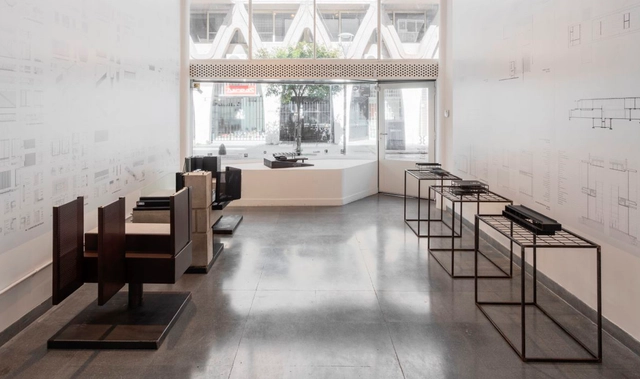
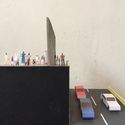
Through January 2024, the exhibition “Sommet: Structure, Precision, and Detail” will be on display at the Bisman Ediciones Architecture Gallery and Residence, located in the “Casa de Estudios para artistas” by Antonio Bonet, Horacio Vera Barros, and Abel López Chas in the heart of downtown Buenos Aires. Through plans and models, Sommet architecture studio showcases work defined by simplicity, understatement, and high construction quality.
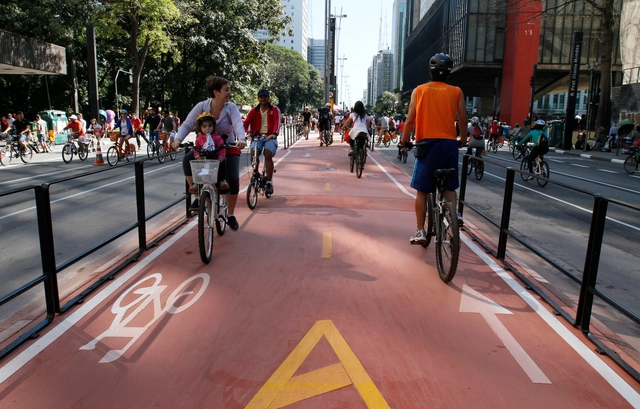
The study titled Prioritize Active Transportation by Bicycle!, published by the Center for Metropolitan Studies (CEM)—a research center at the Faculty of Philosophy, Languages and Literature, and Human Sciences (FFLCH) of the University of São Paulo—presents an analytical planning tool for São Paulo's cycling network, comparing the current scenario with future planning through the lens of inequality.
Journalist Flávio Soares, a master's student at USP's Polytechnic School (Poli), a member of the CEM research team, and one of the paper's authors, explains the key factors analyzed for the construction of bike lanes and cycle tracks in cities.
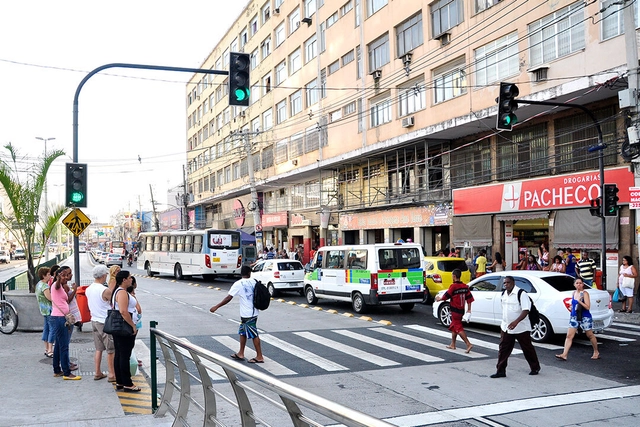
On the 6th, Rio de Janeiro Mayor Eduardo Paes requested CET-Rio, the municipal traffic management agency in the capital, to adjust the speed limits along the waterfront roads. This measure is of paramount importance given that, according to City Hall, more than 600 people lost their lives in traffic crashes in Rio last year, with over 60% resulting from pedestrians being struck by vehicles.

In an effort to bolster public care and personal hygiene services for the unhoused population, the Ministry of Human Rights and Citizenship (MDHC) has established the Street Support Points Program (PAR). The initiative aims to provide public spaces and facilities managed in partnership with civil society organizations.
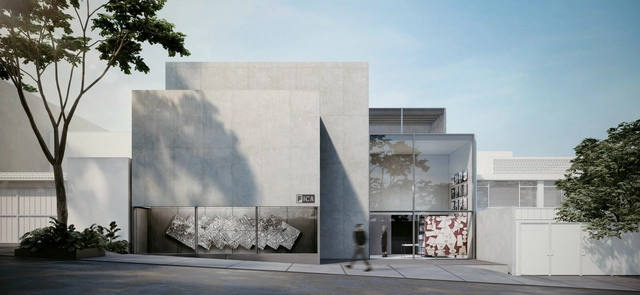
The Fundación ICA presents the initiative to establish the ICA Center for Education, Research, and Training (CENFICA), which will consolidate ICA's historical mission and vision for the professional development of new generations of professionals and the continuous training of its employees. Drawing on academic program experiences and the creation of innovation laboratories for construction and prefabrication processes, ICA promotes CENFICA through Fundación ICA—a non-profit civil association founded in 1986—aiming to expand its institutional outreach across three core areas: Education, Research, and Training.
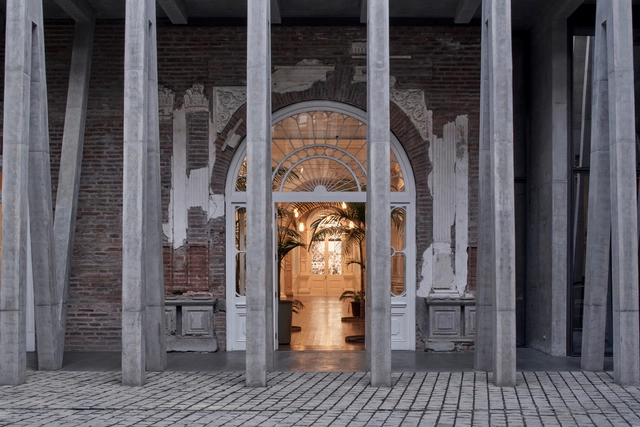
The MA Awards, conceived by Mujer ArquitectA, aim to highlight and promote the creations of contemporary women architects in Chile, valuing their contribution to the architectural field. This recognition celebrates the excellence and outstanding contributions of women architects in the field of creation and design. These awards seek to highlight the innovation, unique vision, and exceptional skill of women architects, offering a meaningful space to honor and bring visibility to their valuable impact on the world of architecture.
On Tuesday, December 5, at the AOA (Association of Architectural Offices) auditorium, the following winners were announced.
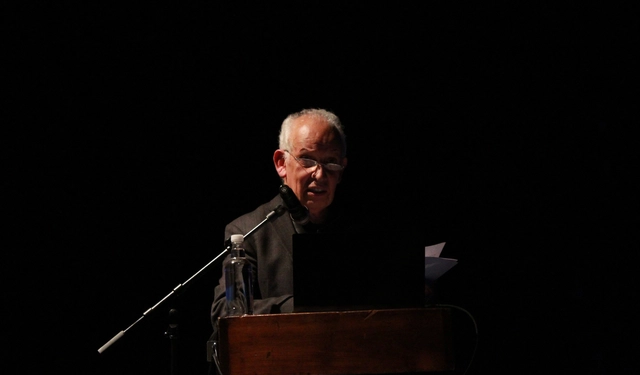
On December 2, the 26th National Congress of Architects concluded at the Bíobio Theatre with a moving ceremony that featured the presentation of the 2023 CA Awards, a keynote lecture by National Architecture Prize winner Fernando Pérez Oyarzún, and the submission of the congress's final resolutions, which will serve as a mandate for change for the National Board of the Chilean Association of Architects.