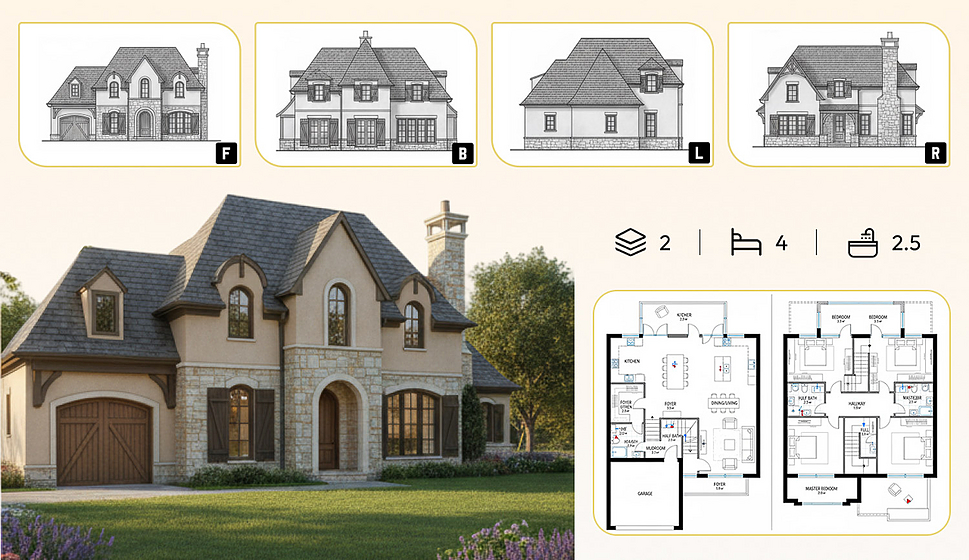
This guide covers a workflow that moves from project parameters to generated floor plans, 3D perspective views, exterior design exploration, and site context visualization, using AI tools in place of preliminary CAD and rendering work.
This guide covers a workflow that moves from project parameters to generated floor plans, 3D perspective views, exterior design exploration, and site context visualization, using AI tools in place of preliminary CAD and rendering work.
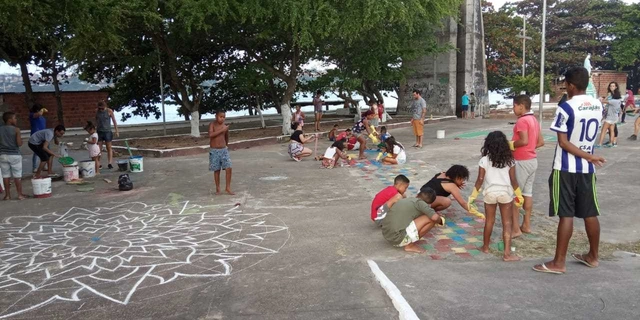
As a result of three months of training in local engagement within the pioneering COURB Ambassadors Program, mobilizers from various Brazilian cities promoted actions in their territories. Aiming for the collaborative construction of inclusive cities, the Articulation Journey—a highly collaborative effort—took place between August and September and featured three types of actions: roundtables, territorial interventions, and collective proposals. The ambassadors mapped and engaged more than 150 institutions in the program, including city halls, universities, collectives, businesses, and organizations.
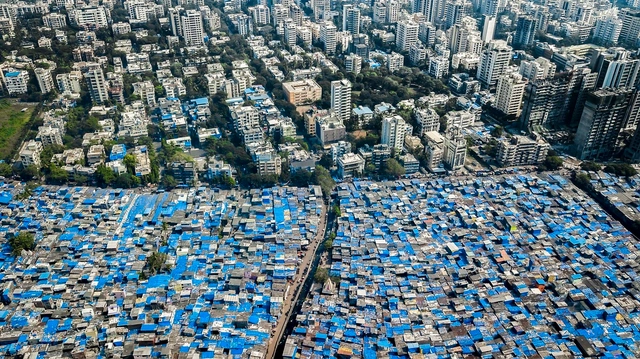
Imagine Lagos, Nigeria, a city of 22 million people. What was once a small coastal town just a few decades ago has exploded into a sprawling megacity stretching over more than 1,170 square kilometers. This rapid growth has strained municipal services to their limit: less than 10% of people live in homes connected to sewer networks, and less than 20% have access to running water. Many homes are in slums or informal settlements on the city’s periphery.
Now imagine Lagos twice as large.
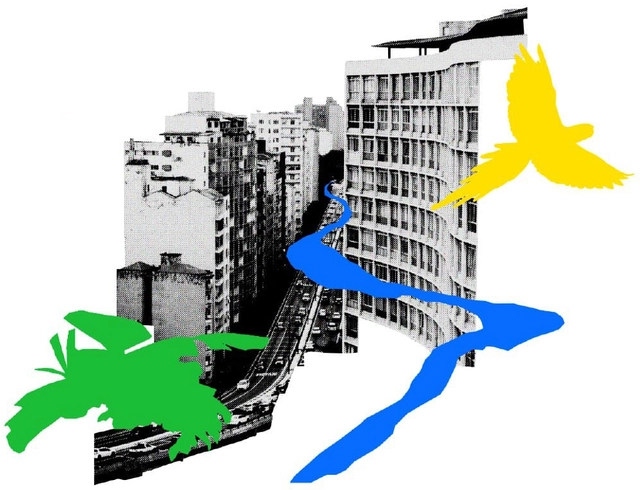
In May of this year, *The Guardian* recommended in its style guide that journalists and contributors heighten their language when discussing climate change or global warming. Now, the British newspaper announced, it is a climate crisis, emergency, or climate breakdown.

The Government of the State of São Paulo has established the Nossa Casa housing program, which aims to stimulate private investment in social interest housing geared toward low-income populations. The program came into effect through Decree No. 64,388 of August 14 of this year.
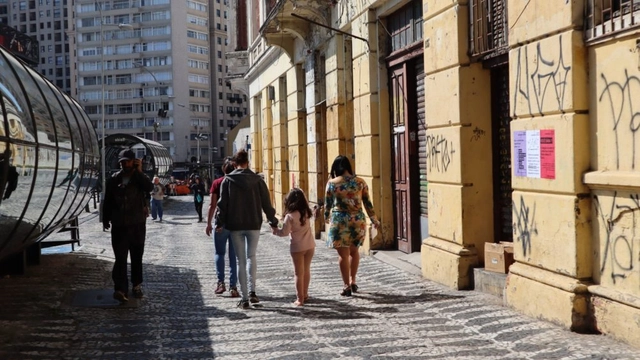
Have you already crossed the street out of fear today? As a woman, what is your greatest fear when walking down the street? How would you feel safer? With the goal of reflecting on how we can plan more egalitarian cities for everyone, the firm amb ateliê, in partnership with architects Fernanda Linero and Beatriz Teixeira, launched this initiative across various neighborhoods in Curitiba. The project ci.da.de; substantivo feminino (city; feminine noun) is part of the 3rd Biennial Architecture Exhibition for Curitiba.
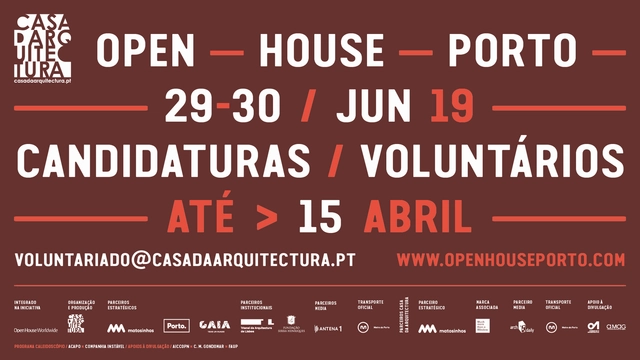
Following the massive success of the last edition, which recorded 32,000 visits, the dates for the 5th Open House Porto (OHP) have been set. On June 29 and 30, a wide range of spaces in Matosinhos, Porto, and Vila Nova de Gaia will open their doors for free, showcasing the excellence of the architectural heritage of the three cities. This itinerary features 70 spaces, 60 percent of which are new additions opening to the public for the first time. Since its first edition in 2015, OHP has welcomed nearly 100,000 visits.
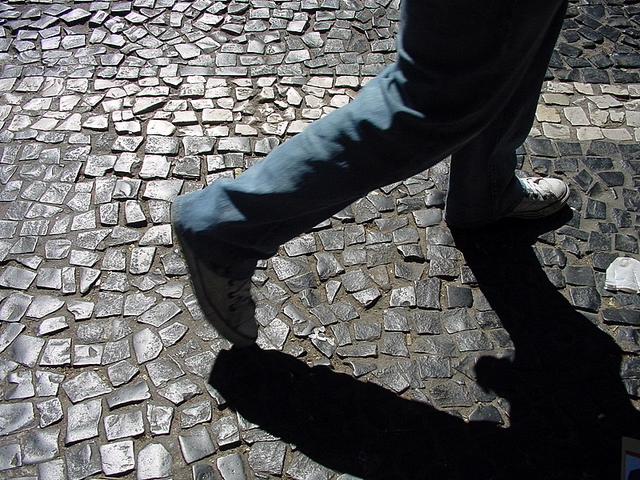
Walking is the simplest, most lightweight, economical, and low-impact way to travel in urban areas, especially for trips under two kilometers. More people walking means a better quality of life for residents and their cities, resulting in reduced government spending on public health. These concepts are universally accepted by urban planners and other contemporary thinkers.

The research project Aurelio Martinez Flores: The Work of the Mexican Architect in Brazil (1960-2015) investigates the life and architectural career of Mexican architect Aurelio Martinez Flores (1929–2015) from 1960 to 2015, aligning with Latin American architectural history and the growing interest in recovering architects whose careers ran parallel to the mainstream movements in Brazil over the last several decades. Although little known, his work exerts a significant influence on one of the most successful currents of contemporary Brazilian architecture.

Trains are not the primary mode of transportation in South American countries, whether for cargo or passengers. The rail networks across the continent are poorly connected and, even domestically, are largely outdated or in disrepair. Nevertheless, from an era when transportation relied primarily on rail, beautiful railway stations remain, still serving cargo and passenger trains today.
Architects and urban planners evaluated the services offered by CAU/BR and the state-level CAU/UFs. Out of nine services analyzed by the professionals, seven received an average score above 7 on a scale of zero to 10. These and other findings are part of the CAU Evaluation Survey conducted by the Datafolha Institute in May. The study interviewed 1,500 architects and urban planners and 500 architecture and urban planning firms by telephone to assess the effectiveness of the Council's communication channels with professionals and society, as well as to gather information to support initiatives ensuring access to the entity's information.

The streets of Los Angeles will serve as a testing ground for a new asphalt compound made from recycled plastic. Developed by TechniSoil Industrial, the material incorporates plastic waste that would typically be discarded, mixing it with recycled asphalt reclaimed directly from the streets.
.jpg?1553011212&format=webp&width=640&height=580)
Brazil has just surpassed the 2,000-megawatt (MW) milestone of operational capacity in centralized solar photovoltaic generation systems—large-scale plants connected to the National Interconnected System (SIN).
According to data from the Brazilian Association of Solar Photovoltaic Energy (ABSOLAR), solar photovoltaic power—based on the direct conversion of solar radiation into electricity in a renewable, clean, sustainable, and increasingly competitive way—reached a total of 2,056 MW of operational installed capacity, equivalent to 1.2% of the country's electricity mix. As a result, it becomes the 7th largest energy source in Brazil, surpassing nuclear power, which accounts for 1,990 MW (1.2%) from the Angra I and Angra II plants located in Rio de Janeiro.
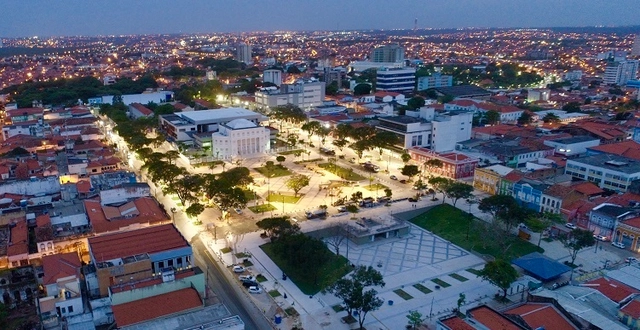
A high-quality public space that prioritizes pedestrians, features organized urban planning, and invites people to stay, enjoy, and socialize. This was the guiding premise of the first phase of the urban revitalization of Rua Grande, in São Luís, the capital of Maranhão. The project began with the restructuring of the entire Deodoro Complex, which now offers visitors and residents a new perspective on the Deodoro and Panteon Squares and the Silva Maia and Gomes de Castro promenades.

The Association of Sabesp Engineers (AESabesp) has launched a competition to select the best architectural designs for the future São Paulo Water Museum. The goal is to find the best architectural concepts and alternatives for the restoration and expansion of the former water and sewage department building—currently known as the França Pinto Reservation Center—and the implementation of the cultural venue.
.jpg?1568988710&format=webp&width=640&height=580)
Marked by the intersection and mutual reinforcement of curatorial design and institutional action, the 34th Bienal de São Paulo emphasizes the poetics of “relation” and adopts an innovative operational structure. This framework involves exhibitions and events hosted at the Bienal Pavilion starting in February 2020, in collaboration with a network of more than 20 institutions across São Paulo. Once the Pavilion is fully occupied by the exhibition starting in September 2020, these partner institutions will host, within their own spaces, exhibitions integrated into the 34th Bienal.
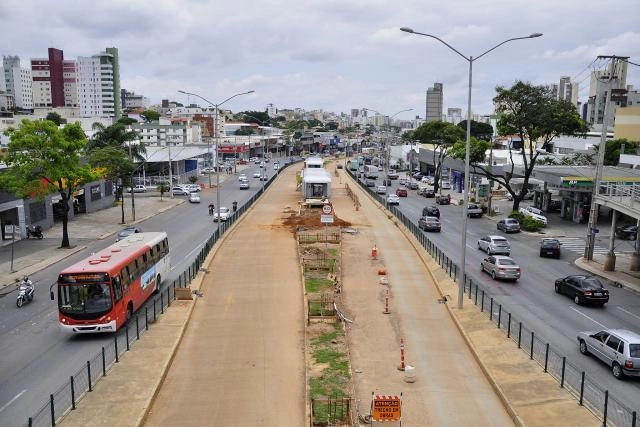
Improving public transit requires close attention not only to vehicles and routes, but to how people access and exit them. All too often, urban planning fails to account for the diverse needs of all individuals and how they navigate a transit system.
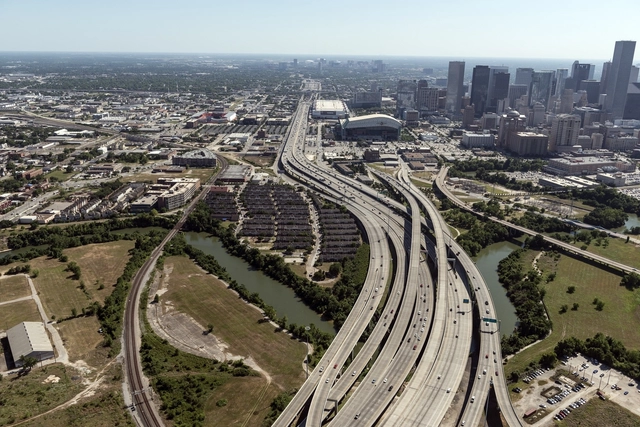
While conventional American urbanism is known to drive excessive sprawl, it is worth remembering that, ultimately, the true extent of a city's horizontal expansion lies far beyond the reach of urban planning controls.
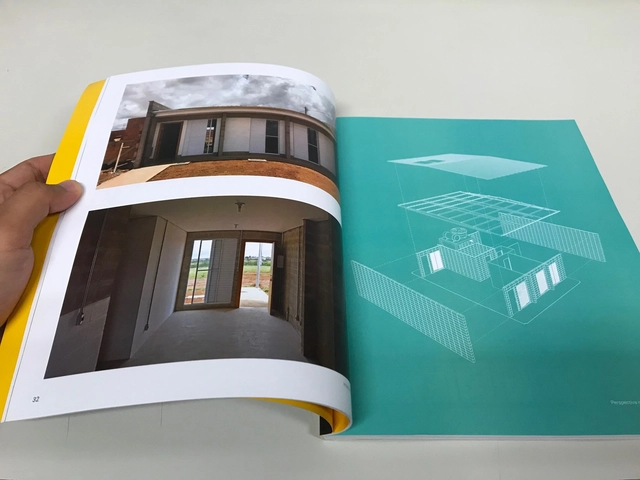
A team of professionals from the Housing Company of the Federal District (CODHAB/DF) has launched a crowdfunding campaign for the publication series “Experiências em Arquitetura Social” (Experiences in Social Architecture). The books compile architecture and urban planning projects designed to improve the quality of housing design and construction in the Federal District.
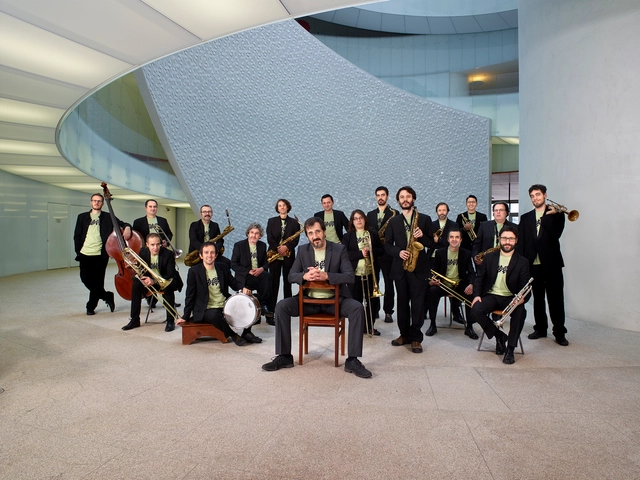
At Casa da Arquitectura, the sounds of Brazil are heard every day at the exhibition “Infinito Vão – 90 Years of Brazilian Architecture,” but in April, this intersection of music and architecture will be further strengthened. Zuza Homem de Mello—a leading figure of jazz in Brazil, musicologist, journalist, radio host, and music producer—is the central figure of this programming, which includes the Illustrated and Musical Lecture “90 Years of Brazilian Song – 1928 to 2018,” the concert “Brazilian Music, Portuguese Musicians,” the presentation and screening of the documentary “Zuza Homem de Jazz,” and a poetic performance inspired by Clarice Lispector starring actress Camila Pitanga.
.jpg?1559312649&format=webp&width=640&height=580)
Brazil's recent political and social crisis—exemplified by the results of the latest election—is concerning and has been undermining citizens' trust in the decision-making processes that affect our lives and cities. One of the reasons for this is the absence of public spaces where people of different social classes, races, ethnicities, perspectives, and worldviews can meet, exchange, and represent who they are.
Public spaces are fundamental to democracy and citizenship. Modern planning and unequal urban development have led Brasília to become a segregated, fragmented, and deeply unequal city. The deteriorated public sphere and the resulting individualization of lifestyles worsen the situation, leaving us increasingly disconnected, intolerant, and civically disengaged.

The School of Architecture and Urbanism of the Federal University of Juiz de Fora (UFJF) has announced the results of the national competition for its new headquarters building. The winning team consists of architects Bruno Eduardo Nakaguma Gondo, Carlos Eduardo Murgel Miller, Eduardo Saguas Miller, and Felipe Fuchs, from São Paulo.
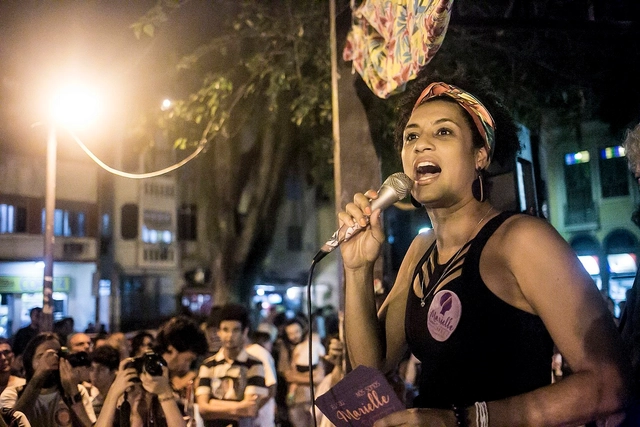
Today marks one year since the brutal assassination of Rio de Janeiro sociologist and city councilwoman Marielle Franco. The week before her death, Marielle took part in a series of debates organized by CAU/RJ called "Architecture - Feminine Noun," aimed at strengthening mobilizations for International Women's Day.
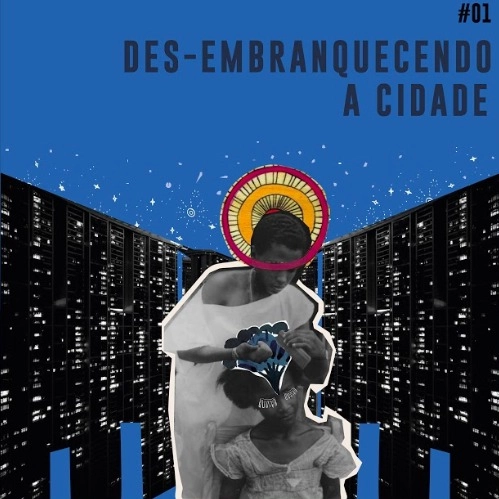
The “De-whitening the City” Podcast is a space invented from the desire of five Black women residing in Salvador, São Paulo, Rio de Janeiro, and Belo Horizonte to circumvent geographic distance in order to foster and celebrate connection. Emmily Leandro, Gabriela Gaia, Luciana Mayrink, Malu de Barros, and Natalia Alves make up the Terra Preta collective, giving shape and voice to this exercise in creating a shared virtual territory—both a political and aesthetic commitment—now made public for the first time.
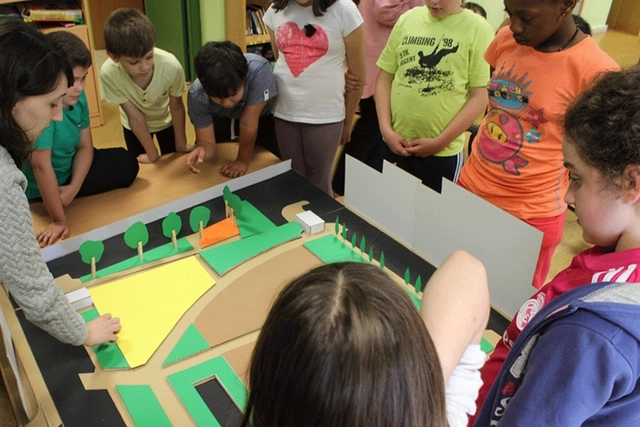
The Urban and Environmental Policy Commission (CPUA) of CAU/BR will produce supplemental educational materials on architecture and urbanism for elementary and middle school classrooms. Developed in partnership with Pistache Editorial, the project aims to bring urban planning discussions into schools to help build better cities in the future. The goal is to foster students' critical perspective on the urban environment, helping them understand the city as a space with multiple historical layers.
.jpg?1568988664 "Ximena Garrido-Lecca - Insurgencias Botánicas: Phaseolus Lunatus, 2017 | Installation view / Dimensions variable / Photo: Ramiro Chavez")
.jpg?1568988535 "Deana Lawson - Mama Goma, 2014 | 35 x 45 in (99 x 114.3 cm) / Courtesy of the artist")
.jpg?1568988594 "Clara Ianni - Free Form, 2013 | video (b&w, sound), 7’14’’ / Courtesy of the artist")
.jpg?1568988648 "Ximena Garrido-Lecca - Insurgencias Botánicas: Phaseolus Lunatus, 2017 | Installation view / Dimensions variable / Photo: Ramiro Chavez")
.jpg?1568988710)