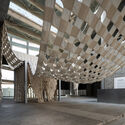
In partnership with the European Cultural Center (ECC), ArchDaily has launched its inaugural exhibition as part of the seventh iteration of Time Space Existence, an architectural showcase occurring concurrently with the 19th VeniceArchitecture Biennale. Open from May 10 to November 23, 2025, in various locations throughout Venice, this edition centers on the theme of "Repair, Regenerate, and Reuse," promoting innovative and sustainable approaches in architecture. ArchDaily's contribution is located at Palazzo Mora, complementing other venues like Palazzo Bembo, Marinaressa Gardens, and Palazzo Michiel.
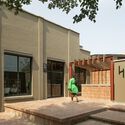
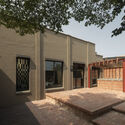
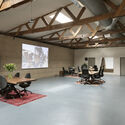
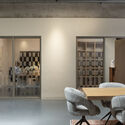
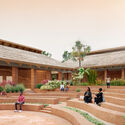
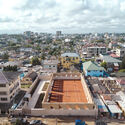
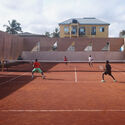
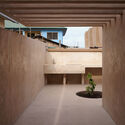
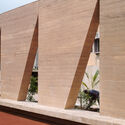
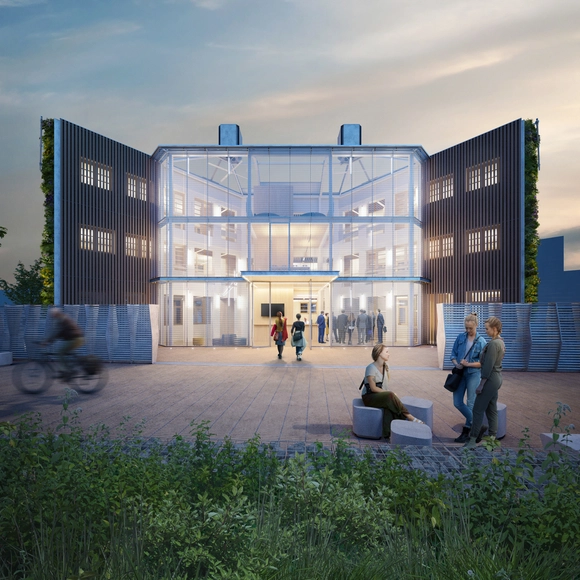
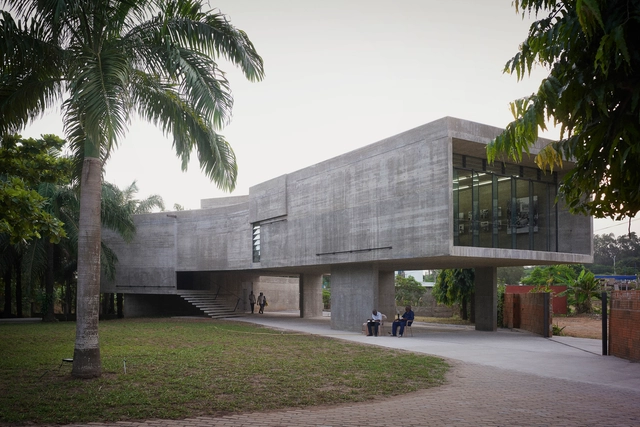
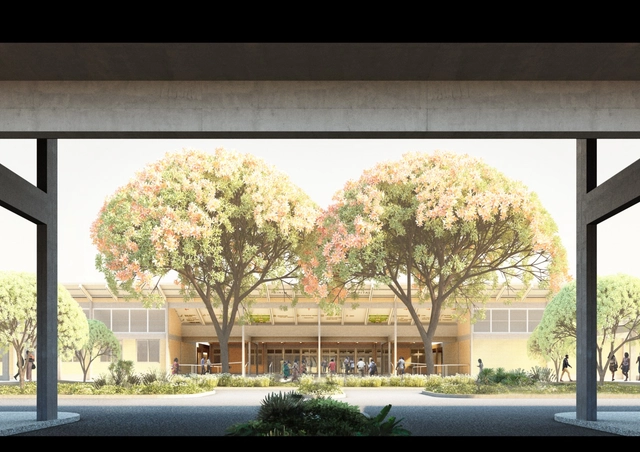
As educational institutions around the world adapt to shifting societal needs, the architecture of learning is also evolving. This curated selection brings together projects submitted by the global ArchDaily community, highlighting how architects are rethinking the future of schools and universities through design. These proposals reflect pressing global concerns: the importance of community-centerededucation, the revitalization of historical buildings and neighborhoods, the integration of natural systems, and the search for spatial expressions that accommodate both formal instruction and informal exchange. Whether situated in dense urban centers, rural villages, or coastal landscapes, these projects respond to specific cultural and environmental contexts while engaging with broader architectural questions about sustainability, access, and identity.
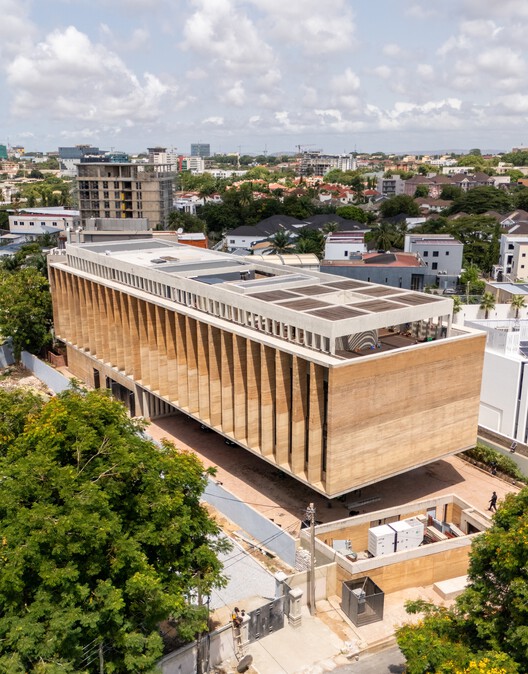
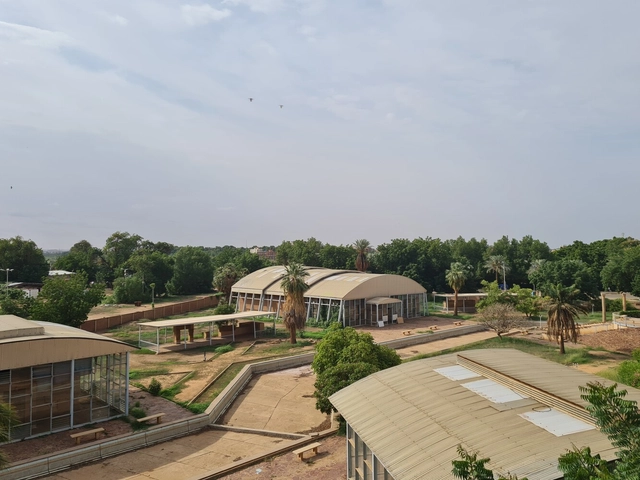
Two museums in Africa built in the mid-twentieth century carry the name 'National Museum.' They reflect the story of their respective nation's history and are tied to notions of national identity. Both are also examples of fine architecture built on the principles of Modernism, a movement associated with nation-building in Africa. However, their inception and purpose followed very different paths. This article explores the under-reported architecture of the National Museum of Ghana in Accra and the Sudan National Museum in Khartoum.
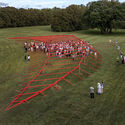
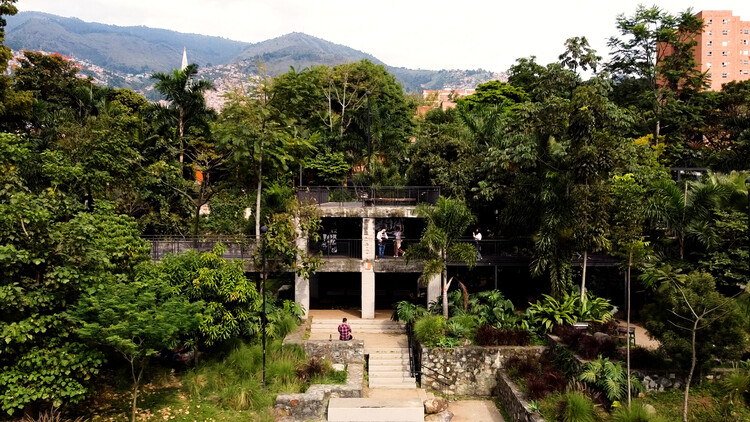
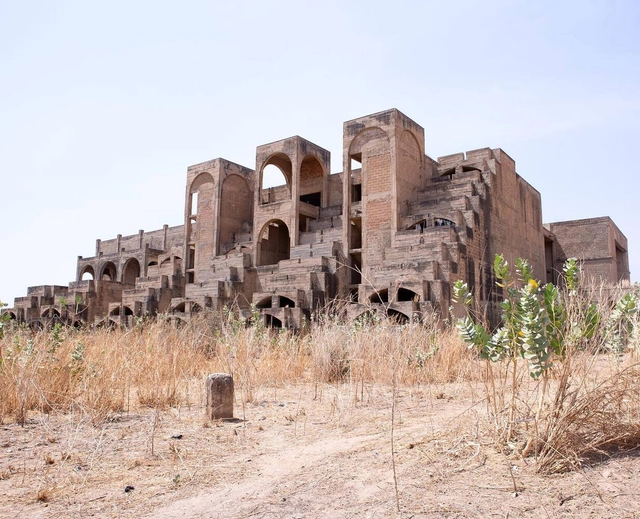
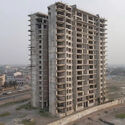
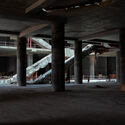
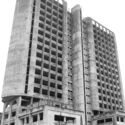
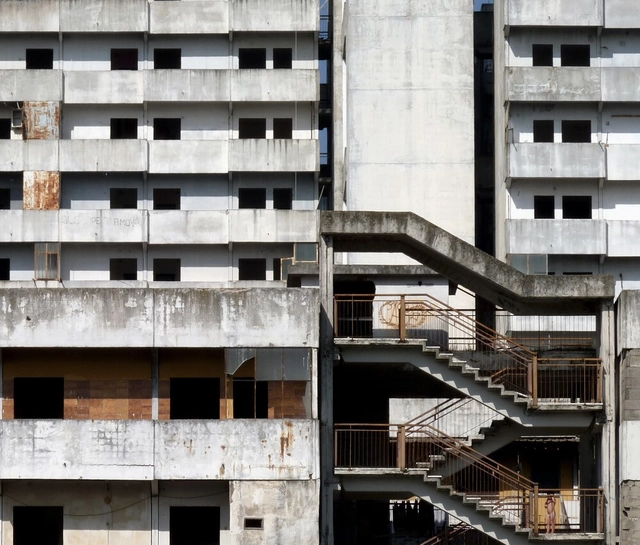
There is an increasing character of abandoned buildings in many African cities and Limbo Accra; a spatial design practice, roots itself in the experimentation of their repair, reuse, and transformation. The practice views these buildings as a unique architectural typology that includes key city landmarks, from the abandoned Independence house in Lagos to the incomplete airport tower in Accra, amongst others. They see them as major opportunities for modern public space and as symbolic sites for spatial justice. Through techniques such as photogrammetry, Limbo Accra has been creating a digital archive of these buildings and collaborating with artists and designers to propose new prospects for them. ArchDaily had the opportunity to speak with Dominique Petit-Frère, the co-founder of Limbo Accra, about the collective character of these buildings, Limbo Accra’s approach to their transformation, and navigating challenges in the adaptive reuse of these structures.
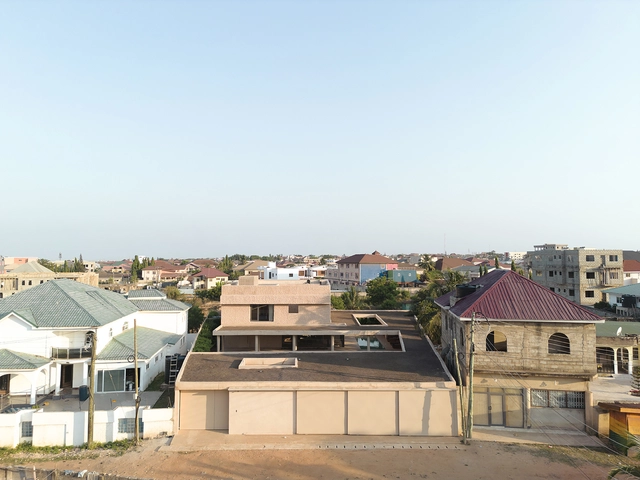
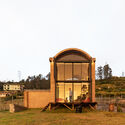
As the demand for affordable housing grows and the availability of low-cost properties diminishes, stakeholders in housing must become more innovative in their approach to social housing development. One opportunity lies in restoring and repurposing abandoned buildings. While building new houses remains the primary strategy for Housing Authorities and Associations, rehabilitating derelict buildings can be a more economical option. This approach not only maximizes the use of dilapidating infrastructure but also provides an economic opportunity to increase affordable housing within the city. Although rehabilitating derelict residential buildings may seem like an obvious solution, it becomes even more crucial when considering abandoned commercial, institutional, or historical buildings for social housing.
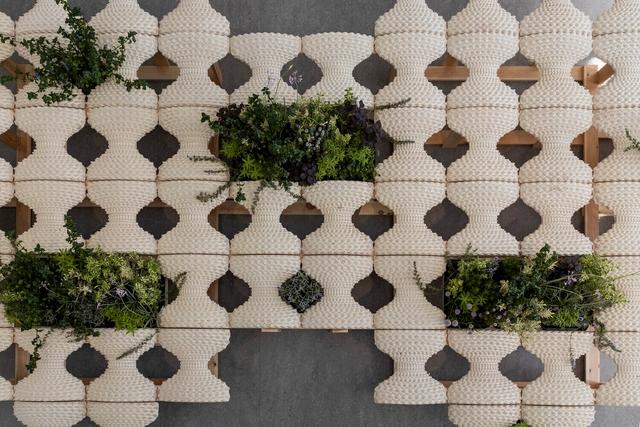
Willow Technologies is a material research and building technology practice that has been selected as part of ArchDaily's 2023 Best New Practices. Founded by Ghanaian-Filipino designer and architectural scientist Mae-Ling Lokko, it operates in the gap between research, development, and diffusion of bio-based building materials. Working with agro-waste and bio-based materials usually incurs technical questions regarding scalability, industrial production, standardization, fireproofing, and mechanical strength. Exploring this data is where Willow Technologies situates itself, but peculiarly through the lens of developing regions in West Africa. Through comprehensive works with coconuts, moringa, rice, and other indigenous crops, Lokko’s practice has been able to investigate and catalog the material character of various crops, their possible by-products, local transformation techniques, and the prospect and challenges of scalability as building materials.
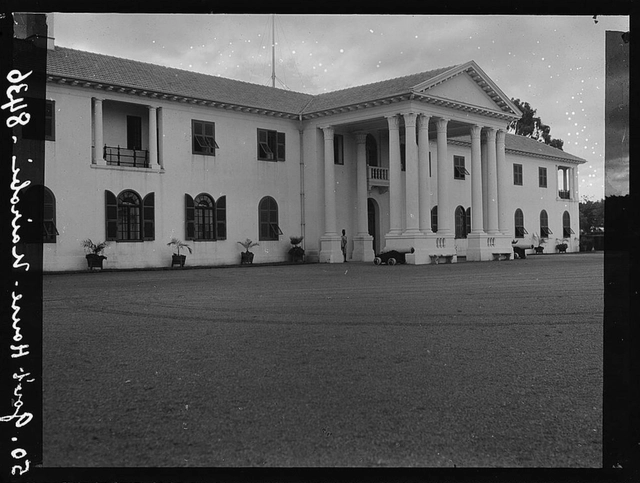
Known as the state house, the presidential palace, and an assortment of other terms — the building that hosts a country’s seat of government is usually quite architecturally striking. Frequently opulent, grand, and sometimes imposing, the state house is intended to function as a visually distinct marker of a nation — an extension of a state’s identity. In the African continent, a landmass that had seen a significant part of it colonized by European nations, this identity of statehood, in an architectural sense, is complex.
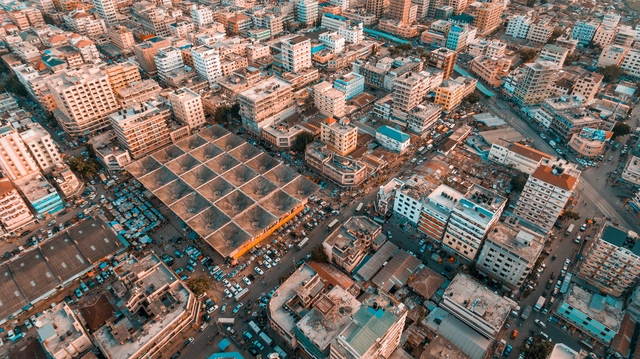
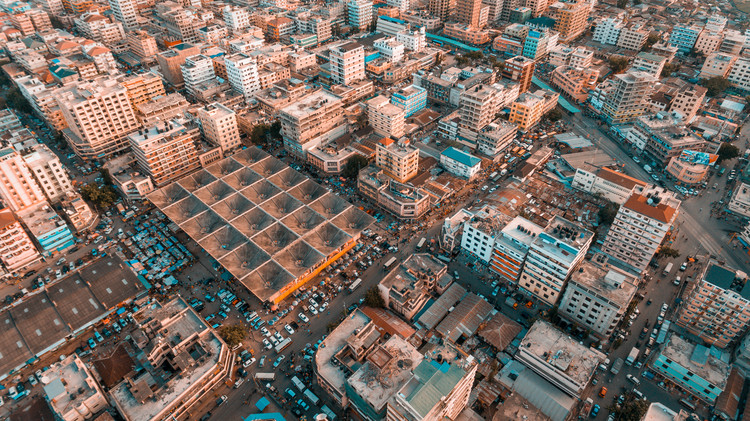
A few months ago – in July 2021, the 47-year-old Kariakoo Market went up in flames in Dar es Salaam. Designed by Tanzanian architect Beda Amuli, the market is a central landmark – a key part of Dar es Salaam’s commercial hub. Early images of a new Kariakoo Market show a taller structure, with six floors compared to the three in Amuli’s design. Conversations on social media have abounded on the new design, and if a “tower” typology is really the appropriate choice considering the unpopular nature of other similar “tower” market halls in Dar es Salaam.
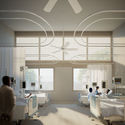
Adjaye Associates has been commissioned the design of district hospitals, part of the Agenda 111 initiative by the Ghana Government. The major vision for Ghana’s healthcare sector will consist of 111 Hospitals including 101 District Hospitals, 2 Psychiatric Hospitals, 7 Regional Hospitals, and the Redevelopment of the Accra Psychiatric Hospital.
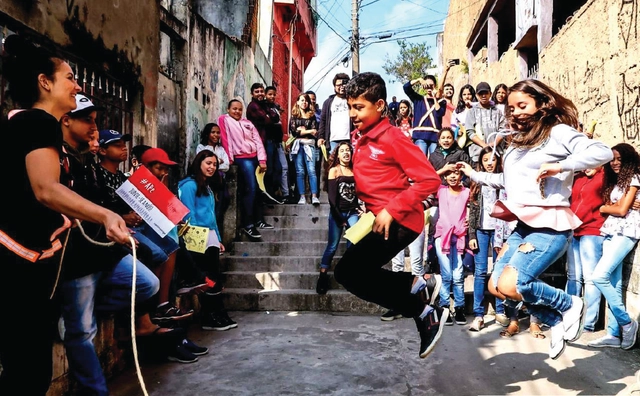
Mind the Step - Jardim Nakamura, São Paulo, Brazil. Image Courtesy of UN-Habitat
The Un-Habitat or the United Nations agency for human settlements and sustainable urban development, whose primary focus is to deal with the challenges of rapid urbanization, has been developing innovative approaches in the urban design field, centered on the active participation of the community. ArchDaily has teamed up with UN-Habitat to bring you weekly news, article, and interviews that highlight this work, with content straight from the source, developed by our editors.
Discover in this feature the first lesson to learn from UN-Habitat, on how to design with and for the people. In order to create great public spaces, the only secret is listening to the community. Questioning “how can we design together”, this article presents cases in Ghana, Brazil, and India, focusing on street, market, and open public spaces implementation projects, where interventions took on participatory approaches and involved local residents from the beginning of the process.
Cover of Architecture in Global Socialism by Łukasz Stanek, Princeton University Press, 2020.
In the course of the Cold War, architects, planners, and construction companies from socialist Eastern Europe engaged in a vibrant collaboration with those in West Africa and the Middle East in order to bring modernization to the developing world. Architecture in Global Socialism shows how their collaboration reshaped five cities in the Global South: Accra, Lagos, Baghdad, Abu Dhabi, and Kuwait City.
Łukasz Stanek describes how local authorities and professionals in these cities drew on Soviet prefabrication systems, Hungarian and Polish planning methods, Yugoslav and Bulgarian construction materials, Romanian and East German standard designs, and manual laborers from across Eastern Europe.
Exterior at Dusk. Image Courtesy of Adjaye Associates
On the 61st anniversary of Ghana’s independence, President Nana Addo Dankwa Akufo-Addo has unveiled plans for a New National Cathedral of Ghana to be built in the capital city of Accra. Led by British-Ghanaian architect David Adjaye of Adjaye Associates, the design is envisioned as a “physical embodiment of unity, harmony and spirituality” where people of all faiths will be welcome to gather and practice their faith.