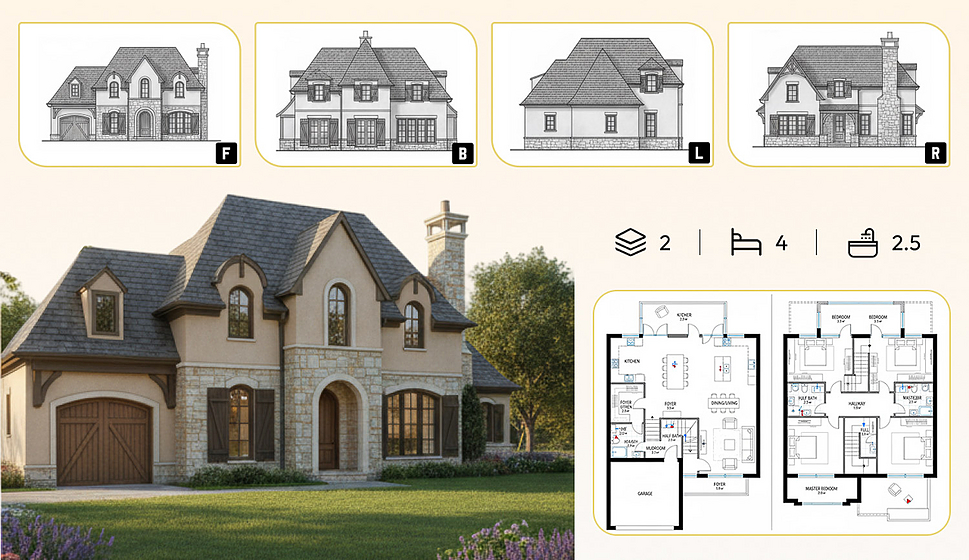
This guide covers a workflow that moves from project parameters to generated floor plans, 3D perspective views, exterior design exploration, and site context visualization, using AI tools in place of preliminary CAD and rendering work.
This guide covers a workflow that moves from project parameters to generated floor plans, 3D perspective views, exterior design exploration, and site context visualization, using AI tools in place of preliminary CAD and rendering work.
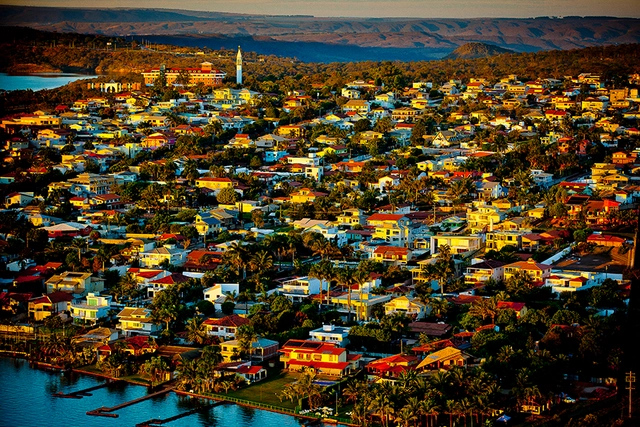
At the time of writing this article, Brazil is facing the most severe humanitarian crisis in its history—not merely a “health crisis,” as is commonly described. By April 30, 2021, the COVID-19 pandemic had claimed 411,854 lives in the country, and only in recent days has the moving average of deaths begun to cool down once again—after reaching a peak of 3,125 in April.
Epidemiologists, microbiologists, and infectious disease specialists note that the impact of the pandemic on Brazilian cities is highly idiosyncratic: each has unique conditions to consider before we can attempt any generalizations. Furthermore, underreporting is estimated to be high (with actual cases potentially being ten times higher), a figure that also varies from city to city. Nevertheless, with these caveats in mind, what does the overall picture reveal?
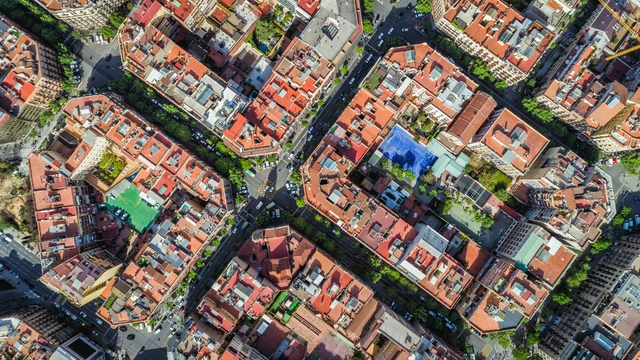
ArchDaily is working with CityMakers to publish a series of articles, conversations, and interviews with the various actors in urban co-production behind the Barcelona CityMakers Lab 2021, an event taking place from November 8 to 12.

This week, we feature job openings at two Shanghai-based design firms: ARIZON Design and atelier tao+c. Specializing in different scales and themes, both practices are active across various architectural sectors and are looking to recruit like-minded architects to join their teams.

Since ArchDaily launched its recruitment services, we have received job postings from architectural practices of various scales across China, from Beijing to Shenzhen and Hangzhou. Highly active across diverse architectural fields with their distinct styles, these firms are looking for talented architects to join their teams. Below are six curated openings for May, along with a showcase of their representative projects. Interested candidates are warmly invited to apply.
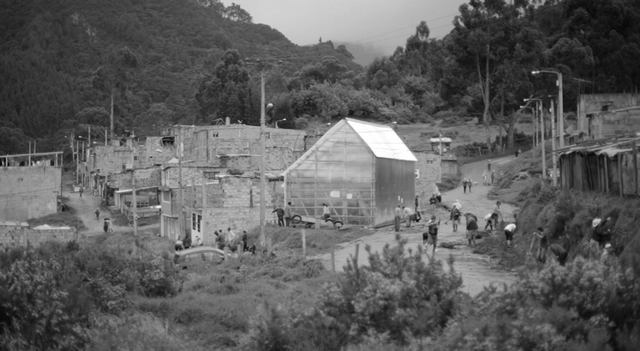
This article by Ana López Ortego (Colectivo Arquitectura Expandida) is a collaboration with Colectivo RE and was originally published on August 2, 2020, in the second edition of Huevo de pato, a publication that aims to share thoughts and experiences as a strategy toward democratizing knowledge and action.
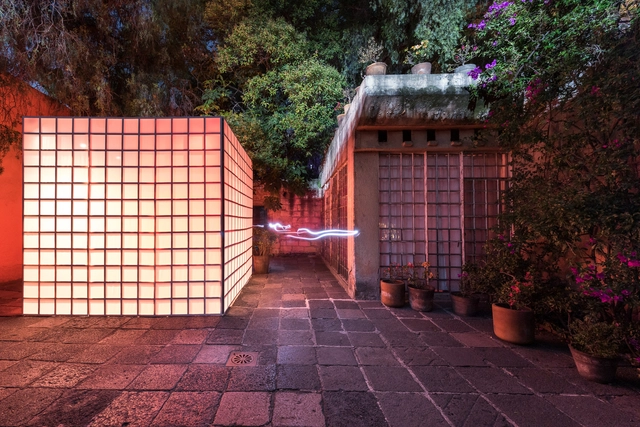
While the work of Mexican architect Luis Barragán is globally recognized and studied for its invaluable commitment to the architecture of his time and context—and, above all, built upon deeply harmonious and poetic foundations that connect with a deeply personal quest in "cosmic solitude, with Mexico as the temporary home he lovingly accepts," as the Pritzker Prize Jury described it when honoring him in 1980—until recently (and even before the launch of the Barragan Foundation website), understanding the full spectrum of Barragán's place in architectural history was somewhat difficult, as several of his works have remained private (or difficult to access) for years.
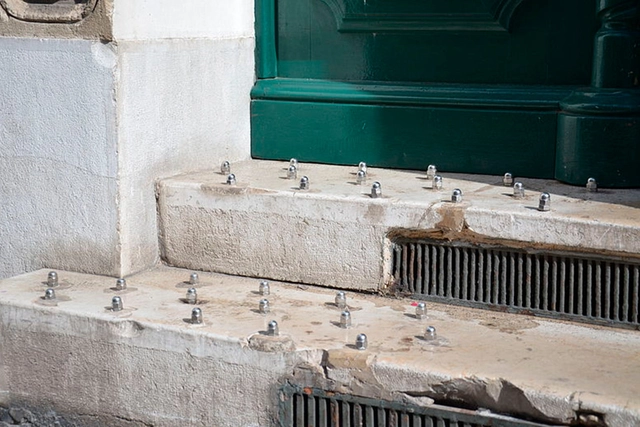
Benches with dividers and uncomfortable shapes, sharp stones under overpasses, fences surrounding plazas and gardens, walls with metal spikes, buildings without awnings or with timed water drippers, electric fences, and barbed wire. The elements and materials used to deter people from public spaces are numerous, ultimately shaping how individuals experience cities and interact with one another. Hostile architecture—a term encompassing all barriers and urban designs that seem to say “don’t make yourself at home,” as reporter Winnie Hu of The New York Times defines it—is part of the reality in most cities worldwide, sparking growing debate over the impact of these measures, particularly on social media.

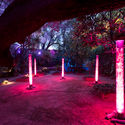
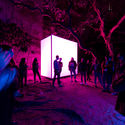
In April 2021, the A8 Design Center at Luxe Lakes in Chengdu presented the exhibition "2 Kilometers of Lakeshore: Southwest Independent Architects 2021 Luxe Lakes Cross-Disciplinary Joint Exhibition." **Thirty-one independent architects** were invited to create installations along the Luxe Lakes waterfront. Working within a **budget of 30,000 RMB**, and drawing on self-reflection and their understanding of public space, they built **experimental, interactive, and experiential micro-spaces, presenting 31 unique perspectives on the world.** Through dialogue among the architects and with the public, the exhibition sought to further stimulate public engagement in design.
Following the exhibition visit, the A8 Design Center organized a hotpot gathering under a bridge with Chengdu's independent architects, sparking this dialogue. **We wanted to delve deeper into what this new generation of independent firms in non-first-tier cities is doing, how they are growing, and what they are thinking.**
Interviewer: Shuangyu Han
Part 1 Interviewees: Yun Lu (MUDA Architects), Youcai Pan (Wray Architecture), Hongduo Jin (Xd-Architects)
Part 2 Interviewees: Kefei Cai (Menkou Architects), Xiang Wang (TeKtonn Architecture), Yuejiu Li (a9a rchitects), Tang Zhang (YI JIE Atelier)
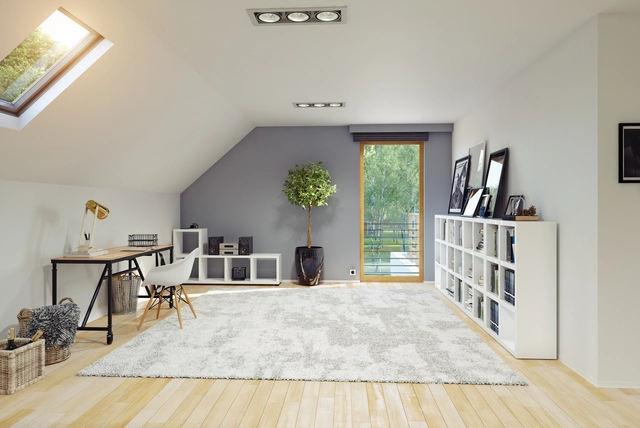
Inadequate living conditions in a building trigger discomfort and even physical pathologies in humans. Scientific experiments have shown that a lack of concentration and even everyday accidents are influenced by both high and low indoor temperatures. And while thermal sensitivity varies from person to person—depending on their clothing, gender, habits, and age—the basic principles behind thermal comfort are universal. Thermal comfort is primarily determined by air temperature and humidity. In this regard, the human body seeks to maintain a near-constant core temperature of 37°C, continuously exchanging heat with the environment.
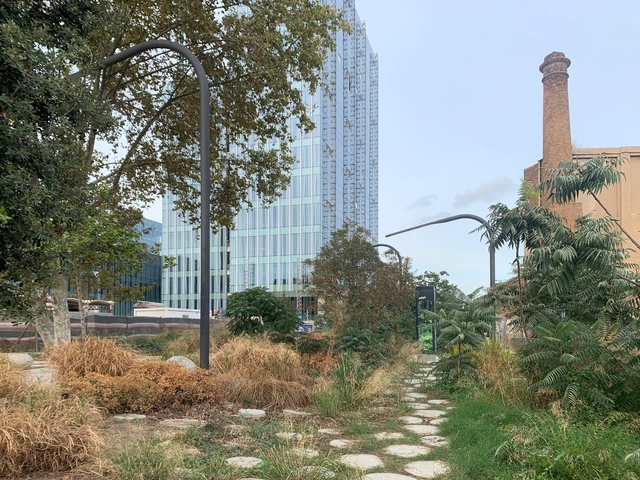
Citymakers is working with ArchDaily to publish a series of articles, conversations, and interviews with the different actors involved in co-producing the city behind the Citymakers Barcelona Lab 2021—a program whose next edition will run from November 8 to 12. For this installment, Víctor Torres, director and co-founder of CityMakers, presents his article "Re-naturalizing the City."
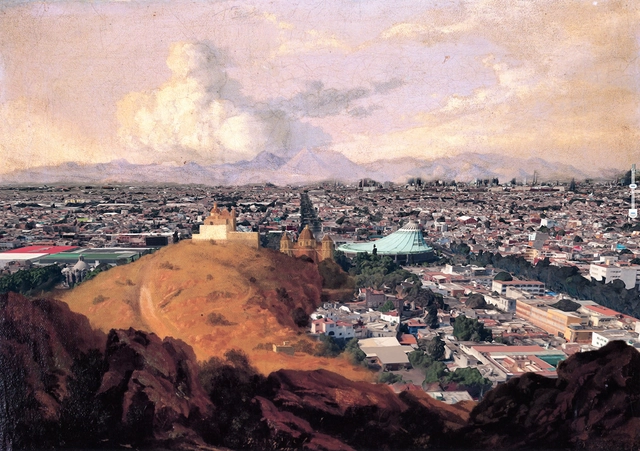
The history of painting in Mexico has a deep legacy that extends far beyond oil on canvas, as some of its most prominent figures found diverse intersections with other disciplines to develop their capacity to observe—and, above all, to construct scenes that told a specific story of their time and context. Numerous figures have elevated Mexico's reputation, positioning it as one of the countries with the greatest cultural and artistic wealth, including Frida Kahlo, Diego Rivera, Rufino Tamayo, Dr. Atl, Emilia Ortíz, and Mathias Goeritz, among others.
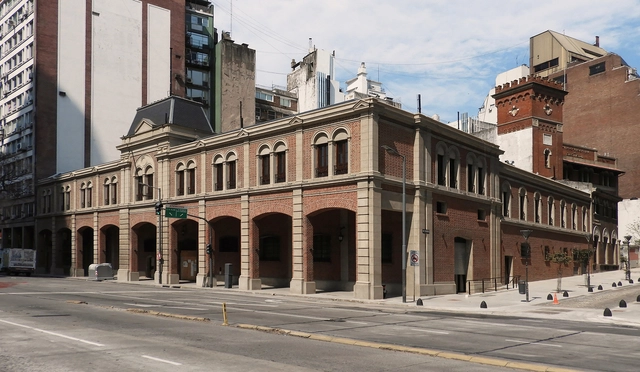
Located at 852 Leandro N. Alem Avenue in the Autonomous City of Buenos Aires, the Mercado de los Carruajes originally housed the “Presidential Carriage Garage,” serving as a storage and maintenance facility for horse-drawn carriages. Over time, the building was repurposed to accommodate the vehicular fleet of the Presidency of the Nation. Following a series of interventions and expansions, the historic heritage building began its conversion process in 2017, which is now complete with only the final details being finalized. A gourmet market concept featuring food stalls, fresh food vendors, retail spaces, and an event terrace eagerly awaits its grand opening, which was delayed due to the pandemic.
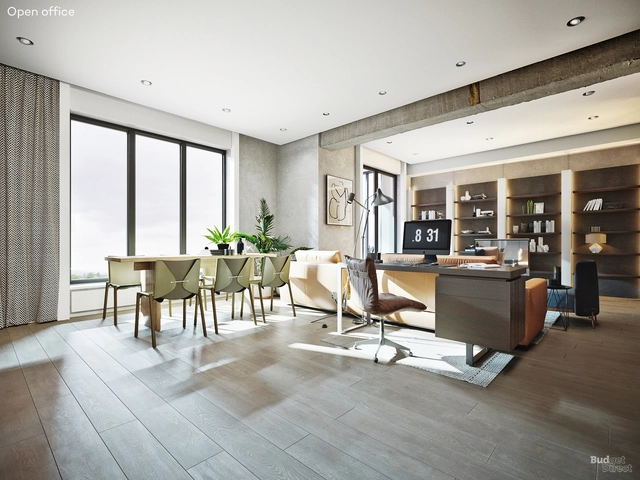
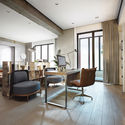
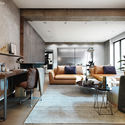
As is common in the design and architecture world, renderings have long been understood as a tool for visualizing spaces before they are built, thereby providing a broader, more realistic vision of what to expect. These images make it possible to identify and address potential errors, but above all, they serve as a powerful design tool for both interior and exterior spaces.
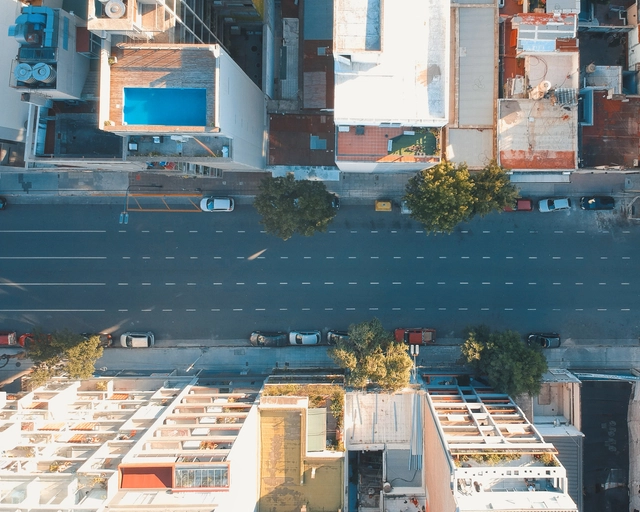
Outbreaks of contagious diseases can exert a long-term influence on urban design—many have undeniably shaped the way modern cities look and operate. Parks, wide streets, and even the bathrooms in our homes are a significant legacy of past cholera outbreaks. Today, these features are so deeply embedded in our daily lives that they are considered basic elements of modern cities. Over generations, cities have recovered from the initial shock of contagion and rebuilt public trust after periods of uncertainty.

#Anodized Aluminum Panels
In recent years, anodized aluminum panels have emerged as a prominent material, utilized across numerous interior and exterior architectural projects in China. Anodized aluminum features six key characteristics: 1. Metallic Appearance, protected by a transparent anodic oxide film, the natural, soft metallic texture of aluminum is fully preserved; 2. Workability, anodized aluminum features exceptional workability, as well as outstanding forming and bending capabilities; 3. Surface Consistency, across diverse architectural forms, anodized aluminum panels maintain a highly uniform color; 4. Corrosion Resistance, the anodization process generates a dense oxide film on the metal surface, providing superior corrosion resistance and enhancing structural hardness and strength; 5. Weatherability, the static-free surface does not attract dust, making it easy to clean and maintain its pristine, like-new appearance even after repeated washing. This ensures the building facade stands the test of time; projects completed with anodized aluminum 40 years ago still look as good as new today; 6. Sustainability, functioning as an environmentally friendly material classified as Class A non-combustible.
#Almeco Anodized Aluminum Panels
Almeco is a global expert in pre-treated aluminum surfaces, offering a range of innovative anodized aluminum products for interior and exterior curtain walls and decoration. Their unparalleled metallic texture, rich colors, and excellent workability bring new vitality and artistic form to interior and exterior architecture, turning every building into a unique work of art. Consequently, Almeco has become the material of choice for renowned architects such as Jean Nouvel, Thom Mayne, MAD, and UNStudio.
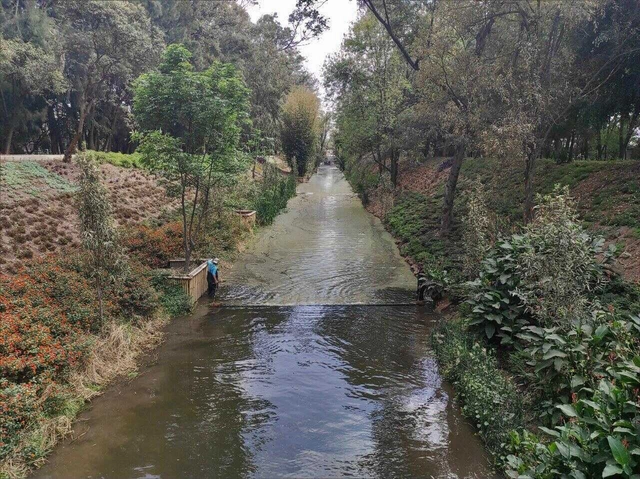
The restoration, rehabilitation, and recognition of urban rivers and canals must be integrated into state and federal policies, going beyond the mere practical use of the resource. In many developing nations, including Mexico, water-related challenges are heavily concentrated in cities, driven by the haphazard urban growth of recent decades.

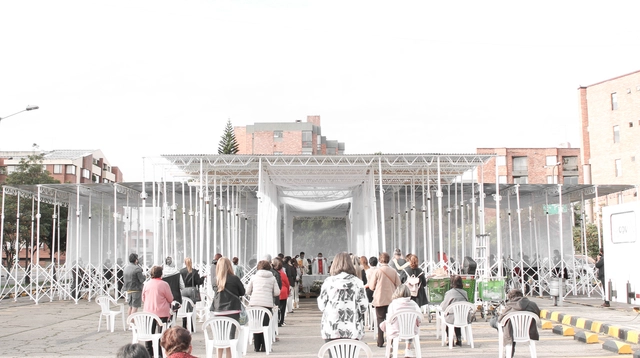
Construction shores, which typically support formwork for pouring concrete, have been used to structure a temporary chapel in Bogotá. These elements, usually relegated to construction processes, combine with zinc sheets and exposed structural trusses to define the project's spatial experience. Designed to be mobile, the chapel can be easily disassembled, ensuring its components can be reused in future projects.
Discover the project, born from a collaboration between SCA and Colab-19, designed to meet the desire of Bogotá's faithful to celebrate Easter.
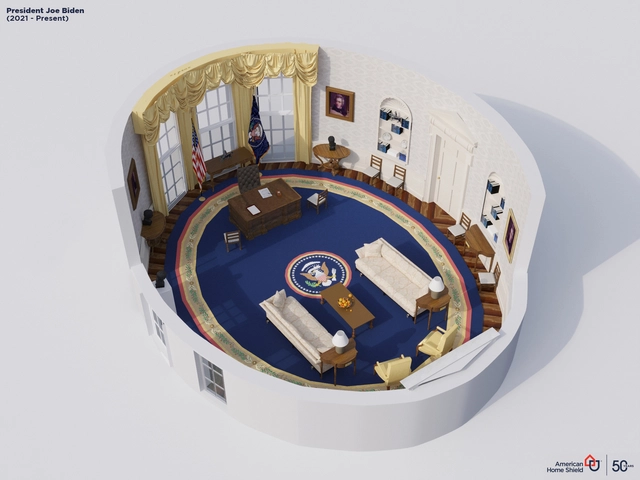
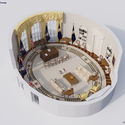
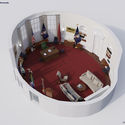
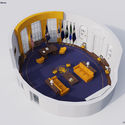
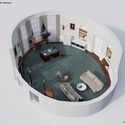
Redecorating the Oval Office is not just a statement of presidential taste; yet, as all spaces reveal principles that extend far beyond the visual, it is ultimately a statement of control. It is here that the president meets with international dignitaries and addresses the cameras to deliver messages of great importance, which is why he (or, one day, she) does not want it to look as though their predecessor still claims ownership of the space.
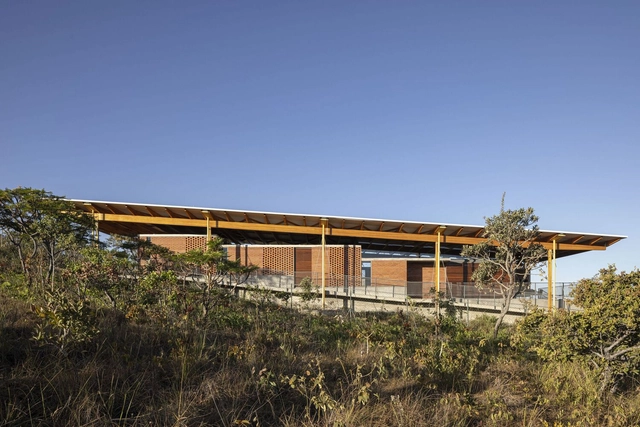
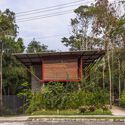
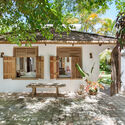
Every year, our curatorial team presents a retrospective of house projects that stood out over the period. This collection, a small selection of the more than two thousand projects published on ArchDaily Brasil this year alone, comprises a series of residences with specific design solutions that address, each in their own way, factors such as materials, construction techniques, structural systems, building processes, and programs.
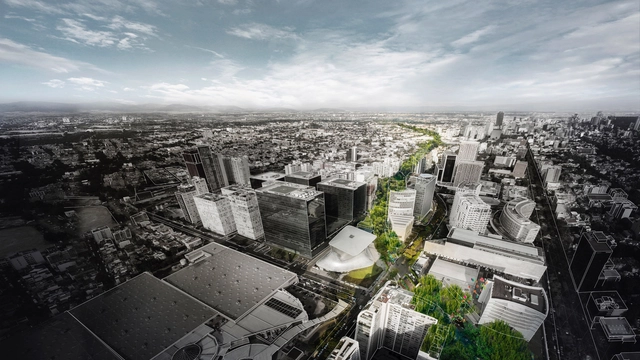
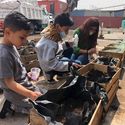
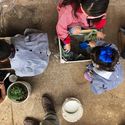
It might seem that the concept of “urban gardens” emerged alongside the gentrification of Mexico City—a model of food autonomy that not only provides us with fresh, organic, ready-to-eat produce, but also beautifies the urban landscape and reconnects us with nature. However, nothing could be more mistaken than viewing urban agriculture as a mere trend.
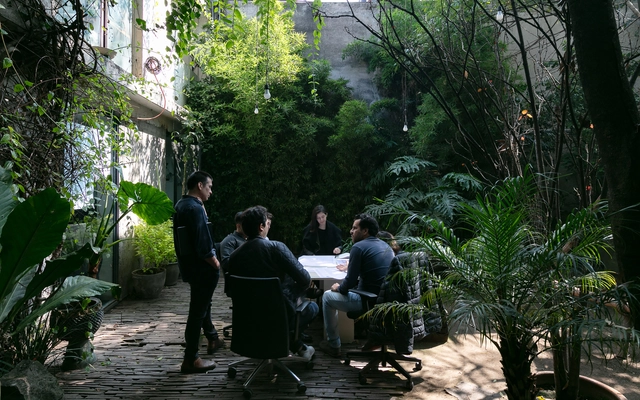
We all know that architecture is a complex field that requires input from many disciplines to be realized. While design lies at the core of every project, without technical expertise, many would not be what they are today. What would Brasilia be without Roberto Burle Marx's landscape design? Would OMA's CCTV Headquarters in Beijing stand without ARUP's structural calculations? Would ELEMENTAL's housing projects be the same without the contributions of their future residents?
We want to give you the opportunity to openly share your thoughts and experiences on this particular topic. Tell us what you think multidisciplinary design in architecture is, and share your story. Selected responses will be featured in an upcoming article.
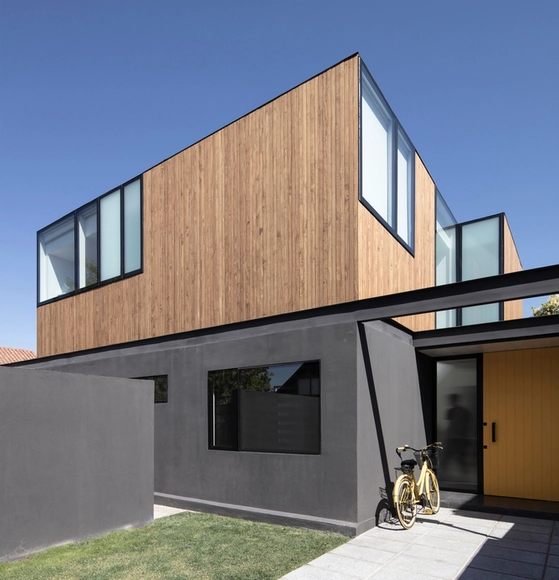
In recent years, wood has gained traction as a renewable, versatile, and aesthetically appealing building material. Its strength, ease of handling, and insulating properties give it advantages that other materials cannot match, making it an increasingly popular choice among designers, architects, and builders. However, while it offers multiple benefits, it is also susceptible to degradation and decay, requiring preservation care to withstand the passage of time and other external threats.
Historically, to address these durability issues, there were two options: applying chemical treatments or using tropical hardwoods. While the former generates harmful toxins, the latter drives deforestation in the context of climate change. Consequently—and driven by an increasing demand for the material—alternative methods have been developed to protect it. One of these is acetylation, a non-toxic process that, in addition to offering high performance, significantly reduces environmental impact.

This article is a collaboration with Colectivo RE and was originally published on August 2, 2020, in the second edition of Huevo de pato, a publication that aims to share thoughts and experiences as a strategy toward the democratization of knowledge and practice.