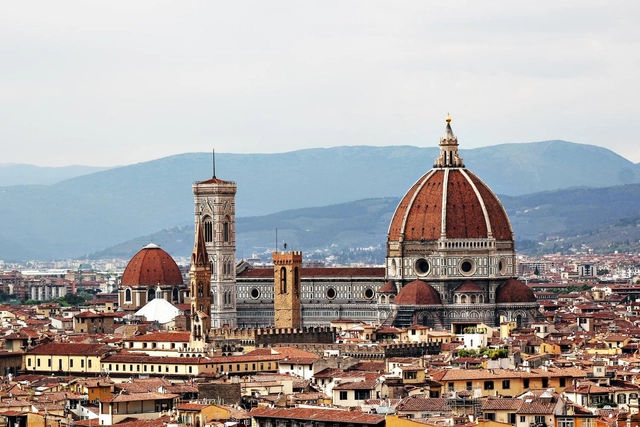
Florence, Italy. Photo by Jonathan Körner via Unsplash
Just over four months after the first confirmed case of coronavirus in Brazil, and about three and a half months after the initial quarantine decrees, many cities still maintain restrictive measures to promote social isolation. Despite the recent easing of restrictions adopted by some states and municipalities, disruptions to the daily routines of architects and students persist, and the popularity of remote activities, such as online courses, has grown over the past few months.
While many architecture firms face reduced demand and stalled construction sites, students have seen their classes suspended or moved online. With more free time—whether due to shorter commutes or reduced workloads—students and architects have turned to online courses to sharpen or expand their skills in tools, software, and theoretical concepts.
The search for more sustainable products must begin at the design stage. In this light, it is essential for designers and everyone involved in this process to possess adequate knowledge; indeed, sustainable practices must be an integral part of the education of architects and urban planners.
Over the years, many architecture programs have increasingly integrated this discussion into their curricula in a more meaningful and in-depth manner, either through specific elective courses or within mandatory subjects.
Videos
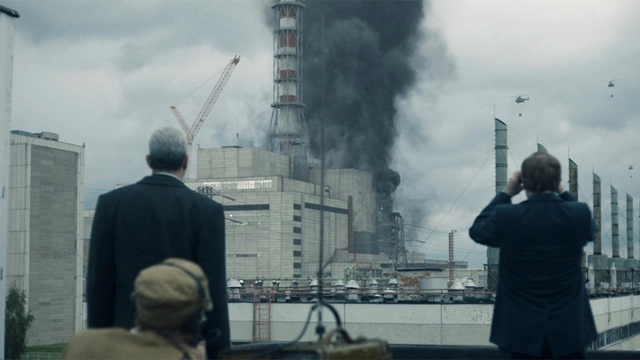
Screenshot of the series "Chernobyl", produced by HBO
One of the most engaging ways to learn about cities is through movies and series. Below, Anthony Ling from the platform Caos Planejado shares six recommendations for online series to learn about Brazilian communities, Soviet cities, and other corners of the world.
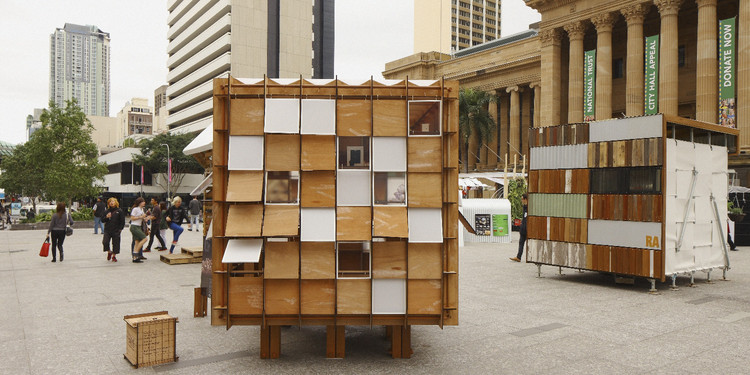
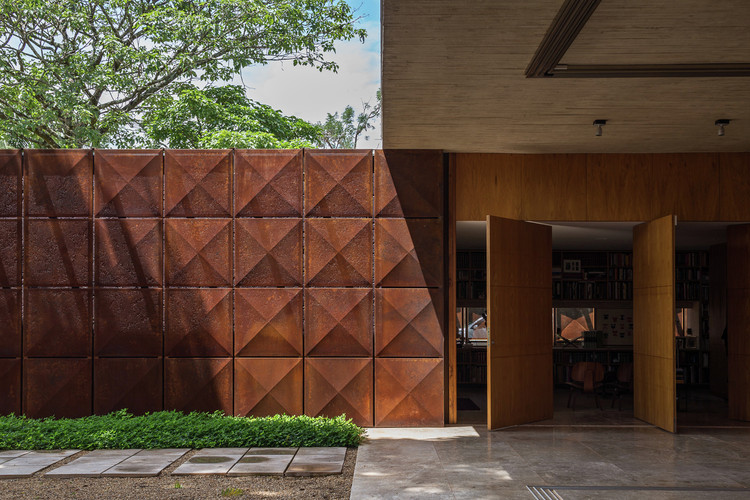
In architecture, Corten steel, or weathering steel, is one of the materials in which the passage of time is most visible and distinct. The patina—the layer that forms on the steel through oxidation—acts as a protective barrier, slowing down corrosion and preserving the material's mechanical properties. Beyond its protective qualities, this layer offers a unique aesthetic appeal that makes Corten steel highly prized in architectural design, from small to large scale.
In high school math, we learn that average speed is calculated as the ratio of distance traveled to time elapsed. For decades, the thinking behind transportation policies was anchored in this equation: it was believed that the goal was to increase system efficiency, which simply required reducing travel times by increasing average speed. Consequently, the distance variable was deemed less important, since building unimpeded transit systems—such as subway lines, BRT corridors, or expressways—could maintain or reduce travel times over increasingly longer distances.
https://www.archdaily.com/1123867/what-is-accessibility-in-mobility-and-urban-transportationITDP Brasil
A carbon footprint can be defined as the quantification, typically in kilograms (kg) or metric tons (t), of the emissions (and removals) of different greenhouse gases (GHGs) throughout the life cycle of a product, process, or service. There are several GHGs, the most significant of which in terms of global warming and climate change contribution are carbon dioxide (CO2), methane (CH4), and nitrous oxide (N2O).
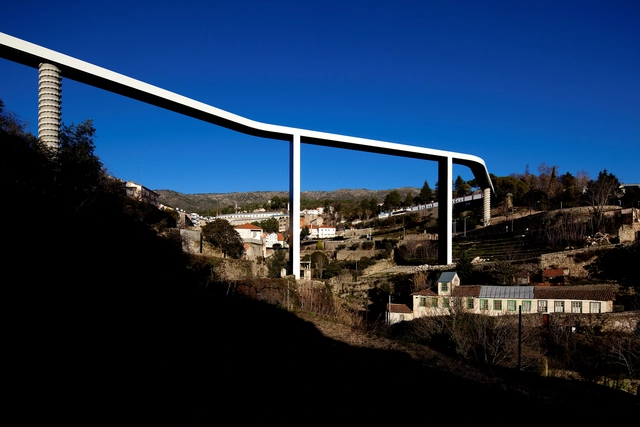
In 1972, the American art historian George Kubler proposed the term “plain architecture” to define Portuguese architecture from the mid-16th century to the early 18th century. While in its original spelling, the translation of the term understood the Portuguese style as simple, the use of the adjective actually designates an uncomplicated geometry, referencing the abandonment of Manueline ornament in the construction of churches and convents. In the Portuguese translation, however, the term “arquitetura chã” (literally “flat” or “ground” architecture) recognized the tectonic vocation of Portuguese architecture within its very vocabulary. By shifting the reference from geometry to the soil, it yielded a clear, monosyllabic characterization of the constant relationship between the built (architecture) and the existing (ground, soil, or territory). Beyond the rigor of Portuguese formal design, the term also describes an architecture anchored to the ground in a metaphorical sense—an architecture always aligned with the understanding of the territory in which it is situated.
Since the beginning of the pandemic in Brazil, there has been much debate regarding its impacts on different territories and social groups. This is crucial for both identifying the best ways to prevent the spread of the disease and protecting those who are most vulnerable. However, the way information and data have been released does not help analyze the territorial impacts and spatial spread of the pandemic, which also hinders efforts to address it.
In the city of São Paulo, the scale of analysis for the pandemic is still the district level, which corresponds to massive portions of the territory with populations larger than many medium-sized cities. This oversimplified view ignores the territorial heterogeneities and inequalities within the city. As we have previously pointed out, the territorial dimension is unfortunately not being properly considered, giving rise to a simplified and even stigmatized reading, such as the claim that “where there are favelas, there is a pandemic.”
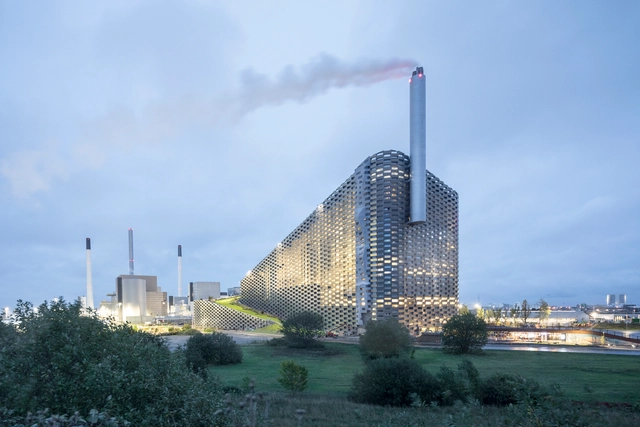
The construction sector, particularly the building industry, is one of the largest consumers of natural resources and is responsible for significant environmental impacts and CO2 emissions, according to data from the United Nations Environment Programme. According to data from the organization C40 Cities, buildings are one of the primary sources of greenhouse gas (GHG) emissions in cities, meaning there is substantial room to reduce these emissions—with CO2 being the primary GHG. Data from the National Energy Balance (MME, 2019) indicates that residential, public, and commercial buildings in Brazil consumed over 40% of all electricity produced in the country in 2018.
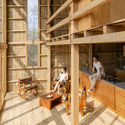
Much like schools, restaurants, shopping centers, and other crowded venues, museums around the world had to close their doors with the arrival of COVID-19. Today, some cities where infection rates have significantly decreased are preparing to reopen non-essential services. As part of this group, museums—which sought new ways to connect with the public remotely during isolation—must now adapt to a new way of welcoming visitors.
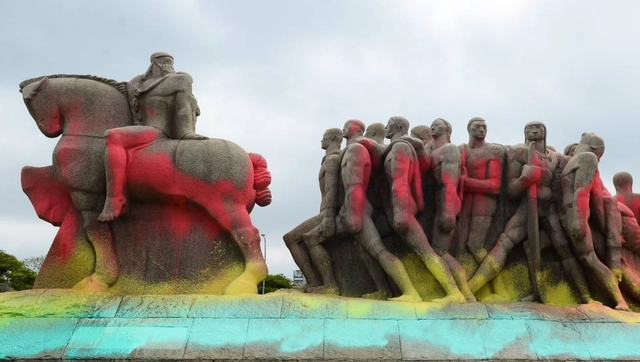
Monumento às Bandeiras, in São Paulo, covered in graffiti in 2016. Photo by Rovena Rosa / Agência Brasil / Fotos públicas
Architect Ayesha Luciano does not know much about her ancestors. Like other descendants of Afro-Brazilian and Indigenous populations, her family history was erased during the colonization of Brazil. This is what philosopher Sueli Carneiro calls epistemicide: the annihilation of knowledge and memories in countries with a history of slavery.
Yet the perpetrators of this genocide have their figures carved in stone, occupying central positions in the country's public spaces. Such is the case with the totemic statue of the bandeirante Borba Gato in the capital of São Paulo, or of Joaquim Pereira Marinho, a trafficker of enslaved people whose statue stands in the center of Salvador (BA). The architect comments:
Even before the new president of IPHAN was appointed in May 2020, guest professors Silvana Rubino and Alfredo Manevy spoke about the various challenges and contradictions guiding cultural policy in Brazil during a discussion at Escola da Cidade on June 5, 2019. Part of the course *Seminar on Contemporary Culture and Reality*, then coordinated by Professor José Guilherme Pereira Leite, the talk took the dissolution of the Ministry of Culture (MinC) as its starting point to discuss its repercussions, particularly in the fields of architecture and urbanism.
What is your idea of landscape? Landscape Architecture—a field of knowledge adjacent to architecture and urbanism—is often translated into Portuguese as landscaping (paisagismo), a term many resist because it fails to capture the discipline's true complexity. We suspect this discomfort stems from a common architectural tradition in Brazil that views the landscape as a purely designed, static entity.
Polis is a (hypothetical) coastal metropolis with a growing population. However, most of its infrastructure was built 100 years ago, lacks maintenance, and is unable to meet the city's future needs.
Compounding these issues, Polis is experiencing damage from rising floods and coastal erosion. Its residents, especially those already impacted by environmental pollution, suffer from heat waves and poor air quality driven by industrial activity and traffic congestion.
https://www.archdaily.com/1124013/integrated-planning-of-nature-based-solutions-the-key-to-urban-resilienceLisa Beyer e James Anderson
The air humidity is famous, reaching mercilessly low levels for anyone who has never visited a desert. Trees with twisted trunks, thick bark, and fuzzy leaves rise from the soil, attempting to defy gravity, but they contort in such a way that it is as if the heat were pushing them back toward the ground. The red earth is omnipresent, adding a touch of drama to every corner, as if the searing temperature whipped the land until it bled. Here in the *cerrado*, there is none of the density of a damp, dark jungle—like some menacing forest out of a Jack London novel, or an immemorial witness in a trance, as seen in a Joseph Conrad novella.
Sheet metal is characterized by an excellent strength-to-weight ratio, meaning it performs exceptionally well under heavy loads despite being lightweight and slender. Because of this, bookshelves made from sheet metal offer impressive storage capacity and have become increasingly popular in apartment design.
A faucet is a mechanical valve used to regulate (release or block) the flow of a fluid (usually water) from plumbing. While turning on a faucet seems almost mundane today, we rarely think about the vast knowledge and technology required to provide water at any given moment with a simple movement of the hand. Yet, between intake, treatment, and distribution to a kitchen or bathroom, water travels a complex path.
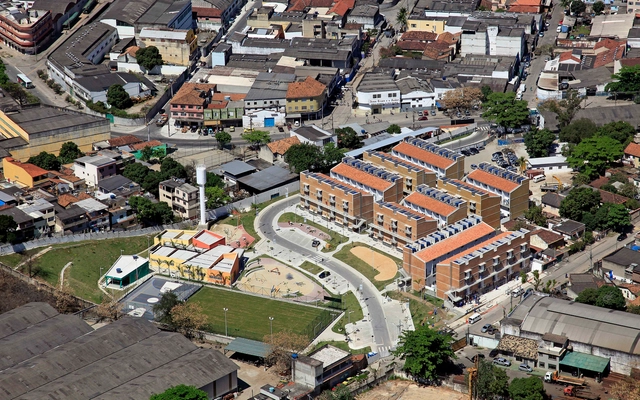
Complexo do Alemão Housing Nucleus, arch. Jorge Mario Jáuregui – RJ 2009. Source: Jorge Mario Jauregui Collection
We must build the city through housing to address the country's housing deficit. Above all, we need not just “houses” but compact housing developments equipped with infrastructure, services, public facilities, and public spaces, featuring highly diverse housing typologies to accommodate a wide variety of family arrangements. The current incentives driving urban land speculation must be redirected through an Urban Reform.
https://www.archdaily.com/1123587/a-reading-of-social-housing-by-jorge-mario-jaureguiJorge Mario Jauregui
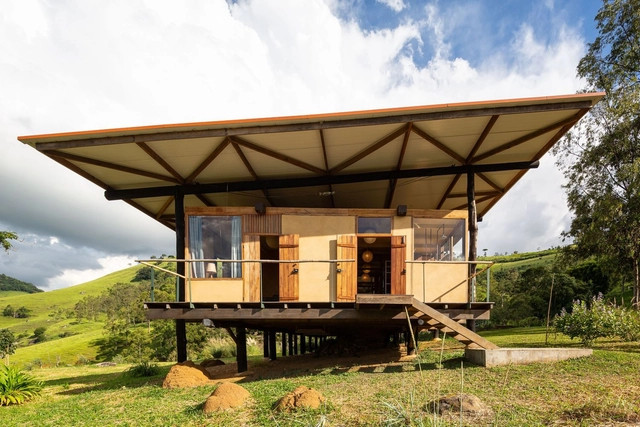
In recent years, metal roofing has increasingly gained ground in architectural projects, from the industrial to the residential scale, especially when there is a need to lighten structural loads or span large distances. In residential architecture, this solution offers a viable alternative to traditional ceramic tiles due to its low cost, rapid installation, and the wide variety of types and models available on the market.
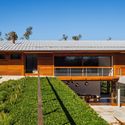
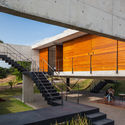
Certain acclaimed architectural works are recognized by details or specific elements designed with such care and inventiveness that they become the immediate reference that comes to mind when we think of these projects.
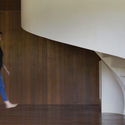
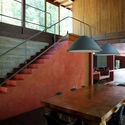
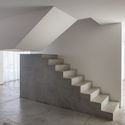
One such element that frequently takes center stage is the staircase. This is evident in classics like Lina Bo Bardi's Solar do Unhão, featuring a singular wooden staircase that organizes the entire open space and defines the scale of the structure, or the iconic helical staircase of the Itamaraty Palace, designed by Oscar Niemeyer with the precise curves that characterize his work.
Renovations of Brazilian modernist buildings prompt a necessary debate on how to preserve and what best practices to employ when intervening in architectural heritage. The challenges of this type of intervention are immense. These projects must be approached with great care to maintain respect for their historical significance, preserving key elements of their composition while simultaneously updating the building to meet contemporary and client demands.
Videos
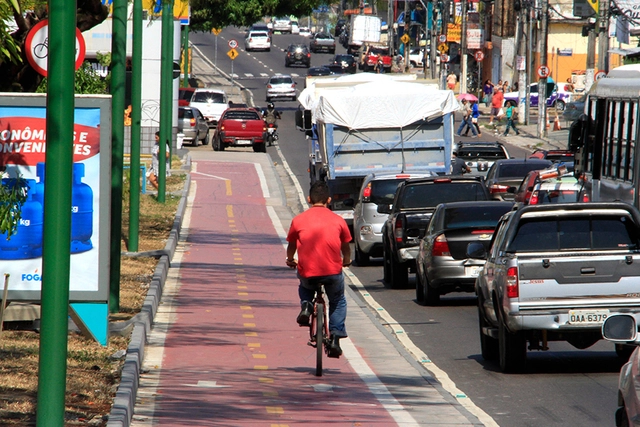
Bike lane in Manaus, AM. Courtesy of Caos Planejado
Cities are on the front lines of the fight against Covid-19. This pandemic has manifested as a global crisis, and the decisions made at this delicate moment by governments, policymakers, decision-makers, and the public will have profound consequences for the future. Countless contexts are already undergoing changes that alter—if only temporarily—human behavior. Social distancing measures, lockdowns, health protocols, and restrictions on urban mobility are major drivers in shaping new urban realities.
The Cruel Pedagogy of the Virus – The pandemic has a tragic power of revelation. It exposes a series of paradoxes that were previously obscured or underestimated. In this sense, like any moment of crisis, it carries an educational dimension. Undoubtedly, given so many deaths—many of them preventable—this is a "cruel pedagogy of the virus," in the words of Portuguese sociologist Boaventura de Sousa Santos. Amidst the suffering, debates and proposals have proliferated through livestreams, articles, reports, petitions, research papers, action agendas, guides, denunciations, solidarity networks, and even self-governance initiatives in semi-abandoned peripheries. These discussions focus particularly on the Brazilian tragedy, which combines multiple crises tied to structural issues (such as inequality and racism) with a mounting crisis of reason—or simple common sense—shaping a macabre landscape of social regression, hatred, obscurantism, and genocide.
https://www.archdaily.com/1124284/architectures-of-distance-what-the-pandemic-can-reveal-about-architecture-and-urbanism-educationMariana Wilderom e Pedro Fiori Arantes
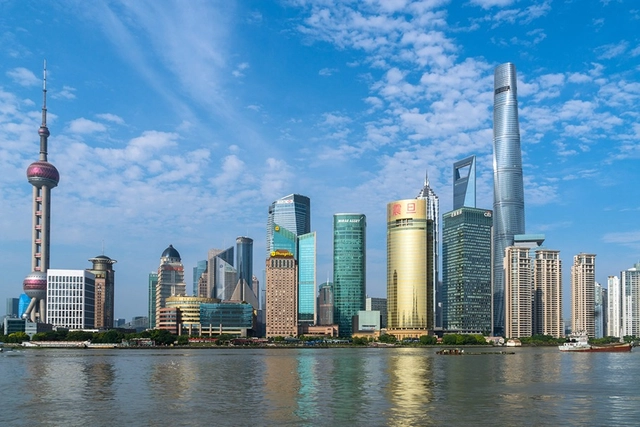
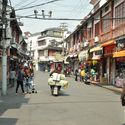
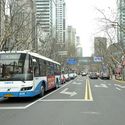
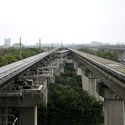
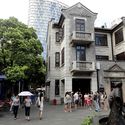
In 2013, the film *Her*, in which the protagonist falls in love with an operating system, sought to depict a not-so-distant future of a relatively dystopian reality. Although the city depicted was likely a futuristic Los Angeles, the filming actually took place in Shanghai. After visiting the city, I believe this was a wise decision, given the pervasive atmosphere that constantly evokes this very theme. I remember standing on a massive circular pedestrian overpass above the Mingzhu roundabout, which connects major avenues in the heart of Pudong, Shanghai's current financial district. Ahead of me, I saw the bizarre Oriental Pearl Tower, a 467-meter-tall TV tower built by a Chinese state-owned enterprise in 1994. Looking back and up at the Shanghai Tower—the second-tallest building on the planet at an impressive 632 meters—the impact was even greater. This is Shanghai's image to the world, the showcase of a new China, breaking paradigms and reaching for the sky.




.jpg?1593640188)
.jpg?1593640151 "BRT corridor in Guangzhou, China. Public transit priority measures can increase accessibility in cities. Image © Thiago Benicchio")
.jpg?1593640230 "The city of Amsterdam (Netherlands) has a good population density, a robust public transit network, mixed land use, and a good distribution of opportunities. Image © Thiago Benicchio")
.jpg?1593640172 "São Paulo (Brazil), a sprawling city with long travel distances and low accessibility rates. Image © Thiago Benicchio")
.jpg?1593640210 "Bicycle boulevard in Amsterdam (Netherlands). Cities with high accessibility rates ensure proximity between origins and destinations, facilitating active transportation options like cycling and walking. Image © Thiago Benicchio")
.jpg?1593640188)




.jpg?1594383627&format=webp&width=640&height=580)
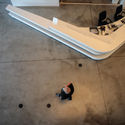
.jpg?1594383244 "The Milwaukee Art Museum in April, closed due to the Covid-19 pandemic. Image: Tom Barrett")
.jpg?1594383218 "Beeline, the Architectural Intervention by SO-IL, Is on Display as MAAT Reopens. Image: © Iwan Baan")

.jpg?1594383627)