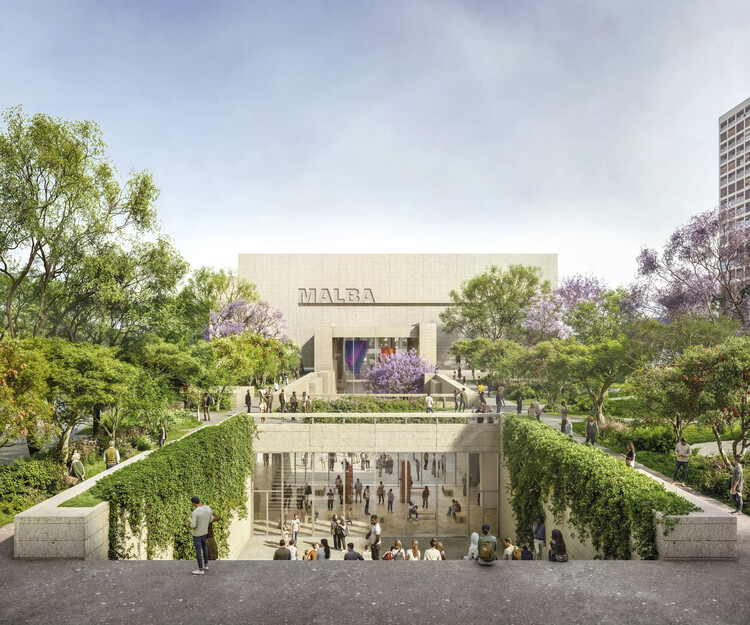
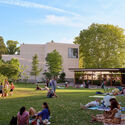
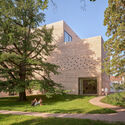
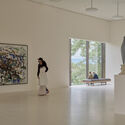
Architecture this week reflects on how buildings and cities adapt to changing cultural, social, and environmental conditions. From the expansion of established institutions and the preservation of architectural archives to new approaches to housing and the use of domestic space, several stories consider how architecture negotiates between existing contexts and future needs. These questions extend beyond individual buildings, touching on the role of public space, infrastructure, energy, and collective memory in shaping the built environment. At the same time, new projects and cultural programs across different contexts demonstrate how architecture can respond to local histories, urban transformation, and resource constraints while establishing new relationships between buildings, landscapes, and the communities that use them.
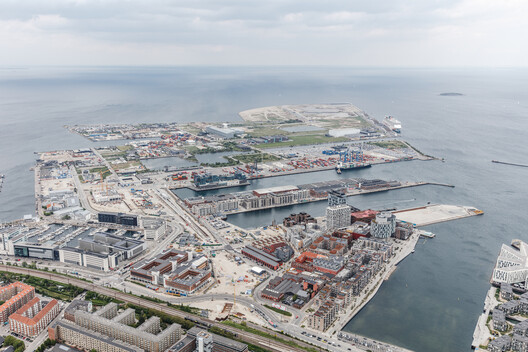
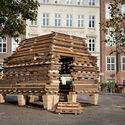
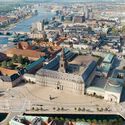
The origins of the Copenhagen Architecture Biennial trace back to the establishment of the CAFx yearly festival in 2014, which was renamed Copenhagen Architecture Forum in 2024 to lead new projects focused on architecture and urbanism, such as the shift from festival to biennial, with a first edition in 2025. Today, the details of the second edition are being announced: it will take place from September 9 to October 15, 2027, under the theme "Elements." After the Biennial's inaugural call to Slow Down, the event is turning its attention to the planetary elemental forces that architecture has sought to master and prepare to inhabit, questioning one of modernity's most persistent promises: control over the environment. Activities will be dedicated to and organized around each of the four elements: fire, earth, air, and water, including an open call for pavilions, exhibitions, and a symposium.
Architecture across Latin America this month reflects an ongoing conversation around inhabitation, cultural heritage, and the ways architecture can connect contemporary life with existing places and knowledge. From the Buenos Aires International Architecture Biennial and initiatives addressing traditional building practices and archaeological heritage to new cultural infrastructure and housing projects in Argentina, Ecuador, and Peru, recent developments highlight different approaches to working with local contexts. Across the region, questions of memory, community, landscape, and material practice continue to shape both architectural projects and broader discussions around how cities and territories are inhabited.
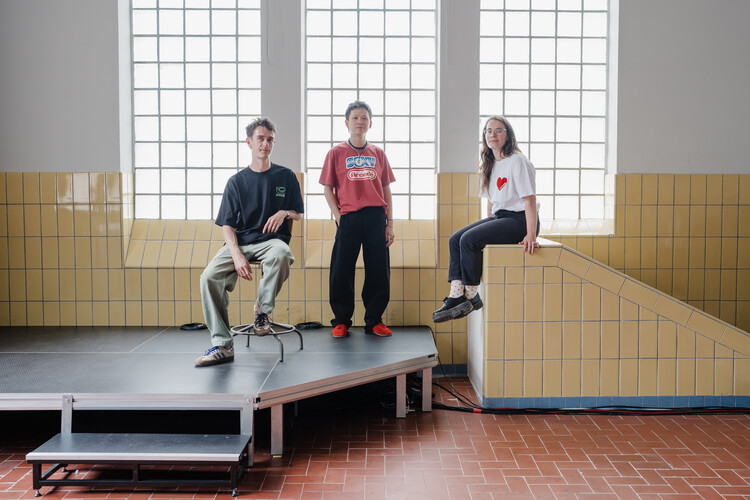
A jury of arts and architecture professionals recently announced the selected curatorial proposal for the Luxembourg Pavilion at the Biennale Architettura 2027. The exhibition will be curated by housing expert Céline Zimmer and architects Bùi Quý Sơn and Paul-Antoine Lucas, co-founders of the critical spatial practice Exutoire, one of the winning practices of the ArchDaily 2026 Next Practices Awards. The proposal is titled "Excess! On the Overconsumption of Living Space" and addresses the inequitable distribution of living space as a reflection of "broader habits of excess that contribute to the current housing and ecological crises." The issue will be illustrated through a dialogue between the realities of Luxembourg and Vietnam to reflect on spatial consumption. The Luxembourg Pavilion is located on the first floor of the Sale d'Armi in the Arsenale, which will open to the public for the Biennale on May 8, 2027.
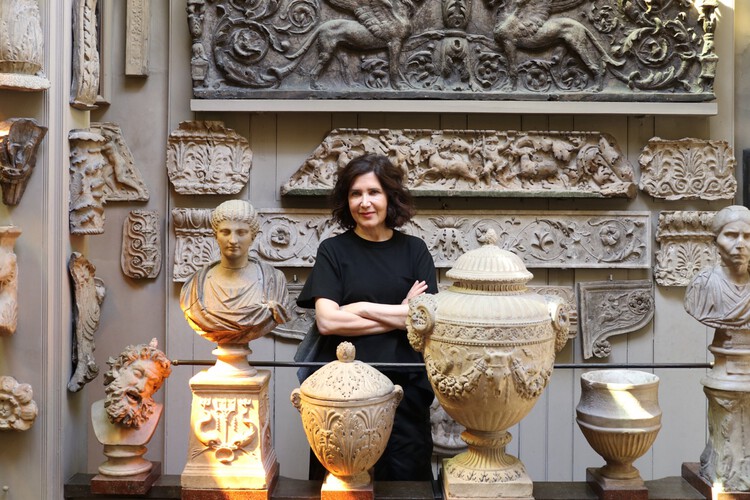
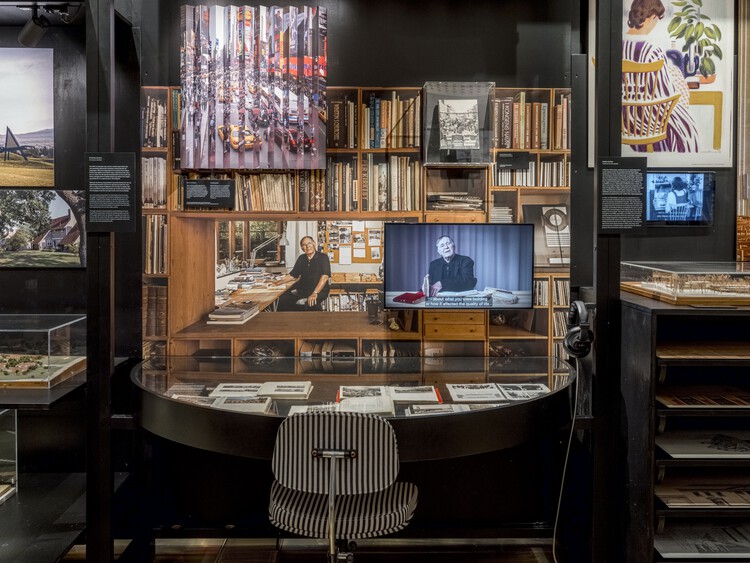
Farshid Moussavi has been awarded the 2026 Soane Medal for her contributions to architectural practice, history, and theory. The Iranian-born architect and educator, who founded Farshid Moussavi Architecture (FMA) in 2011, will receive the medal at the Royal Academy in London on November 24, 2026, where she will also deliver a public lecture. The annual award, established by Sir John Soane's Museum in 2017, recognizes individuals whose work has contributed to a broader understanding of architecture and its role in society.
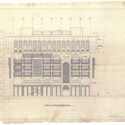
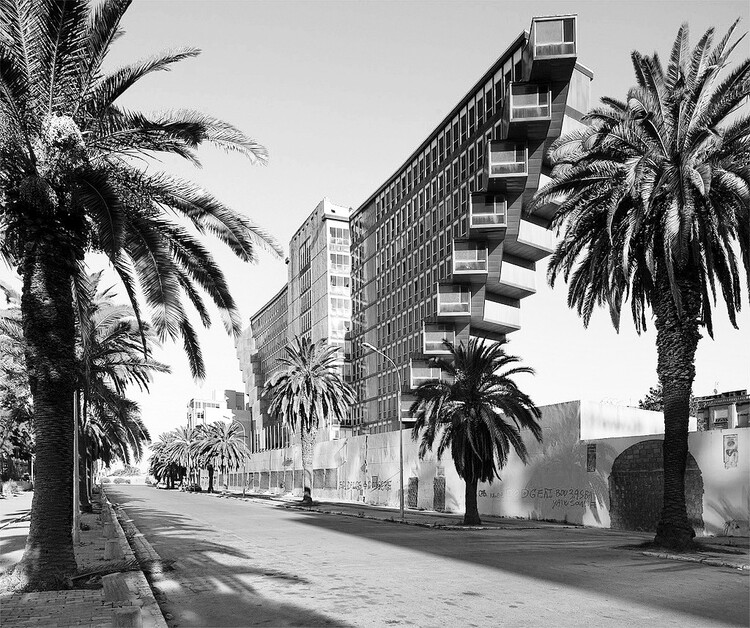
The Sharjah Architecture Triennial (SAT) has released the full documentary films from A Journey into Architecture Archives: Baghdad, Damascus, Tunis online. Curated by George Arbid, the project is part of SAT's long-term research program focused on documenting and safeguarding architectural archives across the Arab world. The three films, filmed on location in Baghdad, Damascus, and Tunis, combine archival research with fieldwork and oral histories, examining how architectural histories are constructed, preserved, and revisited over time.
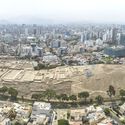
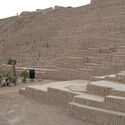
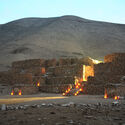
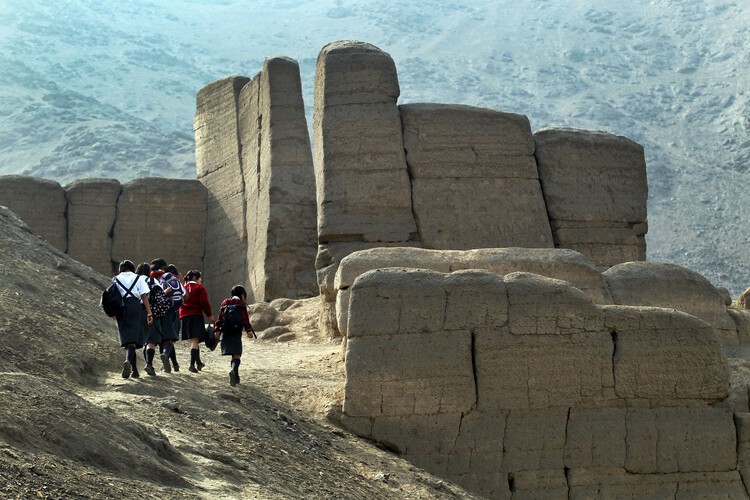
A campaign led by Red Lima Milenaria is seeking UNESCO recognition for pre-colonial sites in the Peruvian capital. Today, more than 600 archaeological sites remain in Lima, a metropolis of 11 million people. The citizens' campaign seeks to improve conservation conditions and public awareness of the sites that resisted European colonization by promoting the nomination of a selection of structures for inscription on UNESCO's World Heritage List. The public campaign was recently launched to gather citizen support and establish partnerships with organizations working in heritage and related fields, in order to prepare the framework for a formal nomination to be submitted by the Peruvian state. The initiative coincides with reconstruction movements in the continent responding to socioeconomic inequality and structural historical injustices, raising questions about the very definition of heritage.
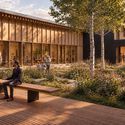
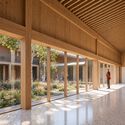
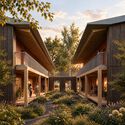
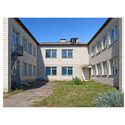
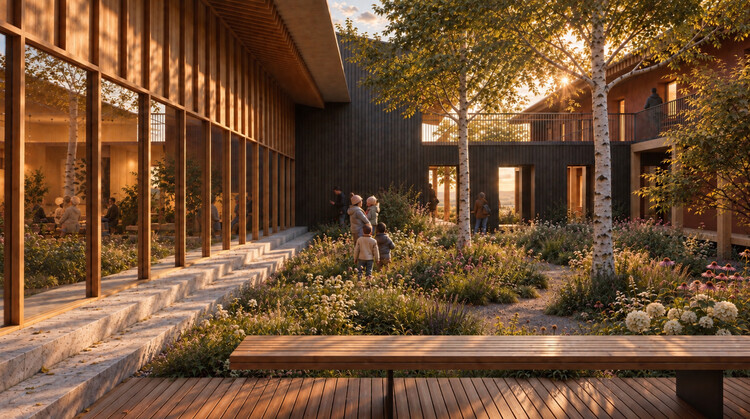
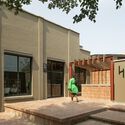
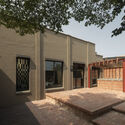
Office for Future is converting a former school in Stavyshche, Ukraine, into housing for 42 families displaced by the war. Developed for the Charity Foundation Housing for IDP, the project, titled "Dvir – The Shared Courtyard," reuses the approximately 1,900-square-meter building to create 42 apartments and 200 square meters of shared indoor spaces. The intervention combines the existing structure with new timber elements, an energy retrofit, and the transformation of the former asphalt courtyard into a permeable green space.
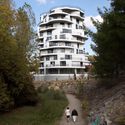
A fire has severely damaged La Querola d'Ordino, a residential development in Ordino, Andorra, designed by Jean Nouvel in collaboration with Ribas & Ribas Arquitectes and Jordi Sala. The fire began during the early hours of September 22 and spread across the seven-building complex before being brought under control on September 23. Firefighters from Andorra and neighboring France were involved in the response, with authorities reporting no injuries. The cause of the fire has not yet been established.
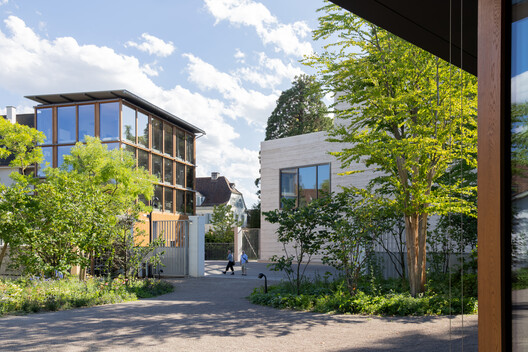
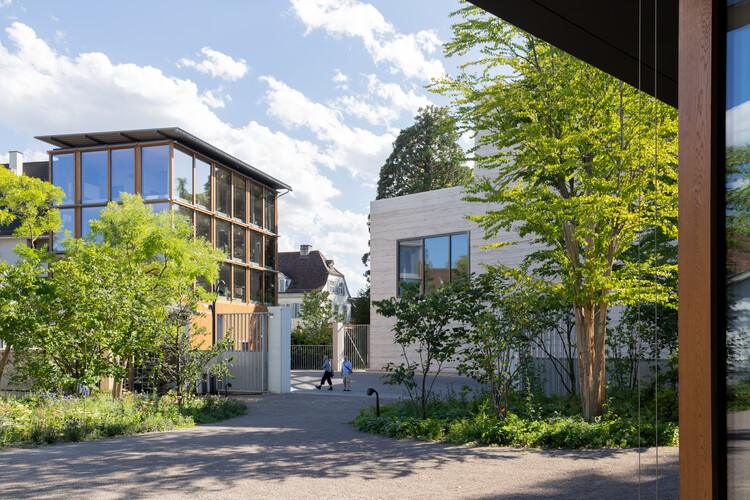
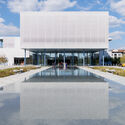
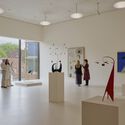
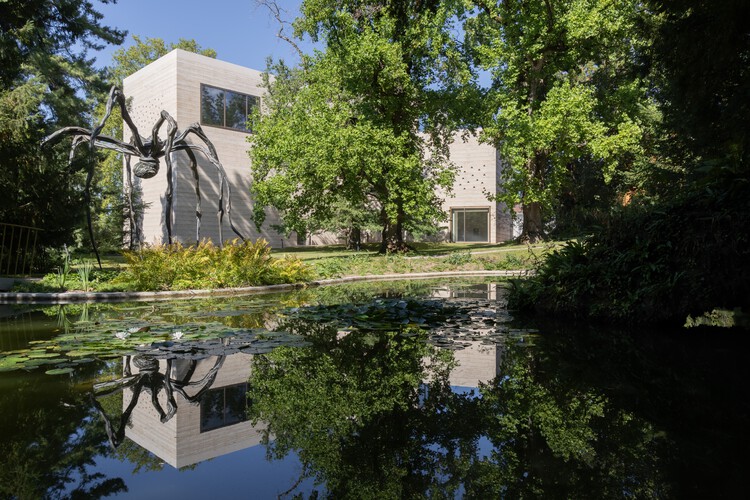
The Fondation Beyeler in Riehen, Switzerland, is expanding its museum ensemble with three new buildings by Swiss architect Peter Zumthor, an enlarged and restored park, and the adaptive reuse of several historic structures. The expansion extends the existing museum designed by Renzo Piano, adding exhibition, education, cultural, and public spaces while opening a previously private section of the surrounding landscape to visitors. The expanded ensemble will begin welcoming visitors on September 26, 2026, during a preview phase running through January 14, 2027, before fully opening on January 15. Zumthor's additions comprise the Wyss Museum, the Ammann Pavilion, and the Erlen Torhaus, positioned within the existing landscape and differentiated through their programmes, forms, and material treatments.
This week began with the United Nations' commemoration of the International Day of Peace, an invitation to ask what conditions are needed to cultivate nonviolence, social stability, and respect for human dignity. Against a backdrop of growing individual isolation, authoritarianism, and a multidimensional material crisis, we've gathered articles in which architecture mediates between conflict and coexistence through the construction of spaces for encounter and memory. Other news this week highlights a disciplinary tool that brings those two concepts together: the transformation of what we have already built to bring it up to date with our needs and aspirations, while another group of high-profile, large-scale projects opens in the Global North. On our radar, we also take a look at new projects in Dubai, Oxford, Portland and Paris, from major international firms.
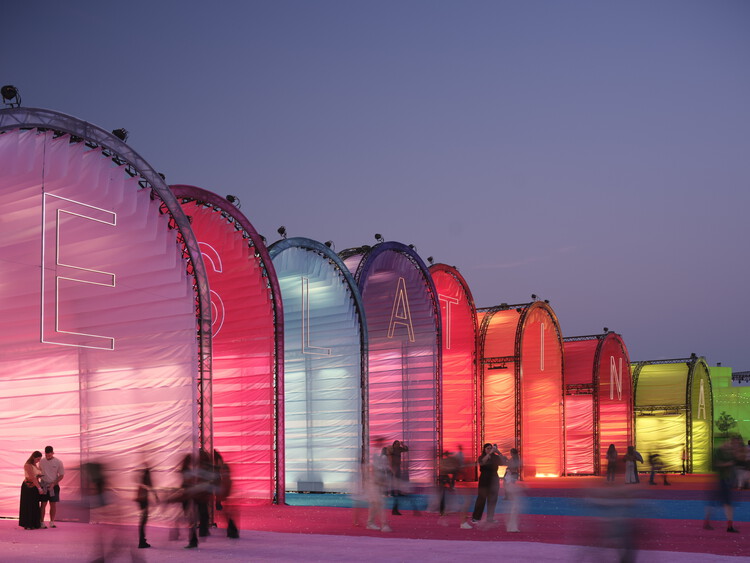
Following the opening weekend of Shakira's Madrid residency, Macondo Park has officially opened at the Iberdrola Music venue in Villaverde, Madrid. Designed by Bjarke Ingels Group (BIG) in collaboration with Komodo and Vampire, the 185,000-square-meter temporary destination surrounds the venue designed by BIG for Shakira's concerts, extending the venue with a series of cultural and public spaces inspired by the fictional town of Macondo from Gabriel García Márquez's One Hundred Years of Solitude. The park will host daily cultural programming alongside the concerts throughout the singer's 12-show residency, which continues through October 11, before its temporary structures and landscape elements are dismantled and removed from the site.
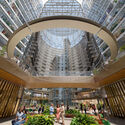
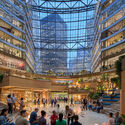
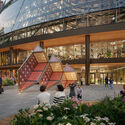
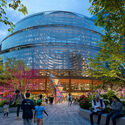
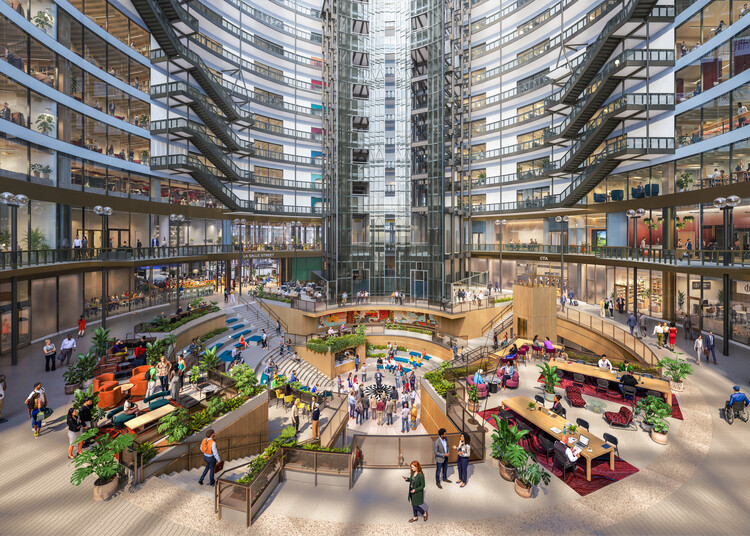
On September 16, 2026, Google announced the redevelopment of Chicago's Thompson Center as a space for work, culture, and community. The James R. Thompson Center is a postmodern architectural landmark designed by Helmut Jahn and completed in 1985. Commissioned by Illinois Governor James R. Thompson, the building reinterprets the classical state capitol by turning the traditional dome-and-public-plaza concept inside out. Occupying an entire city block in Chicago's Loop, it features a multicolored, curved glass atrium and a sloping, transparent corner entry. Controversial from day one, it has been criticized for poor climate control, high maintenance costs, and structural and leak issues. To restore it rather than demolish it, the company collaborated with Architecture Plus Information (A+I) to design a project that would integrate the building into the urban life of Chicago's Loop.
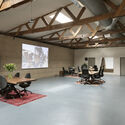
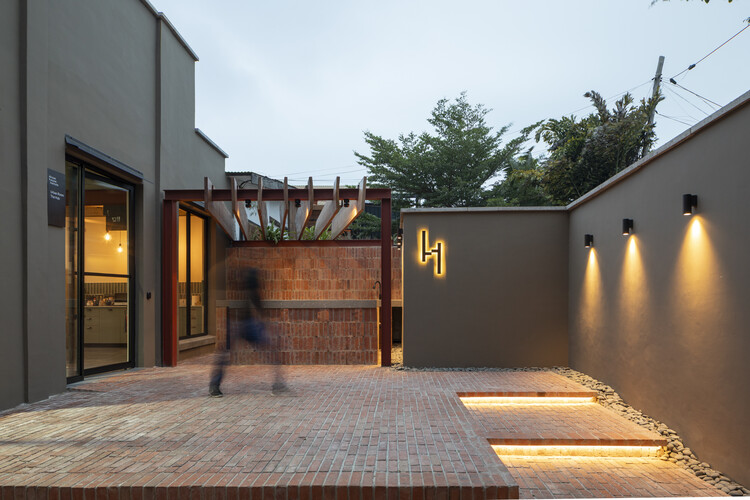
The African Futures Institute (AFI) has completed its new headquarters in Accra, Ghana, transforming a former tile warehouse in the city's Osu neighbourhood into a centre for architectural education, research, exhibitions, and public programmes. The project retains the existing industrial structure while introducing spaces for teaching, workshops, performances, screenings, and gatherings. Its completion gives the Institute a permanent base in Accra after several years of operating through programmes, partnerships, and temporary spaces across Africa and beyond.
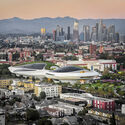
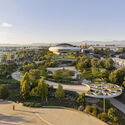
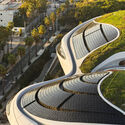
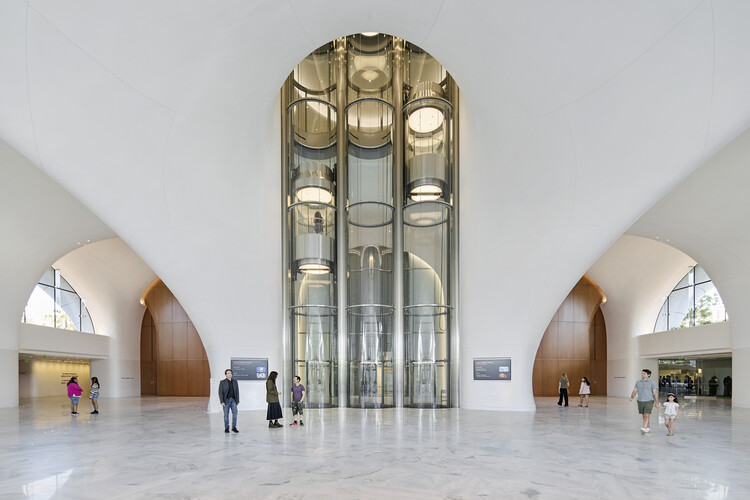
The Lucas Museum of Narrative Art officially opens its doors to the public today, September 22, 2026. The museum's sculptural, curved silhouette was designed by Ma Yansong of MAD Architects, with landscape architecture by Mia Lehrer of Studio-MLA and Stantec serving as executive architect. The opening follows a Founding Members Preview held from September 5 to 11, giving members an exclusive early look at the galleries, and a star-studded opening night on Saturday, September 19, featuring celebrity co-chairs at a launch event for the museum, co-founded by George Lucas and Mellody Hobson. The date aligns with the announcement made by the institution nearly a year ago, though the project has a longer history: approved in 2017, with construction beginning the following year, the opening was originally planned for 2025. The museum sits within an 11-acre (4.5-hectare) site in Los Angeles's Exposition Park and comprises a 300,000-square-foot (27,900-square-meter) structure featuring galleries, two theaters, a retail store, a library, a café, a restaurant, and event spaces.
Every year on September 21, the United Nations marks the International Day of Peace, an observance that invites global reflection on the conditions necessary to cultivate non-violence, social stability, and human dignity. Under the 2026 theme, "Invest in Peace – For Everyone, Everywhere, Every Day," the international body emphasizes that peace is neither static nor self-sustaining. Rather than an abstract condition defined solely by diplomatic agreements, peace operates as an ongoing social process, shaped by economic equity, institutional integrity, and the quality of civic life across communities.