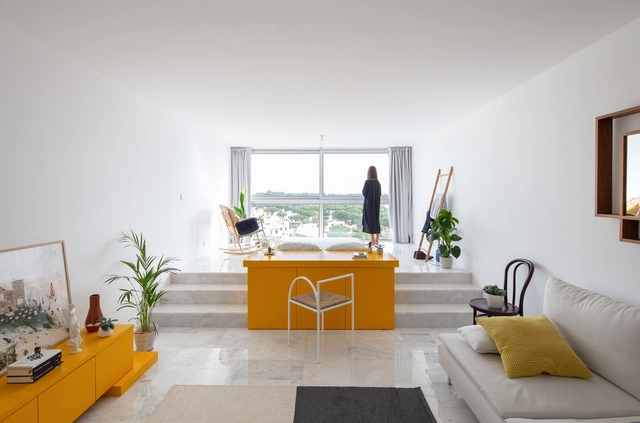
Dwellings can be understood as the most significant and primary form of architecture, as the house is intimately related to the idea of shelter, one of humanity’s basic needs. In the words of architect Mario Botta, “As long as there is a man who needs a house, architecture will still exist.” Yet, in spite of its ubiquity, or perhaps because of it, an exact definition of a home is difficult to find. Throughout history, different functions and spaces have been added and subtracted from this unit, reflecting directly the character of the society that produced it.
The list of expectations that a house has to fulfill is long and ever-evolving: to provide intimate and safe spaces where one can recharge their energy, but at the same time to allow for interaction, welcoming friends and family to join in; it is the purveyor of leisure and relaxation, but also the site of most labors of care, while also providing a small incubator for starting entrepreneurs. This tendency to demand a residential unit to fulfill multiple roles was heightened to unprecedented levels during the pandemic. Health concerns led to the closing of most workspaces, the second place where people spent most of their time, and of cafes, restaurants, cinemas, and malls, the “third places.” Suddenly, the home had to become an all-purpose space.
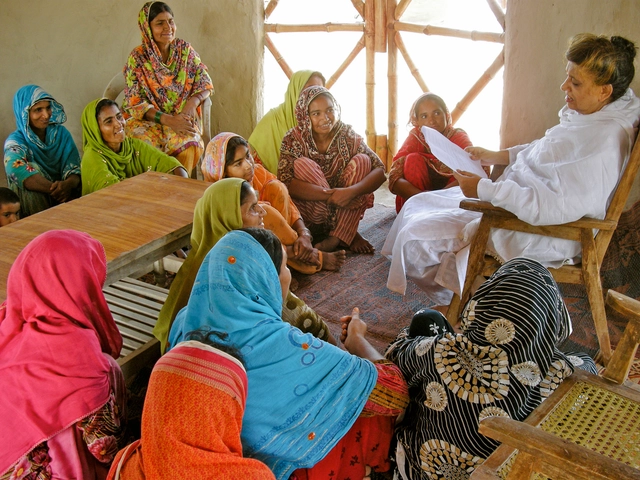
Yasmeen Lari’s Pakistani Chulah - an outdoor stove used by women in South Asia- is a powerful intervention that highlights the architect's commitment to feminist and environmental activism. The project synchronically tackles issues of deforestation, pollution, and health hazards faced by women in rural areas. Her design is systemic, locally specific, and conscious of the needs of society’s most vulnerable - women and nature. Her vast body of humanitarian work elaborated on in Yasmeen Lari: Architecture for the Future, opens up a dialogue for viewing architecture through an eco-feminist lens.
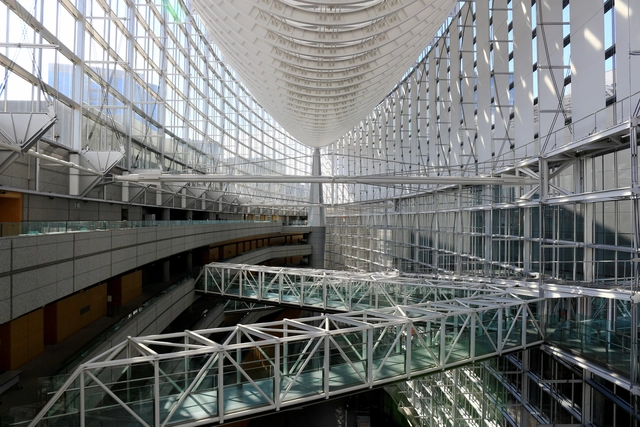
Foro Internacional de Tokio, Japón. Imagen de kazuhiro. Image via Shutterstock
Addressing diverse scales, users, and themes, Rafael Viñoly has been involved in numerous architectural projects ranging from museums and educational facilities to airports and skyscrapers. Beyond the economic, geographic, technological, social, or cultural variables he has faced, the wide range of works he has left us as a legacy is the fruit of a trajectory that we propose to go through from his beginnings in the profession to his most controversial and most recent projects.
QS- Quacquarelli Symonds World University Rankings just announced the 2023 top universities to study Architecture and the Built Environment. The index rates over 1,400 schools and covers a total of 54 disciplines, grouped into five broad subject areas, based on five indicators "to effectively reflect their performance, taking into account academic reputation, employer reputation, and faculty research".
While the city of Berlin has a long history, dating back to the 13th century, its architecture and urban fabric has undergone the most significant changes during the last century, reflecting the impact of major historical events that took place in the German capital. During the early 20th century, Berlin transformed into a modern metropolis, marked through the construction of grand buildings and imposing structures to demonstrate the city’s growing economic and political power. The 1920s and 1930s saw the emergence of the Modernist movement, which, together with the Bauhaus school of architecture founded in 1919, influenced the image and urban fabric of Berlin.
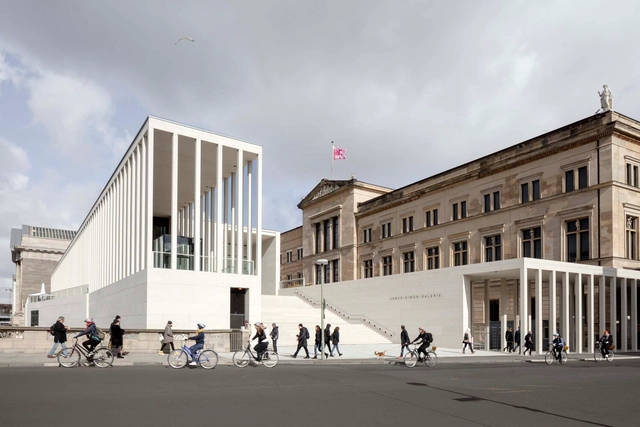
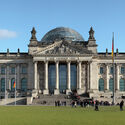
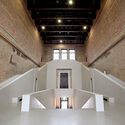
During the Second World War the city was heavily bombed, resulting in the destruction of many historical buildings. During the post-war period, reconstruction efforts focused on rebuilding infrastructure and housing, while the city remained divided until 1989, with the fall of the Berlin wall. After this period, Berlin witnessed a renewed interest in architecture and urban design. Interventions such as David Chipperfield’s Neues Museum aimed to rebuild historical monuments without erasing the markings of their difficult past. Other projects such as the renovation of the Reichstag had a different purpose. Norman Foster’s intervention intended to keep the image of this building but change its symbolism from a structure representative for the Nazi regime to one embracing the ideals of democracy and equality.
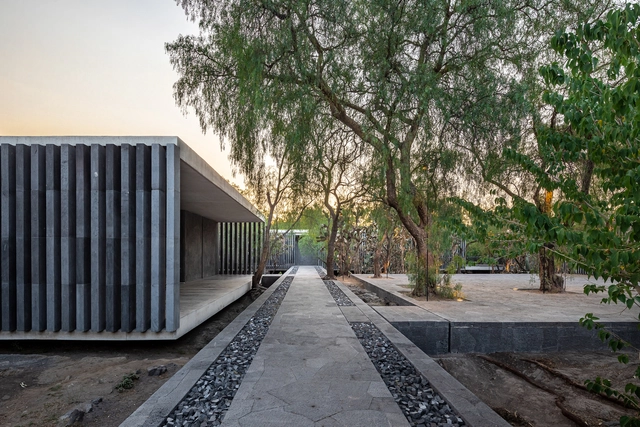
The remodeling and expansion of the Anahuacalli Museum in Mexico City by Taller | Mauricio Rocha is the 2023 recipient of the Mies Crown Hall Americas Prize (MCHAP), the biennial prize that recognizes a built work in the Americas that best embodies architectural excellence. The winner announcement was made by MCHAP Director Dirk Denison and Jury Chair Sandra Barclay at the MCHAP Symposium and Gala Awards Benefit Dinner that took place in Chicago at S. R. Crown Hall on the Illinois Institute of Technology’s historic Mies campus this Friday, March 24, 2023.
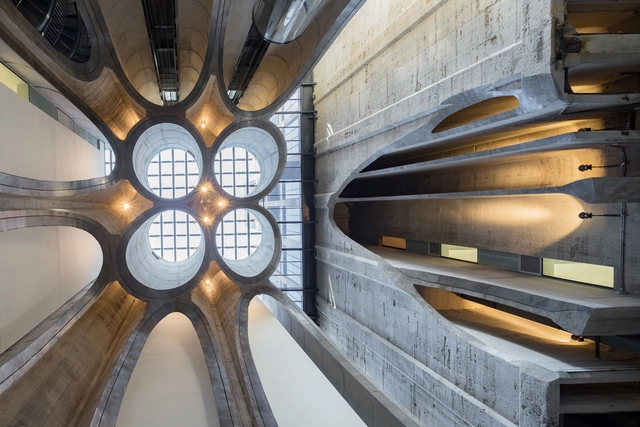
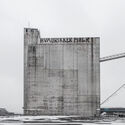
Hulking, imposing, and utilitarian, silos are an enduring urban feature, structures typically used for the storage of materials in bulk. They are important physical elements of the agricultural industry, storing grain, fermented feed, and other foodstuffs. These tall, typically cylindrical forms remain the subject of architectural fascination — from being symbols of technological progress for Modernist architectural figures of the early 20th century, to in contemporary times, instigating inventive approaches to adaptive reuse.
David Chipperfield, laureate of the 2023 Pritzker Prize, has designed over a dozen museums throughout his career, with some still under construction. As a typology that has significant urban and social impact, Chipperfield and his team have skillfully leveraged each commission to transform neighborhoods and cities while still honoring the essence of the place and what was there before. His museums make powerful statements without being obtrusive, and this is reflected in the choice of materials and the construction solutions used.
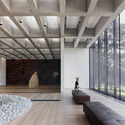
Like an oversized minimalism, Chipperfield gives the materials space to unfold and be understood. In his galleries and museums, the materials appear exposed, clean, and highlighted through contrast. They give character to the space while giving prominence to the art on display, generating suitable atmospheres for its proper appreciation. Regularity, continuity, and repetition help shape this background, while the filtered light finishes building the right scene.
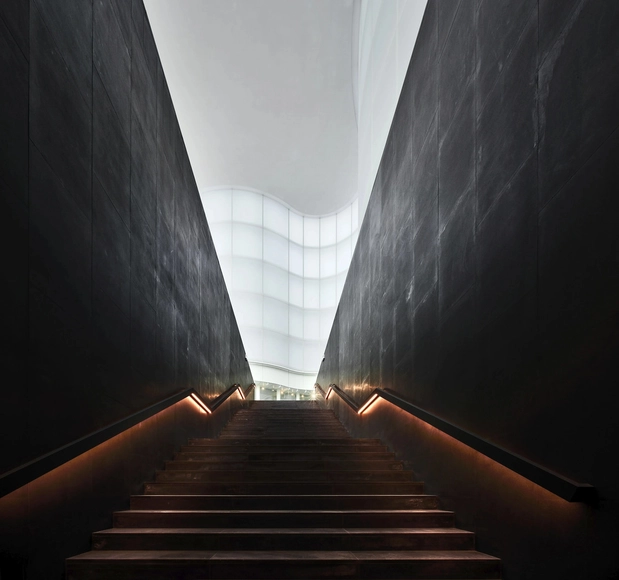
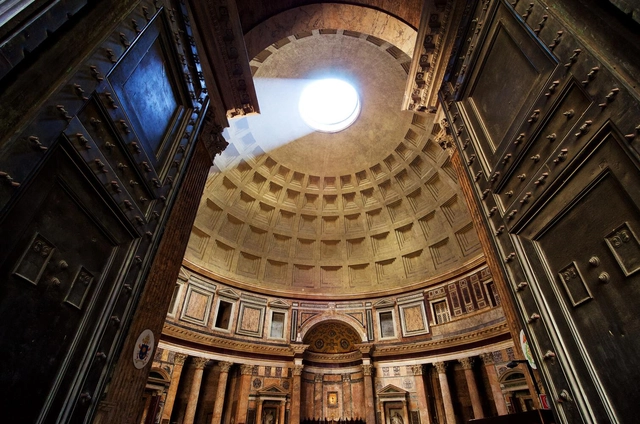
The significance of daylight in volumes of space exceeds its function of illumination. Light is a creative tool manipulated by architects to infuse a space with a metaphysical spirit, influencing the emotional states of its occupants. Having a phenomenological effect on the human psyche, light and shadow have been played with to invoke a sense of divinity and spirituality into the character of religious buildings. The interplay between architecture and light is a powerful one, shaping a deeper experience of spirituality.
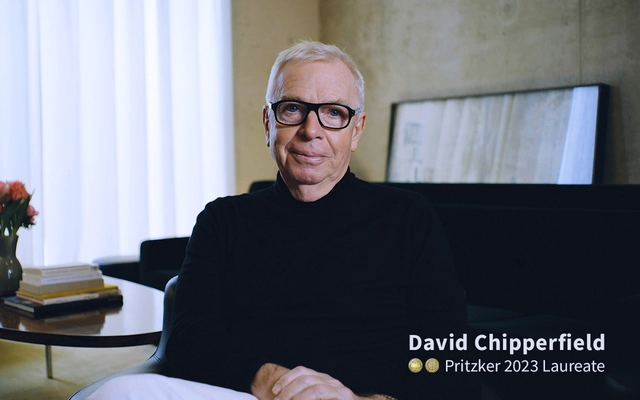
Sir David Chipperfield has been awarded with the 2023 Pritzker Prize, the highest distinction in the architectural profession. Known for his well-crafted, precise, and sensible response to complex environments, the architect became initially recognized for the skillful restoration and renovation of existing buildings, often cultural institutions, before expanding the range of projects to include new structures. While his built body of works demonstrates many of the core principles of good architecture, the ongoing projects reveal an equally relevant narrative: that of his direction moving forward and the way in which his approach to these principles evolves.
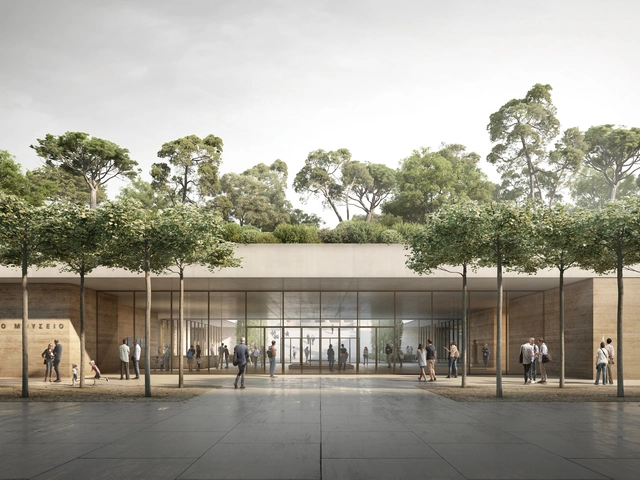
Many of the ongoing projects continue Chipperfield’s interest in museological and cultural institutions, yet he continues to work across a wide array of building types. The latest major project announced tackles one of the most prominent institutions in Greece, the National Archeological Museum. This represents yet another opportunity for the architect to present museums as institutions that offer a transformation of the urban life of the cities where they are located, while also bringing forward the historical layers that define its architecture. Other projects, such as the Santa Giulia Arena in Milano or the Elbtower in Hamburg, expand the range of programs and typologies addressed by Chipperfield.
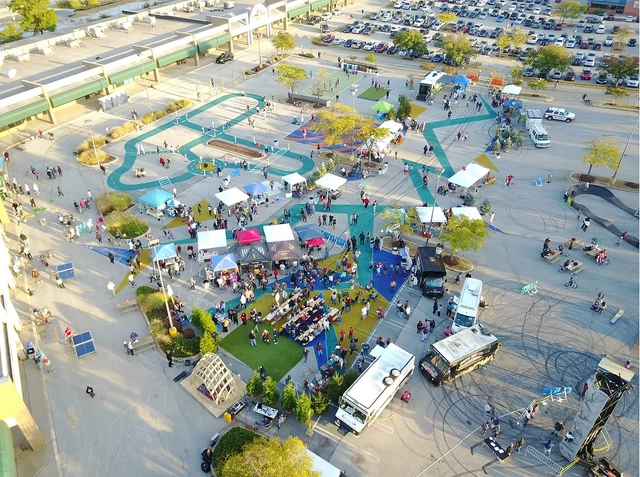
When streets lay empty, sidewalks untouched, and shutters hung heavy, the city seems lost of life. When businesses close, offices go remote and economic activity declines, the mechanisms that operate a city are idle. Vacant space and land are often perceived as “failed”, reflecting urban decline and economic blight. Emptiness, however, holds hope for possibilities and change. When urban voids are at the brink of transformation, what happens in the meanwhile?
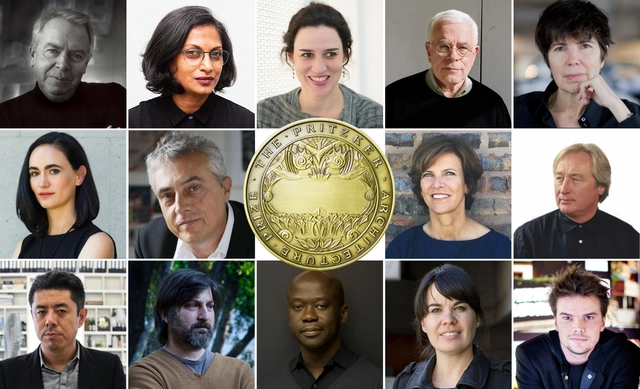
Once the Pritzker family of Chicago through the Hyatt Foundation has revealed the announcement date of the 2023 Pritzker Prize Laureate, the speculation has begun to swirl around which architect or architects will be honored with "the profession’s highest honor."
Since the foundation does not allow public nomination nor disclosure of its selection methodology, the architecture and design community speculates who can be the laureate. If you take a look at the list of architects who have won already, you might realize that anything is possible.
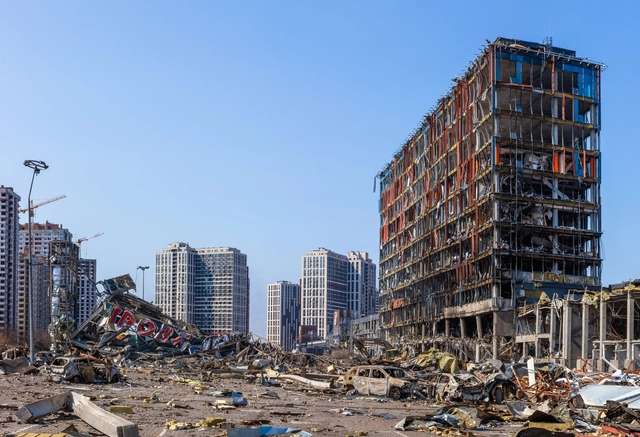
On 24 February 2022, Russia invaded Ukraine, a major escalation of the conflict dating since 2014. Now, a year later, the war is still ongoing. Both soldiers and civilians have fallen victim, while millions of others have become refugees, fleeing to safer areas across Europe or within Ukraine. What was instilled was a severe humanitarian and refugee crisis. The hostilities have also threatened Ukraine’s cultural and architectural heritage, as museums, monuments, and historical landmarks have become targets.
The implications are also reaching Europe and globally, as energy resources and food supplies become scarcer, damaging some economies. Still, Western countries remained unified in their support of Ukraine, as reported by international news outlets. Despite the economic difficulties, international support was mobilized through various initiatives in hopes of helping displaced people, protecting cultural heritage, and mapping a plan for reconstruction.
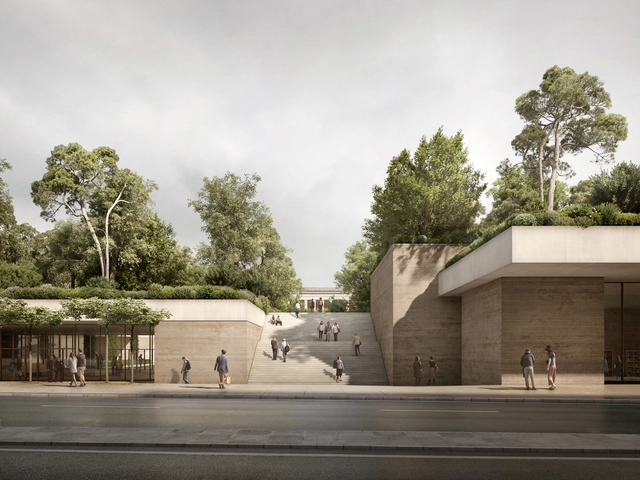
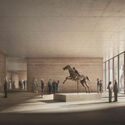
Selected from a shortlist of 10 proposals, David Chipperfield’s design won the competition for the National Archaeological Museum in Athens, Greece. Housing one of the world’s most important collections of prehistoric and ancient art, the National Archaeological Museum, will undergo refurbishment and extension works, including a subterranean addition with a roof garden. The proposal was developed together with Wirtz International, Tombazis & Associate Architects, wh-p ingenieure, Werner Sobek, and Atelier Brückner.