Architect, researcher, assistant lecturer at the Faculty of Architecture and Urban Planning UTCN, Master’s Degree in Architecture and Urban Planning from the Technical University of Cluj-Napoca and KU Leuven. Based in Cluj-Napoca, Romania.
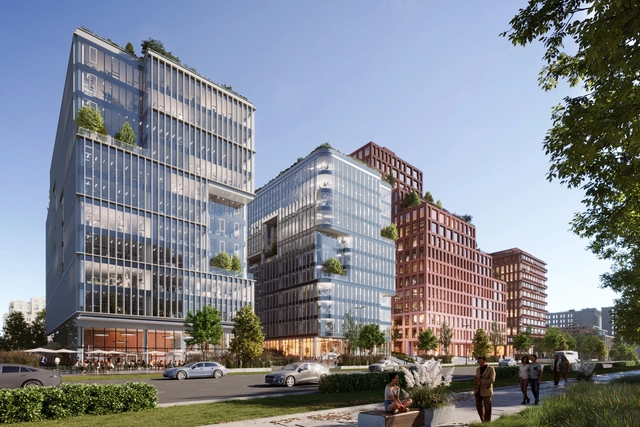
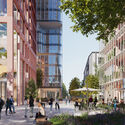
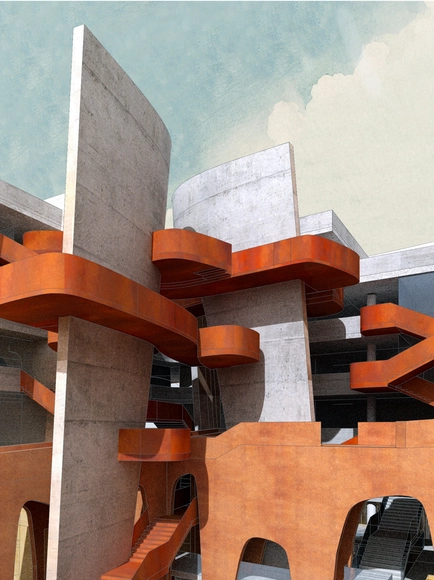
MVRDV and Orange Architects collaborate on the NUVO project, a new mixed-use complex to be built in Ukraine’s capital, the team of architects has revealed their design for three of the buildings that will become part of NOVO. Commissioned by Kovalska, the project is now restarting after work was put on hold due to the active conflict in Ukraine. The two firms are collaborating to refine the master plan initiated by APA Wojcehowski Architects.
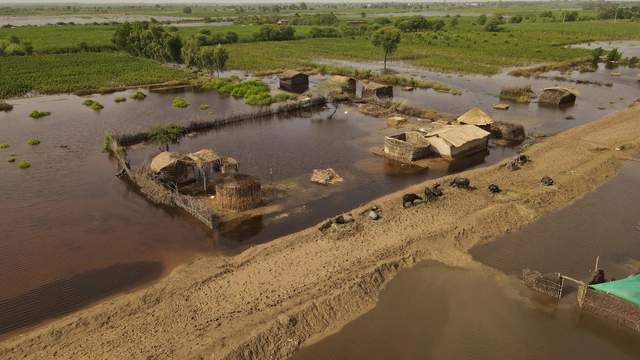
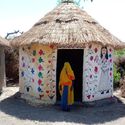
Pono Colony - August 2022. Image Courtesy of Heritage Foundation of Pakistan
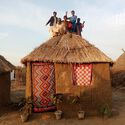
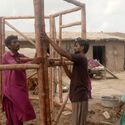
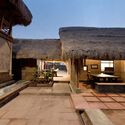
Following the extreme floods that affected Pakistan in 2022, architect Yasmeen Lari the Heritage Foundation of Pakistan pledged to help build one million resilient houses in the country. In 2022, 33 million people have been displaced, and an estimated 500,000 houses have been destroyed or severely damaged. In September 2022, Lari’s NGO launched a target program to start rebuilding and to help communities protect themselves against future disasters. The program is built on Lari’s expertise in working with the communities and employing vernacular and local building materials to achieve resilient and sustainable structures. According to the Heritage Foundation of Pakistan, one-third of the goal has already been reached.
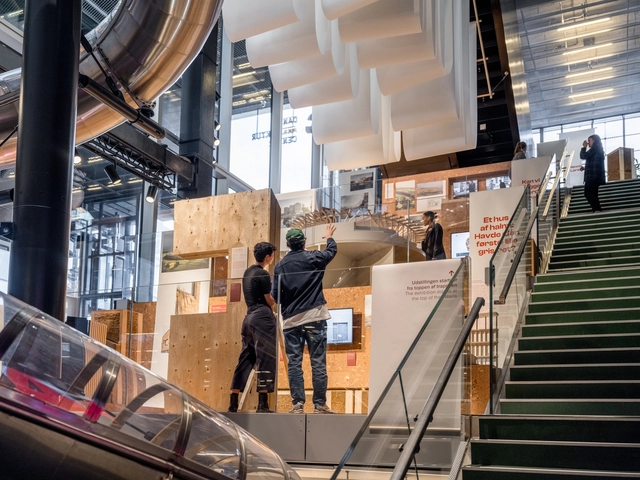
In a bid to explore new materials and methods for more sustainable construction, Henning Larsen opens the “Changing our Footprint” exhibition at the Danish Architecture Center in Copenhagen. The initiative, open from November 17, 2023, until March 3, 2024, aims to showcase ideas for more climate-friendly architecture and to start conversations on architecture and construction’s role in mitigating the effects of climate change. This represents the second iteration of the exhibition, as the first version opened at the Aedes Architecture Forum in Berlin earlier this year.
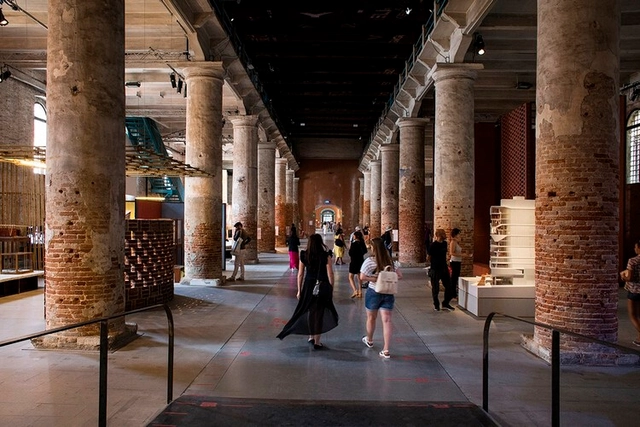
While exploring the 18th International Architecture Exhibition, the ArchDaily team had a chance to engage in conversation with several curators of the national pavilions, along with Lesley Lokko, the curator of the entire exhibition. The discussions delved into the unique character of this year’s edition focused on an understanding of Africa as a “Laboratory of the Future.” Through this lens, the biennale became “a healing experience,” in the words of Lesley Lokko, reinterpreting and deconstructing the meaning behind ideas such as decolonization, decarbonization, resource management, or finding the hidden potential in vernacular forms of practice.
Following Lokko’s curatorial direction, the exhibitions presented at the national pavilions explored the specific conditions of their territories, striving to uncover and highlight the unique challenges and opportunities faced by their local cultural landscapes. During the interviews, the curators opened up in regard to their personal inspirations and the drive behind the choice of program, the messages embedded in the displays, and their hopes for the future of the profession.
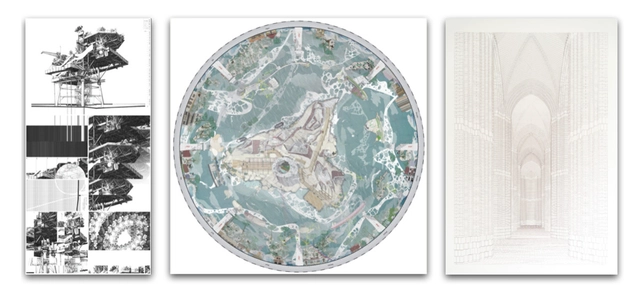
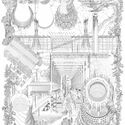
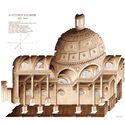
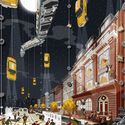
Left: ‘(Re)membering the See Monster’ by Eldry John Infante; Centre: The Archatographic Map of the Incomplete Landscape on Pedra Branca’ by Eugene Tan; Right: ‘Grundtvig’ by Ben Johnson. Image Courtesy of Architecture Drawing Prize
The Architecture Drawing Prize, now in its 7th edition, celebrates the art of drawing in three main categories: hand-drawn, digital, and hybrid. The Prize attracted nearly 250 drawings from around the world, a record for the competition, with the majority of entries being in the hand-drawn category. The winners of each category have been announced. The winning drawings, along with the shortlisted entries will be displayed at the World Architecture Festival in Singapore from 29 November until 1 December 2023, and at Sir John Soane’s Museum in London from 31 January to 3 March 2024. The Overall Winner will announced on 29 January 2024 as part of a webinar hosted by Sir John Soane’s Museum, ahead of the exhibition.
According to the jury, the technologies used by the entrants to find creative ways of depicting buildings generated probing discussions among the jury members, testing the nature and definition of architectural drawing. Sponsored by Iris Ceramica Group, the Architecture Drawing Prize is co-curated by Make Architects, Sir John Soane’s Museum and World Architecture Festival (WAF).
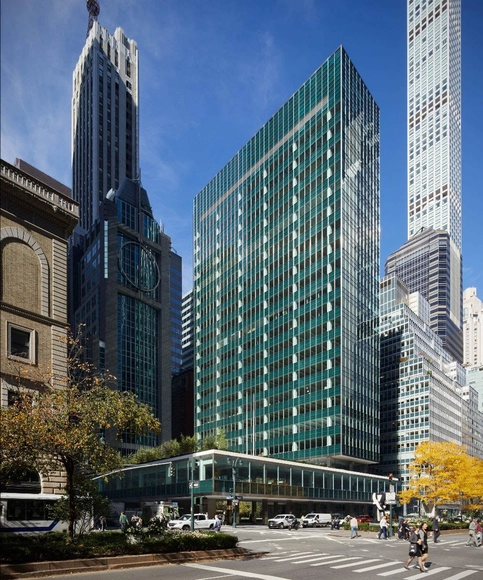
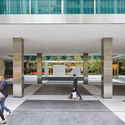
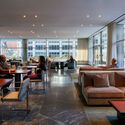
Skidmore, Owings & Merrill (SOM) has completed the restoration works for Lever House, one of New York’s Modernist landmarks. The building was completed in 1952, following SOM’s design. At that time, architecture critic Reyner Banham said of the building “it gave architectural expression to an age just as the age was being born.” Since then, SOM has retained a level of stewardship, revisiting the building and ensuring that the restoration works preserve the original image without compromising contemporary standards of performance.
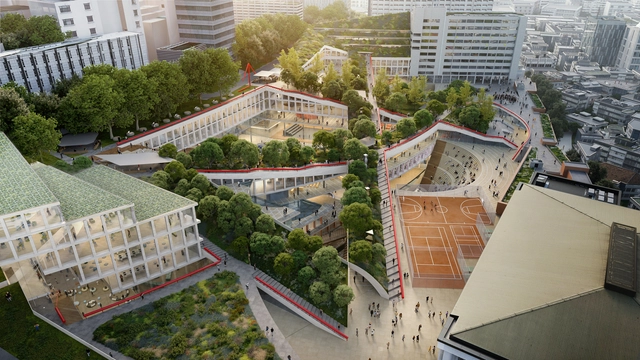
OMA / Chris van Duijn won the competition to design a new campus for Hongik University in Seoul, South Korea. The proposal introduces a cluster of low-rise buildings interconnected by a network of public spaces molded on the existing topography of the site. The design aims to reemphasize the university’s connection to the city and its neighboring areas and to introduce greenery and various open spaces creating a seamless connection between roof terraces, outdoor courtyards, and sunken plazas. The winning proposal was chosen from the entries from established international practices, including SANAA, Herzog & de Meuron, Renzo Piano Building Workshop, and David Chipperfield Architects.
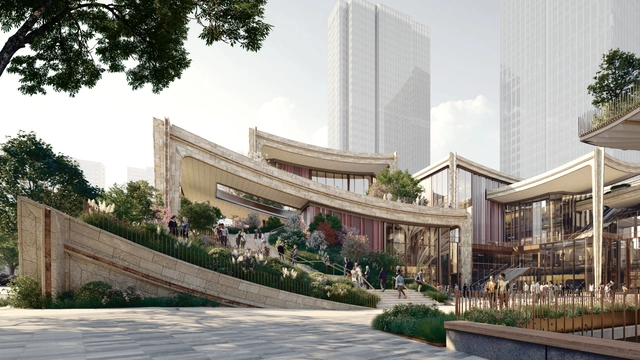
Heatherwick Studio has revealed the design of a new shopping district in the historic city of Xi’an in Shaanxi, China. The proposal aims to highlight the city’s rich heritage of ceramic-making and, through this, to create a sensory experience for visitors in opposition to the restricted act of online shopping. Spanning over 1115,000 square meters, the development features a mixture of functions, from offices, apartments, and a hotel, to a variety of green spaces, rooftop terraces, gardens, and a sunken terrace, all doubling as social spaces. The project is under construction and scheduled for completion in 2024.
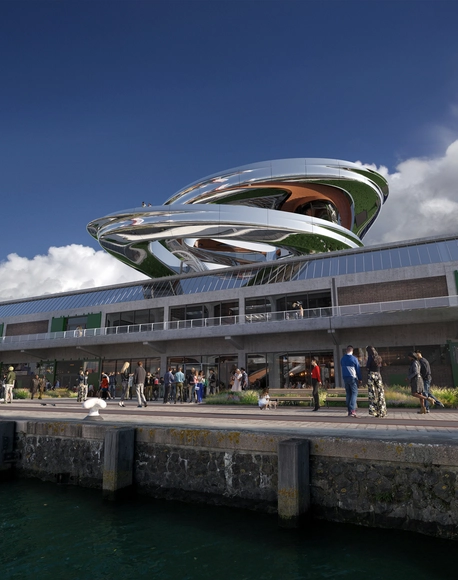
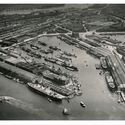
Designed by MAD Architects, the FENIX Museum of Migration is set to be inaugurated in 2025 in Rotterdam’s City Harbor. The purpose of the institution is to showcase and highlight the stories of global migration through encounters with art, architecture, photography, and history. The museum broke ground in 2020 when the first images of the proposal were also released. MAD Architects is working with Bureau Polderman for the restoration of the historic warehouse dating back to 1932, which now represents the base and starting point for the museum experience.
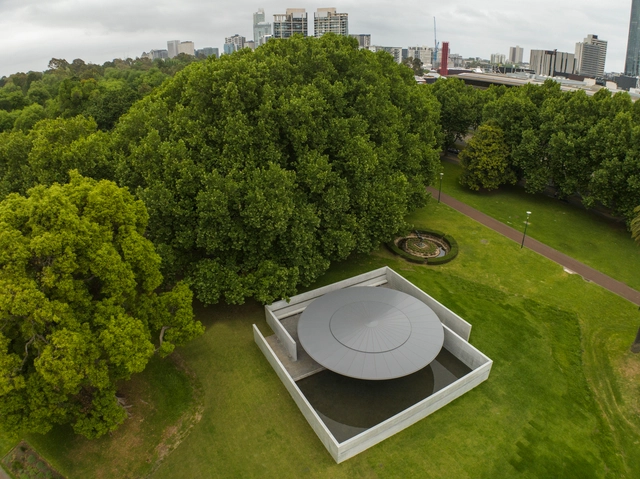
The tenth edition of the MPavilion opens in Queen Victoria Gardens in Melbourne, Australia. The structure was designed by Pritzker Prize-winner Tadao Ando, marking the architect’s first built project in Australia. The pavilion follows his signature use of geometric shapes in harmony with the natural landscape and the precise use of exposed concrete. On November 16, 2023, the official opening inaugurates the space with a public celebration and a wide array of art commissions selected by the Naomi Milgrom Foundation. The MPavilion will remain free and open to the public from 16 November to 28 March 2024, inviting visitors to engage with its diverse cultural program and find opportunities for contemplation and tranquility in its spaces.
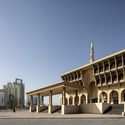
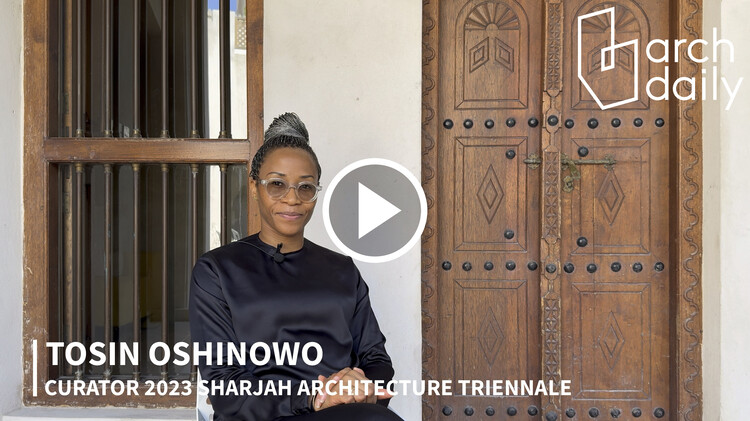
The Sharjah Architecture Triennial 2023 opened on November 11, 2023, with a wide program focused on the overarching theme of The Beauty of Impermanence: An Architecture of Adaptability. While on-site in Sharjah, the ArchDaily team had the chance to sit down with curator Tosin Oshinowo and discuss her curatorial view, the development of the main themes of the program, and the larger principles and intentions behind the event. Informed by her experience growing up in Lagos, Oshinowo has focused the Triennale on the celebration of places that thrive under conditions of scarcity and the alternative models that the Global South can provide in working towards a more equitable and livable future.
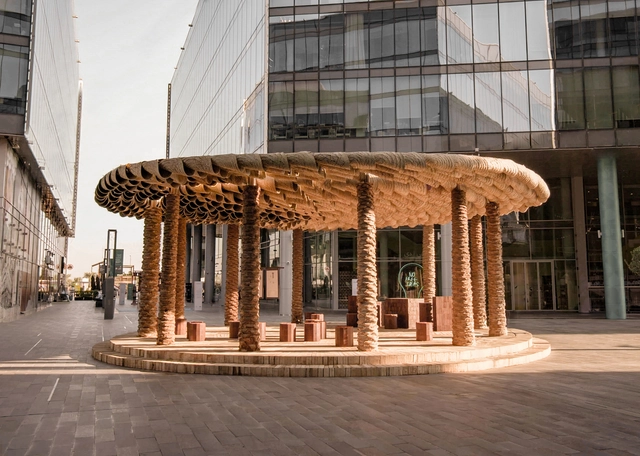
Of Palm / Abdalla Almula. Image Courtesy of Abdalla Almula
Happening between November 7 and 12, Dubai Design Week 2023 brought together over 500 designers, architects, and creative practitioners to explore the relationship between traditional practices and emerging technologies in an effort to create more environmental sustainability and design-led social impact solutions. As one of the most important cultural events in the Middle East, the festival brings forward a wide offering of installations, artworks, and immersive experiences, all exploring important topics of eco-friendly design.
This year’s interventions and installations drew inspiration from the region’s natural ecosystems as well as local traditions and craftsmanship while merging these practices with innovative technologies, biomaterial explorations, and reimagined ways of practicing. Across the interventions, a recurring motif emerges, that of celebrating Middle Eastern heritage and engaging productively with vernacular practices.
Sir Peter Cook and Gavin Robotham’s CRAB Studio has unveiled the design for a new cultural center to be constructed in New Delhi, India. Located on the site of a former quartzite quarry, the BRIJ offers facilities for the visual, performing, literary, and culinary arts as well as a new arts academy. The scheme, aiming to promote interactions between artists and audiences via an immersive environment, is designed by CRAB Studio, now led by Gavin Robotham, and CP Kukreja Architects (CPKA) as Executive Architect.
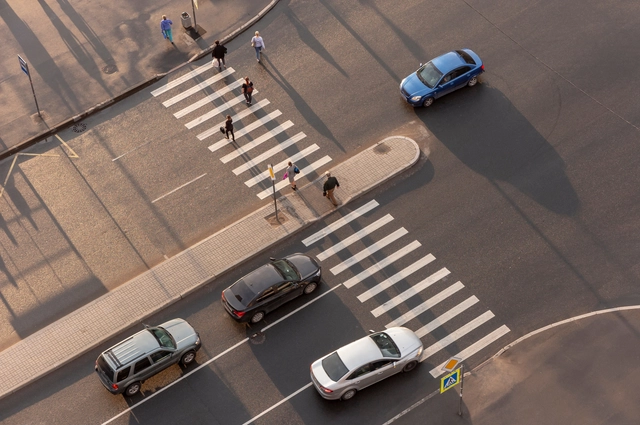
The fabric of our cities is shaped by millions of small decisions and adaptations, many of which have become integral to our experience. Nowadays taken for granted, some of these elements were revolutionary at the time of their implementation. One such element is the curb cut, the small ramp grading down the sidewalk to connect it to the adjoining street, allowing wheelchair users and people with motor disabilities to easily move onto and off the sidewalk. This seemingly small adaptation has proven to be unexpectedly useful for a wider range of people, including parents with strollers, cyclists, delivery workers, etc. Consequently, it lends its name to a wider phenomenon, the “curb cut effect”, where accommodations and improvements made for a minority end up benefiting a much larger population in expected and unexpected ways.
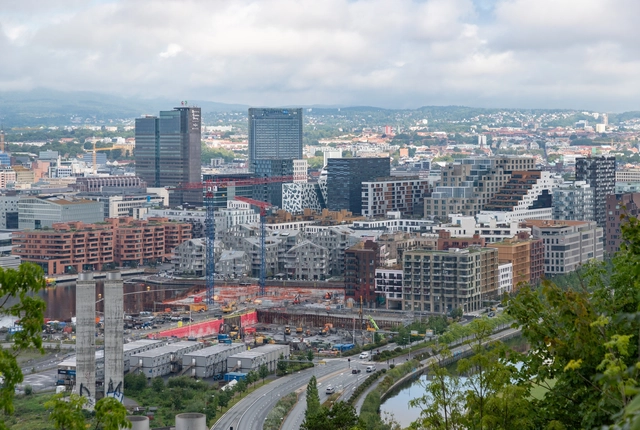
The Norwegian studio of Powerhouse, in collaboration with KIMA arkitektur, has won a design competition for the transformation and extension of one of the historical buildings located in the center of Landbrukskvartalet. Known as the Agricultural Quarter, a former farming and industrial site in central Oslo, the area is now scheduled to go through an urban revitalization process to be transformed into an active neighborhood based on the design philosophy of ‘new meets old’.
New York City Mayor Eric Adams, along with the New York City Department of Design and Construction, has announced the breaking ground on the construction of the Studio Gang-designed Shirley Chisholm Recreation Center. Located at the Nostrand Playground in East Flatbush, Brooklyn, the center aims to bring new amenities to the residents of East Flatbush while honoring the history and heritage of the community. The new center is named after Brooklyn-born politician Shirley Chisholm, the first African American woman to serve in Congress and the first woman and African American to seek the nomination for president of the United States.