The 3rd “Earth God Temple” Student Design Competition
The Earth God (Tu Di Gong / 土地公) Temple, the symbol of humans' respect for Nature, exists in harmony and as one with the land and environment. However, current urban development practices have caused the gradual shrinking of this civic and religious center, as the property has been frequently ceded to the city under expropriation regulations. In response to this issue, Tai Square Arts and Aesthetics Association has organized the "Earth God Temple Student Design Competition", inviting young students with creativity and ideas to evaluate and provide a solution that will improve the situation of the temple and its surrounding landscape in a new location, ultimately granting the Earth God and the residents of the neighborhood a better environment.
Videos
Sergio Sebastian Architects, Archeological Space in Daroca, Spain
The Prize conceived and promoted by the Department of Architecture at Ferrara University and Fassa Bortolo company gives visibility to contemporary restoration and recovery projects (in this fifth edition of the competition only for professionals) of interest with a total prize money of 13.000 euros.
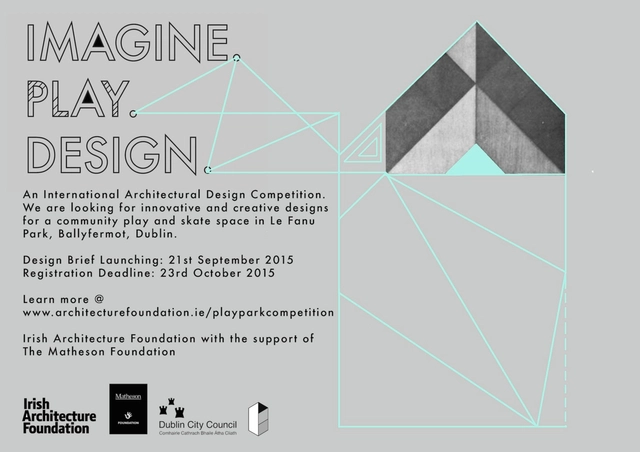
The Irish Architecture Foundation has opened a new competition to design a play and skate park in Dublin, Ireland in collaboration with The Matheson Foundation and Dublin City Council. Located on “The Lawns” in Le Fanu Park of Ballyfermot, the project is a unique opportunity for inter-disciplinary design work. A wide range of creative practitioners are invited to apply – designers, architects, play therapists, skate/BMX professionals, wild-life experts, musicians or anyone else with a passion for working in community contexts.
Irish Architecture Foundation in collaboration with The Matheson Foundation and Dublin City Council are launching a competition to design a play and skate park for ‘The Lawns’ in Le Fanu Park, Dublin 10. The competition is now open. The 'Play Park: Ballyfermot' project is a unique opportunity for an innovative inter-disciplinary design collective, with a passion for working in community contexts to develop a world class play and skate space for young people in Dublin.
Nka Foundation is issuing a challenge to designers, architects and builders to use their creativity to come up with innovative designs for modest, affordable houses that can be built locally to replace the rural mud house type. The challenge is to design a mud house type of about 2400 sq feet that sleeps 8 to 10 persons to be built on a plot size of 80 x 100 feet. The construction site will be Abetenim Arts Village, near Kumasi in the Ashanti Region of Ghana. The building should be designed for use by either musicians, theatre artists, potters, sculptors, painters, textile artists, designers, writers, or media arts practitioners. Total costs of constructing the design entry must not exceed $7,000 (USD) for materials and labor; land value is excluded from this price point.
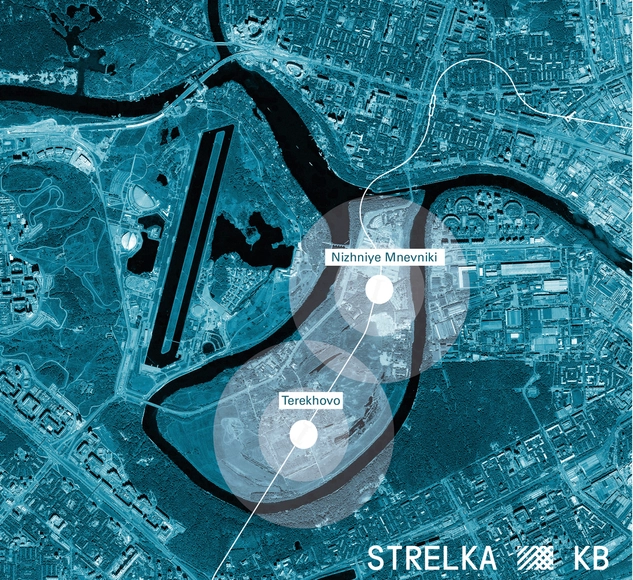
Strelka KB, a leading Russian operator of architectural and urban planning competitions, announces the open two-phase competition for the development of architectural and design solutions for the new Moscow metro stations "Nizhniye Mnevniki" and "Terekhovo". Russian and foreign architects and designers are invited to participate. Winners will be announced in February 2016.
Applications are now open for 2016-2017 Harvard GSD Loeb Fellows! The program seeks applications from innovative and visionary practitioners working to improve the built and natural environment. Each year 10 ten outstanding practitioners are offered a ten month sabbatical to deepen and hone their practice and maximize their future impact on the urban environment. Fellows join the GSD community, interact with students and faculty, pursue independent research projects, and audit courses throughout the university.
This annual worldwide design competition was established to honor and celebrate outstanding originality and excellence in the creation of international Interior Design/ Interior Architecture projects in 13 categories. Any Interior Designer/Interior Architect may submit design project(s). The project(s) must be located outside of the United States; however, the design firm may be located anywhere (including the USA). The design project(s) must have been completed after Jan. 1, 2014. Photos of the winning projects will be featured on the IIDA website, on social media, and in the official Winners Brochure. A winners reception will be held at Maison&Objet Paris on January 23, 2016.
Update: The deadline for submissions has been extended to November 23rd, 2015. The new date of the exhibition, in which the winners will be announced, is scheduled for December 3rd, 2015.
Launch of the international competition "Put in...your ideas!" for the design of a sustainable piece of furniture. It's possible to participate until November 3rd 2015. The Associations Intubando, Itaca, LAN_Laboratorio di Architetture Naturali, Metriquali and Palo Futura advertise the international competition "Put in...your ideas!" for the design of a piece of furniture for the outdoor of the Urban Laboratory Rigenera in Palo del Colle (Italy).
This competition is open to graduate and undergraduate students around the world who are currently enrolled in an interior design or architecture program. School projects already completed may be reinterpreted and/or edited to meet the requirements of this competition. If the school project was completed as a group, all members must agree in writing to enter the reinterpreted and/or edited project, and all members must be listed as participants on the entry form.
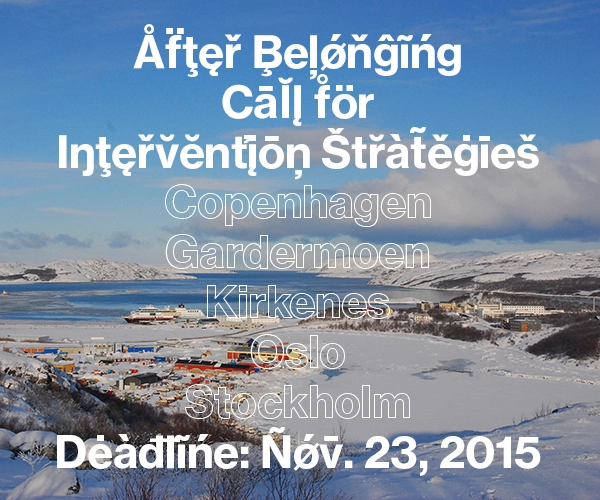
The Oslo Architecture Triennale 2016: After Belonging invites architects and other professionals from around the world to engage in a debate concerning our changing condition of belonging and the contemporary transformation of residence. This open, international call offers a unique opportunity to be part of the Triennale’s core program, as it seeks intervention strategies for five different sites in the Nordic region. One intervention strategy will be selected for each site and will be developed over one year. The selected interventions will be displayed at the National Museum—Architecture in Oslo.
International call for associated projects Deadline: November 30, 2015
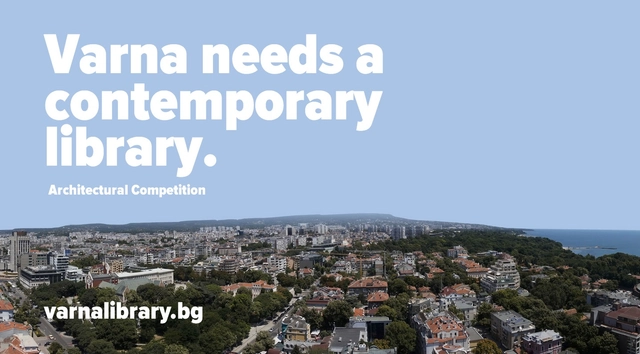
The Municipality of Varna and the Chamber of Architects in Bulgaria have launched a competition open to architects worldwide to design the new Varna Regional Library. Varna, the third-largest city in Bulgaria, has lacked a proper library building for years, and the library’s collection of over 860,000 items is spread across six different buildings in the city. The new competition aims to create a single space where the collection can be brought together, while creating an attractive public space in the city’s centre.
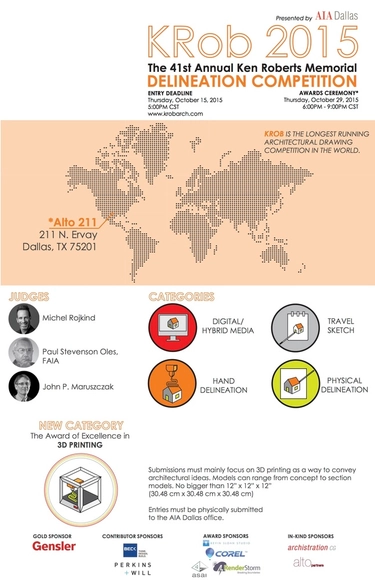
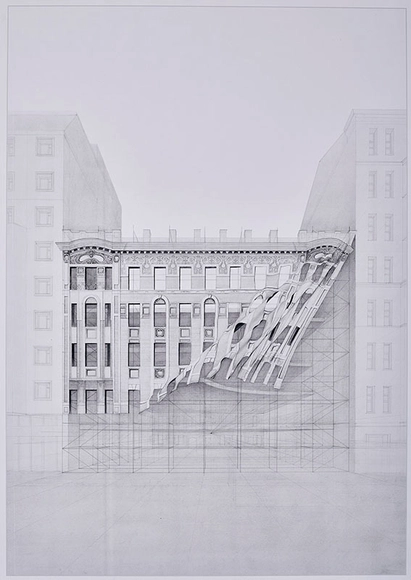
The Dallas Chapter of the American Institute of Architects has announced its 41st Annual Ken Roberts Memorial Delineation Competition. Dubbed “KRob,” it is the longest running architectural drawing competition of its kind.
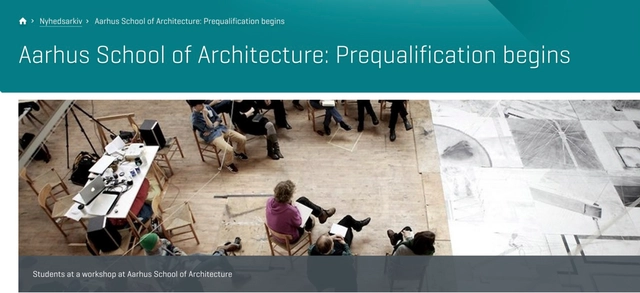
The Danish Building & Property Agency publishes the design contest notice for the restricted design competition for the "NEW AARCH", the new School of Architecture in Aarhus, Denmark. The restricted design competition will take place in 2016. Read the design contest notice here.
With this year marking the 50th anniversary of Le Corbusier’s death, the team of organizations is seeking “contemporary interpretations concerning multidisciplinary approaches over Modernism and specifically over Le Corbusier’s work, while [exploring] possible themes and directions of the memorial representation” in present day. Designs should emphasize commentary, rather than a tribute to Le Corbusier.