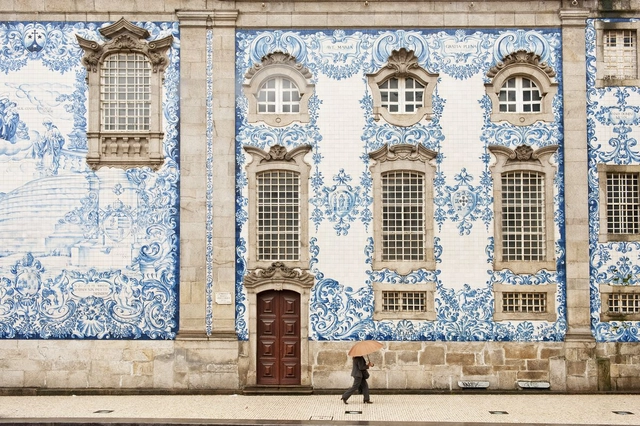
Following two exciting weeks of nominations, ArchDaily’s readers have evaluated over 700 projects and selected 10 finalists for the Building of the Year Award China. Architects and enthusiasts participated in the nomination process, choosing projects that exemplify what it means to push architecture forward. These finalists are the buildings that have inspired ArchDaily readers the most, which also reveal the growing trend of Chinese architecture.
Before we get to shortlisted nominees, we want to highlight the values of this awards process — as the world’s largest platform for architecture we are acutely aware of our responsibility to the profession, and to the advancement of architecture as a discipline. Since our mission is directly related to the architecture of the future—inspiring and educating the people who will design the urban fabric of the future—, the trust placed in us by our readers to reflect architectural trends from regions around the whole world creates challenges that we are eager to rise to. The democratically-voted, user-centered Building of the Year Awards is one of the key pillars of our response to these challenges, aiming to tear down established hierarchies and geographical barriers. Here are the 10 finalists of the 2024 China Building of the Year Award, and the voting period will run from March 27th to April 3rd at 23:59(BJT). The final winners will be announced on April 4th, 2024. Click here to see the details and how to vote.
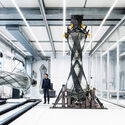
Historically, architecture has served as a canvas for artistic expression. Building elements have been adorned with relief-carved garlands, inscriptions, fresco murals, portrait busts, and classicizing figurative sculptures, all of which emphasize the unique and intentional nature of each component. However, the industrialization of the 19th century brought about a shift in ideals, that stripped architectural components of their decorative elements. Instead, it preferenced the search for beauty in standardization and the economic accessibility provided by mass-produced building elements.
But is there room for artistry within mass production? Can artists be involved in the industrial-making processes of building elements? And how can new technology facilitate artistic mass customization of building components? These questions prompt us to consider the potential for expression, communication, and reflection in the craft of building elements in both interior and exterior spaces.
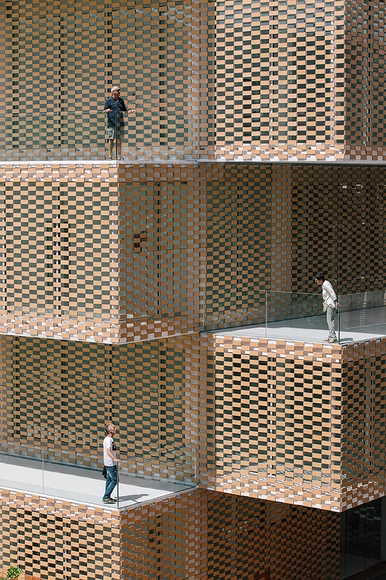
When considering traditional brick facades, we usually conjure up images of solidity and robustness. Solid ceramic blocks, recognized for their ability to withstand compression and offer strength and durability to structures, are materials frequently used in architecture. However, innovation in construction materials has made space for solutions that combine tradition and modernity, transforming the use of materials such as brick. In contemporary construction, the integration of solar control measures has become essential to improve the energy efficiency of buildings, especially in hot climates where the need to mitigate the effects of solar radiation is critical. This is one of the areas in which brick can play a significant role, aided by new technologies.
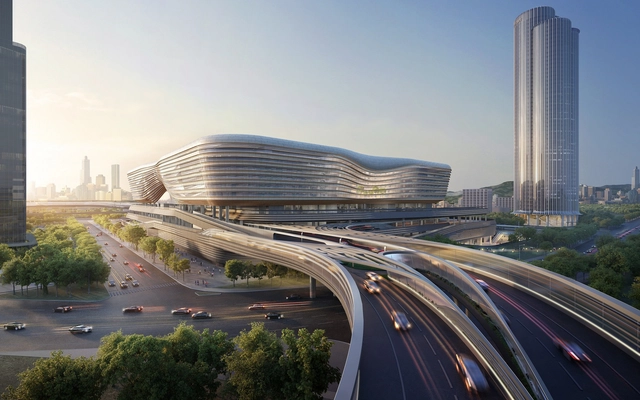
Exploring unbuilt architectural projects by established firms offers a glimpse into the forefront of design innovation and future-thinking concepts. In fact, studying up-and-coming projects provides an opportunity to get ahead of emerging trends and envision the future of the built environment, fostering dialogue around new ideas. With the looming climate crisis in a post-COVID world, this week’s selection of unbuilt projects submitted to the ArchDaily community showcases the scale of problem-solving through city-making and contextual spatial activations.
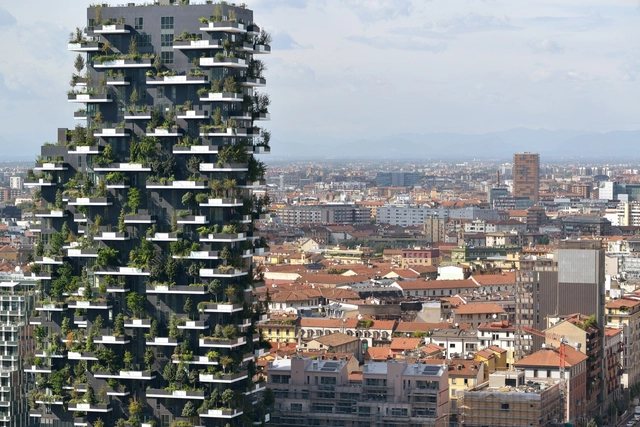
Whether it’s a vertical neighborhood in Kunming, a life science facility in Manhattan, or a cultural center in Veneria Reale, these unbuilt projects capture the diverse spectrum of architectural visionaries’ progression. Each of these proposals represents a unique narrative, whether seeking to redefine residential living or revitalize urban space. Through these projects, architects can offer the environment a glimpse into the transformative potential of design when used in a problem-solving capacity.
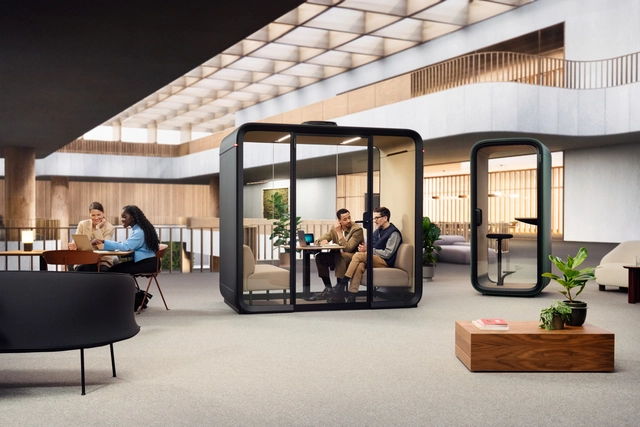
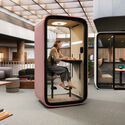
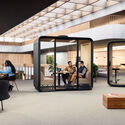
Framery Four, the smart meeting pod for up to 4 people. Image Courtesy of Framery
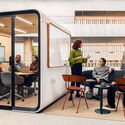
After becoming used to the comfort and autonomy of remote work, experts predict that workplace culture will never completely return to the way things were. Companies can maximize the productivity of their workforce by blending the flexibility of remote with the creative collaboration of in-person work in a hybrid system; but while spare rooms and kitchen tables have been sacrificed to carve out comfortable workspaces at home, the office space—originally designed around a 100% in-person system—needs to accept change too.
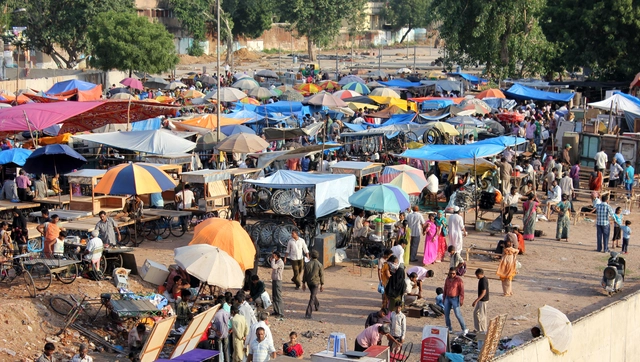
India's urbanscapes are characterized by a negotiation between the formal and the informal; permanence and impermanence. Structured amidst the concrete high-rises and planned neighborhoods, makeshift markets and bazaars form the core of city life. Often composed of sustainable structures, these transient commercial hubs exhibit a form of rudimentary architecture that spreads its roots deep in India's cultural and economic traditions.
The heart of India's informal urbanism lies in its public marketplaces and roadside bazaars that have existed for centuries. These urban zones have a history, believed to have originated from the era of traveling merchants and imperial trade relations. Today, these environments have evolved into dense labyrinths of impermanent shelters made from recycled tin sheets, tarpaulin canopies, and wooden poles. These bazaars organically transform neighborhoods into a choreographed chaos of vendors, goods, and the common public. Weekly markets are usually massive in scale and are set up every few days only to disappear again.
Make the most of Milano with our curated fair and city guides – put together by our expert team of architects and designers to make sure you know exactly what to see and where to go. As Designboom, Architonic, and ArchDaily, our core vision is to inspire, connect and empower. And while we can’t physically steer you in the right direction on the city streets or Salone del Mobile’s redesigned 2024 floor plans, we can make sure you have the optimal tools to locate the biggest discoveries, best new contacts, and most exciting stories: our two curated Milan guides, one to the fair and one to the city.
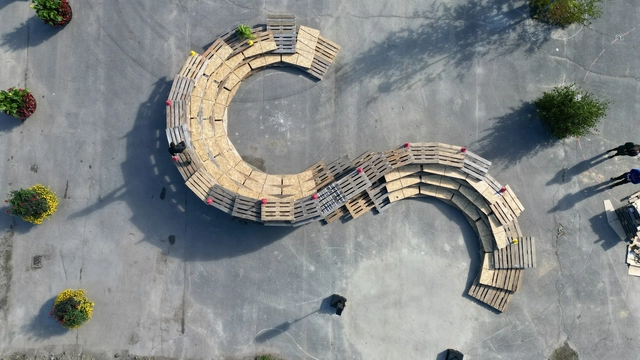
Pallet Parliament / Alejandro Haiek, Rebecca Rudolph, and Raffaele Errichiello. Umeå, Sweden 2022 Photo: Kent Brodin. Image Courtesy of Alejandro Haiek Coll
Architecture practices usually start their design process with a client, who provides a program and a site. Alejandro Haiek, founder of The Public Machinery, approaches things differently. The Public Machinery describes itself as a network of architects and designers working collectively, actively observing, imagining, and proposing public urban interventions themselves. Their proposals are at the intersection of art, architecture, and engineering and weave community engagement, ecology, and new technologies into innovative forms of social infrastructure. They secure funding through research and public grants, enabling them to create public spaces that defy expectations in both their design process and in the form their projects take.
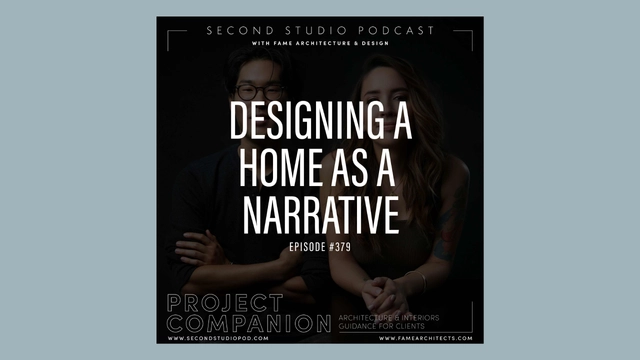
The Second Studio (formerly The Midnight Charette) is an explicit podcast about design, architecture, and the everyday. Hosted by Architects David Lee and Marina Bourderonnet, it features different creative professionals in unscripted conversations that allow for thoughtful takes and personal discussions.
A variety of subjects are covered with honesty and humor: some episodes are interviews, while others are tips for fellow designers, reviews of buildings and other projects, or casual explorations of everyday life and design. The Second Studio is also available on iTunes, Spotify, and YouTube.
https://www.archdaily.com/1014883/the-second-studio-podcast-designing-a-home-as-narrativeThe Second Studio Podcast
What is symmetry in architecture? Why is it used to design spaces? What advantages and disadvantages does it present compared to other projection tools such as rotation, translation, and/or repetition? Contemporary architecture evolves day by day by implementing different strategies to create habitable spaces where people can carry out their daily activities, meet their needs, and more. Considering symmetry as a possible means of organization, distribution, and movement in the plane, architecture expresses and communicates largely through graphic means (floor plans, volumes, photographs, etc.) in a relationship that seeks coexistence, in most cases, of spaces, proportions, and scales in harmony.
The World Architecture Festival (WAF) is thrilled to announce the first distinguished members of its 2024 judging panel. This esteemed group comprises some of the world's most respected architects, designers, and industry leaders.
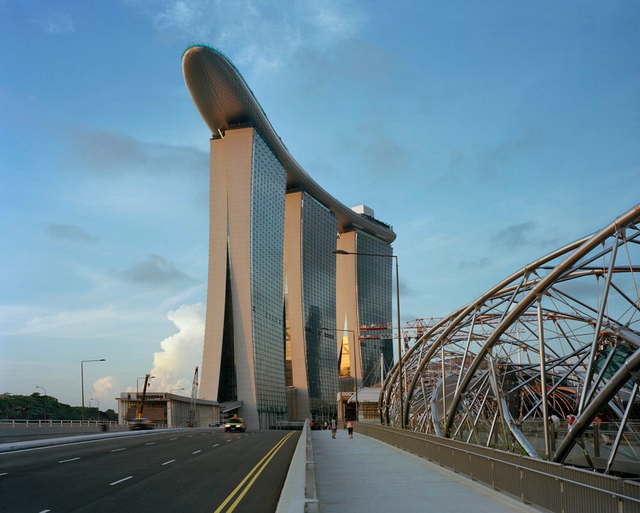
The 17th edition of WAF is welcoming submissions from architects and designers worldwide until 19th April 2024. The festival will take place at Marina Bay Sands in Singapore from the 6-8th November 2024. In addition to the unique live-judged awards programme and crit presentations, this year's event will include fringe events, an exhibition and keynote talks from an international panel of speakers.
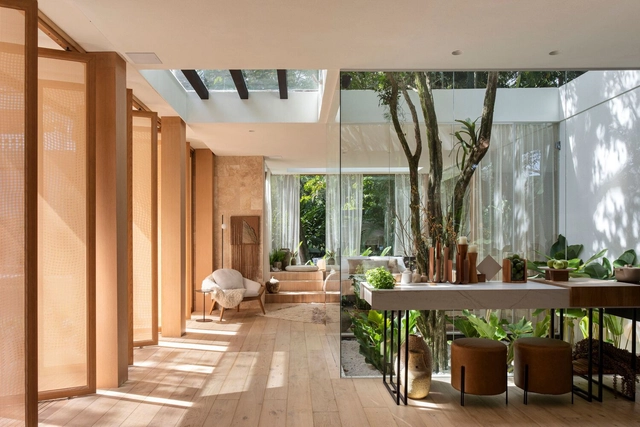
The early 20th century marked a pivotal era in Brazilian architecture with the advent of the modernist movement. Architects like Oscar Niemeyer or Lúcio Costa introduced avant-garde designs characterized by sleek lines, reinforced concrete, and a focus on functionality. What's more: residential projects of the era, in particular, blurred the lines between indoor and outdoor, flawlessly merging interior and exterior spaces to reflect a lifestyle that harmonizes with nature. Fast forward to the present day, and contemporary architects and designers in Brazil continue to embrace the challenge of creating indoor-outdoor homes that nod to the country's tropical climate. These residences often feature open floor plans, expansive glass walls, and strategic positioning of courtyards, gardens, or terraces with a design philosophy that emphasizes natural light, ventilation, and the incorporation of greenery for increased well-being. We take a detailed look at four recently completed residential projects in Brazil that fuse contemporary architecture, sustainable living, and a deep appreciation for their natural surroundings.
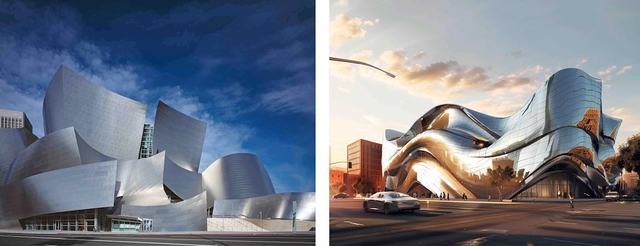
The rise of generative AI has given every design educator sufficient reason to reconsider both what to teach and how to teach it. Training an architect is a long process, and mapping it onto an uncertain future is a daunting task. Researchers at OpenAI, DeepMind, Meta, and similar companies seem constantly surprised by the rapid development and sometimes unforeseen capabilities of their AI creations. If even the creators don’t know how fast the future will arrive, it would be hubristic for any of us to claim that AI will do X or AI won’t be able to do Y in the next decade, which is about how long it takes to really train an architect.
https://www.archdaily.com/1014830/how-ai-can-help-us-end-design-education-anachronismsEric J. Cesal
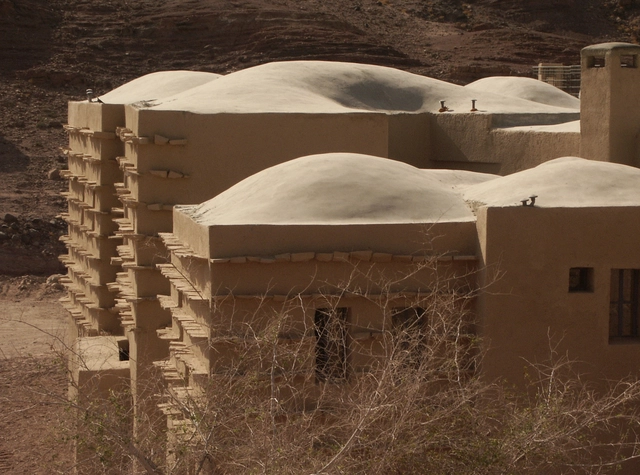
The Feynan Ecolodge project. Image Courtesy of Dongola DAS 01 | Notes on Formation and Ammar Khammash
Ammar Khammash is a Jordanian architect, designer, and artist best known for his approach that focuses on the preservation of cultural and natural heritage while crafting an architecture that engages with its surroundings. With deep admiration for nature and its ecosystems, Khammash trusts that "the site is the architect”, a statement for which he is renowned that underscores the profound influence of context on his architectural design. With over three decades of experience spanning various disciplines and across several Middle Eastern countries such as Jordan, Oman, Palestine, Egypt, Syria, and the UAE, Ammar Khammash has consistently attempted to preserve and enhance the symbiosis between human constructions and the natural environment. His contributions include the Royal Academy for Nature Conservation, the Wild Jordan Center, and the restoration of the Church of Apostles.
In 2022, he was featured in the first edition of the Dongola Architecture Series, a biannual publication that offers unique perspectives into Arab culture by highlighting prominent contemporary architects. The issue, titled “Notes on Formation: Ammar Khammash,” written by Raafat Majzoub, explores "architecture as a transdisciplinary tool of expression, and as a method of imagining and reimagining the future," encapsulating the ethos of the publication. ArchDaily had the opportunity to talk to Ammar Khammash and Sarah Chalabi, founder of Dongola Limited Editions, to delve into the architect’s perspectives on site, materiality, and culture, along with his philosophy, notions on academia, and insights into the future of the profession.
Just as fashion designers use pins, needles and textiles to bring their creations to life, architects rely on materials to shape our built environment. From steel and glass to wood and concrete, these form the artistic palette that transforms blueprints into tangible structures, bridging the gap between imagination and reality. It's as simple, yet as complex as that. But with so many materials –and countless shapes, finishes, textures and colors– available in this day and age, making the correct choices for a particular project can be quite challenging. Several questions naturally arise: How do architects navigate the endless possibilities to handpick the elements that will breathe life into their designs? What does the material specification process entail? Where does one begin?
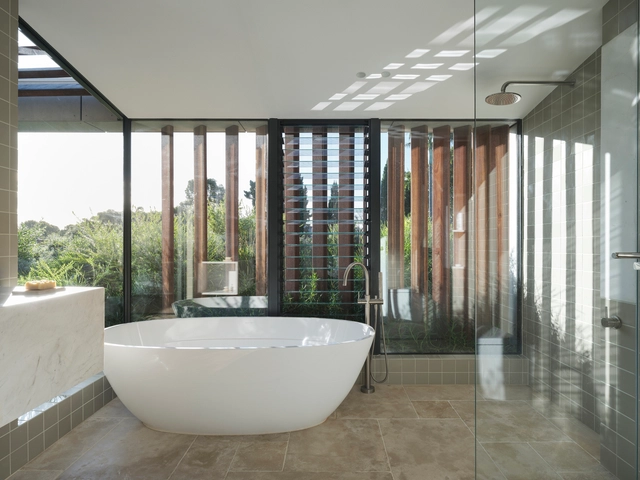
As one of the smallest spaces in the home, shower rooms often find it difficult to get enough light. While bedrooms are given priority to choose the most favored spots alongside exterior walls – giving them access to the fresh air, natural light, and better views provided by windows – sanitary spaces are often left to feed from the scraps in the aftermath, afforded only a sliver of external wall, if any.
Due to issues with privacy and water damage, meanwhile, when a shower room does have the opportunity to add a window, it’s rarely positioned in the shower itself. But with many using an energizing shower to gently wake themselves up in the morning, and with steam making the shower an environment with extra high humidity levels, a window in the shower can make a big difference, adding natural light to the space itself, while keeping the entire room well-ventilated.
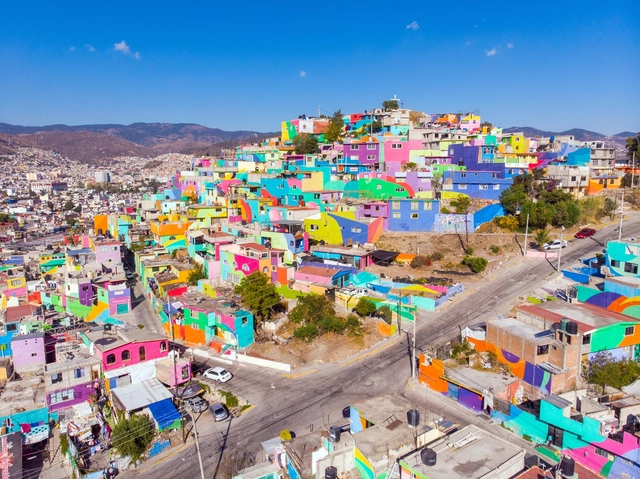
In the perception of many, the favela embodies contradictory and opposed representations. For those outside its boundaries, the favela is frequently associated with crime, poverty, or illness. Yet, it is also regarded as the aesthetic embodiment of a nation, serving as the birthplace of culturally renowned elements worldwide, such as samba in the case of Brazil.
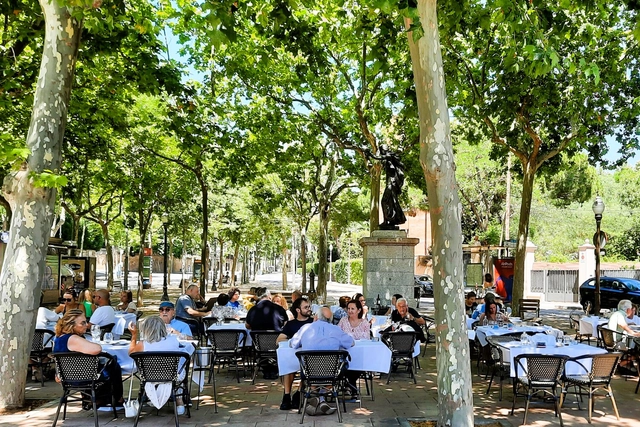
CityMakers, The Global Community of Architects Who Learn from Exemplary Cities and Their Makers, is working with Archdaily to publish a series of articles about Barcelona, Medellin, and Rotterdam. The authors are the architects, urban planners, and/or strategists behind the projects that have transformed these three cities and are studied in the "Schools of Cities" and "Documentary Courses" made by CityMakers. On this occasion, Jaume Barnada, coordinator of the award-winning Climate Shelters project in Barcelona schools and speaker at the "Schools of Cities", presents his article "Barcelona, the public place as a synonym for the adaptation of the built city."
Cities are dense, built spaces in which pavements have been efficiently imposed on the natural soil. Cities like Barcelona have almost 75% of the land paved and waterproof. Without a doubt, it is an excess to reverse at a time of climate emergency, where we must reconnect with nature. Oriol Bohigas [1] told us that good urbanization had paved the squares of Mediterranean cities and that no one wanted to live in a mudhole. I'm sure he was right. Also, he taught us that the green and, consequently, the natural soil had to have dimension and especially an urban position. Squares are squares and parks are parks, and each space has a type of project. Today, concepts are too frequently confused when urbanizing public places and consequently, we find projects that blur the model.