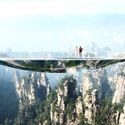
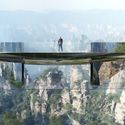
Martin Duplantier Architectes has won a competition organized by Chinese tour company ZTG with a design for a series of “illusionist” bridges and pavilions in western Zhangjiajie, China. Contrasting with the surrounding “baroque” landscape, which is a world heritage site, the project utilizes geometric forms and delicate placement to “create a physical relationship” with its neighboring rock faces.
The project features three footbridges: "the illusion of a mirror for one, the fear of the void for the next, and lastly the setting in abyss for the final.”
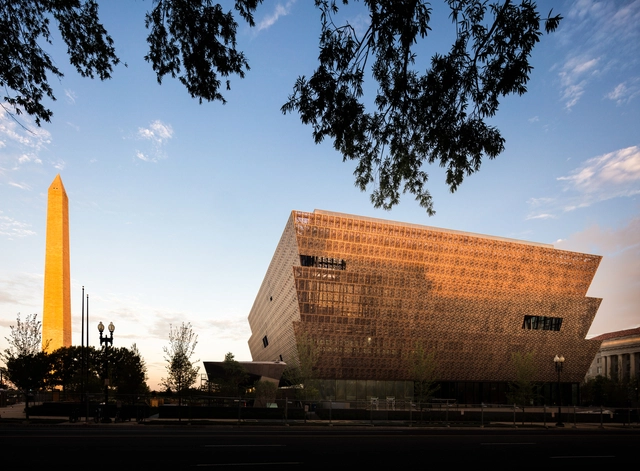
David Adjaye OBE, principal of Adjaye Associates, will be Knighted by Her Majesty Queen Elizabeth II for his services to architecture at an investiture in 2017. The Central Chancery of the Orders of Knighthood at St. James's Palace, who administer the Knight Batchelor awards that will be bestowed upon the architect, described Adjaye as "one of the leading architects of his generation and a global cultural ambassador for the UK."
https://www.archdaily.com/802706/david-adjaye-to-be-knighted-by-queen-elizabeth-iiAD Editorial Team
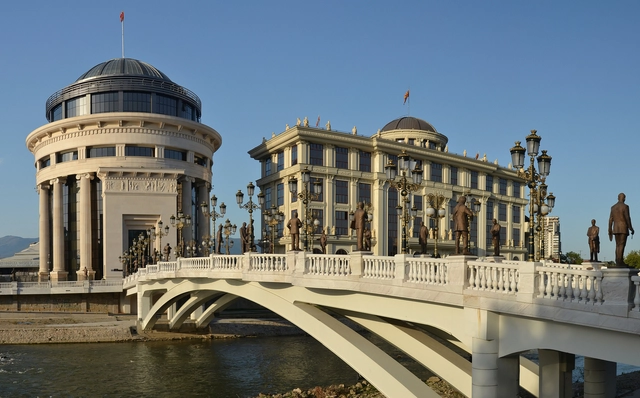
After the earthquake in Skopje in 1963, a slew of foreign architects worked to change the capital into an architecturally dynamic urban landscape. Now, that vision may be obsolete. In Architects of Modernist Skopje Decry Retrograde Remodel, Bojan Blazhevski investigates the overwhelming number of buildings enduring "Skopje 2014" — a remodeling of existing buildings in the capital city. More than 20 modernist buildings have already been made over. Described as "kitsch" by a hostel manager in the city, the project, which aims to draw in more tourists and regain historical elements, has culminated in a neo-classical display. The imitation buildings, however, have produced controversy, with opinions divided on the aesthetic quality of the project.
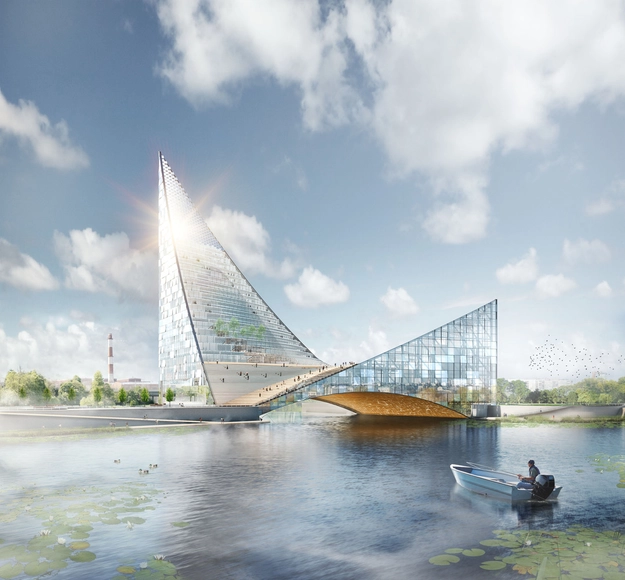
PIARENA has won the Archchel-2020 competition to create a Congress Hall for BRICS and SCO events in central Chelyabinsk, Russia along the Miass River. Separated into two parts by the river, the site will additionally host business meetings, public events, and exhibitions.
In order to emphasize the curve of the river, the new congress hall building will be a solid volume spanning across the river, rectangular in footprint, but curved in a sail shape above.
Rising up to 61 and 150 meters, the building is hoped to become a new urban landmark, as well as a pedestrian crossing over the river.
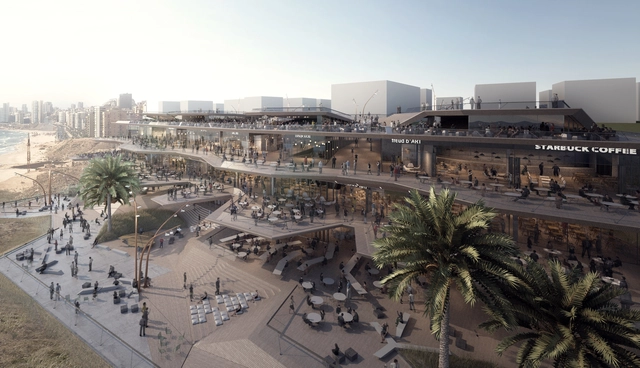
BAD.Built by Associative Data has released its designs for BARCELONA, a new mixed-use development on the Mediterranean coast of Beirut, Lebanon at the Ramlet El Bayda waterfront.
Spanning 18,000 square meters, the project will serve as “a new gastronomic experience, embracing the Mediterranean from a remarkable vantage point,” through a clustered development featuring restaurants, coffee shops, lounges, and event spaces.
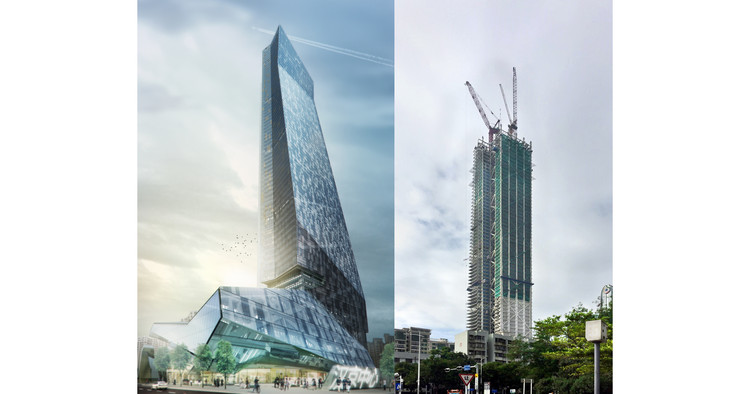
Morphosis Architects’ Hanking Center Tower in Shenzhen, China has recently topped out, with the 62nd floor now in place. Defined by its detached core configuration, the building positions its primary core 9 meters outside its main body, connected by a series of sky bridges and braces, in order to increase flexibility and light penetration into the floor plate.
Two secondary cores in the body of the building provide structural reinforcement and house private elevators for VIP users, as well as freight elevators and mechanical services.
In an effort to serve global professionals and bring density to the suburb of Nanshan, the tower will feature flexible office space on its open floor plate, anchored by high-end retail and dining.
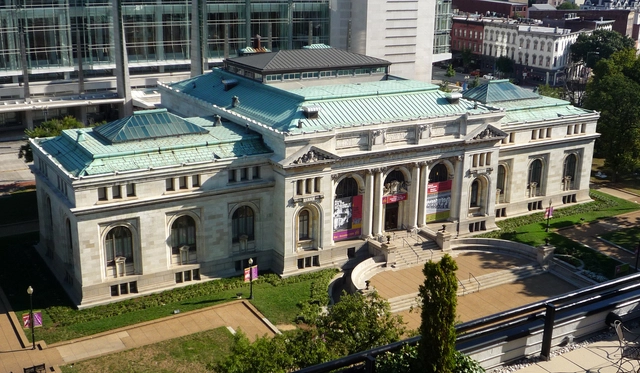
London’sFoster + Partners will likely design a flagship Apple store for the historic Carnegie Library at Mount Vernon Square in Washington, D.C., reports The Architect’s Newspaper. According to Events DC, Apple will lease a portion of the 63,000-square-foot building’s ground floor and basement levels in a ten-year lease, sharing the space with its existing tenant, The Historical Society of Washington.
This 2016 has been a hectic, frenetic year with complex geopolitical, social, and cultural issues placing our world at a crossroads of an uncertain future. Do we look back into the nostalgia of a safe past, or do we step up and be an active part of a hopeful future?
As architects we have a tremendous responsibility in this scenario; historically, our profession has shaped the collective ideas of the future, generation after generation, by weighing-in on the crises that arise in our societies. In the absence of clear leadership to guide us towards an inspiring future, this is our opportunity to serve as agents of change for the future we deserve.
Iran-based BMDesign Studios has unveiled Concave Roof, a double-roof system with steep slopes resembling a bowl for the purpose of rainwater collection in arid climates like Iran, where a lack of water could lead to mass displacement in the future.
Because precipitation in this area is less than one-third of that of the world average, and evaporation is more than three times higher than the world average, the concave roof system is designed to “help [make] even the smallest quantities of rain [flow down] the roof and eventually coalesce into bigger drops, just right for harvesting before they evaporate” explained the architects.
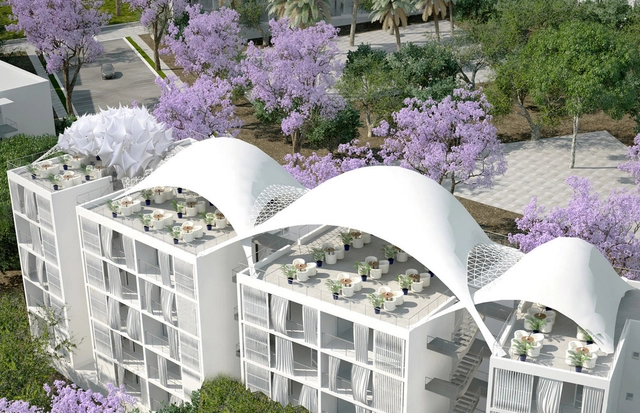
Philippe Barrière Collective (PB+Co) has created the urban plan for a new semi-rural/semi-urban development in Manouba, Tunisia. Utilizing an existing olive grove estate, the environmentally driven project includes collective housing pavilions among its ecological design composed of 4,475 salvaged olive trees, newly planted taller trees, and a wild botanical garden that fosters local biodiversity.
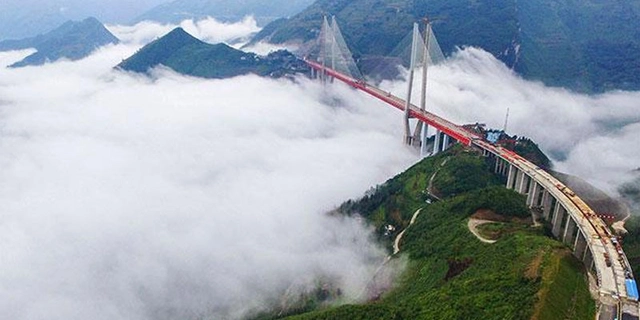
Today China inaugurated the world's highest bridge, opening the new crossing to traffic after the structure was completed in September, reports China Central Television (CCTV). Crossing the Nizhu river canyon at 565 meters above water level the Beipanjiang bridge spans 1,341 meters to connect the provinces of Yunnan and Guizhou in the Southwest of the country. The 4-lane bridge is part of a network of new highways around Yunnan and Guizhou that allow access across rugged terrain that was previously largely inaccessible.
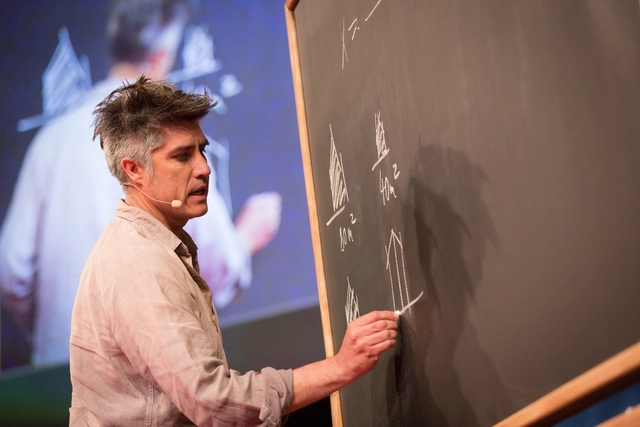
Chilean architect Alejandro has been selected as one of "28 creative geniuses who defined culture in 2016" by the New York Times, in a list that includes personalities such as First Lady of the United States Michelle Obama, singer Lady Gaga, photographer William Eggleston and designer Junya Watanabe.
Instagram and architecture go together like milk and cookies—an irresistible combination in which one brings out the best of the other. As Instagram continues to add features to its globally appealing platform, we take a look back on the year's most-liked photos posted to our ArchDaily account.
We posted 235 'grams that racked up over 2 million likes. Thank you for following. :)
Space Needle / John Graham & Company. Image Courtesy of Wikimedia user Rattlhed (Public Domain)
Buildings, perhaps unlike any other art form or edifice, have a capacity to influence or become part of a place's cultural identity and history. Defining an architectural monument is, however, an ambiguous exercise – most of their ilk only reach this status years after completion. AD Classics are ArchDaily's continually updated collection of longer-form building studies of the world's most significant architectural projects. Here we've assembled five structures and buildings which, often aside from original intentions, embody that most ephemeral feeling: a sense of progress.
https://www.archdaily.com/802463/ad-round-up-5-monuments-to-progressAD Editorial Team
At its best, architecture can be a dream come true: the physical manifestation of the creative architect's most exquisite design fantasies. Nowhere is this kind of creative liberty more pervasive than in architecture school—with few practical concerns for cost, policy, or even structural integrity, architecture students are free to execute the purest and most complex proposals their imaginations will allow. And indeed, as their representation and spatial skills progress, students gain the ability to realize more advanced interventions over time. In the real world, though...not so much.
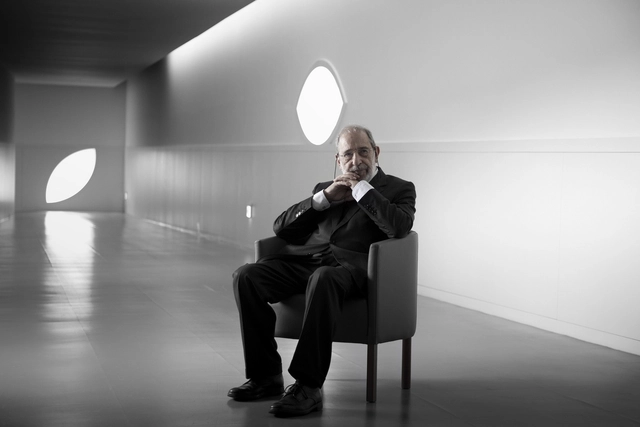
A new collection of five minute-long On Design stories—developed by the team behind Section D, Monocle 24's 24's weekly review of design, architecture and craft—profile a person, survey a place, or unpack an idea that’s changing or shaping design and architecture today. We've selected fourteen of our favorites from the ongoing series, examining issues as wide as Postmodernism and the architectural competition, to five-minute profiles of Alvaro Siza, Josef Hoffman, Kengo Kuma and Superstudio.
https://www.archdaily.com/802384/round-up-14-short-stories-architects-attitudes-odd-anecdotesAD Editorial Team
Thinking of continuing your studies but don't want to start a master's or a doctorate just yet? Around the world, short-term courses taken remotely are increasingly popular alternatives, and platforms such as edX, created by Harvard and MIT Universities make it even easier to dive deeper into the most diverse topics.
Of course, for long-term and undergraduate courses, the face-to-face experience cannot be replaced by online classes. However, being able to follow lessons and participate in discussions with people from around the world online is definitely an important advantage offered by the internet.
We have compiled a few courses in areas ranging from video game design to bio-cellular engineering, and from the history of Japanese architecture to courses in architectural imagination. See our list below:
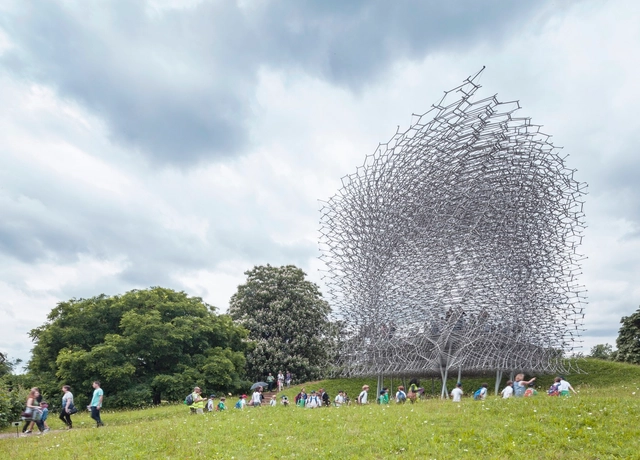
BDP and Wolfgang Buttress’ pavilion, The Hive, has been awarded the 2016 Landscape Institute Award for Best Design for a Temporary Landscape as part of their 2016 awards program.
Judges for the award noted the project’s ability to interact with its site, remarking that they were ‘impressed by the quality and simplicity of the design and execution, in particular the way in which the design works with a sensitive landscape to provide a beautiful and functional temporary setting for the installation, and a longer-term facility for events and education.”
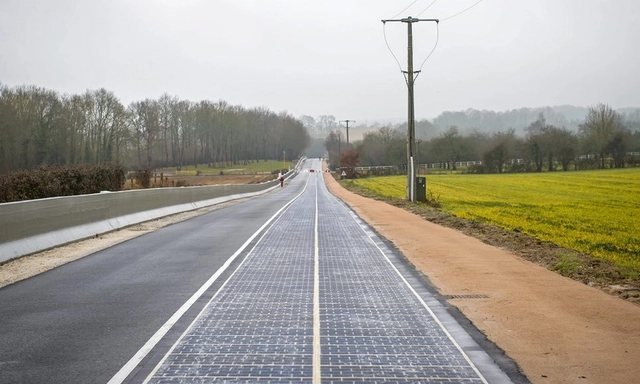
The world’s first solar panel road has officially opened in a small village in Normandy, France.
Built in the small village of Tourouvre-au-Perche, the 1 kilometer route, dubbed the “Wattway,” is covered in 2,800 square meters of photovoltaic panels. It is designed to be used by up to 2,000 motorists per day, while providing an average of 767 kilowatt-hours (kWh) per day, enough energy to power all of the street lighting in the 3,400-resident village.
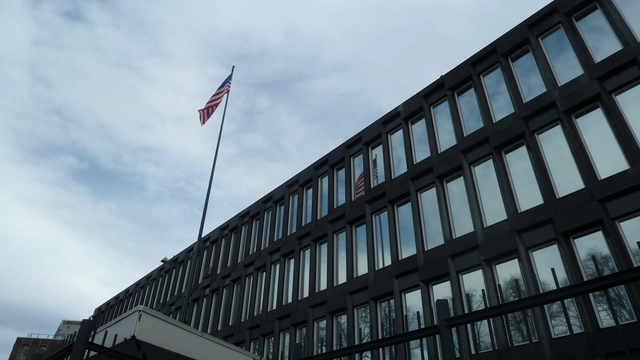
The Eero Saarinen-designed US Embassy in Oslo is set to be placed under historic preservation orders following the building’s sale by the US government.
The US embassy to Norway since 1959, the building will change hands once staff are moved into the new US embassy building at Huseby, which is expected to complete in early 2017.
For children especially, hospitals can be anxiety-inducing and overwhelming space. New media studio ENESS aims to change that experience with their installation LUMES, a light-emitting wood piece, the first of which is now on display at Cabrini Hospital in Malvern, Australia.
Awarding the top ecological projects of the year, d3 has announced this year’s winners of its Natural Systems competition. Established in 2009, the annual competition has grown into one of the most notable awards in speculative, performance-based design. The brief challenges architects, designers, engineers, and students to develop ideas for sustainable living by exploring natural processes. This year’s program was co-directed by Ji Young Kim of Shigeru Ban Architects and Gregory Marinic of the Syracuse University School of Design.
Read on to find out about the jury’s picks for the top three projects and seven special mentions.
Built by Associative Data, showcase their acclaimed data analysis with K1299, a new mixed-use project in Lebanon. The site was addressed through various different lenses: traffic noise, view perspectives, solar radiation, and market potential.


















.jpg?1482771046&format=webp&width=640&height=580)