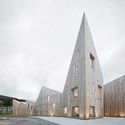
In Louisiana Channel's latest video, an interview featuring Norwegian architect Reiulf Ramstad takes place in the city of Molde as part of the Utzon Center exhibition 'In the World of an Architect – Reiulf Ramstad Architects.' An interdisciplinary collaboration of architecture, landscape, and design, the firm has done several large-scale civic works to smaller projects along tourist routes amongst other commercial and recreational buildings.
Architecture News
Norwegian Architect Reiulf Ramstad Shares What 'Designing for a Landscape' Really Means
.jpg?1543364296 "Trollstigen Visitor Center / RRA")



https://www.archdaily.com/906694/norwegian-architect-reiulf-ramstad-shares-what-designing-for-a-landscape-really-meansVasundhra Aggarwal
We Are An Event presents an urban metaphor for Mexico City




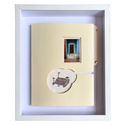

'Oso Hormiguero' is an exhibition presented on November 21 at Fundación Alumnos 47. It serves as a metaphor for an experimental urban research practice that explores the fictional potential of a dormant urbanization, seeking to demonstrate that by challenging our habits and everyday objects, we can limitlessly reinvent how we view the surrounding urban landscape.
This exhibition is an opportunity to propose an unusual reading of the urban environment of Colonia San Miguel Chapultepec through the revaluation of the ordinary elements that make up the everyday yet forgotten landscapes of Mexico City.
- We Are An Event
https://www.archdaily.com/1114500/we-are-an-event-presents-an-urban-metaphor-for-mexico-cityMónica Arellano
RIBA’s Nationwide Architecture Program Exposes Young Students to Thinking Like an Architect

This November, RIBA launched a national school program devoted to providing children between the ages of 4-18 access to architecture programs. This will be the UK’s first nationwide architecture program. The instructors, formally known as Architecture Ambassadors, are volunteer architecture professionals donating their time to partnering schools at which students participate free of charge.
Before launching the nationwide program, RIBA conducted a pilot version - gaging interest and success from students, school administrators, and ambassadors. The pilot phase visited over 200 schools in England and 18,000 students. Each school’s architectural workshop was highly individualized to the community and location, adding a personal aspect to the student’s introduction to the vast field of architecture. These tangible projects investigated local areas, assessing their needs, issues that affect the community, and their hopes for the future.
https://www.archdaily.com/906858/ribas-nationwide-architecture-program-exposes-young-students-to-thinking-like-an-architectLindsay Duddy
How to Design Semi-Permanent Structures
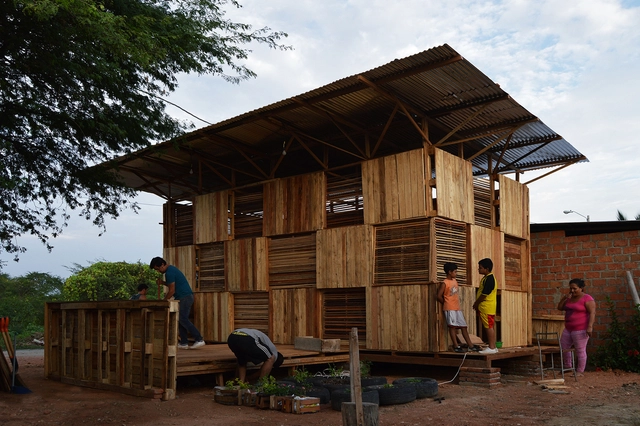
Natural disasters continue to leave thousands of people homeless every year, forcing them to seek refuge without any alternatives. On many occasions, cities cannot cope with refugees, limiting their resources. In addition to this, the difficulties to sustain refugees in a dignified way, becomes increasingly complex, leading to the collapse of conventional strategies.
It is at this moment when innovation and creativity play an important role in construction practices, ultimately creating a quicker and more efficient construction model that can be replicated after natural disasters.
Undoubtedly, there are some principles that should be taken into account when designing a semi-permanent structure. Thus, we have gathered some tips and examples that you may find useful.




https://www.archdaily.com/906847/how-to-design-semi-permanent-structuresYamid Rivera
Casas del Bosque: Winner of the 'Architecture and Landscape' Category at the International Best Of Wine Tourism 2019
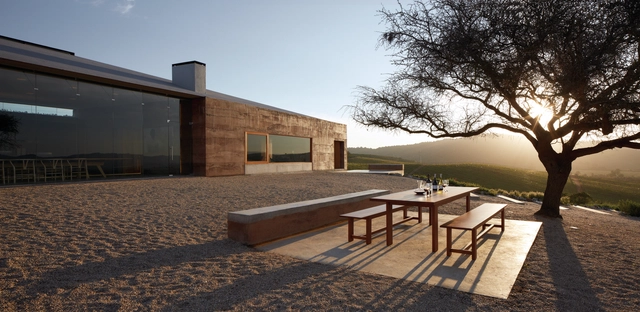
Casa Mirador at Viña Casas del Bosque won the “Architecture and Landscape” category at the International Best Of Wine Tourism 2019, awarded by Great Wine Capitals, competing against wineries from the world's ten most important wine-growing regions.
https://www.archdaily.com/1114841/casas-del-bosque-winner-of-the-architecture-and-landscape-category-at-the-international-best-of-wine-tourism-2019Fabian Dejtiar
Herzog & de Meuron's M+ Museum Tops Out in Hong Kong
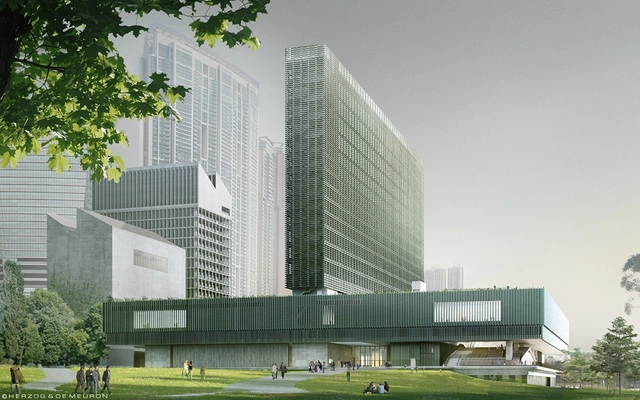
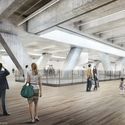
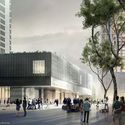
Herzog & de Meuron's M+ Museum of visual culture has topped out in Hong Kong ahead of its scheduled opening in 2020. Focusing on 20th and 21st century art, design, architecture and moving image, M+ will be the centerpiece of the West Kowloon Cultural District, and a key venue in creating interdisciplinary exchange between the visual arts and the performing arts in Asia.



https://www.archdaily.com/906933/herzog-and-de-meurons-m-plus-museum-tops-out-in-hong-kongEric Baldwin
These are the projects selected for 'Odeón o de la contingencia' at Espacio Odeón
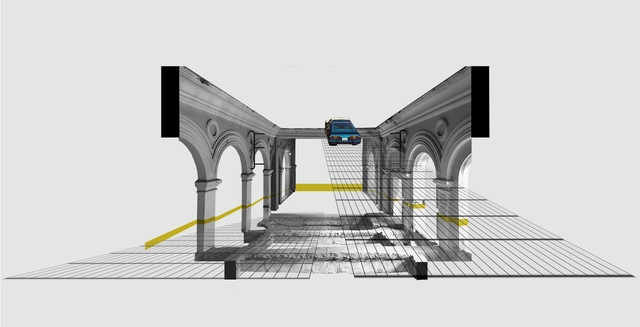
Espacio Odeón in Bogotá has announced the winning projects for the open call Odeón o de la contingencia. This marks the Colombian venue's fourth exhibition cycle, for which curators Alejandro Martín Maldonado and Estudio Altiplano have organized an architectural competition that explores the spatial conditions of Odeón, as well as its history, present, and future.
According to the organizers, the exhibition "will present proposals that intervene in the building and question—through humor, play, and fiction—its spatial, heritage, urban, and economic conditions, while speculating on new ways of inhabiting, intervening in, and maintaining it."
https://www.archdaily.com/1114330/these-are-the-projects-selected-for-odeon-o-de-la-contingencia-at-espacio-odeonStefania Alvarez
The Top Creative Cities and Countries of 2018 According to Airbnb

As 2018 draws to a close, accommodation website Airbnb has dived into their data to reveal the most creative cities and countries from the year. Based on the percentage of hosts who are in the creative industries, the list builds on a previous survey by Airbnb which found that one in 10 Airbnb hosts and one in three Experience hosts identify as members of the creative community.
Read on below for the list of top creative countries and cities according to the new Airbnb study. For architects already planning a New Year’s getaway, check out an article we published of ten projects previously featured by ArchDaily, now available for booking through Airbnb.
https://www.archdaily.com/906924/the-top-creative-cities-and-countries-of-2018-according-to-airbnbNiall Patrick Walsh
These are the winners of the rehabilitation project for the Beti-Jai fronton in Madrid
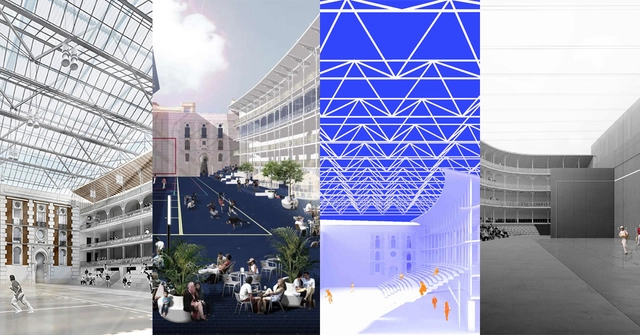
On Thursday, November 22, the jury convened by the Madrid City Council, in collaboration with the Colegio Oficial de Arquitectos de Madrid (COAM), announced the results of the rehabilitation project for the historic Beti-Jai Fronton in Madrid, Spain.
The competition opened for registration last June, receiving a total of 73 proposals for the intervention on the landmark building. The objective was to find the best proposal to reconcile the preservation of the building's heritage value—declared a Bien de Interés Cultural (Asset of Cultural Interest)—with the most appropriate technical solutions for its future use as a sports and cultural venue.
See the results below:
https://www.archdaily.com/1114831/these-are-the-winners-of-the-rehabilitation-project-for-the-beti-jai-fronton-in-madridBorja Fernández
Parques del Río in Medellín, the Only Colombian Project to Win at the WAF
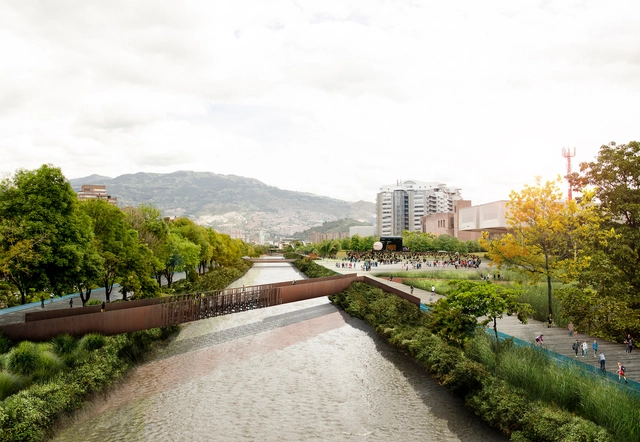
The Parques del Río project in Medellín has become the first Colombian representative among the winners at the 2018 World Architecture Festival (WAF18), currently being held in Amsterdam, Netherlands.
Self-described as the world's largest architectural awards program, the festival announced on its second day that the project designed by Latitud Taller de Arquitectura y Ciudad won the 'Masterplanning' subcategory under the 'Future Projects' section.


https://www.archdaily.com/1114876/parques-del-rio-in-medellin-the-only-colombian-project-to-win-at-the-wafNicolás Valencia
Teopanzolco Cultural Center Wins the 2018 Living Places Simon Architecture Prize
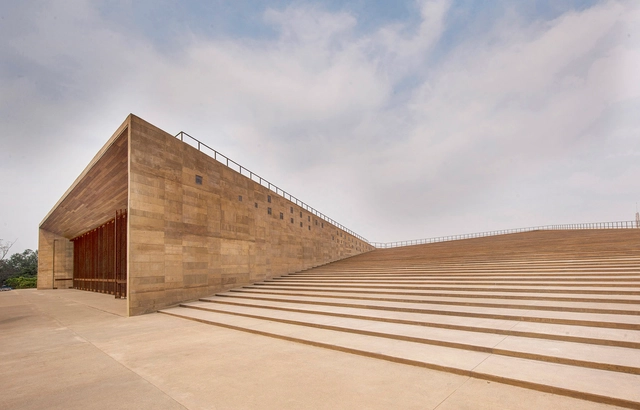


The second edition of Living Places - Simon Architecture Prize is a competition organized in collaboration with prestigious international architecture firms, featuring 145 projects from 12 European countries and Mexico. Although European in scope, this edition of the prize includes Mexico as a special guest. The award is presented in two categories: Personal Places and Collective Places, with a €10,000 prize for the winner of each.
The jury comprised various professionals, including renowned Mexican architect Frida Escobedo, founder of her eponymous studio, the youngest designer of a Serpentine Pavilion and recently awarded a RIBA International Fellowship; Davide Rapp (Milan), an architect and filmmaker who created the film “Elements” for the 2014 Venice Biennale as the introductory video to the central exhibition; Cecilia Tham (Hong Kong, Barcelona), founder of the creative community MOB Makers of Barcelona; and Ricardo Flores (Buenos Aires, Barcelona) of Flores & Prats Arquitectos, one of the winners of the prize's previous edition.
https://www.archdaily.com/1114860/teopanzolco-cultural-center-wins-the-2018-living-places-simon-architecture-prizeMónica Arellano
Rem Koolhaas: Live Lecture Stream from the World Architecture Festival
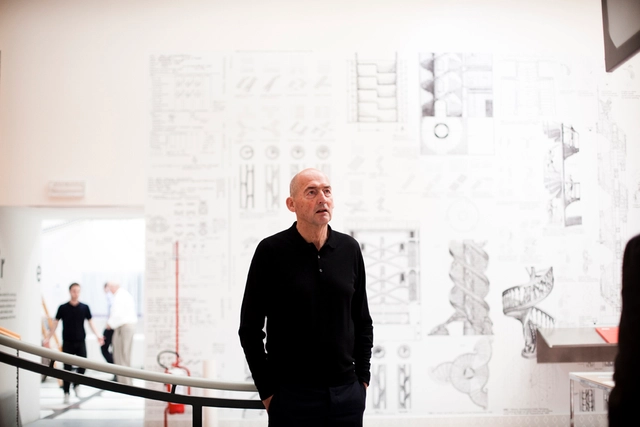
Dutch architect Rem Koolhaas will give the final keynote lecture today at the World Architecture Festival. ArchDaily will be streaming this keynote from our Facebook page.
https://www.archdaily.com/906922/rem-koolhaas-live-lecture-stream-from-the-world-architecture-festivalBecky Quintal
Carla Juaçaba Studio Wins the AR Emerging Architecture Awards 2018
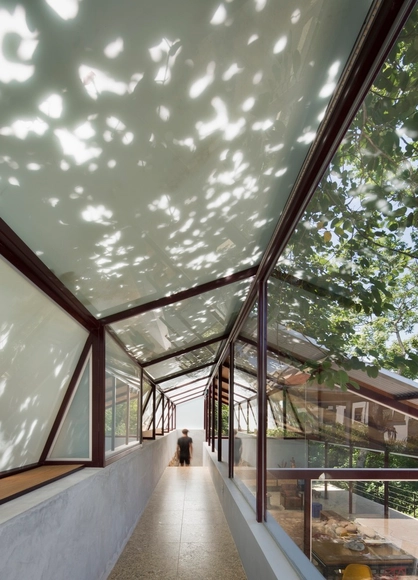
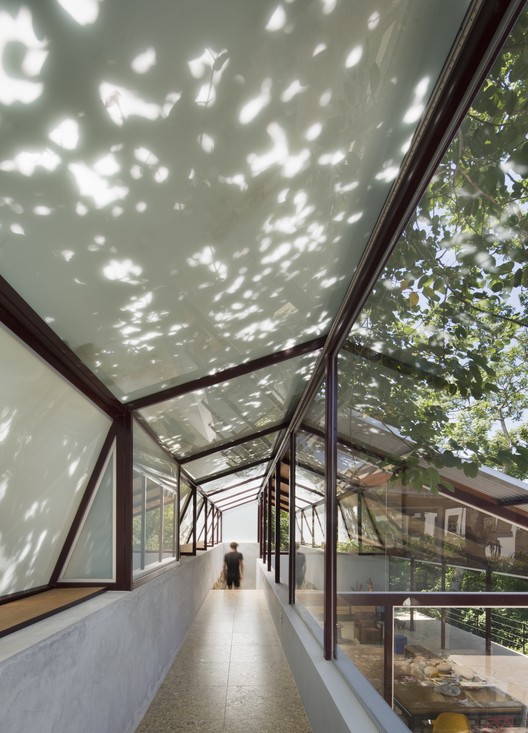
Brazil-based Carla Juaçaba Studio has been announced as the winner of the AR’s Emerging Architecture Awards 2018 in Amsterdam. The firm will receive a £10,000 prize in recognition of exemplary projects such as their chapel for the Pavilion of the Holy See at the 2018 Venice Biennale, and the Casa Santa Teresa in Rio de Janiero.
The practice was chosen from a shortlist of 14 by a judging panel featuring Spanish architect Ángela García de Paredes of Paredes Pedrosa, finalists of the inaugural 1999 AR Emerging Architecture awards; Indian architect Gurjit Singh Matharoo commended in the 2009 edition; and Ronald Rietveld of Dutch practice RAAAF, winners in 2013.


https://www.archdaily.com/906917/carla-juacaba-studio-wins-the-ar-emerging-architecture-awards-2018Niall Patrick Walsh
The World Architecture Festival Announces Day Two Winners
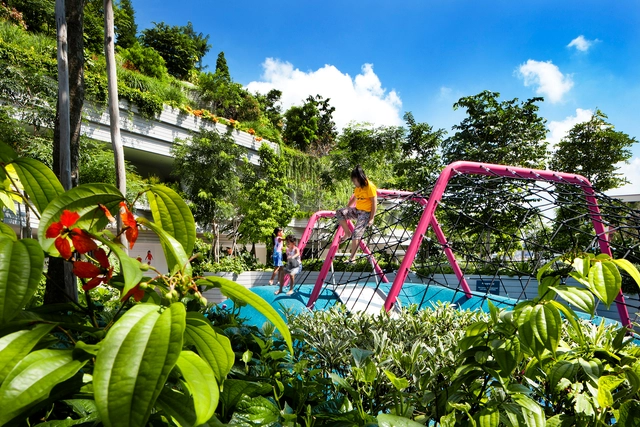
The 2018 World Architecture Festival has announced the second-day winners of this year’s edition, featuring works from such diverse firms as SeARCH, Sordo Madaleno, NextOffice, and Grimshaw.
The second day’s judging categories spanned a wide area, from future masterplanning visions to completed religious structures. The festival, held this year in Amsterdam, will culminate Friday 30 November with the World Building of the Year and Future Project of the Year Awards. These awards, selected from the festival’s list of category winners, will be selected by the festival’s “super jury”: Nathalie de Vries, Frederick Cooper Llosa, Lesley Lokko,Li Xiaodong, and Manuelle Gautrand.


https://www.archdaily.com/906744/the-world-architecture-festival-announces-day-two-winnersKatherine Allen
Aires Mateus Reveals Design for the Toulouse Fine Art Museum
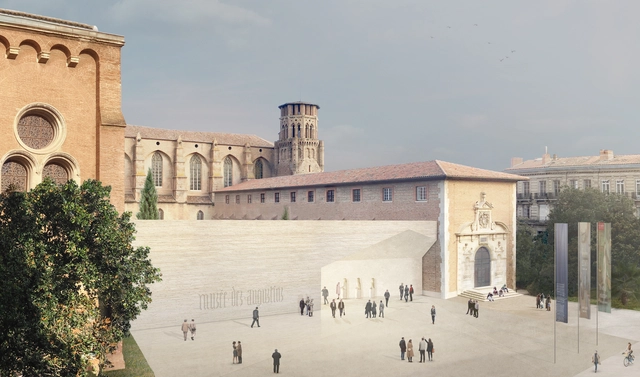
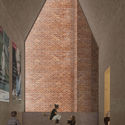
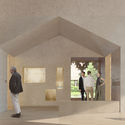
Portuguese architectural practice Aires Mateus have designed a new addition and entrance to the Museum of Augustins in Toulouse, France. Bringing together the museum and the Convent of Augustins, the proposal was made to clearly open to the city. The design aims to respect the spatial values of the convent and museum while standing out from its context and historical reference.

https://www.archdaily.com/906848/aires-mateus-reveals-design-for-the-toulouse-fine-art-museumEric Baldwin
IKEA and Tom Dixon Collaborate to Design Products for Urban Farming
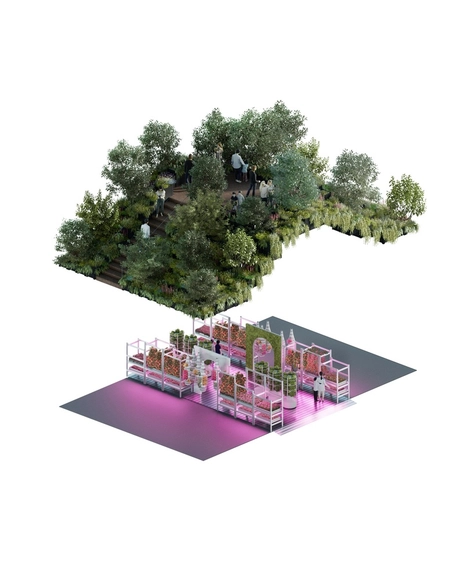
IKEA and Tom Dixon have collaborated to investigate the future of urban farming, “making homes the new farmland.” In an upcoming entry to the Chelsea Flower Show, the UK’s most popular landscape event, the team will share their first ideas on how “affordable, forward-thinking solutions can be used to grow plants and vegetables at home and beyond.”
The ethos behind the collaboration is to celebrate food as a crucial part of everyday life, and inspiring a healthier, more sustainable lifestyle. Identifying the potential savings in transport miles, water usage, and food waste, the team will use IKEA’s democratic design principles to “develop affordable, sustainable food farming and consumption within our homes and urban communities.”
https://www.archdaily.com/906853/ikea-and-tom-dixon-collaborate-to-design-products-for-urban-farmingNiall Patrick Walsh
WAF Day 2 Streaming: Live Lectures from David Adjaye, Francine Houben and Nathalie de Vries
Make sure to tune in to our Facebook live streams of today’s selection of lectures. We’ll also be streaming the winners at 19:15 CET. To see the previous day’s streams, click here.
https://www.archdaily.com/906833/waf-day-2-streaming-live-lectures-from-david-adjaye-francine-houben-and-nathalie-de-vriesBecky Quintal
World Architecture Festival Unveils WAFX 2018 Prize Winners

The World Architecture Festival (WAF) has announced the ten winners of the WAFX prizes, awarded to “future projects that identify key ecological and societal challenges which architects are actively seeking to address over the next ten years.”
This year, participants tackled issues such as climate change, water waste, and aging populations, with winning proposals including river parks in Colombia, a transformed coal plant in the United States, and solar panel fields in the Netherlands.
We’ve rounded up the winners below, along with further information about the upcoming 2018 World Architecture Festival taking place in Amsterdam this November. Tickets for the festival are available online now, with a 20% discount available for ArchDaily readers who enter the code ARCHDAILY20 at checkout. Our site will also have news coverage and live-streams of festival events.
https://www.archdaily.com/902929/world-architecture-festival-unveils-wafx-2018-prize-winnersNiall Patrick Walsh
Carlo Ratti to Curate Biennial for the Impact of Artificial Intelligence on Cities
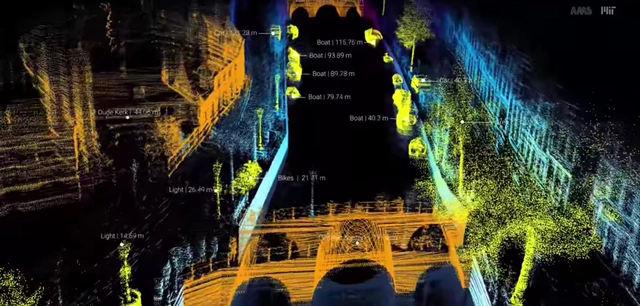
Carlo Ratti has been announced as Chief Curator for the 2019 Shenzhen Bi-City Biennial of Urbanism/Architecture. He will join Academic Curators Politecnico di Torino and South China University to critically explore the impact of artificial intelligence on communities and urban space.
The team will investigate “how our relationship with the city might change when buildings become able to respond to our presence.” Ratti’s expertise in the area of future technology and artificial intelligence is reflected in his role within the MIT Senseable City Lab, whose experiments propagate future scenarios for the built environment.
https://www.archdaily.com/906846/carlo-ratti-to-curate-biennale-for-the-impact-of-artificial-intelligence-on-citiesNiall Patrick Walsh
Haysom Ward Miller's Lochside House Named RIBA House of the Year 2018
_Client.jpg?1543427238&format=webp&width=640&height=580)
Haysom Ward Miller's Lochside House in the West Highlands has been named RIBA House of the Year 2018. The annual accolade is given by the Royal Institute of British Architects (RIBA) to the UK’s best new architect-designed house. Lochside House was revealed as the winner in the final episode of a special Channel 4 series Grand Designs: House of the Year. The award-winning project was designed as a modest, sustainable home for a ceramic artist on the edge of a Scottish lake.
_Richard_Fraser.jpg?1543427073 "Lochside House. Image © Richard Fraser")

_Richard_Fraser.jpg?1543427147 "Lochside House. Image © Richard Fraser")
_Richard_Fraser.jpg?1543427168 "Lochside House. Image © Richard Fraser")
_Client.jpg?1543427238)
https://www.archdaily.com/906767/haysom-ward-millers-lochside-home-named-riba-house-of-the-year-2018Eric Baldwin
A piece inspired by Luis Barragán's Cuadra San Cristóbal: "Los Caballos" by Moisés Hernández






Moisés Hernández (Mexico City, 1983) is a Mexican designer who graduated with honors in Industrial Design from the Monterrey Institute of Technology and Higher Education in 2007. Hernández has always been drawn to the simplicity and refinement of objects; his inspiration stems from Mexican objects, traditions, textures, contrasts, and the chromatic diversity of his surroundings, as well as the experience of living in a chaotic, overpopulated city.
https://www.archdaily.com/1114264/a-piece-inspired-by-luis-barragans-cuadra-san-cristobal-los-caballos-by-moises-hernandezMónica Arellano
The 2018 World Architecture Festival Announces the Day One Winners
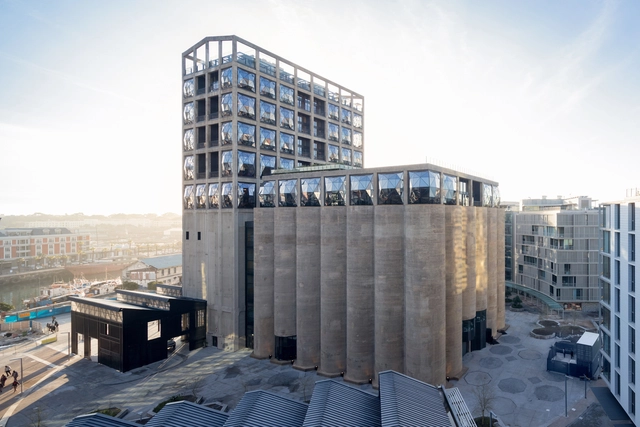
arrenFollowing an extensive day of presentations, panels, critiques, and talks The World Architecture Festival (WAF) has announced the Day 1 category winners in their 2018 programming. Winners are recognized in over 35 categories over the first two days of the conference, which culminates with the announcement of the World Building of the Year 2018 on the third and final day of the conference.
While still early days, the world’s largest architectural award program, the WAF Awards is poised for its biggest year yet, with a total of 535 shortlisted projects from 57 countries across the world.
https://www.archdaily.com/906741/the-2018-world-architecture-festival-announces-the-day-one-winnersKatherine Allen
BIG, Gensler, and Field Operations Reveal Design for Oakland Athletics Baseball Stadium

Bjarke Ingels Group, James Corner Field Operations, and Gensler have released new renderings of the new Oakland Athletics baseball stadium and surrounding development. The new stadium will replace the Oakland A’s existing 51-year-old Oakland-Alameda County Coliseum, which the A’s share with the Oakland Raiders football team. The mega-ballpark includes a waterfront “jewel box” stadium at Howard Terminal and would turn the current Coliseum site into a tech and housing hub.




https://www.archdaily.com/906769/big-gensler-and-field-operations-reveal-design-for-oakland-athletics-baseball-stadiumEric Baldwin
This is how the 2018 Building of the Year Awards were experienced in Santiago, Chile
On Thursday, November 15, a new edition of the Obra del Año Awards took place—the competition that gathers votes from ArchDaily readers to determine the best architectural works built in Latin America over the past year.
https://www.archdaily.com/1113858/this-is-how-the-2018-building-of-the-year-awards-were-experienced-in-santiago-chilePola Mora