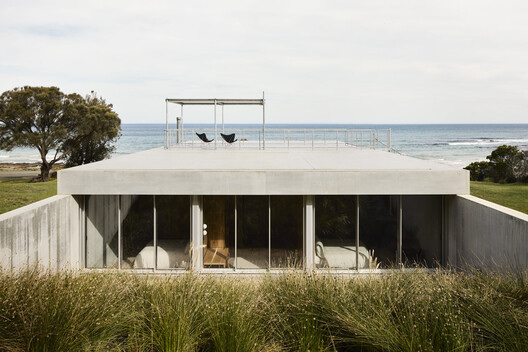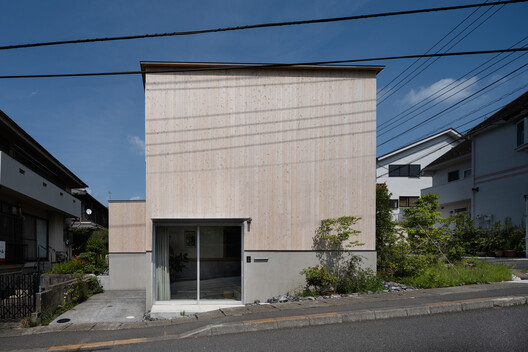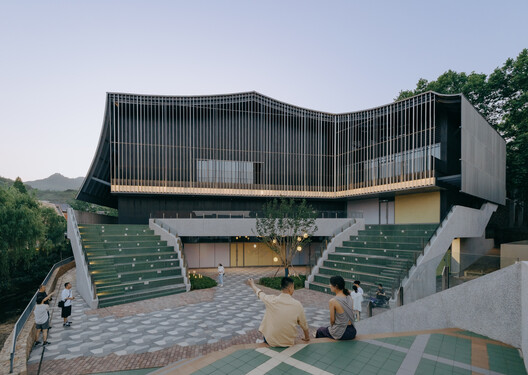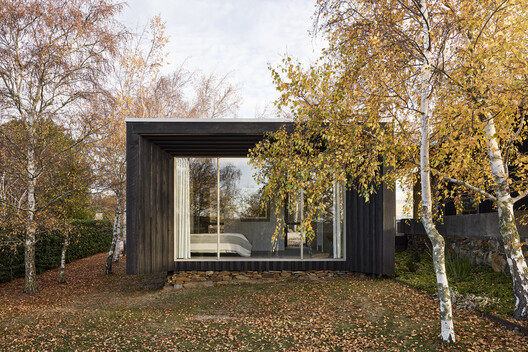
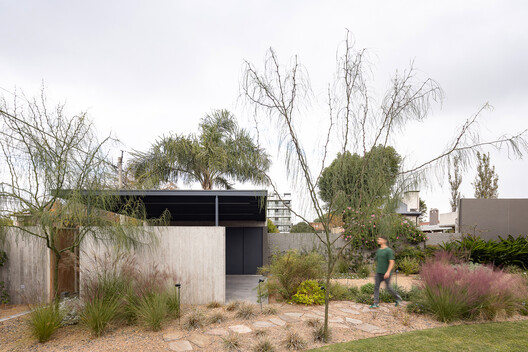
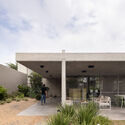
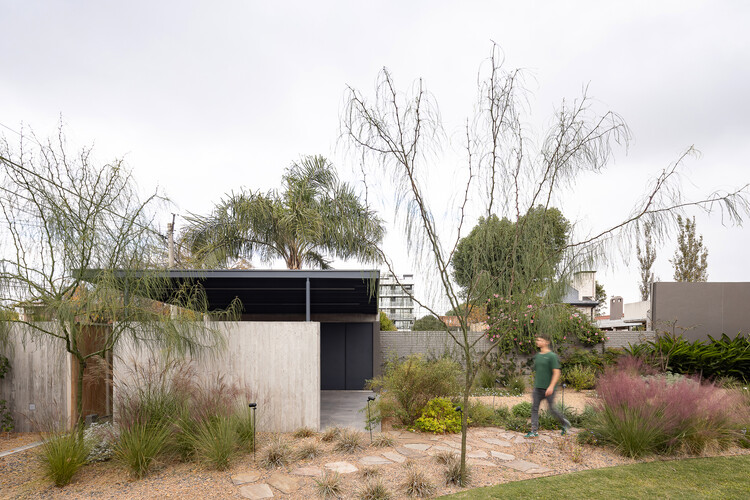
-
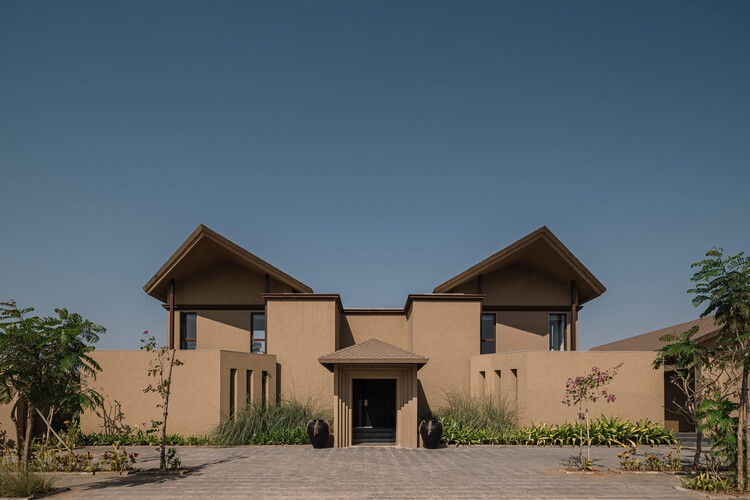
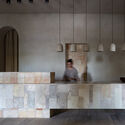
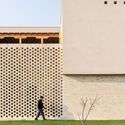
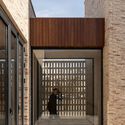
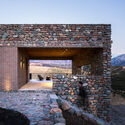
Architects: otro estudio
- Area: 683 m²
- Year: 2025
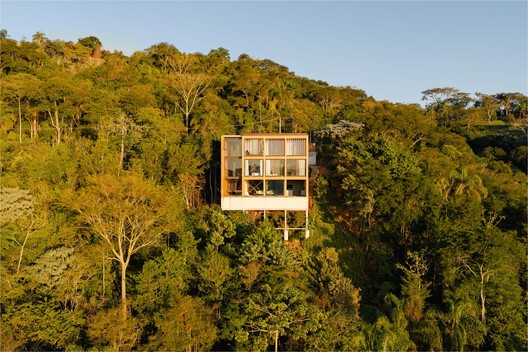
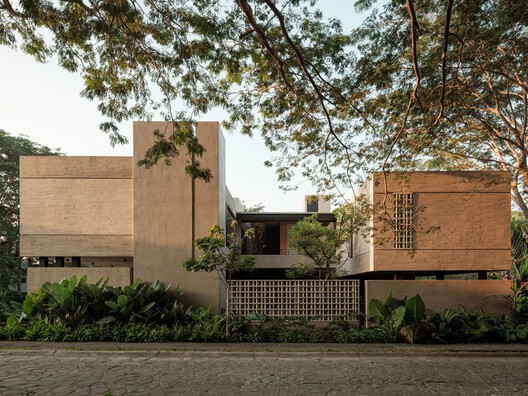
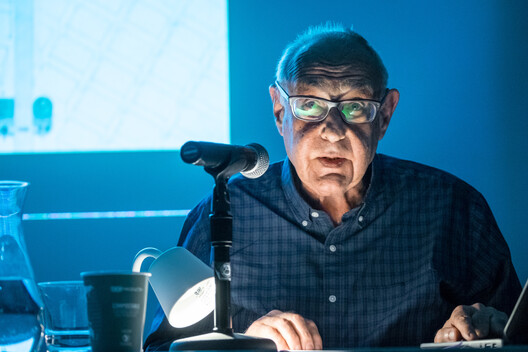
Elia Zenghelis, Greek architect, co-founder of the Office for Metropolitan Architecture (OMA), and one of the most influential architectural educators of the late twentieth century, died on August 30, 2026, at the age of 89. His death marks the passing of a figure whose influence on architectural thought extended far beyond the buildings he designed, shaping the intellectual formation of several generations of architects through decades of teaching across Europe and the United States.
Born in Athens in 1937, Zenghelis studied architecture at the Architectural Association School of Architecture in London, completing his studies in 1961. He joined the practice of Douglas Stephen and Partners, where he worked until 1971, while simultaneously beginning to teach at the AA in 1963. At the school, he became a prominent voice for a more radical, avant-garde architectural discourse, helping to transform the AA into a fertile ground for radical ideas.
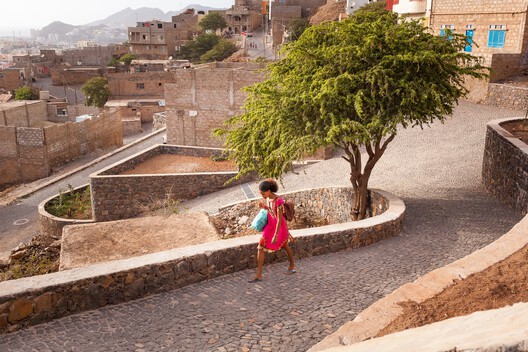
The spatial consequences of urban form are revealed when health outcomes are mapped over neighborhoods. Neighborhoods that support walking, daily errands, social interaction, and access to essential services create opportunities to incorporate physical activity into routine tasks. Places that are organized around long distances and automobile travel suppress this opportunity. Physical activity and the motivation to incorporate it into daily life are shaped by the distance to a grocery store, the safety of a pedestrian crossing, the frequency of public transportation, the width of a sidewalk, and the quantity of services within walking distance.
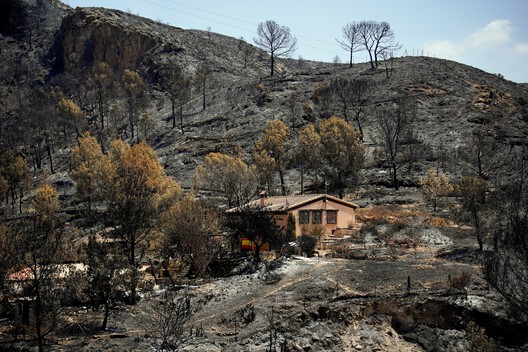
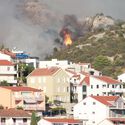
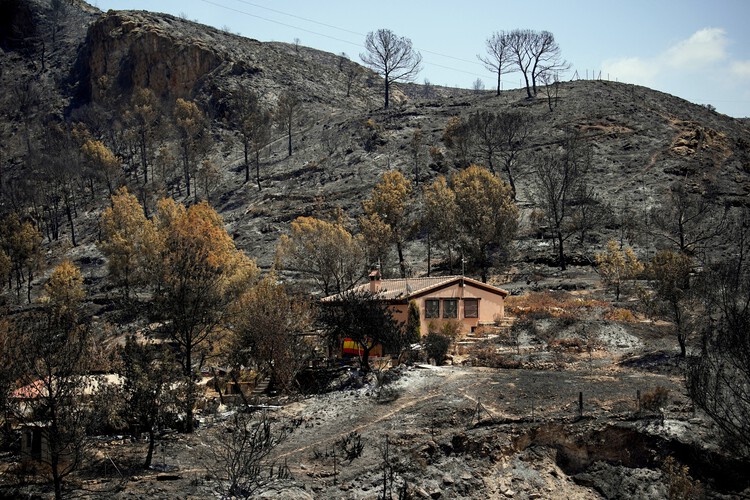
Severe late-August wildfires across northern Algeria have brought residential areas, agricultural lands, and critical transport corridors directly into the path of rapidly spreading flames. The destruction across Jijel, Béjaïa, and Tizi Ouzou claimed at least 12 lives and forced the emergency closure of major national highways. The latest outbreak follows a summer of repeated fires across the country, with authorities recorded nearly 2,000 fires nationwide in July, while fires in the northeastern province of Annaba at the end of the month forced more than 100 people to leave their homes and damaged nearly 150 houses. The current fires have again brought residential areas, roads and other infrastructure into the path of rapidly spreading flames. Forest fires occur regularly in northern Algeria during the summer, with increasingly frequent drought and periods of intense heat contributing to more severe fire conditions.



ArchDaily is looking for Social Media Collaborators to join our content team. Our Social Media Teams transform ArchDaily's content into engaging, high-performing digital formats for various social media channels.
Your role involves hands-on content creation and repackaging, as well as a high degree of collaboration and creativity to amplify architectural ideas to a global audience.
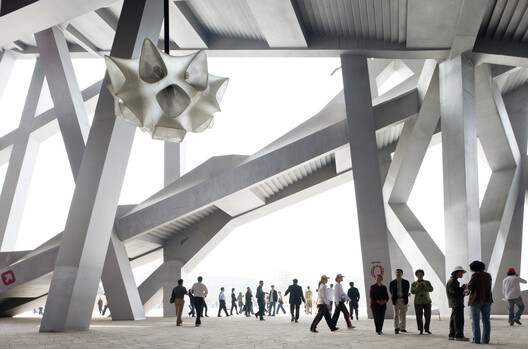
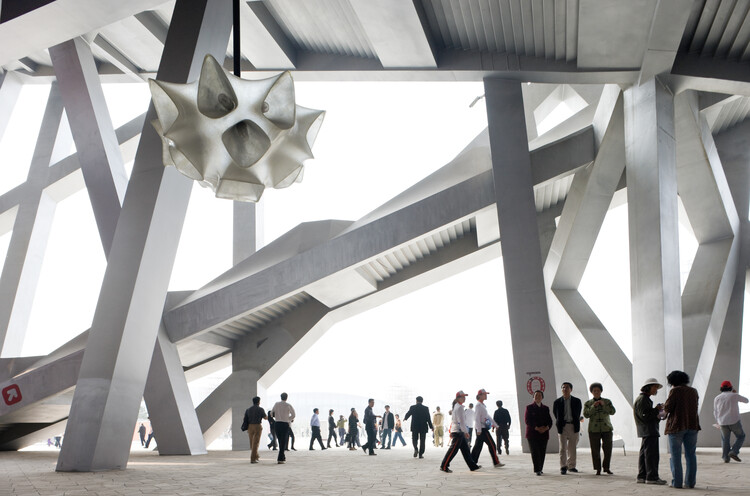
An exhibition tracing the vision behind Herzog & de Meuron's ten selected projects in China will open on September 12, 2026, at the M+ Museum in Hong Kong. The exhibition marks the museum's fifth anniversary; since opening, M+ has built its collection around visual art, design and architecture, moving image, and Hong Kong visual culture from the twentieth and twenty-first centuries. The museum building, designed by Herzog & de Meuron between 2012 and 2021, is located in the city's West Kowloon Cultural District (WestK), a cultural hub spanning forty hectares alongside Victoria Harbour. "Herzog & de Meuron: In Focus" is curated by Ikko Yokoyama and Iris Ng and reviews projects dating from 2002 to 2021, including Tai Kwun in Hong Kong (2006–2018) and the National Stadium in Beijing (2002–2008).
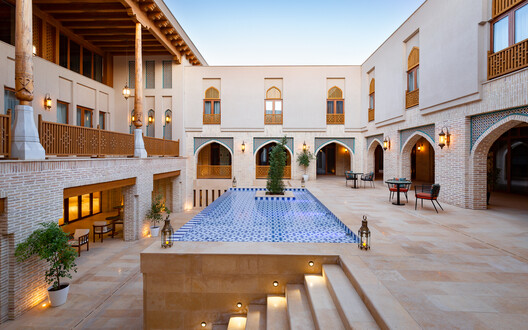
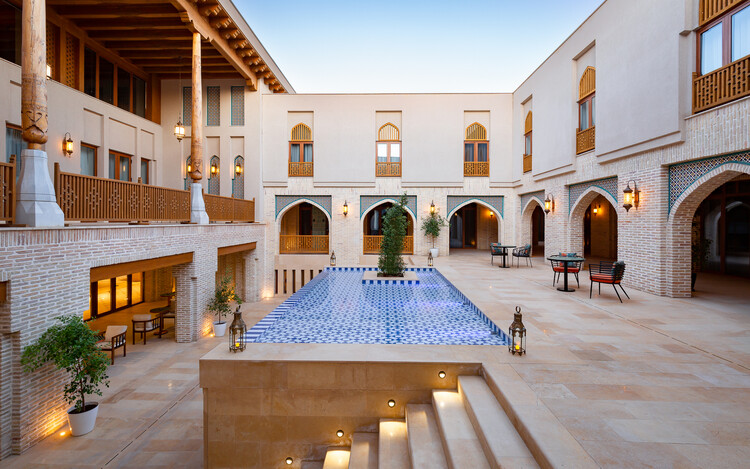
Amid the transformation of Uzbekistan's cities, ARC Architects develops an architecture that seeks to connect past and present. Founded in 2017 by Bobir Klichev, the studio emerged from Bukhara's architectural community and remains closely connected to the country's cultural and climatic particularities. With offices in Tashkent and Bukhara, ARC combines minimalism and ethnic references to develop a contemporary language rooted in its context.
Rather than reproducing a traditional image of Uzbek architecture, the studio seeks to understand how this heritage can be reinterpreted today, an exercise that necessarily engages with the overlapping historical layers across the country. For centuries, cities such as Samarkand and Bukhara were important commercial and cultural centers of Central Asia. Their architecture developed around inner courtyards and narrow streets, forming urban fabrics in which buildings and collective spaces are inseparable.