
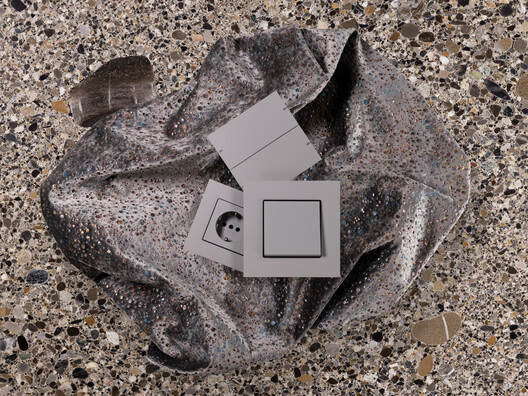
Across recent architectural discourse, interior design has been centered on how spaces shape psychological and atmospheric experience, and on what gives interior environments their emotional resonance. Attention has shifted toward small details rather than relying primarily on form or structure. Light, for instance, is not only a technical requirement but also an architectural material in its own right. It can structure space, animate surfaces, define textures, and shape atmosphere while influencing well-being. At the same time, the characteristics between minimalism and maximalism shape how atmospheres are perceived, prompting reflection on how approaches to simplicity or exuberance might influence mood. Rather than existing as opposing aesthetics, these tendencies explore how interiors interact with mental states, reflect personal identity, and respond to the subtle shifts in the way people inhabit and experience space.
Materiality remains equally central. Surfaces and their honest expression carry weight in shaping interior character. Discussions around material authenticity challenge reliance on decorative layers or synthetic replicas, redirecting attention toward how materials age, how they feel to the touch, and how they build atmosphere over time. Instead of acting merely as finishes, materials operate as carriers of meaning, longevity, and craft. And somewhere between light that sets rhythm, spatial arrangements that quiet the mind or heighten alertness, and materials that record use and age, a quieter question emerges: how do the smallest architectural components participate in this larger atmospheric language?
Experiencing Space Through Flexibility: Mix and Match
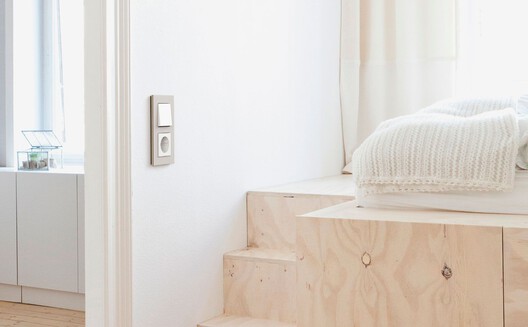
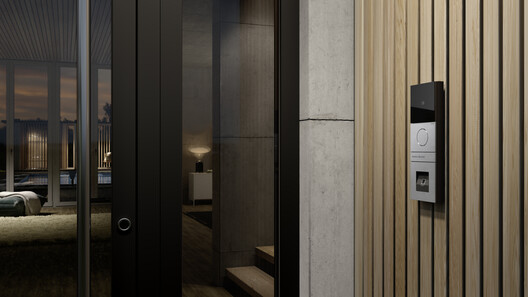
Even seemingly minor components, such as switches, sockets, and control interfaces, reveal their significance when considered through the lens of light, materiality, and atmosphere. A single touch can mediate one of the most influential forces in architecture: light. Through a single interface, direction, intensity, hue, and timing can be adjusted, allowing light itself to shape a room's atmosphere. The physical presence of these components adds another surface to the composition, raising questions of material coherence, authenticity, and visual calm. Brands such as Gira offer a lens into this interplay, where mix-and-match switches, socket outlets, Smart Home devices, and outdoor intercoms create a framework in which these elements adapt to a broader architectural narrative rather than imposing an external style.
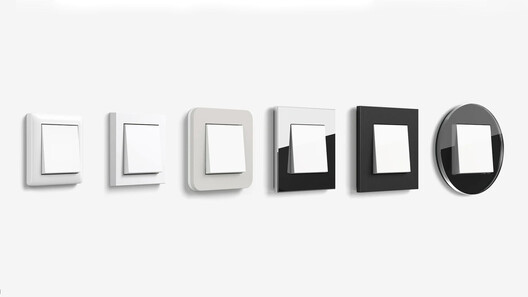
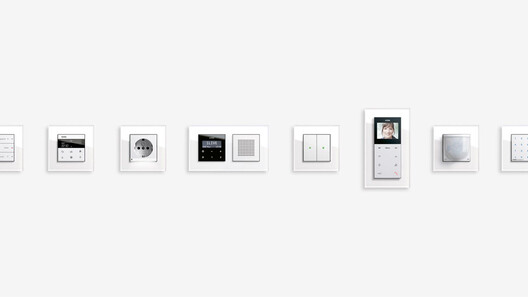
When interiors are considered in terms of material continuity, functional elements that align with their surroundings, through a single material, color, or adaptability across atmospheres, demonstrate design flexibility. Gira's philosophy, centered on the mix-and-match logic of the System 55, for example, allows these intersections to remain coherent. This approach treats every component as part of an interchangeable system, enabling designers to combine functions, materials, and technologies without sacrificing visual or spatial consistency. Functional inserts, from traditional switches to the Gira System 3000 blind controller, KNX push buttons, USB-C power supplies with Power Delivery, and the Gira Radio, fit within Gira E1 frames whose material expression can shift according to the interior narrative. The System 106 door intercom extends this continuity to thresholds, linking exterior and interior spaces through elegant and subtle material coherence with the Gira Esprit design line.
Tailoring Interiors Through Material and Form
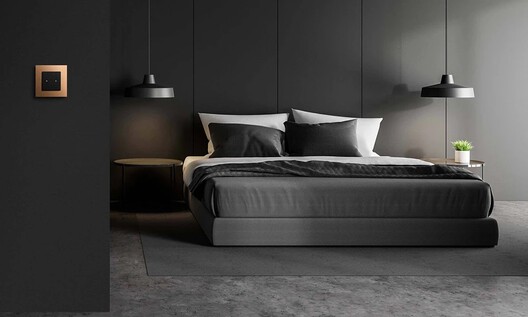
Within minimalist interiors, for example, the E2 line, with its clean, square geometry and restrained palette of black matt, pure white glossy, grey, and stainless steel, emphasizes clarity and proportion, allowing light to articulate surfaces without distraction. E1 introduces softer contours, remaining expressive yet subtle, complementing quieter, more reflective spaces. In interiors that embrace expressive layering, Gira Esprit materials in glass, metal, or linoleum-plywood, or colors such as bronze (PVD), stainless steel, or glass umber, engage material richness and contrast, offering visual and tactile accents. Connected technologies also respond to this dialogue. Devices such as the Gira G1 and G1 XS integrate digital functionality without dominating space, with a neutral black-and-white design that pairs with chosen frame lines to create a complementary contrast or the opposite.
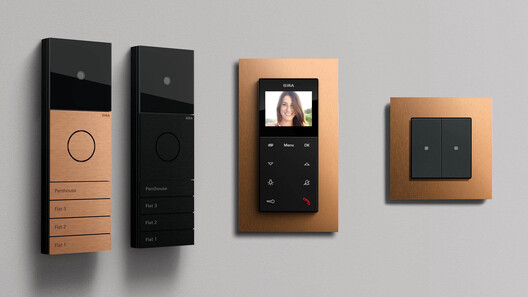
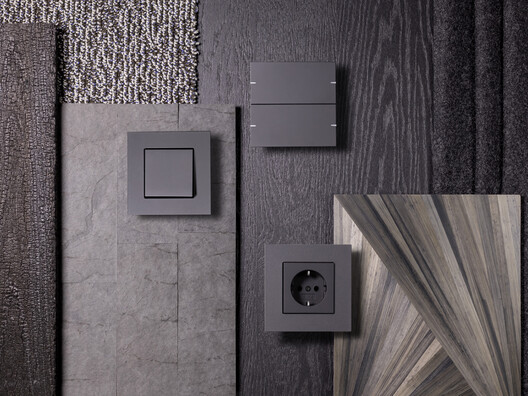
Through these strategies, even small components influence the psychological and spatial experience of a room. Switches and outlets can recede in restrained environments, reinforcing calm and clarity, or assert themselves as accents in more exuberant interiors, punctuating texture, color, and rhythm. The alignment of materials, orchestration of light, and careful modulation of functional elements allow these devices to participate in shaping atmosphere, perception, and emotional resonance.
Even with Pantone's 'Cloud Dancer' named as the Color of the Year 2026, color is just one note in the broader composition of a space. One theme emerges clearly in recent interior design discourse: the character of a space is composed not only of obvious architectural gestures but also of the ongoing relationship between light, materials, sensory experience, and the details that connect them. By enabling mix-and-match modularity across materials, colors, and functions, Gira demonstrates how functional design can uphold architectural clarity while supporting the emotional and psychological experience of a space's user. Even the smallest detail, thoughtfully considered, contributes to a coherent, atmospheric, and resonant interior.
This article is part of the ArchDaily Topic: Year in Review, proudly presented by GIRA.
GIRA sets the standard where architectural design meets intelligence. From the defining moments of 2025 to the innovations shaping 2026, we create smart solutions that elevate living and working environments with timeless aesthetics. Join us in shaping the future of architecture and interior design — where vision becomes reality.
Every month we explore a topic in-depth through articles, interviews, news, and architecture projects. We invite you to learn more about our ArchDaily Topics. And, as always, at ArchDaily we welcome the contributions of our readers; if you want to submit an article or project, contact us.