1. ArchDaily
  2. Light in Architecture

Light in Architecture: The Latest Architecture and News

Self-Sufficient Facades: Where Solar Protection Meets Renewable Energy

 | Sponsored Content

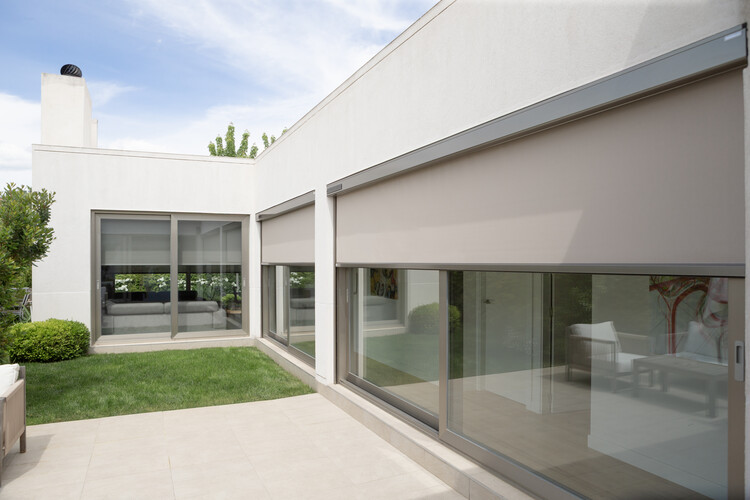
Taking a deeper look at the interplay of light and shadow in architecture seems to be a recurring topic on the agenda of many professionals in the field. Spaces of light and darkness are conceived to enhance circulation and spatial directionality, as well as to highlight the colors, textures, and forms of specific architectural elements. That said, the impact of natural light on building facades reveals the need to develop strategies that support energy savings, improve the thermal and visual comfort of interior spaces, and promote the reduction of carbon emissions. Considering light as another material in architecture, in what ways could its power contribute to the architectural experience?

Self-Sufficient Facades: Where Solar Protection Meets Renewable Energy - Image 1 of 4Self-Sufficient Facades: Where Solar Protection Meets Renewable Energy - Image 2 of 4Self-Sufficient Facades: Where Solar Protection Meets Renewable Energy - Image 3 of 4Self-Sufficient Facades: Where Solar Protection Meets Renewable Energy - Image 4 of 4Self-Sufficient Facades: Where Solar Protection Meets Renewable Energy - More Images+ 1

What if the Smallest Detail Helped Shape the Mood of a Space?

 | Sponsored Content

Across recent architectural discourse, interior design has been centered on how spaces shape psychological and atmospheric experience, and on what gives interior environments their emotional resonance. Attention has shifted toward small details rather than relying primarily on form or structure. Light, for instance, is not only a technical requirement but also an architectural material in its own right. It can structure space, animate surfaces, define textures, and shape atmosphere while influencing well-being. At the same time, the characteristics between minimalism and maximalism shape how atmospheres are perceived, prompting reflection on how approaches to simplicity or exuberance might influence mood. Rather than existing as opposing aesthetics, these tendencies explore how interiors interact with mental states, reflect personal identity, and respond to the subtle shifts in the way people inhabit and experience space.

Cities Light Up in Solidarity with Ukraine

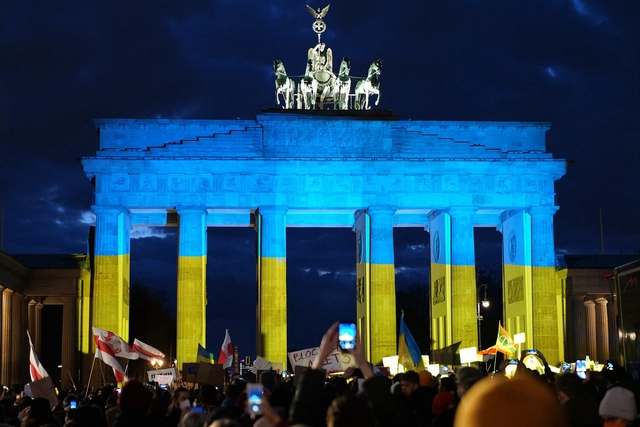
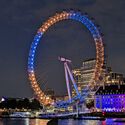
In the realm of media architecture and its role in supporting struggles for social justice, the recent Media Architecture Biennale 2023 (MAB23) in Toronto, Canada, shed light on a captivating aspect: The rapid and vast propagation of solidarity lighting in response to Russia's invasion of Ukraine in 2022. The synchronized illuminations, infused with activism and global art projects, became a powerful emblem of worldwide support for Ukraine during its time of crisis. Two emphatic female political leaders in Europe initiated the lighting solidarity message. Surprisingly, the blue and yellow Ukrainian flag illumination on iconic buildings worldwide defined an image of solidarity even faster in the press than large crowds of people in anti-war protests the weekend after the war began.

Cities Light Up in Solidarity with Ukraine - Image 1 of 4Cities Light Up in Solidarity with Ukraine - Image 2 of 4Cities Light Up in Solidarity with Ukraine - Image 3 of 4Cities Light Up in Solidarity with Ukraine - Image 4 of 4Cities Light Up in Solidarity with Ukraine - More Images+ 3

The Use of Light as a Divine Element in 5 Modern Churches

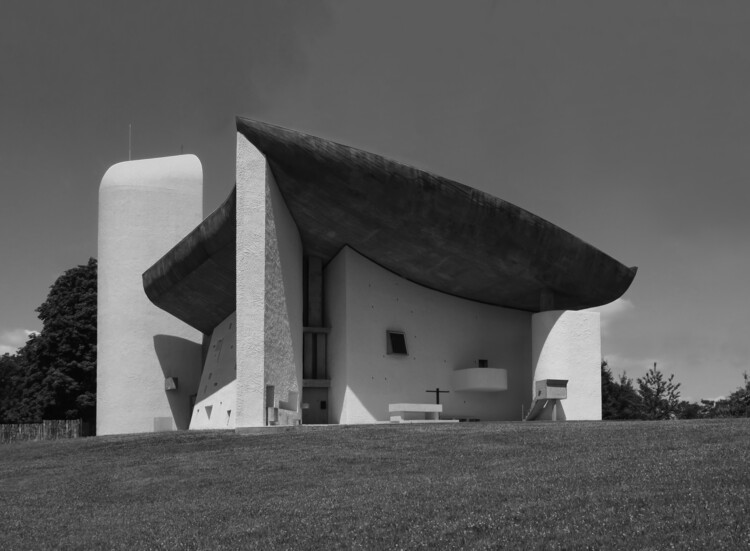
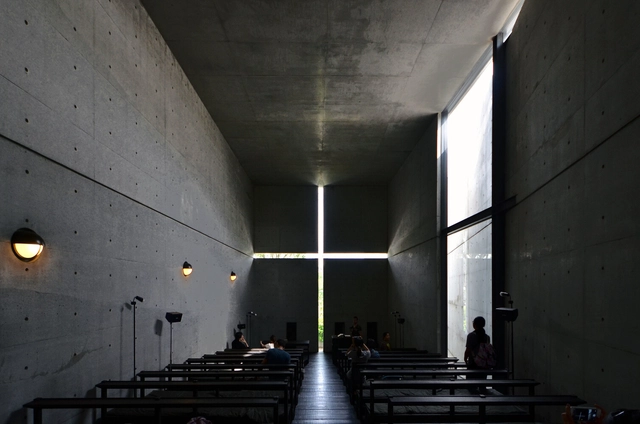
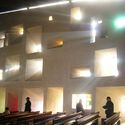
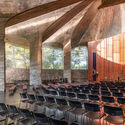
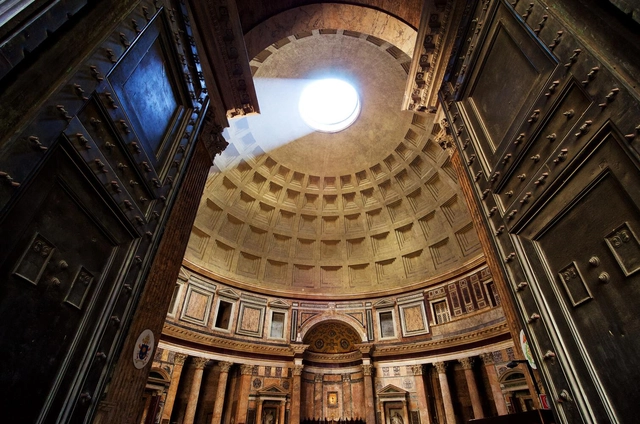
The use of light in religious constructions as an element of association with the divine has been present throughout the history of humanity. Historically, a series of temples from various religions have used this technique as an attempt to visually and perceptibly approach humans to a sacred and intangible dimension. Light is often given a spiritual connotation and significant symbolic force, capable of modifying people's relationships, perceptions, and experiences with their surroundings. Thus, it is an element that has been, and still is, used by architecture to create scenarios and effects in many religious spaces, especially churches.
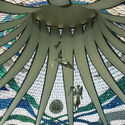
The Use of Light as a Divine Element in 5 Modern Churches - Image 13 of 4The Use of Light as a Divine Element in 5 Modern Churches - Image 3 of 4The Use of Light as a Divine Element in 5 Modern Churches - Image 6 of 4The Use of Light as a Divine Element in 5 Modern Churches - Image 8 of 4The Use of Light as a Divine Element in 5 Modern Churches - More Images+ 10

Less is More: Minimal Window Systems for Maximum Light

 | Sponsored Content

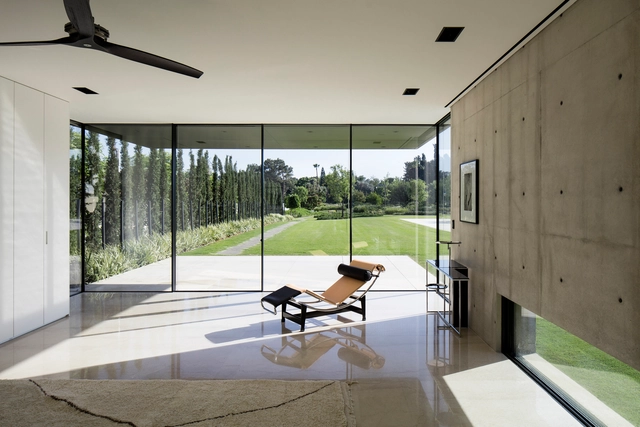
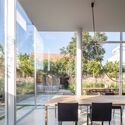
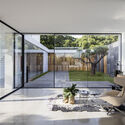
Le Corbusier once described architecture as “a learned game, correct and magnificent, of forms assembled in the light.” Natural light –and its accompanying shadow– plays a crucial role in shaping our perception of architecture, serving a long list of functions that define how users experience, engage and interact with buildings. From illuminating and accentuating to enhancing views and evoking warmth, the presence of daylight has the power to set a room’s tone and aesthetic language. It even has a significant impact on human health and well-being, including boosting mood and productivity, regulating circadian rhythms and reducing eyestrain and headaches –it makes our lives brighter, literally.

Less is More: Minimal Window Systems for Maximum Light - Image 1 of 4Less is More: Minimal Window Systems for Maximum Light - Image 2 of 4Less is More: Minimal Window Systems for Maximum Light - Image 3 of 4Less is More: Minimal Window Systems for Maximum Light - Image 4 of 4Less is More: Minimal Window Systems for Maximum Light - More Images+ 8