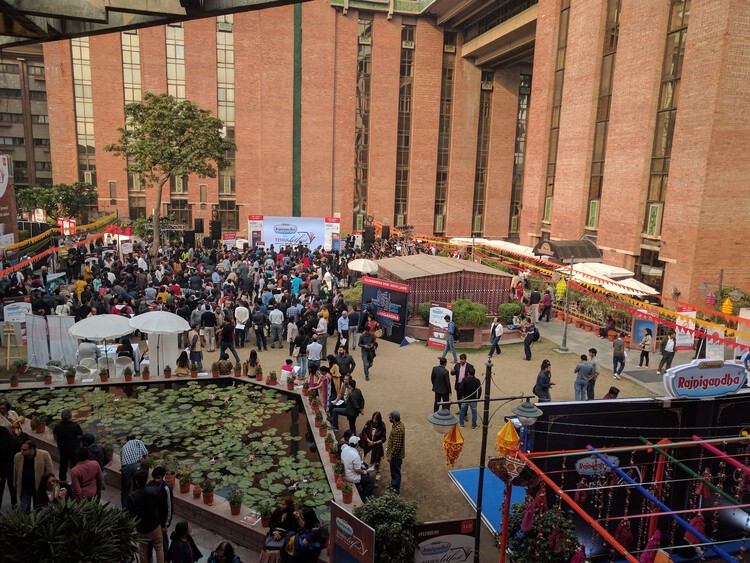
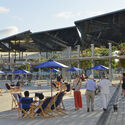
Times Litfest Delhi 2017, held at the India Habitat Centre, in New Delhi, November 26, 2017 by DiplomatTesterMan . Image Courtesy of Wikimedia (public domain)
Every democracy eventually confronts the same question: where can its citizens speak?
Public squares, marches and demonstrations have served as the most visible and impactful expressions of collective opinion. There persists a growing desire among citizens to be seen and heard in the public domain. Demonstrations, by their very nature, are moments of urgency, emerging when conversations have reached an impasse. While essential to democracy, they cannot be its only language.
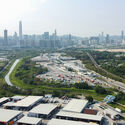
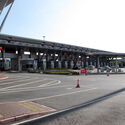
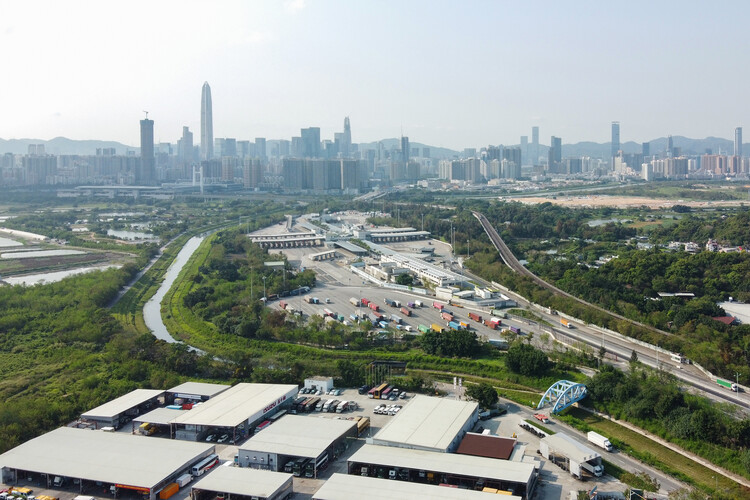
For most children, the journey to school is an everyday geography of street life and traffic, repeated so often that it becomes almost invisible, folded into the background of childhood and growing up. Yet for cross-boundary students who live in Shenzhen and attend school in Hong Kong, the school day begins much earlier, and much farther from the classroom. It begins at the border.
Their commute is not simply a matter of distance. It is shaped by two legal systems, two administrative cultures, and a set of infrastructures designed to make daily crossing a little bit more feasible for individuals under 18. On a typical morning, the route to school may pass through a boundary control point before it reaches a classroom. It may involve a government-approved school coach, a restricted access road, an immigration hall, a fingerprint scanner, or a clearance procedure that takes place while the child remains seated on the bus. What appears from a distance as a school commute is, in spatial terms, a carefully managed architectural corridor between two cities.
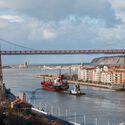
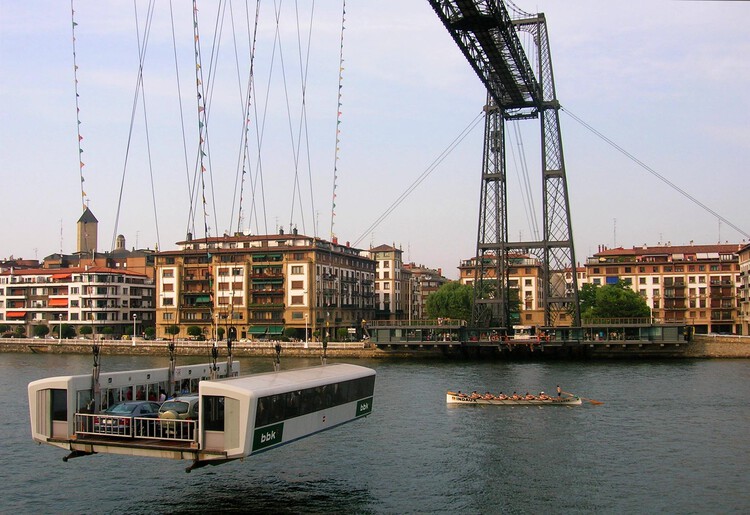
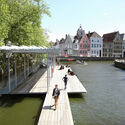
A trainera under the transporter Bizkaia Bridge. Image via Wikipedia user: Javier Mediavilla Ezquibela Licensed under CC BY-SA 3.0
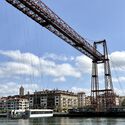
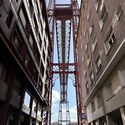
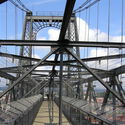
What role do transportation infrastructures play in shaping the culture and economy of societies? How do they bridge cultural, ideological, and geographic divides while transforming the lives of the communities they serve? One of the most remarkable iron structures of the European Industrial Revolution stands west of Bilbao, spanning the Nervión River at the mouth of the Ibaizabal Estuary. It is the Bizkaia Bridge, which combines nineteenth-century ironworking traditions with the innovative use of lightweight alternating-twist steel cables. Recognized as the world's first transporter bridge, it became a model for similar structures built throughout Europe, Africa, and the Americas.
Constructed to connect the opposite banks of the Nervión estuary, it was the first bridge in the world to allow ships, passengers, and vehicles to cross simultaneously by means of a suspended gondola. This innovative system improved communication between two small seaside resort towns while allowing uninterrupted navigation through one of Europe's busiest inland ports.
As co-living becomes increasingly associated with students, young professionals, and other mobile residents, it raises a broader architectural question: if home is no longer tied to long-term residence, what should architecture expect the private dwelling to provide?
People move for school, for a temporary job, or for a career that keeps taking them somewhere new. Many now expect to spend a defined period in a place before leaving it. Housing built for them has to do more than provide shelter. It has to support the routines through which someone adapts to an unfamiliar place, in the short time they know they have there. A year in a city asks something different of an apartment than a lifetime does, even if the square meters look the same on paper.
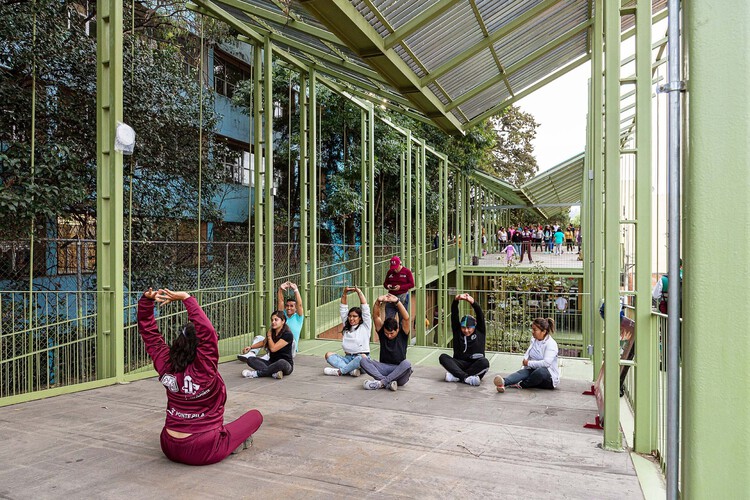
In many Latin American cities, peripheral neighborhoods have historically had less access to the resources that make urban life more than just livable. Housing, transportation, and public services are the usual markers of that gap. But there is another gap that is harder to quantify: the absence of places where people can gather, learn, rest, and participate in collective life. When those spaces do not exist, the city not only fails to provide a service. It fails to acknowledge a presence.
In recent decades, a growing number of projects have tried to address that absence directly. Rather than focusing only on physical infrastructure, they invest in spaces designed to support education, culture, recreation, and community, often merging several of those functions within a single building in neighborhoods where those spaces are otherwise limited.
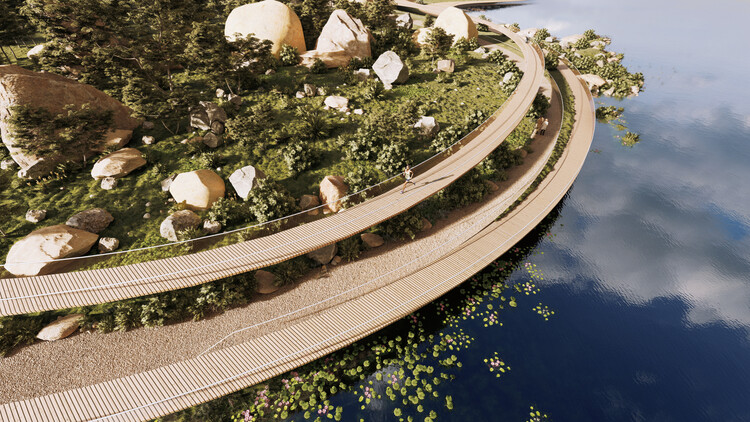
Faced with the reality that climate change is making cities increasingly unlivable, citizens are confronted with the choice of either leaving or transforming their environments. The unbuilt projects compiled in this article offer transformative alternatives for more livable cities, combining construction, architectural, and landscape design strategies across urban parks and suburban interstitial spaces. As ecological laboratories, they incorporate a multispecies perspective into the design process, adopting a concept of time better suited to the development of ecosystems.
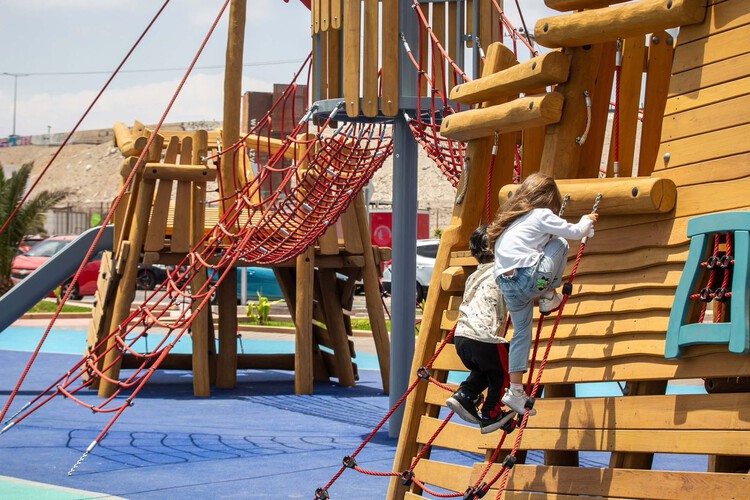
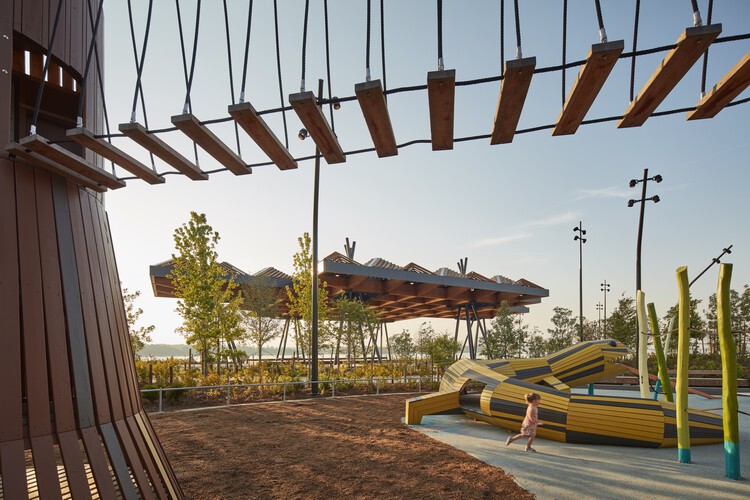
p>Understanding play as a social catalyst and an influential factor in defining public space, urban life is shaped by diverse individuals of different ages, cultures, ideologies, interests, classes, and social groups. Thinking about how play inhabits cities means thinking about all generations, and about the need to build public spaces with urban equipment designed to last and be maintained over time.
The performance of play structures invites us to review the different stages of their life cycle alongside their impact on shaping the urban environment. Analyzing the life cycle of urban play equipment involves understanding everything from materials, durability, and maintenance to the role of certifications and technologies applied in their production process, within environments that are increasingly conscious of their environmental impact.
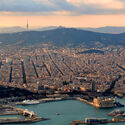
Every three years, the International Union of Architects' (UIA) World Congress lands in a different city, under a different theme set years in advance. A quick mapping of these host cities reveals a deliberate pattern: throughout the decades, the UIA has purposefully chosen a wide range of venues across all continents, rendering each edition a snapshot of what mattered in that specific place, at that exact moment. The result of this geographic rotation has been a diverse kaleidoscope of conversations, analyzing the profession from countless angles and adapting it to changing times. But 2026 is different; this time the UIA is repeating a host city for the first time: Barcelona, under the theme "Becoming. Architectures for a planet in transition".
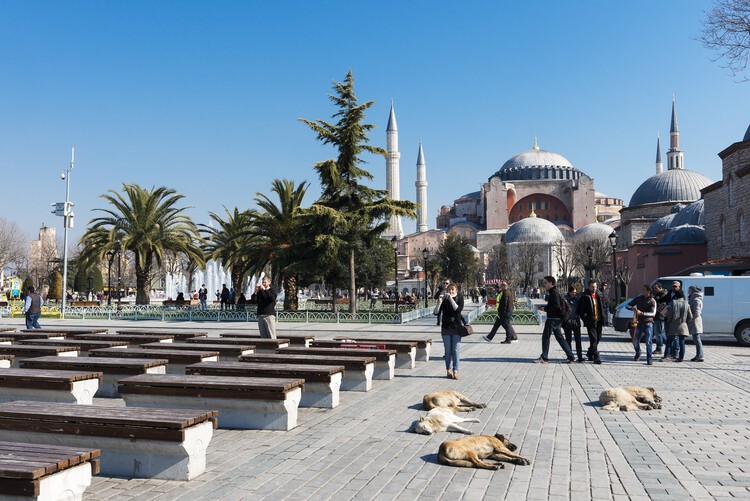
Stray dogs in Istanbul. Image by istanbulphotos, via Shutterstock
Architecture continues to draw cities as though humans occupy them alone. Plans trace circulation routes, zoning maps assign functions, and buildings are evaluated according to human comfort, safety, and efficiency. Walking through cities across India and Southwest Asia reveals something much more complex. Dogs sleep beneath market stalls, monkeys move across rooftops, birds nest in temple towers and mosque façades, and insects pollinate urban landscapes hidden in plain sight. These species are woven into daily urban life as consistently as human occupants. Streets, courtyards, roofs, drainage systems, markets, and vacant lots are already occupied by multiple species simultaneously. Architectural thinking has been slower to account for this reality.
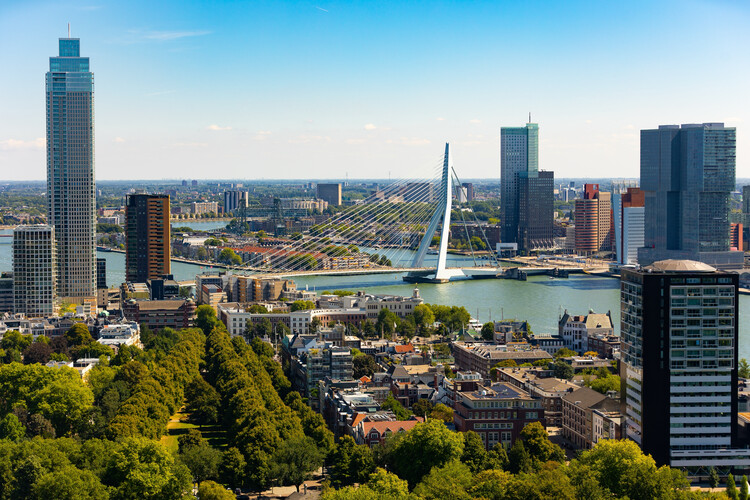
Who has the right to the city? Henri Lefebvre's writings question the structures that control urban space and, instead, put the citizens at the center of decision-making. His ideas have influenced the way architecture and urban design are practiced, bringing about community participation and co-design. These have been some of the most prominent themes at Utopian Hours 2026, the festival of city-making, the first part of which was held in the Dutch city of Rotterdam to mark its tenth anniversary edition.
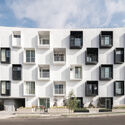
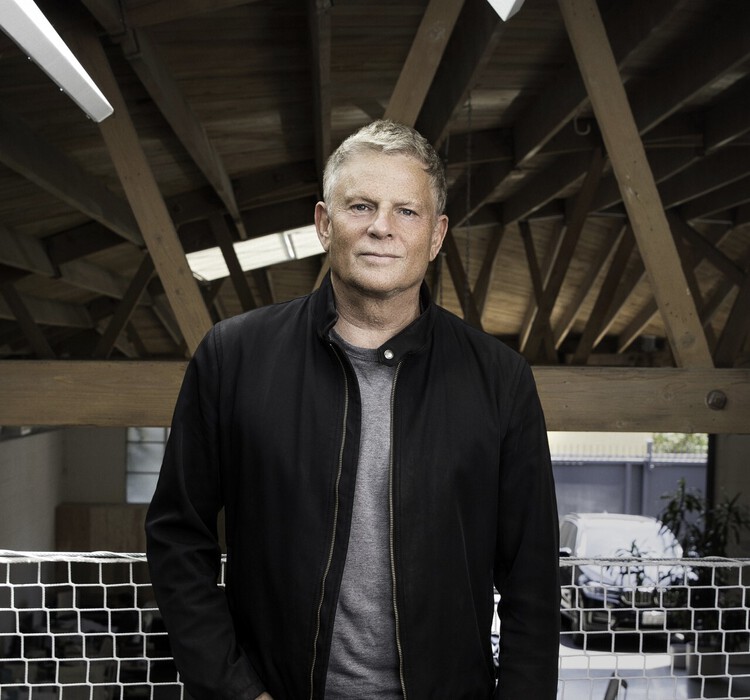
Lorcan O'Herlihy, the Irish-born architect, educator, and founder of Los Angeles-based Lorcan O'Herlihy Architects (LOHA), has died at the age of 66. His death was confirmed by the firm on June 14, 2026. Over a career spanning more than three decades, O'Herlihy became known for advancing an architectural practice centered on housing, urbanism, and social engagement, helping shape conversations around density, affordability, and the civic role of design in contemporary cities.
What architecture leaves in the ground outlasts what it puts in the air. A demolished building disappears from the skyline in a matter of days, but its foundations remain embedded in the soil for generations. The contamination caused by an industrial complex does not clear when the complex is torn down. The legal boundaries inscribed across colonial territory do not dissolve when the colonial administration ends. The ground holds what architecture quickly forgets.
This is what makes soil so uncomfortable as a subject. The discipline tends to orient itself upward, toward the form, the façade, the spatial experience of inhabitation. The ground is where architecture begins and, in a certain sense, where it ends: the point at which building becomes geology, legal title becomes territorial claim, and construction becomes extraction. Treating soil as a medium rather than a datum means acknowledging that the acts of building carry consequences that run deeper than the visible object above grade.
As Europe experiences one of its earliest and most intense heatwaves in recent years, World Environment Day 2026 arrives amid renewed discussions about climate adaptation, urban resilience, and the capacity of cities to respond to increasingly extreme temperatures. Across Portugal, France, Italy, Spain, Germany, Switzerland, Ireland, and the United Kingdom, temperatures have surged well above seasonal averages, prompting heat alerts, school closures, emergency planning measures, and growing concerns about the performance of buildings and public infrastructure under prolonged heat stress. The convergence of these highlights a reality that is becoming increasingly worldwide: climate change is no longer solely an environmental concern but an issue that is fundamentally reshaping the spaces where people live, work, and gather.
Modern cities are running on performance indicators. They move millions of people each day, concentrate capital, separate land uses, and sustain complex systems of logistics and consumption. In that sense, the city functions as a system to be continually adjusted and optimized.
Today's dominant metrics are familiar and widely witnessed: vehicles per hour, average commute times, floor area ratios, parking turnover, housing starts, and tax revenue per parcel of land. These figures describe a city that is legible through efficiency. They are inherited from an industrial logic, where urban space is treated more like a production mechanism than a lived-in environment. In this framing, cities begin to mimic the needs and metrics of a machine.