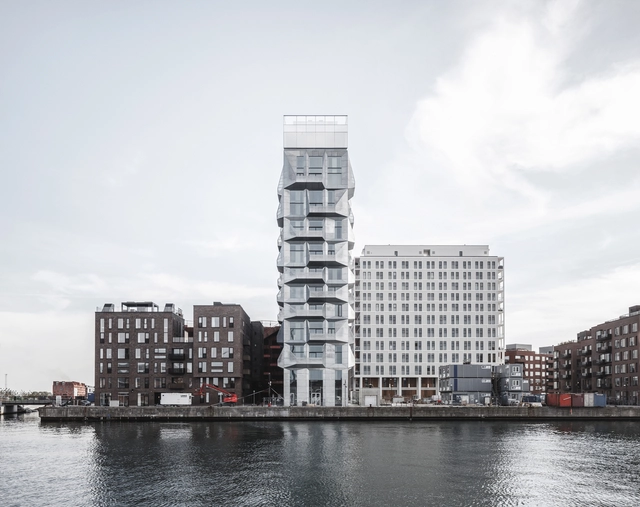
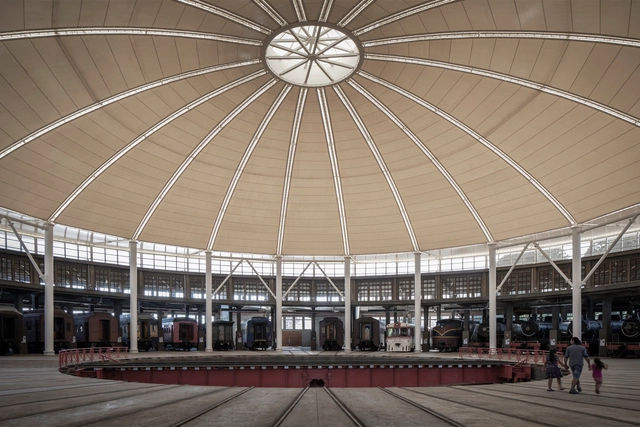
Historically home to vikings, kings and queens, Copenhagen is a vibrant city that mingles contemporary architecture with traditional waterways, narrow cobblestone streets, old timbered houses and ancient castles. Filled with history, its buildings embody a historic legacy that traces the memory of all the characters, epoques and events in which the city has passed through. How to keep all this history alive? By refurbishing traditional buildings within modern design, Copenhagen respectfully enjoys its historical architecture while adapting to current trends.
Taking a moment to envisage the existing built environment before addressing a clean slate, refurbishment allows architects to repurpose existing structures for a new use, preserving its character and history while reducing the environmental impact of new constructions. Through the most outstanding cases of rehabilitation of classic buildings in the city, the following article analyzes three different strategies for reusing historic buildings through innovative and sustainable design.
Chile has a rich and vast heritage architecture, which is gradually gaining relevance through different initiatives that seek to renovate these buildings to give them a second life. The buildings and infrastructures were in disrepair, disused, or damaged, but have great architectural value, being an important contribution to the reconstruction of the history of Chilean cities.
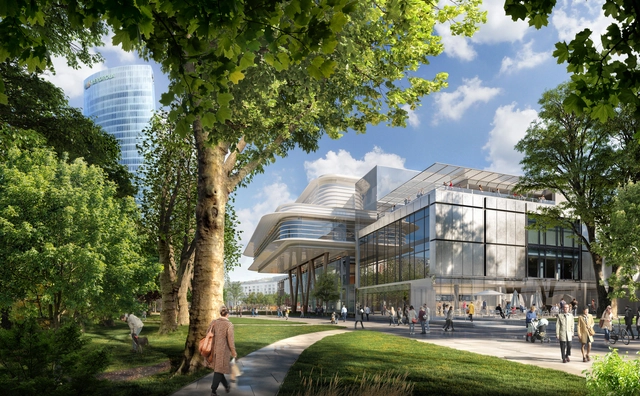
The Bilbao Fine Arts Museum remodeling and expansion project was attributed to Foster + Partners following an international competition in 2019. Now the construction phase was initiated with a breaking ground ceremony on November 17th. The project includes the restoration of the existing 20th-century building and the expansion of the currently available spaces with a new public atrium and a contemporary art gallery organized in a floating pavilion. The design also highlights the relationship between the city and the museum by creating a new pedestrian path that runs from north to south. The path connects the original 1945 building, the 1970s extension, and a new visitor center while making the site more permeable at the street level.
Sanmartín Guix, an architectural firm based in Barcelona, aims to enhance the value of the built heritage through rehabilitation and adaptation according to the needs of new generations, providing comprehensive architectural services as well as real estate advice. In this way, the conditions and aesthetics of the buildings are improved, seeking to adapt them to the requirements of all those who wish to visit or inhabit these spaces.
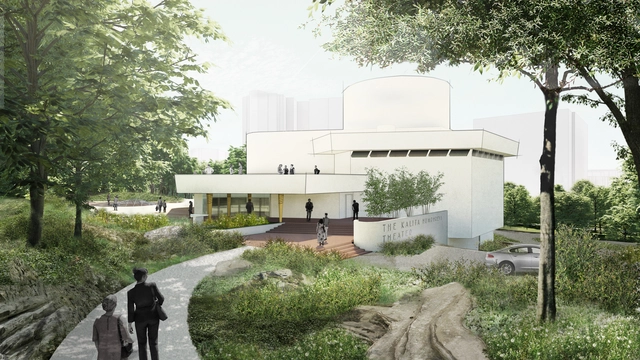
Kalita Humphreys Theater Restored, view from Katy Trail . Image Courtesy of Diller Scofidio + Renfro
Diller Scofidio + Renfro, in collaboration with Dallas Theater Center, unveiled the design proposal for the Kalita Humphreys Theater master plan, centered around one of Frank Lloyd Wright’s lesser-known buildings. Over the years, neglect and additions have compromised the building’s integrity. The project aims to restore the mid-century theater to its original state by applying a multifaceted approach. According to the architects, this includes surgical extraction, selective reconstruction, preservation, and a faithful reinterpretation of Wright’s design intent. The master plan also aims to transform the surrounding public green space into an active and attractive park connected to Turtle Creek and Katy Trail, some of the most visited destinations in Dallas.
CRA - Carlo Ratti Associati and architect Italo Rota have developed a project to transform an 18th-century hospital complex in Modena, Italy, into a multidisciplinary cultural and innovation hub. The master plan for the new hub, called AGO Modena Fabbriche Culturali, includes an origami-inspired kinetic roof designed in collaboration with artist-engineer Chuck Hoberman. The feature will cover a triangular-shaped plaza in the center of the complex. The restoration plan also aims to create flexibility so that the structure can easily adapt to changing future configurations.
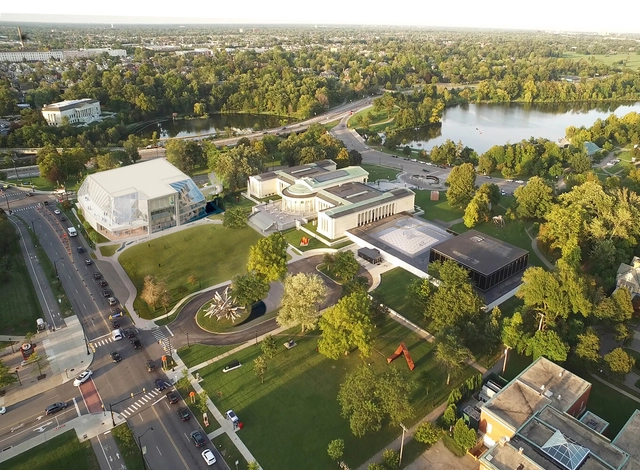
The Buffalo AKG Art Museum (formerly known as the Albright-Knox Art Gallery) has announced that it will welcome its first visitors on the 25th of May, 2023. Revamped and expanded, the new campus designed by OMA/Shohei Shigematsu in collaboration with Cooper Robertson features “new work of signature architecture, the Jeffrey E. Gundlach building, and extensive renovation to existing buildings”.
Architecture office Herzog & de Meuron has unveiled plans to revamp the Liverpool Street station in London. The scheme includes “vital upgrades” aimed at transforming the Victorian-era station into a fully accessible transportation hub fit to accommodate the 135 million people using the station annually. It also includes the addition of 840,000 square feet of offices and a 190,000 square feet hotel in two new structures, 10 and 6 stories high, respectively. These new interventions have attracted criticism from conservation groups. The proposal is currently undergoing its first round of public consultation. The development is overseen by Stellar, working with MTR, the operator of rail transport services and Network Rail.
TV shows about renovations are seductive. We feel anxiety when seeing that home remodeled in an unimaginable way, providing a family reconnection with the new space. The tears at the end, the host-architect-contractor satisfied with the result, intact wooden floors, shiny appliances, and bathtubs ready to be used. It is no wonder that these programs are reaching an ever-increasing audience and, consequently, inspiring many transformations in other people's homes.
But if, on the one hand, they encourage viewers to change by showing the infinite possibilities of transforming and improving a space, on the other hand, they can reproduce misconceptions about architecture, especially concerning the conception and execution process.
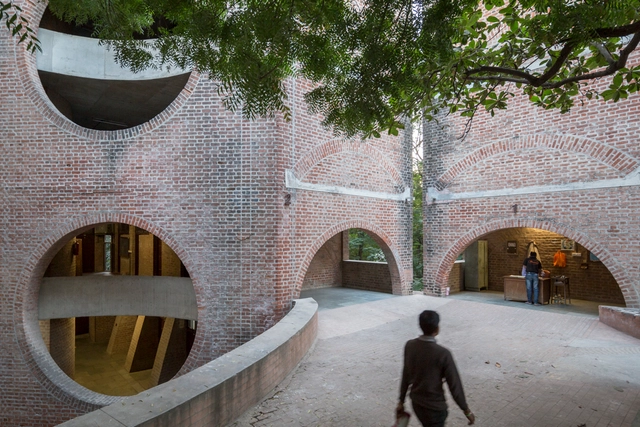
On November 3rd, 2022, the Indian Institute of Management Ahmedabad (IIMA) announced the decision to end the restoration works for elements of the campus designed by Louis Kahn with Indian architects Balkrishna V. Doshi and Anant Raje in 1962. The decision affects the faculty blocks, classroom complex, and dorms other than dorm D15. According to the statement, the institution plans to replace some of the buildings, as the complex is “facing structural damage, deterioration and have become uninhabitable, posing a safety concern for the campus's residents.” This represents a reversal of the decision to withdraw the first demolition plans following global protests, announced in January 2021.
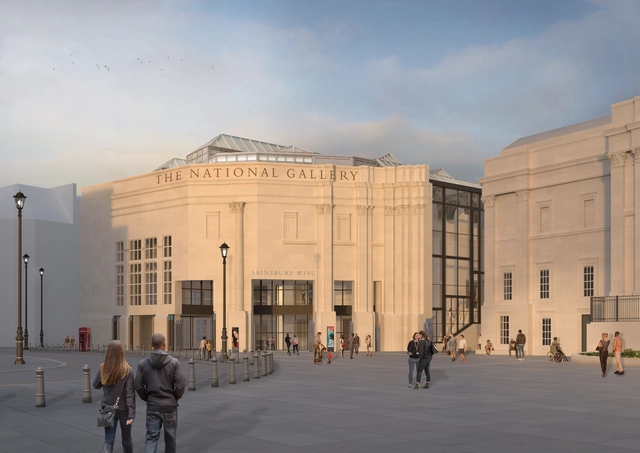
Updated exterior view. Image Courtesy of Selldorf Architects
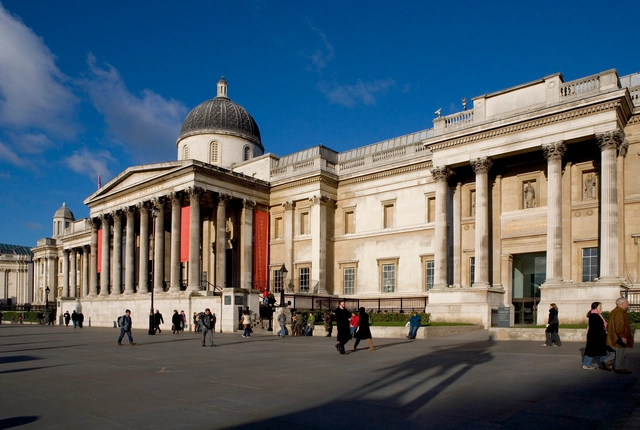
Selldorf Architects have released a revised version of the plans to remodel the National Gallery and the Sainsbury Wing, both classified as Grade-I-listed monuments. Sainsbury Wing is also the recipient of the 2019 AIA Twenty-five Year Award. The plans for the Sainsbury Wing, designed by Robert Venturi and Denise Scott Brown and opened in 1991, have faced intense criticism, with former RIBA Journal editor Hugh Pearman calling the remodeling plans “unnecessarily destructive”. The plans to remodel were first revealed earlier this year as part of the NG200 Project to celebrate the National Gallery’s bicentennial in 2024. The project proposes the remodeling of the Sainsbury Wing’s front gates, ground-floor entrance sequence, lobby, and first-floor spaces.
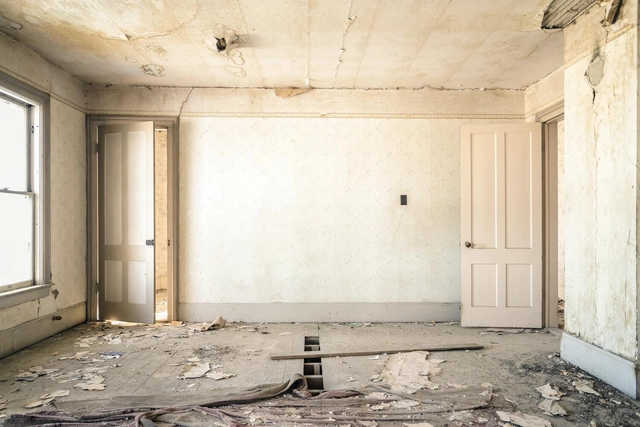
With the scarcity of open spaces, the high concentration of empty buildings in areas already consolidated in cities, and an awareness of the impact of new constructions on the environment, refurbishments are increasingly part of both the architect's work routine and the client's choice. At the same time, they are often synonymous with unexpected surprises and problems, causing delays and discomfort. This text presents four pre-work strategies that can help you better prepare for this moment.
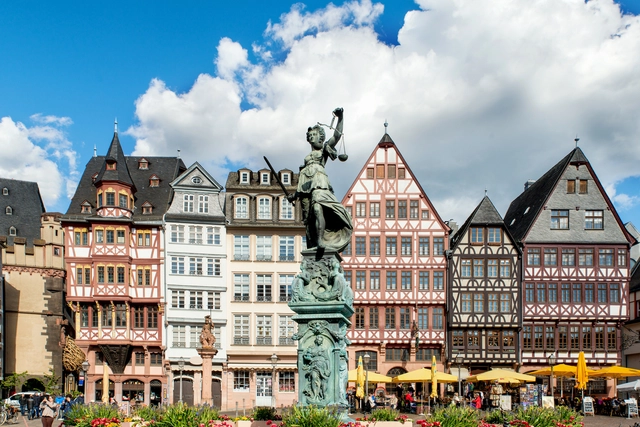
The architectural identity and urban fabric of the old city of Frankfurt has grown organically over centuries. Shops, bars, and craftsmen's workshops have always attracted a lot of visitors to the area between the Cathedral, or "Dom" in German, and the Römer, the main square in the center of Frankfurt. Historically, the area included buildings of many different styles, such as Gothic, Renaissance, Baroque and Classical architecture, which most locals only knew about from black and white photographs, the town’s famous miniature model in the historic museum, or stories passed down through generations.
However, the quarter’s picturesque buildings and alleyways, were almost entirely destroyed during the Second World War, but the collaborative work of the community and local authorities have made it seem as though time before the war stood still. The entire quarter was reconstructed exactly as its original plans, bringing Frankfurt’s medieval history back to life and creating what is now known as the Neue Alstadt, a project considered by some to be controversial.
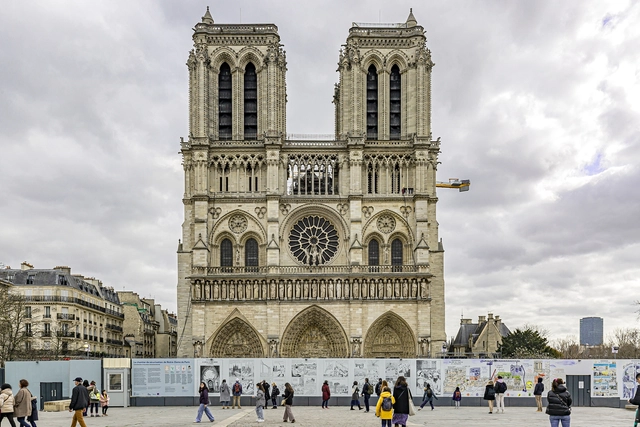
Notre Dame de Paris under construction in February 2022. Image via Shutterstock by Jacky D
Notre Dame cathedral in Paris is on course to reopen to worshipers and the public in 2024, according to Culture Minister Rima Abdul Malak’s statement on Thursday, almost three years after the devastating fire. In the statement, she noted that the clean-up phase of the restoration project is now completed, allowing rebuilding work to get underway. The 12th century cathedral is being restored to its previous design, including the 96-meter spire designed by architect Eugene Viollet-le-Duc in the mid-1800s, for which new timber has been selected.
Despite its dazzling collection of masterpieces, London’s National Gallery has been cursed with a series of ill-advised architectural schemes over its two-century existence. Only once have its leaders made a truly inspired and visionary choice: in the mid-1980s, the gallery held a competition, won by Venturi, Rauch and Scott Brown (VRSB) of Philadelphia, to build a special collections building.
The addition was constructed from 1988 to 1991, using funds donated by the Sainsbury family as a gift to the nation and was immediately hailed as one of the finest buildings of its type erected in the 20th century. It has remained popular with Londoners and has served well as an expansion of William Wilkins’s undistinguished classical building ever since. Experts on the work of Robert Venturi, John Rauch, and Denise Scott Brown consider it one of their masterpieces. Apparently, the National Gallery has a different opinion.
https://www.archdaily.com/985449/in-london-a-venturi-scott-brown-masterpiece-is-threatenedMark Alan Hewitt
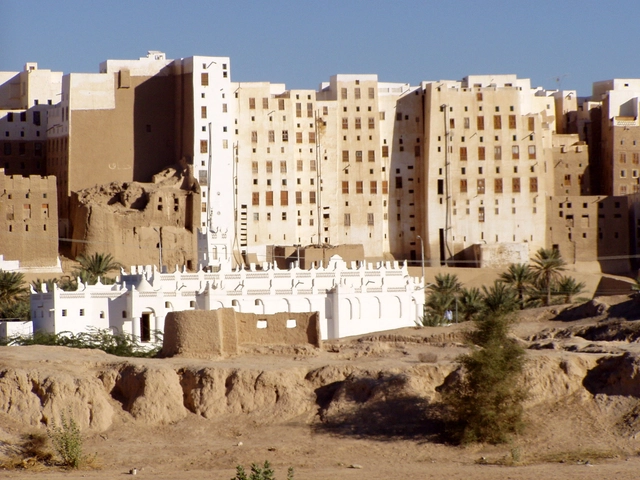
Skyscrapers are an unmissable characteristic of contemporary settlements. From São Paolo to New York, from Seoul to Dubai – these towering structures are a ubiquitous part of the urban fabric. The conventional image one has of these structures is of curtain-walled facades, but in Yemen – an ancient example goes against this trend. Central Yemen is home to the city of Shibam, surrounded by a fortified wall. It’s also home to a dazzling example of architectural ingenuity – tower houses that date back to the 16th century, stretching up to seven stories high.