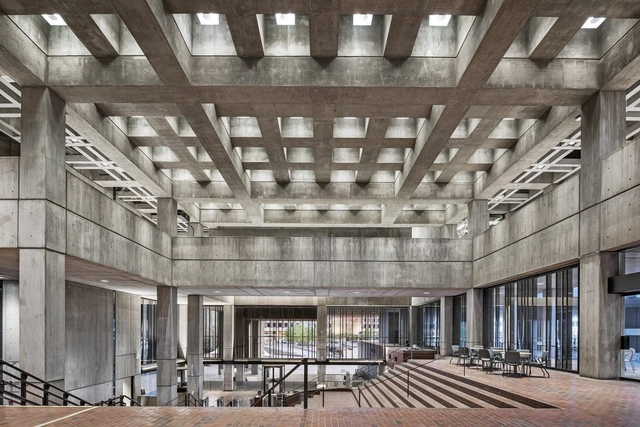
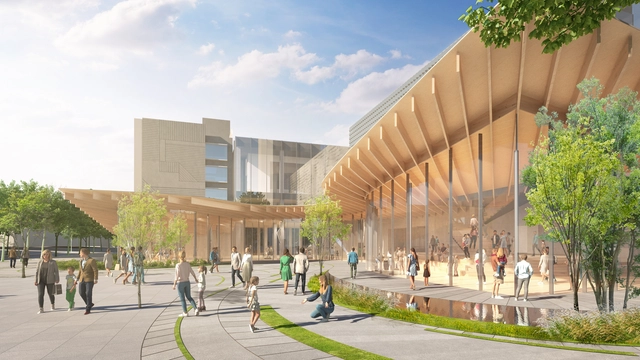
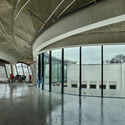
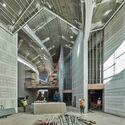
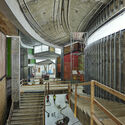
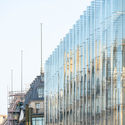
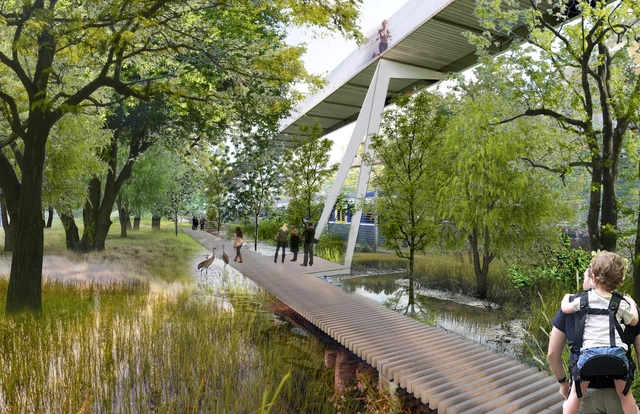
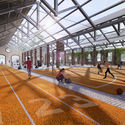
Boston City Hall . Image Courtesy of Utile and Reed Hilderbrand
"Demolition is a waste of many things – a waste of energy, a waste of material, and a waste of history,"says Pritzker-winning architect Anne Lacaton. In recent years, refurbishment and adaptive reuse have become ubiquitous within the architectural discourse, as the profession is becoming more aware of issues such as waste, use of resources and embedded carbon emissions. However, the practice of updating the existing building stock lacks consistency, especially when it comes to Brutalist heritage. The following explores the challenges and opportunities of refurbishment and adaptive reuse of post-war architecture, highlighting how these strategies can play a significant role in addressing the climate crisis and translating the net-zero emissions goal into reality while also giving new life to existing spaces.
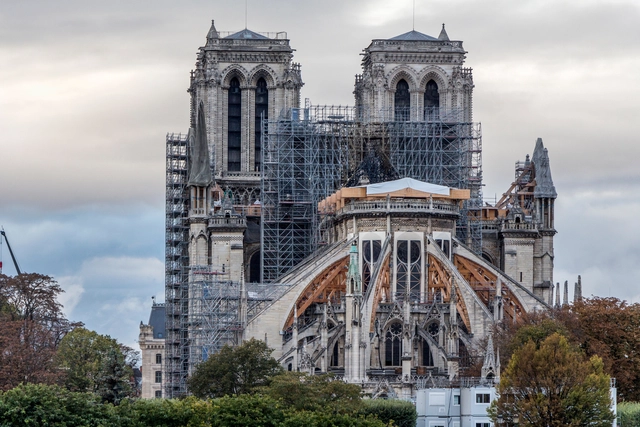
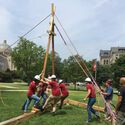
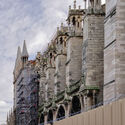
With three more years to go until the 2024 Paris Summer Olympics and the re-opening date announced by French President Emanuel Macron, Notre Dame's restoration work progresses. After a long safety phase and months of work interruption last year due to the pandemic, all burned timber from the roof has been removed, and scaffolding has been installed inside the cathedral. As a homage to the heritage structure and "the collective effort to rebuild Notre Dame", the Catholic University of America is building a replica of one of the cathedral's roof trusses in Washington D.C., using medieval techniques.
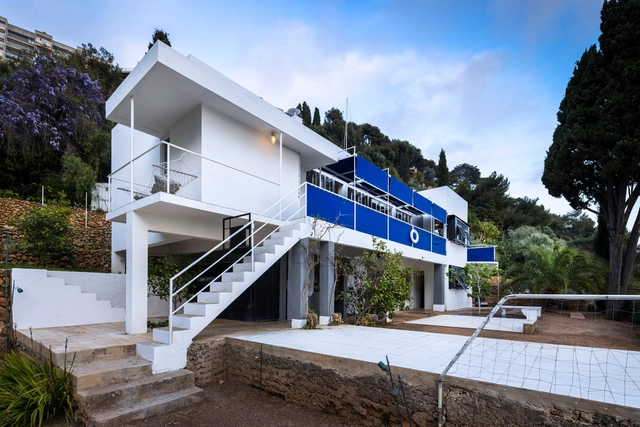
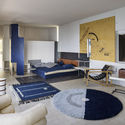
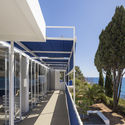
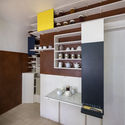
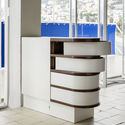
Association Cap Moderne have announced that the restoration of Eileen Gray’s modernist villa E-1027, along with other projects on the Cap Moderne site, such as Le Corbusier’s Cabanon and Unités de Camping, and l’Etoile de Mer restaurant, have been completed and are now open to visitors. The site is listed as a UNESCO World Heritage Site, and is considered as one of the must-see places to discover in the region, welcoming more than 10,000 visitors a year.
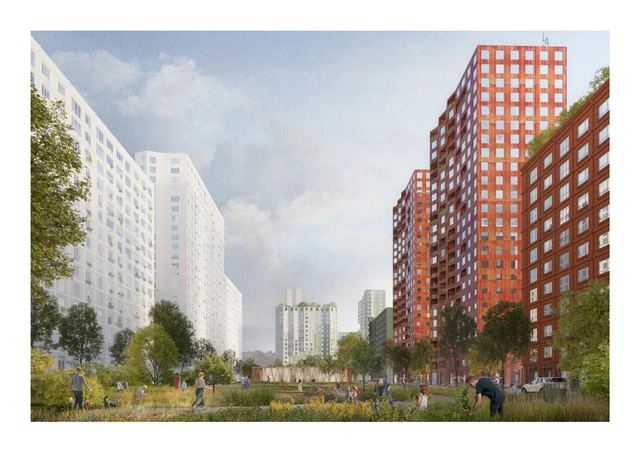
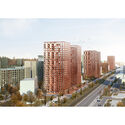
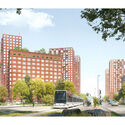
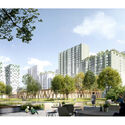
C+S Architects and Citizenstudio are among the winners of the Face of Renovation competition, an initiative to redesign the architectural image of housing stock across 31 sites in Moscow. The competition sought to improve the experience of the urban environment through the renovation of urban blocks, fostering a sense of identity through individuality. In redesigning the Metrogorodok area (lot no. 13), the two architecture studios focused on overcoming the uniformity and repetitiveness of the prefab housing estate while also enriching the public space through the plasticity of the facades, the use of colours and the creation of intermediate spaces.
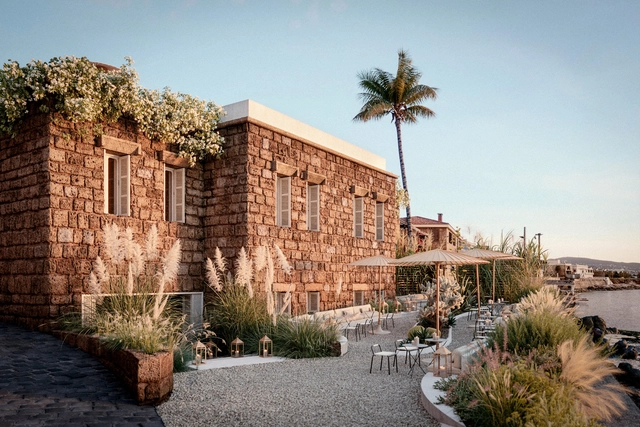
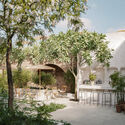
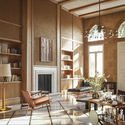
Batroun Boutique Hotel . Image Courtesy of Carl Gerges Architects
Last year, Archdaily inaugurated its first edition of Young Practices, an initiative meant to highlight emerging offices that pursue architectural innovation. Carl Gerges Architects is a Lebanese practice whose body of work is a careful consideration of culture, context, and heritage. Villa Nadia and Batroun Boutique Hotel are two of the studio’s unbuilt projects that showcase the assemblage of architectural tradition and contemporary design, informed by a poetic sensibility and a deep understating of the local social, environmental and historical landscape.
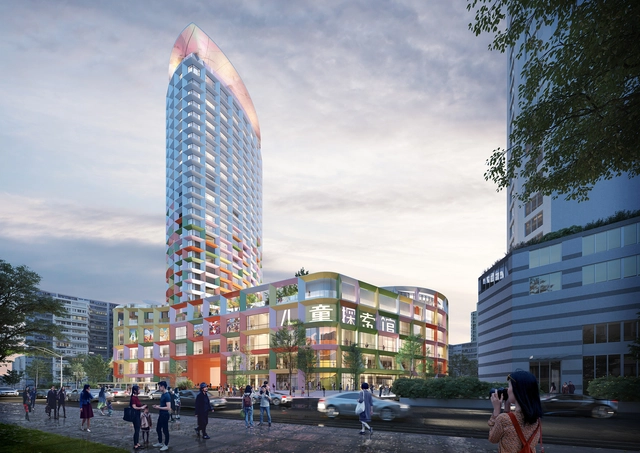
Work has begun for MVRDV's renovation of Shenzen Women & Children Centre, a mixed-use tower featuring an array of public functions, now in need of a comprehensive transformation. Constructed during the city's explosive growth following the Special Economic Zone designation in the 1980s, the building is one of the many nearing the end of their initial lifespan, and MVRDV's adaptive re-use project sets an important precedent for repurposing these buildings by bringing colour, greenery and a new layer of public spaces.
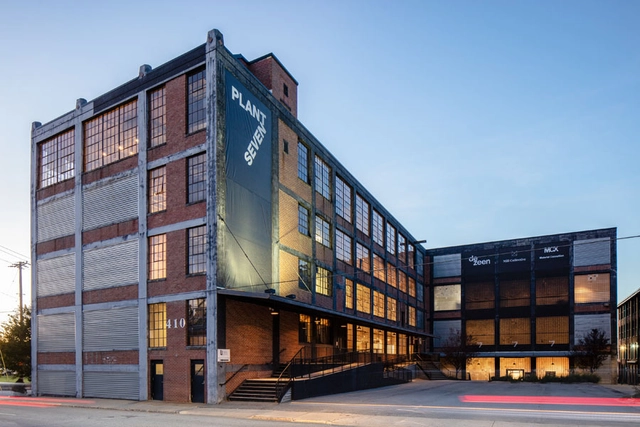
Plant 7 at Congdon Yards, an adaptive reuse project in High Point, North Carolina. Image Courtesy of Keith Isaas
Adaptive reuse or the process of transforming an older building by reusing the structure and changing its original purpose, has gained relevance over the years especially because it allows a complete optimization of the performance of the existing built environment. In a piece, originally published on Metropolis, author Elissaveta Brandon explores how "architects and developers are transforming the staples of the South—located throughout a 120-mile region from Winston-Salem to Fayetteville—into infrastructure fit for today". Transforming historic mills into design hubs, and mixed-use complexes, the article highlights 3 examples from North Carolina.
https://www.archdaily.com/963472/three-adaptive-reuse-projects-in-north-carolina-reinvent-historic-millsElissaveta M. Brandon
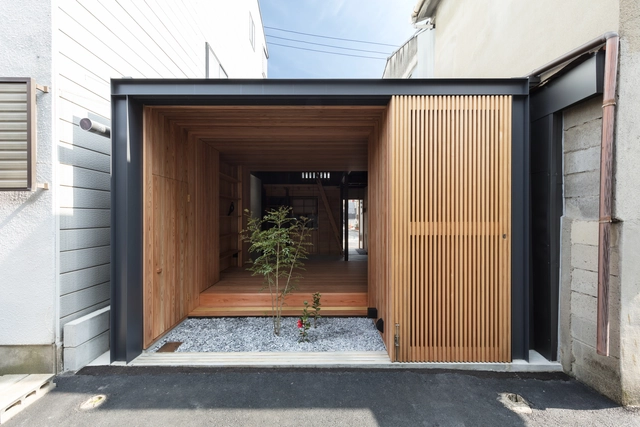
Manufacturers: Grohe, Cielo, Gotoh Lighting Furniture, HORI LOCKS, Hi-Ceramics, +8Ikea, JIMBO ELECTRIC, KISOARTECH, Kaibara Metal Industry, Lixil Corporation, Panasonic, Rianni Corporation, West Village Tokyo-8
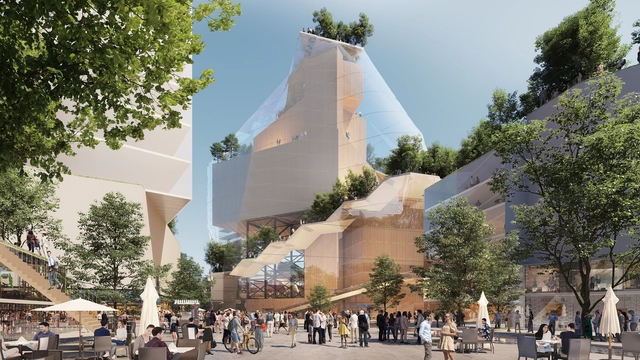
Reflecting on the future of shopping centres and addressing their decline in visitors, MVRDV's Heuvelkwartier design proposes converting Eindhoven's Heuvel shopping venue into a green cultural quarter. The project brings together retail, culture and recreation, expanding the existing buildings while transforming the roofs into a park. The proposal also expands the Muziekgebouw with a stacked cultural building encased in a "glass mountain", creating a new landmark for Heuvel.
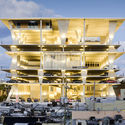
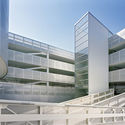
In theory, parking spaces serve only one function: park a car safely until it is used again, and in terms of design, car garages are flexible and straightforward, requiring minimal design interventions. However, parking spaces nowadays are no longer considered one-function buildings. The emptier the space, the more potential it has to integrate additional functions. Architects and urban planners have redefined traditional parking lots, adding recreational and commercial facilities to the structure. Instead of a typical structured grid plan with yellow and white markings on the floor, we are now seeing inviting structures that incorporate green facades and rooftop playgrounds, car washes, cafeterias, and work/study zones.
Kengo Kuma and Associates, together with Bekim Ramku and OUD+ Architects, has recently been awarded first prize in the competition to redesign the Gërmia building into a concert hall and will lead the conversion of Prishtina’s architectural icon into a cultural landmark for Kosovo. The proposal preserves the existing structures and articulates the program within and around the modernist buildings. The design envisions a canopy weaving together the different volumes and creating a new layer of public space.
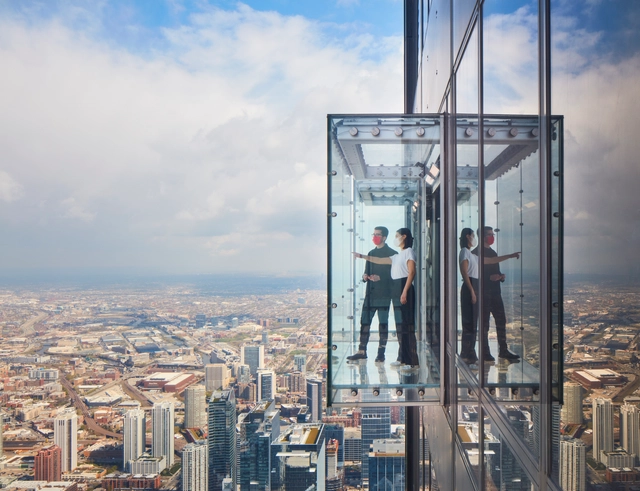
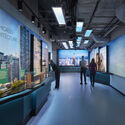
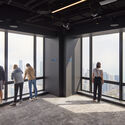
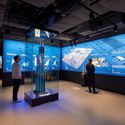
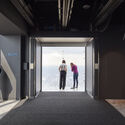
After an extensive renovation, Skidmore, Owings & Merrill (SOM) completes the transformation of the Willis Tower observation deck and inaugurates a new interactive exhibition showcasing how architecture shaped Chicago’s identity through the city’s history. Now reopened to the public, the Skydeck is part of SOM’s ongoing design stewardship of Willis Tower, which started with the building’s conception and continued in 2009 with the addition of the Ledge.
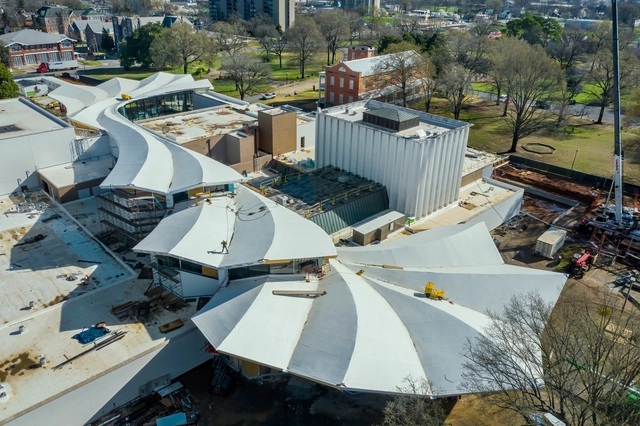
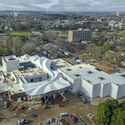
Designed by Studio Gang architects, together with landscape design firm SCAPE and Polk Stanley Wilcox Architects, ArkansasMuseum of Fine Arts (AMFA) reaches an important construction milestone with the recent completion of its signature new roof. Spanning the entire length of the project and connecting the various buildings, both renovated and new, the folded plate concrete roof establishes the museum’s new architectural identity as the leading cultural institution for the state of Arkansas.
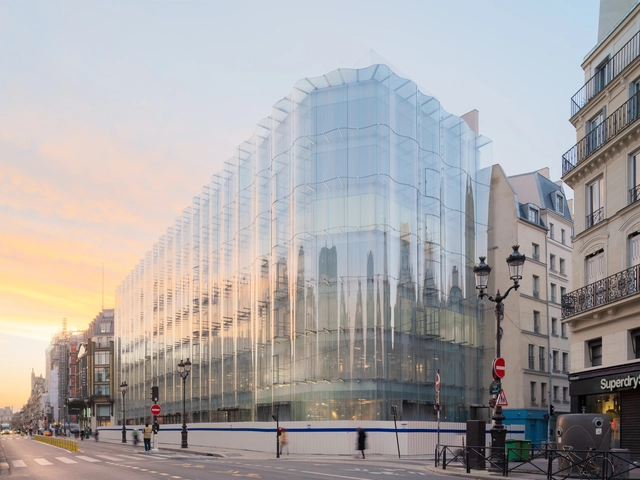
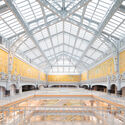
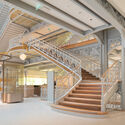
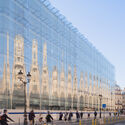
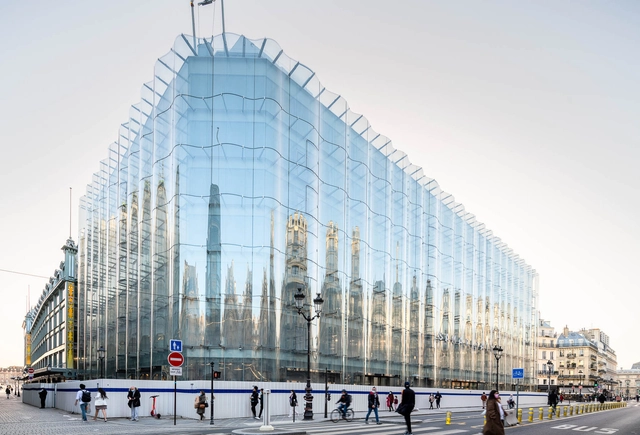
After surpassing many hurdles, SANAA's renovation of La Samaritaine Department Store is set to open its doors to the public. The redesign of the Parisian retail institution reinstates its historical value while bringing a contemporary contribution to its architecture.
Courtesy of OUTCOMIST, Diller Scofidio + Renfro, PLP Architecture, CRA - Carlo Ratti Associati and Arup
Led by OUTCOMIST, an international design team including Diller Scofidio + Renfro, PLP Architecture, CRA - Carlo Ratti Associati, and Arup won the competition to revitalize the Porta Romana Railway Area, transforming the industrial site into a diverse green neighborhood in Milan. Rehabilitating a disused railway yard into a connective tissue that links the southeast area of the city to the center, the development will generate a rich biodiverse public space, including a large urban park.