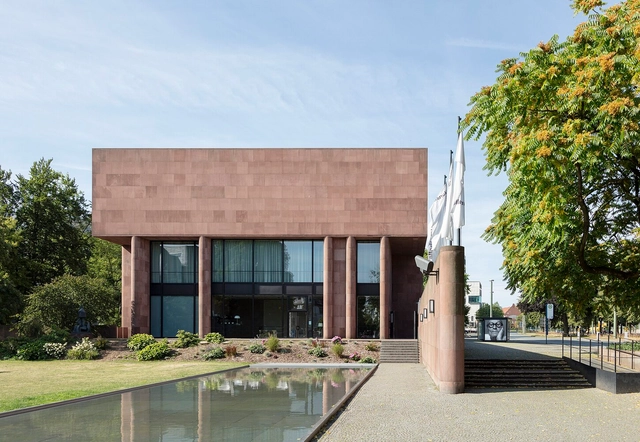
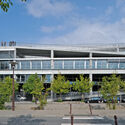
Following an international competition, Caruso St John Architects has been appointed to renovate the iconic Kunsthalle Bielefeld in Northwest Germany. Designed by Philip Johnson and completed in 1968, the structure is Johnson’s only museum in Europe. Despite past maintenance efforts, the building remains largely unchanged from its original state. The renovation aims to modernize the museum’s services, exterior, and interior spaces.
In the whirlwind of daily life, a large majority of urban centers transform to accommodate new functions and/or needs demanded by their populations, seeking to improve, renovate, or update the infrastructures, equipment, networks, and spaces that enable community life. Although times change, and with them, many buildings that once served important protective or sheltering functions start to become obsolete. However, the heritage they leave behind reflects the passage of time and provides a living testimony of their history, contributing to the consolidation of identity and the recognition of a sense of belonging.
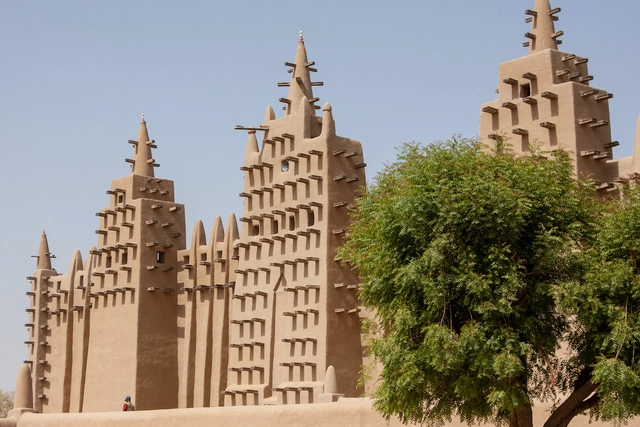
Refurbishment is an increasingly common and fundamental practice in contemporary architecture. More than a trend, it represents a crucial strategy for reducing resource consumption and minimizing waste generation, providing clear advantages over brand-new constructions. In the Latin American context, this philosophy stands out for its unique characteristics. It intricately weaves circularity and climate action with local materials, addressing economic challenges while harmonizing Indigenous, colonial, and contemporary influences.
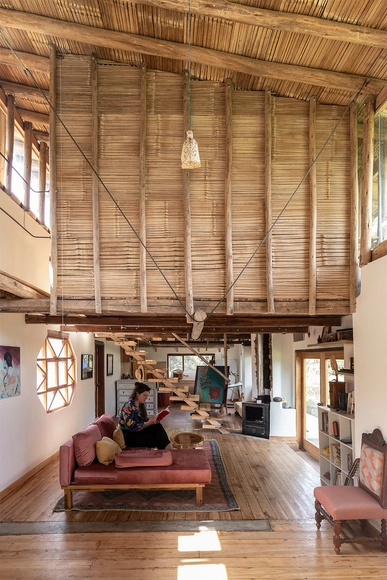
Housing plays a crucial role in this context, where traditional materials and construction techniques define each project's distinctiveness and integrate it into the community's social fabric. Throughout Latin America, regional identities are deeply embedded in refurbishment efforts, ranging from restoring facades and repurposing wood to reimagining the use of demolition waste. The adaptation of spaces in these projects is influenced by their unique identities and geographic conditions, rooted in social and cultural expressions.
https://www.archdaily.com/1019030/housing-refurbishment-in-latin-america-10-projects-that-excel-in-the-use-of-materialsEnrique Tovar
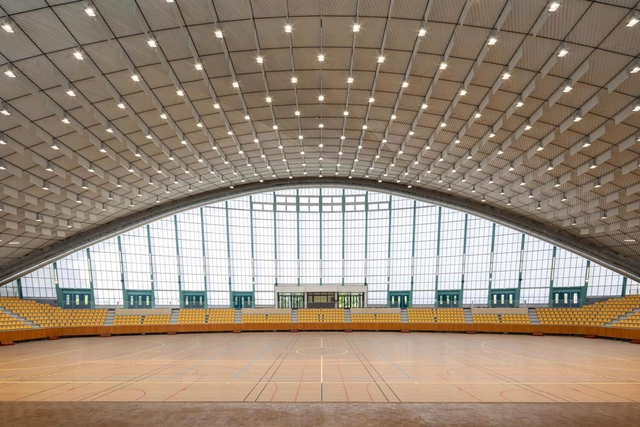
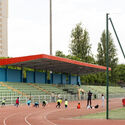
After a seven-year closure, Chatillon Architectes has renovated the Grande New de I’Île-des-Vannes in Paris, France. Transforming the building into an Olympic training site for the upcoming games, the renovation incorporates modern solutions and state-of-the-art facilities. Initially designed by Anatole Kopp, Lucien Metrich, and Pierre Chazanoff in 1971, the structure features a sweeping parabolic roof and striking translucent side paneling. The restoration involves adding contemporary energy solutions, structural repairs, universal accessibility upgrades, acoustic paneling, sports flooring, and enhancing lighting fixtures.
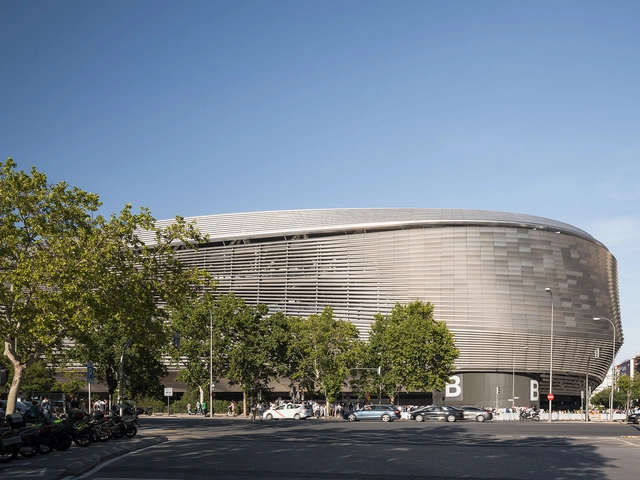
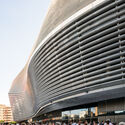
The Santiago Bernabéu Stadium is now recognized as a symbol of Madrid, Spain. Home to the Real Madrid football team, the stadium built in 1947 occupies a key position in the city, adjacent to a major transit artery. The stadium went through several refurbishments since its inauguration, most aimed at increasing the seating capacity. A major modernization process began in 2012, following an international competition. The winning design team is L35 Architects, in collaboration with GMP and Ribas & Ribas. The refurbishment project aimed to redefine the building’s relationship with the surrounding urban spaces, to improve accessibility, and to integrate more activities, from sporting to leisure, commercial, and socio-cultural functions.
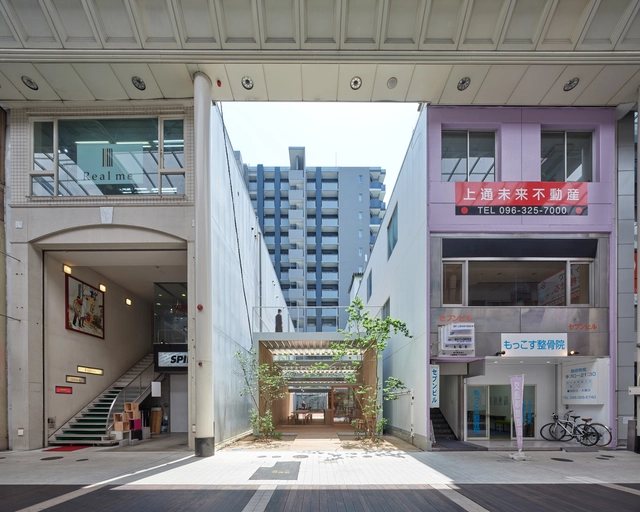
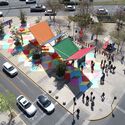
Cities constantly undergo infinite changes, leaving many spaces within the urban fabric forgotten and unused. Historic buildings are refurbished, and adaptive reuse explores new possibilities, but what happens with public spaces? Small interventions using simple resources and innovative solutions are the perfect way to bring these neglected alleys, plazas, and highways back to life and reincorporate them into the city.
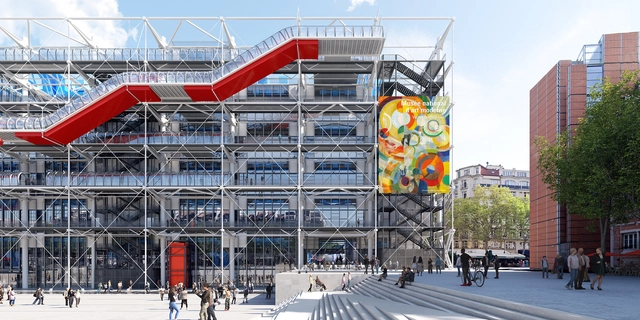
In 2020, the French Minister of Culture approved an extensive renovation program for the Centre Pompidou with the purpose of resolving the building's technical issues and ensuring the long-term viability of the iconic structure. Designed by Renzo Piano and Richard Rogers in 1971, the museum was conceived as a "living cultural machine," sparking controversy due to its unusual architecture. To ensure an efficient renovation process, the building will be fully closed for a period of 5 years, from September 2025 until 2030. French architecture studio Moreau Kusunoki has been commissioned to lead the renovation project, collaborating with Frida Escobedo Studio and AIA Life Designers, who are entrusted with the technical component of the project. The architects have been selected following an international competition, with Renzo Piano as one of the jury members.
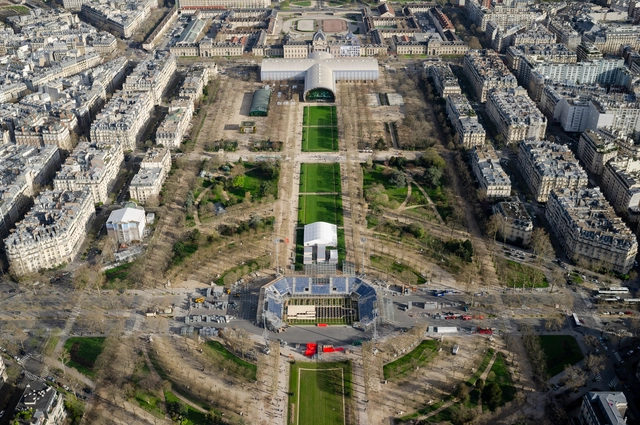
With just one month to go until the XXXIII Olympic Games in Paris, the city is in a final push to ensure that the landscape and infrastructure are ready for the world’s largest sporting event. Set to start on July 26 and continue until August 11, 2024, the Paris City Council has approved numerous initiatives to transform the city. Aiming for a greener, healthier, and more mobile Paris, the city has undergone massive changes to showcase its modern advancements and rethink the structure of the Olympic Games.
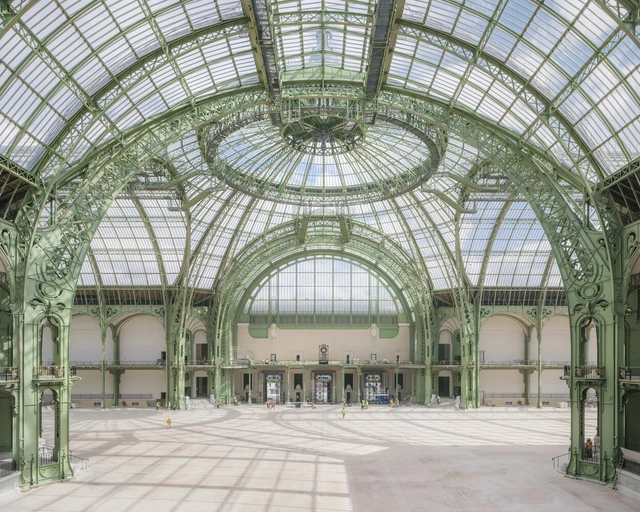
The Grand Palais, an iconic Parisian landmark, is set to play a significant role in the 2024 Paris Olympics following a major restoration by French studio Chatillon Architectes. The first images of the refurbished building, captured by Laurent Kronental, reveal the progress of the extensive project that began in 2021. While the full restoration is expected to be completed by 2025, the initial phase will be unveiled this summer, allowing the historic venue to host Olympic events, including the fencing and taekwondo competitions.
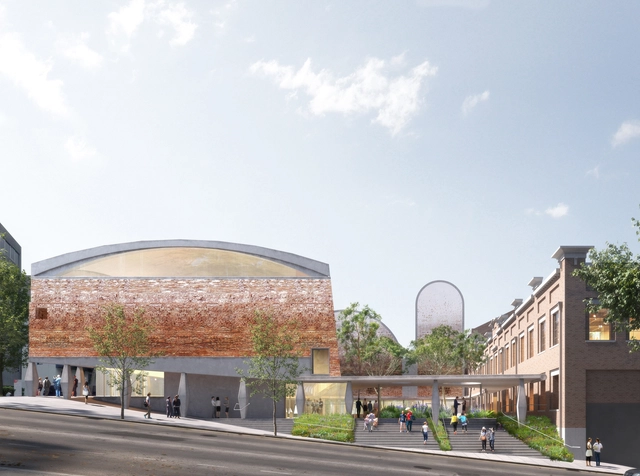
Powerhouse, Australia’s largest museum institution dedicated to applied arts design, and technology, has revealed the plans for a comprehensive restoration of its three sites located in Sydney, Australia, in addition to the opening of a new site in Parramatta in Western Sydney in 2025. The Powerhouse Ultimo site contains two heritage-listed buildings: the Ultimo Powerhouse and the Ultimo Post Office. The project for the renovation of this heritage location is led by a team of architects, Durbach Block Jaggers working in partnership with Architectus, Youssofzay + Hart, and landscape architects, Tyrell Studio.
Rehabilitation involves repairing, renovating, altering, or reconstructing any building or structure. It addresses the need to significantly improve a building's failing features, primarily through strengthening or replacing elements to restore the structure's optimal performance. The impact of building rehabilitation on the physical environment is significant. It is a sustainable strategy for preserving the built environment and mitigating the construction industry's impact on climate change.
However, its social impact is also considerable when viewed as a fundamental framework for sustainable outcomes. Rehabilitation can serve as a model that brings community members together for inclusive repair and restoration of structures. This positively affects communal life quality, social integration, environmental sustainability, and community perception of local architecture.
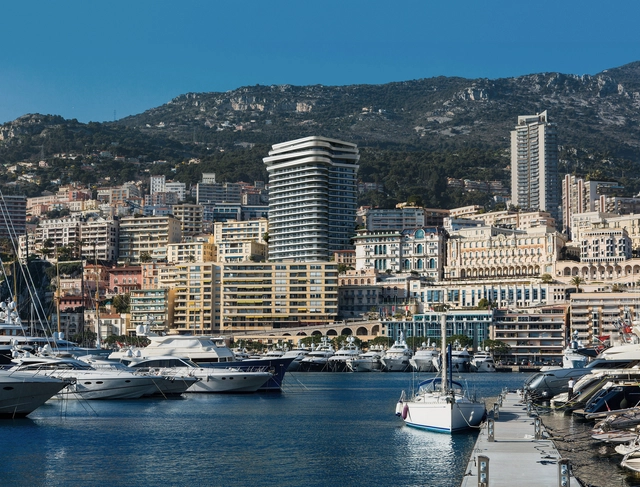
Zaha Hadid Architects (ZHA) has just begun renovating the iconic Schuylkill Tower in Monaco. Originally built in 1963, the tower currently stands tall as Monaco’s first-ever high-rise. ZHA conducted a feasibility study evaluating its development prospects and the scope of necessary renovations. This led to ZHA’s collaboration with local firm Square Architecte to revitalize and expand the iconic structure, set to be completed in May 2027.
Even within the world of design media, it was easy to miss the news: In late January, Notre Dame’s School of Architecture announced that Peter Pennoyer, a New York–based architect and author, had won the 2024 Richard H. Driehaus Prize. The Driehaus is architecture’s traditional/classical design version of the Pritzker Prize. Although it comes with a hefty $200,000 check—twice the size of the Pritzker’s honorarium—and previous winners include such luminaries as Robert A.M. Stern, Michael Graves, Leon Kier, and Andrés Duany and Elizabeth Plater-Zyberk, the award still exists in a sort of media vacuum.
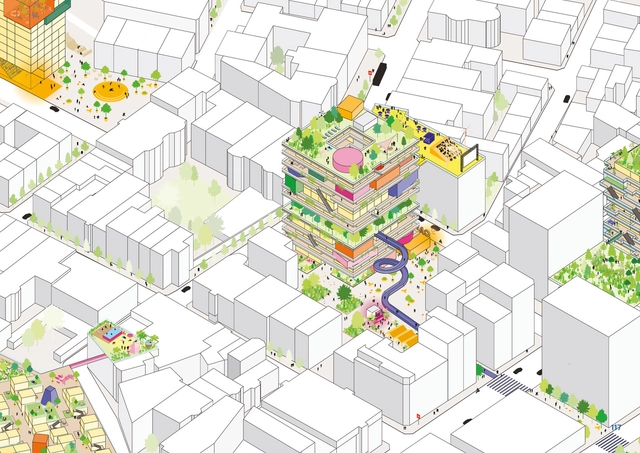
MVRDV has just released a new design study exploring how co-living can help shape the future of housing. Created in collaboration with developer HUB and sustainable investor Bridges Fund Management, the study introduces a comprehensive study exploring diverse typologies, aiming to revolutionize communal living and vibrant neighborhoods. It addresses modern housing needs, including flexibility, sustainability, and community, while tackling climate crisis and affordability issues. The endeavor offers tailored solutions for various co-living projects, catering to many demographics and lifestyles.
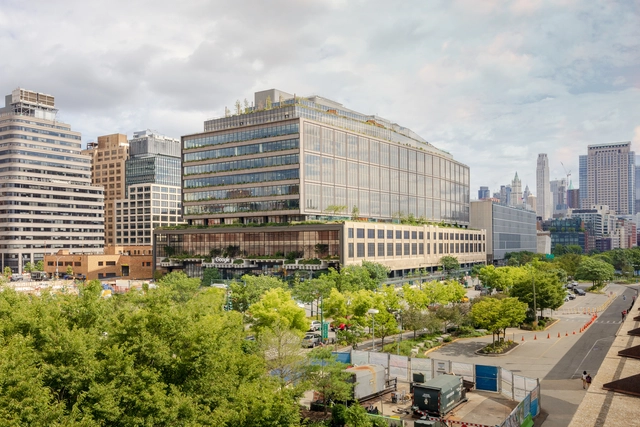
Google’s newest headquarters in New York, situated within the St. John’s Terminal, will open its doors on February 26th, marking a milestone for the company’s presence in the city. Designed by COOKFOX Architects, in collaboration with Gensler, the headquarters is constructed atop the original 1930s rail terminal and adapted to become a vibrant hub for over 14,000 Googlers. The terminal, formerly the endpoint of the iconic High Light, now serves as a testament to the company’s innovative approach, rapid growth, and lifelong commitment to New York.
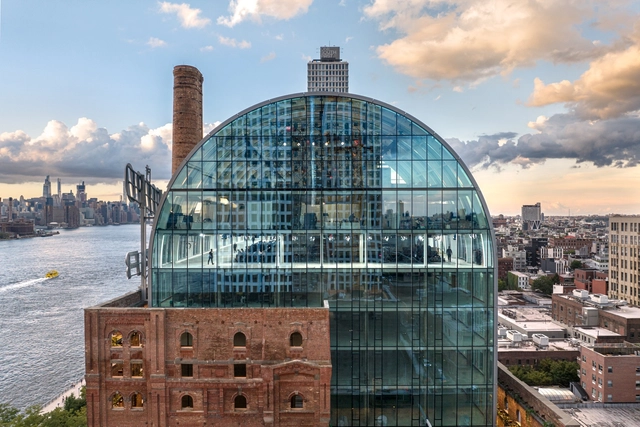
Domino Sugar Refinery / PAU - Practice for Architecture and Urbanism
In the same way that societies transform, times change, and cities evolve, industrial architecture modernizes and technifies, sometimes reaching a state of abandonment or ruin. Understanding its value as a built legacy and being vestiges of technological, social, and cultural changes, the renovation and/or conversion of numerous factories and industrial warehouses can lead to the revitalization, recovery, or growth of various areas in large cities, incorporating new uses and spaces for the enjoyment of their citizens.
Renovation work on Egypt’s infamous Menkaura Pyramid at Giza has sparked criticism on online platforms over the past two days. Dubbed by the head of Egypt’s Supreme Council of Antiquities as “the project of the century,” the ongoing renovation aims to restore the pyramid’s original style by reconstructing the granite layer. Initially, the pyramid was encased in granite and lost part of its covering over time.
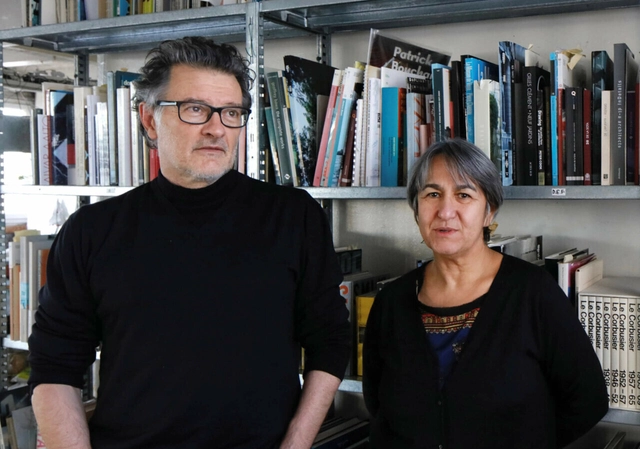
Sir John Soane’s Museum has announced French architecture practice Lacaton & Vassal as the recipient of the 2023 Soane Medal. The award comes in recognition of the office’s work spanning over 3 decades. Through an honest design approach, the office became known for the resourceful repurposing of materials and existing structures to prioritize the needs of residents and local communities. For this approach, the office has been previously awarded as the 2021 Pritzker Prize 2021 Laureate.