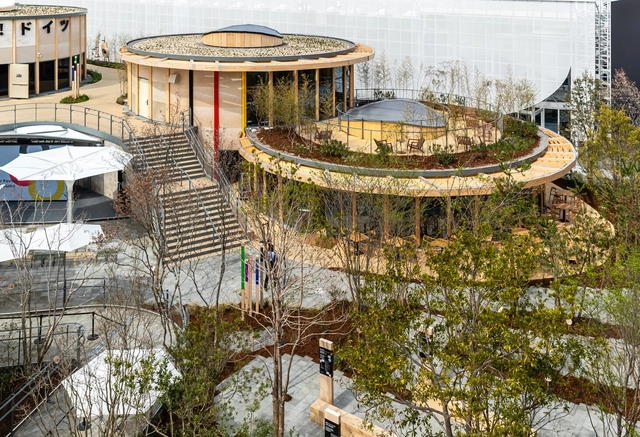
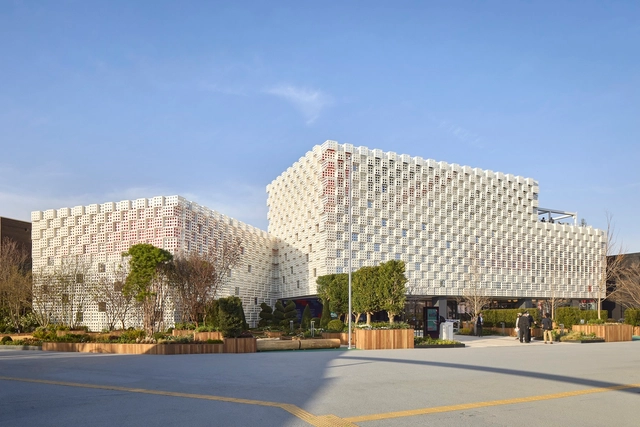
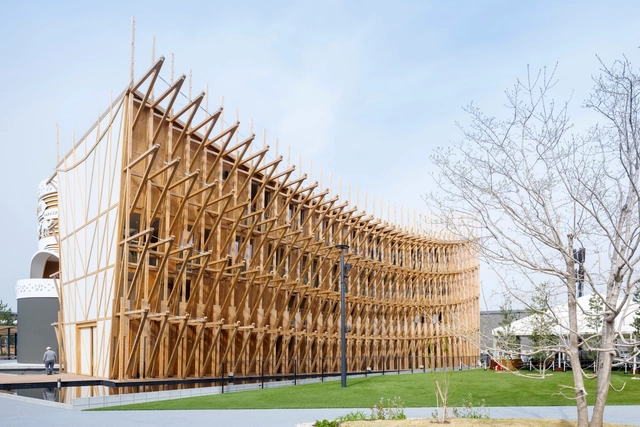
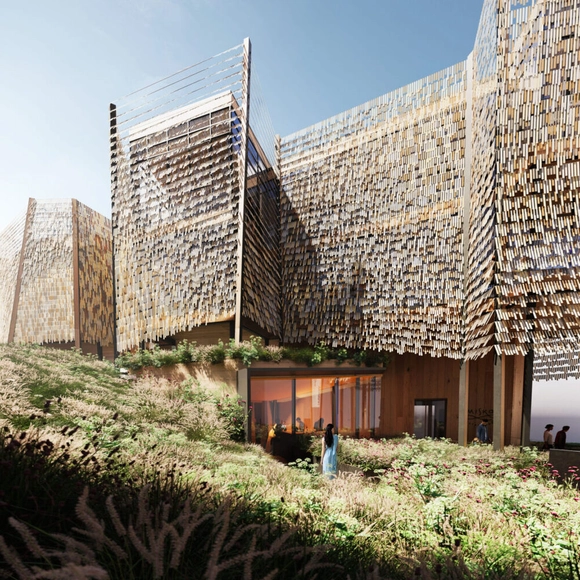
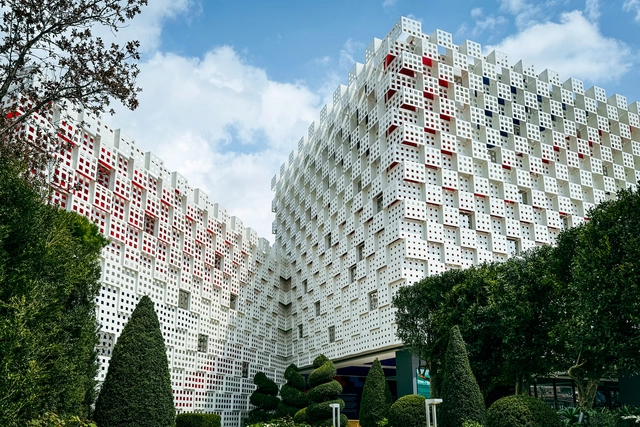
Officially open since April 13 as part of Expo 2025 Osaka, the German Pavilion, designed by LAVA Architects. brings to life the theme of the circular economy. Previously unveiled under the title "Wa! Doitsu" (translated as "Wow! Germany"), the Pavilion explores concepts around circularity, showcasing the "terminological culmination of the sustainability discussion." Focusing on returning all consumable goods to the cycle of the economy, achieving zero waste, and minimizing resource consumption, the theme is visible throughout the entire design.
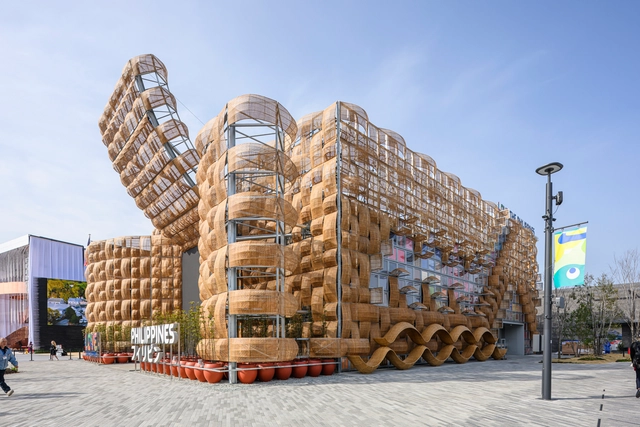
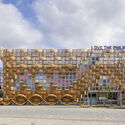
Expo Osaka 2025 officially opened its doors on April 13 in Osaka, Japan. The Philippines' exhibition for this edition opened with a pavilion designed by the Filipino-led architectural firm Carlo Calma Consultancy Inc., in partnership with Japanese executive architect Cat Inc., who also handled project management. Titled "Woven," the pavilion reflects the country's connections to nature, its cultural heritage, and its community values. With the theme "Nature, Culture & Community: Woven Together for a Better Future," the pavilion aims to highlight the Philippines' creativity, diversity, and aspirations for sustainable development while inviting visitors to engage with its cultural and environmental priorities.
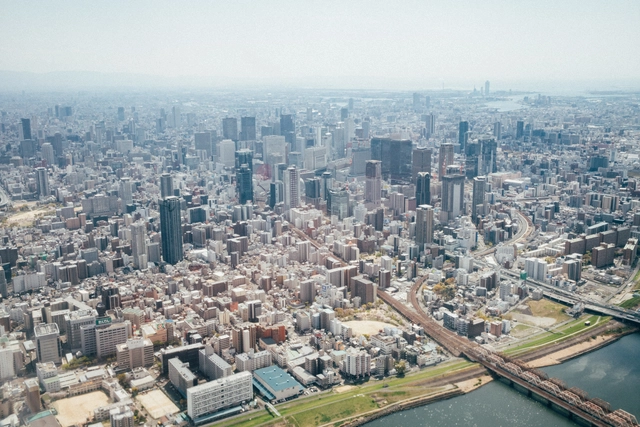
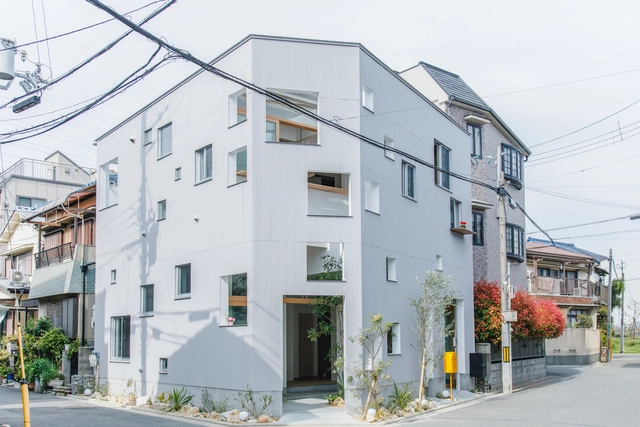
"If buildings could speak," as a filmmaker once mused, then Osaka's cityscape might sound loud, vibrant, and slightly rough around the edges—yet somehow neatly composed. Much like the city itself, the architectural landscape reflects Osaka's distinctive character: layered, dynamic, and full of messy vibrancy. With a population of 2.7 million and growing, this dense urban center continues to evolve in its idiosyncratic way.
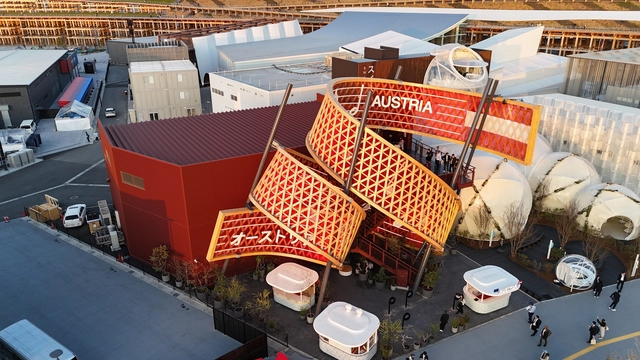
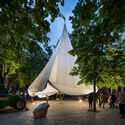
Austrian Pavilion at Expo Osaka 2025. Image Courtesy of Expo Austria
BWM Designers & Architects has just completed the design for the Austrian Pavilion at Expo Osaka 2025. Titled "Austria. Composing the Future," the pavilion reimagines the expo's theme, "Designing Future Society for Our Lives," through a music lens, suggesting a future that is not only designed but also composed. In collaboration with facts and fiction, the pavilion and exhibition embark on a journey through Austria's musical heritage and witness its transition into the future. The 900 square meters pavilion is located between the pavilions of Switzerland and Ukraine in the section "Empowering Lives."
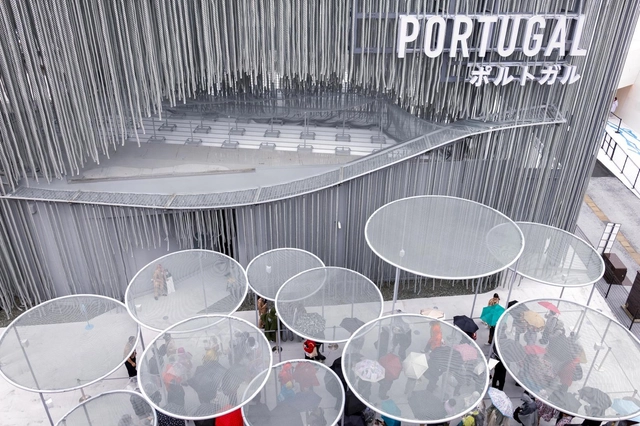
The Portugal Pavilion at Expo 2025 in Osaka embraces the theme "Ocean, The Blue Dialogue", offering visitors an immersive exploration of the ocean as a life-giving resource and a cornerstone of sustainability. Designed by Japanese architect Kengo Kuma, the Pavilion aims to reflect Portugal's deep historical, cultural, and economic connections to the sea, creating an architectural and narrative journey that bridges past, present, and future. The pavilion has recently been inaugurated in the in the "Empowering Lives" zone, next to the Bahrain Pavilion, designed by Lina Ghotmeh Architecture and the Austrian Pavilion by BWM Architects.
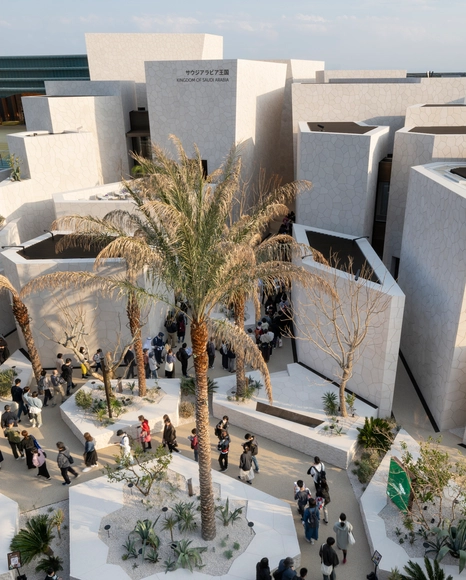
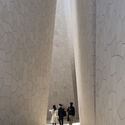
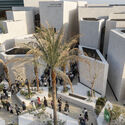
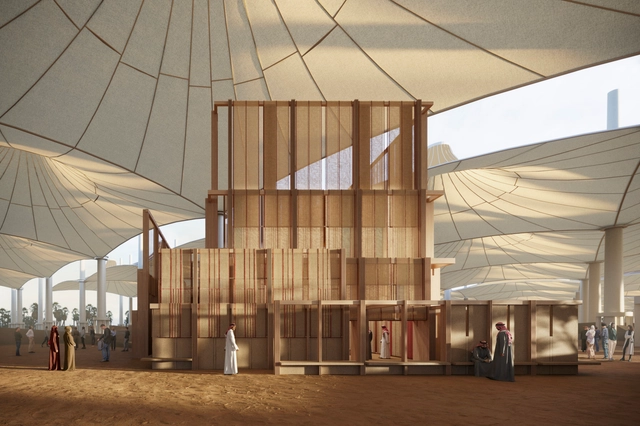
The national pavilion of the Kingdom of Saudi Arabia welcomes its first visitors at Expo 2025 Osaka. The latest photographs showcase Foster + Partners's design, aiming to create a spatial experience that evokes the character of Saudi Arabian towns and cities. Positioned at the Yumeshima waterfront, the pavilion offers visitors an engaging journey of discovery through the 'village' of meandering streets that alternate spaces of quiet reflection with venues for performances and cultural experiences.
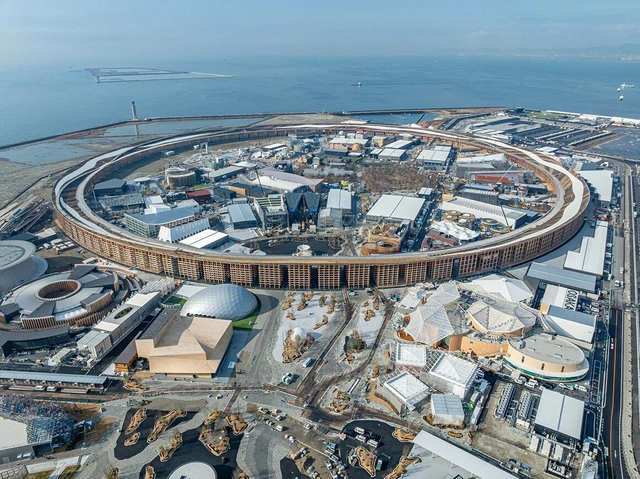
Expo 2025 Osaka has officially opened on April 13, 2025, at Yumeshima, Osaka. Under the overarching theme "Designing Future Society for Our Lives," the Expo set out to explore three pivotal subthemes: Saving Lives, Empowering Lives, and Connecting Lives. These themes aim to unite architectural and design enthusiasts by demonstrating how cutting-edge technology and innovative solutions can address global challenges, foster dialogue inspire collective action.
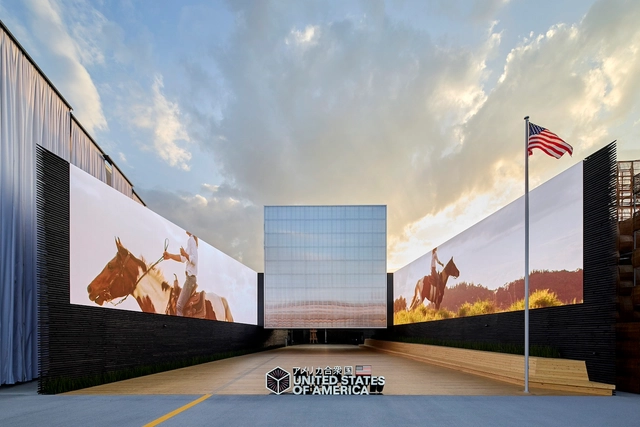
Trahan Architects has just completed the USA Pavilion for Expo 2025 Osaka-Kansai in Japan. As the public opening date, April 13, approaches, the USA Pavilion is finalizing preparations to host visitors. During the six-month expo, the proposal aims to showcase American architecture, innovation, culture, and industry. The display will be focused on celebrating contemporary American achievements in various fields, featuring exhibitions focused on sustainability, space exploration, education, and entrepreneurship.
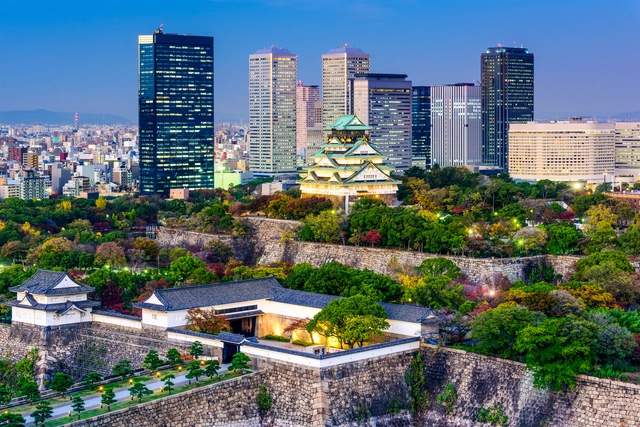
Osaka, Japan's third-largest city, is a vibrant blend of tradition and modernity, making it a compelling destination for architecture enthusiasts. Known historically as the "nation's kitchen" for its role as a mercantile hub, Osaka is also a city of cultural and architectural diversity. Its landmarks range from the historic Osaka Castle to striking contemporary developments, each reflecting Japan's evolving urban identity.
As the host city for the highly anticipated Expo 2025, Osaka is poised to showcase its architectural prowess on a global stage. The city's skyline features innovative works by renowned architects and urban planners, including cutting-edge cultural centers, transportation hubs, and waterfront redevelopments. With contributions from celebrated Japanese architects such as Tadao Ando, Kengo Kuma & Associates, and Takenaka Corporation, alongside international figures like Dominique Perrault, Renzo Piano Building Workshop, and Pelli Clarke & Partners, Osaka seamlessly blends modernity with tradition, creating a unique architectural identity that reflects its past while looking boldly to the future.
The Hungarian Pavilion at Expo 2025 in Osaka is designed to reflect the event's central theme, "Designing Future Society for Our Lives." It explores the relationship between humans and nature, emphasizing cultural heritage and sustainability through its architecture and exhibition. The pavilion will offer an immersive experience centered around music, heritage, and the connection between people and their environment.
2025 promises to be a landmark in architecture, heralding a vibrant renaissance of creativity and exploration. As societies confront challenges such as climate change, rapid urbanization, and technological evolution, architecture is both a mirror to these dynamics and a compass pointing toward a sustainable and inclusive future. This year's architectural calendar offers abundant opportunities to celebrate the discipline's transformative power — from boundary-pushing festivals to thought-provoking exhibitions that explore pressing cultural and environmental narratives.
From well-established biennials to inaugural gatherings, including the World Architecture Festival 2025, Desert X Al Ula, and the COP Climate Conference, the 2025 calendar highlights themes such as sustainability, heritage, and community. These events underscore architecture's unique ability to shape a better future, addressing global challenges while honoring cultural diversity and design ingenuity.
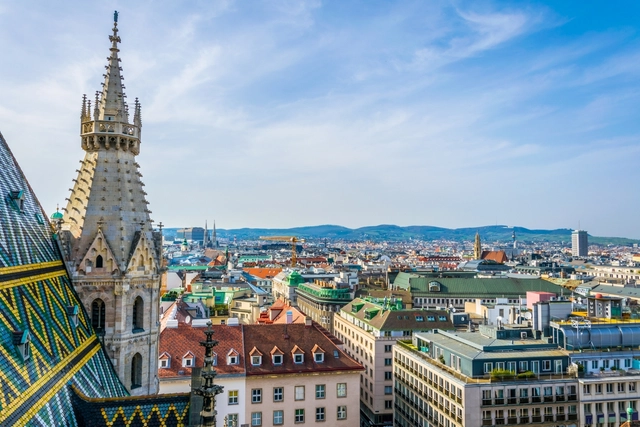
The pursuit of an ideal city has long been a topic of debate among architects and urban planners. In addition to aesthetic identity and cultural heritage, the quality of life in every city represents perhaps the most important marker in this pursuit. This year, the Economist Intelligence Unit (EIU), a sister company of The Economist, has released its Global Liveability Index 2024, highlighting the cities that excel in this ongoing quest. For the third consecutive year, Vienna ranked as the most liveable city in the world. European cities Copenhagen, Zurich, and Geneva also rank high, attributed to their smaller populations, which contribute to lower crime rates and less congestion. In comparison with the 2023 ranking, the numbers for North American and Australian cities have been dragged down by the ongoing housing crisis.
The assessment ranks 173 cities from around the world. Each city is scored based on 30 qualitative and quantitative factors evaluating 5 categories: stability, healthcare, culture and environment, education, and infrastructure. The scores are based on external data points, in-house analysts, and in-city contributors. The category of stability has registered the biggest decline, as protests and armed conflicts increased in incidence. At the bottom of the cist, the city of Damascus, Syria, continues to be ranked as the least liveable city in the survey, followed by Tripoli, Libya, reflecting severe instability.
The UK Pavilion, designed by London-based Woo Architects, in collaboration with Japanese contractor ES Global, has been completed at the Expo 2025 in Osaka. Built on the principles of a circular economy, the pavilion features a modular, 10-by-10-meter gridded structure designed that prioritizes ease of assembly, disassembly, and relocation. Ultimately, the pavilion's design reflects the Expo's theme, "Come Build the Future," embodying sustainability and reuse.