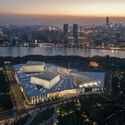
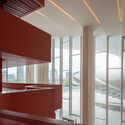
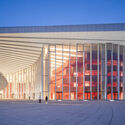
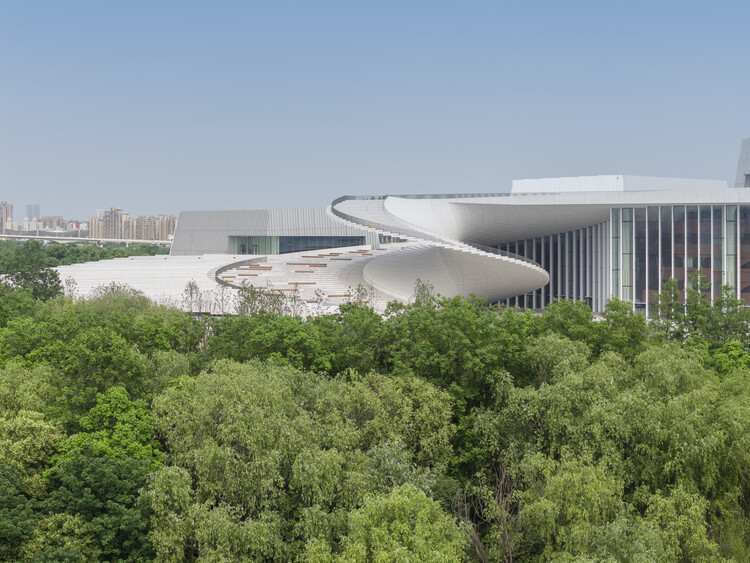
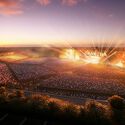
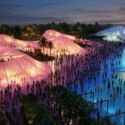
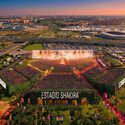
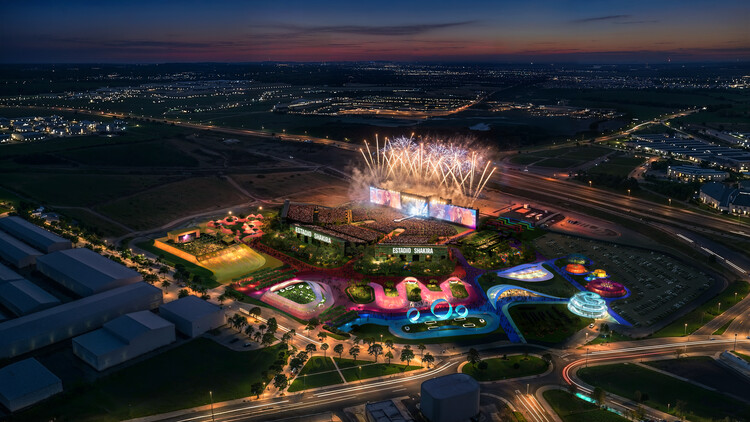
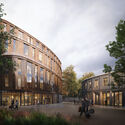
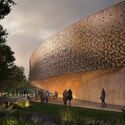
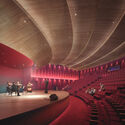
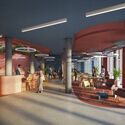
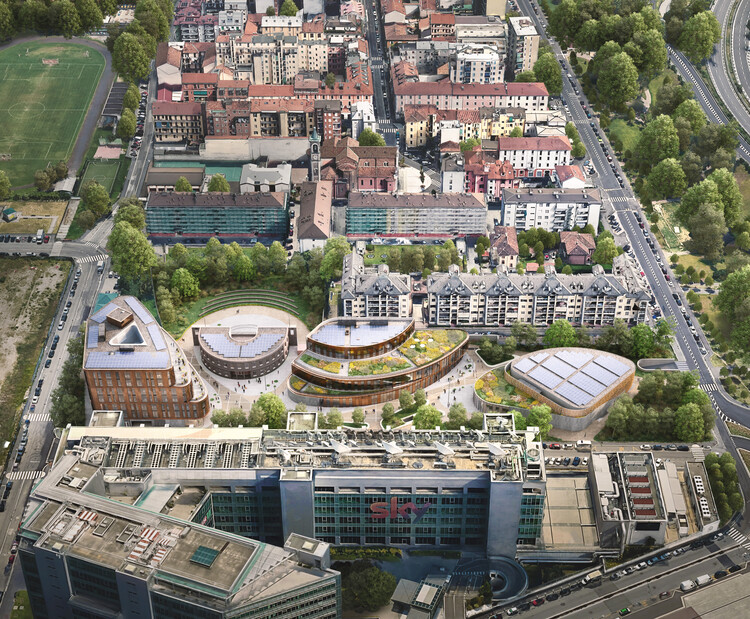
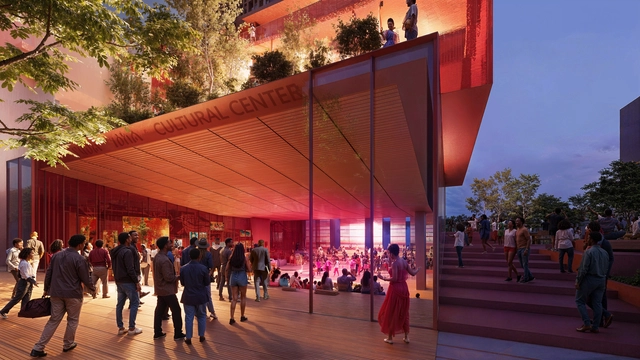
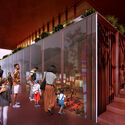
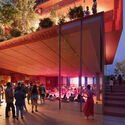
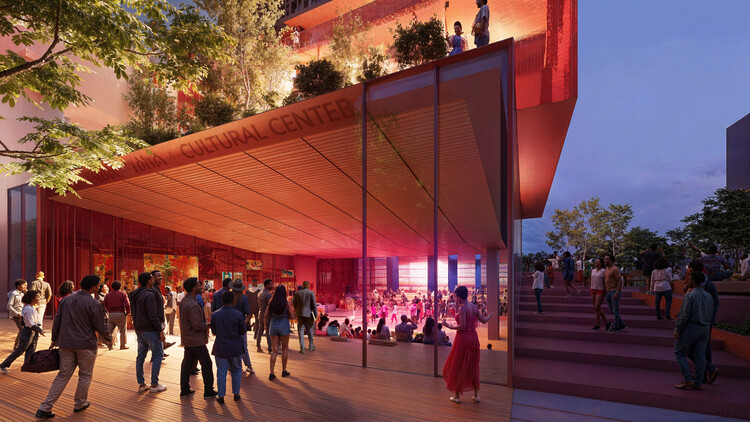
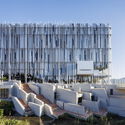
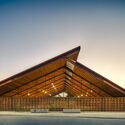
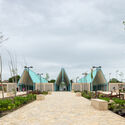
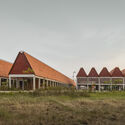
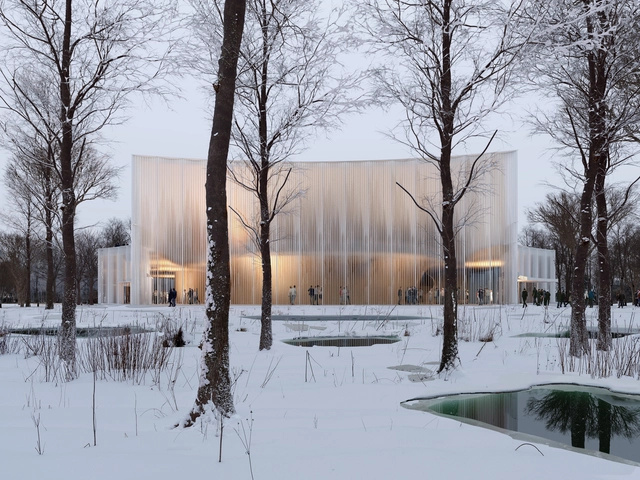
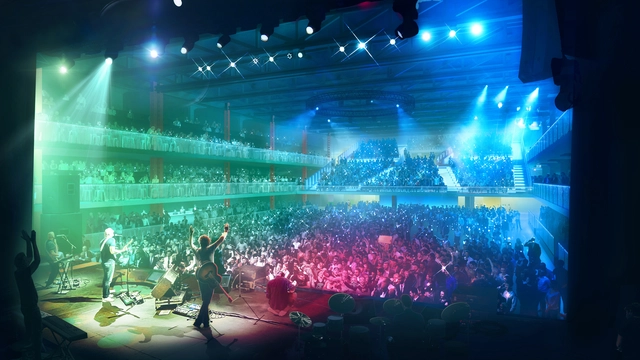
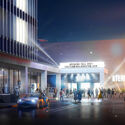
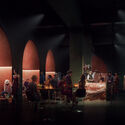
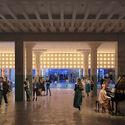
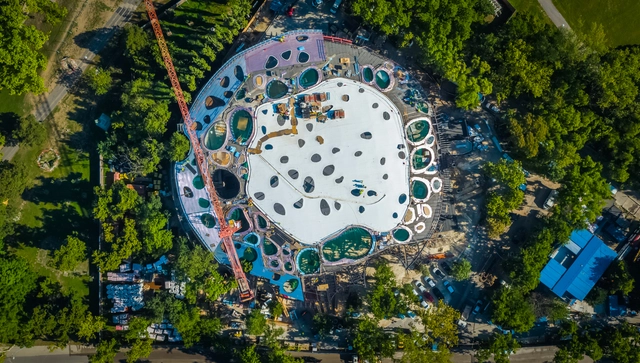
CRA-Carlo Ratti Associati has unveiled images of its design for a new cultural center in Addis Ababa, the capital of Ethiopia. The project is located in Kazanchis, a cultural, musical, and historic neighborhood currently undergoing transformation as part of a government-led urban renewal program focused on corridor development. This neighborhood was home to the traditional compound of the Fendika Cultural Center, a hub for Ethiopia's traditional and experimental arts, which was demolished on October 23, 2024, after the site was designated for redevelopment as part of the systematic clearing of the area. In recognition of Fendika's cultural significance, the Addis Ababa Municipality offered the institution the opportunity to remain on-site and rebuild in a way that aligned with the city's plans for the neighborhood. CRA's project responds to this context with an open stage and a four-story civic space.
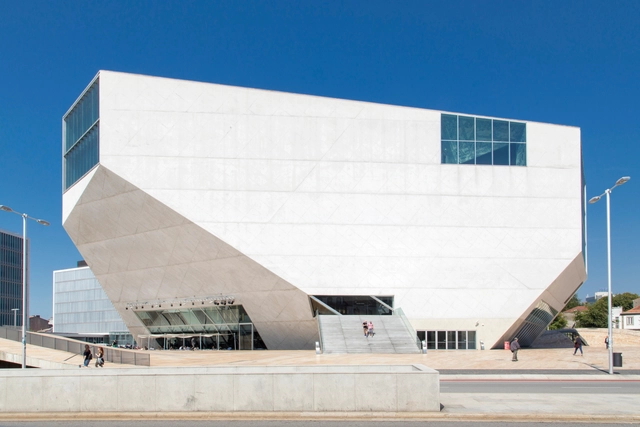
At the turn of the millennium, the world was gripped by the looming threat of the Y2K bug, a potential failure of computerized systems that could disrupt everything from banking to aviation. As midnight approached on December 31, 1999, people withdrew their savings, major corporations issued warnings, and governments scrambled to prevent public hysteria. But as the sun rose on January 1, 2000, the feared bug had no material impact, and the crisis faded as quickly as it had emerged. However, this era left its mark in unexpected places — particularly in architecture. Amid the anxiety surrounding digital technology, one of the most iconic concert halls of our time, Casa da Música in Porto, was born. Designed by OMA (Office for Metropolitan Architecture), its origins can be traced to a much smaller project: the Y2K House. What began as an exploration of private domesticity during the digital scare evolved into a grand public structure — an architectural transition from home to a performance hall.
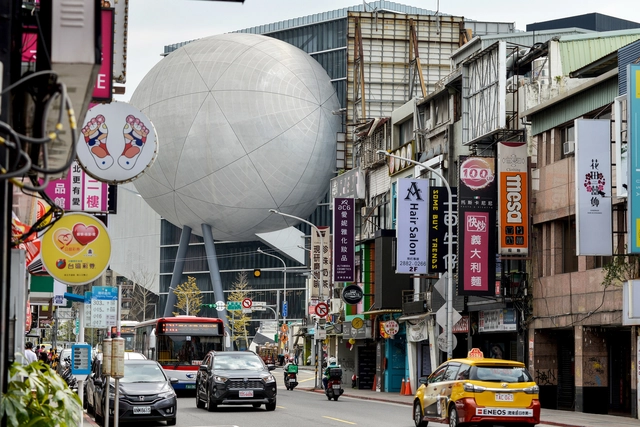
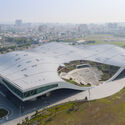
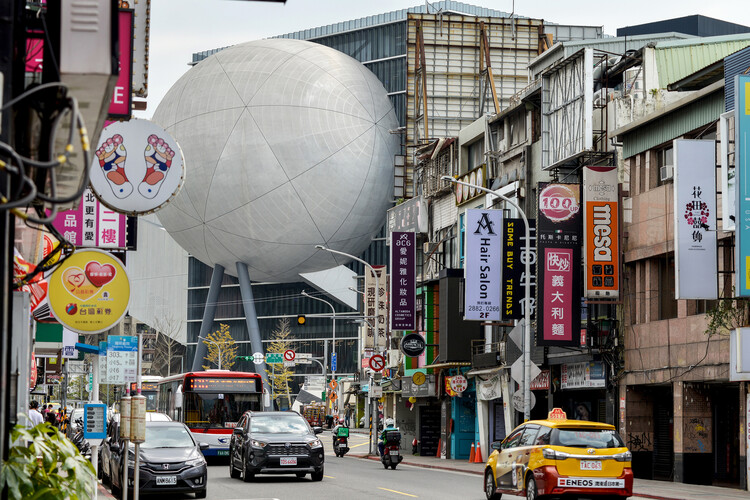
In most situations, architects navigate a complex web of construction codes, airspace regulations, and numerous other rules that dictate the form and execution of a project. However, cultural architecture often presents a unique opportunity for more daring and expressive designs. These projects frequently garner support from local governments, unlocking possibilities for formal explorations that might otherwise remain unrealized. In this regard, cultural architecture serves a dual purpose: enriching the community and establishing iconic landmarks that define the identity of their city or region. This ambition has certainly manifested in Taiwan. Situated in the heart of East Asia, this island nation boasts a remarkable array of formal explorations by both international and Taiwanese architects.
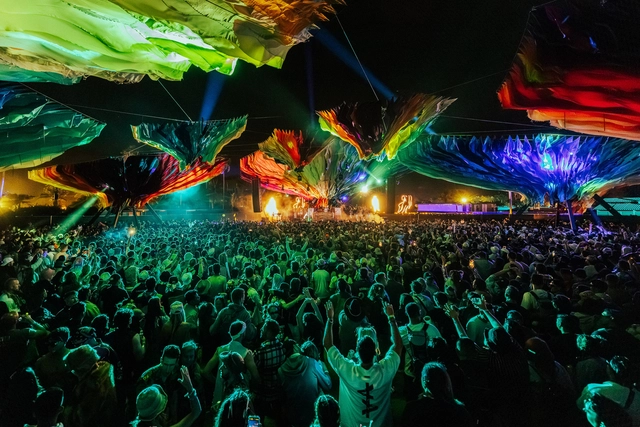
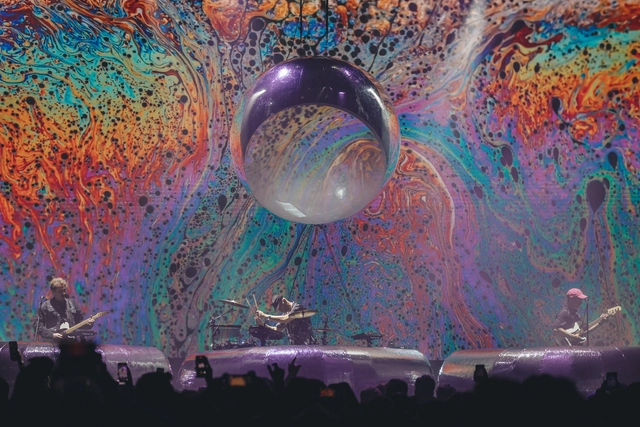
Do Lab Stage at Coachella Valley Music and Arts Festival / Do Lab. Image Courtesy of Do Lab
Music consumption has historically been closely connected to the environments in which it is enjoyed. Before the advent of music recordings, listening to music was a social activity tied to collective rituals in physical spaces, such as concerts or smaller communal gatherings. With the development of music records and now with the current availability of virtually any kind of music at our fingertips, experiencing music has become a more solitary and routine endeavor. However, returning to the roots of communal musical experiences may unlock numerous benefits much needed in our isolating digital age. These collective musical events have the potential to significantly enhance a community's social cohesion and improve their mental health through memorable shared experiences.
The physical aspect of these is not to be underestimated. It's where innovative design and architecture step in, transforming mere spaces into catalysts for curiosity, transcendence, and collective joy. By harnessing emerging technology and fostering interdisciplinary collaboration, designers and architects can create environments that elevate concerts and music rituals into transformative and grounding moments.
Concert halls, music, and performance venues stand as iconic symbols of cultural vitality within urban landscapes. Through these structures, which often become landmarks of the city, the residents are invited to take part and experience artistic expression, fostering a sense of community and connection. For architects, this program poses the intricate challenge of balancing form and function, creating spaces that enhance the acoustic experience, allow for the flow of audience and performers, and create visual spectacles in their own right.
Featuring both emerging and internationally recognized offices, this week’s curated selection showcases music and performance venues, from mixed arts and cultural centers to opera and ballet halls. Including proposals for international competitions such as David Chipperfield Architects or SHL and PAX architects’ designs for the Polish Royal Opera in Warsaw or Hariri Pontarini Architects’ design for an integrated center for the arts in Canada, the selection explores the program of music venues across scales and programs.
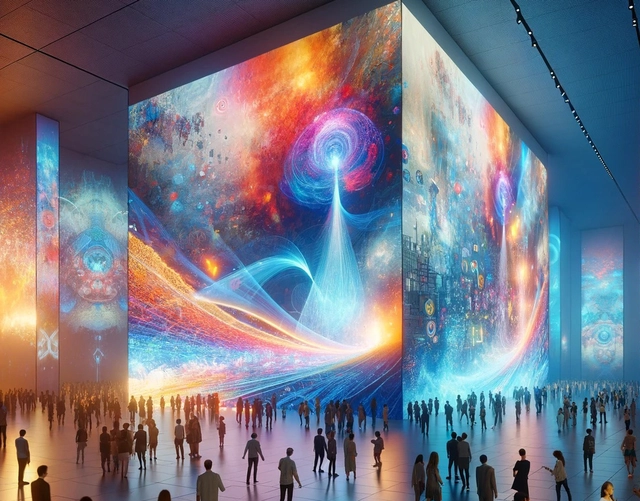
Immersive spaces are heavily sensorial environments meant to create impactful experiences crafted through intentionally curated architecture, light, imagery, sound, and sometimes even smell. To "immerse" oneself is to be wholly enveloped in a world shaped solely by immediate sensory input. Using digital tools to craft these environments to showcase art, create compelling exhibitions, and feature performance events has become increasingly popular. Evocative experiences like these can offer a respite from the inundation of personalized digital content and foster shared, grounding encounters. The design of these can exist at the intersection of architecture, graphic design, visual art, lighting design, music, and performance. They underscore the power of interdisciplinary collaboration to craft memorable moments. So, what role does architecture play in shaping these?
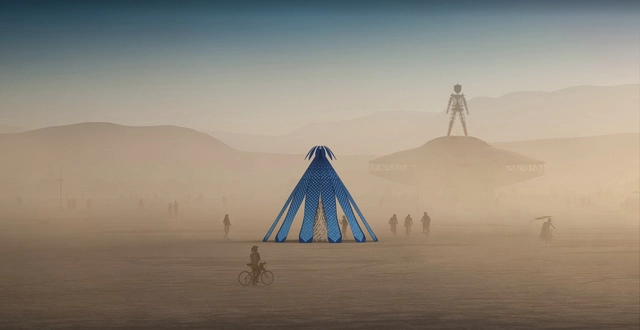
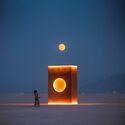
Once a year, in the vast and unforgiving Black Rock Desert of Nevada, a city arises. Thousands of people unite to form a temporary metropolis with a collective spirit. Burning Man 2023 removes all restrictions on expressing oneself, allowing forms to be unexpected. This year, Burning Man Festival’s theme was Anamilia, transforming The Black Rock Desert into a blank canvas for creation, a playground for self-discovery, and a haven for radical self-expression.
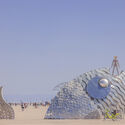
The topic "ANIMALIA," encouraged participants to set off on a voyage that blurred the line between reality and fantasy. ANIMALIA pays tribute to the animal kingdom's diversity, from the animals that live in the transitional areas of the desert to the mythical and fictitious animals that appear in our dreams. Inspired by the sea, the sand, the sky, and the imaginative, this year’s installations and pavilions range from a fish installation representing fresh waters to a living knit work pavilion that takes form with textiles, to a geometric structure showcasing a cube’s potential.
Metropolitans take pride in their storied cultural venues, the chroniclers of intellectual acumen and architectural achievement. While these icons revel in their ornate design, immersive grandiosity, and dramatic acoustics, the pandemic has introduced numerous challenges to the rules of assembly.
Recognizing changes in the rituals of attending a show—from procession and gathering to engagement—architects and cultural leaders are designing the next generation of performance venues while asking the question: How does architecture solve issues raised by a building’s inherent purpose? Is it possible to maintain the essence of a venue through gentle yet effective changes in people’s habits? The answers seem to rely on updating the auditorium culture (which dates as far back as the Colosseum) with contemporary design solutions rooted in new technologies.
https://www.archdaily.com/976581/what-will-post-pandemic-performance-venues-look-likeOsman Can Yerebakan
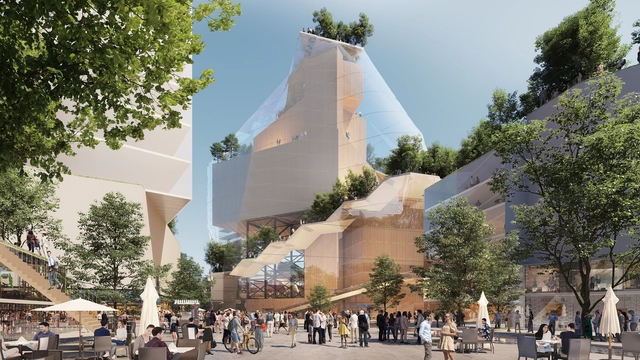
Reflecting on the future of shopping centres and addressing their decline in visitors, MVRDV's Heuvelkwartier design proposes converting Eindhoven's Heuvel shopping venue into a green cultural quarter. The project brings together retail, culture and recreation, expanding the existing buildings while transforming the roofs into a park. The proposal also expands the Muziekgebouw with a stacked cultural building encased in a "glass mountain", creating a new landmark for Heuvel.
OMA New York / Jason Long has revealed the design for The Terminal, a new performance venue serving as a cultural anchor for POST Houston, the office's redevelopment of the historic Barbara Jordan Post Office in downtown Houston. Integrated within the eastern wing of the mixed-use design, the 5,000 capacity music venue makes use of industrial materials and lighting effects to create a performative space on and off the stage.
The House of Hungarian Music, part of the Liget Budapest Project, has won the World's Best Use of Music in Property Development at the Music Cities Awards. Also selected as one of the top three Best European Development category, the intervention, designed by Sou Fujimoto is under construction on the former site of the demolished Hungexpo office buildings in Budapest, Hungary. Scheduled to open in 2021, the structure of the building is complete, and the iconic roof is taking shape, as well as the monumental glass walls, the largest of their kind in Europe.
Designed by Iotti + Pavarani Architetti, Tassoni & Partners, Lauro Sacchetti Associati, the RCF Arena, currently under construction, is set to become Europe’s largest events and concerts venue. Located in the Italian region of Emilia Romagna, the structure can host up to 100 000 people.
When we think about a perfect match between acoustics and good design it may not be as easy as it seems. A number of technical decisions in order to make an interior space acoustically efficient -and to achieve its programmatic purpose correctly- can make some of the architect's design intentions fade and be replaced by standard and prefabricated panels.
In this article, we present a selection of architecture projects that are able to create a memorable visual impact as well as an impeccable interior solution for acoustics. These are our favorite 14 music venues that fascinate inside and out.
In their video series for the November 2017 World Architecture Festival, PLANE—SITE delves into contemporary concert hall design. The five films highlight major themes in today’s musical architecture through an interactive, multimedia panel. Using Harpa Concert Hall in Reykjavik, Wroclaw’s National Forum of Music, and the Philharmonie de Paris as examples, the videos show how contemporary concert halls are more technological and multi-functional than ever before, demonstrating how architecture redefines the modern-day musical performance experience.
The series acted as a starting point for a conversation between the WAF audience and panelists, moderated by PLANE—SITE’s Andres Ramirez. Panelists included Michel Cova of dUCKS scéno, Tateo Nakajima of Arup, and Jacob Kurek of Henning Larsen.
What do Frederic Chopin, Alexander Calder and Montana's Bear Tooth Mountains have in common? A long summer day at Tippet Rise Art Center seeks to make the connections audible, visible, tangible.
Founded by philanthropists and artists Cathy and Peter Halstead and inaugurated in June 2016, Tippet Rise began as—and largely remains—a working ranch. It sprawls across 11,500 acres of rolling hills and alluvial mesas of southwestern. To the west rise the snowy heights of the Bear Tooth Mountains. Off to the east, hills give way to golden prairies that stretch out to the horizon.
Into this privileged landscape, the Halsteads and team have strategically inserted massive outdoor sculptures by Alexander Calder, Mark di Suvero, Stephen Talasnik, plus three specially commissioned works by the Spanish architectural firm Ensamble Studio. And hidden in a small depression near the entrance of the massive ranch, the LEED Platinum-certified Olivier Barn serves as both base camp for visitors and a state-of-the-art concert hall.
Ennead Architects has released plans for a new 40,000 square meter (430,550 square foot) Music Center in the Chinese city of Xiamen. The design, produced for a six-week design competition held by Xiamen City Municipal Planning, draws inspiration from the island city’s dramatic topography and history to create a new public institution along the harbor. To provide the beachfront with a new public gathering place, the project’s feature element will be a grand stair likened by Ennead to Rome’s timeless Spanish Steps.