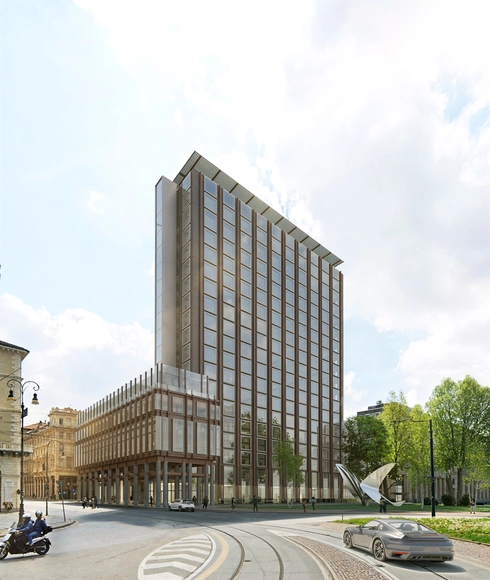
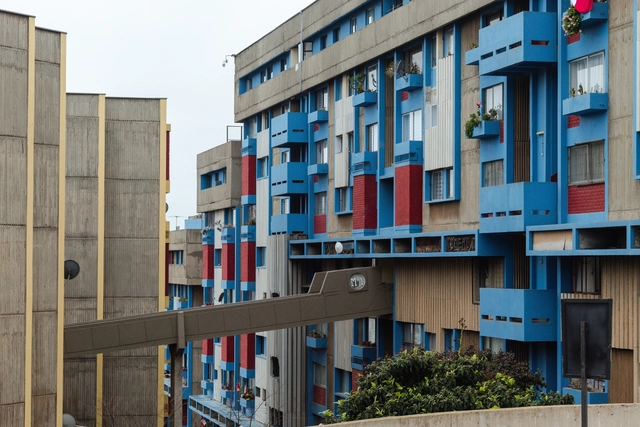
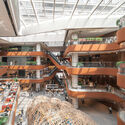
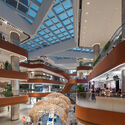
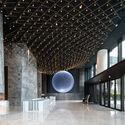
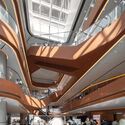
CRA-Carlo Ratti Associati, in partnership with real estate group IPI, has revealed plans to transform the iconic modernist Palazzo Micca in Turin, Italy. Originally the headquarters of RAI, Italy's national broadcaster, the 19-story building will undergo a comprehensive adaptive reuse project. A significant feature of the redesign is the creation of an elevated public plaza at 26.5 meters, offering views of Turin's Baroque rooftops, the surrounding hills, and the Alps. The project also integrates sustainable design principles by converting parts of the office spaces into residential units and reusing existing materials.
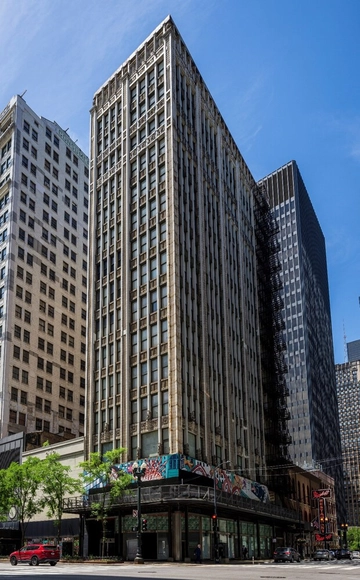
In a significant win for historic preservation, two landmark Chicagoskyscrapers, the Century and Consumers Buildings, have been saved from demolition. These iconic structures, located on State Street, were initially set for destruction due to security concerns, given their proximity to the Dirksen U.S. Courthouse. However, after extensive advocacy and public pressure, the U.S. General Services Administration (GSA) has shifted toward an adaptive reuse plan, ensuring the preservation of these architectural landmarks.
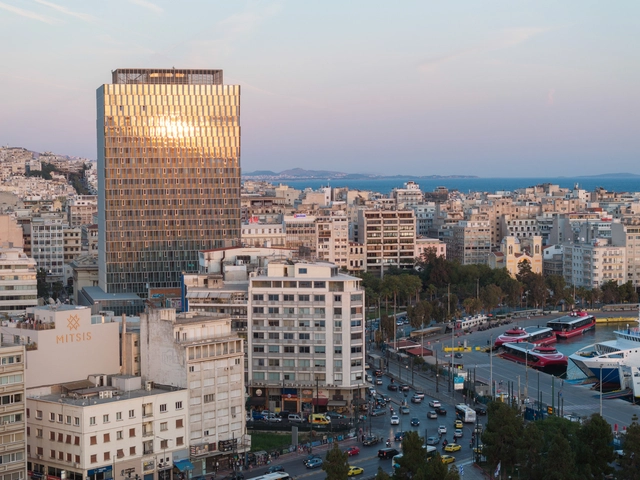
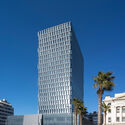
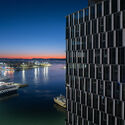
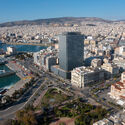
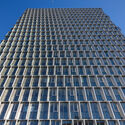
The landmark of Piraeus, located in the heart of the largest passenger port in Europe, began construction in 1972 but remained unfinished and vacant for decades. Finally completed in 2023, after an international competition, it now stands as Greece's first green and digital skyscraper. The architectural firm PILA took on the design of the facades, while the office ASPA-KST designed the commercial spaces, and the new general architectural study was entrusted to Betaplan. After over four years of renovation, Piraeus Tower officially opened its doors to tenants and visitors on June 4th with a night of celebrations, establishing itself as a bustling hub and injecting vitality into the area.
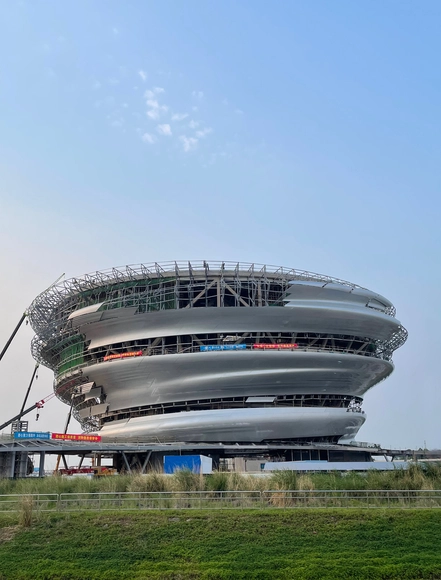
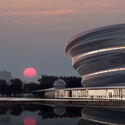
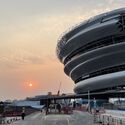
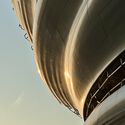
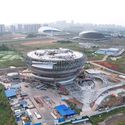
The Hainan Science Museum - construction progress. Image Courtesy of MAD Architects
The Hainan Science Museum, designed by Ma Yansong / MAD Architects, is progressing through its construction phases. The project began its design phase in 2020, broke ground in November 2021, and completed its main structure in June 2023. The museum, located on the west coast of Haikou City in Hainan Province, aims to be a landmark that integrates modern architecture with natural surroundings, promoting the convergence of technology and nature. The museum is expected to finish its curtain wall and landscaping by June this year and open for visitors in 2025.
Courtesy of Neutelings Riedijk Architects / ARS Architectes
Neutelings Riedijk Architects and ARS Architects Urbanistes have just won a competition to design the Cité des Imaginaires and Grand Musée Jules Verne in Nantes, France. Selected from 160 entries, their design seeks to revitalize the historic “Moulins de Nantes” mil, also known as CAP44. This industrial heritage site, notable for its unique Hennebique concrete structure, is set to be transformed into a sustainable structure within the Garden Extraordinaire. Additionally, the museum will celebrate the legacy of the renowned author Jules Verne, born in Nantes.
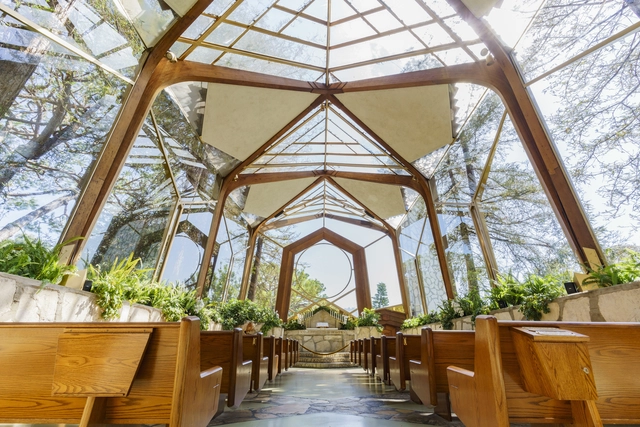
The Wayfarers Chapel, known locally as "The Glass Church," was designed by Lloyd Wright, the eldest son of architect Frank Lloyd Wright, and completed in 1951. Located in the Palos Verdes peninsula in Los Angeles, its design aimed to blend the lines between architecture and nature, with large-span glass panels opening up to space toward the redwood canopies. Last year, the structure was designated a national historic landmark. Now, due to “accelerated land movement” in the area, the structure, which has been closed off to the public since February, was announced to be disassembled to protect it from further damage.
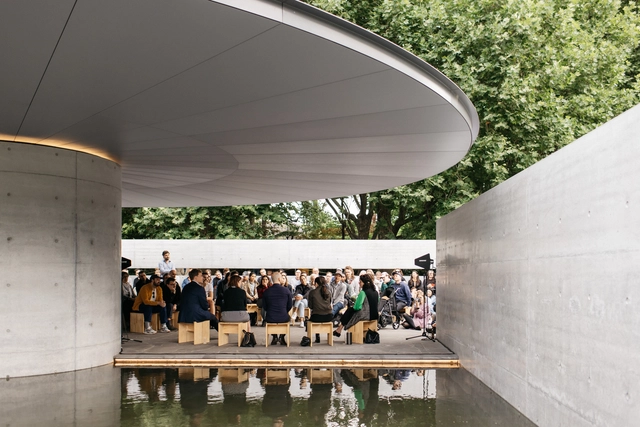
In Melbourne, Australia, the tenth edition of the MPavilion, designed by Pritzker Prize-winner Tadao Ando, has been extended until March 2025. Marking the architect’s sole-built project in Australia, the extension presents an opportunity for Melburnians and visitors to enjoy the space and its diverse offerings. The pavilion welcomes guests daily, serving as a serene oasis, a communal gathering space, and a landmark architectural destination throughout the year.
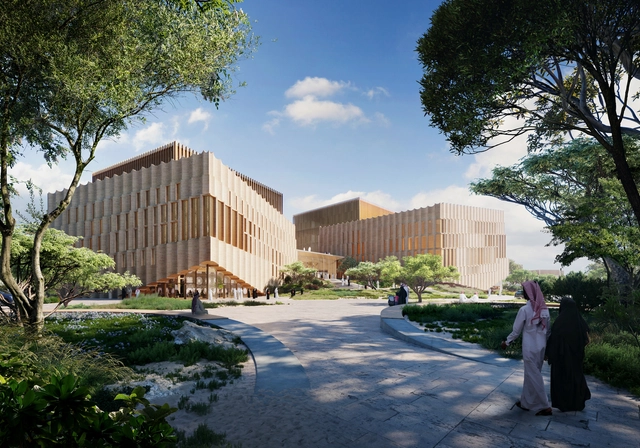
Henning Larsen Architect has just revealed the designs for The JeddahOpera House, a new local landmark in Saudi Arabia. Drawing inspiration from the historical Al-Balad neighborhood, the Opera House celebrates culture and regional geography. Situated along the Red Sea waterfront, the opera house aims to connect residents and visitors to the sea through a culture spine under a natural canopy. Extending from the city, through the opera house, to the water, this “spine” forms an integral part of the Jeddah Central masterplan for the new Opera Quarter.
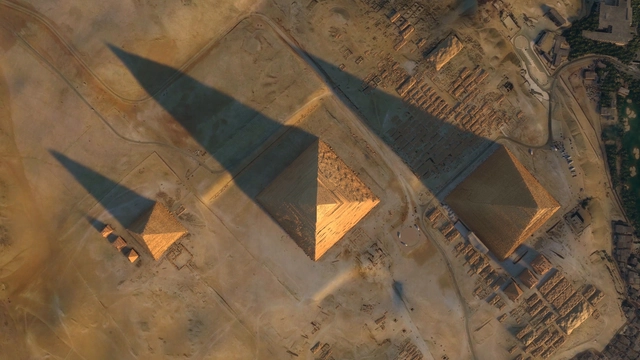
Renovation work on Egypt’s infamous Menkaura Pyramid at Giza has sparked criticism on online platforms over the past two days. Dubbed by the head of Egypt’s Supreme Council of Antiquities as “the project of the century,” the ongoing renovation aims to restore the pyramid’s original style by reconstructing the granite layer. Initially, the pyramid was encased in granite and lost part of its covering over time.
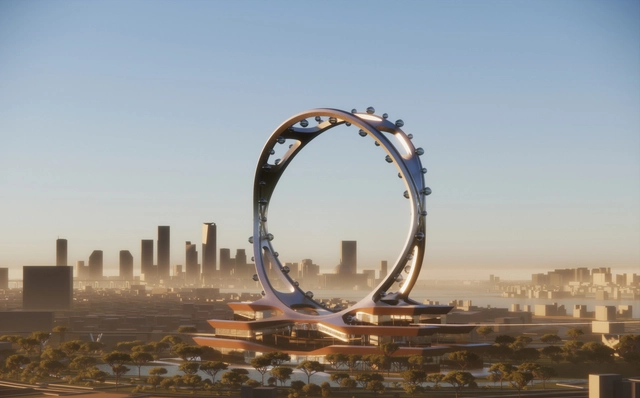
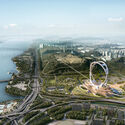
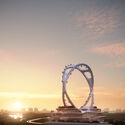
UNStudio, in collaboration with Arup and local firm Heerim Architecture, has unveiled the proposal for the “Peace Park Wheel.” Designed as a landmark at Sangam World Cup Park in Seoul, UNStudio successfully won the preliminary competition and is set to partner with Seoul Housing & Community Corp. The ferris wheel proposal is part of the mayor’s vision: “Han River with a Thousand Sunsets,” aiming to establish numerous public spaces along the Han River for the city’s residents.
Architecture Classics showcased on ArchDaily serve as essential archives of architectural marvels, offering a window into the past. These classics showcase our collective design wisdom and innovation globally, enriching our design knowledge. In fact, through the acknowledgment and appreciation of different styles, functions, and narratives embedded within these structures, our view of architecture and its impact worldwide can become more comprehensive.
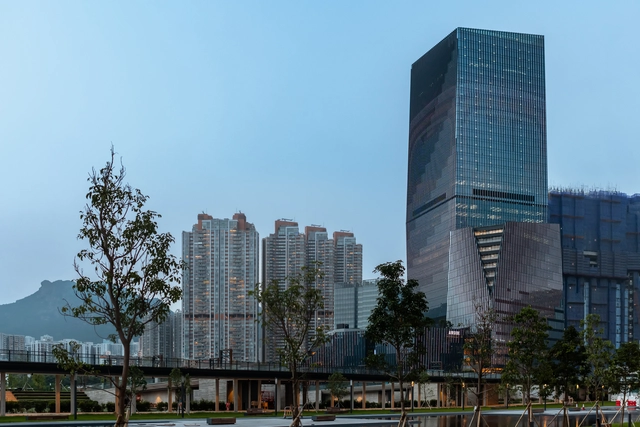
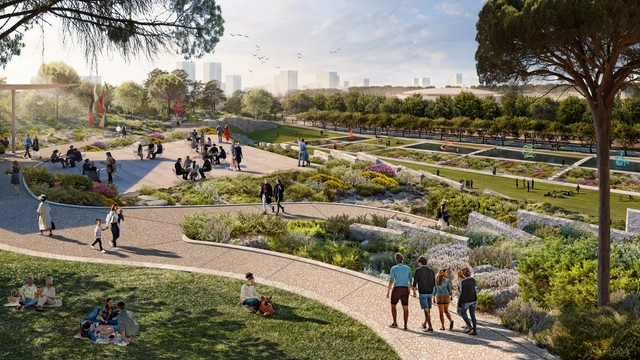
Built on a former airport site in Hong Kong, Snøhetta Asia has unveiled its latest project in Hong Kong, Airside. This mixed-use landmark was actually Snøhetta’s first project in the country and serves as a central hub in a redeveloped business district. The project boasts ample public areas and gardens, including outdoor plazas and rooftop gardens that may be used for events, dining, urban farming, and leisure. As the first project in Hong Kong to obtain five of the highest green building certifications, this development integrates several sustainable practices.
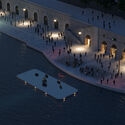
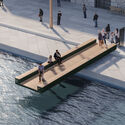
Carlo Ratti Associati has revealed the design transformation of Turin’s historic waterfront in Italy. The project’s main aim is to address the current climate crisis and leverage architectural solutions to create spaces that can withstand the recurring floods of the Po River. Throughout the scheme, many architectural elements are kinetic, allowing them to rise above the water. “Floating Above the Floods” creates new solutions for urban climate adaptations and provides insights into universal strategies for urban waterways.
Sanders highlighted the results of a five-year assessment of the LAF fellowship program and its efforts to grow the next generation of diverse landscape architecture leaders. The assessment shows that past fellows are shaping the future of the built environment in key public, non-profit, and private sector roles.
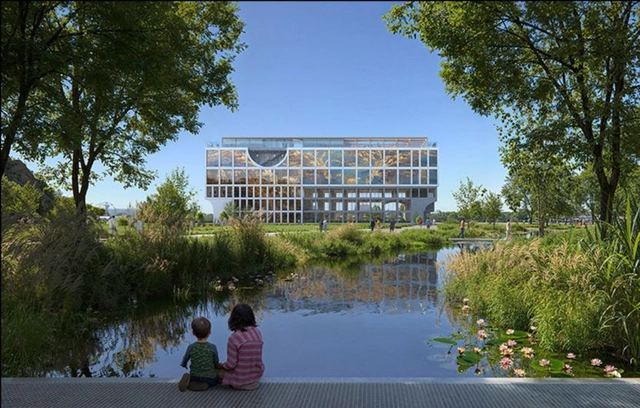
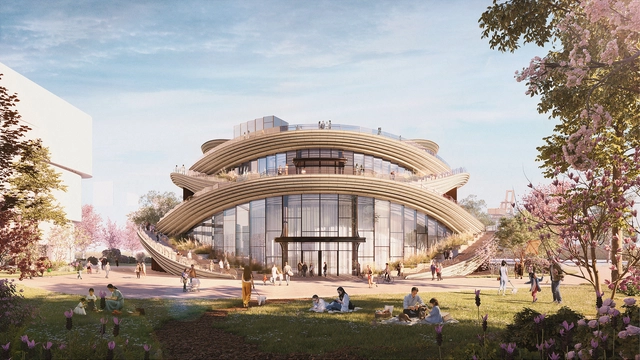
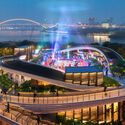
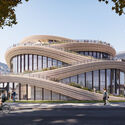
West Bund Orbit. Image Courtesy of Heatherwick Studio
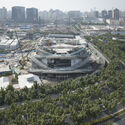
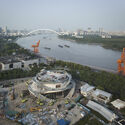
Heatherwick Studio has unveiled the design of an exhibition hall situated on Shanghai's emerging West Bund waterfront, in China. Known as the 'West Bund Orbit,' this building will be the focal point of the new Financial Hub in the Xuhui District. Set to become a prominent landmark along the Huangpu riverside, the project is a pivotal public space for passersby, welcoming visitors to its cultural design program.