Every year on 3 December, the International Day of Persons with Disabilities brings renewed attention to the need for inclusive, equitable environments, both socially and spatially. The 2025 theme, "Fostering disability inclusive societies for advancing social progress," highlights how persistent barriers in employment, social protection, and access to services continue to affect more than one billion people worldwide. Within this broader context, the built environment plays a decisive role: architecture can either reinforce exclusion or open pathways toward autonomy, dignity, and participation in daily life.
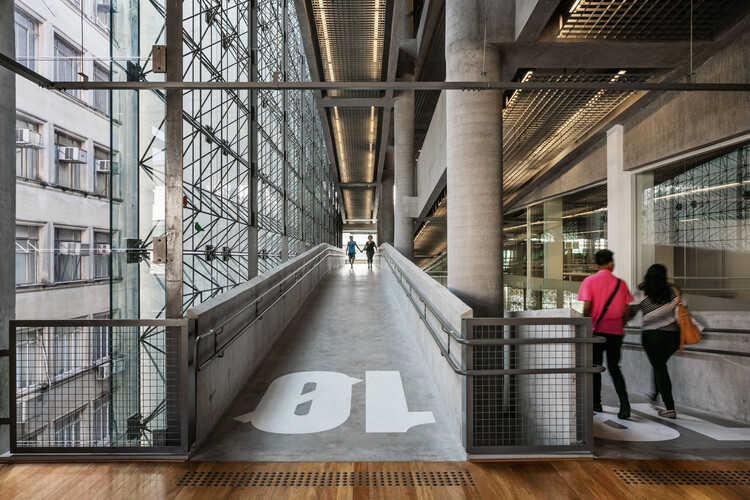
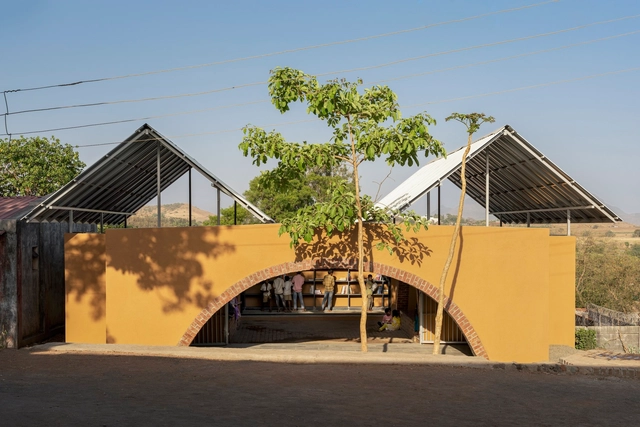
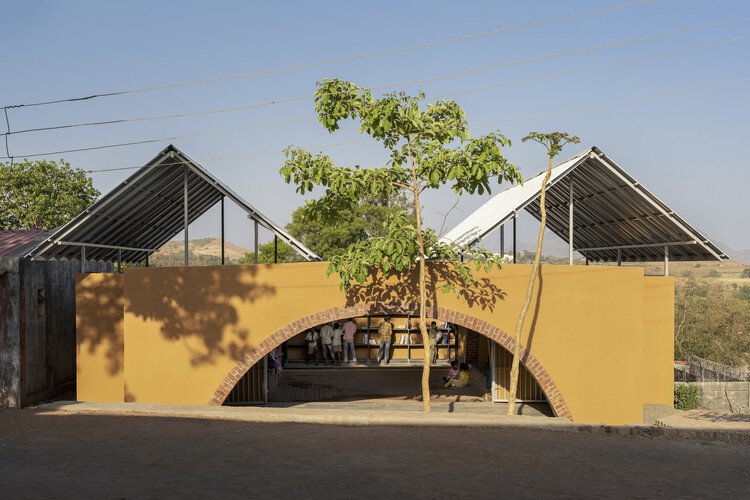
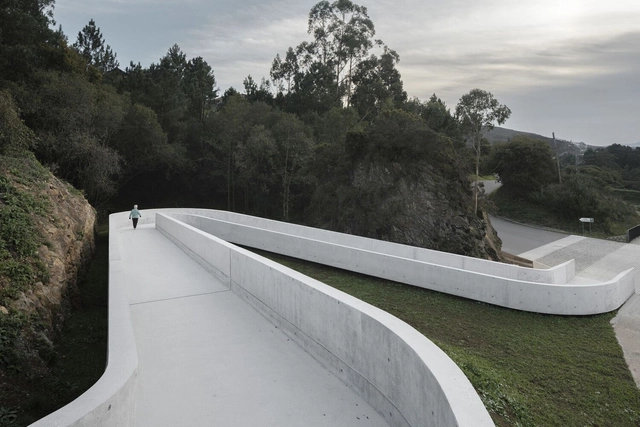
In many parts of the world, remoteness is not only defined by distance. It may describe a mountain settlement far from infrastructure or an urban and suburban neighborhood on the margins of visibility and opportunity. Across these diverse contexts, the library has been one of the most vital typologies—a space where architecture embodies the modes of accessibility, inclusivity, and community care.
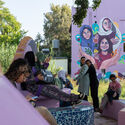
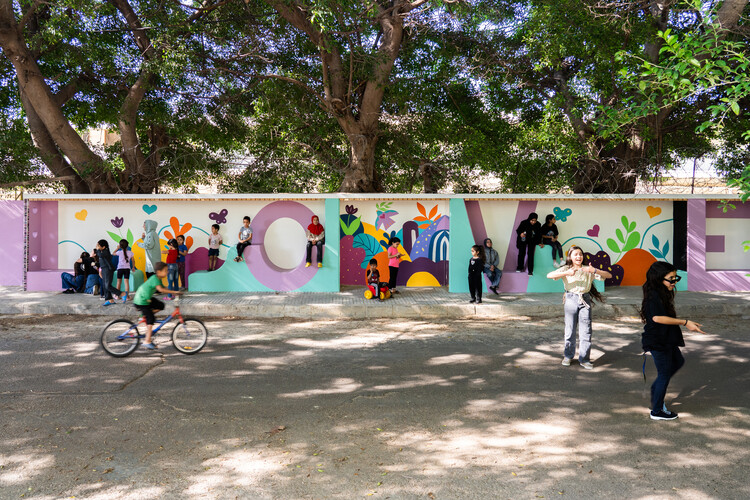
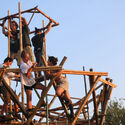
Adolescent Girls Co-Design and Build their Public Spaces in Beirut June 2024. Image Courtesy of CatalyticAction
Make Space for Girls (MSFG) is a London-based charity that campaigns for public spaces and parks in the United Kingdom to be more inclusive of teenage girls. The organization conducts research on how public spaces are used and designed, raises awareness about perceived inequalities in their use, and collaborates with public and private institutions to promote the representation of teenage girls in the planning and design of outdoor environments. Their research indicates that their exclusion from the design of parks and public spaces often leaves them without places where they feel welcomed or valued, and that parks and public spaces for older children and teenagers are currently designed for the default male. From 8 to 15 October, the organization is running a fundraising campaign to support the implementation of its new three-year strategy aimed at promoting more inclusive public spaces.
Today, on the first Monday of October, we celebrate World Architecture Day. This year, the International Union of Architects (UIA) has set the theme "Design for Strength," a powerful call to action that resonates deeply with the UN's focus on urban crisis response. In a world facing unprecedented environmental and social disruptions, this theme challenges us to move beyond temporary fixes. It asks: How can our buildings and cities not only withstand shocks but also foster equity, continuity, and resilience?
While the concept of strength in architecture can easily evoke images of reinforced concrete and steel, a more profound interpretation is emerging, one that defines strength not as mere rigidity, but as a holistic capacity to endure and adapt. This includes many facets, from ecological resilience and stewardship to long-lasting concepts of social resilience or the long-lasting conservation of existing urban structures, all contributing to a built environment more able to respond to the multitude of crises faced by cities worldwide.
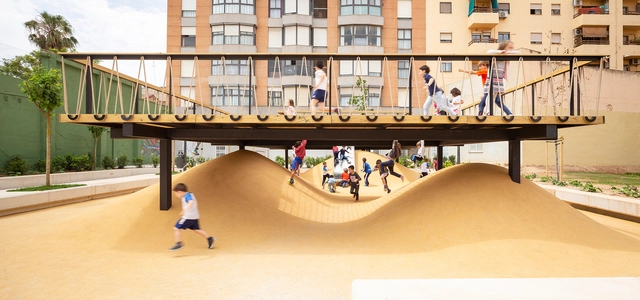
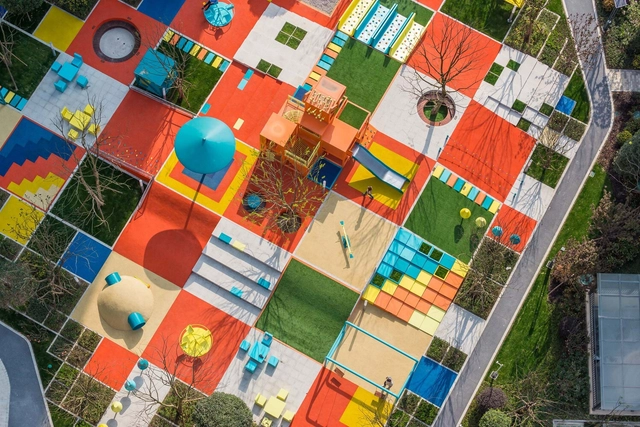
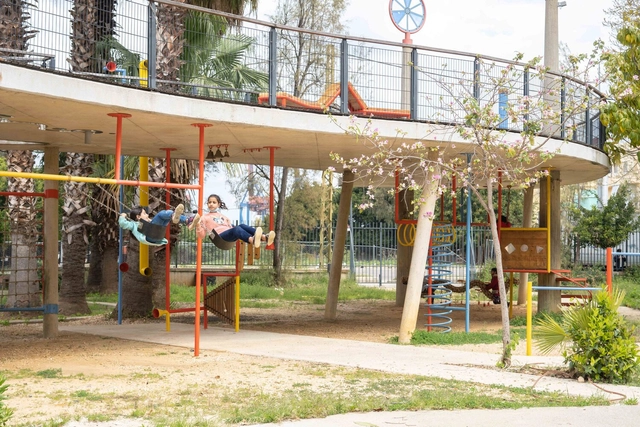
Play extends beyond its recreational dimension, unfolding as a social act that encourages children to learn, interact, be creative, and engage with their spatial context. As Johan Huizinga notes in Homo Ludens, it is a fundamental element of culture, where kids form bonds and explore ways of coexisting. When the architecture of play spaces excludes certain bodies or modes of participation, the collective experience becomes fragmented and loses part of its meaning. Designing with inclusion in mind, therefore, means recognizing that the actual value of play lies in its potential to be shared by everyone.
https://www.archdaily.com/1033205/inclusive-playgrounds-every-body-can-play-through-architectureEnrique Tovar
Architecture holds power beyond the creation of buildings - it is a practice that shapes how people live, interact, and thrive within their communities. Architecture can also be a tool for social innovation. Through an understanding of human-centered processes, participatory design, and social sciences, practitioners can address societal challenges such as loneliness, inequality, and public health to equip spaces as vehicles for social equity and engagement. Architecture's role in shaping the future of communities is a direct response to human needs and activated social change.
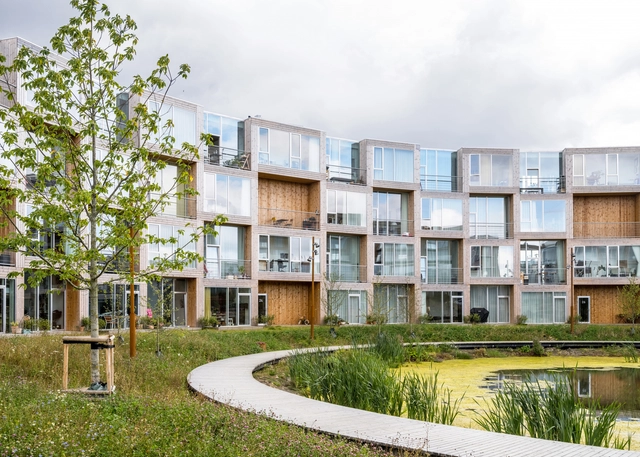
At the dawn of Modernism, in the fervent search for innovative, efficient, and cost-effective building systems, the idea of modular construction offered the promise of exactly that: an industrialized system comprised of ready-to-assemble elements, easily configured, cost-effective, and quality-controlled. While the idea did not gain as much traction as was initially expected, it has remained an attractive premise for architects and designers. Now, new developments in the field have led to a renewed interest in the matter, as modular housing emerges as an effective measure in various fields, from affordable housing to emergency shelters, or even as platforms for interdisciplinary collaboration, participation, and co-design. The following article explores this promise of accessibility, creativity, and affordability that has become an integral part of the debate around modular architecture.
Gallaudet University was established in 1864, becoming the first American educational institution for the deaf and hard of hearing. The university is officially bilingual, with American Sign Language (ASL) and written English used throughout the educational programs. Over the years, the university has grown, adapting both its teaching methods and its spaces to the needs of its students, in turn learning from them how to counter the challenges they face and create a safer and more comfortable environment. These lessons turned into design guidelines, created to educate the architectural community about the strategies they can employ to create more accessible spaces for all.
Contemporary cities are vibrant, complex, and constantly evolving. Above all, they are ever-changing, mutable, and diverse. What transformative changes are occurring, and where are they leading us? Urbanization continues to gain momentum in many regions of the world, generating visible and structural transformations. As this unfolds, data on the evolution of its configuration and the challenges we encounter begin to emerge. According to the World Bank, the urban population will continue to trend upward, with 90% of new urban residents concentrated in Africa and Asia. This growth raises essential questions: How can we consolidate a design approach that ensures equitable access to spaces, resources, and services? How can we make emerging and consolidated metropolises more inclusive and accessible?
https://www.archdaily.com/1028012/designing-inclusive-cities-the-role-of-universal-design-in-creating-accessible-urban-atmospheresEnrique Tovar
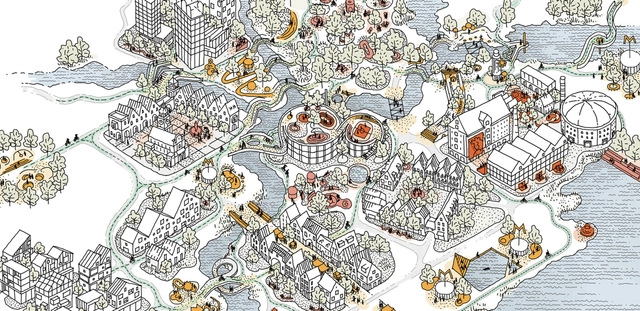
Henning Larsen has just launched a new initiative in Esbjerg, Denmark, aimed at rethinking urban spaces through the perspectives of teenage girls. Developed in collaboration with Esbjerg Municipality, Ramboll, Catapult Projects, and KOMPAN, the project builds on research from the Urban Minded framework to explore how co-creation can shape more inclusive public environments. Supported by a 2.3 million DKK grant from the Villum Foundation and 485,000 DKK from the Ramboll Foundation, the initiative seeks to address an often-overlooked demographic in urban planning. As cities continue to evolve, conversations around gender-inclusive urban spaces have gained momentum, particularly in light of International Women's Day.
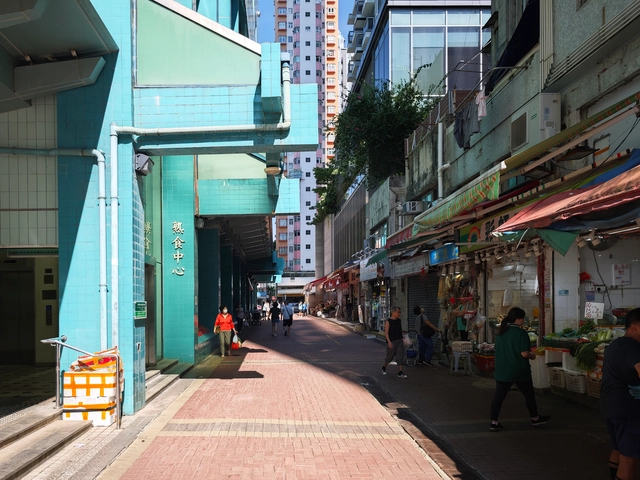
In Delirious New York, Rem Koolhaas vividly discusses the Downtown Athletic Club, a striking example of how an unassuming building exterior can conceal a vibrant mix of distinct, self-contained programs. Inside the uniform facade of this skyscraper, a private athletic club hosts an eclectic range of facilities—boxing gyms next to oyster bars and interior golf ranges below swimming pools—all segregated yet highly accessible. The Downtown Athletic Club epitomized the dynamism of New York's skyscrapers at the time, showcasing the thrill of capitalism through a selective, inward-focused world of leisure and privilege for the selected. This "machine of programs" operated independently of the external city as an isolated ecosystem within its walls. Yet, one might ask: could a similar model, designed for public use, create a more inclusive, lively community and neighborhood experience? This will activate the building within, instead of only serving the selected elites, and influence and transform the urban fabric and shapes around the building. In Hong Kong, a distant parallel can be drawn with the Municipal Services Buildings (MSBs)—publicly-funded structures that serve the community by integrating diverse functions within a singular vast building mass, much like the Downtown Athletic Club.
The concept of inclusive architecture has gained prominence as the built environment evolves to reflect and address the diverse needs of humanity. This approach prioritizes empathy, accessibility, and equity, striving to create spaces that resonate with individuals across a spectrum of demographics, abilities, and cultural contexts. It moves beyond merely meeting accessibility standards or incorporating universal design elements; instead, it embodies a paradigm shift that humanizes architecture and aligns it with fundamental social values. Through this lens, inclusive architecture fosters connections, embraces diversity, and ensures that physical spaces contribute to collective well-being.
This article explores four interrelated themes — Empathy, Inclusive Architecture, and Spatial Equity and Accessibility— through selected articles published in 2024. Together, these themes reveal how architecture can respond to societal challenges and aspirations, illustrating its potential as a catalyst for social change. From designing for emotional connection to addressing spatial inequalities, the lessons of 2024 emphasize the responsibility of architects to create spaces that transcend functionality, champion inclusivity at every scale, and foster environments where everyone feels seen, valued, and empowered.
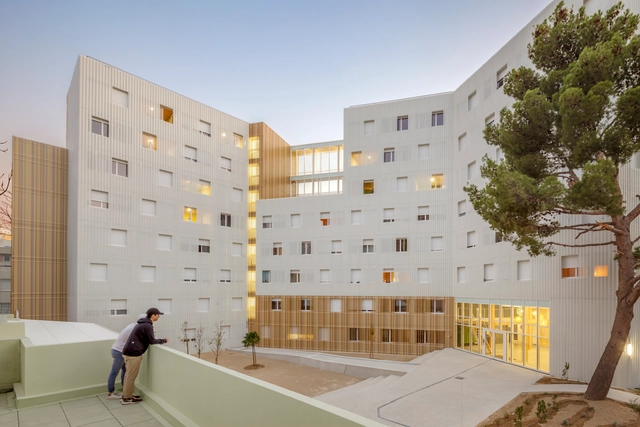
Student housing has undergone a remarkable transformation over the last century. Once seen as a utilitarian necessity, providing shelter and basic amenities for students, this architectural typology has evolved to address increasingly complex societal, cultural, and urban demands. Starting with Le Corbusier's modernist approach at the Cité Universitaire in Paris, student housing has reflected broader trends in architecture, urbanism, and social change.
Today, these buildings must cater to a highly diverse and transient population, navigating the pressures of affordability, density, and the evolving living standards of young adults. With rapid urbanization and increasing student mobility, universities now face the challenge of designing housing that is not only functional but also adaptable to different cultural and social contexts. This has led to more flexible, innovative solutions that promote both privacy and community living.
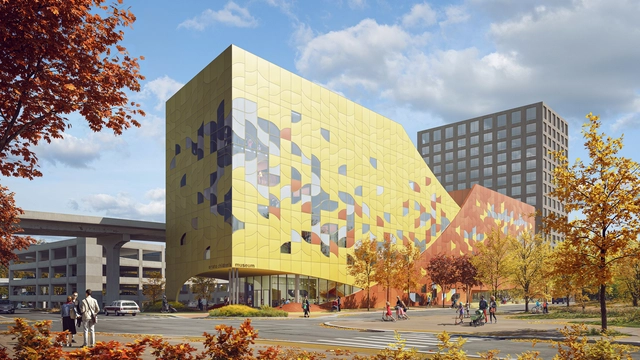
Snøhetta has revealed its design for a new building dedicated to a well-loved institution, the OmahaChildren's Museum. Located just a few blocks from the Kiewit Luminarium and overlooking the river, this new facility is designed following best practices in early child development, providing exhibits and programming aimed at fostering joy, curiosity, and connection for young children and their caregivers.
On the first Monday of October, World Architecture Day offers an opportunity to reflect on the role that architecture plays in shaping our world and our communities. Established by the International Union of Architects (UIA) in 1986, this day was designated as a basis for the ongoing discussions on innovations in architectural practice, new approaches to the ever-changing role of architects and designers, and the varied responses to emerging concerns.
As in previous editions, UIA sets a central yearly theme to guide these conversations. This year, the theme of World Architecture Day 2024, "Empowering the Next Generation to Participate in Urban Design," opens up multiple interpretations, contemplating the impact of urban design on the next generation, as well as highlighting the impact and contributions of young architects in shaping the cities of tomorrow. This year's event aims to address crucial challenges faced by the urban environments and their impact on the next generations. The focus is on creating cities that are not only greener and more environmentally friendly but also inclusive, catering to the diverse needs of various groups in society.
Architecture has long been understood as a powerful tool for shaping the physical environment and social dynamics within it. However, its potential to foster social equity is often overlooked. Empathy-driven design invites architects to approach their work not only as creators of space but as facilitators of human connection and community well-being. This approach centers on understanding people's lived experiences, struggles, and aspirations — particularly marginalized communities — and responding to their needs through thoughtful, inclusive architecture. It goes beyond aesthetics and functionality, instead focusing on creating spaces fostering dignity, accessibility, and social equity. By prioritizing empathy, architects can design environments that uplift communities, address disparities, and create inclusive spaces that promote positive societal change in a tangible, human-centered way.
The India Autism Center (IAC), situated in Sirakole, West Bengal, represents a new perspective in accessible design and inclusivity. Designed to meet the specific needs of individuals with autism spectrum disorder (ASD) and related conditions, the center embodies a comprehensive approach to neurodiverse living. Developed by Practice Design, an architectural firm based in Mumbai and Kolkata, the 52-acre project is expected to be completed by 2030. It aims to create a supportive community where individuals with autism can realize their full potential through a variety of tailored services.
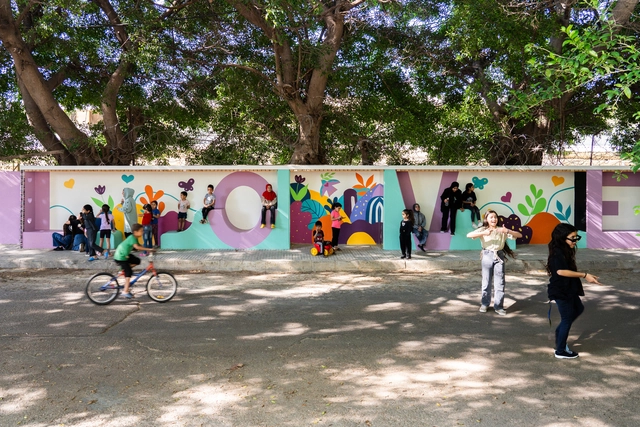
Karantina Public Park 2020-2023. Image Courtesy of CatalyticAction
Public spaces are not always shaped by planning but by the practices they host. Their existence stems from our inherent need for connection with others. As spaces of encounter, these urban, open, and accessible areas reflect how we interact with our surroundings and each other while offering places for exercise, play, socializing, and recreation.
Recognizing that public spaces are more than just physical environments, CatalyticAction is dedicated to fostering a sense of community, safety, and belonging, especially for children, who are among the most vulnerable in society. Their mission is not only to create spaces where children can play and grow but also to empower them, ensuring they have a voice in shaping their surroundings. To learn more about their work, Christele Harrouk, ArchDaily's Editor-in-Chief, spoke with Joana Dabaj, Co-founder and Director of Programmes at CatalyticAction.