The architectural practice of reusing and refurbishing should be the first consideration when designing and reshaping our already overbuilt cities. Good architecture prioritizes this approach over demolition, as it can reduce costs, enhance environmental efficiency, and preserve functional structures that can continue serving their purpose for years.
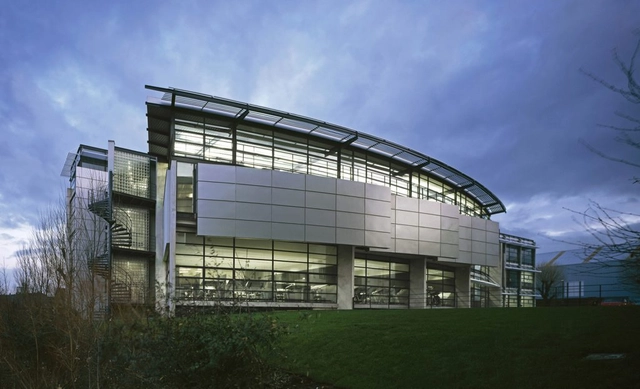
The Centenary Building at the University of Salford, Greater Manchester, was designed by Hodder Associates in 1994-95 to accommodate the Spatial, Graphic, and Industrial Design courses at the University. One year after its inauguration, in 1995, the building was named the winner of the inaugural RIBA Stirling Prize, one of Britain's most prestigious awards. Now, less than 30 years after its completion, the award-winning building is set to be demolished, sparking criticism and debates regarding the attitudes towards recent works of architecture.
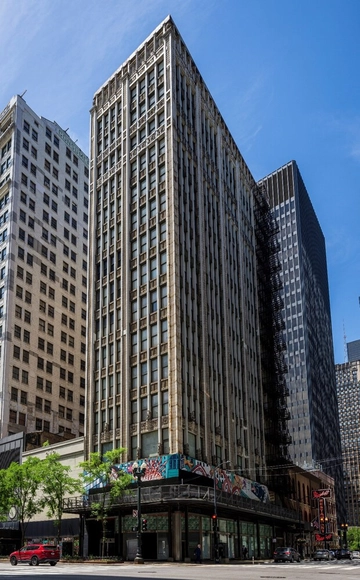
In a significant win for historic preservation, two landmark Chicagoskyscrapers, the Century and Consumers Buildings, have been saved from demolition. These iconic structures, located on State Street, were initially set for destruction due to security concerns, given their proximity to the Dirksen U.S. Courthouse. However, after extensive advocacy and public pressure, the U.S. General Services Administration (GSA) has shifted toward an adaptive reuse plan, ensuring the preservation of these architectural landmarks.
World War II was pivotal in human history, leaving a profound political and social impact. Its conclusion marked a significant turning point, leading to post-war suburbanization and the baby boom. These phenomena resulted in rapid urban growth and a surge in housing construction, which peaked in the 1960s and continued to flourish throughout the following decades, gradually slowing down until the present day. Currently, we are facing a very different scenario in which a backlog of affordable housing, combined with a challenging economic outlook and a climate agenda, have led to the need for a transformation of the built environment into a cleaner and more resource-efficient one, in line with the Paris Agreement.
Thus, with the ever-increasing demand for housing, combined with policy initiatives such as the European Green Deal, the post-war model of hyper-production is becoming unsustainable. Consequently, refurbishing derelict or redundant buildings has emerged as a viable alternative. Unlike the scheme of demolition and new construction, this approach offers opportunities for energetic retrofitting, which helps mitigate environmental obsolescence, extend the lifespan of buildings, and revitalize the existing and dilapidated stock—including postwar housing—while improving people's quality of life.
https://www.archdaily.com/1018781/refurbishment-vs-demolition-enhancing-housing-for-sustainable-energy-efficiencyEnrique Tovar
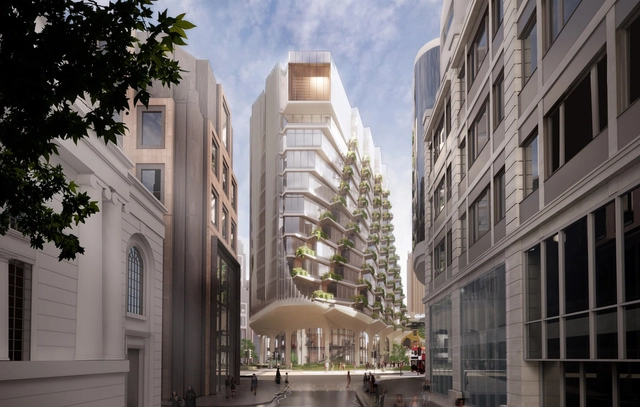
Redevelopment by Diller Scofidio + Renfro. Image Courtesy of City of London
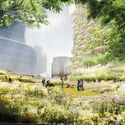
The controversial London Wall West redevelopment project, which involves the demolition of the former Museum of London and Bastion House, is set to proceed. The redevelopment, designed by architecture firms Diller Scofidio + Renfro and Sheppard Robson, will replace the landmark 1970s buildings with a modern office complex. The City of London has confirmed that the Secretary of State for Leveling Up, Housing, and Communities, Michael Gove, has decided not to call in the plans to reevaluate the former museum, allowing the project to move forward.
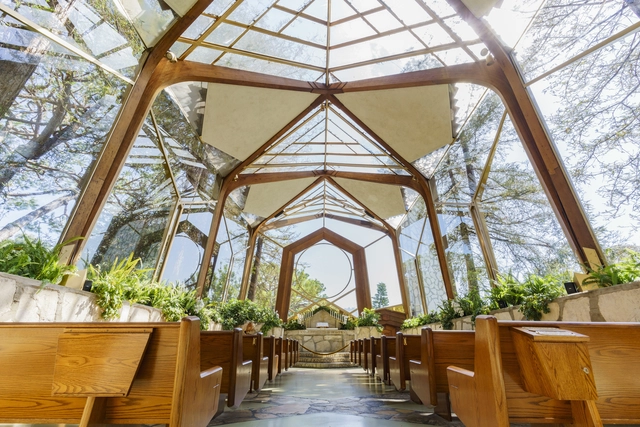
The Wayfarers Chapel, known locally as "The Glass Church," was designed by Lloyd Wright, the eldest son of architect Frank Lloyd Wright, and completed in 1951. Located in the Palos Verdes peninsula in Los Angeles, its design aimed to blend the lines between architecture and nature, with large-span glass panels opening up to space toward the redwood canopies. Last year, the structure was designated a national historic landmark. Now, due to “accelerated land movement” in the area, the structure, which has been closed off to the public since February, was announced to be disassembled to protect it from further damage.
Regarding urban development, the choice between demolition and adaptive reuse holds far-reaching implications. From debates around the cultural and historical significance of structure to the environmental impact of the process of razing and rebuilding, compared to the cost of preserving and adapting, the matter of demolitions has ignited the architectural community to come together and ask for more responsible assessment strategies in hopes of rediscovering the value of existing structures. This article gathers some of the stories of buildings facing the threat of demolition and the processes that led to their rescue.
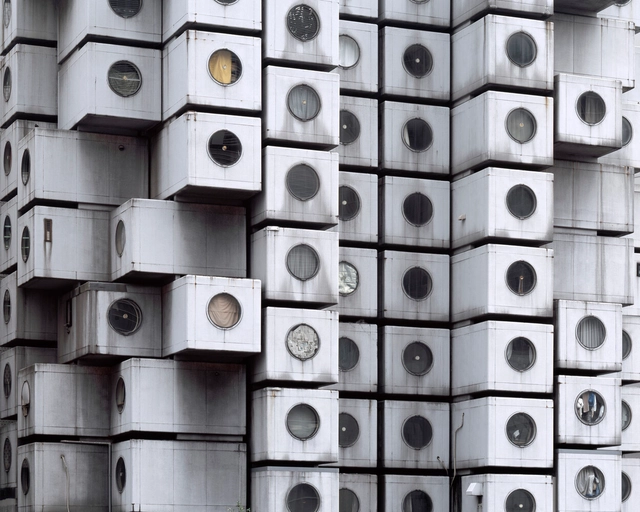
The rights to reconstructKisho Kurokawa's iconic Nakagin Capsule Tower are currently sold on one of the largest NFT sites. While the tower’s demolition has begun earlier this year, the auction sells the right to rebuild the structure, in both the metaverse and in real space. The idea of recreating the Metabolic building in a virtual space seems natural. It could allow a larger community to explore an iconic piece of architecture and encourage them to experiment with it, an initiative in line with Metabolist ideals. On the other hand, the idea of reconstructing a demolished historical building in the physical world raises a different set of conflicting emotions. Architectural replicas are not the norm, but their existence raises questions regarding the identity and authenticity of works of architecture.
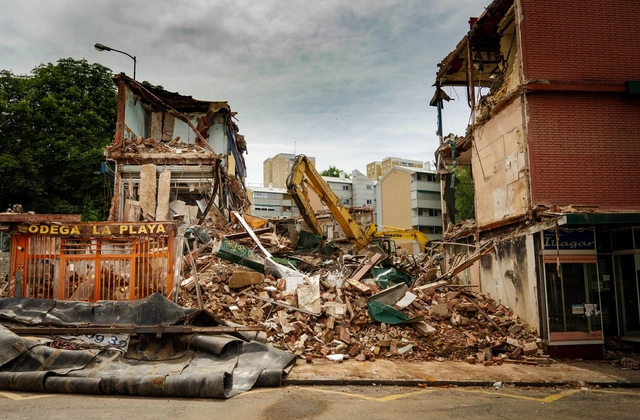
The built environment is responsible for approximately 42% of annual global CO2 emissions. During a building's lifespan, half of these emissions come from its construction and demolition. To decarbonize architecture and control global emissions, it is important to rethink and reduce the upfront or embodied carbon impacts of demolitions, as well as implement sustainable construction strategies for buildings. Demolitions typically involve dismantling, razing, destroying, or wrecking buildings and structural parts, leading to unsustainable levels of carbon emissions, material depletion, waste, and pollution. These hasty methods of ending the life cycle of a building have negative impacts on the environment, material components, and recycling strategies. Therefore, there is a clear need to re-think the way in which we approach the end of a building or infrastructure project's life towards a more sustainable system of deconstruction.
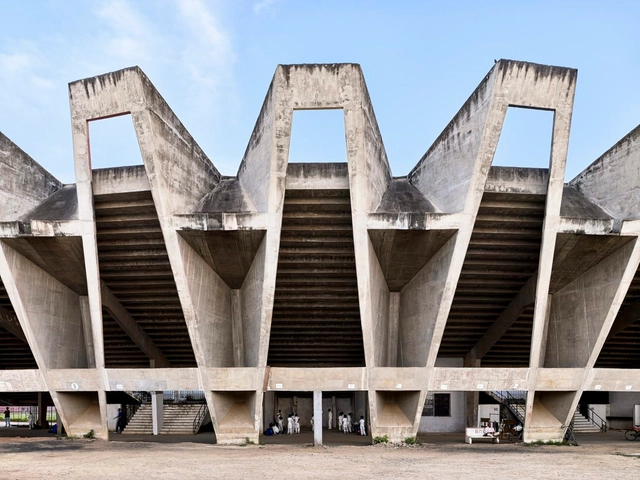
The structure was originally built to host international and domestic cricket matches. In the 1950s, the Cricket Club of Ahmedabad was granted 67,000 sqm of land to construct a Cricket Stadium. It was the country’s first “turf ground,” hosting the first cricket match in India. For the cricket community in the country, the SVP represents a venue that has nurtured and honed young cricketers from all over the state, and it has been graced by several of India's legendary players in both test and one-day cricket matches.
When Kisho Kurokawa designed his now iconic Nakagin Capsule Tower in 1972, the structure was meant to represent the core principles of Metabolism, experimenting with ideas of growth and change borrowed from biological processes. The emerging style in postwar Japan aimed to create buildings and megastructures that emulate living organisms that can evolve, expand, contract, and adapt to their changing conditions. Following this concept, the Nakagin tower was composed of 140 identical cell-like capsule units, each individually bolted to the two central shafts. The capsules were intended to be replaced and upgraded every 25 years, allowing for flexibility and mutation. The innovation proved to be impractical, however. Almost 50 years after its construction, the tower was demolished, but not in its entirety. A total of 23 capsules were saved and removed from the building to be given a new life. Now, the capsules are scattered around the world, continuing to represent Metabolist ideals in unexpected ways.
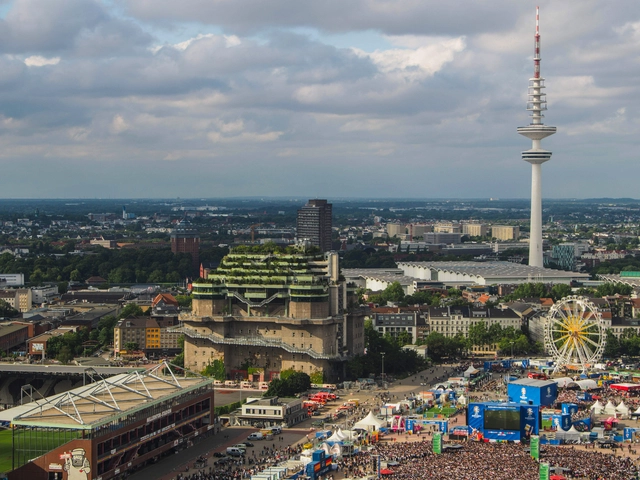
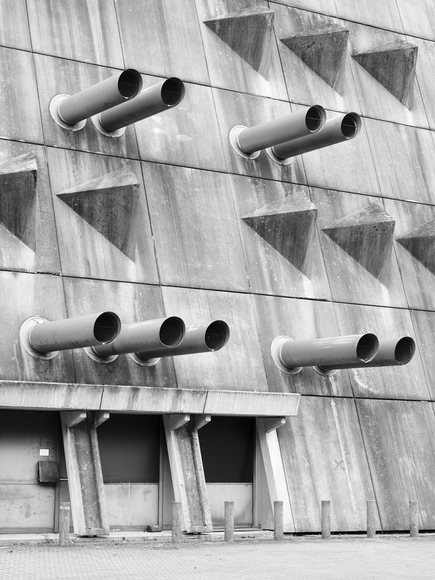
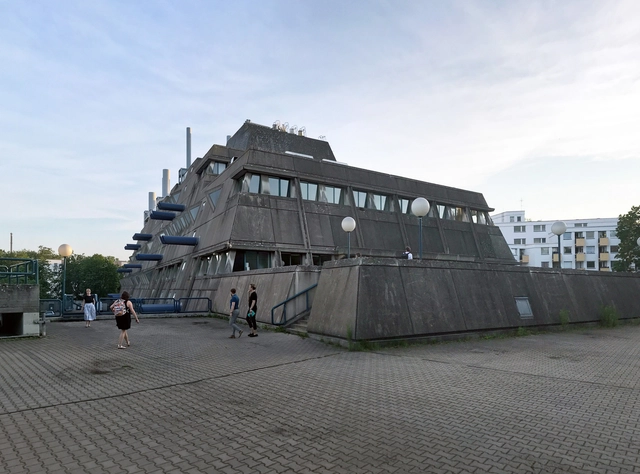
The former animal laboratories of the Charité in Lichterfelde, also known as the Mäusebunker building, have now been placed under monument protection, saving it from the threat of demolition that has been slated since 2010. The brutalist structure was designed by architects Gerd and Magdalena Hänska and built from 1971, and put into operation in 1982. While its strong image, combined with its function as a laboratory for animal tests, resulted in the general public’s distaste for it, the Brutalist building slowly gained acceptance and even a cult status among brutalist fans.
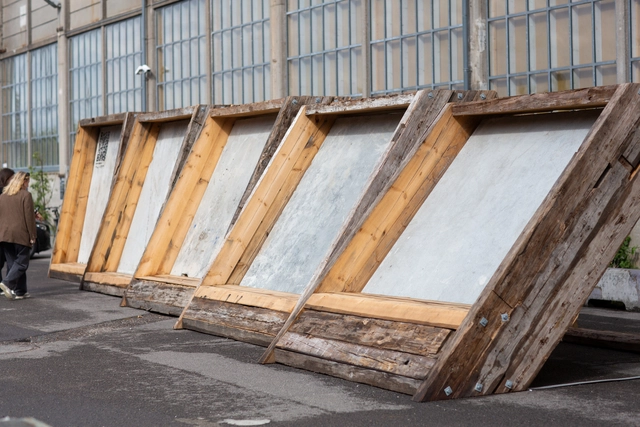
Developed by GXN for the 2023 UIA World Congress of Architects in Copenhagen, The (P)RECAST Pavilion explores the possibility of reusing precast concrete elements from existing buildings to promote circularity and reduced carbon emissions in the construction industry. The pavilion showcases salvaged concrete elements alongside 200-year-old timber beams, highlighting their aesthetic and structural value. Following the same motivation but through a different approach, MEE Studio has developed The Regenerative Cabin. Located in Copenhagen, the structure explores the applied use of regenerative biogenic materials to reduce the carbon emissions associated with the building materials.
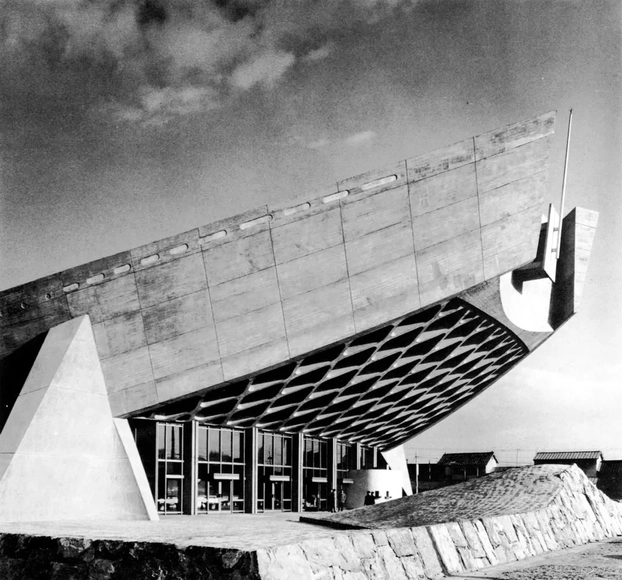
Local governor Toyohito Ikeda of Takamatsu, in Japan, announced that the famous Kagawa Gymnasium will be demolished. Built between 1961 and 1964 by the Pritzker Prize winnerKenzo Tange, the structure is a landmark of the modernist post-war era in Japan. This news has sparked the creation of a petition in an effort to save this 47-year-old monument.
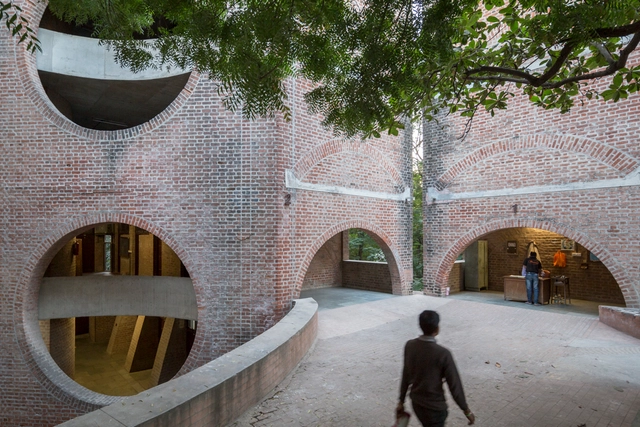
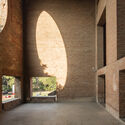
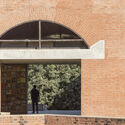
On November 3rd, 2022, the Indian Institute of Management Ahmedabad (IIMA) announced the decision to end the restoration works for elements of the campus designed by Louis Kahn with Indian architects Balkrishna V. Doshi and Anant Raje in 1962. The decision affects the faculty blocks, classroom complex, and dorms other than dorm D15. According to the statement, the institution plans to replace some of the buildings, as the complex is “facing structural damage, deterioration and have become uninhabitable, posing a safety concern for the campus's residents.” This represents a reversal of the decision to withdraw the first demolition plans following global protests, announced in January 2021.
Studio One Eleven converted underutilized retail into their creative work space, for 135 employees; adjacent local and crafted retail can now better flourish. The project spurred the city of Long Beach to rejuvenate Harvey Milk Park, allow for multiple street decks for outdoor dining, and encouraged several high-quality public art installations by POW! WOW!.. Image Courtesy of Los Angeles County Public Library
My first encounter with saving a building landed me in handcuffs and a trip to the Long Beach Police Department. A friend and I were frustrated that our hometown was demolishing good buildings—because they did not conform with the current style of architecture—only to replace them with parking lots! All in the name of “progress.” In 1988, when we learned that the Jergins Trust Building, a Beaux-Arts beauty, was slated to be torn down with no plans for the site, we jumped into action and chained ourselves to the building to stop the wrecking crew. Our efforts kept it up for another four hours. And then it was gone forever.
The Smithsonian Institution has announced that the glass-clad pyramid restaurant of Washington D.C's National Air and Space Museum, designed by Gyo Obata, FAIA, co-founder of renowned architecture firm HOK, will be demolished this spring and replaced with a new educational facility titled the Bezos Learning Center. The restaurant is one of two buildings designed by the late architect for the National Mall, originally constructed in 1988 as an additional structure to the National Air and Space Museum, that served as a dining area for the museum's visitors.