1. ArchDaily

  2. Kenzo Tange

Kenzo Tange: The Latest Architecture and News

North Macedonia Pavilion at the Venice Architecture Biennale Revisits the Brutalist Architecture of Skopje

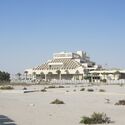
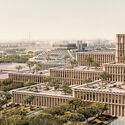
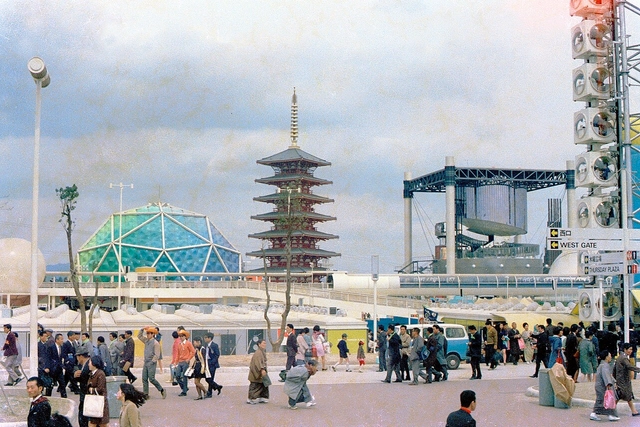
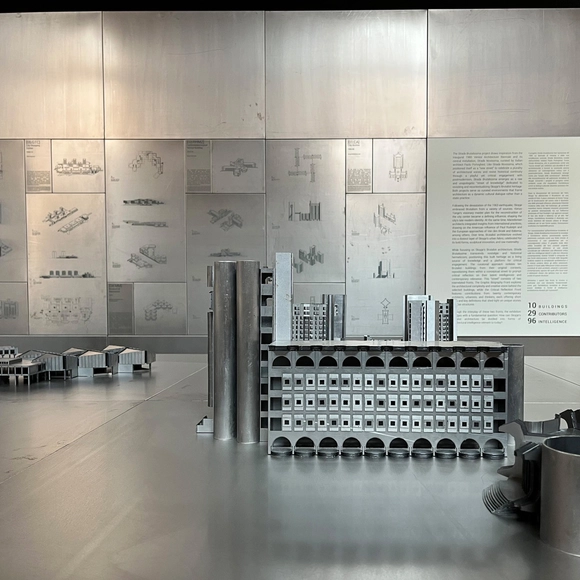
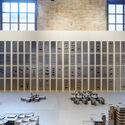
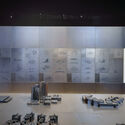
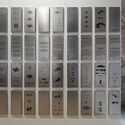
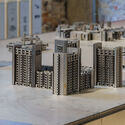
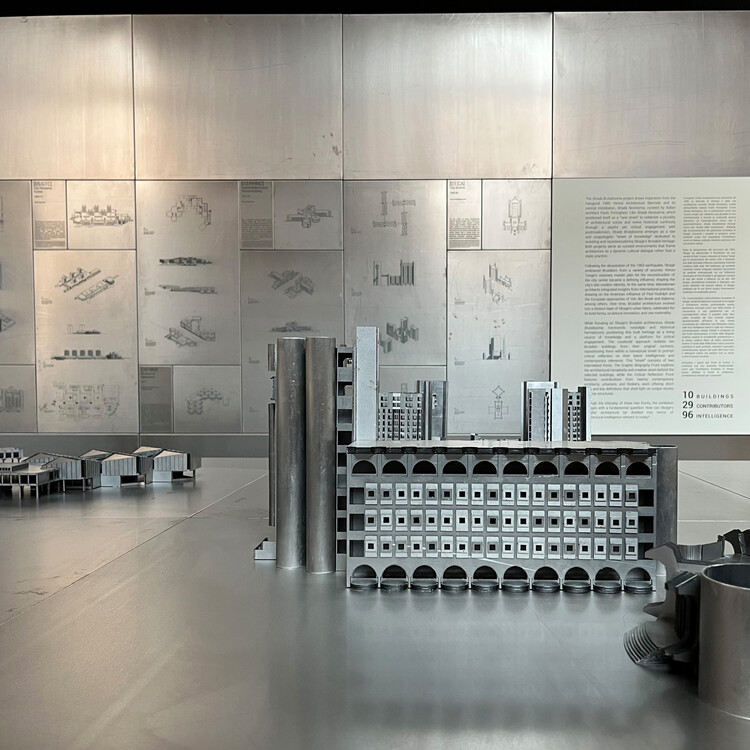
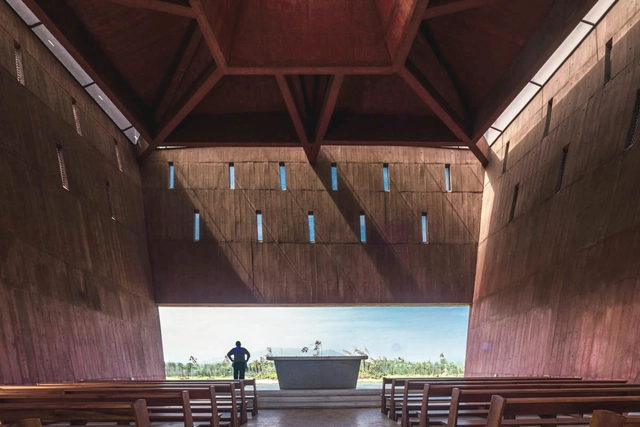
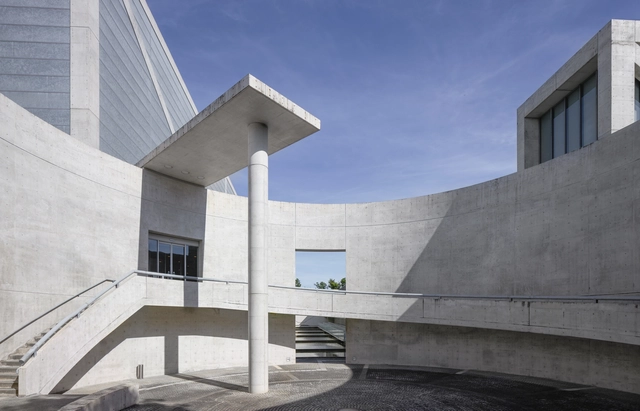
The Republic of North Macedonia Pavilion at the 19th Venice Architecture Biennale is dedicated to the Brutalist architecture of its capital city, Skopje. This architectural movement has given the city a distinctive identity following the earthquake that struck in 1963. According to pavilion curator, architect Blagoja Bajkovski, in the aftermath of the disaster, Skopje embraced Brutalism from a variety of sources. One of the most prominent of these was Kenzo Tange's reconstruction plan, developed after an international competition organized by the United Nations in 1965. The exhibition, titled Strada Brutalissima, recounts this identity, the events that shaped it, and the buildings that continue to represent it through a series of architectural models. Inspired by the 1980 Venice Architecture Biennale's Strada Novissima, the project reinterprets the concept of a curated "street," this time centered on Skopje's Brutalist heritage.

North Macedonia Pavilion at the Venice Architecture Biennale Revisits the Brutalist Architecture of Skopje - Image 1 of 4North Macedonia Pavilion at the Venice Architecture Biennale Revisits the Brutalist Architecture of Skopje - Image 2 of 4North Macedonia Pavilion at the Venice Architecture Biennale Revisits the Brutalist Architecture of Skopje - Image 3 of 4North Macedonia Pavilion at the Venice Architecture Biennale Revisits the Brutalist Architecture of Skopje - Image 4 of 4North Macedonia Pavilion at the Venice Architecture Biennale Revisits the Brutalist Architecture of Skopje - More Images+ 20

Citizen-Led Campaign Proposes New Use for Kenzo Tange's Kagawa Gymnasium, Facing Demolition

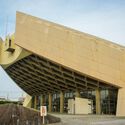
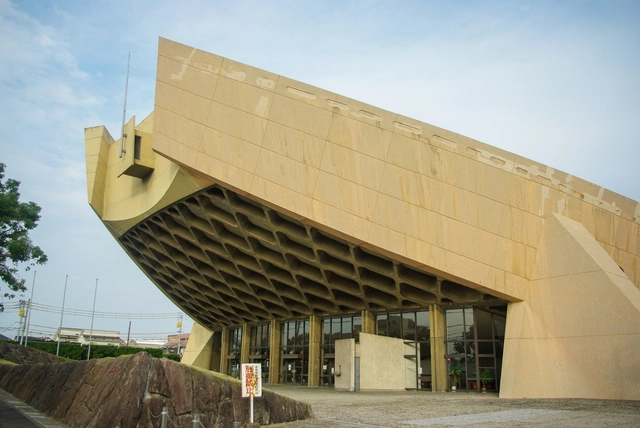
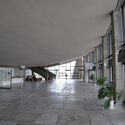
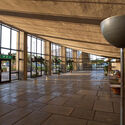
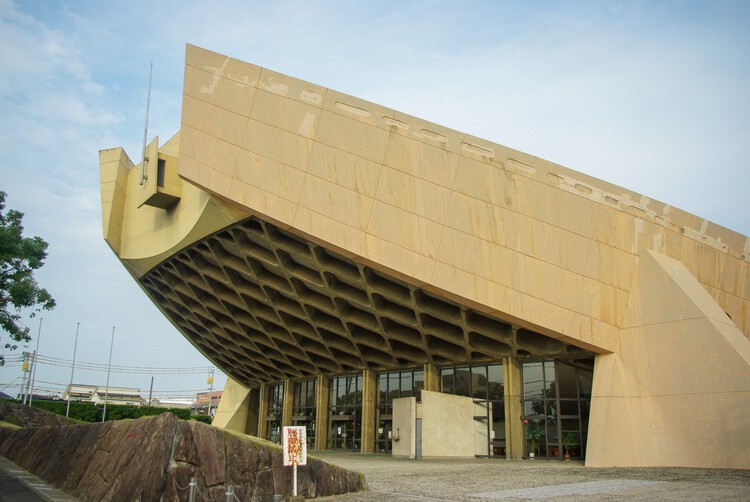
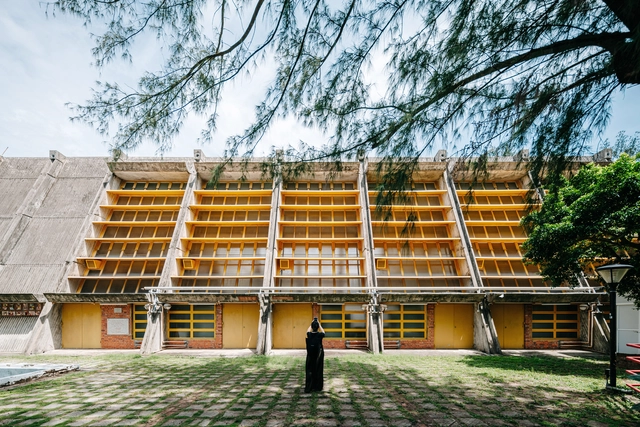
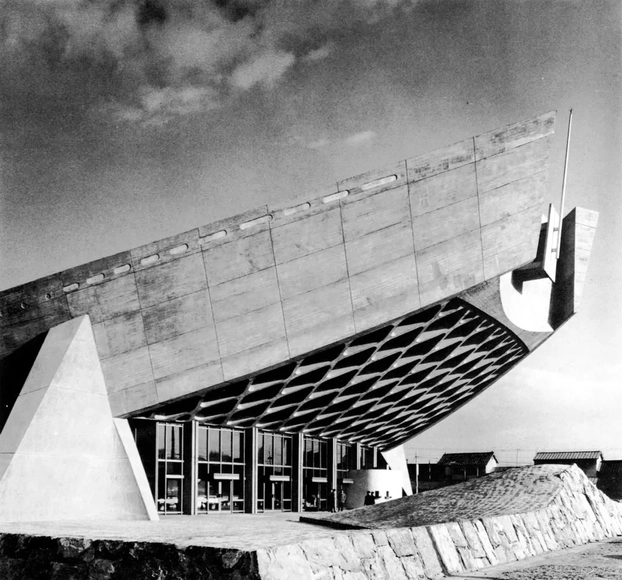
In February 2023, the governor of Kagawa Prefecture, Japan, announced the planned demolition of the Kagawa Prefectural Gymnasium, designed by Pritzker Prize-winning architect Kenzo Tange. Discussion surrounding its fate dates back to its permanent closure in 2014, after a roof leak caused structural problems in the ceiling boards. Since then, several organizations have worked to save the building, including a petition by the World Monuments Fund and an effort by a promotional council to nominate it as a UNESCO World Cultural Heritage site in 2021. Despite these initiatives, on August 7, 2025, the Kagawa Prefectural Government officially announced a public competitive bidding process to select a contractor for the demolition, something the Former Kagawa Prefectural Gymnasium Regeneration Committee is determined to prevent.

Citizen-Led Campaign Proposes New Use for Kenzo Tange's Kagawa Gymnasium, Facing Demolition - Image 1 of 4Citizen-Led Campaign Proposes New Use for Kenzo Tange's Kagawa Gymnasium, Facing Demolition - Image 2 of 4Citizen-Led Campaign Proposes New Use for Kenzo Tange's Kagawa Gymnasium, Facing Demolition - Image 3 of 4Citizen-Led Campaign Proposes New Use for Kenzo Tange's Kagawa Gymnasium, Facing Demolition - Image 4 of 4Citizen-Led Campaign Proposes New Use for Kenzo Tange's Kagawa Gymnasium, Facing Demolition - More Images+ 1

Tokyo International Forum, Designed by Rafael Viñoly Architects, Receives the Twenty-Five Year AIA Award

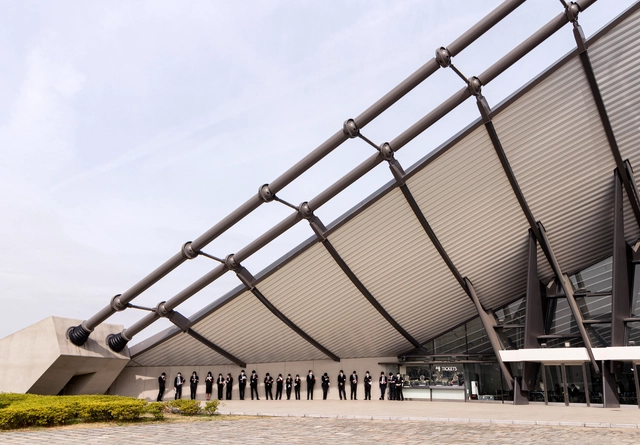
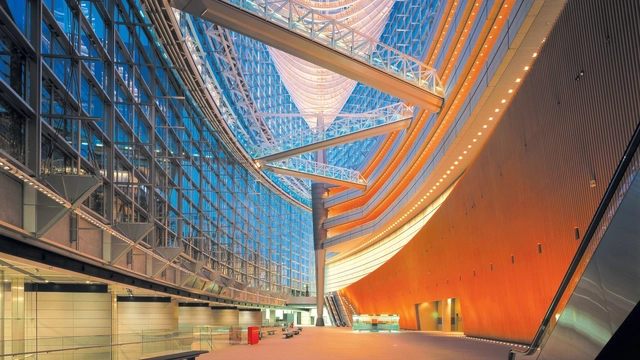
Rafael Viñoly Architects’ Tokyo International Forum has been honored with the prestigious AIA Twenty-five Year Award. Celebrating its “distinctive transparent character and capacity to engage with the public in the largest metropolitan area in the world.” Rafael Viñoly Architects was first selected to design the structure through Japan’s first international design competition facilitated by Kenzo Tange, the architect of Tokyo’s City Hall and the first Japanese laureate of the Pritzker Prize.

A Look Back at the 9 Japanese Architects Honored with the Pritzker Prize

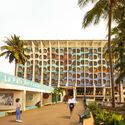
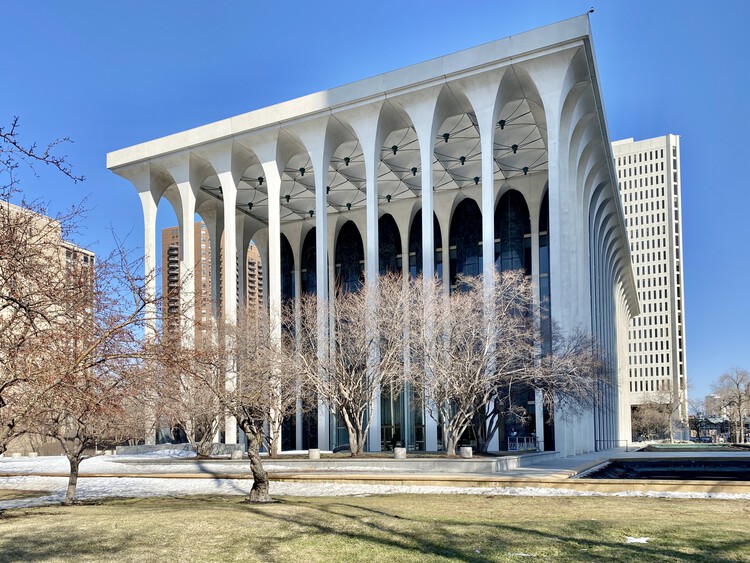
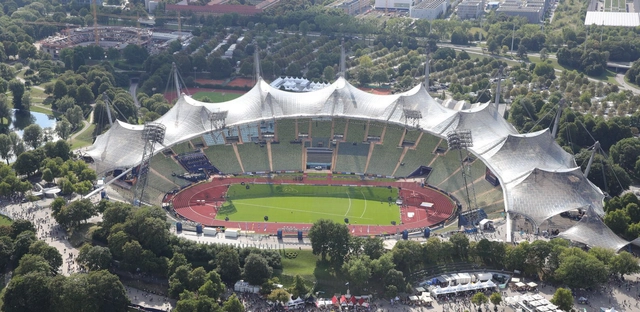
Last week, Japanese architect and social advocate Riken Yamamoto was announced as the 2024 Pritzker Architecture Prize Laureate, becoming the 9th Japanese architect honored with the profession's most prestigious award. Throughout the 45-year history of the Pritzker Prize, Japan stands out as the nation with the highest number of laureates. While geography is not a criterion in the selection of the laureates, Japanese architecture consistently impresses with its interplay of light and shadow, the careful composition of spaces, soft transitions between interior and exterior, and attention to detail and materiality. An ingrained culture of building also celebrates diverse designs and encourages global dialogue and the exchange of ideas and best practices. Read on to rediscover the 9 Japanese Pritzker laureates and glimpse into their body of work.

A Look Back at the 9 Japanese Architects Honored with the Pritzker Prize - Image 1 of 4A Look Back at the 9 Japanese Architects Honored with the Pritzker Prize - Image 2 of 4A Look Back at the 9 Japanese Architects Honored with the Pritzker Prize - Image 3 of 4A Look Back at the 9 Japanese Architects Honored with the Pritzker Prize - Image 4 of 4A Look Back at the 9 Japanese Architects Honored with the Pritzker Prize - More Images+ 6

30 Japanese Homes that Use Metal for Interior Accents

Subscriber Access | 

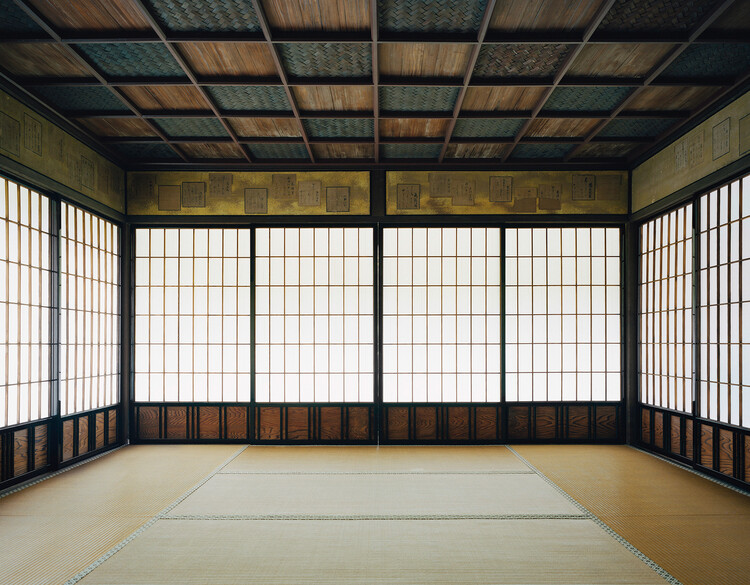
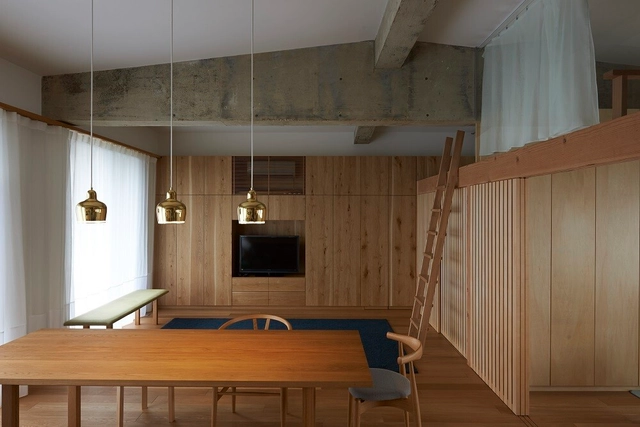
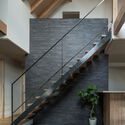
Contemporary Japanese interiors incorporate elements both of tradition and modernity to embody the country's innovative spirit while maintaining a profound respect for its history and cultural heritage. Though traditional materials like wood, paper, and bamboo continue to hold significance, modern Japanese interiors also often feature a fusion of glass, steel, concrete, and metals. The juxtaposition of smoother, sleeker textures and finishes with warmer and more organic ones reflects a dynamic synthesis of old and new, and results in visually striking and functional spaces that honor the essence of the country's design principles.

30 Japanese Homes that Use Metal for Interior Accents - Image 1 of 430 Japanese Homes that Use Metal for Interior Accents - Image 2 of 430 Japanese Homes that Use Metal for Interior Accents - Image 3 of 430 Japanese Homes that Use Metal for Interior Accents - Image 4 of 430 Japanese Homes that Use Metal for Interior Accents - More Images+ 28

Textures, Skyscrapers, and Urban Landscapes: When Anime Meets Architecture

Subscriber Access | 

World War II left a profound influence on the evolution of society, introducing significant changes in the fields of urban planning and architecture. During the 1930s, the Congrès Internationaux d'Architecture Moderne (CIAM) promoted modernism on an international scale. After the war, this architectural movement became firmly established as the dominant one, driven by the imperative of reconstruction and technological advancements. Influential figures like Le Corbusier and Alvar Aalto spearheaded this movement.

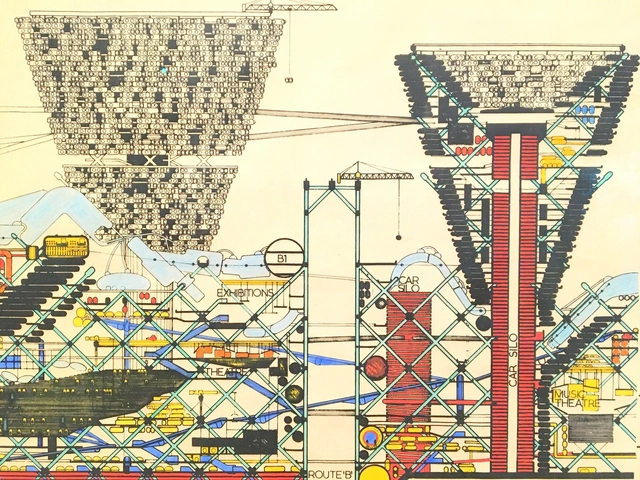
In 1959, the same year as the final CIAM meeting, Japanese architects like Kenzō Tange, Kishō Kurokawa —the designer of the Nakagin Capsule Tower—, and Kiyonori Kikutake began to explore new approaches to urban design and architecture, known as the Metabolist movement. This exploration was particularly significant in the context of Tokyo's rapid repopulation after the war and the scarcity of resources for reconstruction. Innovative concepts such as Marine City, The City in the Air, and the 1960 plan for Tokyo emerged, which proposed the city as a constantly evolving organism and emphasized the relationship between humans and their built environment. These ideas shaped the concept of "megacities" and reflected Japan's creative response to its challenging postwar situation.

Kenzo Tange’s famous Kagawa National Gymnasium in Japan Set to be Demolished

Local governor Toyohito Ikeda of Takamatsu, in Japan, announced that the famous Kagawa Gymnasium will be demolished. Built between 1961 and 1964 by the Pritzker Prize winner Kenzo Tange, the structure is a landmark of the modernist post-war era in Japan. This news has sparked the creation of a petition in an effort to save this 47-year-old monument.

Kenzo Tange’s famous Kagawa National Gymnasium in Japan Set to be Demolished - Image 1 of 4Kenzo Tange’s famous Kagawa National Gymnasium in Japan Set to be Demolished - Image 2 of 4Kenzo Tange’s famous Kagawa National Gymnasium in Japan Set to be Demolished - Image 5 of 4Kenzo Tange’s famous Kagawa National Gymnasium in Japan Set to be Demolished - Image 3 of 4Kenzo Tange’s famous Kagawa National Gymnasium in Japan Set to be Demolished - More Images+ 1

“I Followed My Father’s Advice and Did Not Design a House for My Family” in Conversation With Paul Tange

In the following interview with Paul Tange, the chairman and senior principal architect at Tange Associates in Tokyo, we discussed the relationship with his famous architect-father Kenzo Tange (1913-2005; the most influential architect in postwar Japan and the winner of the 1987 Pritzker Prize), the fate of the house Tange senior built for his first family, the decision of joining his father’s practice right after graduation from Harvard, sharing his father’s design principles, and the vision behind his first independent built work – a 50-story Mode Gakuen Cocoon Tower in Tokyo, a vertical campus that can accommodate up to 10,000 students; the project won an international competition, in which 50 international architects participated.

“I Followed My Father’s Advice and Did Not Design a House for My Family” in Conversation With Paul Tange - Image 1 of 4“I Followed My Father’s Advice and Did Not Design a House for My Family” in Conversation With Paul Tange - Image 2 of 4“I Followed My Father’s Advice and Did Not Design a House for My Family” in Conversation With Paul Tange - Image 3 of 4“I Followed My Father’s Advice and Did Not Design a House for My Family” in Conversation With Paul Tange - Image 4 of 4“I Followed My Father’s Advice and Did Not Design a House for My Family” in Conversation With Paul Tange - More Images+ 15