1. ArchDaily
  2. Cities

Cities: The Latest Architecture and News

Creating Cities for Tomorrow: The Future of Sustainable Construction

 | Sponsored Content

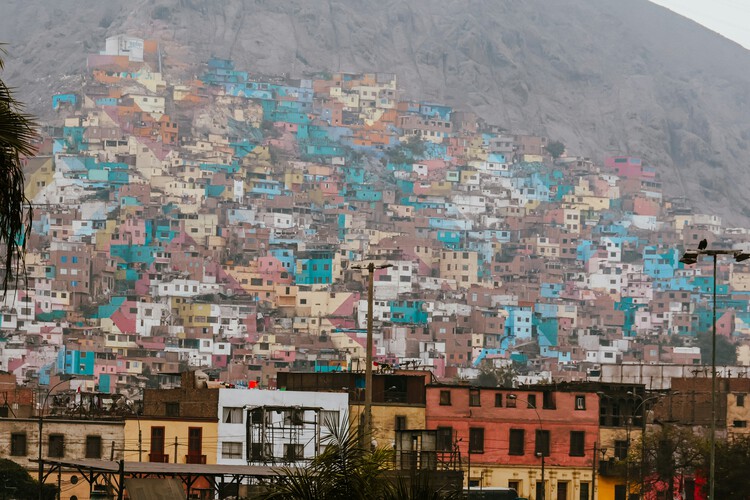
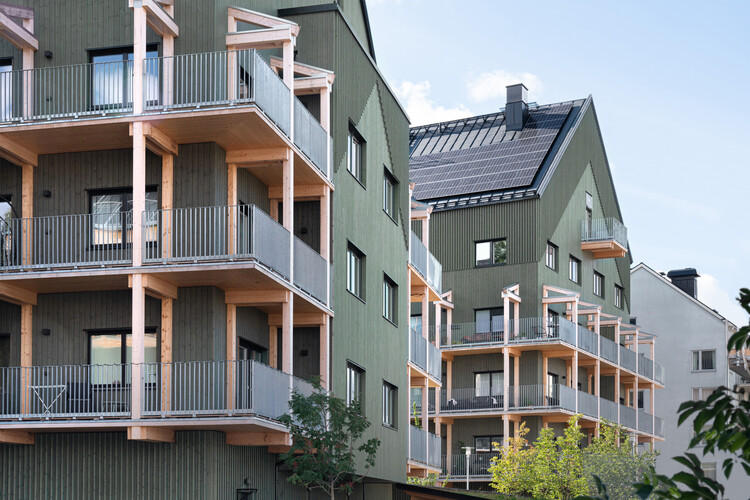
Rapid urbanization, driven by population growth, is among the powerful megatrends transforming how cities are built. The world is adding a city the size of Madrid every single week and will do so for decades to come. To meet this demand sustainably, a collaborative, systems-thinking approach to construction is needed.

Transforming Row Houses: Heritage and Modernity in Montreal’s Historical Neighborhoods

Subscriber Access | 

Montreal, the second largest city in Canada is home to a wide array of heritage residential architecture, most of it dating to the 19th and early 20th-century. These are particularly abundant in some of its central neighborhoods like the Plateau Mont-Royal. Interestingly, their preservation is not accidental; it is the result of decades of advocacy by influential figures who recognized the value of the city's built environment, such as Phyllis Lambert and Blanche Lemco Van Ginkel. Efforts like theirs were instrumental in landmark preservation battles that helped to ensure current municipal support. Today, the city has implemented a set of comprehensive heritage protection laws designed to safeguard the integrity of the city's historic neighborhoods.

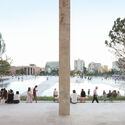
Transforming Row Houses: Heritage and Modernity in Montreal’s Historical Neighborhoods - Imagen 1 de 4Transforming Row Houses: Heritage and Modernity in Montreal’s Historical Neighborhoods - Imagen 2 de 4Transforming Row Houses: Heritage and Modernity in Montreal’s Historical Neighborhoods - Imagen 3 de 4Transforming Row Houses: Heritage and Modernity in Montreal’s Historical Neighborhoods - Imagen 4 de 4Transforming Row Houses: Heritage and Modernity in Montreal’s Historical Neighborhoods - More Images+ 8

The Cayala Paradox: How Are Private Districts Shaping Public Space Design in Guatemala?

Subscriber Access | 

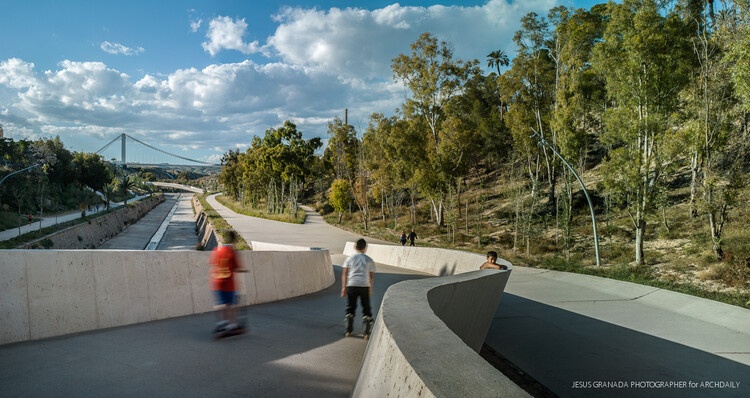
Ciudad Cayalá, a privately developed, mixed-use community on the outskirts of Guatemala City, is often described as a "theme park" of white lime-washed walls, red tiles, and cobbled plazas. A closer examination, however, reveals a more complex urban narrative. Its significance, however, lies in its capacity to create a safe and well-managed public space, proposing a modern reinterpretation of historic urban principles that mark the region's architectural and urban heritage. Behind the Antigua-style façades lies an urban experiment: a modern re-engagement with architectural elements like arcades, courtyards, and open plazas, which propose a privately-managed public space as a solution to urban challenges in the region.

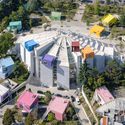
The Cayala Paradox: How Are Private Districts Shaping Public Space Design in Guatemala? - Imagen 2 de 4The Cayala Paradox: How Are Private Districts Shaping Public Space Design in Guatemala? - Imagen 1 de 4The Cayala Paradox: How Are Private Districts Shaping Public Space Design in Guatemala? - Imagen 3 de 4The Cayala Paradox: How Are Private Districts Shaping Public Space Design in Guatemala? - Imagen 6 de 4The Cayala Paradox: How Are Private Districts Shaping Public Space Design in Guatemala? - More Images+ 5

“It Takes a Lifetime to Build a City”: In Conversation With Mads Birgens From Cobe Architects

Subscriber Access | 

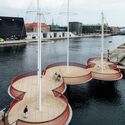
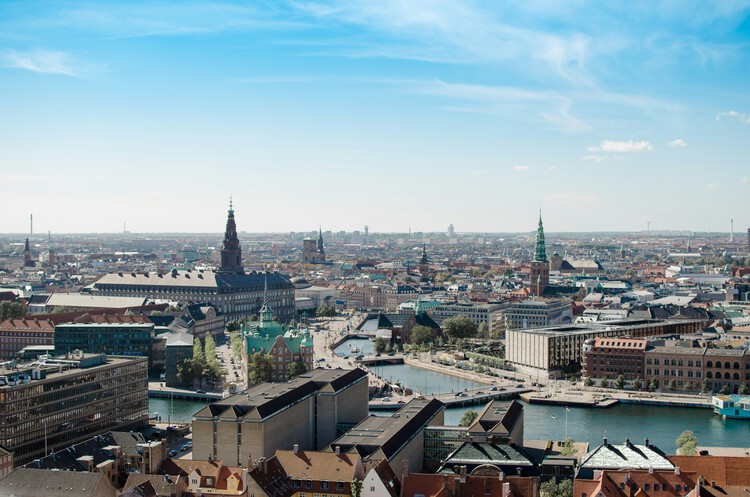
Founded in 2006 in Copenhagen, Cobe Architects has become known for its focus on public life, urban transformation, and strategic master planning. From cultural buildings and public spaces to large-scale urban developments, the office has played a central role in shaping Copenhagen's contemporary identity, particularly through its work on harbor regeneration. Among these, the Nordhavn master plan stands out as one of Europe's most ambitious waterfront redevelopments. During the Copenhagen Architecture Biennial, ArchDaily's Editor-in-Chief, Christele Harrouk, met with Mads Birgens, Head of Urbanism at Cobe, at the firm's office in Nordhavn. In the conversation, Birgens reflected on the evolution of the project since the office first won the open international competition in 2008, and on the broader lessons of designing cities for proximity, diversity, and long-term adaptability.

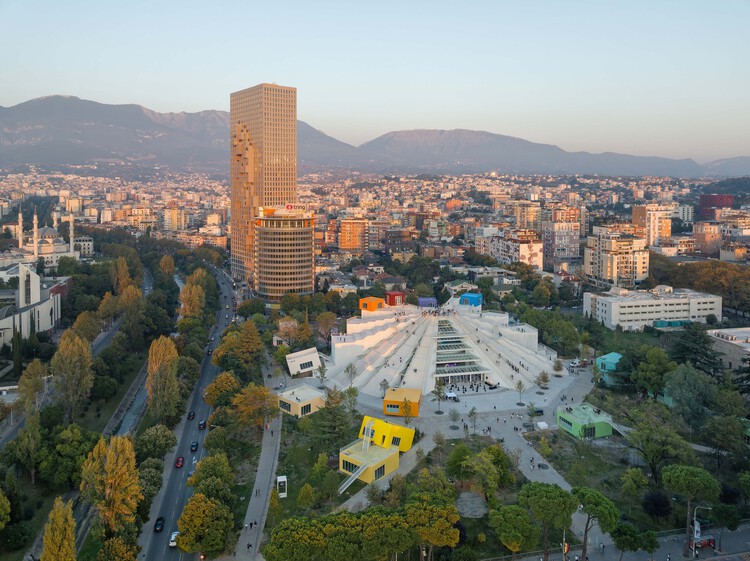
“It Takes a Lifetime to Build a City”: In Conversation With Mads Birgens From Cobe Architects - Image 1 of 4“It Takes a Lifetime to Build a City”: In Conversation With Mads Birgens From Cobe Architects - Image 2 of 4“It Takes a Lifetime to Build a City”: In Conversation With Mads Birgens From Cobe Architects - Image 3 of 4“It Takes a Lifetime to Build a City”: In Conversation With Mads Birgens From Cobe Architects - Image 4 of 4“It Takes a Lifetime to Build a City”: In Conversation With Mads Birgens From Cobe Architects - More Images+ 6

A Model for Community-Led Heritage Preservation: Esna's Aga Khan Award-Winning Revitalisation

Subscriber Access | 

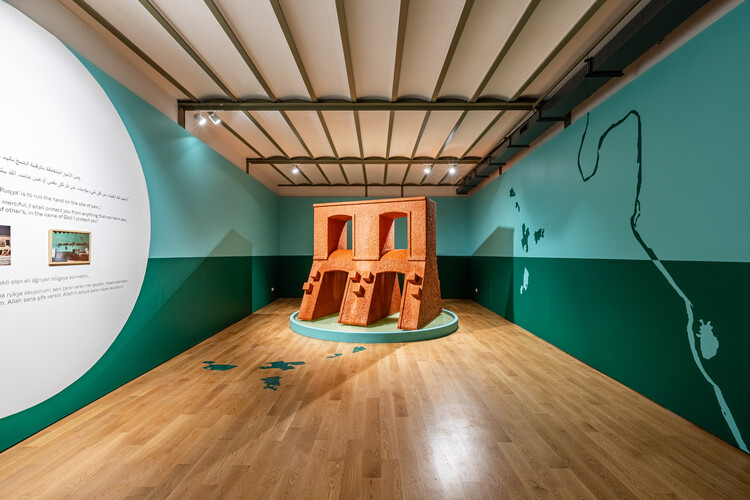
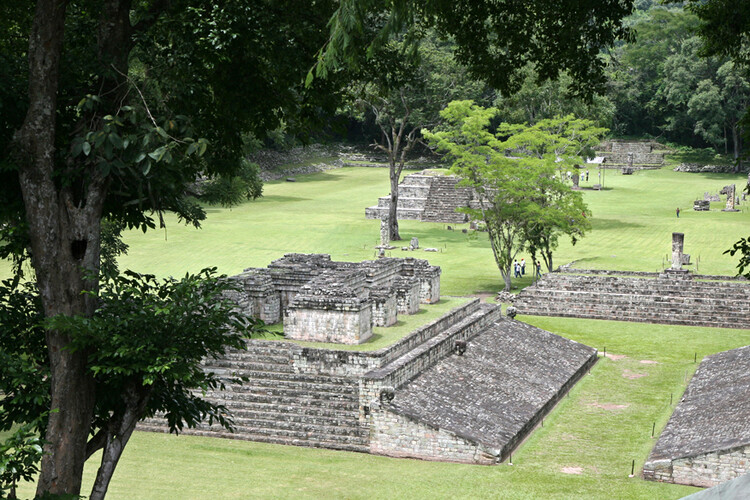
Among the seven winners of this year's 16th Aga Khan Award for Architecture was the Revitalisation of Historic Esna in southern Egypt. Led by the Cairo-based firm Takween, the project was far more than a simple restoration. It was a comprehensive renewal effort that combined deep community engagement with the preservation of both tangible and intangible heritage. By creating thousands of jobs and restoring the historic center, the initiative offered a powerful alternative to demolition. The Aga Khan Trust lauded it as a 'replicable model for sustainable development'.

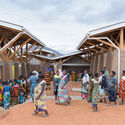
A Model for Community-Led Heritage Preservation: Esna's Aga Khan Award-Winning Revitalisation - Image 1 of 4A Model for Community-Led Heritage Preservation: Esna's Aga Khan Award-Winning Revitalisation - Image 2 of 4A Model for Community-Led Heritage Preservation: Esna's Aga Khan Award-Winning Revitalisation - Image 3 of 4A Model for Community-Led Heritage Preservation: Esna's Aga Khan Award-Winning Revitalisation - Image 4 of 4A Model for Community-Led Heritage Preservation: Esna's Aga Khan Award-Winning Revitalisation - More Images+ 14