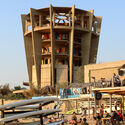
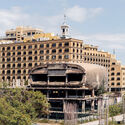
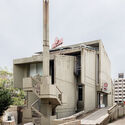
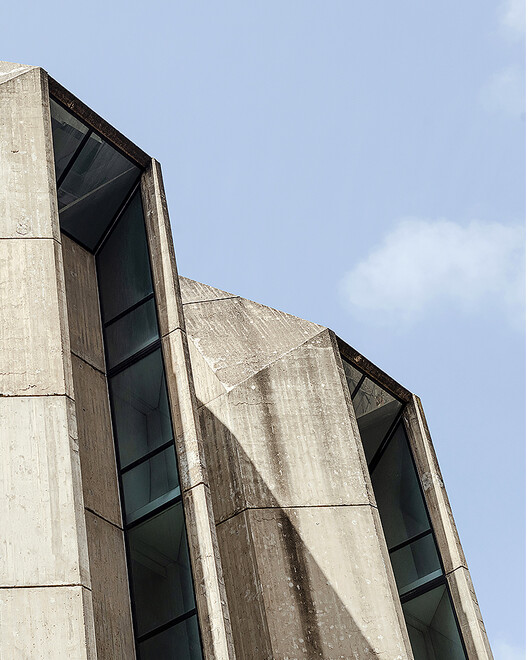
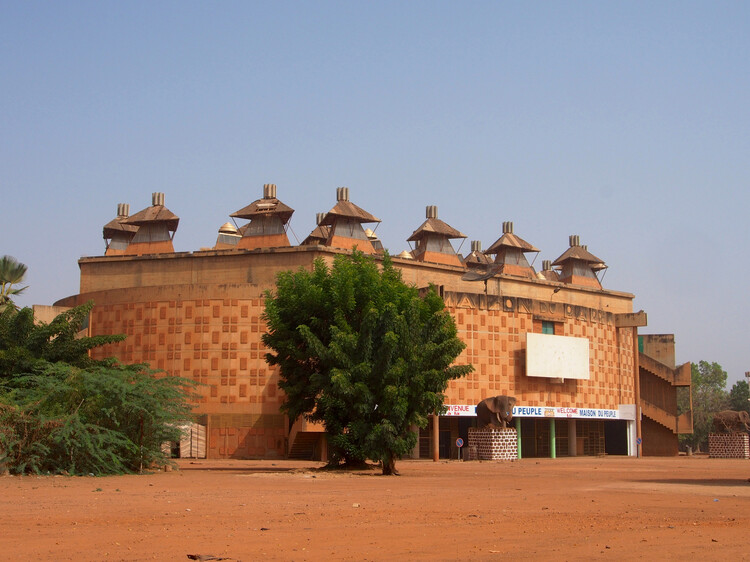
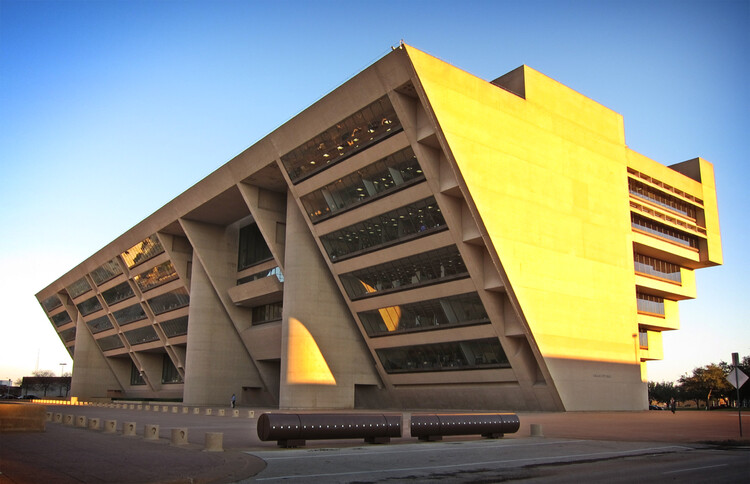
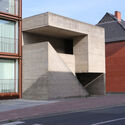
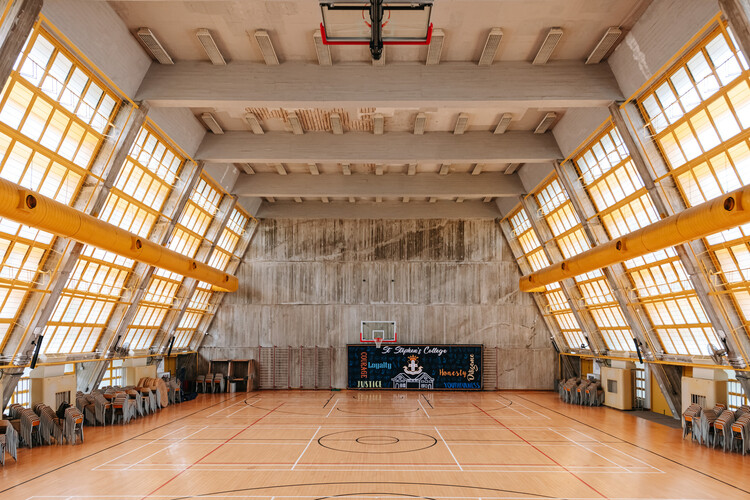
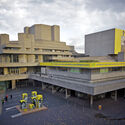
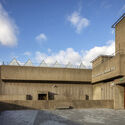
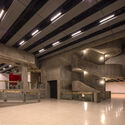
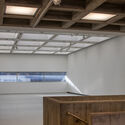
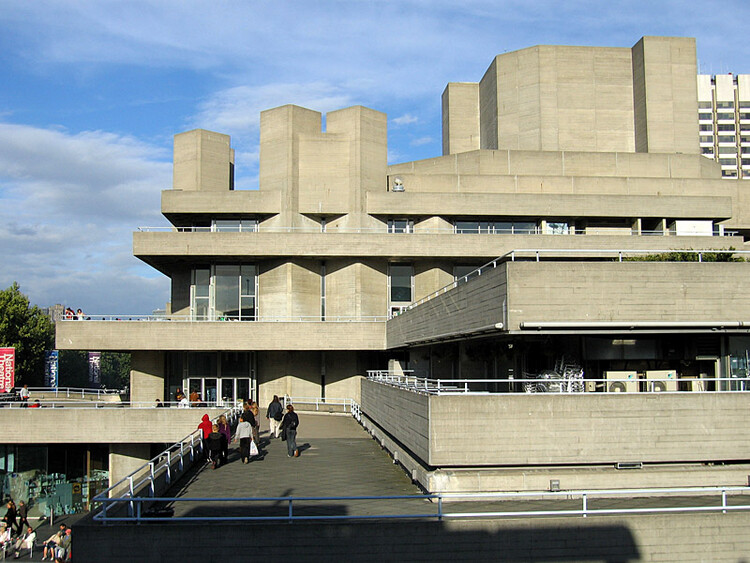
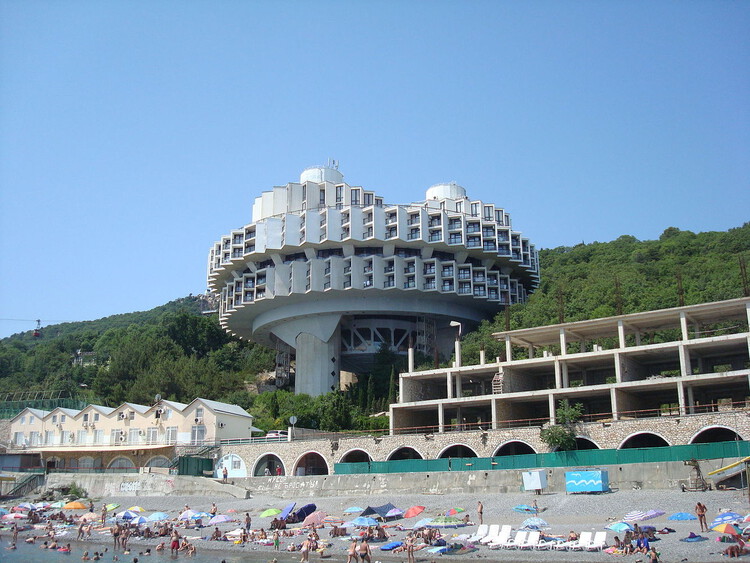
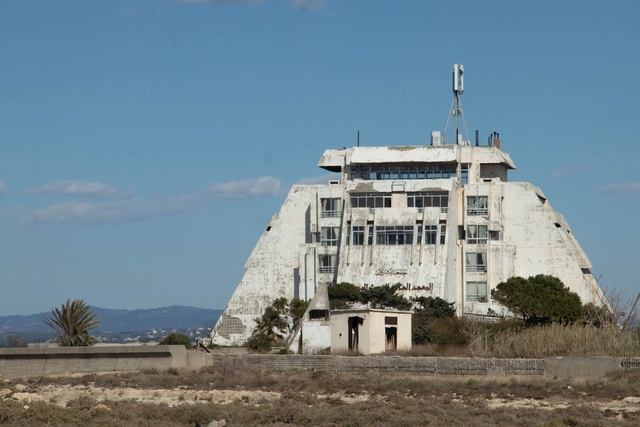
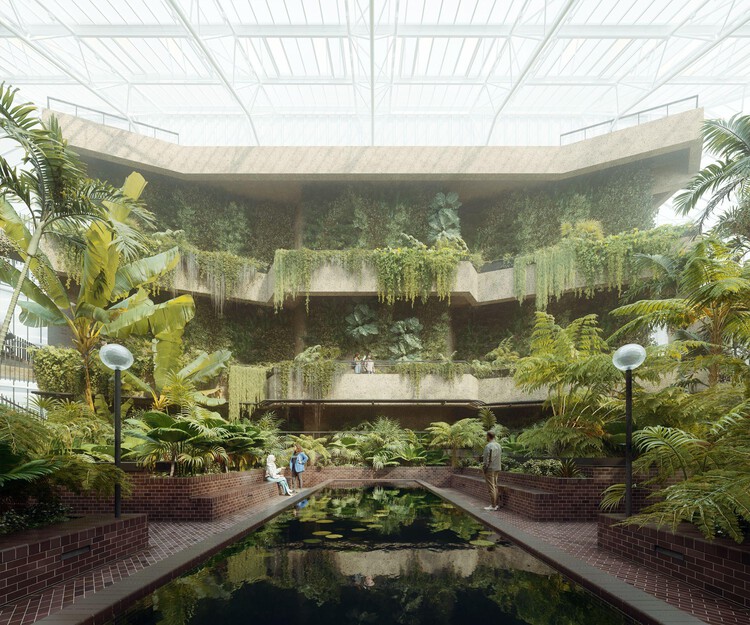
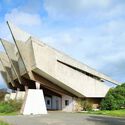
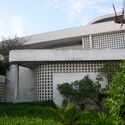
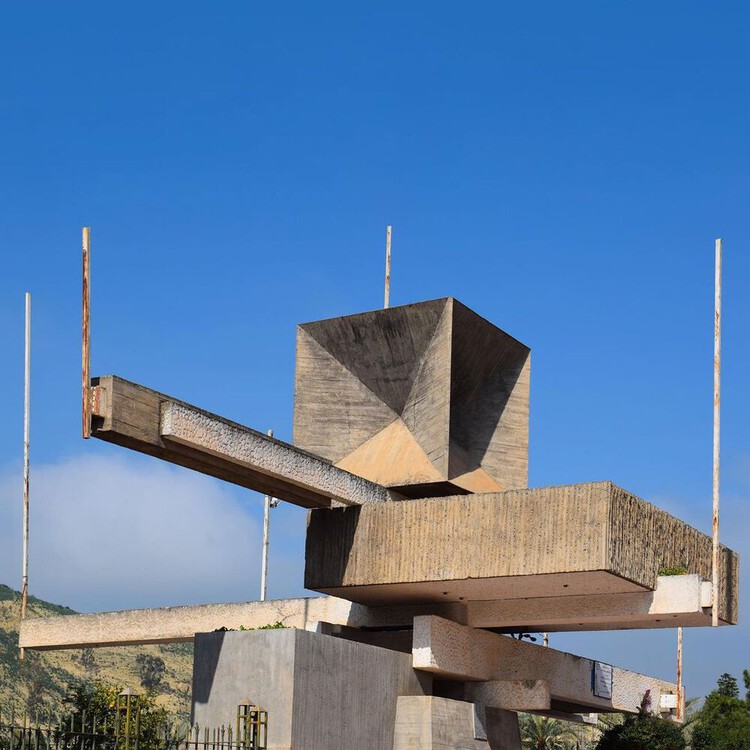
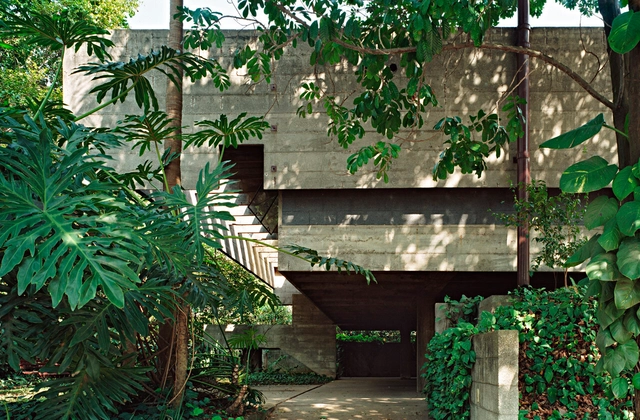
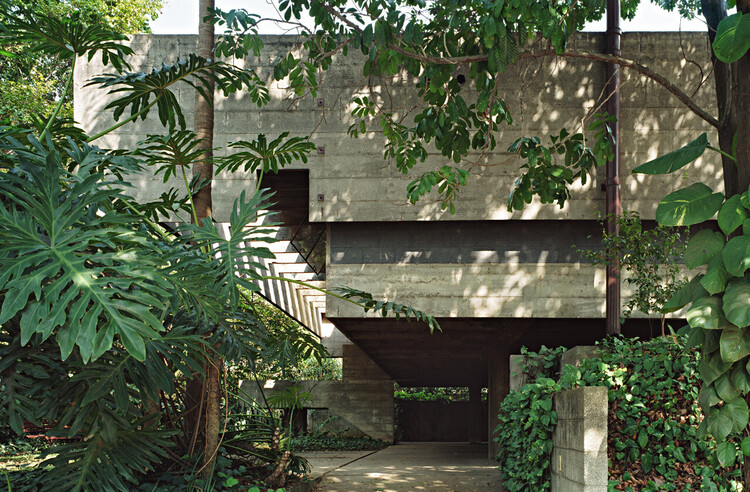
The history of Brutalism has largely been written from a Western perspective. Brutalist Asia by Blue Crow Media offers a different view, examining how architects across Asia adopted, questioned, and transformed the architectural language associated with the movement in response to radically different political, climatic, and cultural conditions. Spanning 28 countries, from Japan and Southeast Asia through South and Central Asia to the Middle East, Iran, and Lebanon, the book brings together 140 buildings and more than 150 photographs, placing internationally recognized works by architects including Kenzo Tange, Paul Rudolph, Balkrishna V. Doshi, Raj Rewal, Charles Correa, Kim Swoo Geun, Leandro V. Locsin, and Le Corbusier alongside important but lesser-known works that expand our understanding of post-war architecture across the continent.
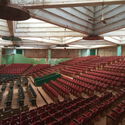
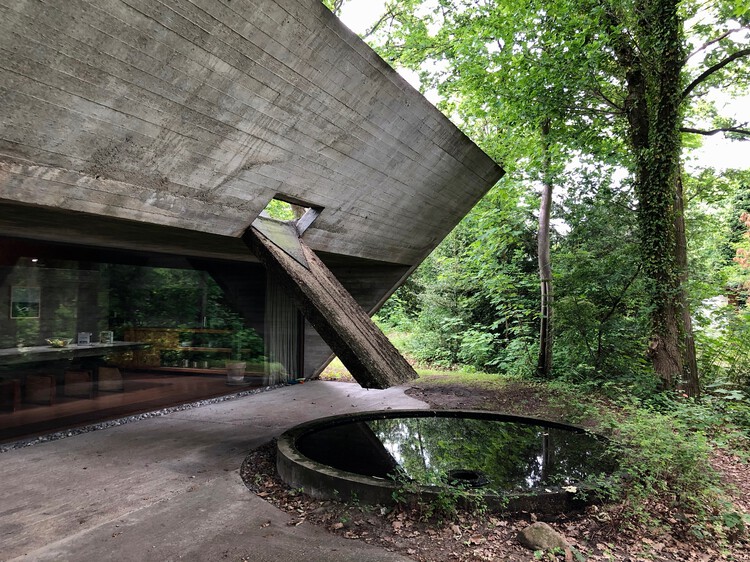
Within this broader geography, one particular history unfolds in Lebanon, where the ambitions of Modernism became inseparable from a country undergoing profound social, political, and urban transformation. Read on for an excerpt from ArchDaily Editor-in-Chief Christele Harrouk's chapter in Brutalist Asia, tracing the rise of Brutalism in Lebanon, the architects and buildings that gave it a particular local expression, and the rupture that left this Modernist project unfinished.