Architecture is being reshaped by artificial intelligence, climate change, and shifting social structures. At SCI-Arc, students learn to face these challenges head-on, using design to shape a rapidly changing world.
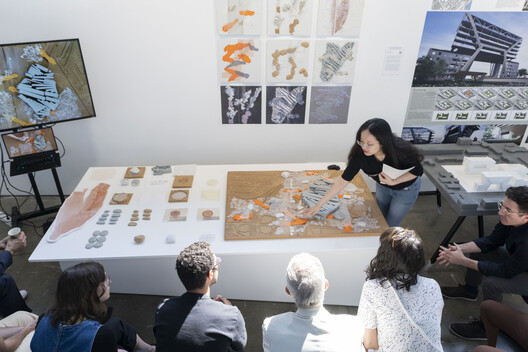
This fall, SCI-Arc's upper-level Vertical Studios bring the world into the studio. Each is led by a practicing architect working at the forefront of the field—from experimental fabrication to urban and environmental design. Drawing on real projects and professional experience, faculty challenge students to engage with the realities of the present and to design with precision, empathy, and imagination.
Behind layers of plaster, paint, and finishes lies an intricate network of pipes, electrical conduits, beams, and other structural elements that make a building function and stand, yet remain invisible to the everyday eye. Within these layers, traces of different periods accumulate: replaced systems, improvised adaptations, and technical solutions that once responded to specific contexts and urgencies. In adaptive reuse, the greatest challenge often begins before construction even starts, which is understanding what lies within when little or no reliable documentation exists. During a renovation, pleasant or unpleasant surprises are inevitable. The unexpected is part of the process, but it also represents cost, delay, and risk factors that often discourage investors and professionals from engaging in this type of project.
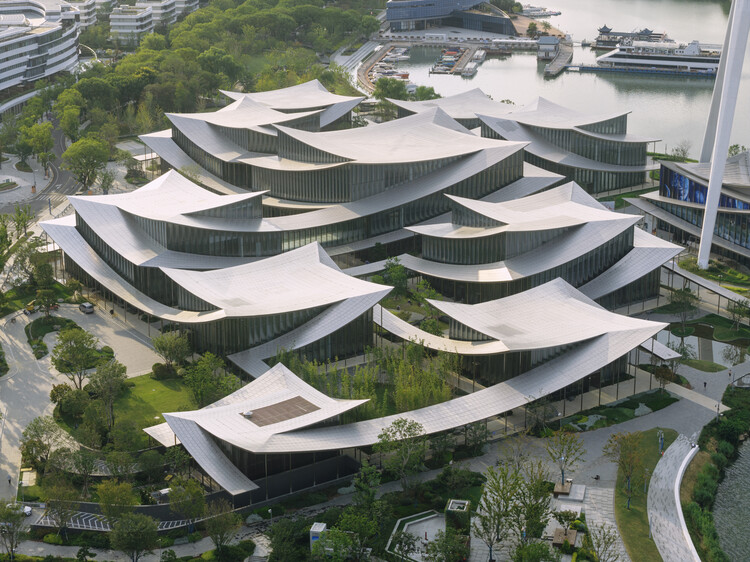
The Suzhou Museum of Contemporary Art (Suzhou MoCA), designed by BIG – Bjarke Ingels Group, is nearing completion along the Jinji Lake waterfront in Suzhou, China. Conceived as a cluster of twelve pavilions beneath a continuous, ribbon-like roof, the 60,000-square-meter complex reinterprets the traditional garden architecture that has long defined Suzhou's urban and cultural identity. Commissioned by the Suzhou Harmony Development Group and developed in collaboration with ARTS Group and Front Inc., the project is expected to open officially in 2026. The museum will debut with "Materialism," an exhibition curated by BIG that traces a material journey from stone to recyclate.
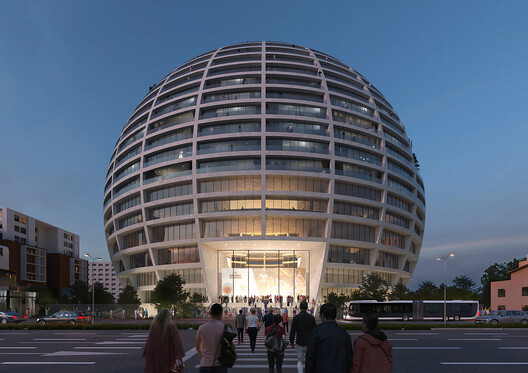
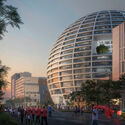
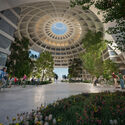
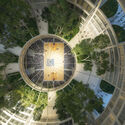
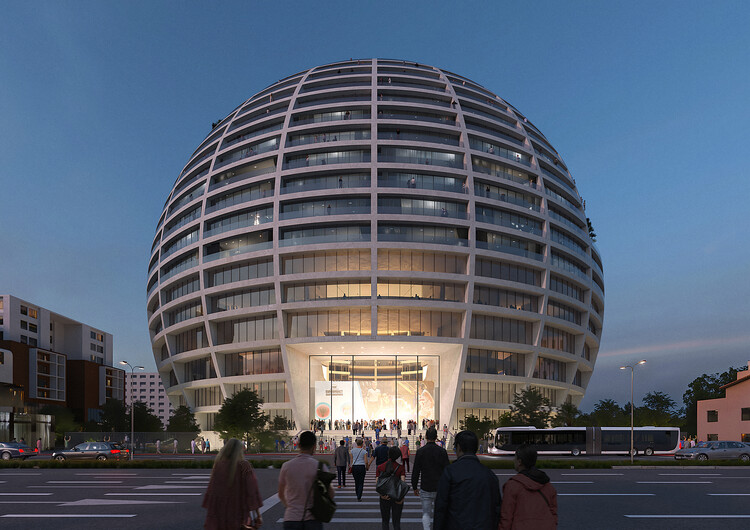
"The Grand Ballroom" Asllan Rusi sports palace project in Tirana, Albania by MVRDV. Image Courtesy of MVRDV
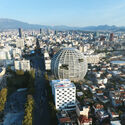
Tirana, the capital of Albania, is experiencing a rapid transformation driven by the long-term urban strategy outlined in the Tirana 2030 (TR030) Master Plan. Developed in 2017 by Stefano Boeri Architetti, UNLAB, and IND [Inter.National.Design] through a competition organized by the Ministry of Urban Development, the plan's objectives include increasing urban density, improving public infrastructure, and integrating green spaces and open areas into the urban fabric. It is in this dynamic setting that MVRDV has won the international competition for Tirana's new Asllan Rusi Sports Palace. Conceived as a mixed-use development, the project, named The Grand Ballroom, combines a 6,000-seat arena for basketball and volleyball with residential apartments, a hotel, and ground-level retail. With its spherical form exceeding 100 metres in diameter, the design adds a distinctive landmark to Tirana's growing collection of ambitious architectural projects.
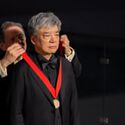
The Pritzker Architecture Prize has released a special video honoring Liu Jiakun, the 54th Laureate of the award. Filmed at the Louvre Abu Dhabi, the ceremony celebrates Liu's architectural vision, characterized by a deep engagement with civic life, cultural continuity, and the human condition. The film captures moments from the event and offers insight into Liu's broader practice, emphasizing architecture's capacity to reconcile tradition and modernity while addressing social and environmental challenges. The release of the ceremony video marks the culmination of the 47th edition of the Pritzker Architecture Prize. The 2026 Laureate will be announced in March, continuing the award's legacy of recognizing architects whose work advances the discipline and its role in shaping human experience.
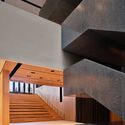
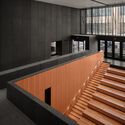
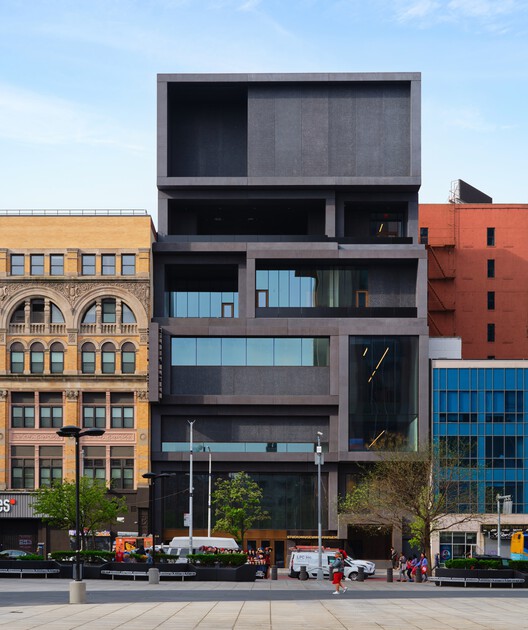
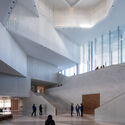
The Studio Museum in Harlem is preparing to open its new purpose-built home to the public on November 15 with a Community Day celebration. Designed by Adjaye Associates in collaboration with Cooper Robertson, the seven-story, 82,000-square-foot building is located on West 125th Street in Harlem, New York City. Serving as a major institution dedicated to artists of African descent, the museum's new facility marks the first structure in its fifty-seven-year history conceived specifically for its mission. The opening signals a new chapter for the museum's engagement with art, education, and the local community through expanded spatial and programmatic capacities.
About a month after the closing of Expo 2025 Osaka, the designs and constructions presented at the world's fair remain as a legacy. While the Bahrain Pavilion, designed by Lina Ghotmeh Architecture, drew particular attention this year for receiving double recognition, it was one among many awarded projects. During the awards ceremony held on the penultimate night of the event, a total of 45 awards were presented among 165 participating countries. The Official Participant Awards are granted according to pavilion size and type, recognizing excellence in Architecture and Landscape (for self-built pavilions only), External Design (for module pavilions only), Exhibition Design, Theme Development, and Sustainability. The recipients were selected by an international jury of nine experts who visited all national and thematic pavilions during two evaluation sessions in May and October 2025. The following overview presents all 45 pavilions distinguished in the five categories of the Official Participant Awards.
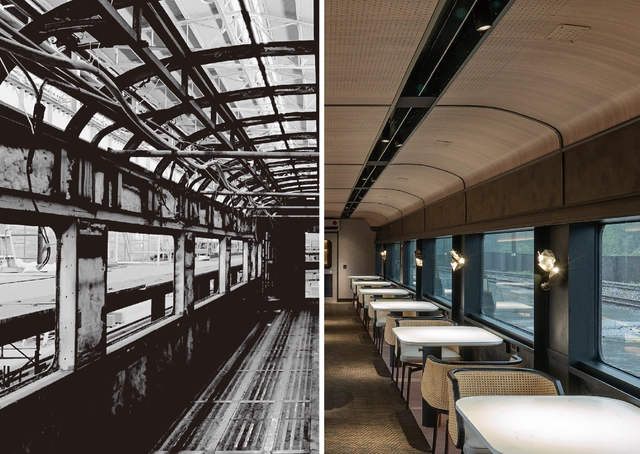
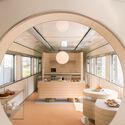
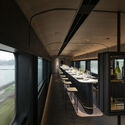
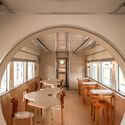
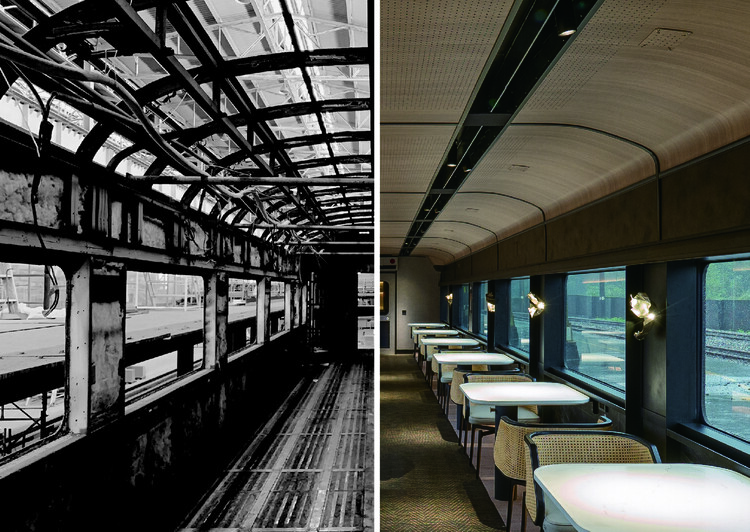
Faced with the combined forces of population growth, economic prosperity, and urban expansion, cities are witnessing a significant rise in the movement of people and goods—mirroring the evolution of diverse mobility systems within urban environments. As technologies advance and modes of transport evolve, the adaptive reuse of train carriages, airplane cabins, and other service infrastructures reveals opportunities to explore their creative potential. Materials, technologies, and design tools converge around a shared goal: refurbishing and repurposing disused structures to give them new life.
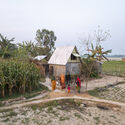
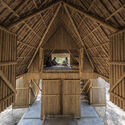
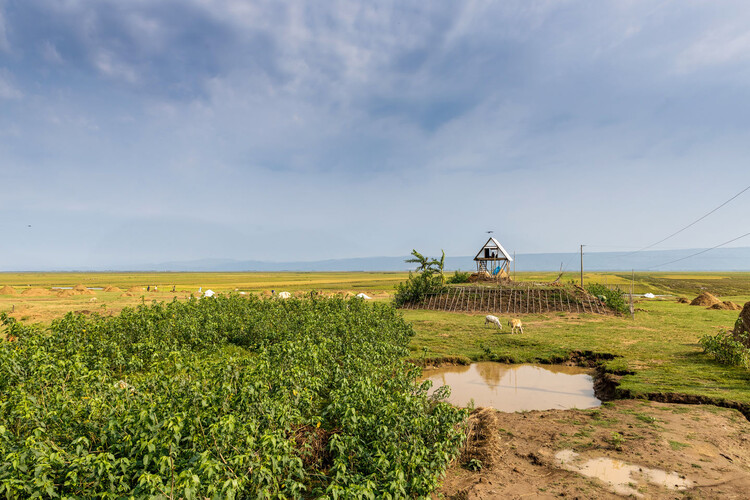
In the low-lying deltas of Bangladesh, water defines both life and loss. Every year, millions are forced to rebuild after floods wash away their homes, crops, and livelihoods. In these precarious territories, the act of building has become an act of resilience. It is here that Khudi Bari emerges as a modest yet radical proposal. Designed by Marina Tabassum Architects, the project provides a lightweight, modular, and affordable dwelling for communities displaced by climate change. Recognized as one of the winners of the 2025 Aga Khan Award for Architecture, it represents a form of architecture that empowers rather than imposes.
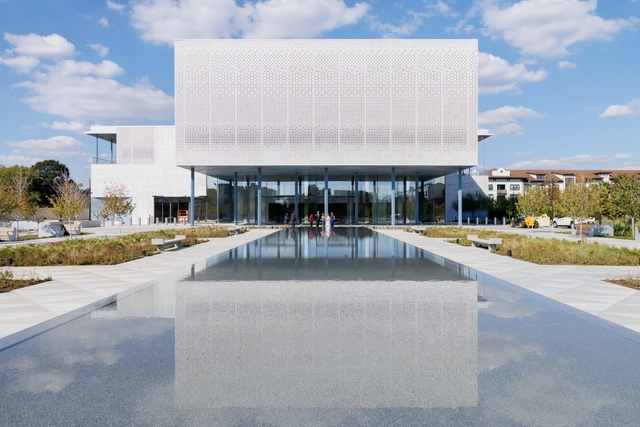
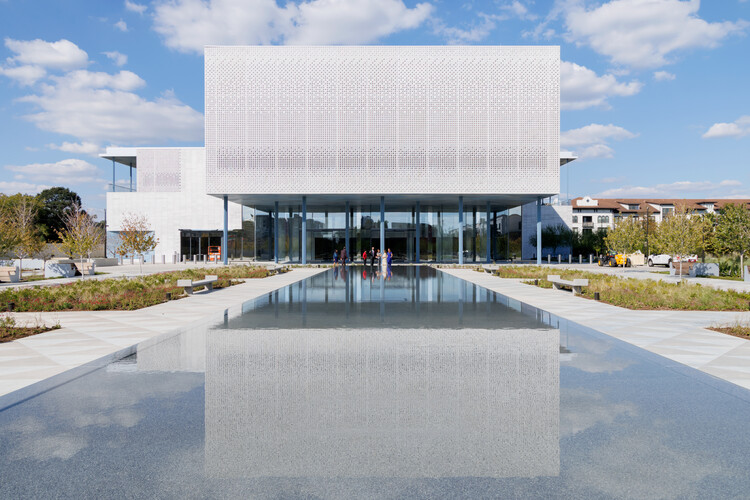
The Ismaili Center in Houston, the first of its kind in the United States, was inaugurated on November 6, 2025, by Mayor John Whitmire. Designed by Farshid Moussavi Architecture and Nelson Byrd Woltz Landscape Architects, the 11-acre site overlooking Buffalo Bayou Park establishes a new architectural and cultural landmark within Houston's urban and social landscape. Located at the intersection of Allen Parkway and Montrose Boulevard, the Center builds upon a vision first outlined by His Highness Prince Karim Aga Khan IV in 2006 and later developed under the direction of his successor. Joining six existing Ismaili Centers worldwide, in London, Vancouver, Lisbon, Dubai, Dushanbe, and Toronto, the Houston Center aims to continue a global tradition of fostering intercultural dialogue and civic engagement.
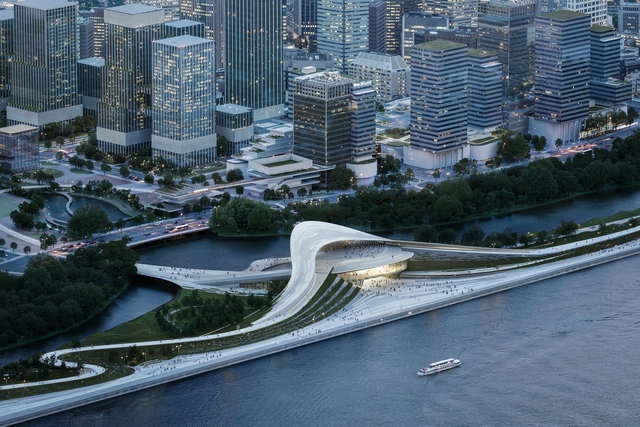
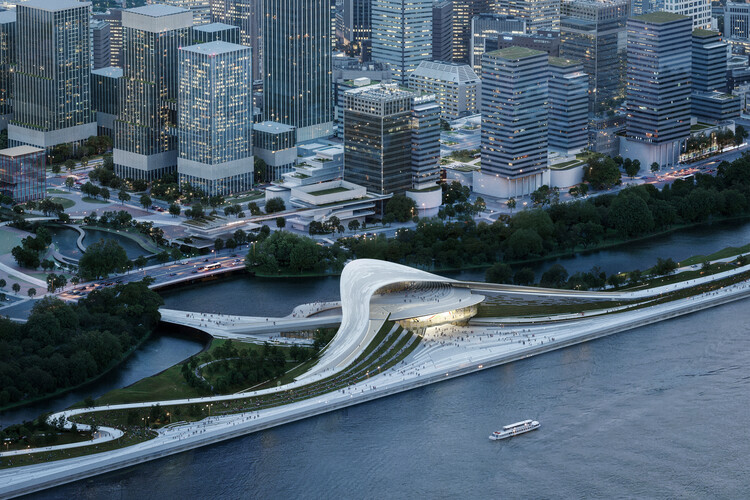
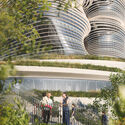
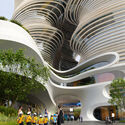
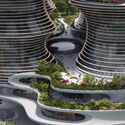
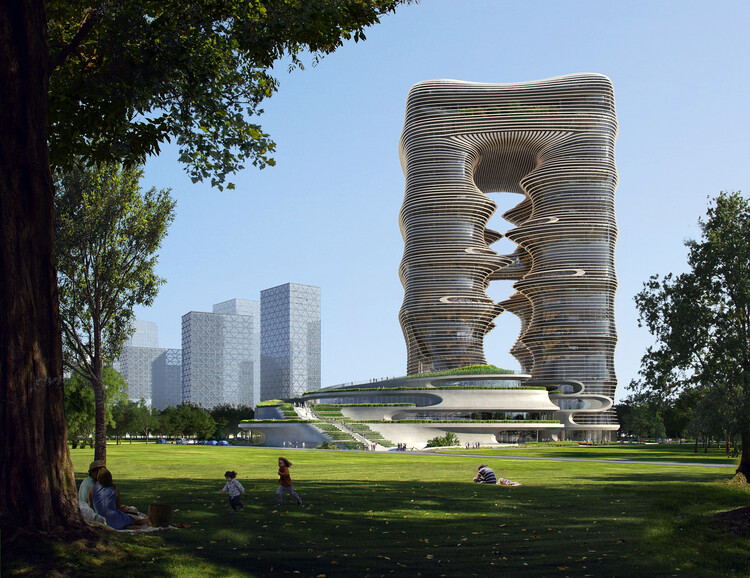
Qiantang Bay Art Museum design by Snøhetta. Render. Image Courtesy of Snøhetta
Snøhetta has been selected to design the Qiantang Bay Art Museum, a new cultural landmark within the Qiantang Bay Future Headquarters development in Xiaoshan District, Hangzhou, China. Conceived in collaboration with the Architectural Design & Research Institute of Zhejiang University Co., Ltd. and Buro Happold, the project encompasses architecture, landscape architecture, and interior design over 18,000 square meters. The museum will form part of Hangzhou's expanding downtown area along the Qiantang River, serving as an important destination for art, culture, and public life.
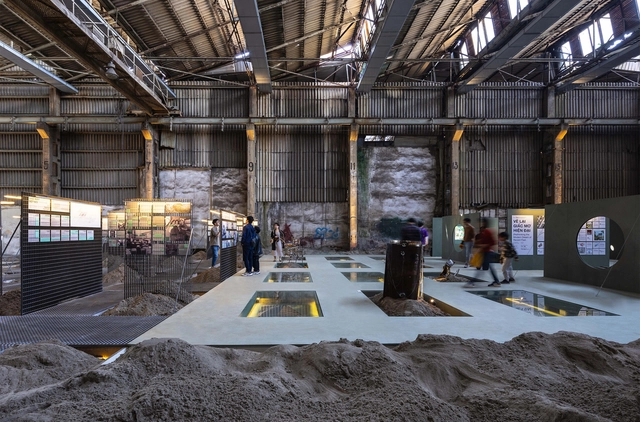
This week's architectural highlights traced the intersections between heritage, climate awareness, and contemporary design practice. As the 19th Venice Architecture Biennale approaches its closing, projects exploring collective intelligence and material experimentation offer reflections on small-scale responses to global challenges. In Egypt, the completion of the Grand Egyptian Museum marks a long-anticipated moment in cultural preservation, while new competition initiatives in Jordan extend this dialogue toward sacred and archaeological contexts. Complementing these developments, the recognition of Abdelwahed El-Wakil with the Tamayouz Lifetime Achievement Award highlights the continued influence of tradition-informed design across contemporary practice.
Chimneys are among the most quietly persistent elements in architectural history. Yet their presence persists in nearly every cultural and climatic context, serving as a technical feature and a spatial, atmospheric, and symbolic device. It populates dense city skylines and anchors rural horizons alike, its vertical silhouette as ordinary as a window or a doorframe. This apparent ordinariness is deceptive. The chimney is one of the few architectural components that links the intimate scale of interior life with the expansive forces of the environment. For architects and designers, the necessity of the chimney presents a choice: to let it recede quietly into the building's functional fabric or to amplify it as a central, expressive element that shapes a project's identity.
Dedicated to high-end lighting specification, the UK's trade show LiGHT 25 will return to the Business Design Center in Islington, London, on November 19–20, 2025. Following LiGHT 24, which attracted more than 5,500 visitors, this year's edition will feature an expanded program of innovation, education, and networking opportunities. Key highlights for 2025 include the introduction of the Technical Zone, the return of the Associations Lounge, and a new large-scale immersive light art installation.
Construction of Zaha Hadid Architects' Yidan Center in Shenzhen, China, has reached full height. The new landmark will serve as the headquarters of the Chen Yidan Foundation and the Yidan Prize, organizations dedicated to promoting lifelong learning and innovation in education. The center will host facilities for academic research, cultural events, and exhibitions, supporting the foundation's mission to advance global education. Located adjacent to the Qianhai Museum, the Yidan Center helps define a new cultural quarter in China's third-most-populous city.
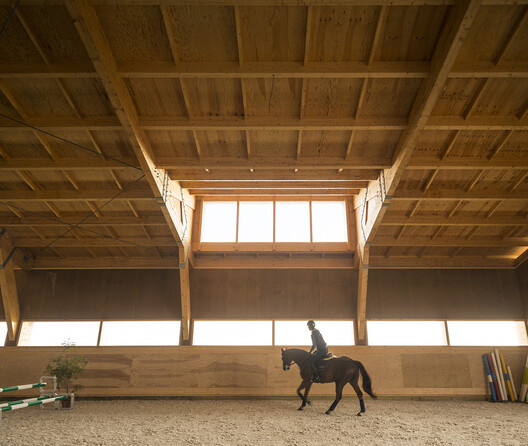
Few commissions allow architects to focus on non-human users, and fewer still involve horses. While domestic pets like cats and dogs are common muses, the particular needs of horses present a unique challenge when designing stables. Since the horses, who are the stable's primary inhabitants, cannot articulate their needs, design relies on the rigorous requirements dictated by human caretakers, requiring a balance between streamlined human operations and maximized horse comfort and safety. Architects often seem to address this through three core principles: Equine Comfort & Well-being, Contextual Materiality, and Operational Efficiency. Thus, the resulting layouts are characterized by rigorous zoning that clearly separates the programs into residential (stalls), service (tack, storage, wash, feed), and training spaces (arenas, walkers). The designs also address visual well-being: Horses are social animals, so they strategically position stables to promote sightlines between animals and to the exterior, often employing louvered or open-frame systems. Furthermore, lighting is kept diffuse using materials such as translucent panels to prevent sharp, stress-inducing shadows in arenas. Similarly, circulation paths are designed for the safe, efficient movement of both people and animals.
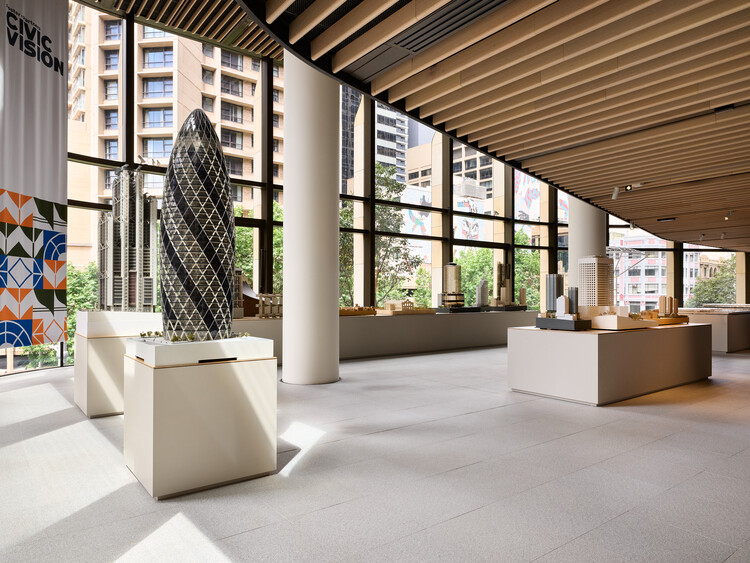
Foster + Partners has opened Civic Vision, the first comprehensive exhibition of the practice's work to be presented in Australia. On view until December 21, 2025, at Parkline Place, the firm's latest completed project in Sydney, developed by Investa on behalf of Oxford Properties Group and Mitsubishi Estate Asia, the exhibition offers an in-depth overview of Foster + Partners' global portfolio since its founding in 1967 by Norman Foster. It explores the evolution of the practice's design approach and its exploration of civic architecture across different contexts and scales.