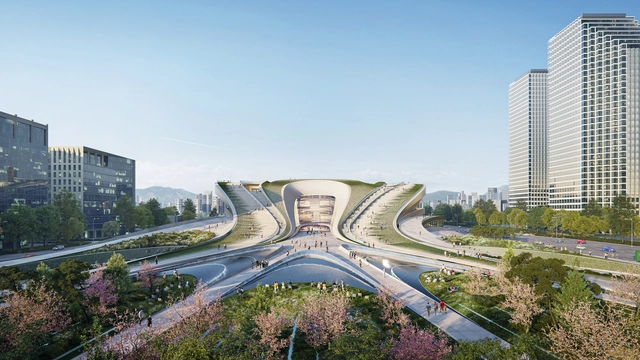
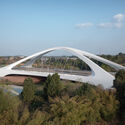
Courtesy of Tegmark | Sejong Cultural Center / ZHA
Zaha Hadid Architects has been shortlisted for their proposal for the 2ndSejongCultural Center. The proposal draws inspiration from the surrounding city’s lengthy history as well as future vision. Connecting Yeouido Park to the Han River, the 2ndSejong Cultural Center is embedded within the park's natural landscapes, aiming to become an integral part of the public function in the city within a natural setting, seamlessly connecting indoor and outdoor spaces.
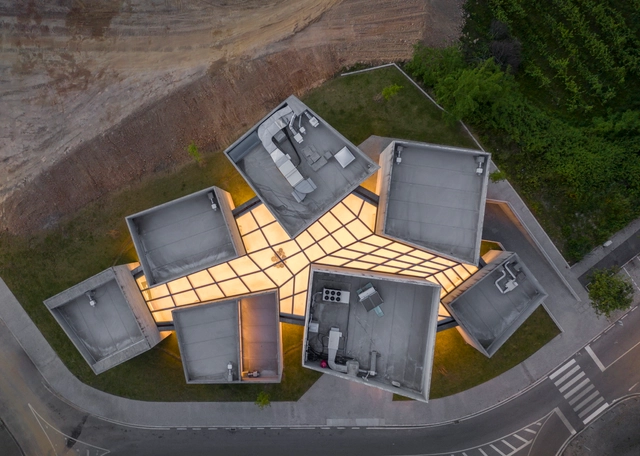
The experience of a space depends on various factors, including its size, lighting, views, temperature, and uniqueness. In essence, multiple architectural elements evoke emotions in individuals, both intentional and unintentional. For architects, alongside considerations like client preferences and project proposals, there exists a formal intention, an aesthetic aspect that aligns with the artistic dimension of their discipline. Striking the right balance between these aspects forms the foundation of architectural thinking. This commitment to balance guides the work of spaceworkers, a firm founded by Carla Duarte, who serves as the financial director, and creative directors Henrique Marques and Rui Dinis.
How can a building be more efficient? It is a concern that architects face on a daily basis, as they try to keep up with the demands of an industry that is increasingly aware of its environmental impact. Today more than ever, there is an effort to design buildings that integrate sustainability, efficiency and thermal comfort, which are fundamental pillars of a healthier built environment.
Having an effective solar control strategy is crucial to achieving a more efficient architecture. In addition to providing solar protection and economic savings, these strategies also carry benefits in terms of aesthetics, acoustics, thermal comfort, durability and maintenance.
How to design livable spaces, making the most of the available square meters? Currently, the design of housing in major urban centers is often linked to finding ways to optimize interior spaces, integrate environments for better lighting and ventilation, and establish a connection with the outdoors. According to the needs of its inhabitants, project requirements, and often construction costs, architecture professionals seek to provide flexibility, spaciousness, and adaptability to spaces through renovations, transformations, and more, which provide good living conditions and consider the possible changes that future generations may have to face.
For the 18th year, the International Architecture Awards has returned to celebrate outstanding architectural achievements globally. Based in Chicago, these awards feature exceptional new buildings, urban planning projects, and landscape architecture of 2023. Additionally, this month, the Chicago Architecture Biennial (CAB 5) is currently taking place in the city. Both the awards and the Biennial attempt to shed light on each country’s architectural, design, cultural, and social trends.
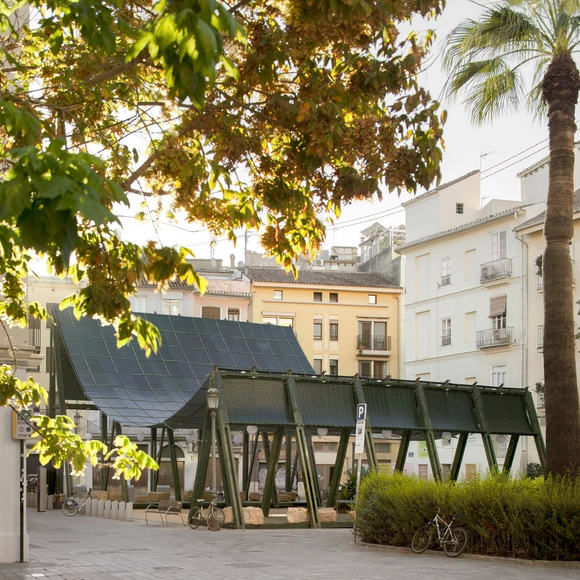
Until October 16, 2023, the second edition of TAC! Urban Architecture Festival will take place in the city of Valencia under the temporary Mediterranean pavilion designed by Manuel Bouzas. Located in the Plaza Músico López Chavarri in the Carmen neighborhood, the pavilion pays homage to vernacular architecture in response to the Mediterranean climate and the role of the Mediterranean shutter, a mechanism that for centuries provided an effective, simple, and lightweight solution for sun protection, allowing habitable spaces to adapt to climatic conditions.
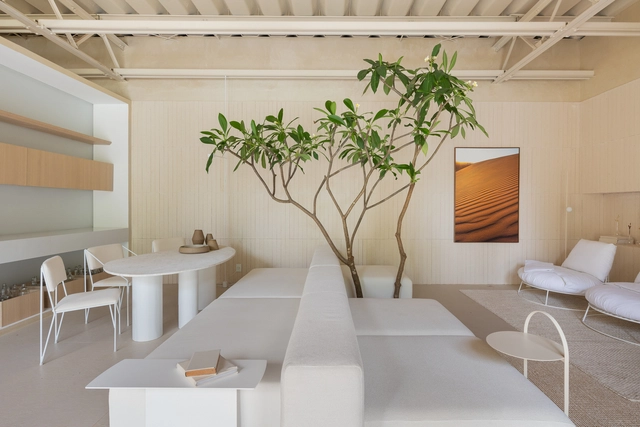
The history of 'neutral colors' is a fascinating journey through the evolution of human aesthetics and design sensibilities. Closely related to the makeup of materials organically found in nature, the color chorus of whites, grays, and earthy brown tones has played a pivotal role in artistic expression, fashion, interior design, and architecture for millenia. From the understated hues of early clay, straw, wood, or brick architectural structures to the now prevalent contemporary interior style, neutral colors have transcended cultural boundaries and continue to hold a special place in our visual landscape – offering a sophisticated elegance and versatility that has stood the test of time.
Exploring materiality, contextuality, and approach, our editors developed thought-provoking articles seeking to question and describe some of the aspects that make any Architecture, a good one.
Discover in this piece a selection of editorial writings that aim to answer this interrogation, grouped under the themes of cities, materials, history, context, and Interior Spaces. Moreover, find at the end an excerpt from the ArchDaily book.
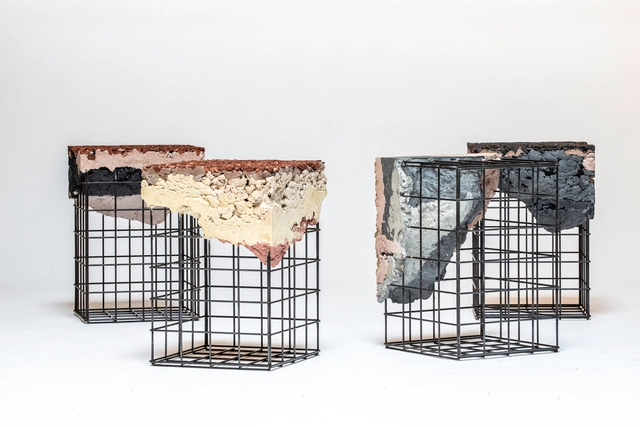
Irene Roca’s “Appropriating the grid” project is born out of the contemporary ruins of our current construction processes. An exploration of the waste that is generated and the legal complexities of discarding this waste awakened a sense of urgency and creativity in the architect, resulting in a collection that molds and re-formulates construction waste into versatile interior design objects.
https://www.archdaily.com/963957/materials-are-being-produced-according-to-fictitious-demand-in-conversation-with-irene-rocaDaniela Porto
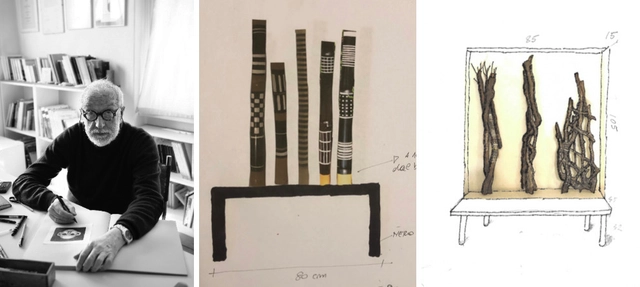
Italian Designer and architect Andrea Branzi passed away on October 9, 2023. Born in Florence in 1938, Branzi co-founded the world-renowned architecture studio Archizoon Associati. The studio also consisted of Gilberto Corretti, Paolo Deganello, and Massimo Morozzi, and then were joined by Dario and Lucia Bartolini. Andrea Branzi also played a significant role in establishing the iconic Domus Academy and served as a professor and chairman at the Politecnico di Milano’s School of Interior Design.
In today's fast-paced and highly connected urban environment, people are increasingly realizing the vital importance of nature in improving both our physical and emotional health. This awareness directly impacts the quality of the spaces where people reside. Discussions and studies on topics such as neuroarchitecture and biophilia are becoming more prominent in the field of modern architecture and interior design. These discussions prompt us to think critically about the deliberate and mindful selection of design elements that shape our shared living environments.
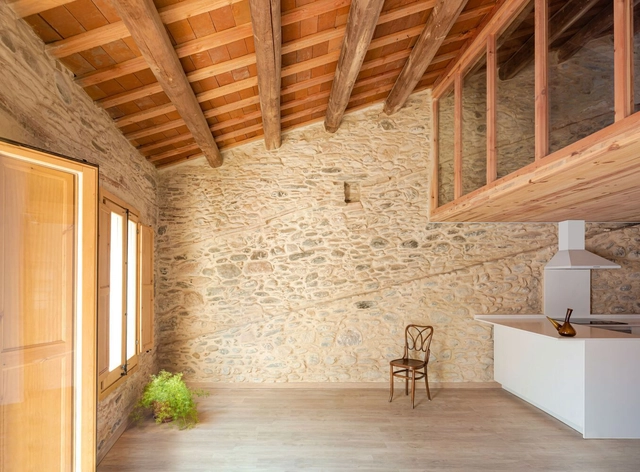
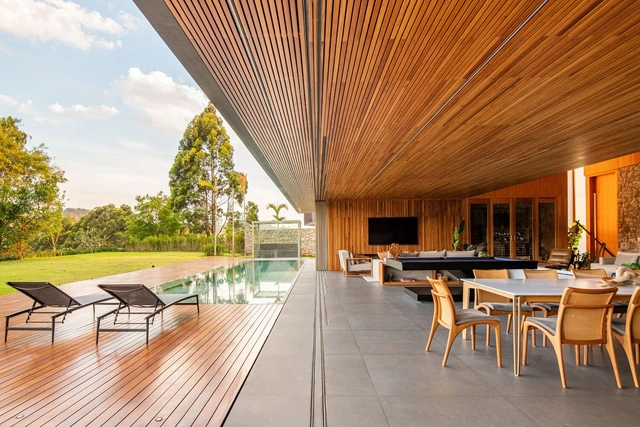
In this scenario, the use of materials such as wood, whether in residential, commercial, or corporate environments, has shown positive effects on how we feel and experience the spaces by eliciting a connection with the natural environment, reconfiguring the way we perceive our living and working spaces and how we are affected by them. By incorporating wooden elements, we can create places of greater tranquility that allow us to disconnect from the stress and busyness of urban life.
The priority when it comes to a building’s exterior surface material is durability. Having to literally stand up to the tolls of rainwater, wind, sunlight, temperature fluctuations, and many other weather conditions, we demand a lot of them. On the opposite side of the insulated coin, meanwhile, interior surfaces instead tend to prioritize their finish – with the characterful color, pattern, and texture of materials such as paints, ceramic tiles, or wood panels.
Traditionally, these two worlds, exterior and interior, never need to be met. Opposing requirements, it was thought, need opposing surfaces. But as our external and internal environments continue to collide into a singular typology of simply liveable space, more and more projects both large and small, commercial and private, are taking surface design inspiration from the outside world. Dragging the materials, themes, and the history of facades inside. Here are four recent projects from the Architonic Archive that do just that.
Eva Prats and Ricardo Flores started their Barcelona-based practice, Flores & Prats Arquitectes in 1998 after both worked at the office of Enric Miralles. They overlapped for about one year there, from 1993 to 1994. After her nine-year stint with Miralles, Eva won the EUROPAN III International Housing Competition with a friend. The success that led to a real commission and was going to be built, served as the springboard for starting their independent practice. Shortly thereafter they won another competition. Ricardo joined Eva after working for five years with Miralles. By then they were a couple for three years and decided to start working together. Today they practice out of the same sprawling apartment where Eva’s original studio rented a room along with several other young architects and designers. Even though the office now occupies the entire space—the architects told me they typically employ ten, no more than twelve people—they keep traces and memories of the former “dwellers” alive. Curiously, Eva and Ricardo implement the same strategy in their architectural projects as well.
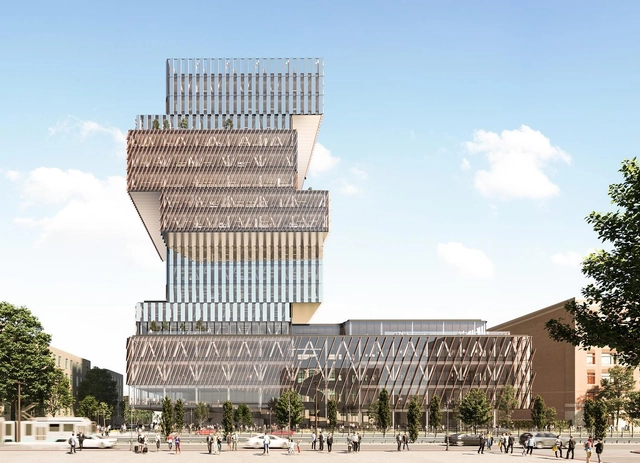
Center for Computing and Data Sciences, Boston University / KPMB Architects + Suffolk. Image Courtesy of KPMB Architects
Decarbonization of the building sector is no longer a choice but a necessity. As nations strive to curb their greenhouse gas emissions by 2050, it is increasingly clear that current building standards do not go far enough to drive tangible change. Achieving climate goals requires economies to advocate measures that drive carbon neutrality while managing associated costs effectively. How would net-zero performance strategies impact building costs?
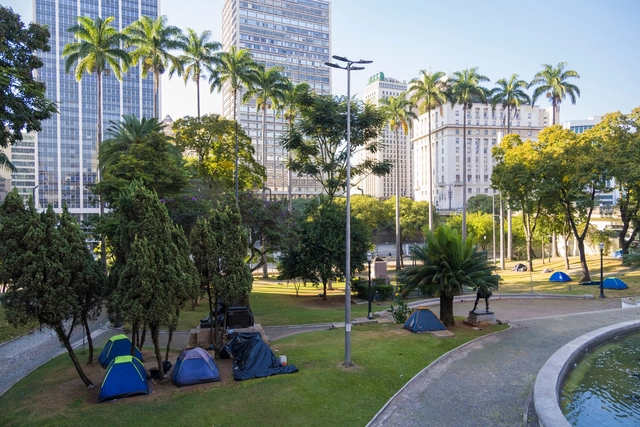
Architecture Without Borders Quebec (AWBQ) has made public the catalog of practices “Architecture + Homelessness: Inclusive Practices for a Supportive City.” The publication, publicly available in both English and French, is created to encourage architecture and design practices that have the potential to contribute to the well-being of people experiencing homelessness. The catalog is part of an ongoing research project initiated by AWBQ and supported by the Government of Quebec and the City of Montreal.
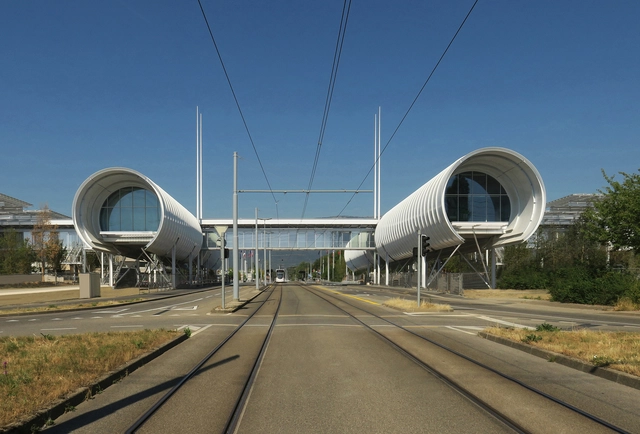
CERN, the European Organization for Nuclear Research, has started a new initiative known as the Science Gateway. The building was designed by Renzo Piano Building Workshop, architects in collaboration with Brodbeck Roulet Architectes Associés (Geneva). Reflecting the institution's broader mission, it encompasses the values of sharing knowledge, technology, and scientific inspiration with society. The Science Gateway is envisioned as an innovative facility dedicated to scientific education and outreach, aiming to catalyze curiosity and passion for science among younger generations. In his latest photo series, Paul Clemence photographed the CERN Science Gateway Building in Geneva, Switzerland.
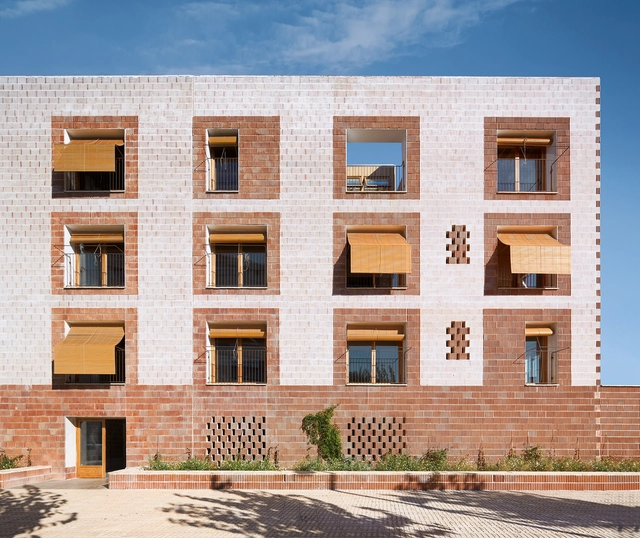
24 Viviendas de protección pública en Platja d’en Bossa / 08014 arquitectura. Adrià Guardiet Llotge, Sandra Torres Molina. Image Cortesía de BEAU
Under the motto "Me-dio Pla-zo," the XVI Spanish Biennial of Architecture and Urbanism (BEAU) inaugurated its exhibition at the Royal Artillery Factory in Seville, highlighting the future vision of architecture and urban planning. At the same time, all the awarded projects in the different categories of this edition involving Architectural Works, Research and Dissemination Works, and End of Career Projects were announced. Until November 20, 2023, the exhibition inspired by the concept of "boxes of time" will be available for visiting, aiming to explore the present as well as the medium-term ambitions of each work.
As we reflect on the unfolding of 2023, it has been a remarkable chapter in the world of architecture and design. This year saw the fruition of numerous groundbreaking projects that have left a mark on our collective built environment. This narrative takes place around a year of significance, with a renewed commitment to combat climate change, with dialogue initiated around world-renowned events such as the UIA World Congress of Architecture in Copenhagen or the 18th International Architecture Exhibition in Venice – La Biennale di Venezia.
This curated list includes projects that opened to the public in 2023. Each of them was designed and long-awaited to be completed. The featured architects include MVRDV, Zaha Hadid Architects,Snøhetta, Studio Gang, and OMA in collaboration with Shohei Shigematsu. Each of these firms is a unique design studio with its specific architectural style; while all these listed built projects are public and commercial.