1. ArchDaily
  2. ArchDaily x Open House

ArchDaily x Open House: The Latest Architecture and News

From Salt Factory to Art Museum: The Story Behind the Schaudepot in Essen, Germany

Subscriber Access | 

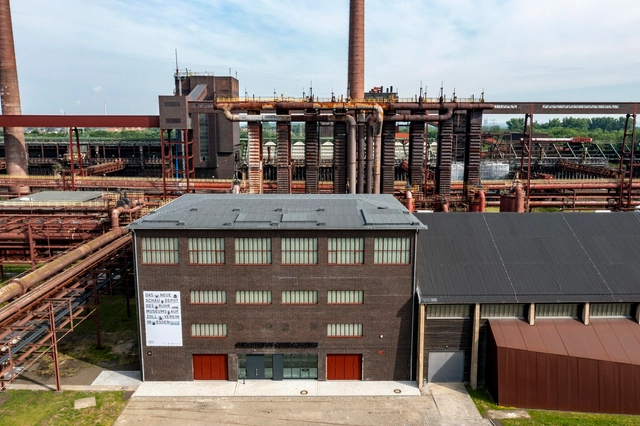
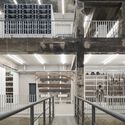
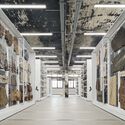
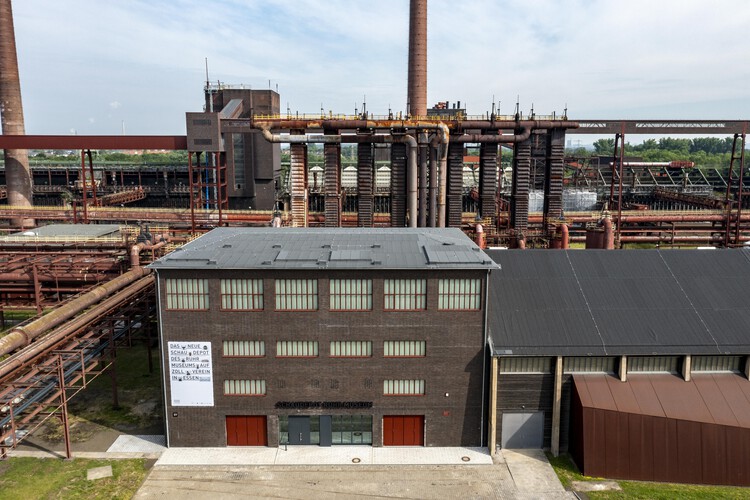
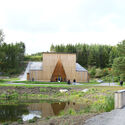
Once the largest coal mine in Europe, the Zollverein complex in Essen, Germany, has undergone a remarkable transformation over the past twenty-five years. What was once a landscape of abandoned industrial facilities is now a laboratory of contemporary architecture, featuring works by Rem Koolhaas, Norman Foster, and SANAA. Their interventions bridge the site’s industrial past with its imagined future. Spanning 100 hectares, the UNESCO World Heritage site has become a global model of adaptive reuse, redefining what it means to preserve industrial heritage. Within this context stands the Ruhr Museum and its enigmatic art repository, the Schaudepot. Located in the complex’s former salt factory, the museum impresses not only with its collection but also with its architecture, which transforms a 1960s industrial building into a vibrant cultural venue.

Because of its historical and architectural relevance, the project is featured in the 2025 edition of Open House Essen, under the theme “Future Heritage.” The initiative explores which spaces might shape our future architectural legacy and asks pressing questions: What should we preserve? What should we adapt? And how can we design a future that is both livable and fair?

From Salt Factory to Art Museum: The Story Behind the Schaudepot in Essen, Germany - Imagem 1 de 4From Salt Factory to Art Museum: The Story Behind the Schaudepot in Essen, Germany - Imagem 2 de 4From Salt Factory to Art Museum: The Story Behind the Schaudepot in Essen, Germany - Imagem 3 de 4From Salt Factory to Art Museum: The Story Behind the Schaudepot in Essen, Germany - Imagem 4 de 4From Salt Factory to Art Museum: The Story Behind the Schaudepot in Essen, Germany - More Images+ 14

Järva Burial Ground: Creating a Natural Landscape of Remembrance from Stockholm's Urban Discard

Subscriber Access | 

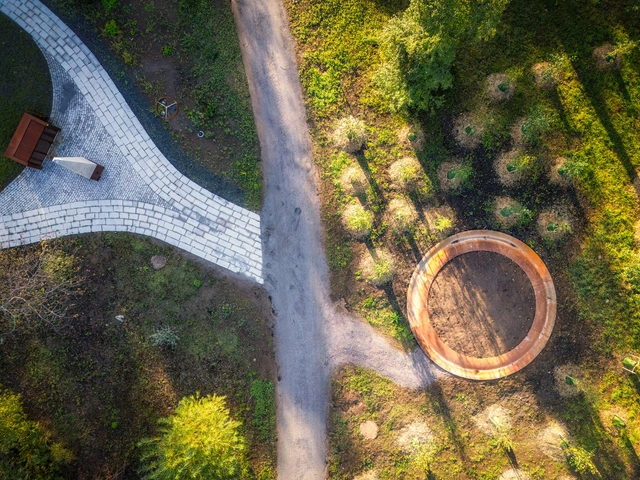
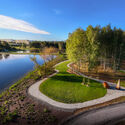
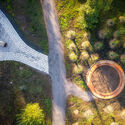
Opened in October 2024, the Järva Cemetery offers everyone, regardless of faith or beliefs, a space for remembrance, continuing Stockholm's long tradition of funeral history. After overcoming significant planning obstacles, the site, designed by Kristine Jensen Tegnestue and Poul Ingemann, was created to accommodate burials and funeral ceremonies, with options for coffins, urns, ash groves, and a commemorative forest. During the last edition of Open House Stockholm, visitors could explore its surrounding natural landscapes and connect with the space.

Järva Burial Ground: Creating a Natural Landscape of Remembrance from Stockholm's Urban Discard - Imagem 1 de 4Järva Burial Ground: Creating a Natural Landscape of Remembrance from Stockholm's Urban Discard - Imagem 2 de 4Järva Burial Ground: Creating a Natural Landscape of Remembrance from Stockholm's Urban Discard - Imagem 3 de 4Järva Burial Ground: Creating a Natural Landscape of Remembrance from Stockholm's Urban Discard - Featured ImageJärva Burial Ground: Creating a Natural Landscape of Remembrance from Stockholm's Urban Discard - More Images+ 11

AD Classics: Republic Square / Edvard Ravnikar

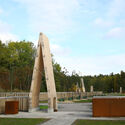
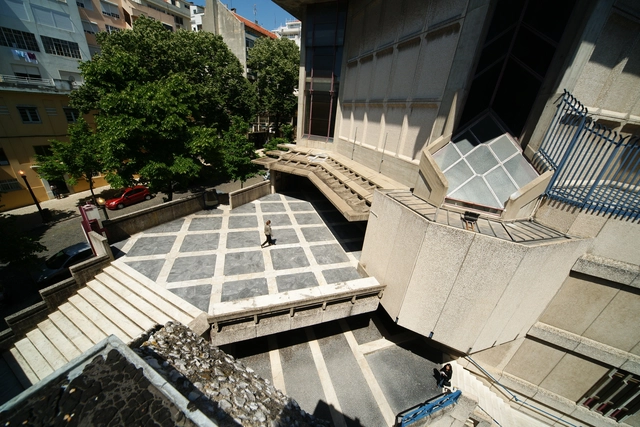
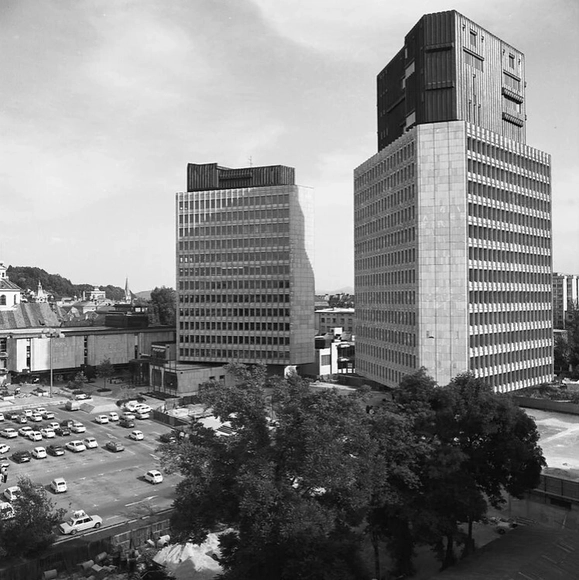
Republic Square in Ljubljana holds immense historical and symbolic significance for Slovenia. It is located in the historic center of the city and features a blend of buildings with different designs, scales, and dimensions, together with interconnected open spaces, passages, and underpasses. These elements form a multifunctional complex whose construction lasted more than 20 years and underwent several volumetric and programmatic reconfigurations. Visible from a distance and standing out above the Ursuline Church’s bell tower, two prominent office towers rise as part of this work designed by Edvard Ravnikar, the most prominent Slovenian architect of the second half of the 20th century.