This guide explains how to structure multi-image prompts in the RunDifussion platform. Explore RunDifussion's product catalog.


This guide explains how to structure multi-image prompts in the RunDifussion platform. Explore RunDifussion's product catalog.


Studio Gang's Samuel H. Scripps Theater Center has officially broken ground in Garrison, New York. Designed as the new permanent home for Hudson Valley Shakespeare (HVS), this 14,850-square-foot venue marks a significant development for the theater company, which is known for its open-air productions. The facility will be the first purpose-built, LEED Platinum-certified theater in the U.S., reflecting a strong commitment to environmental sustainability. It is located on a 98-acre campus along the Hudson River, providing a natural setting that integrates architecture with the surrounding landscape.


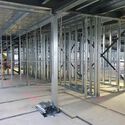
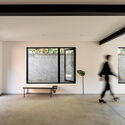
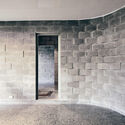
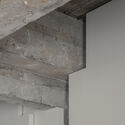
Two primary building approaches are commonly identified in architecture and design: solid versus hollow construction. These methods vary significantly across different cultures and regions, specifically for interior partitioning systems, when they appear interchangeable. Each has its own established practices influenced by local materials, labor preferences, climatic conditions, and cultural traditions. When architects and designers focus on their local context, it is easy to overlook the broader construction assumptions, limiting design flexibility and methodology. This raises an important question: How do these two building approaches differ?
Focusing mainly on interior systems, the distinctions between solid and hollow construction largely stem from the availability of materials and workforce preferences. For example, in the United States and Japan, stud walls, both wood and metal, are frequently used for partitioning. Conversely, brick remains the predominant material for partition walls in regions such as Hong Kong and southern China. Why do we build differently, and what are the benefits and challenges of each building methodology?


The Second Studio (formerly The Midnight Charette) is an explicit podcast about design, architecture, and the everyday. Hosted by Architects David Lee and Marina Bourderonnet, it features different creative professionals in unscripted conversations that allow for thoughtful takes and personal discussions.
A variety of subjects are covered with honesty and humor: some episodes are interviews, while others are tips for fellow designers, reviews of buildings and other projects, or casual explorations of everyday life and design. The Second Studio is also available on iTunes, Spotify, and YouTube.
This week David and Marina of FAME Architecture & Design share their favorite aspects of being an architect. They discussed ongoing learning opportunities; building something from nothing; architecture comradery; construction; appreciation for man-made and natural objects; technical drawings; when architecture projects are finished; and more.